
Reviewed · TOKYO FOOD TOURS
Tokyo Tsukiji Fish Market Food Tour: 15 Stops & Walk Local Street
Tsukiji is best understood on foot, one small bite and one local story at a time. This 2 to 3 hour walk links a temple, the outer market, a mini wholesale area, and a shrine tied to the sea. You get a useful introduction to Japanese food customs without having to guess where to go.
I like the small group limit of 15 and the promise of photos sent after the tour. I also like the cultural mix: this is not only a seafood stop, but a walk through religious sites, market streets, dining etiquette, and local history.
The main caution is important: the tour information says food tastings are included, yet the exclusions also say food is not included. One booking was made specifically because of this confusion. Confirm the food arrangement with Fuji Tour before paying, especially since $80 is a fair price only if tastings are actually covered.
In This Review
- Key points to know before booking
- Why Tsukiji works well for a short food tour
- Starting at Tsukiji Hongwanji Temple
- Walking through Tsukiji Jogai Market
- Seeing the mini wholesale fish area
- Visiting Namiyoke Inari Shrine
- What the $80 price really covers
- Guide quality and the small-group format
- Photos and the overall pace
- Who should book this Tsukiji walk
- Should you book it?
- FAQ
- How long does the Tokyo Tsukiji Fish Market Food Tour last?
- Where does the tour begin?
- Where does the tour end?
- Is food included in the tour price?
- What food might be available during the tour?
- What places does the tour visit?
- How large is the tour group?
- Is hotel pickup included?
- Can I cancel for a full refund?
Key points to know before booking
- Four distinct Tsukiji stops: Visit Tsukiji Hongwanji Temple, Tsukiji Jogai Market, a mini wholesale fish area, and Namiyoke Inari Shrine.
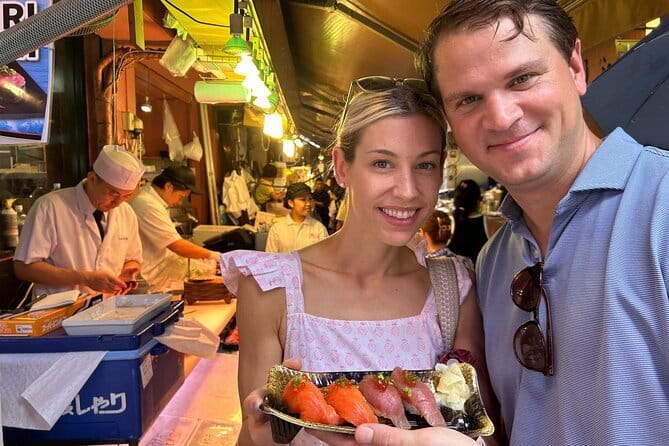
- Food customs are part of the lesson: The guide explains sushi eating, dining etiquette, Japanese culture, and market traditions.
- The food policy needs checking: The tour description promises tastings such as sushi or Japanese oysters, but the exclusions list food as not included.
- Sakura may guide your walk: A past booking had Sakura as the guide, with helpful instruction on sushi etiquette and Japanese food culture.
- Small groups keep the walk manageable: The maximum group size is 15 people, and the tour lasts about two to three hours.
- You return to the starting point: Meet at Tsukiji Hongwanji Temple and finish back there, with no hotel pickup or drop-off.
Why Tsukiji works well for a short food tour
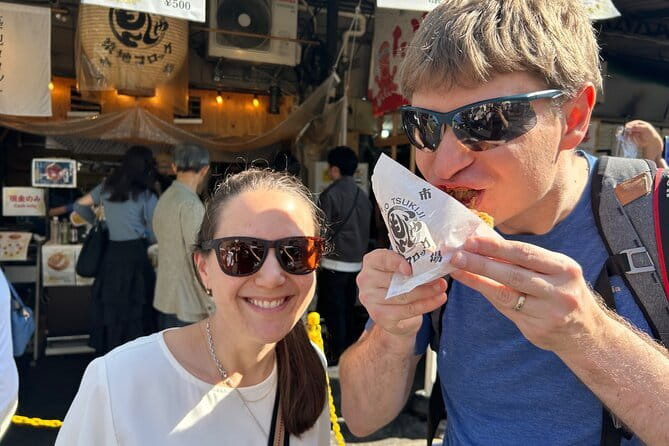
Tsukiji is no longer Tokyo’s main wholesale fish market. That role moved to Toyosu, but Tsukiji still has a busy outer market filled with shops, food counters, cooking supplies, and seafood sellers. This tour focuses on that public-facing side of the district.
That distinction matters. You are not signing up for a behind-the-scenes look at the old wholesale auction. Instead, you walk through the area where you can see fish, food preparation, small shops, and the everyday rhythm of a famous Tokyo market neighborhood.
I like this format for a first visit because the guide handles the route and explains what you are seeing. Tsukiji Jogai Market has more than 400 shops, so a local guide can help you spend your limited time with purpose rather than wandering past every doorway.
The experience runs approximately two to three hours. That is enough time for a compact introduction, but not so long that the market becomes exhausting. Plan to arrive ready to walk and eat in small portions, although the exact food arrangements should be confirmed in advance.
A few more Tokyo tours and experiences worth a look


Starting at Tsukiji Hongwanji Temple
The meeting point is in front of Tsukiji Hongwanji Temple at 3-chōme-15-1 Tsukiji. The temple visit takes about 15 minutes, and admission is free.
This is a sensible starting point. You begin with a quiet cultural site before moving into the market’s food-centered streets. The contrast helps you see Tsukiji as more than a place to buy sushi. Religion, trade, food, and the sea all meet in this small part of Tokyo.
Your guide can also provide context about Japanese customs here, including how to behave at a religious site. Since the tour includes explanations of etiquette, culture, and history, this short stop gives the walk a broader frame from the start.
Do not expect a long temple tour. Fifteen minutes is enough for a look and a brief explanation, not a full architectural study. If you want extensive time inside the temple, you may need to return on your own after the tour.
Walking through Tsukiji Jogai Market
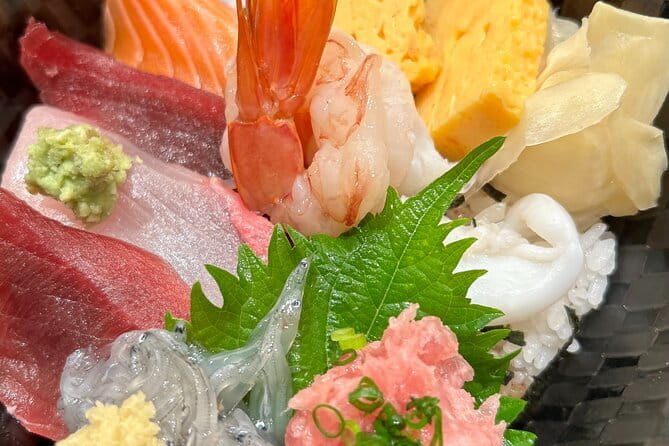
The main portion of the experience takes place at Tsukiji Jogai Market. You spend about an hour and a half here, including a meal or food stops along the way to the shopping streets.
This is the heart of the tour. More than 400 shops make the outer market a place for browsing as much as eating. You might see seafood sellers, prepared foods, and stores connected to Japanese cooking, though the supplied details do not specify every individual shop or dish visited.
That uncertainty is worth keeping in mind. The title advertises 15 stops, but the published schedule groups much of the time under the outer market. You should think of the 15 stops as a series of food and market encounters rather than 15 fully separate attractions.
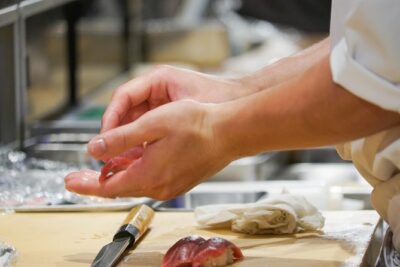
A guide is especially useful here because market etiquette can be unfamiliar. You may learn how to approach food counters, how to eat sushi, and how local customs shape the experience. One particularly positive booking involved Sakura, who explained sushi eating and Japanese dining etiquette in a clear, personal way.
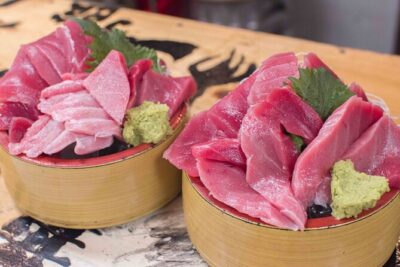
The meal is where the food-cost problem matters most. The description mentions tastings such as sushi or Japanese oysters, and one booking included a fantastic lunch. Yet the same tour details list food under items not included. That is not a small wording issue. At $80, you need to know if the fee includes the food, only the guide, or a set number of tastings with extra purchases required.
Contact Fuji Tour before the day of the walk and ask for a plain answer about what you will pay for food. If you are told that food is extra, budget for that separately. If you are told that tastings are included, keep the written confirmation.
Seeing the mini wholesale fish area
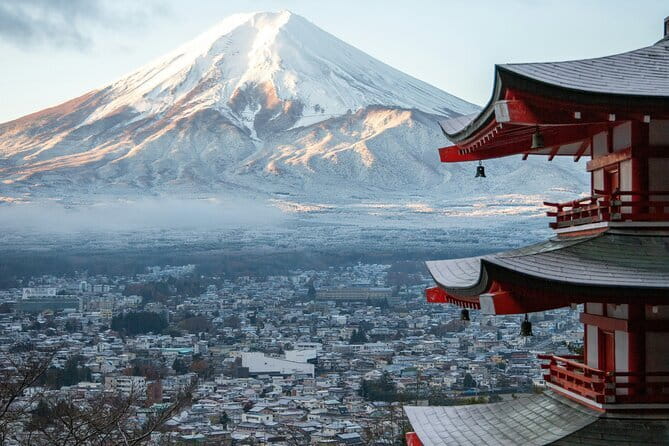
The group then passes a mini wholesale market for about 30 minutes. The aim is to see many kinds of fresh fish and understand how seafood is handled and sold.
This stop adds useful context to the food you may have tasted earlier. Instead of viewing sushi as an isolated meal, you get a look at the market system behind it. The details provided do not promise access to the main Toyosu wholesale auction, so keep expectations realistic. This is a pass-by visit to a smaller wholesale area.
The value here depends heavily on the guide’s explanation. Fish can look like a blur of unfamiliar shapes and names if you walk through alone. With a local guide, you can ask questions and connect what you see with Japanese cooking and seafood culture.
Thirty minutes is a good length for this stop. It gives you time to look without turning the tour into a technical market inspection. It also leaves room for the final shrine visit and the walk back to the meeting point.
Visiting Namiyoke Inari Shrine
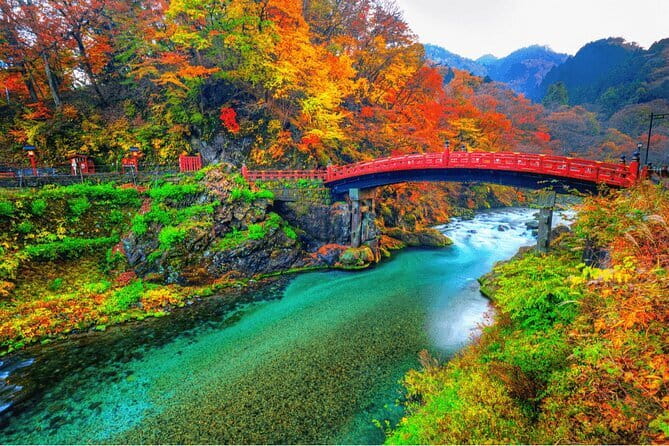
The final listed stop is Namiyoke Inari Shrine, with about 15 minutes set aside and no admission charge.
Namiyoke Inari is associated with protection from disasters and rough waves. That connection fits Tsukiji, a district shaped by the sea and the fishing trade. The shrine gives the tour a thoughtful ending after the market’s sights, smells, and food.
Again, this is a short visit rather than a long religious tour. You will receive an introduction to the shrine and its role, then continue back toward the starting point. I like the choice because it gives the walk a sense of place. You are not simply eating in a famous market; you are learning why the neighborhood has a relationship with seafood and the water.
The activity ends back at Tsukiji Hongwanji Temple. There is no hotel pickup or drop-off, and transportation to the meeting point is your responsibility.
A few more Tokyo tours and experiences worth a look


What the $80 price really covers
At $80 per person, this tour sits well above the cost of a basic market walk. The price can make sense if you value a local Japanese guide, food tastings, cultural explanations, a small group, and photos after the experience.
The problem is that the food inclusion is not presented consistently. The main description says tastings are included, while the exclusions list food as not included. One booking gave the tour a low score because the participant expected the food to be part of the fee and instead felt comparable to a much cheaper walking tour.
That criticism points to the central buying decision. If food is included, the tour offers a convenient way to sample Tsukiji while learning proper etiquette and market customs. If food is not included, the $80 pays mainly for guiding, interpretation, and organization, with your meal added on top.
I would not book this experience without clearing up that point. Ask what specific items are covered, whether sushi or oysters are guaranteed, and if the advertised meal is part of the ticket. Do not assume that the phrase food tastings included overrides the separate food exclusion.
The tour may still be worthwhile with food purchased separately, especially if you want help navigating Tsukiji and prefer a personal explanation over an unguided visit. But you should compare the total cost with a simple market walk before deciding.
Guide quality and the small-group format
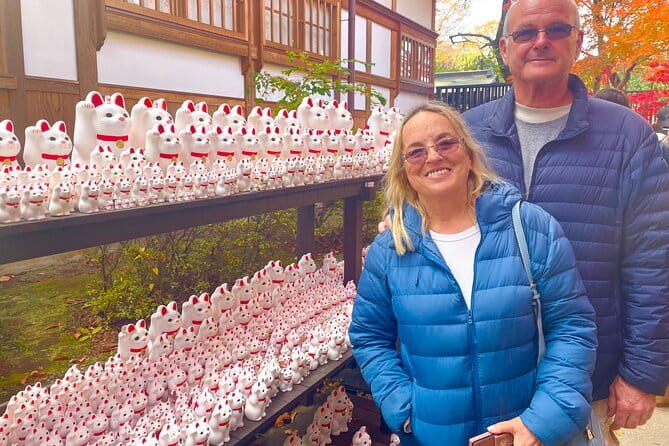
The maximum group size is 15 people. That is not a private tour, but it is small enough to be more personal than a large bus-style outing.
A group of this size can move through the market without the guide shouting constantly. You also have a better chance to ask about sushi etiquette, food customs, and the meaning of the places you visit. If cancellations reduce the number, the experience may become nearly private. One booking became a one-to-one walk with Sakura because of cancellations.
That personal contact is one of the strongest reasons to choose this experience. A guide can adapt when a shop is closed or the market schedule changes. On one occasion, a holiday closure required a quick change of plan, but the guide adjusted the route and still provided a good meal and a pleasant market visit.
You should also be ready for weather. A past walk took place in cold, unpleasant conditions, and the guide continued to explain the food and customs well. Still, the market portion is outdoors and involves walking, so comfortable shoes and suitable clothing will make a real difference.
Communication on the day uses WhatsApp. Download it before the tour if you need to contact the guide. Confirmation arrives at booking, and the meeting point is near public transportation.
Photos and the overall pace
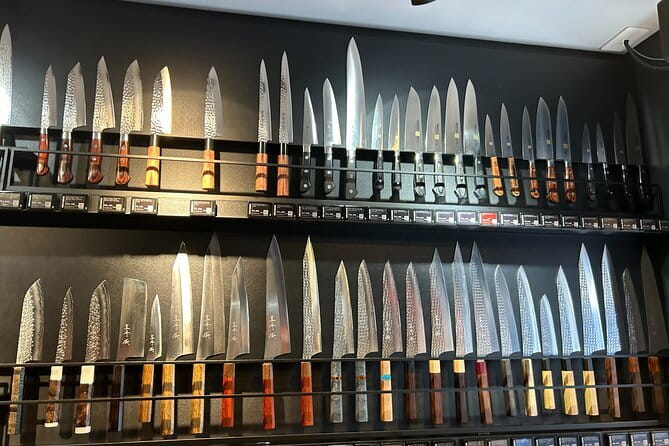
Photos are included and sent after the tour. This is a nice extra, particularly if you are busy looking at food and listening to the guide instead of taking pictures yourself.
The pace should feel steady rather than rushed. The schedule allows 15 minutes at the temple, 90 minutes in the outer market, 30 minutes near the mini wholesale area, and 15 minutes at the shrine. The food and walking time are concentrated in the market, which is where you will spend most of the morning or afternoon.
The exact order of food stops may change. Market shops can close for holidays, and availability is not guaranteed in the details provided. That is not necessarily a flaw, but it means you should value the guide’s ability to adjust rather than expect a fixed menu.
This tour suits you best if you want an introduction to Tsukiji and Japanese dining customs in one compact outing. It is less suitable if you want an exhaustive seafood tour, a wholesale auction visit, or a guaranteed list of 15 specific dishes.
Who should book this Tsukiji walk
I would consider it a good fit for:
- First-time Tokyo visitors who want a guided introduction to Tsukiji
- People who enjoy seafood and want help choosing what to try
- Anyone curious about sushi etiquette and Japanese dining customs
- Visitors who prefer a small group to exploring a large market alone
- People who want cultural stops alongside food tasting
- Those with only two or three hours available
You may want another option if you are on a tight budget, do not eat seafood, or want complete control over where and what you eat. The food-cost ambiguity is also a serious reason to pause until Fuji Tour confirms the details.
The 99 percent recommendation rate and five-star score suggest strong overall satisfaction, but the lower-rated booking reveals the one issue most likely to affect your own experience. The guide and route can be excellent, yet unclear pricing can spoil an otherwise good morning.
Should you book it?
Book this tour if you want a friendly introduction to Tsukiji, value explanations of Japanese food culture, and like having a guide lead you through a large market. The temple and shrine stops make it more rounded than a simple eating walk, while the small group and post-tour photos add practical value.
Before booking, confirm the food policy in writing. If sushi, oysters, or other tastings are included in the $80, the package is easier to justify. If all food is extra, decide if the guide’s cultural help and market navigation are worth the higher cost.
I would choose it for a first Tokyo visit, especially if Sakura is leading and the food arrangements are clear. I would skip it for a low-cost market stroll or if you expect access to a major wholesale auction. It is a guided outer-market experience, not a full fish-trade investigation.
FAQ
How long does the Tokyo Tsukiji Fish Market Food Tour last?
The tour lasts approximately two to three hours.
Where does the tour begin?
It begins in front of Tsukiji Hongwanji Temple at 3-chōme-15-1 Tsukiji, Chuo City, Tokyo 104-8435, Japan.
Where does the tour end?
The activity ends back at the meeting point at Tsukiji Hongwanji Temple.
Is food included in the tour price?
The information is inconsistent. The tour description says food tastings are included, while the exclusions list says food is not included. Confirm the exact arrangement with Fuji Tour before booking.
What food might be available during the tour?
The description gives sushi and Japanese oysters as examples of possible tastings. It does not provide a guaranteed menu.
What places does the tour visit?
The route includes Tsukiji Hongwanji Temple, Tsukiji Jogai Market, a mini wholesale fish area, and Namiyoke Inari Shrine.
How large is the tour group?
The activity has a maximum of 15 people.
Is hotel pickup included?
No. Hotel pickup and drop-off are not included, and transportation to the meeting point is your responsibility.
Can I cancel for a full refund?
Yes. You can cancel at least 24 hours before the local start time for a full refund. Cancellations or changes made less than 24 hours before the start time are not accepted for a refund.
More Walking Tours in Tokyo
More Tokyo Food Tours in Tokyo
More Tsukiji Market Tours in Tokyo
More tours in Tokyo we've reviewed




Tokyo Food Tours, compared.
 ★ 5.0Tokyo: Shinjuku Food Tour (13 Dishes at 4 Local Eateries)From $86
 ★ 4.9Tokyo: Shinjuku Food Tour (15 Dishes and 4 Eateries)From $853 hours
 ★ 5.0Best of Shinjuku: Izakaya Food Tour (4 Stops, 14+ Tastings)From $92
 ★ 5.0Tokyo Night Foodie Tour in Shinjuku – Seasonal Sushi, Wagyu BeefFrom $111
 ★ 5.0Eat and Drink Like a Local: Tokyo Ueno Food Tour-Taverns&RamenFrom $95
 ★ 5.0Tokyo: Shibuya Food Tour (13 dishes and 4 Eateries)From $77