
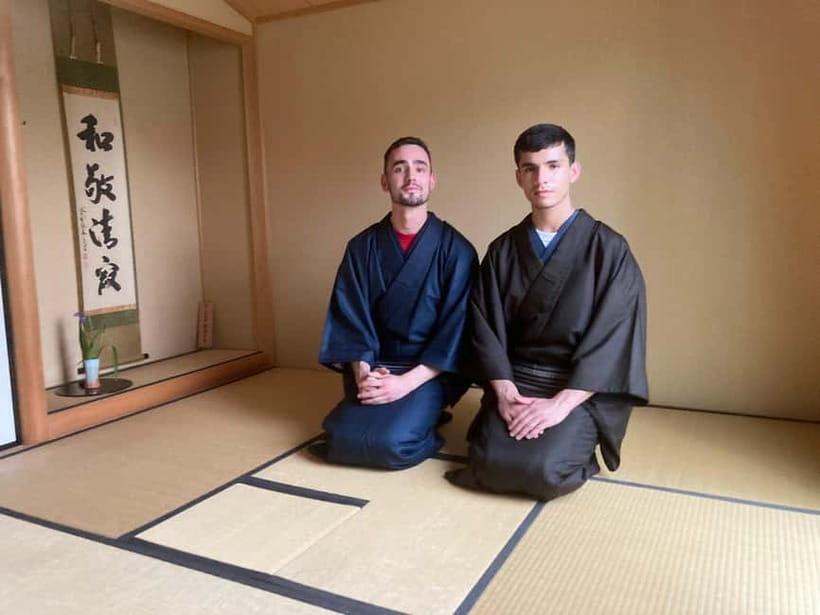
Reviewed · TEA CEREMONY & MATCHA
Tokyo: Tea Ceremony Experience in a small tea room
The heart of this experience is its small, home-like tea room, where Mari guides you through the careful movements of a Japanese tea ceremony. You are not only watching. You can whisk your own matcha, learn how the tea towel is folded, and ask questions in English.
I like the personal teaching and the calm setting near the riverside scenery, Yanaka, and Nezu Shrine. I also like the size: with no more than six people, you get room to practice instead of sitting in a large demonstration. The main consideration is access, since the tea room is up two narrow flights of stairs, and the residential meeting point can be tricky for a taxi to find.
In This Review
- Key points to know before booking
- Why this small Tokyo tea room works
- Meeting Mari near Nishi-Nippori
- The opening lesson: what the ceremony means
- Making matcha with your own hands
- The value of a 20-year teacher
- A quiet setting with a residential feel
- Is $51 a fair price?
- Who should book this activity?
- How to fit it into a day near Yanaka
- Booking, cancellation, and group details
- Should you book this tea ceremony?
- FAQ
- Where does the tea ceremony take place?
- How long does the activity last?
- Who teaches the tea ceremony?
- Is the activity taught in English?
- Can beginners join?
- Can I prepare my own matcha?
- What is included in the price?
- Is kimono dressing included?
Key points to know before booking
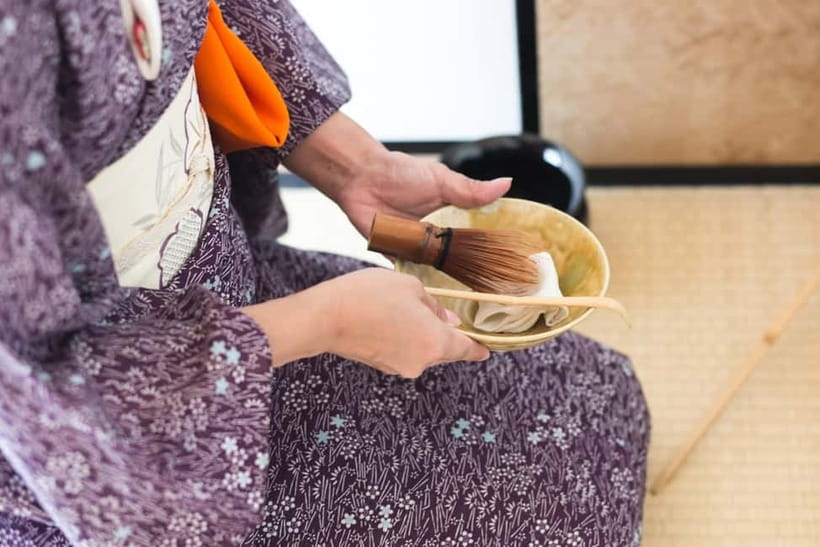
- A hands-on matcha lesson: You can prepare your own tea under Mari’s guidance, rather than simply watch a formal performance.
- A teacher with 20 years of experience: Mari explains the meaning behind gestures linked to purity, hospitality, harmony, and mindfulness.
- A group limited to six people: The small size gives you time to ask questions and repeat unfamiliar steps.
- A quiet stop near Nishi-Nippori: The meeting point at Senraku-an is about a seven-minute walk from the station.
- Traditional sweets are included: Matcha is served with dried Japanese sweets, as part of the ceremony.
- Check the stairs before booking: The room is up two narrow flights, and kimono dressing costs extra.
Why this small Tokyo tea room works
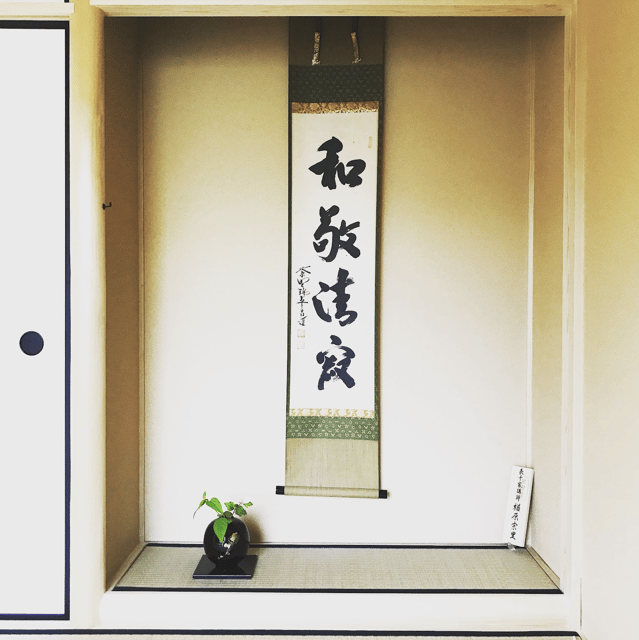
A tea ceremony can feel intimidating if you picture strict rules, formal clothing, and movements you must perform perfectly. This session takes a friendlier approach. You are introduced to the purpose behind the actions first, then given a chance to try them yourself.
That matters because the ceremony is not simply about drinking powdered green tea. The actions show care, order, cleanliness, respect, and attention to the person sharing the tea with you. Mari’s teaching gives you a way to notice those ideas without needing previous experience.
I also like that the setting is small. A large cultural demonstration can give you a fine overview, but it may leave you feeling like you are watching from the outside. Here, the group limit of six makes the lesson more personal. If you are unsure how to hold the whisk or fold the tea cloth, you have a better chance to receive a correction and try again.
The session lasts one hour, so it fits neatly into a Tokyo day. You will not lose half a day to transportation or a long formal program. At the same time, the short duration means this is an introduction, not full training in the tea arts. You will leave with a better understanding of the ritual and a taste of matcha, but not mastery of every movement.
A few more Tokyo tours and experiences worth a look

Meeting Mari near Nishi-Nippori
You meet at Senraku-an 10 minutes before the activity begins. The tea room is described as about a seven-minute walk from Nishi-Nippori Station, in an area with quiet riverside scenery and easy access to the Yanaka and Nezu Shrine area.
Allow extra time for finding the exact entrance. This is a residential setting rather than a major tourist attraction with a large sign out front. A taxi may have trouble locating it, so walking from Nishi-Nippori can be the simpler choice if you can follow the meeting instructions.
This part of Tokyo is useful for people who want to pair the ceremony with a slower neighborhood walk. Yanaka is close by, and Nezu Shrine provides another cultural stop in the same general area. The tea session itself does not include a guided tour of those places, so plan those visits separately.
The quiet surroundings help the mood. Tokyo can be loud and crowded, and even a short hour in a peaceful room gives your day a different rhythm. You are still close to central sightseeing areas, but the activity does not feel like another stop in a busy ticket queue.
The opening lesson: what the ceremony means
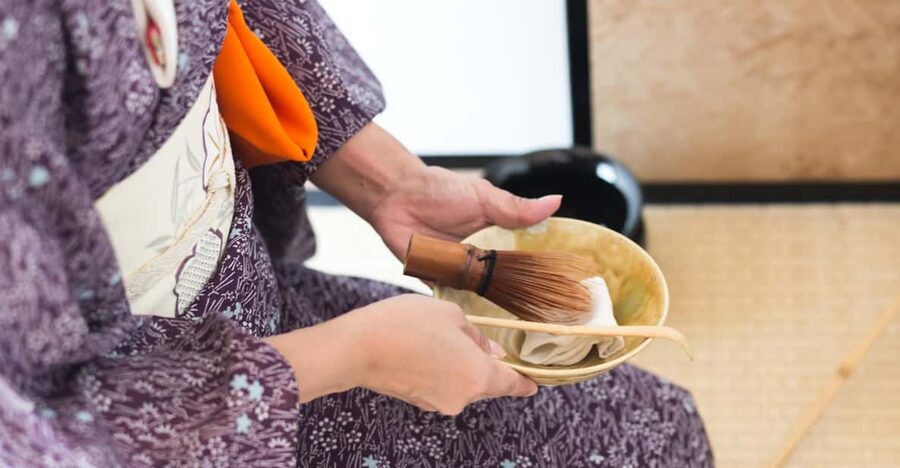
Mari begins by explaining the ceremony and the ideas that guide it. English instruction is included, and the teaching is aimed at people with no prior knowledge.
You will hear about concepts such as purity, harmony, and omotenashi, the Japanese idea of thoughtful hospitality. These themes make the movements easier to understand. Bowing, cleaning, presenting the bowl, and drinking the tea are not random steps. Each one helps create a respectful exchange between host and guest.
I find this cultural explanation more useful than memorizing a list of rules. If you know why a gesture matters, you can watch the ceremony with greater attention. You also feel less pressure to imitate every movement perfectly.
The tone is welcoming rather than severe. The purpose is to help you appreciate the tradition, not test you. That makes the activity a good fit for couples, families, and first-time visitors who may worry about making a mistake.
Making matcha with your own hands
The most engaging part is the hands-on preparation. You can whisk your own matcha under Mari’s direction, learning the basic movements and the order of the process.
Matcha is powdered green tea. It is mixed directly with hot water rather than brewed and strained, which gives it a different texture from ordinary tea. The whisking motion is central to preparing it properly, and the process asks you to slow down and pay attention.
You will also learn the small gestures that surround the preparation. One useful detail is the folding of the tea towel. It may look simple when someone experienced does it, but the correct folds and movements take practice. Mari has been willing to go over this step several times, which is helpful if you want to repeat the process on your own later.
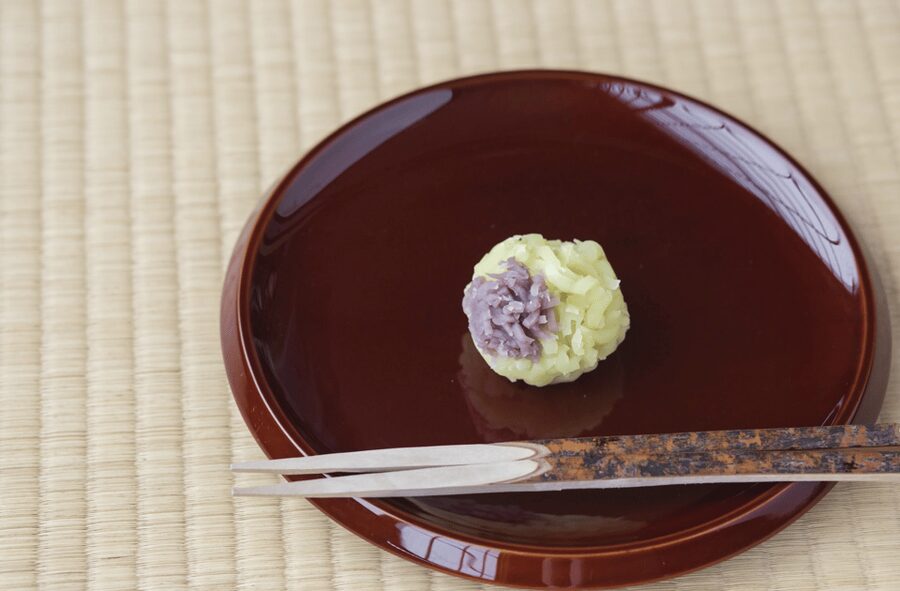
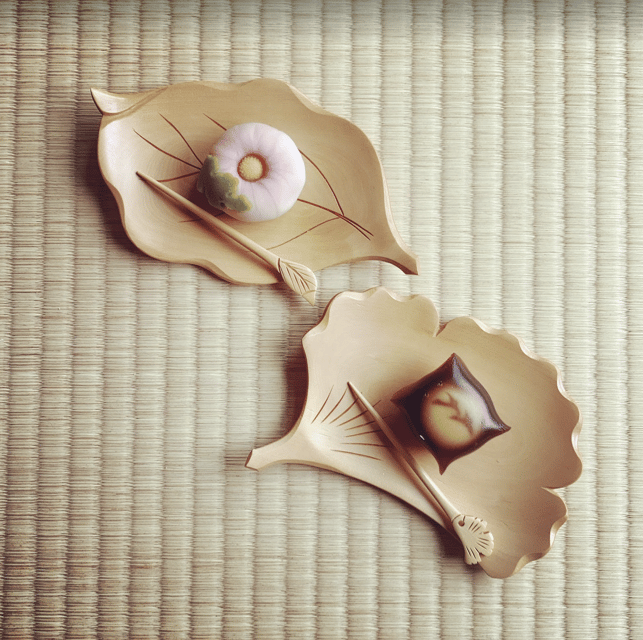
The activity includes matcha and traditional dried sweets. The sweet is served alongside the tea to balance matcha’s strong, grassy taste. This pairing also shows how the ceremony considers the whole experience, not just the drink in the bowl.
You are free to take part at your own level. If you prefer to watch first, you can study Mari’s movements before trying them. If you enjoy practical activities, you can take the bowl and whisk and work through the steps yourself.
The value of a 20-year teacher
Mari’s long experience matters most when you ask questions. A tea ceremony has many details that are easy to miss when you only see a short performance. An experienced teacher can explain what is essential, what is symbolic, and what beginners should not worry about.
Her patient style is especially helpful for families and older visitors. Children or first-time participants may need to repeat a movement, and the lesson allows space for that. The relaxed approach also gives couples or friends a chance to enjoy the ceremony together without feeling they are being judged.
The teaching is not limited to the mechanics of whisking. You gain a clearer idea of how hospitality works in the tea tradition and why the host pays such close attention to preparation. That cultural background is one reason I consider this more worthwhile than a simple matcha tasting.
Still, expectations matter. This is a one-hour introductory session in English. If you want a long, highly formal ceremony with extensive discussion of tea schools, architecture, utensils, or seasonal practice, you will need a longer specialist program. This option is better for a clear, personal introduction that fits a sightseeing schedule.



A quiet setting with a residential feel
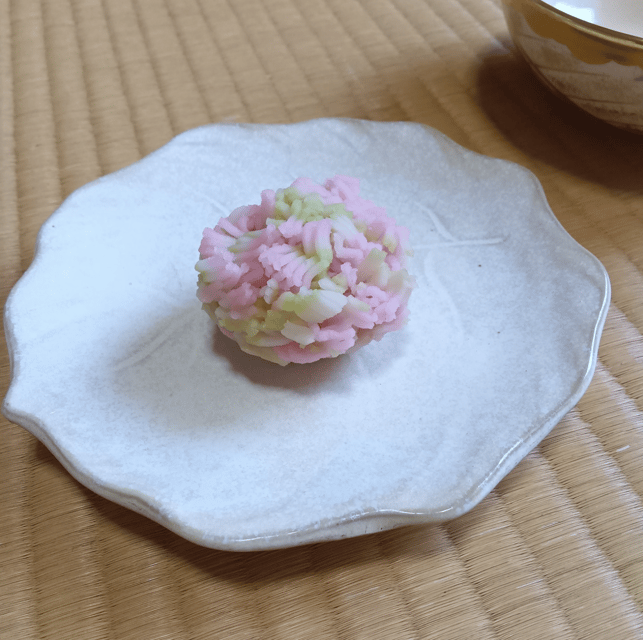
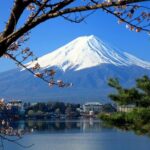
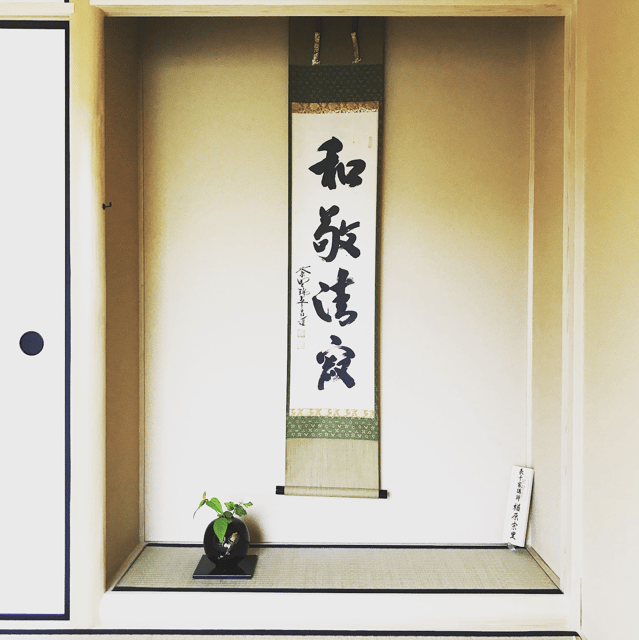
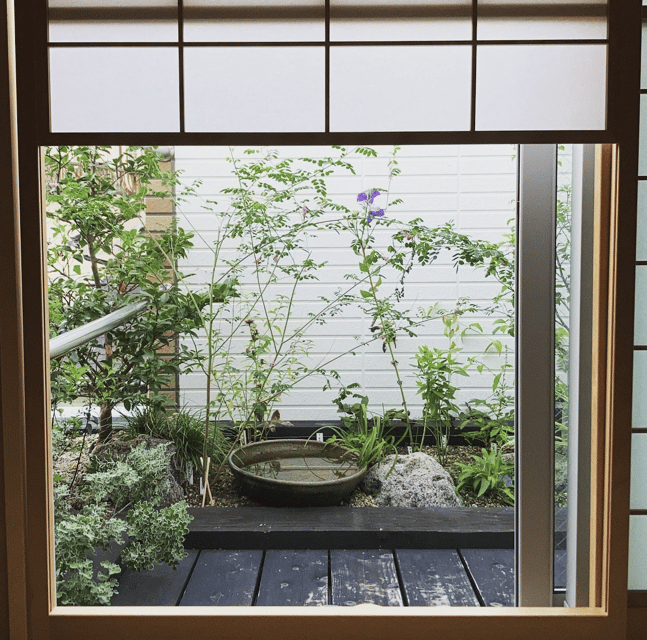
The room is in a house, which gives the activity a personal quality. You are not entering a stage-built attraction designed only for tourists. The setting feels closer to being welcomed into someone’s everyday cultural space.
That is part of the appeal, but it also brings practical tradeoffs. The room is not described as a fully public venue with broad access. Narrow stairs lead up two flights, and one participant found them difficult. If stairs are a concern for you or someone in your group, ask for the room details before paying.
The residential location can also make navigation less obvious. I would not leave this meeting until the last minute. Arrive at Nishi-Nippori with enough time to walk, check the directions, and meet at Senraku-an 10 minutes early.
You can request kimono dressing if you want to add a more visual element. It is not included in the $51 price, and the extra charge has been considered expensive by at least one participant. Ask for the current cost before deciding. For children or for a special family photo, it may feel worthwhile. For a short one-hour lesson, many people will be satisfied with ordinary clothing.
Is $51 a fair price?
At $51 per person, the cost is not the cheapest way to drink matcha in Tokyo. You can find tea and sweets at many shops for much less. The value here comes from the personal instruction, cultural context, hands-on preparation, and small group size.
I think the price is reasonable if you want an activity rather than a refreshment. You are paying for Mari’s time and teaching, not just for a bowl of tea. The group limit of six is important because it gives you a better chance to practice and ask questions.
The value improves if you are interested in Japanese customs but do not have time for a full cultural course. In one hour, you learn the basic meaning of the ceremony, prepare matcha, taste a traditional sweet, and spend time in a quiet neighborhood setting.
The calculation changes if you mainly want photographs or a costume experience. Kimono is not part of the base price, and the added cost may make the outing less attractive. This is primarily a tea lesson, with clothing available as an optional extra.
Transportation is also not included. You make your own way to the meeting point, so include your train or taxi fare in the day’s budget. Walking from Nishi-Nippori is likely the most practical choice based on the stated location.
Who should book this activity?
I would recommend it to first-time visitors who want cultural context without committing to a long formal program. You do not need previous tea ceremony experience, and the English instruction makes the lesson accessible.
It suits couples looking for a calm break from sightseeing. It also works well for families, especially if the children are old enough to listen, handle a tea bowl carefully, and follow a short sequence of instructions. Kimono dressing can be added for children, though you should confirm the extra price.
This is also a good choice for anyone who enjoys learning by doing. If you want to whisk matcha, practice folding the tea towel, and ask questions as you go, the small group format is a strong advantage.
I would be more cautious if you have difficulty with narrow stairs, need step-free access, or dislike finding residential addresses. Contact the provider before booking and ask exactly where the tea room is located. The activity may still be possible, but you should not discover the two flights of stairs at the door.
How to fit it into a day near Yanaka
The tea ceremony takes only one hour, but I would allow additional time on both sides. Arrive 10 minutes early, then leave room afterward for the nearby Yanaka and Nezu Shrine area.
The ceremony is best used as a peaceful center point in a neighborhood visit. You can explore before or after, rather than crossing Tokyo just for a single short appointment. The nearby riverside scenery also gives you a chance to slow down after the lesson.
Do not treat the activity as a full sightseeing tour. The teacher may point you toward nearby historical places, but the paid session focuses on tea. If you want detailed history of Yanaka or Nezu Shrine, arrange that separately.
For transportation, I would favor the train and a careful walk over a taxi directly to the door. The residential setting is not always easy for drivers to locate. Keep the meeting instructions available on your phone and do not arrive at the last minute.
Booking, cancellation, and group details
The session is offered in English and is limited to six participants. That size is small enough for personal instruction while still allowing you to meet other people interested in Japanese culture.
You can reserve now and pay later, which helps if your Tokyo schedule is still shifting. Free cancellation is available up to 24 hours in advance for a full refund. Starting times vary, so check availability for your chosen date.
The base price includes matcha, traditional dried sweets, and the lesson with the tea teacher. Transportation and kimono dressing are separate. The activity is one hour long, and there is no need to wait in a ticket line.
The experience has earned a 4.9 rating from 53 bookings, with particular praise for Mari’s kindness, clear English, patience, and ability to answer questions. The strongest pattern is personal teaching in a calm room. The main caution is physical access and the difficulty of locating the residential meeting point.
Should you book this tea ceremony?
Book it if you want to understand the meaning behind Japanese tea customs and take part in the preparation yourself. The combination of Mari’s 20 years of experience, a six-person limit, and a quiet location near Yanaka makes the $51 cost easier to justify than a simple tea stop.
I would especially choose it for a first visit to Tokyo, a couple’s activity, or a family looking for a slower cultural hour. I would skip it if you need step-free access, want a long scholarly ceremony, or mainly want kimono photographs.
Before booking, confirm the staircase situation and the current kimono supplement. If those points work for you, this is a gentle, personal way to give your Tokyo schedule a little calm and a better understanding of what a tea ceremony is trying to express.
FAQ
Where does the tea ceremony take place?
The meeting point is Senraku-an, about a seven-minute walk from Nishi-Nippori Station. The setting is in a residential area near the Yanaka and Nezu Shrine area, with riverside scenery nearby.
How long does the activity last?
The tea ceremony and lesson last one hour.
Who teaches the tea ceremony?
Mari teaches the session. She has more than 20 years of experience in the tea ceremony tradition.
Is the activity taught in English?
Yes. English instruction is provided.
Can beginners join?
Yes. The session is designed for people with no previous tea ceremony knowledge as well as those who already have some familiarity.
Can I prepare my own matcha?
Yes. You can whisk and prepare your own matcha under the teacher’s guidance if you wish.
What is included in the price?
The price includes matcha, traditional dried sweets, and the lesson with the tea ceremony teacher.
Is kimono dressing included?
No. Kimono dressing is not included in the listed price, but you can request it as an additional service.
More Tea Ceremony & Matcha in Tokyo

More tours in Tokyo we've reviewed





Tea Ceremony & Matcha, compared.
 ★ 5.0Matcha Making Class in Tokyo with Authentic Japanese Sweets SetFrom $21
 ★ 5.0Tokyo: Traditional Tea Ceremony with a Tea MasterFrom $381 hour
 ★ 4.5Dynamic Tokyo: Tokyo Tower, Tea Experience, Bay Cruise Day TourFrom $99
 ★ 4.9Tokyo: Matcha Making Experience with Mochi Sweets in AsakusaFrom $221 hour
 ★ 4.7Tokyo: Matcha and Kimono ExperienceFrom $57
 ★ 5.0Tea Ceremony Workshop in Tokyo by the Experienced InstrucorFrom $38