
Reviewed · SHIBUYA TOURS
【NEW】Shibuya Tea Ceremony Tokyo-Chaan
The best part of this Shibuya experience is that you do not only watch tea ceremony. After a calm demonstration, you pick up the traditional tools and make your own bowl of matcha. That hands-on step turns a formal custom into something you can understand with your hands, not just your eyes.
I like the English-speaking Japanese instructors, each with more than 10 years of tea ceremony experience. I also like the quiet setting: a traditional tatami room, kimono-clad hosts, and seasonal sweets served with the tea. The main consideration is simple: this is a focused cultural activity, not a large sightseeing tour, so it may feel too formal for children under four or anyone looking for a fast-paced attraction.
In This Review
- Key points to know before booking
- A quiet cultural break in the middle of Shibuya
- Meeting Sakura and Kini in the tatami room
- Watching the Otemae demonstration
- Making matcha with traditional utensils
- Seasonal sweets and the taste of matcha
- What the $18 price really covers
- Who will enjoy this most
- Practical details at Dogenzaka
- How this compares with a simple tea tasting
- My recommendation
- FAQ
- Where does the tea ceremony take place?
- What language is used during the experience?
- Who leads the tea ceremony?
- What is included in the price?
- Do I get to make matcha myself?
- Are children allowed to participate?
- Where does the activity finish?
- Can I cancel or pay later?
Key points to know before booking
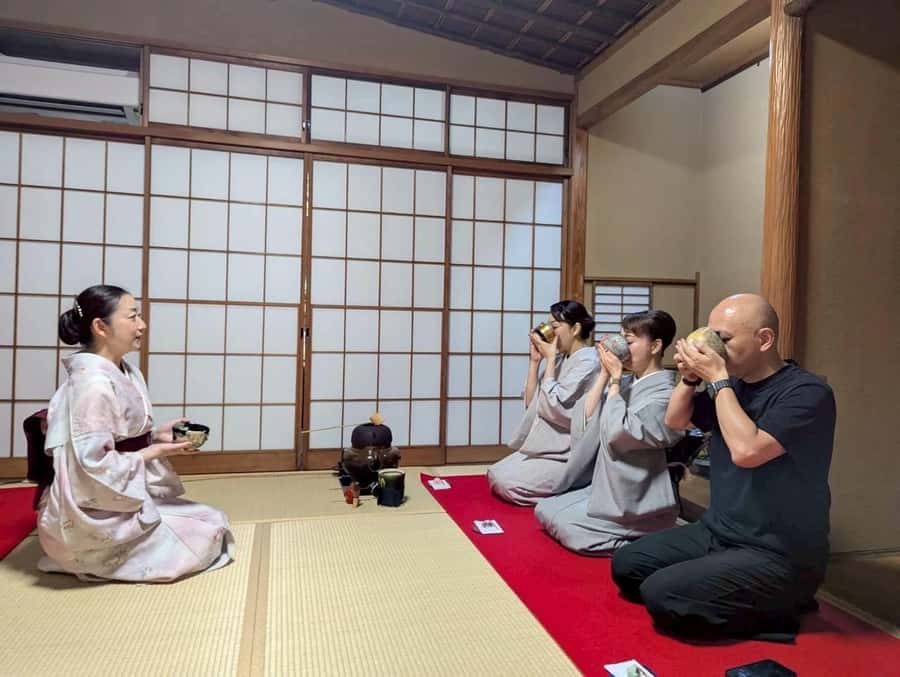
- You make your own matcha: The demonstration is followed by hands-on preparation with authentic tea tools.
- Sakura and Kini lead the experience: Both instructors guide the ceremony in English, with more than 10 years of experience each.
- The setting is traditional: You meet in a tatami room on the second floor of the Manji Building in Dogenzaka.
- Seasonal sweets are included: A Japanese confection is served with your bowl of matcha.
- The price is modest: At $18 per person, the activity offers a low-cost introduction to an important Japanese art.
- Young children face a firm limit: Children under four cannot participate, and every child aged four or older needs a ticket.
A quiet cultural break in the middle of Shibuya
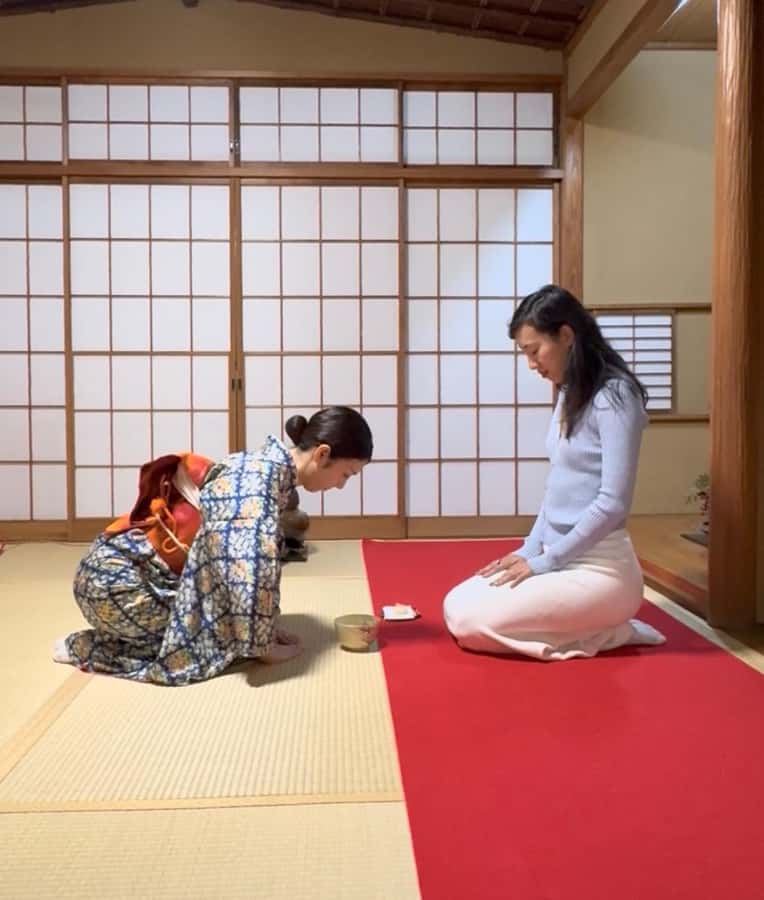
Shibuya is known for its famous crossing, bright signs, shops, and nonstop movement. This tea ceremony offers a different side of the district. You enter a traditional Japanese room, sit on tatami, and give your attention to a small bowl of green tea.
That change of pace is part of the appeal. You do not need a full day to learn something meaningful about Japanese culture. This activity gives you a compact introduction to tea ceremony, basic manners, tea tools, and the careful movements used to prepare matcha.
The meeting point is on the second floor of the Manji Building at 1-15-9 Dogenzaka, Shibuya-ku, Tokyo 150-0043. The Japanese address is 〒150-0043 東京都渋谷区道玄坂1-15-9 万字ビル 2F. The activity ends at the same place, which makes it easy to continue exploring Shibuya afterward.
The available information does not give a fixed duration or group size. That matters if you are planning a tightly timed day, so check the booking details before you commit to another activity immediately afterward.
A few more Tokyo tours and experiences worth a look



Meeting Sakura and Kini in the tatami room
The experience begins with a welcome and introduction. Your instructors, Sakura and Kini, wear traditional kimono and explain the meaning and history of tea ceremony in English.
Clear English makes a real difference here. Tea ceremony has its own tools, gestures, and etiquette, and a quiet demonstration without explanation could leave you guessing. The instructors’ experience helps put those actions into context rather than treating them as decorative movements.
You will be welcomed in a traditional Japanese room with tatami flooring. Tatami is not just a visual detail. It sets the tone for the ceremony and signals that this is a cultural practice with its own pace and manners.
Expect the introduction to focus on understanding the ceremony rather than rushing into the tea. You learn why the steps matter, how tea is served, and how to handle the utensils. That background gives the rest of the activity more meaning.
Watching the Otemae demonstration
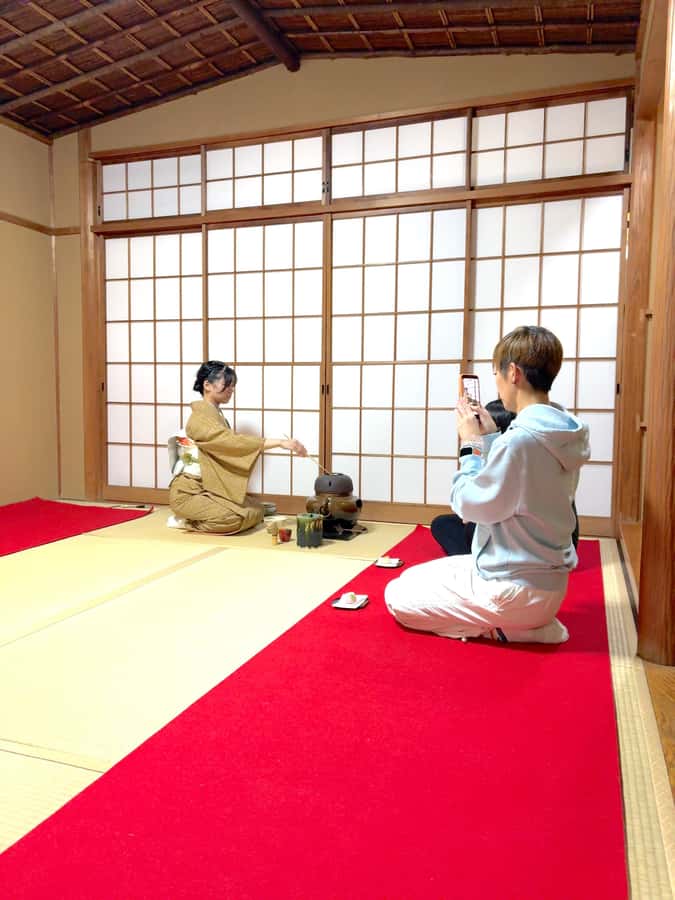
Next comes a live tea ceremony demonstration, known as Otemae. Your instructor shows how the utensils are used and explains the basic manners involved in preparing and serving tea.
This is the part to watch closely. The value is in the small details: the order of the actions, the handling of each tool, and the calm rhythm of the preparation. The ceremony is not simply about mixing powder and water. It is also about attention, respect, and creating a peaceful moment for the person drinking the tea.
The demonstration gives you a useful model before you try the process yourself. You can see the movements first, then repeat them with guidance. That structure should suit beginners, especially if you have never handled a bamboo whisk or prepared matcha in the traditional way.
The setting also helps. A tatami room and instructors in kimono make the demonstration feel connected to Japanese custom, rather than like a quick tasting at a modern café. At the same time, the activity is designed as an introduction, so you do not need prior knowledge of tea ceremony.
Making matcha with traditional utensils
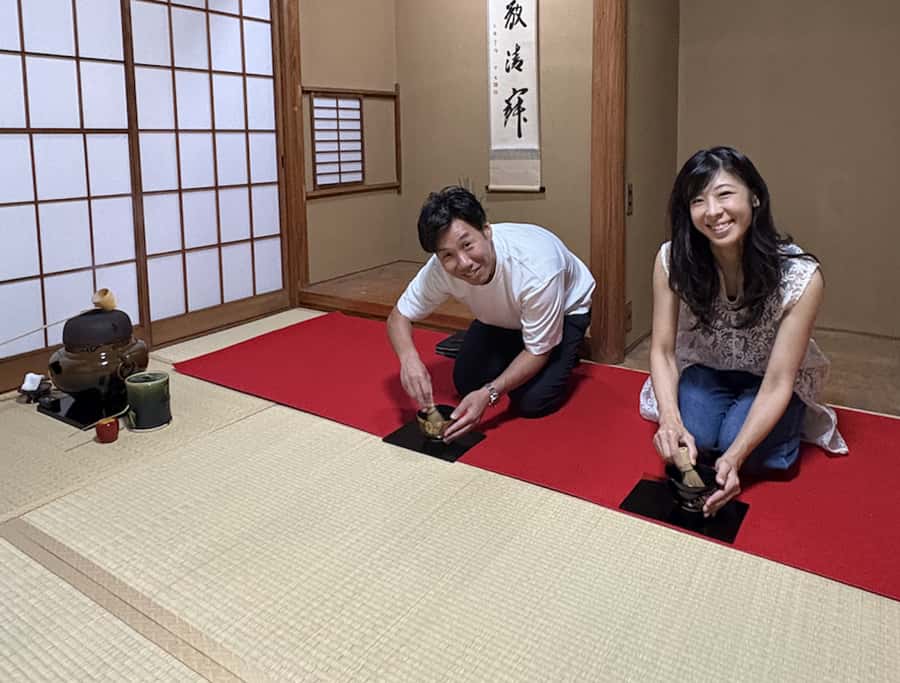
The most engaging section begins when it is your turn. You use traditional tea tools to prepare your own bowl of matcha with freshly ground powdered green tea.
This hands-on portion is where the $18 price earns its keep. You are not simply being served a cup. You learn the basic process and take part in it under instruction. The activity gives you a small practical skill that you can remember after leaving Tokyo.
Matcha has a stronger, more concentrated taste than ordinary brewed green tea. Its flavor can be an adjustment if you usually prefer mild tea, but that is part of the point. You get to taste it in the form used for the ceremony, prepared with the tools and steps you have just learned.
Do not expect a workshop for professional tea practitioners. The experience is presented as an accessible cultural introduction. The instructors explain the basic movements and manners, then help you through the preparation. That makes it a sensible choice for first-time participants, including people who want cultural context without committing to a long formal course.
Seasonal sweets and the taste of matcha
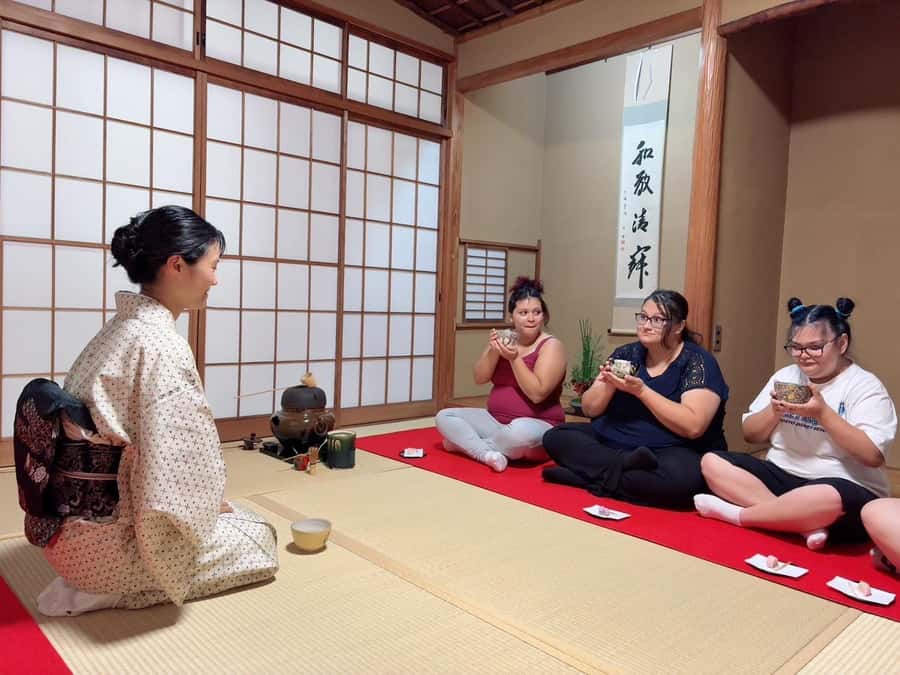
After preparing the tea, you drink it with a seasonal Japanese sweet. The confection is included in the price and serves a practical purpose as well as a pleasant one.
Matcha can have a bold, earthy, or slightly bitter taste. A sweet provides contrast and helps balance the flavor. It also reflects a familiar part of Japanese tea service, where the confection is enjoyed before or alongside the tea rather than treated as an unrelated dessert.
The exact sweet is seasonal, so you should not book this expecting one particular confection. That changing element is part of the experience. It connects the food to the time of year and gives the ceremony a small detail that a standard green tea tasting may not offer.
Several specific comments about the experience praise the tea and sweets, along with the way the instructors explain the history. That combination is worth noting. The activity is not built around food alone, and it is not a lecture alone. You get cultural background, a demonstration, a practical lesson, and a taste.
A few more Tokyo tours and experiences worth a look


What the $18 price really covers
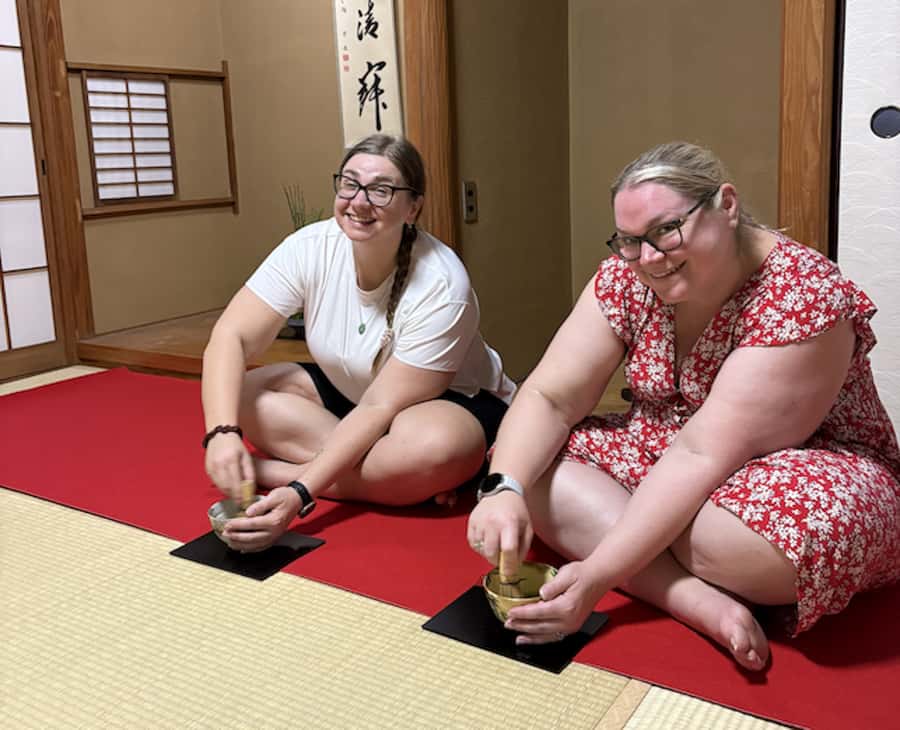
At $18 per person, this is one of the easier cultural activities to fit into a Tokyo budget. The entrance fee, matcha, and confections are included, so the listed price covers the core experience rather than charging you separately for the tea or sweet.
The real value depends on what you want from a tea ceremony. If your priority is a long, highly formal ceremony with extensive etiquette training, you may want a more specialized experience. If you want a friendly introduction that lets you watch and participate, this price is appealing.
I especially like that you get to make the tea yourself. Many cultural demonstrations are enjoyable but passive. Here, the basic lesson becomes more memorable because you repeat the process with the same type of traditional utensils used in the demonstration.
The English instruction also adds value for international visitors. You are less likely to miss the meaning behind the gestures or feel unsure about what to do next. The activity is structured for people from around the world, not only for those who already understand Japanese customs.
You can reserve now and pay later, which keeps your plans flexible. Cancellation is allowed up to 24 hours in advance for a full refund. Those terms are useful if your Tokyo schedule is still changing.
Who will enjoy this most
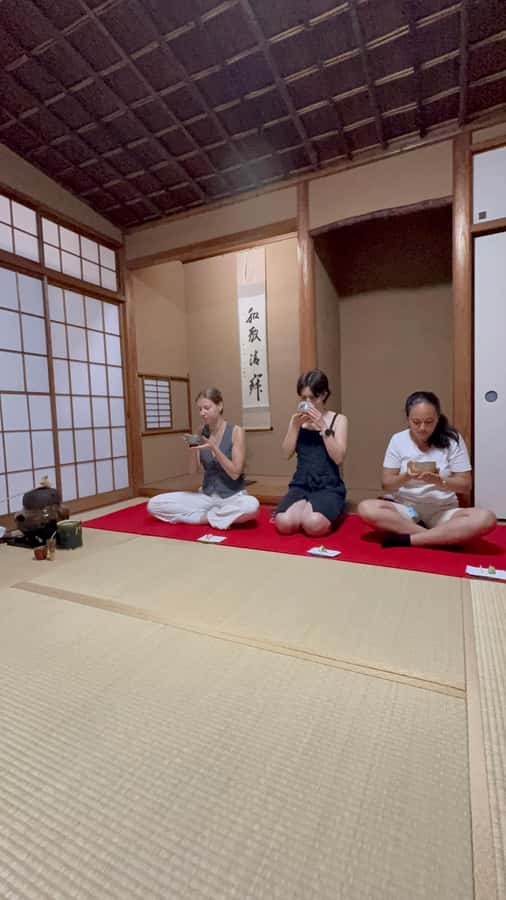
I would recommend this activity to first-time visitors who want a manageable introduction to Japanese culture. It fits well between sightseeing plans in Shibuya and does not require you to travel across Tokyo for a specialized venue.
It should also suit couples, solo visitors, and families with older children. Children aged four and above must have their own tickets, and children under four cannot participate. If you are bringing a child under four, contact the provider in advance. Entry may be refused if a child under the minimum age arrives with you.
The experience is a good match for anyone who enjoys learning by doing. You watch the instructor, handle the tools, make the tea, and taste the result. It is less suitable if you dislike quiet settings, formal manners, or activities that ask you to focus on a single cultural practice.
The activity may also appeal to visitors who have already seen major Tokyo sights and want a calmer hour in their schedule. You do not need to understand every detail of tea ceremony to enjoy it. The instructors provide the explanation, and the structure gives you enough context to appreciate what you are seeing.
Practical details at Dogenzaka
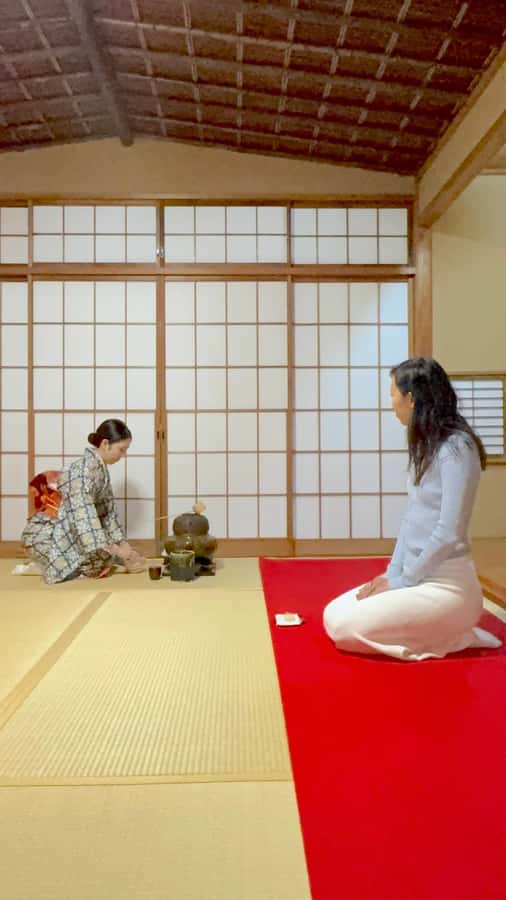
The meeting point is the second floor of the Manji Building, at 1-15-9 Dogenzaka in Shibuya. Since the activity takes place inside a building, allow a little time to find the correct entrance and floor rather than arriving at the last second.
The end point is the same as the start point. That is convenient for returning to Shibuya Station, continuing toward the district’s shops and restaurants, or meeting friends nearby.
English is the listed language. Sakura and Kini are Japanese instructors who speak English fluently and have each worked in tea ceremony for more than 10 years. If having instructions in English matters to you, this is a strong point.
The activity includes the entrance fee, matcha, and confections. No other inclusions are specified, so do not assume transportation, additional food, or other sightseeing stops are part of the booking.
The available details do not state the activity duration, exact group size, or seating arrangements beyond the traditional tatami room. If you need a precise end time or have concerns about sitting on tatami, ask before booking.
How this compares with a simple tea tasting
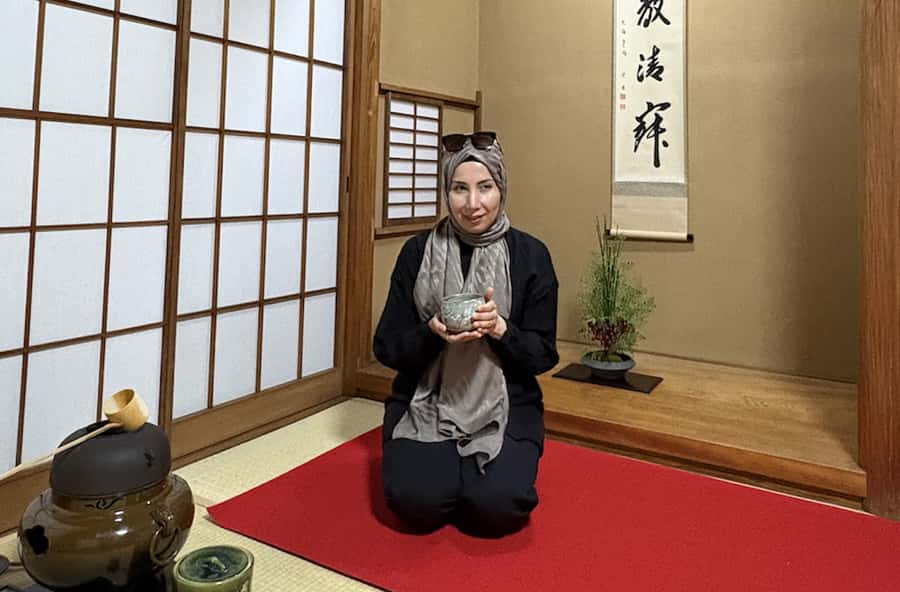
A standard tea tasting might give you a cup and a short explanation. This experience adds a demonstration of Otemae and a chance to prepare matcha yourself.
That difference matters. Watching the tea master helps you understand the formal side of the practice, while making your own tea gives you a personal connection to the tools and movements. You leave with more than a flavor memory.
It is still important to keep expectations in check. This is an introduction, not a complete study of every school, rule, or historical period in Japanese tea ceremony. The instructors cover the meaning and history, basic etiquette, and preparation process. That is enough for a first visit, but not designed to replace serious training.
The strongest reason to choose it is balance. You get a real cultural setting, experienced instructors, English explanations, active participation, and a seasonal sweet, all for $18. The main tradeoff is that the experience remains focused and fairly compact rather than broad or elaborate.
My recommendation
I would book the Shibuya Tea Ceremony Tokyo-Chaan if you want an affordable, hands-on introduction to Japanese culture with clear English guidance. Sakura and Kini bring long experience, and the combination of Otemae demonstration, personal matcha preparation, and seasonal sweets gives the visit a satisfying shape.
Choose it especially if you like quiet cultural activities and want something more meaningful than a quick photo stop. Skip it if you are traveling with a child under four, need a fully stated duration before booking, or want a long and highly formal ceremony rather than a beginner-friendly lesson.
At $18, the activity offers good value for a short cultural stop in central Tokyo. It gives you a peaceful room, traditional tools, a taste of matcha, and enough explanation to understand why the ceremony is performed with such care.
FAQ
Where does the tea ceremony take place?
It takes place at the second floor of the Manji Building, 1-15-9 Dogenzaka, Shibuya-ku, Tokyo 150-0043, Japan.
What language is used during the experience?
The listed language is English. The Japanese instructors speak English fluently.
Who leads the tea ceremony?
The experience is led by Sakura and Kini. Each instructor has more than 10 years of tea ceremony experience.
What is included in the price?
The entrance fee, matcha, and confections are included.
Do I get to make matcha myself?
Yes. After watching the tea ceremony demonstration, you use traditional tea utensils to prepare and taste your own bowl of matcha.
Are children allowed to participate?
Children under four cannot participate. Children aged four and above must have their own ticket.
Where does the activity finish?
The activity ends back at the meeting point in the Manji Building.
Can I cancel or pay later?
You can reserve and pay later. Cancellation up to 24 hours in advance qualifies for a full refund.
More Tea Ceremony & Matcha in Tokyo
More Shibuya Tours in Tokyo



More tours in Tokyo we've reviewed









Shibuya Tours, compared.
 ★ 5.0Official Street Go-Kart in ShibuyaFrom $76
 ★ 4.9Tokyo: Street Kart Experience in ShibuyaFrom $741 hour
 ★ 5.0Shibuya Meltdown Nightlife Tour: All-You-Can-Drink Bar HoppingFrom $106
 ★ 5.0Shibuya Official Street Go-Kart in Shibuya AnnexFrom $69
 ★ 5.0Tokyo: Shibuya Food Tour (13 dishes and 4 Eateries)From $77
 ★ 5.0Best of Shibuya Food TourFrom $217