
Reviewed · SUMO EXPERIENCES
Tokyo Sumo Practice Watching & Visit Town from Samurai era
Tokyo has plenty of famous sights, but few let you watch a living tradition at close range. This 3.5-hour morning tour takes you into Shikoroyama-beya, a sumo stable where real wrestlers practice in the ring. Special permission is required, so this is not a standard sightseeing stop.
I like the mix of serious sumo training and quieter local sights. You get the force and ritual of the stable, then a garden walk and a carefully built Edo-era streetscape. Guide Ken is another strong point. He speaks fluent English, stays patient with questions, and adds context as you move through the neighborhood.
The main consideration is that this is a practice session, not a tournament. The schedule and exact training activity are not described in detail, and one hour of the museum and garden portion may feel brisk if you prefer to linger. The tour also begins at 8:30 am, so plan your Tokyo morning around it.
In This Review
- Key points to know before booking
- Why this Tokyo sumo tour feels different
- Meeting Ken at Kiyosumi-shirakawa Station
- Inside Shikoroyama-beya for 90 minutes of practice
- Kiyosumi Teien, a quiet change of pace
- Fukagawa Edo Museum and old Tokyo brought indoors
- Is $123.79 a fair price?
- Who should book this experience?
- The bottom line: book it for access, not spectacle
- FAQ
- Where does the tour begin?
- What time does the tour start?
- How long does the experience last?
- Where does the tour end?
- Is transportation included?
- How many people can join?
- Can I cancel for a full refund?
Key points to know before booking
- Watch sumo from ringside at Shikoroyama-beya: Special permission gives you access to a working sumo stable rather than a staged cultural display.
- Meet guide Ken at Kiyosumi-shirakawa Station: He leads the group from the station and provides English-language explanations throughout the experience.
- Look for a photo opportunity with wrestlers: The tour includes the chance to have a photoshoot with sumo wrestlers, subject to how the stable visit unfolds.
- Pair sumo with two very different cultural stops: Kiyosumi Teien offers silence, water, trees, and careful garden design, while Fukagawa Edo Museum recreates daily life in old Tokyo.
- Expect a small group: The maximum is 15 people, which matters when you are watching activity in a compact stable.
- Allow time to reach the meeting point: The tour starts at Kiyosumi-shirakawa Station, ends back there, and does not include private transportation.
Why this Tokyo sumo tour feels different
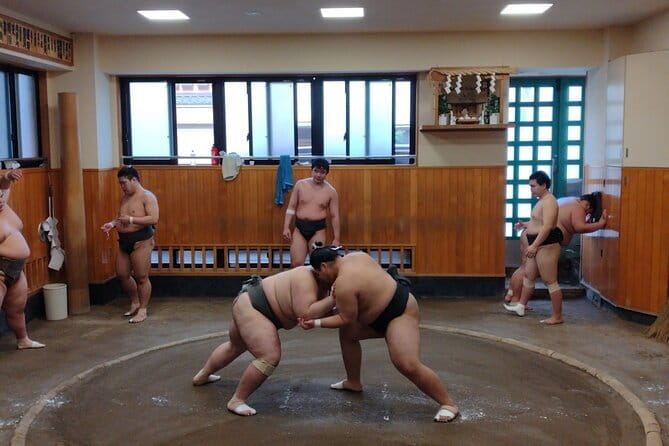
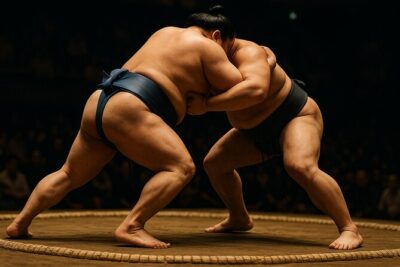
Many Tokyo sumo experiences focus on a demonstration or a visit to a tournament venue. This one takes you to a real training stable. That changes the mood. You are not watching a performance created for tourists. You are seeing wrestlers warm up and work through their routines in the place where they train.
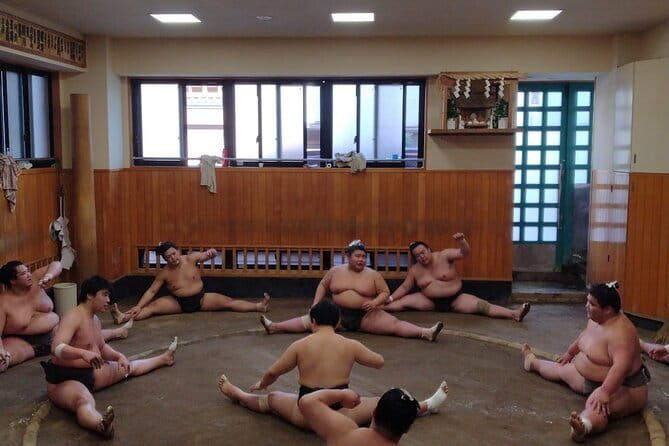
The practice lasts about 90 minutes. That is enough time to see the physical effort behind sumo, not just the formal bout that most people know from television. Sumo can look slow from a distance, but close-range training shows its force, repetition, and discipline.
The stable visit also gives you a better reason to learn about sumo customs. Ken explains the traditions and history as you watch, helping you connect the action in the ring with the larger culture around it. Several parts of the experience have been praised particularly strongly: Ken’s organization, his English, his patience, and his ability to answer questions without rushing the group.
The opportunity for photographs with wrestlers adds a memorable personal touch. It is important to treat this as a chance, not a guaranteed private meeting with a particular wrestler. The stable is a working place, and the practice comes first.
A few more Tokyo tours and experiences worth a look

Meeting Ken at Kiyosumi-shirakawa Station
The meeting point is at Kiyosumi-shirakawa Station, at street level by the B1 exit, listed as 1-chome-6-13 Shirakawa in Koto City. Ken meets you there at 8:30 am and walks with the group to the sumo stable.
This start is simple, but it matters in Tokyo. The tour does not include private transportation, so you need to make your own way to the station. Build in extra time for the morning journey, and confirm the exact station exit before you leave your hotel. The meeting instructions specify the ground level of the B1 exit.
The group can include up to 15 people. That is not a private tour, but it is small enough for a guide to handle questions and keep the group together as you move between the station, stable, garden, and museum.
Ken’s role is central to the experience. He does not only lead you from one address to the next. He explains sumo tradition, Tokyo history, and the Edo period along the way. His fluent English and patient manner are especially useful if you know little about sumo but want more than a quick photo.
Inside Shikoroyama-beya for 90 minutes of practice
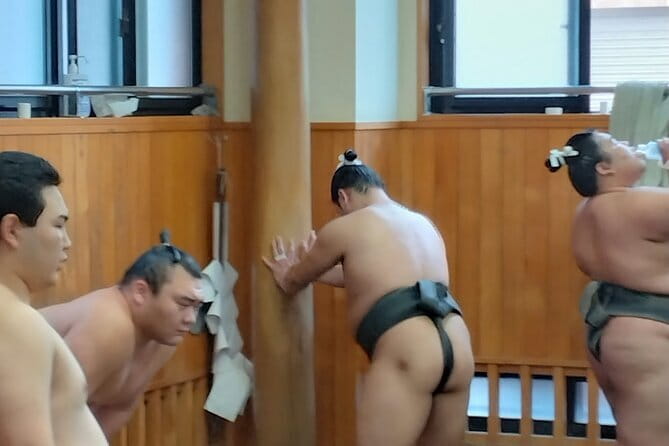
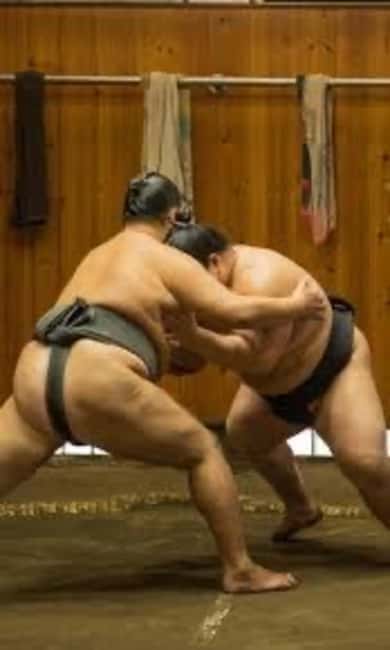
The sumo stable is the main event. You watch real wrestlers practice from ringside for about an hour and a half. The setting is valuable because you are close to the training, rather than seated far away in a large tournament hall.
Expect to see wrestlers warm up and work through training routines. The information provided does not promise a particular wrestler, bout, exercise, or practice schedule. That is worth understanding before you book. You are buying access to a genuine practice session, not a fixed show with a published program.
The stable requires special permission for visitors to enter. That makes this part much harder to arrange on your own and helps explain the tour’s price. At $123.79 per person, you are paying not only for the guide but also for access to a place that is normally closed to casual sightseeing.
The setting may also require good manners and attention. You are entering a working environment, so listen to Ken’s instructions and follow the stable’s rules. Keep your expectations focused on observation. The value is in seeing the daily work behind sumo, not in treating the wrestlers like entertainers on demand.
A photo session with sumo wrestlers is included as a possibility. If it takes place, it can give you a strong keepsake from the morning. Still, the tour description does not set out the exact timing or format, so you should not assume a long one-on-one session.
This is also the part of the tour most likely to appeal to visitors who want a cultural experience with some edge. You hear and see the intensity of the training at close quarters. One review described the physical force of the sumo as something that stayed memorable long after the visit. That kind of impression is difficult to get from a museum display alone.
Kiyosumi Teien, a quiet change of pace
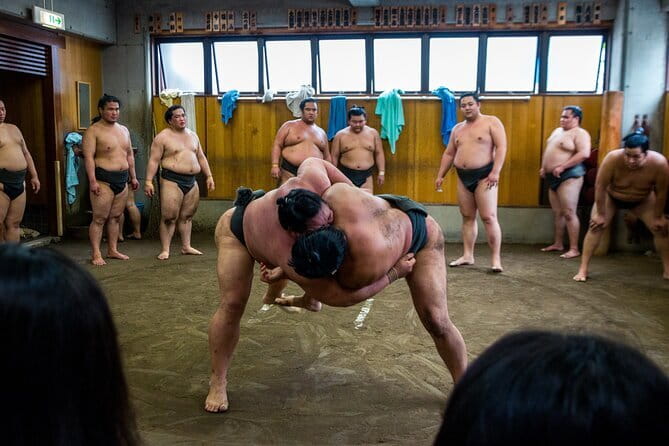
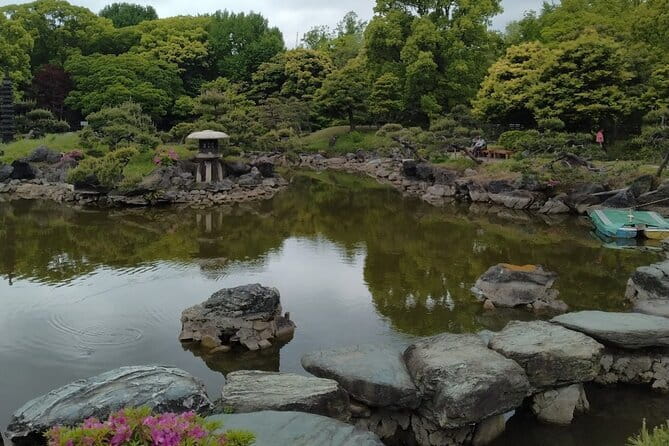
After the stable, the group visits Kiyosumi Teien for about 50 minutes. The contrast is useful. You move from the concentrated energy of sumo to a garden built around stillness, balance, and carefully framed views.
The garden is described as a walking forest garden, with artistic scenery and a quiet atmosphere. Koi and cherry blossoms have been specifically noted as part of the experience. You can expect a slower walk through Japanese garden design, with water and planted areas providing a sharp change from the indoor practice space.
This stop gives Ken room to place the neighborhood and Japanese aesthetics in a wider context. The garden is not simply filler between the stable and museum. It shows another side of Japanese culture, one based on restraint and attention to small details rather than physical strength.
Fifty minutes is enough for a guided visit, but not necessarily enough for a long independent wander. If you enjoy gardens and want to photograph every bridge, pond, and tree, you may wish for more time. The group has another scheduled stop, so the visit is designed as an introduction rather than a full morning at Kiyosumi Teien.
That balance is part of the tour’s appeal. You get three distinct experiences in one outing, but none receives the entire day. I would see this as a good trade for a first visit to Tokyo, especially if you want variety without planning several separate trips across the city.
Fukagawa Edo Museum and old Tokyo brought indoors
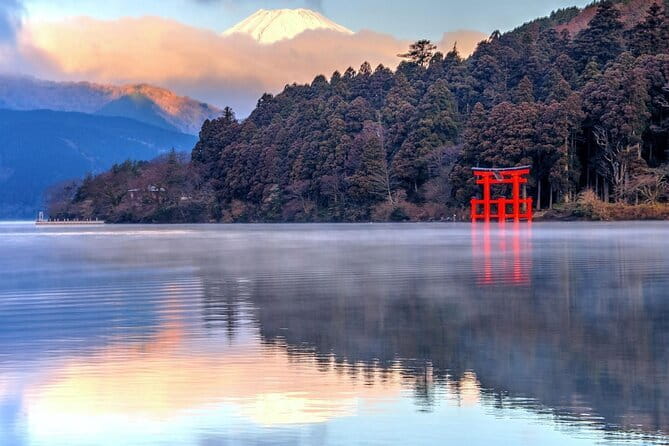
The final main stop is Fukagawa Edo Museum, visited for about one hour. Inside, you see a life-size recreation of a Tokyo townscape from the end of the Edo period. Rather than looking at isolated objects in glass cases, you walk through a built environment with homes, everyday tools, and streets arranged to show daily life.
The museum also uses sound and lighting to recreate changes in the day. That detail helps the display feel more like a lived-in neighborhood. The point is not only to learn dates and names. It is to see how ordinary people used their homes, streets, and household objects.
This stop pairs well with the sumo stable. At the stable, you watch a present-day tradition carried through disciplined practice. At the museum, you see a model of the older Tokyo that shaped much of the city’s culture and customs. Ken’s explanations help connect those two parts.
One useful caution comes from the tour’s own balance. The sumo portion is very strong, but the museum and Edo-period explanations may feel lighter than some visitors want. If you are hoping for a detailed lecture on sumo rules, Edo history, and modern competitions, tell Ken what interests you and ask questions along the way. One review specifically suggested that more detailed information and a short sumo handout would have helped.
The museum visit lasts an hour, so you have time to look around, but this is still a guided half-day route. You are not being given an entire afternoon to study every exhibit.
A few more Tokyo tours and experiences worth a look
Is $123.79 a fair price?

The price is $123.79 per person. That is not a budget Tokyo walk, but the cost needs to be measured against what is included. You receive a professional guide from the meeting point to the end, admission fees for all listed locations, and all taxes.
The biggest value is access to the sumo stable. Special permission is required, and arranging that kind of visit independently may not be realistic for most visitors. You also get a guide who can explain what you are seeing, which is important when the rules, rituals, and training practices are unfamiliar.
The garden and museum strengthen the value. If you booked a separate sumo visit, a garden stop, and an Edo museum visit, you would spend more time organizing routes and transport. Here, Ken links them into one morning in the same general part of Tokyo.
On the other hand, private transportation, food, and drinks are not included. You must reach Kiyosumi-shirakawa Station yourself, and the tour ends back at the meeting point. If you mainly want to see a sumo tournament, this price may not suit your goal because the tour is about practice, not tournament admission.
The high rating of 4.9 from eight reviews reflects strong satisfaction, especially with Ken and the sumo visit. The small number of ratings means I would treat that figure as encouraging rather than a guarantee. The clearest pattern is that the tour works best for people who value access, interpretation, and a varied cultural morning.
Who should book this experience?
I would recommend it to a first-time Tokyo visitor who wants one well-organized cultural outing away from the city’s best-known tourist areas. It is also a good fit if you are curious about sumo but do not know how to arrange a stable visit.
Families can take part because the supplied information lists no age, height, or weight restrictions for the included activities. The group size is capped at 15, and the walking route connects the station, stable, garden, and museum. You should still be comfortable with walking between stops and with an early start.
This tour suits you if you enjoy asking questions. Ken’s strongest role is explaining the meaning behind what you see, and the experience becomes more useful when you tell him whether you want to focus on sumo rules, Japanese customs, Tokyo history, or the Edo period.
You may want something else if you prefer a slow, unstructured day. The total duration is only about three and a half hours, and the schedule gives you roughly 90 minutes at the stable, 50 minutes in the garden, and an hour at the museum. Each stop is purposeful, but none is designed for a long private visit.
You can cancel for a full refund if you do so at least 24 hours before the local start time. Confirmation is sent within 48 hours, subject to availability. Since the tour is often booked about 17 days ahead, arranging it before your Tokyo dates are fixed may be wise.
The bottom line: book it for access, not spectacle
Book this tour if you want to see real sumo practice, understand more about the tradition, and spend the rest of the morning with a guide who can connect sumo to Japanese history and daily life. Ken’s fluent English, patience, and careful organization add real value.
The strongest reason to choose it is the stable visit. The garden and museum then give you a calm, well-rounded finish. Just remember that practice is not a tournament, the photo session is an opportunity rather than a detailed promise, and the museum commentary may not satisfy someone seeking an academic-level lecture.
For most first-time visitors, $123.79 is reasonable because the stable access, admissions, guide, and three-part route are bundled together. If your priority is authentic contact with sumo rather than a stadium spectacle, this is a smart Tokyo morning.
FAQ
Where does the tour begin?
The tour begins at Kiyosumi-shirakawa Station in Tokyo, at ground level by the B1 exit. The listed address is 1-chome-6-13 Shirakawa, Koto City.
What time does the tour start?
The tour starts at 8:30 am.
How long does the experience last?
The experience lasts approximately 3 hours and 30 minutes.
Where does the tour end?
The tour ends back at the meeting point at Kiyosumi-shirakawa Station.
Is transportation included?
Private transportation is not included. The guide walks with the group between the meeting point and the tour stops.
How many people can join?
The tour has a maximum group size of 15 people.
Can I cancel for a full refund?
Yes. You can receive a full refund if you cancel at least 24 hours before the experience start time. Cancellations or changes made less than 24 hours before the start time are not accepted for a refund.
More Samurai & Ninja Experiences in Tokyo
More Sumo Experiences in Tokyo

More tours in Tokyo we've reviewed











Sumo Experiences, compared.
 ★ 4.8Tokyo: Sumo Show Experience with Chicken Hot Pot and a PhotoFrom $1032 hours
 ★ 4.8Tokyo: Sumo Show and Dining ExperienceFrom $7990 minutes - 2 hours
 ★ 5.0the SUMO showFrom $89
 ★ 5.0Tokyo Shinjuku Sumo Show & Experience with PhotoFrom $79
 ★ 4.8Tokyo: Sumo Show and Experience in ShinjukuFrom $691h 30m
 ★ 4.6Tokyo: Sumo Tournament Tour with Chair Seat TicketsFrom $141