
Reviewed · SHIBUYA TOURS
Tokyo Shibuya and Harajuku Walking Tour With A Guide
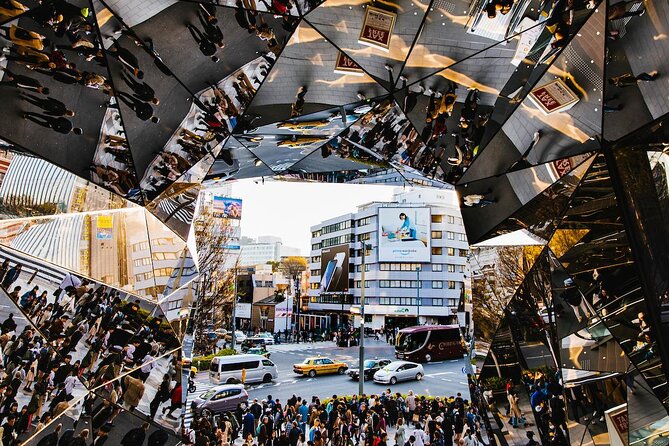
Tokyo’s famous Shibuya Scramble Crossing is only the opening act on this three-hour walk. You move from Hachiko and Shibuya 109 to Takeshita Street, Ura-Hara, Omotesando, and Meiji Shrine, seeing how Tokyo shifts from loud youth culture to calm woodland paths.
I like the personal touch: guides such as Francine and Jenny have tailored routes around individual interests, while Joe and Riccardo added local life, history, and practical tips. I also like that the walk links two major districts without making you figure out Tokyo’s transport system at every turn.
The catch is simple: this is a lot of ground in three hours, and walking is the whole point. Public transport is not included, food and drinks are extra, and the advertised group option requires at least two people.
In This Review
- Key points to know before booking
- Why this walk works for a first Tokyo visit
- Starting near Shibuya Station and finding your bearings
- Hachiko and the famous crossing
- Center-gai and Shibuya 109
- Harajuku Station and Takeshita Street
- Ura-Hara, where the pace changes
- Omotesando and Tokyo’s polished side
- Meiji Shrine for a quieter finish
- What the guides add to the experience
- Price, pace, and who gets the best value
- Who should book this Shibuya and Harajuku walk
- Should you book it?
- FAQ
- How long does the Tokyo Shibuya and Harajuku walking tour last?
- Where does the tour start?
- Where does the tour end?
- Is the tour private or shared?
- Is there a minimum number of participants?
- Which languages can the guides speak?
- Are food and drinks included?
- Are public transport costs included?
- Can I cancel for a refund?
Key points to know before booking
- Shibuya Crossing is only one part of the route: You also visit Hachiko, Center-gai, Shibuya 109, Harajuku, Ura-Hara, Omotesando, and Meiji Shrine.
- Guides can adjust the experience: The tour is offered privately or in a small group, with customization available.
- The fashion story has range: You see youth trends on Takeshita Street, independent style in Ura-Hara, and luxury brands along Omotesando.
- The route includes quieter moments: Meiji Shrine gives you a calmer finish after the noise and crowds of Shibuya and Harajuku.
- Plan for steady walking: Each listed stop is scheduled for about 20 minutes, so the pace is brisk.
- The price is $48.21 per person: That is fair if you value a guide’s context and route planning, but less attractive if you only want landmark photos.
Why this walk works for a first Tokyo visit
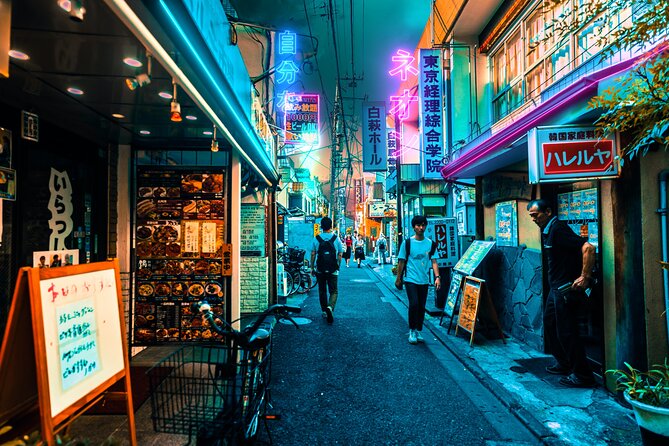
Shibuya and Harajuku can feel easy at first glance. You see neon, crowds, shops, and giant signs, then assume you have understood the place. In reality, these districts change quickly from one street to the next.
That is where a guide earns the fee. You are not simply being led to famous addresses. You are given a way to read the area: Shibuya as a center of city life and youth style, Harajuku as a mix of playful fashion, independent shops, luxury retail, and sacred space.
The route is also practical for a short stay. In three hours, you cover a wide slice of modern Tokyo without planning separate visits to each neighborhood. A guide can also help you make sense of the contrast between major sights and small side streets.
The strongest part of the experience is the human explanation. Riccardo has been praised for explaining Japanese culture and daily life. Sergio, who is not Japanese but has lived in the country for more than ten years, brought a long-term resident’s point of view. That can be especially useful if you want more than a list of dates and buildings.
A few more Tokyo tours and experiences worth a look



Starting near Shibuya Station and finding your bearings
The stated meeting point is 24-2 Sakuragaokachō, Shibuya, Tokyo 150-0031. The route then takes you toward the Tokyu Tokyo Metro Shibuya Station Tourist Center, a sensible place to begin because Shibuya Station is the district’s main reference point.
You should allow time to reach the meeting point. Shibuya Station is a major transport hub, and the area around it can be confusing even when you are looking at a map. Your confirmation arrives when you book, so check the meeting details carefully before setting out.
The first stop is scheduled for about 20 minutes. You get a look at the station area, its shops and eateries, and the constant flow of people moving through one of Tokyo’s best-known urban centers. Since admission is free, the value here comes from orientation and explanation rather than a ticketed attraction.
This is also where the guide can help you understand the city’s scale. Shibuya is not a compact old-town square. It is a busy district built around transport, retail, offices, entertainment, and pedestrian movement. A good introduction keeps the rest of the walk from feeling like a string of disconnected stops.
Hachiko and the famous crossing
Hachiko’s statue sits outside Shibuya Station and honors the Akita dog remembered for his loyalty to his owner. It is both a memorial and a popular meeting place, so you may find it surrounded by people waiting for friends or taking photos.
I like this stop because it adds a human story to a place otherwise defined by traffic, advertising, and commerce. The statue takes only a few minutes to see, but the story gives the district an emotional point of reference.
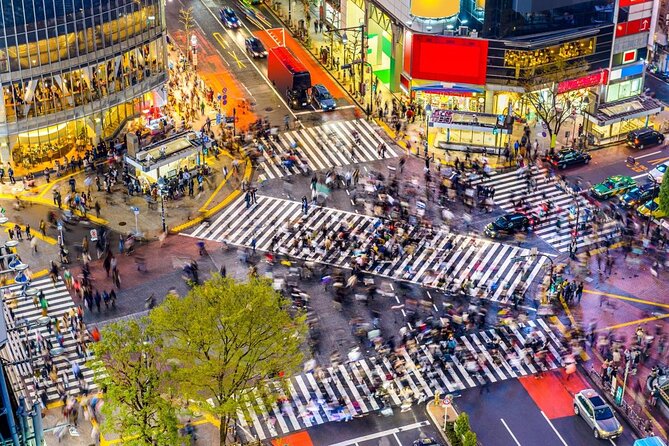
From here, the walk reaches Shibuya Scramble Crossing. The best part is not just crossing the road. It is watching the crowd gather, the signals change, and several streams of pedestrians move at once without the chaos you might expect.
Your guide can help you find the point of view that suits you, though the tour is not described as a dedicated photography session. If you want a dramatic picture, you may need to be ready and move with the group. The crossing is still an active street, not a show arranged for visitors.
Center-gai and Shibuya 109
Center-gai is a pedestrian street lined with shops, cafés, and places to eat. It gives you a direct look at Shibuya’s youth culture, with fashion and entertainment packed into a small urban area.
This section is useful for people-watching. It is less about a single sight and more about seeing how Tokyo’s younger crowd uses the district. The guide’s comments can make the street easier to understand, especially if you want to know how local shopping habits and style fit into everyday city life.
Shibuya 109 shifts the focus toward fashion. This department store is aimed mainly at young women and is known for trend-led boutiques. You should not expect a quiet museum-like visit. It is a retail stop, so the appeal depends on your interest in Japanese clothing, accessories, and current style.
For fashion fans, this may be one of the most useful parts of the walk. You can ask questions and get suggestions instead of wandering through a large store without knowing what you are seeing. If shopping is not your priority, 20 minutes may feel long, although the guide can use the stop to explain Shibuya’s role in youth style.
Harajuku Station and Takeshita Street
The route then moves to Harajuku Station, a district associated with youth fashion, unusual shops, cafés, and street culture. The contrast with Shibuya is clear. Shibuya feels larger and more commercial, while Harajuku is often more playful and visually varied.
Takeshita Street is the loudest part of this section. It is a pedestrian thoroughfare filled with fashion, accessories, snacks, novelty goods, and people browsing. It is a good place to see the fun side of Harajuku, but it can be crowded and intense.
I would treat this as a people-watching stop rather than a serious shopping mission. The street is compact, and the crowd can make it hard to move quickly. Stay close to your guide and keep your belongings secure, especially when the pavement is packed.
The guide can also help you avoid seeing Takeshita Street as a collection of odd shops. The area reflects a long-running connection between Harajuku and youth expression. You may find the explanations more valuable than any individual purchase.
Other walking tours we've reviewed in Tokyo



Ura-Hara, where the pace changes
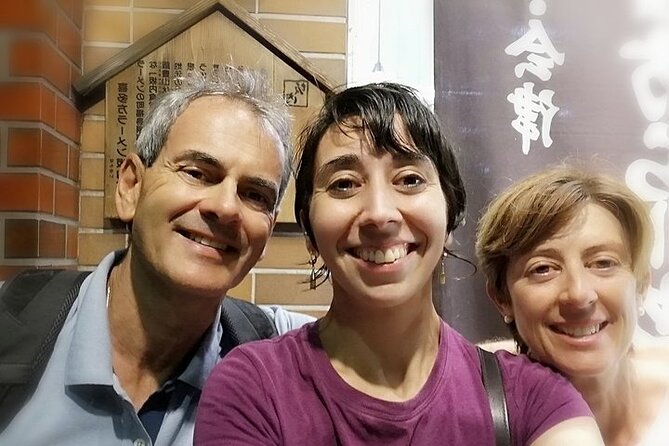
Urban Harajuku, often called Ura-Hara or Ura-Harajuku, takes you into the backstreets behind the main shopping areas. This district is associated with alternative fashion, independent boutiques, and streetwear.
This is one of my favorite ideas in the itinerary because it adds depth to the Harajuku visit. Without this section, you might leave with only the crowded main street and its snack shops. The backstreets show a more selective, design-focused side of the neighborhood.
The exact shops and side streets can change, which is part of the appeal. A guide who knows the area can adjust the route and point out places that match your interests. Jenny, for example, is described as adapting the walk to what her group wanted to see. That sort of flexibility matters more in a shopping district than a fixed script does.
If you dislike retail, Ura-Hara may still work better for you than Takeshita Street. The streets offer a slower look at the area, though this remains a city walk rather than a formal architecture or art tour.
Omotesando and Tokyo’s polished side
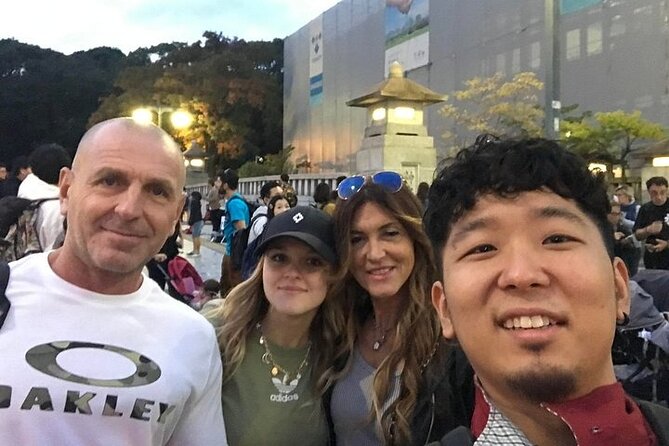
Omotesando is often compared with the Champs-Élysées because of its broad avenue, luxury boutiques, designer flagship stores, and modern buildings. It presents a very different face of Harajuku.
Here, the interest is in the contrast. You move from youthful street fashion and independent shops to polished storefronts and high-end design. Even if you do not plan to buy anything, the avenue helps explain how Tokyo places several distinct retail worlds close together.
Do not confuse this stop with a shopping package. Entry to monuments and museums is not included, and the tour price does not cover food or drinks. The guide may explain what you are seeing and suggest places to visit later, but purchases remain your responsibility.
This is also a good time to ask for recommendations. Several guides, including Francine, have been praised for giving practical suggestions for the rest of a Tokyo visit. If you are new to the city, ask about areas that fit your budget and interests rather than simply collecting famous names.
Meiji Shrine for a quieter finish
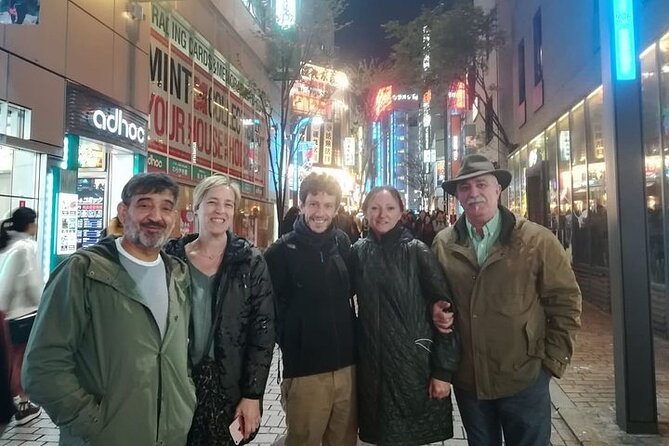
Meiji Shrine Imperial Garden is the calmest stop on the route. The shrine sits in a forested area and is dedicated to Emperor Meiji and Empress Shoken. You can walk through the grounds and learn about the Shinto setting.
After Shibuya Crossing, Center-gai, Takeshita Street, and Omotesando, this change of mood is welcome. It gives the tour a broader picture of Tokyo. The city is not only signs, shops, crowds, and fashion. It also includes spaces set aside for quiet, ritual, and reflection.
The tour is a city walk, not an inside visit to monuments. That distinction matters. You are being shown the area and given context, but the price does not include special monument or museum admission.
The shrine also gives you a natural point for questions about Japanese customs. Your guide may explain what you are seeing, but the experience is still an introduction rather than a full religious tour. Keep your expectations at that level and you should find the stop worthwhile.
What the guides add to the experience
The guide is the main reason to book this walk instead of following a map. The route itself is easy to copy. The interpretation, local advice, and ability to adjust the afternoon are harder to replace.
Several guides have received especially warm praise. Riccardo is noted for explaining Japanese culture and everyday life. Sébastien shared personal experience in a friendly way. Timothy combined Japanese history with his own observations. Joe, an English resident of Japan, was valued for taking his group from quieter side streets to the more crowded areas.
Francine appears particularly useful if you want a customized route. Her approach has included tailoring the walk to personal interests and offering tips for later meals and visits. Jenny has also adjusted the plan to suit what her group wanted to see.
The provider offers guides who speak English, Spanish, French, and Italian. You should select the language that lets you ask the most questions. The tour can be private or small-group, and customization is included, so tell the guide in advance if fashion, food, culture, shopping, or photography matters most to you.
Price, pace, and who gets the best value
At $48.21 per person, this is a reasonable price for a three-hour private or small-group introduction, especially if you are visiting Tokyo for the first time. You are paying for route planning, a person who can explain the districts, and the chance to adjust the experience around your interests.
The value is weaker if you already know Shibuya and Harajuku well. All the listed stops are free, and you could walk through much of the route on your own. You also pay separately for transport during the tour, food, drinks, shopping, and any monument or museum entry.
The schedule lists roughly 20 minutes at each of nine stops. That adds up to three hours, so the route is full. You should expect a steady pace, not a slow café crawl. Wear comfortable shoes and avoid booking this immediately after a long walking day.
The group option requires at least two participants. The information also describes the activity as private, with only your group participating, so confirm the exact arrangement when booking if group size matters to you.
Who should book this Shibuya and Harajuku walk
I would choose this tour for a first visit to Tokyo, especially if you want a quick orientation to modern city life. It is also a strong match for people interested in fashion, street culture, local customs, and practical suggestions for the rest of a trip.
Families and mixed-interest groups may like the customization. One person can focus on shops, another on culture, and the guide can connect the stops without making the walk feel like separate errands.
I would think twice if you dislike crowds, shopping districts, or steady walking. The route includes several busy streets and commercial areas. It also does not promise long indoor visits or included tastings.
Book it early if the date matters to you. It is commonly reserved about 30 days ahead, and confirmation is provided at booking. You can cancel up to 24 hours before the experience for a full refund, which gives you some useful flexibility.
Should you book it?
Book this walk if you want a guide to explain the changing character of Shibuya and Harajuku, not just point out the crossing and statue. The strongest reasons are the tailored route, the mix of famous sights and quieter streets, and the guides’ practical knowledge of life in Tokyo.
Skip it if you prefer to explore at your own speed or want a shopping tour with purchases and food included. At $48.21, the cost makes sense when personal guidance saves you time and adds meaning to places you could otherwise see alone.
FAQ
How long does the Tokyo Shibuya and Harajuku walking tour last?
The tour lasts approximately three hours.
Where does the tour start?
The listed starting point is 24-2 Sakuragaokachō, Shibuya, Tokyo 150-0031, Japan.
Where does the tour end?
The activity ends back at the meeting point.
Is the tour private or shared?
A private or small-group tour is available. The activity information also states that only your group will participate.
Is there a minimum number of participants?
The group option requires a minimum of two participants.
Which languages can the guides speak?
In-person guides are available in English, Spanish, French, and Italian.
Are food and drinks included?
No. Food and drinks are not included in the price.
Are public transport costs included?
No. Any public transport used during the tour is at your own expense.
Can I cancel for a refund?
Yes. You can cancel up to 24 hours before the experience for a full refund.
More Guided Tours in Tokyo

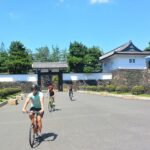
More Walking Tours in Tokyo
More Shibuya Tours in Tokyo



More tours in Tokyo we've reviewed




Shibuya Tours, compared.
 ★ 5.0Official Street Go-Kart in ShibuyaFrom $76
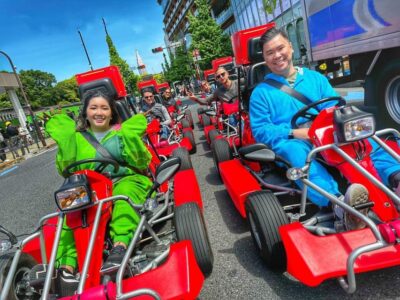 ★ 4.9Tokyo: Street Kart Experience in ShibuyaFrom $741 hour
 ★ 5.0Shibuya Meltdown Nightlife Tour: All-You-Can-Drink Bar HoppingFrom $106
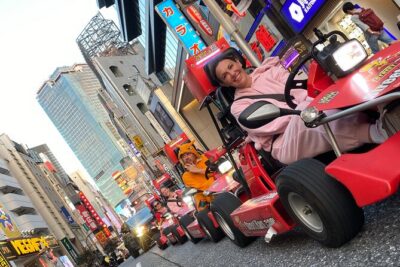 ★ 5.0Shibuya Official Street Go-Kart in Shibuya AnnexFrom $69
 ★ 5.0Tokyo: Shibuya Food Tour (13 dishes and 4 Eateries)From $77
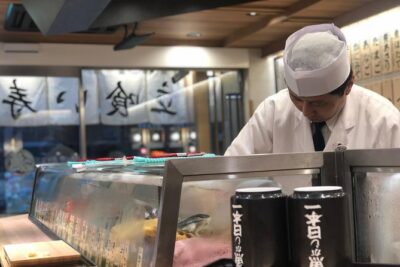 ★ 5.0Best of Shibuya Food TourFrom $217