
Reviewed · MT FUJI DAY TRIPS
Mount Fuji Trip with English speaking guide ( customizable)
Mount Fuji is best seen with room to change plans. This private day trip lets you choose your stops and pace, from the famous Chureito Pagoda view to the quiet ponds of Oshino Hakkai, without sharing a bus with a large group. I like the hotel pickup and the private air-conditioned van, especially for families or groups of up to six.
I also like the choice between the Fuji Five Lakes area and Hakone attractions such as the Ropeway and Lake Ashi. The main caution is traffic: a planned 12-hour day can stretch badly on weekends or during flower season, and one departure took nearly five hours to reach its first stop during Golden Week. Confirm your preferred route before setting off.
In This Review
- Key points to know before booking
- Why a private Mount Fuji day can work so well
- The long road from Tokyo to Fuji
- Oshino Hakkai and the clear spring ponds
- Kitaguchi Hongu Fuji Sengen Shrine beneath the cedars
- Mount Fuji 5th Station and the weather gamble
- Lake Kawaguchi and Oishi Park
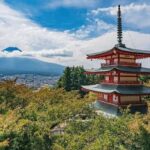
- Chureito Pagoda and Japan’s classic Fuji photograph
- Choosing Hakone instead of trying to do everything
- Guides, language, and the level of explanation
- What to bring and what can go wrong
- Who gets the best value from this $407 private trip?
- Should you book this Mount Fuji experience?
- FAQ
- How long is the Mount Fuji private trip?
- What areas in Tokyo offer pickup?
- Is the tour private?
- Which languages are available?
- Are the Hakone Ropeway and Lake Ashi cruise included automatically?
- Is the Mount Fuji 5th Station always open?
- What happens if I need to cancel?
Key points to know before booking
- Private van for up to six people: The $407 group price can be good value when divided among a family or small party.
- Your day is adjustable: You can spend more time at photo stops and less time at places that do not interest you.
- The Fuji route has real variety: See mountain views, shrine architecture, traditional village scenery, lakeside parks, and a famous pagoda.
- Hakone may replace, not simply add to, Fuji stops: Ask clearly if you want the Ropeway, Lake Ashi, Owakudani, and Hakone Shrine.
- Weather controls the main attraction: Fuji may be hidden by cloud, and the 5th Station can close in poor weather.
- Traffic is the biggest risk: Start early, especially on weekends, holidays, and during cherry blossom or autumn color periods.
Why a private Mount Fuji day can work so well
The strongest feature here is control. A standard coach tour usually gives you a fixed timetable and a fixed seat. This private trip gives your group an English-speaking guide and driver, an air-conditioned vehicle, hotel pickup, and room to adjust the day as conditions change.
That matters around Mount Fuji. Weather can hide the mountain, roads can slow to a crawl, and some places deserve a quick photo while others reward a slower walk. With a private vehicle, you can ask for more time at Lake Kawaguchi, skip a stop, or change emphasis toward Hakone if that suits your group.
The price is $407 for up to six people, not per person. For six, that works out to about $68 each before meals and admission fees. For two people, the cost is much harder to justify, though the convenience remains appealing. Compare it with the combined price of train tickets, local transport, taxis, and the time spent finding your way between Fuji-area sights.
The vehicle includes WiFi when needed and bottled water. Food and drinks are not included, and neither are the Mount Fuji 5th Station entry fee, Hakone Ropeway or motorboat tickets, or admission to Saiko Iyashi no Nemba village. Keep those extras in your budget.
A few more Fujiyoshida tours and experiences worth a look
The long road from Tokyo to Fuji
The day begins with pickup from a hotel, hostel, Airbnb, apartment, or another address within Tokyo’s 23 wards. Airport, port, and station pickup is not available, so check your address before paying.
The drive toward the Fuji area is listed at about two hours in normal conditions. That estimate is useful, but it is not a promise. Highway traffic can delay the driver by up to 30 minutes, and the full return to Tokyo is also listed at about two hours. On difficult days, arrival back in Tokyo can be two or three hours later than planned.
I would choose the earliest available start. Weekends, public holidays, cherry blossom season, and autumn color periods bring heavier traffic. Golden Week can be especially punishing. A morning delay of several hours means fewer stops later, so a private itinerary does not remove the need for sensible timing.
The vehicle is a major comfort advantage. You can leave bags inside, rest between sights, and avoid changing trains or buses. Families also have a better chance to keep the day moving at a pace that works for children and older relatives. Tell the provider in advance about child-seat needs, allergies, or other requirements.
Oshino Hakkai and the clear spring ponds
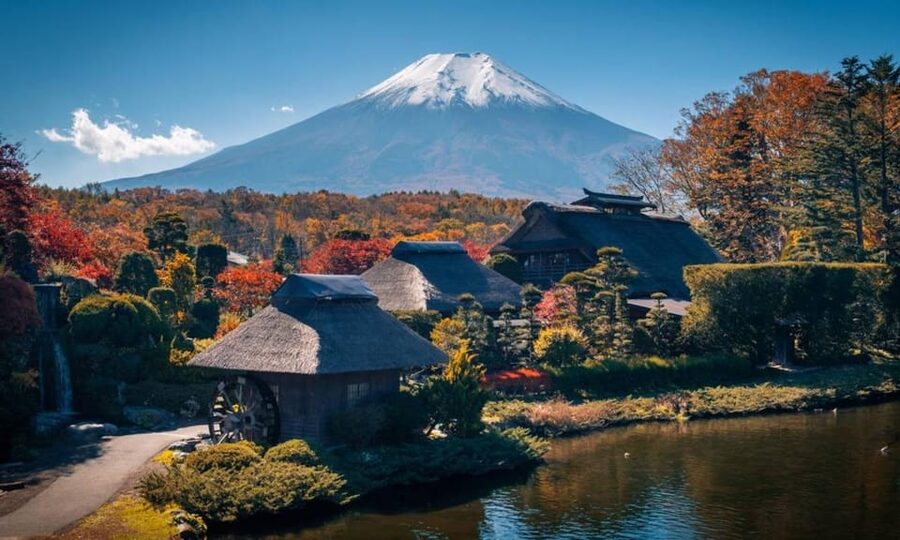
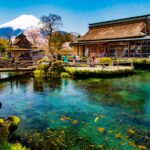
Oshino Hakkai is an excellent first proper stop because it shows Fuji through water and village scenery rather than just a distant viewpoint. Its clear ponds are fed by snowmelt from Mount Fuji, and the setting includes traditional houses with thatched roofs, gardens, and small paths.
The planned visit is about 45 minutes. That is enough for a guided look and photographs, but it is not a leisurely village visit. If your group enjoys quiet scenery or wants time to examine the ponds and buildings, ask the driver how much flexibility you have.
This stop also helps you see the cultural side of the region. Mount Fuji is not only a photograph. Its water supports the area, and its presence shapes local religious practice, food traditions, and daily life. The guide can add context, but the quality of explanation may vary. English ability and cultural detail have not been equally strong on every departure.
Kitaguchi Hongu Fuji Sengen Shrine beneath the cedars
The Kitaguchi Hongu Fuji Sengen Shrine offers a sharp change of mood. Instead of open views and bright water, you enter a quiet wooded setting with tall cedar trees and traditional shrine buildings.
This is one of the most meaningful stops for anyone interested in the spiritual importance of Fuji. The shrine has long been connected with pilgrimage and ascents of the mountain. Its setting gives you a better sense of why Fuji has been treated as a sacred place, not simply a scenic peak.
The visit is scheduled for about 40 minutes. Wear comfortable shoes and clothing because you will be walking. The stop is not a long formal tour, so ask questions if you want more background. One weakness of this experience is that some guides offer only basic explanations. Drivers such as Mirza, Malik, and Zahid have received praise for explaining culture and the places visited, while one departure had a guide whose English and historical detail were limited.
Mount Fuji 5th Station and the weather gamble
The 5th Station is the highest planned point on the Fuji route, with a chance to look toward the upper slopes and surrounding scenery. It gives you a different feeling from the lakeside viewpoints, since you are closer to the mountain itself.
The listed stop lasts about 45 minutes. There is an entry fee, which is not included. Most important, access depends on weather. Rain or poor conditions can close the road, so do not book this day solely for the promise of reaching the 5th Station.
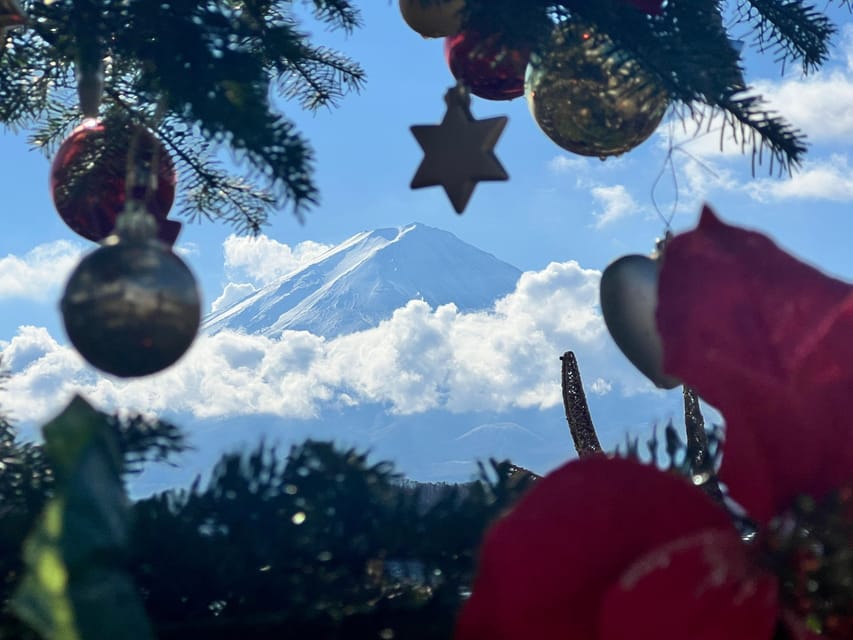
Visibility is never guaranteed. Fuji can be hidden by cloud even when the rest of the day is pleasant. I would treat the 5th Station as a bonus and value the other stops as the substance of the trip. A clear day can produce wonderful views, but no private guide can control the sky.
Other guided tours in Fujiyoshida
Lake Kawaguchi and Oishi Park
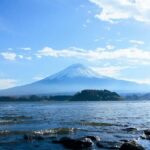
Lake Kawaguchi is one of the Fuji Five Lakes and one of the best places to slow the day down. The mountain may appear reflected in the blue water, though the view depends entirely on weather and wind.
The schedule allows about an hour for a break, photographs, and lunch. Food is not included, so plan to buy or bring something. This is a good place to tell the driver what you want from the afternoon. You might prefer a relaxed lakeside walk, a longer meal, or a quick stop so you can reach another attraction before traffic worsens.
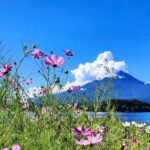
Oishi Park follows with about 40 minutes for a visit and photos. The park is particularly attractive during flower seasons, when the foreground can add color to Fuji photographs. Those same seasons bring heavy road congestion, however. The prettiest calendar dates are often the least efficient travel dates.
Chureito Pagoda and Japan’s classic Fuji photograph
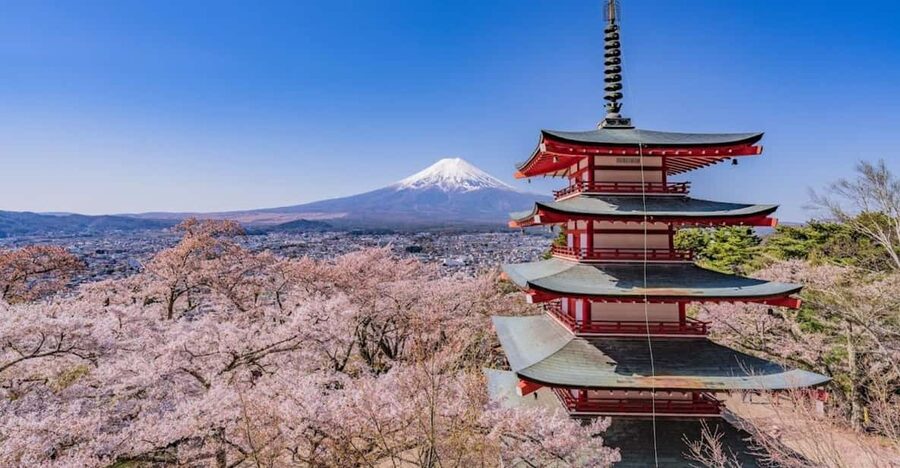
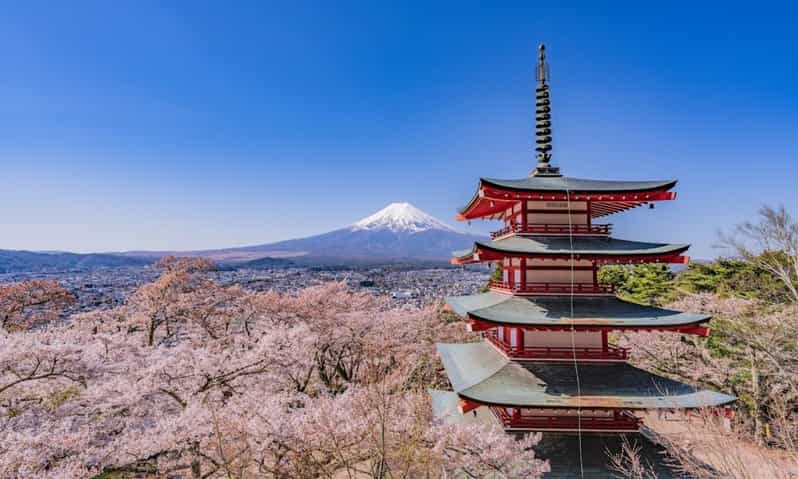
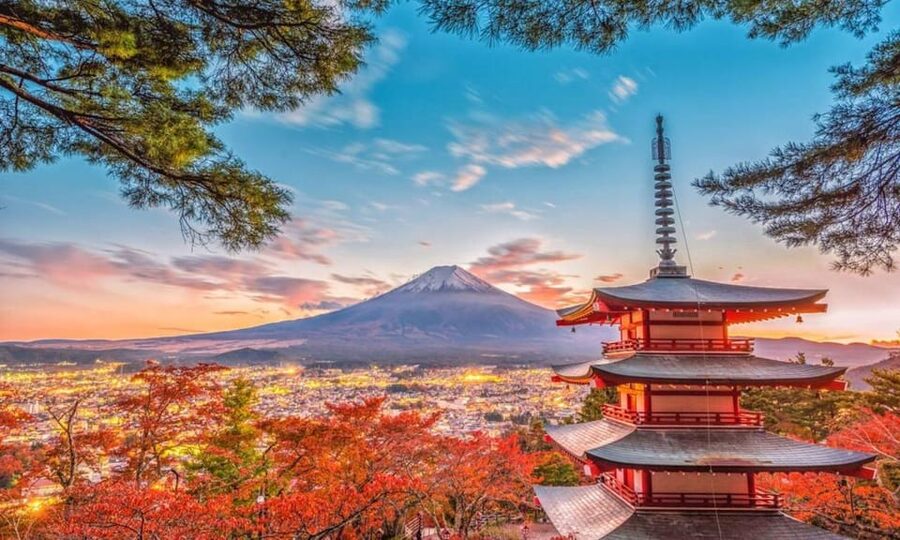
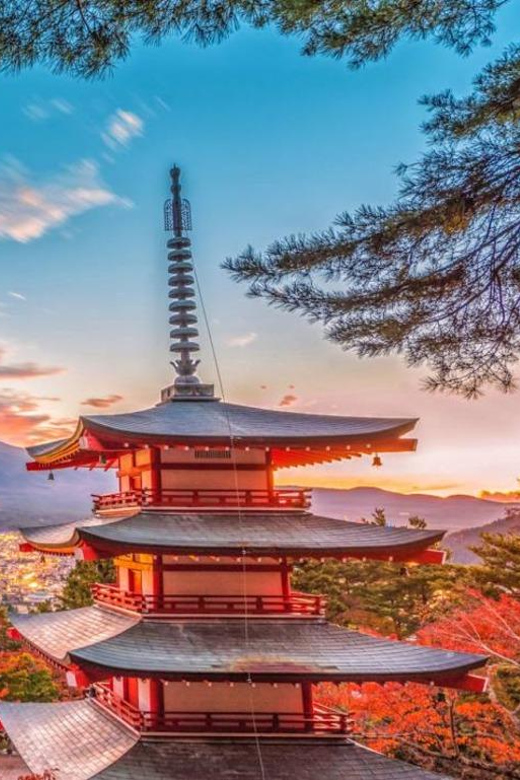
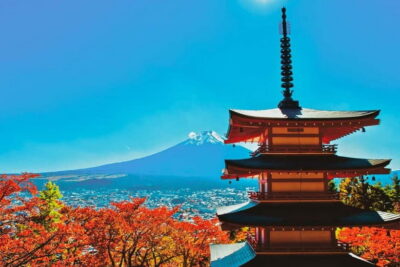
Chureito Pagoda is the picture most people associate with this kind of day trip: a five-story pagoda with Mount Fuji rising behind it. Depending on the season, cherry blossoms or autumn leaves can frame the view.
The setting is peaceful, but this is not an effortless roadside photo stop. You should expect a walk and stairs, so comfortable shoes are essential. The planned visit is about 45 minutes, which may feel brief if the viewpoint is crowded or you want time for several photographs.
I would place this stop high on your priority list, particularly if this is your first Fuji visit. The pagoda, mountain, and seasonal color create a strong sense of place. Still, the famous view is not guaranteed. Cloud can cover Fuji, and popular weekends can make the viewpoint feel less quiet than the photographs suggest.
Choosing Hakone instead of trying to do everything
The advertised options include a second cluster of attractions in Hakone: the Hakone Ropeway, Owakudani Valley, Lake Ashi, Hakone Shrine, and the Hakone Open-Air Museum. These are worthwhile, but the geography and traffic make it difficult to treat both the full Fuji route and full Hakone route as one relaxed day.
The Hakone Ropeway carries you above volcanic scenery and offers views toward Fuji when the air is clear. Owakudani Valley adds steaming sulfur vents and a more unusual natural setting. The visit can include photographs and shopping, though the stop is subject to weather and operating conditions.
Lake Ashi gives you a slower contrast. You can walk by the water or take a motorboat or traditional boat-style cruise, including a pirate ship option. Boat tickets are extra. Mount Fuji may appear across the lake, but again, the view depends on the day.
Hakone Shrine provides a cultural stop near the lake, while the Hakone Open-Air Museum gives you time with outdoor art and free time for browsing. Admission costs are not included in the stated price.
Be very clear about this choice before departure. One booking expected Hakone to be included, only to learn during the day that the route would not happen. The provider describes the itinerary as customizable, but customization needs a clear agreement. Ask for your planned stops in writing, especially if Hakone is the main reason you are booking.
Guides, language, and the level of explanation
The experience includes a live guide in English, Arabic, or Hindi. Drivers named Mirza, Naeem, Malik, and Zahid have led recent trips, with different strengths.
Mirza has been praised for adjusting the route, making an extra photo stop, and helping a family take pictures. Naeem was described as a patient driver who handled difficult roads well during heavy Golden Week traffic. Malik made a special effort to keep explanations clear in English, and Zahid was praised for explaining the places visited.
You should still set your expectations correctly. This is a private sightseeing trip with guiding, not necessarily a specialist history tour. If you want detailed religious, artistic, or historical discussion at every stop, ask about the guide’s background before booking. The language is listed as English, but fluency and depth can vary.
The private format helps here. You can ask questions without worrying about holding up a coach full of people. You can also tell the guide what matters to you: photography, shrines, gardens, food, shopping, or simply seeing Fuji from as many angles as possible.
What to bring and what can go wrong
Bring comfortable shoes, a camera, drinks, comfortable clothes, and a fully charged smartphone. Bottled water is supplied, but meals and other drinks are your responsibility.
Do not bring pets, and smoking is not allowed in the vehicle. Alcohol and drugs are also prohibited.
The main operational risks are simple: traffic, weather, and an overambitious plan. The itinerary may change because of road conditions, bad weather, or other events. The 5th Station may close in rain or poor weather, and Fuji may remain hidden all day.
I would choose two or three must-see stops and treat the others as flexible. Trying to combine every Fuji and Hakone attraction in 12 hours can turn a scenic day into a race between parking areas.
Who gets the best value from this $407 private trip?
This works best for a family or small group that values convenience and shared cost. Six people can split the price sensibly, while a couple may find public transport or a smaller organized tour cheaper.
It also suits people who do not want to navigate several regional train and bus connections. Hotel pickup, a private vehicle, and a driver who knows the roads are valuable when you have limited time in Tokyo.
Photography-focused groups should like the flexible stops, especially at Chureito Pagoda, Lake Kawaguchi, Oishi Park, and Oshino Hakkai. Families can benefit from setting their own pace. The experience is not suitable for people over 95, and anyone with mobility concerns should ask about the walking demands of each chosen stop before booking.
Free cancellation is available up to 24 hours in advance, and you can reserve now and pay later. Those terms help if your Tokyo plans are still shifting, but they do not solve the weather problem. If seeing Fuji clearly is your only goal, keep another viewing opportunity in your schedule.
Should you book this Mount Fuji experience?
Book it if you want a private vehicle, hotel pickup, flexible sightseeing, and the freedom to shape a long day around your group. The strongest value comes with four to six people, especially when you want both comfort and a guide who can help with local transport and ticket counters.
Do not book it expecting a guaranteed Fuji view, a fixed Hakone add-on, or a specialist lecture at every shrine. Confirm the route, ask which stops are priorities, and start early. If you accept the traffic and weather risks, this can be a practical way to connect Fuji’s scenery, sacred sites, villages, lakes, and optional Hakone attractions in one ambitious day.
FAQ
How long is the Mount Fuji private trip?
The experience lasts 12 hours. The drive from Tokyo to the Fuji area is listed at about two hours, and the return drive is also listed at about two hours in normal conditions.
What areas in Tokyo offer pickup?
Pickup is available from hotels, hostels, Airbnbs, apartments, and other addresses within Tokyo’s 23 wards. Pickup is not available from airports, ports, or stations.
Is the tour private?
Yes. It is a private group experience, with a private chartered vehicle for up to six people.
Which languages are available?
Live guiding is available in English, Arabic, and Hindi.
Are the Hakone Ropeway and Lake Ashi cruise included automatically?
The Hakone attractions are optional and should be confirmed before departure. Ropeway and motorboat tickets are not included in the price.
Is the Mount Fuji 5th Station always open?
No. Access depends on weather conditions, and the road may close in rain or other poor weather.
What happens if I need to cancel?
You can cancel up to 24 hours in advance for a full refund. The activity also offers a reserve-now, pay-later option.
More Guided Tours in Fujiyoshida
More Mt Fuji Day Trips in Fujiyoshida
More tours in Fujiyoshida we've reviewed
Mt Fuji Day Trips, compared.
 ★ 5.0Mt Fuji and Hakone 1-Day Bus Tour Return by Bullet TrainFrom $163
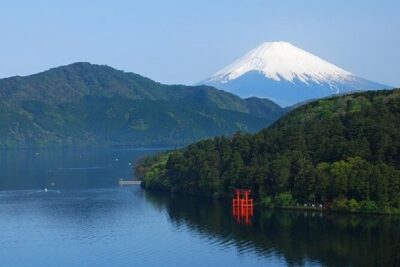 ★ 4.0Mt Fuji & Hakone Cruise, Drum Show Bullet Train 1 Day from TokyoFrom $149
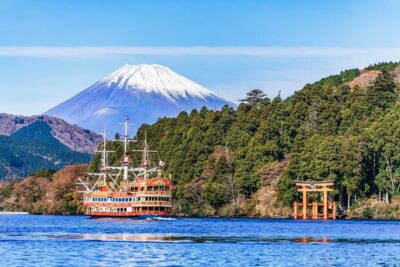 ★ 4.4Tokyo Mt Fuji 5th St & Hakone Cruise Bus Tour w/Bullet TrainFrom $15410 hours
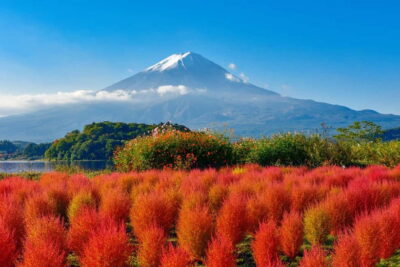 ★ 4.5From Tokyo: Mount Fuji Full-Day Sightseeing TripFrom $6810 hours
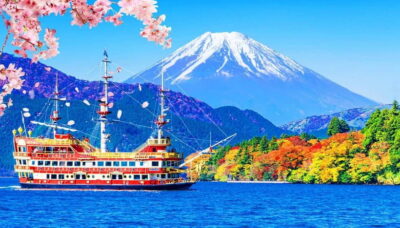 ★ 4.7Tokyo: Mt. Fuji Tour, Hakone Ropeway, Owakudani, Lake AshiFrom $5410 hours
 ★ 4.4Tokyo:Mt.Fuji,Kawaguchiko Oishi Park,Arakurayama Sengen ParkFrom $5410 hours