
Reviewed · MT FUJI DAY TRIPS
Tokyo: Mt. Fuji and Hakone Tour with Cable Car and Cruise
Mt. Fuji and Hakone in one day is a big scenic sweep: you ride from Tokyo to the mountain’s 5th Station, cross a volcanic valley by cable car, then cruise Lake Ashi. The 5th Station sits at about 2,300 meters, close enough to the summit for a real mountain feel, though this is not a climb to Fuji’s top.
I like the variety of transport, from the Chūō Expressway and Subaru Road to the ropeway and lake boat. I also like the chance to see Owakudani’s steaming volcanic ground and try its famous black eggs. The catch is time: traffic can turn an already packed day into a rushed series of short stops, and Mt. Fuji may hide behind cloud.
In This Review
- Key points to know before booking
- One day, three very different sides of Japan
- Leaving Shinjuku for the Fuji region
- Mt. Fuji 5th Station at 2,300 meters
- Lunch, hot pot, and the half buffet
- Owakudani and the Hakone Ropeway
- Lake Ashi by sightseeing boat
- The long return to Tokyo
- How the guides shape the day
- Weather, substitutions, and the limits of the promise
- Who should book this Fuji and Hakone day?
- Should you book it?
- FAQ
- How long does the Mt. Fuji and Hakone tour last?
- Does the tour go to the summit of Mt. Fuji?
- Is lunch included?
- Can I return to Hakone or Odawara instead of Tokyo?
- What happens if Mt. Fuji is hidden by clouds?
- Is the tour wheelchair accessible?
Key points to know before booking
- The 5th Station is the tour’s highest road-accessible stop, with views, Komitake Shrine, and souvenir shops, but not a summit visit.
- Owakudani gives you the most unusual stop, with fumaroles, sulphur vents, volcanic smells, and black eggs sold separately.
- The Lake Ashi cruise is scenic but brief, and clear weather is needed for a Fuji view from the boat.
- Traffic is the main risk, especially when the return drive to Tokyo takes close to two hours or more.
- The lunch option includes a hot pot and half buffet, but the meal stop is practical rather than a long village visit.
- Guides can make a real difference, with Mary-san, Harry, and Yoko, also called Yoyo, noted for friendly commentary and humor.
One day, three very different sides of Japan
This tour works because it links three distinct settings in one long outing. You begin in Tokyo’s dense urban core, climb toward a high mountain, cross a volcanic zone, and finish on a quiet lake surrounded by Hakone’s hills.
The route also shows how quickly Japan changes outside the capital. The Chūō Expressway carries you away from Shinjuku, while the Subaru Road climbs through the Fuji area. Later, the Hakone Ropeway and Lake Ashi cruise replace roads with slower, more scenic ways to move around.
At $92 per person, the price is reasonable for a full day if you want transport, an English-speaking guide, the ropeway, and the cruise arranged together. You are paying for convenience as much as sightseeing. Hakone’s transport connections can be confusing, and arranging Fuji and Hakone independently takes planning.
Still, this is not a relaxed day. The advertised duration is about 11 hours, and much of it is spent on the bus. I would choose it for breadth, not for long walks, quiet meals, or deep time at each sight.
A few more Tokyo tours and experiences worth a look
Leaving Shinjuku for the Fuji region
The tour begins at the Shinjuku Love Object, though the exact meeting point can vary by the option you book. Hotel pickup is not included, so check your meeting details carefully and arrive early. Late arrivals cannot join the group partway through the day.
The drive to the Fuji area usually takes about two and a half hours. That sounds long, but it is part of the experience. You watch Tokyo thin out and the road rise toward the mountain, with the guide filling the journey with explanations about the region and the day ahead.
Traffic is not a small detail here. A jam can take time from every later stop, and the return drive to Tokyo typically takes about two hours. One guide may need to adjust the order or shorten a visit to keep the group moving.
That is why I suggest treating the schedule as a framework rather than a promise of equal time at every stop. Keep your camera and phone ready, especially at the first major stop. If Fuji appears, the clear view may last only a few minutes.
Mt. Fuji 5th Station at 2,300 meters
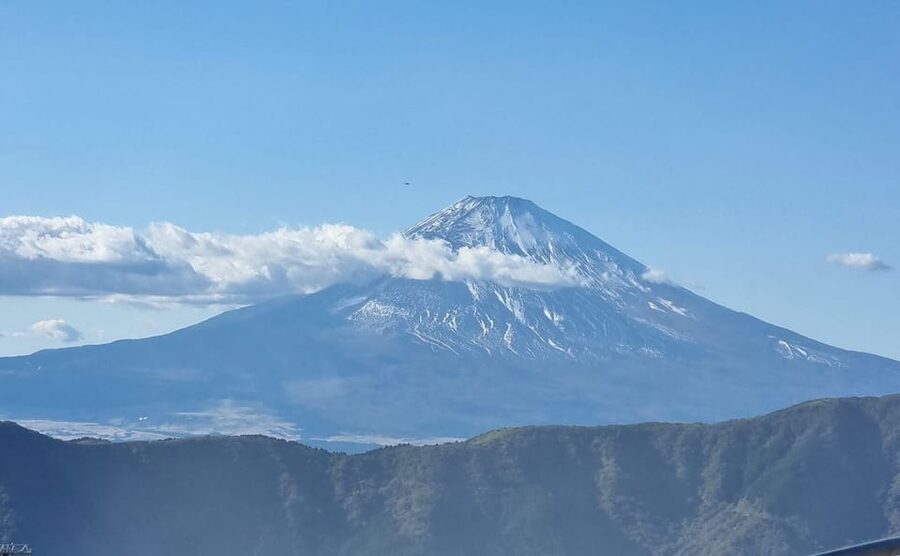
The Subaru Line carries the bus to Mt. Fuji’s 5th Station, about 2,300 meters above sea level. This is the highest point the standard itinerary aims to reach by road, and it places you much closer to the summit than any view from the surrounding lowlands.
The air can feel different at this height, and cloud can move quickly. You may see only a gray wall one minute, then catch a brief glimpse of the peak. The tour information wisely warns that poor weather or a road accident may prevent the bus from reaching the 5th Station. In that case, the group visits the highest accessible point instead.
When conditions are clear, make the mountain view your first task. Do not assume you will get another chance later at Lake Ashi. Several parts of the day depend on weather and traffic, and the boat view of Fuji is never guaranteed.
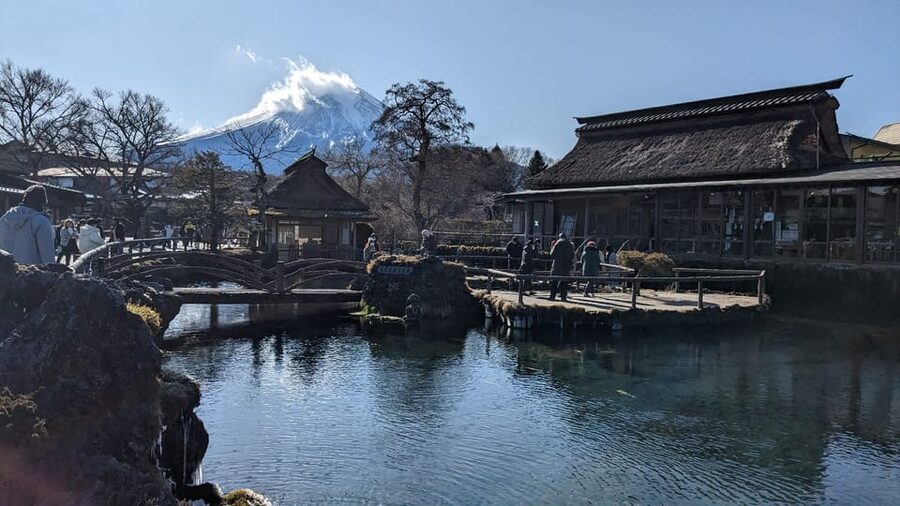
You can visit Komitake Shrine and browse for souvenirs here. The shrine adds a small cultural stop to what could otherwise be only a viewpoint. But the souvenir shops are tempting time traps. If the sky is clearing, stay outside first and take your photos before shopping.
The stay may feel short. Some departures have allowed only enough time for a quick photo and restroom stop when traffic has piled up. The description suggests a meaningful visit, but the actual time can change sharply with road conditions.
Also note the request to conserve water at the 5th Station. Water is limited at this elevation, so use the restroom efficiently and do not expect the facilities to feel like those in central Tokyo.
Lunch, hot pot, and the half buffet
If you select the lunch option, the meal lasts around 45 to 60 minutes in the planned schedule. It includes a local meal with a hot pot and a half buffet, giving you something warm and substantial before the Hakone portion.
The meal is best viewed as fuel for a demanding day, not as a long food-focused stop. When traffic has caused delays, the meal period may be shortened. Some departures have had closer to 30 minutes, leaving little time to order, eat, use the restroom, and return to the bus.
The buffet can also vary in how well it is replenished. If you choose this option, take food when it is available rather than assuming every dish will remain stocked. Tell the operator about food restrictions when you book so arrangements can be made.
If you do not select lunch, there is no promise of a separate meal stop with food available for purchase. Bring a small snack and water for the bus, especially if you prefer not to pay for the meal package.
Owakudani and the Hakone Ropeway
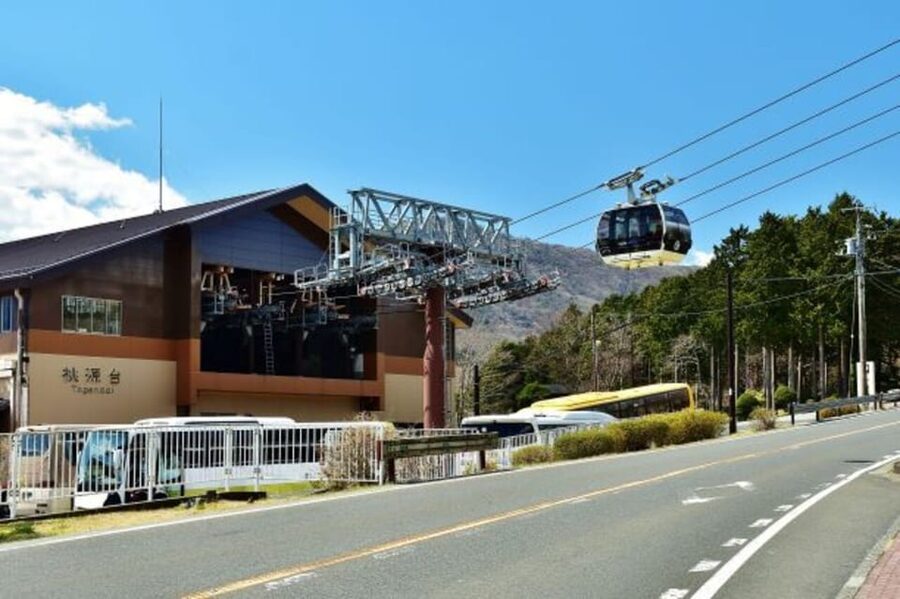
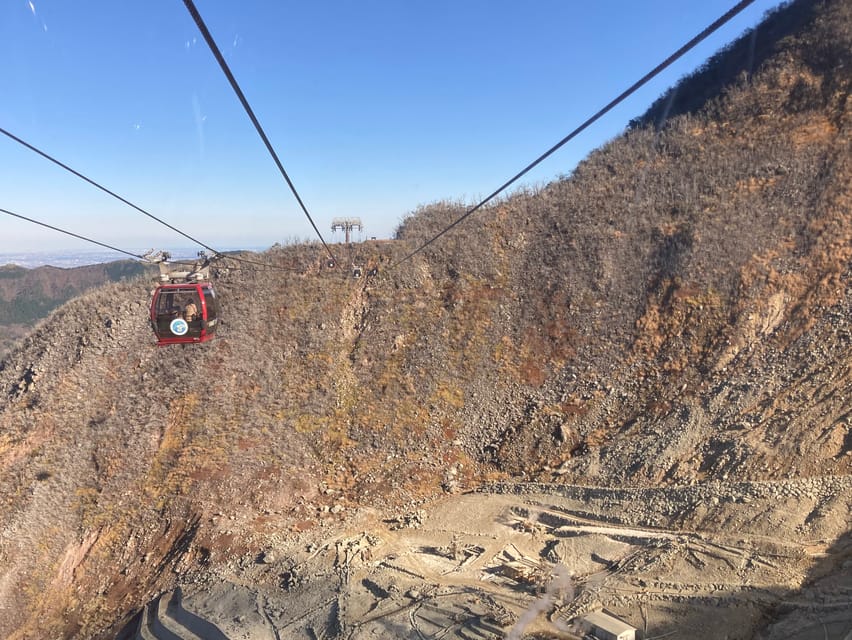
The Hakone Ropeway is one of the day’s best changes of pace. Instead of sitting at road level, you rise above the Owakudani volcanic area in a gondola and watch the elevation change below you.
Owakudani was shaped by volcanic activity, and the area is known for fumaroles and sulphur vents. Steam can rise from the ground, giving the stop a strong sense of living geology rather than a polished garden attraction. The smell and air may be intense, so check the conditions carefully if you have respiratory problems.
The famous black eggs are sold here. They are ordinary eggs turned dark by boiling in sulphuric water heated by volcanic activity. The fee is not included, but they make a memorable, distinctly local snack and souvenir.
The ropeway ride is a highlight, though it is not always a long stop on the ground. Traffic and operating conditions can shorten time around the volcanic fields. You may spend more of the visit seeing Owakudani from the gondola than walking around the vents themselves.
That distinction matters. If you want a detailed volcanic walk, this tour may feel too quick. If you want a dramatic aerial crossing and a taste of the area without arranging Hakone’s transport yourself, it delivers more efficiently.
The ropeway may also be replaced if an activity cannot operate. Possible alternatives include a Lake Kawaguchi cruise, the Mt. Fuji Panoramic Ropeway, Mishima Skywalk, Odawara Castle, Hakone-en Aquarium, Narukawa Art Museum, Hakone Checkpoint, or Hakone Shrine.
A few more Tokyo tours and experiences worth a look
Lake Ashi by sightseeing boat
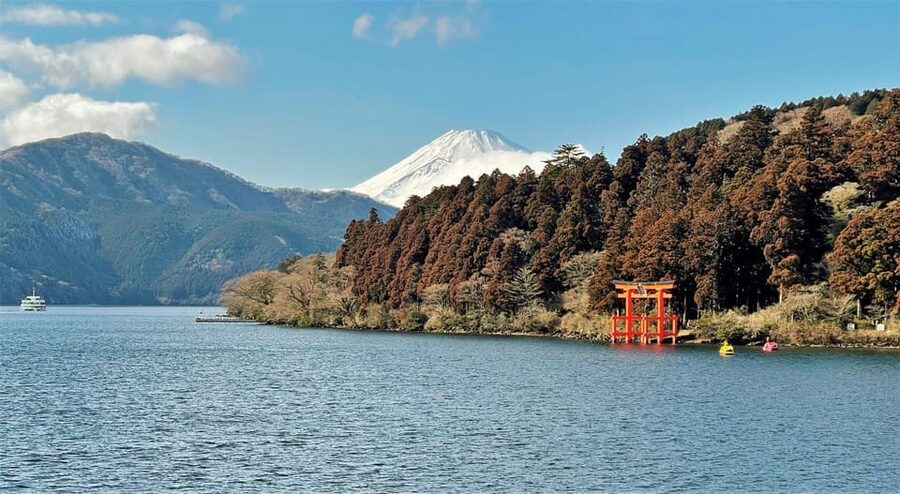
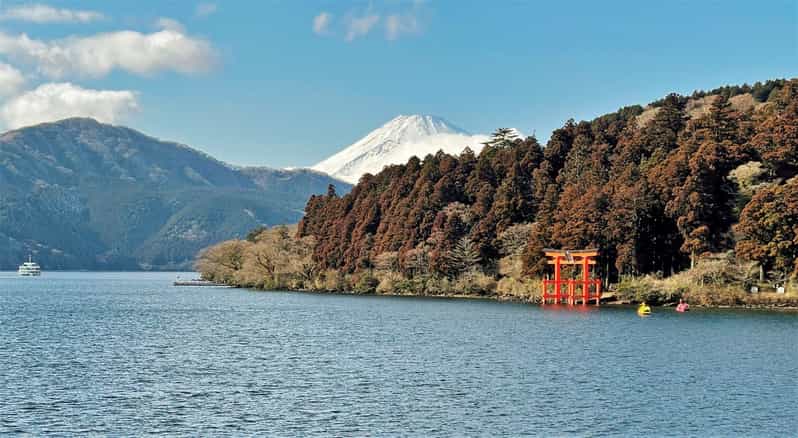
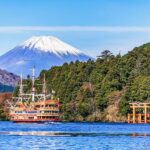
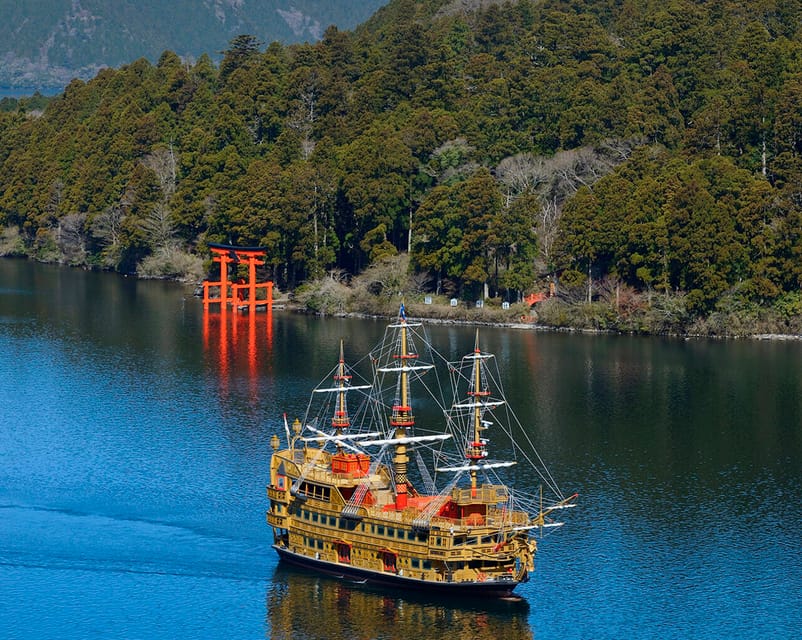
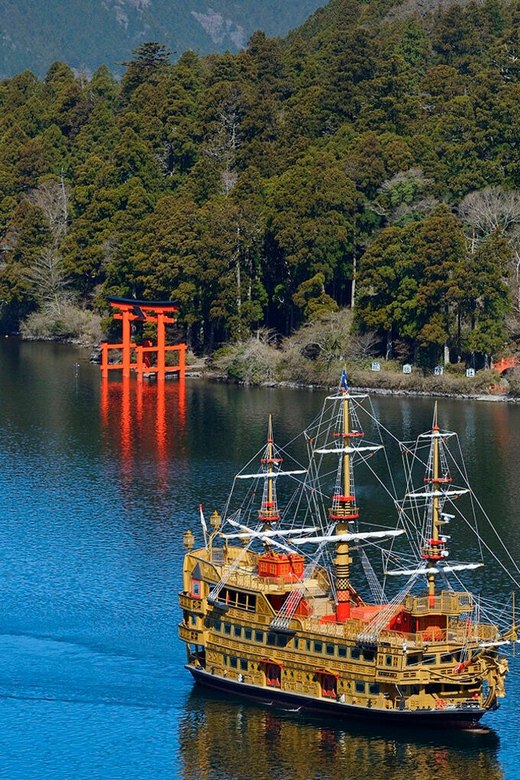
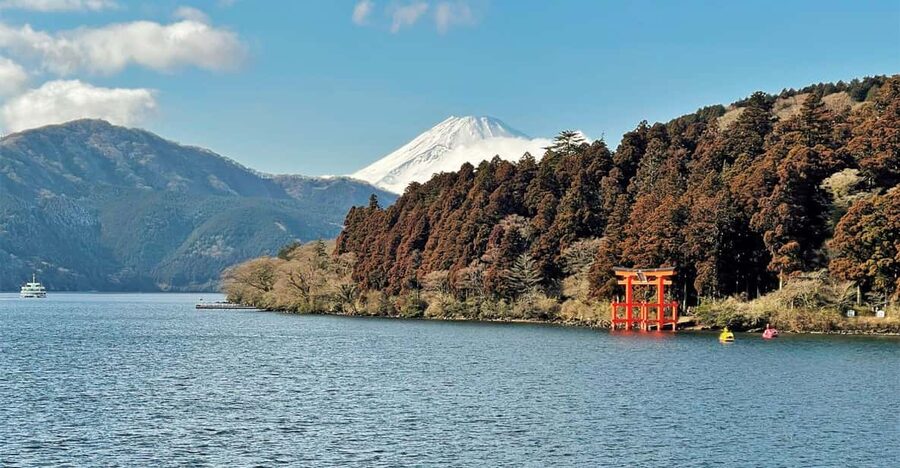
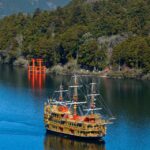
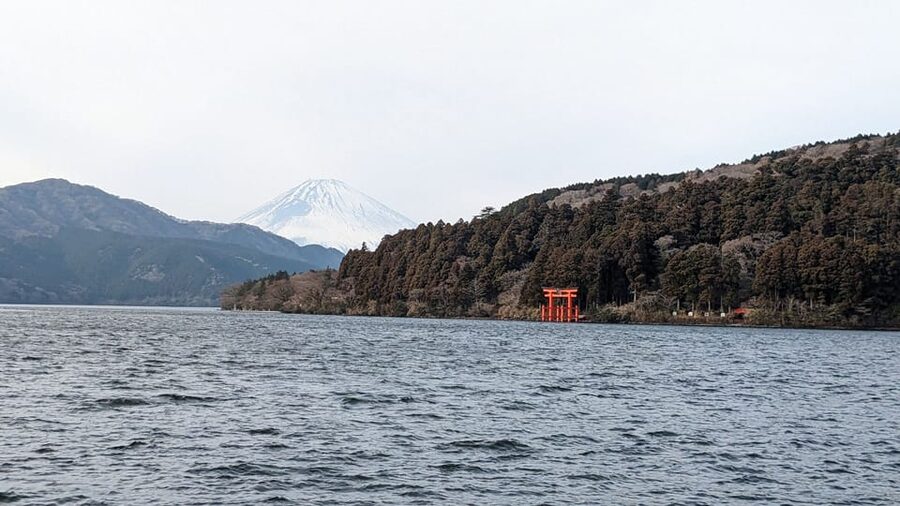
After Owakudani, you board a cruise on Lake Ashi. The boat gives your legs a rest and offers broad views across the water toward Hakone’s surrounding hills. On a clear day, Mt. Fuji may appear from the deck, but fog, humidity, heavy rain, and cloud can erase the mountain completely.
I would treat Fuji from Lake Ashi as a bonus, not the reason to book the cruise. The boat ride still helps round out the day because it shows Hakone from the water after the mountain and volcanic stops.
The weak point is free time. The schedule does not leave much room to wander around Hakone after the cruise. One account of the day had no more than a few minutes at Hakone before the group moved on, so do not expect time for a leisurely lakeside coffee, shrine visit, or independent shopping.
The cruise is included, as is the ropeway ticket. That makes the $92 price easier to justify, particularly if you value having the transfers handled. Independent travel can give you more time, but it requires coordinating buses, ropeway departures, and the lake boat yourself.
The long return to Tokyo
The standard return is by bus to Tokyo Station, with a typical journey of about 120 minutes. This final stretch can be tiring after an early start and a full day of moving between stops.
Traffic may also change the end of the day. A tour that has lost time in the morning may shorten later visits, or it may arrive back at a different time than expected. Check the return plan when booking rather than assuming every departure follows the same pattern.
Some options allow you to finish at Hakone-Yumoto, useful if your hotel is in the Hakone area. You may also choose Odawara Station, which is practical if you have a Japan Rail Pass or a ticket for another destination. A shinkansen ticket is not included, and this tour is not the correct choice if you need a bullet train ticket bundled into the booking.
If your plans are tight after the tour, leave a generous buffer. The route covers a lot of ground, and the operator cannot guarantee an exact return time in heavy traffic.
How the guides shape the day
The guide is an important part of this experience because you spend so many hours on the bus. A strong guide turns the road sections into useful context and helps the group understand what to do when weather or traffic changes the plan.
Mary-san has led tours with friendly commentary, local knowledge, and playful sing-alongs. Harry was also praised for being especially good at keeping the group comfortable, while Yoko, also called Yoyo, has been noted for clear explanations, humor, and a lively manner.
Those names do not mean you can request a particular guide, but they show the type of leadership you may get. The guide also controls timing, which can be helpful when the route is complicated but frustrating when a stop is shortened.
The clearest practical advice is to listen closely at the 5th Station. Take photos when the guide says you have a clear window, and return to the bus exactly on time. A few minutes lost by one person can affect the whole group.
Weather, substitutions, and the limits of the promise
Mt. Fuji is famously changeable from viewpoint to viewpoint. Heavy rain, high humidity, and fog can hide the summit, and no refund is issued simply because the mountain does not appear.
That is not a flaw in the weather, but it is a reason to set the right expectation. You are booking access to the Fuji region, not a guaranteed postcard image. The tour still offers the 5th Station, shrine, volcanic area, gondola, and lake even when Fuji itself disappears.
The operator may substitute another destination if a planned activity is closed or cannot run. The alternatives cover a wide range, from a different lake cruise to Odawara Castle or an art museum. That protects the day from becoming empty, but it also means the final experience may differ from what you pictured.
Communication matters when this happens. Keep an eye on the guide’s instructions and ask early about changes to the ropeway or return transport. Confusion over whether a ropeway visit or bus return is operating can make a weather problem feel worse than it needs to be.
Who should book this Fuji and Hakone day?
I would choose this tour if you have only one free day from Tokyo and want to see both Mt. Fuji and Hakone without planning a complicated route. It suits first-time visitors, couples, families with older children, and anyone who prefers a guide and arranged transport.
It also suits you if the ropeway and cruise matter as much as the mountain. Those two included tickets add real value, and the route gives you more variety than a simple Fuji viewpoint excursion.
I would hesitate if you dislike group schedules or need long stretches of free time. You may find the 5th Station, lunch, Owakudani, and Lake Ashi all too short when traffic is bad.
Children age three and under can join free, but they do not receive a bus seat or lunch. Book the child rate if you want either one. Folding wheelchairs can generally be stored in the bus luggage compartment, but the standard buses do not have lifts or ramps, and electric wheelchairs may not fit due to size and weight limits. Tell the operator about wheelchair use when booking.
Should you book it?
Book this tour for breadth and convenience. At $92, the included bus, guide, ropeway, cruise, and optional lunch make it a fair deal for a packed day from Tokyo.
Do not book it expecting a slow Hakone visit or a guaranteed Fuji summit view. The best strategy is to choose a clear-weather date if your plans allow, keep the 5th Station visit focused on the mountain, and accept that traffic may rewrite the schedule.
If that tradeoff suits you, this is a practical way to connect Japan’s highest mountain region, volcanic Hakone, and Lake Ashi in one day. If you want control and quiet, travel independently and spend a full day in either Fuji or Hakone instead.
FAQ
How long does the Mt. Fuji and Hakone tour last?
The tour lasts about 11 hours, though the exact schedule depends on traffic, weather, road access, and operating conditions at the sightseeing stops.
Does the tour go to the summit of Mt. Fuji?
No. It goes to Mt. Fuji’s 5th Station, about 2,300 meters above sea level, which is the highest road-accessible point planned on this tour. It is not a summit-climbing trip.
Is lunch included?
Lunch is included only if you select the lunch option. The planned meal includes a hot pot and a half buffet. Drinks are not included, and there is no guaranteed meal stop if you book without lunch.
Can I return to Hakone or Odawara instead of Tokyo?
Some options allow drop-off at Hakone-Yumoto or Odawara Station. Check the exact option when booking, since the meeting and return arrangements may vary.
What happens if Mt. Fuji is hidden by clouds?
The tour continues, but the mountain may not be visible in fog, rain, humidity, or heavy cloud. No refund is issued for weather. If an activity cannot operate, an alternative destination or activity may be substituted.
Is the tour wheelchair accessible?
The sightseeing spots are wheelchair-accessible, but the standard buses do not have wheelchair lifts or ramps. Folding wheelchairs can generally be stored in the luggage compartment, while electric wheelchairs may not fit due to size and weight limits. Inform the operator when booking.
More Bay & River Cruises in Tokyo
More Hakone Day Trips in Tokyo
More Mt Fuji Day Trips in Tokyo
More tours in Tokyo we've reviewed




Mt Fuji Day Trips, compared.
 ★ 5.0Mt Fuji and Hakone 1-Day Bus Tour Return by Bullet TrainFrom $163
 ★ 4.0Mt Fuji & Hakone Cruise, Drum Show Bullet Train 1 Day from TokyoFrom $149
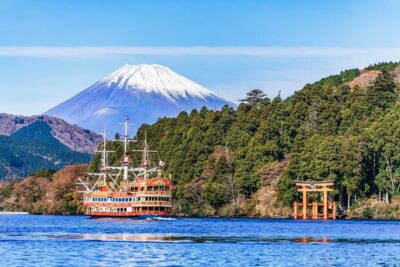 ★ 4.4Tokyo Mt Fuji 5th St & Hakone Cruise Bus Tour w/Bullet TrainFrom $15410 hours
 ★ 4.5From Tokyo: Mount Fuji Full-Day Sightseeing TripFrom $6810 hours
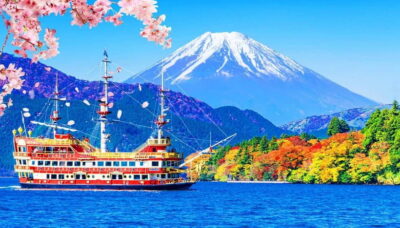 ★ 4.7Tokyo: Mt. Fuji Tour, Hakone Ropeway, Owakudani, Lake AshiFrom $5410 hours
 ★ 4.4Tokyo:Mt.Fuji,Kawaguchiko Oishi Park,Arakurayama Sengen ParkFrom $5410 hours