
Reviewed · GUIDED
Discover the hidden gems of Tokyo:Private Tour with a Local Guide
Tokyo’s best moments often come when a guide helps you connect the dots between a temple, a food stall, a department store, and an ordinary neighborhood street. This private tour lets you choose three stops from a long list across Asakusa, Ueno, Akihabara, Nihombashi, and Ginza, then shape the day around your interests.
I like the freedom to focus on what you actually care about, and I like that guide Kazuo Hirose has been praised for adjusting plans, explaining customs, and showing small shops along the way. The main catch is distance: three widely separated sights can turn a relaxed walk into a day of trains, stairs, and transfers, while meals, transport, shopping, and paid admissions cost extra.
In This Review
- Key points to know before booking
- Starting at Kaminarimon and Senso-ji
- Choosing food in Asakusa
- Ueno, Ameyoko, and the temple side of Tokyo
- Akihabara for electronics, manga, and anime
- Nihombashi, Ginza, and old Tokyo commerce
- Imperial Palace gardens, Kabuki, and Tokyo Station
- Tokyo Skytree and riverside alternatives
- How much value do you get for $65.15?
- Who will get the most from this private walk?
- Should you book it?
- FAQ
- Where does the tour begin?
- Where does the tour end?
- How long does the tour last?
- How many places can I choose?
- Is this a private tour?
- Is transportation included?
- Are entrance fees included?
- What is the cancellation policy?
Key points to know before booking
- Choose three stops: Build your day around temples, food, electronics, anime, shopping, or Tokyo views.
- Meet at Kaminarimon: The tour begins near Senso-ji in Asakusa, an easy place to find by public transport.
- Private means personal: Only your group participates, so the pace and subjects can be adjusted.
- Kazuo Hirose is a named guide: His tours have included detailed cultural explanations, local shops, and flexible itinerary changes.
- The price covers guiding, not the day’s spending: The listed price is $65.15 per person, but transport, lunch, shopping, and entrance fees are separate.
- Plan for walking: A moderate level of fitness is advised, especially if you connect distant parts of East Tokyo.
Starting at Kaminarimon and Senso-ji
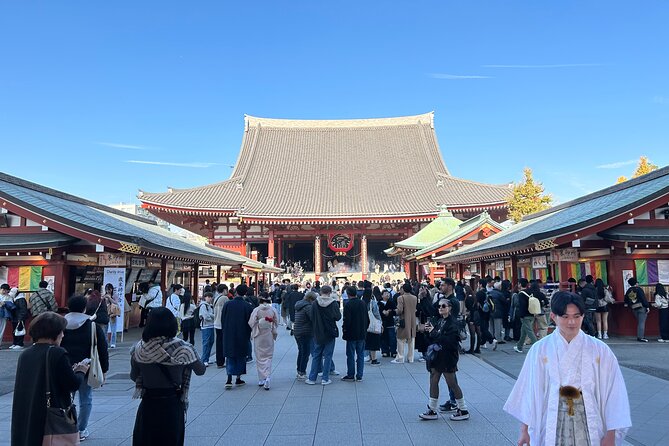
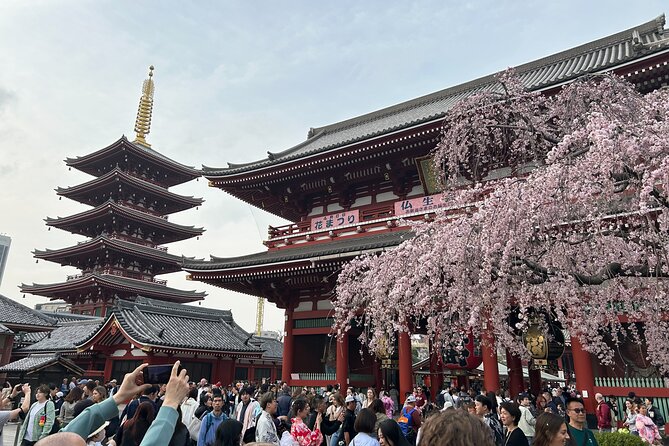
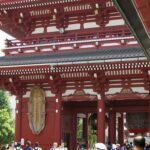
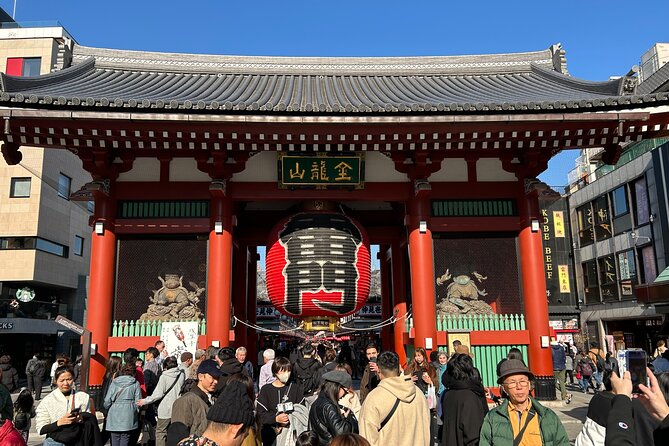
The meeting point is Kaminari-mon 2-chome 3-1 in Asakusa, beside Kaminarimon, the famous gate leading toward Senso-ji. This is a sensible starting place because it puts you right in one of Tokyo’s oldest sightseeing districts instead of wasting your first hour on introductions in a hotel lobby.
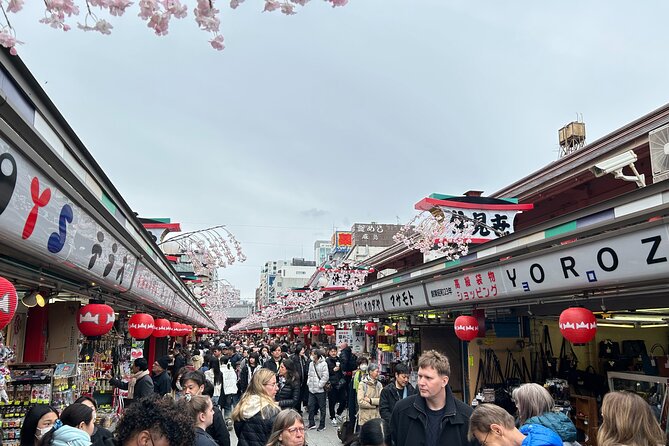
Your guide can begin with Nakamise Shopping Street, the long approach to Senso-ji lined with food stalls, souvenirs, and traditional goods. It is touristy, yes, but it also gives you a quick lesson in how a Japanese temple approach works. Look for small snacks and craft items, but keep your expectations practical: this is a shopping street, not a quiet lane.
At Senso-ji, you can hear the story of the two fishermen who found the Kannon statue linked to Asakusa’s origin. The temple visit is listed as about an hour, with no admission charge. A guide adds value here by explaining the difference between the temple’s Buddhist setting and the nearby Shinto shrine, rather than treating every gate and ritual as simply Japanese culture.
Asakusa Shrine is another listed one-hour stop. It honors the men associated with Senso-ji’s founding and is tied to the Sanja Festival, one of Asakusa’s major traditions. Your guide can explain Shinto ideas, including the belief in many gods and spirits, and show you how shrine customs differ from Buddhist temple practice.
These two stops work well together. They are close enough to make a coherent half-day, and they give you religious, historical, and everyday Tokyo context without needing a long train ride.
Other guided tours in Tokyo

Choosing food in Asakusa
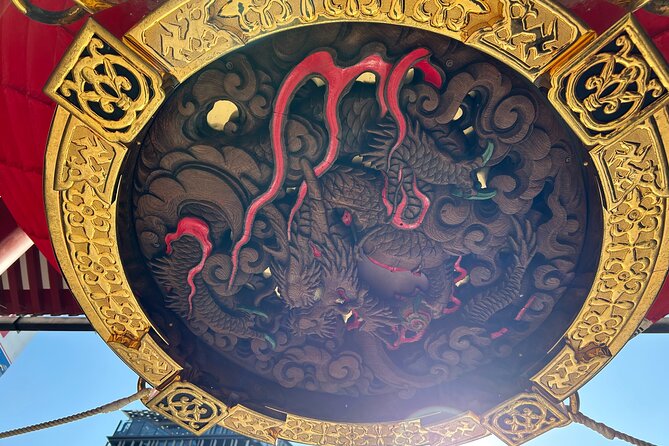
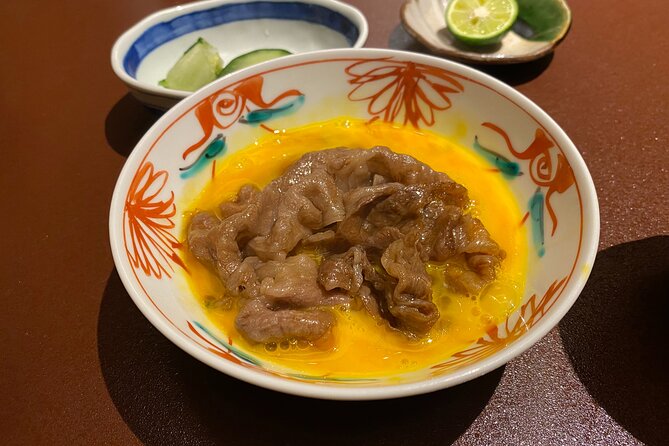
Food-focused visitors can select Imahan Honten, a long-established restaurant known for carefully chosen Kuroge Wagyu beef and sukiyaki. The restaurant is not included in the tour price, so you pay for the meal yourself. That matters because a high-end beef lunch can change the cost of the whole outing.
Sushi Dai is another food option, connected with the Tsukiji area. The restaurant selects ingredients from Tsukiji Market and prepares sushi with warm rice and carefully prepared toppings. The description gives no guaranteed seating arrangement, meal price, or waiting time, so you should ask your guide what fits your schedule before choosing it.
Tsukiji Jogai Market is the more flexible food stop. Its appeal is the chance to browse food stalls and shops while seeing how the market serves both local life and international visitors. You can make this a tasting stop rather than committing to a full restaurant meal, but all food purchases remain your responsibility.
I would not try to combine Asakusa, Tsukiji, and several inland districts in only two hours. The activity is advertised as lasting from two hours to a full day, and the difference comes down to how far apart your three choices are.
Ueno, Ameyoko, and the temple side of Tokyo
Ueno Park gives you a different side of East Tokyo. It is a large green area containing the Tokyo National Museum, the National Museum of Western Art, and Ueno Zoo, which is described as Japan’s first zoo. The park itself has no admission charge, but the museums and zoo may require their own tickets.
Choose Ueno if you want open space and cultural institutions rather than a tight run of shops. One hour is enough for an orientation walk, but not enough to properly visit a major museum. I would pick the park with one nearby stop, not treat it as a quick photo break between distant neighborhoods.
Ameyoko Shopping Street is a good match for bargain hunting and casual food. Its reputation rests on good value, with a mix of products and edible goods in a lively market setting. The guide can help you understand what you are seeing and point out the kinds of shops that suit your interests, but the tour does not include shopping costs.
Yushima Tenmangu offers a quieter shrine visit. It is dedicated to Sugawara no Michizane, traditionally linked with learning, and is especially associated with students seeking success in exams. Choose it if you want a shrine with a clear local purpose and a calmer pace than the main Asakusa route.
Imado Shrine is known as one birthplace of the maneki-neko, the beckoning cat figure. Cats are displayed around the shrine, and the site is associated with good fortune in matchmaking. It is a more specific choice than Senso-ji, useful if you like folklore, lucky symbols, and smaller religious sites.
Akihabara for electronics, manga, and anime
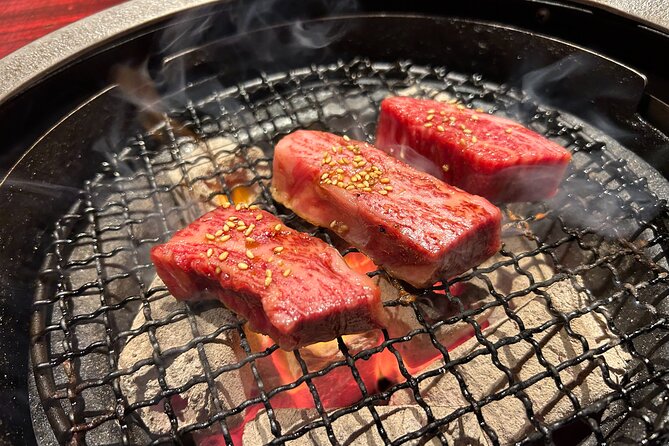
Akihabara gives the tour a sharp change of mood. It is known for manga, anime, electronics, maid cafes, and Kanda Myojin Shrine nearby. If you are curious about Japan-made appliances, PC equipment, or popular culture, this is one of the strongest areas to choose.
Akihabara Junk Street focuses on the back streets and shops selling PC peripherals. That makes it more useful for someone who wants electronics rather than only the bright main roads. Product selection, prices, and stock change, so the guide’s help is most useful for explaining the type of shop and helping you avoid spending your limited time in the wrong place.
Yodobashi Akiba is a huge consumer electronics store with a very large sales floor. It can be useful if you want to compare appliances or see the sheer range of Japanese retail. It can also swallow an hour quickly, so choose it only if shopping is a real goal.
A general Akihabara stop offers a broader introduction to the district, including manga, anime, electronics, maid cafes, and nearby Kanda Myojin. You do not need to be an enthusiast to enjoy it, but you should tell the guide how much interest you have in the subject. Otherwise, the neighborhood can feel like a series of stores without much connection.
Kanda Shrine gives you that connection. It is known for the Kanda Festival, one of Edo’s major festivals, and for prayers connected with victory and finding a partner. Pairing Kanda Shrine with Akihabara creates one of the better area-based combinations on the menu.
Nihombashi, Ginza, and old Tokyo commerce
COREDO Muromachi 1 is a useful choice if you want modern shopping tied to Nihombashi’s older commercial identity. The complex includes shops, established businesses, and a cinema. It is less about one major monument and more about seeing how Tokyo mixes long-running stores with new retail buildings.
Nihombashi Mitsukoshi Main Store offers another look at Japanese shopping culture. It is described as the home of Japan’s oldest department store, with a basement food area containing more than 70 shops selling Japanese, Western, and Chinese dishes, plus bento and sweets. Department store basements are one of Tokyo’s best places to see careful food presentation, though you should budget time and money if you plan to buy anything.
Ginza Itoya is ideal for stationery fans. The red paperclip sign marks a store founded in 1904, with many floors across its main and annex buildings. It is a focused stop, not a general sightseeing landmark, but it can be a delight if you care about paper, pens, design, or practical Japanese gifts.
Ginza itself gives you grand avenues, department stores, luxury shops, and the old Wako clock tower at the Ginza 4-Chome intersection. The district grew from the site of an Edo-period silver coin foundry, so a guide can help link the polished present to the area’s older identity.
Uniqlo Ginza is another shopping choice, described as the brand’s global flagship and its largest store, with twelve floors. Pick it only if you genuinely want clothing or want to see the scale of Japanese flagship retail. It is not an efficient sightseeing stop for everyone.
Other private tours in Tokyo

Imperial Palace gardens, Kabuki, and Tokyo Station
The East Gardens of the Imperial Palace occupy part of the former Edo Castle site. This is one of the best options for a slower walk, with castle remains and a green break from commercial Tokyo. The gardens are free, according to the tour details, but opening conditions can vary, so confirm the day’s plan with your guide.
Kabukiza Theater introduces kabuki, a traditional performance art with more than 400 years of history and UNESCO intangible cultural heritage status. The tour can explain the theater and the art form, but admission to a performance is not included. A full show may not fit comfortably into a short walking tour, so treat this as a cultural orientation unless you have made a separate performance plan.
Tokyo Station is a fitting end point for a city tour, since it is a major rail hub for JR services and the Shinkansen. The tour ends in a different location from the starting point, and the exact finish depends on your selected route. That can be convenient if you are continuing elsewhere, but do not assume you will finish back in Asakusa.
Tokyo Skytree and riverside alternatives
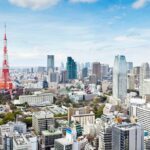
Tokyo Skytree is the most obvious choice for a high view. At 634 meters, it is a major radio tower with Tembo Deck and Tembo Galleria observation areas looking over downtown Tokyo. Admission is not included, and one hour may be tight if you face queues or want time at both levels.
Mimeguri Shrine offers a smaller, more local stop in Sumida. It is associated with the Sumida River Seven Lucky Gods route and with financial luck and business success. Choose it for shrine symbolism and local atmosphere, not for a major landmark.
These options can be combined with Asakusa, but you should discuss transport before booking. The tour does not include private transportation, and your own public transport fares are extra. The guide is walking with you, so the day is not a chauffeured sightseeing circuit.
How much value do you get for $65.15?
At $65.15 per person, the price is attractive for a private guide, especially for a small group that wants personal attention. The value rises when you use the guide to compare neighborhoods, explain rituals, translate the purpose of shops, and adjust the route to your interests.
The price is less of a bargain if you expect a fully packaged day. You pay separately for trains, food, shopping, private transport, and entrance fees. A meal at Imahan Honten, sushi at Sushi Dai, or a Skytree ticket could add a noticeable amount.
The key is to choose three stops that are close together. Asakusa with Senso-ji, Asakusa Shrine, and Nakamise is efficient. Akihabara with Kanda Shrine and Yodobashi Akiba also makes sense. Ginza with Itoya and Kabukiza is another workable cluster, though any paid performance or shopping is extra.
The tour operates daily from 9:30 a.m. to 5 p.m., and confirmation is provided at booking. Free cancellation is available up to 24 hours before the start time. Within 24 hours, cancellation and changes are not accepted for a refund.
Who will get the most from this private walk?
I would recommend this tour to first-time visitors who want Tokyo explained in plain language, families with mixed interests, and repeat visitors who want a less automatic route. It also suits people who prefer asking questions without a large group waiting behind them.
Guide Kazuo Hirose receives particular praise for being warm, patient, informative, and flexible. His tours have included one-on-one outings, two-day plans, family groups, and visitors from Germany. One useful detail is his habit of mixing major sights with small shops, which can make the day feel less like a checklist.
You should be ready to walk and have moderate physical fitness. The tour is private, but it is not a private car tour. Keep your selection realistic, tell the guide what you care about, and reserve enough time for trains if you cross the city.
Should you book it?
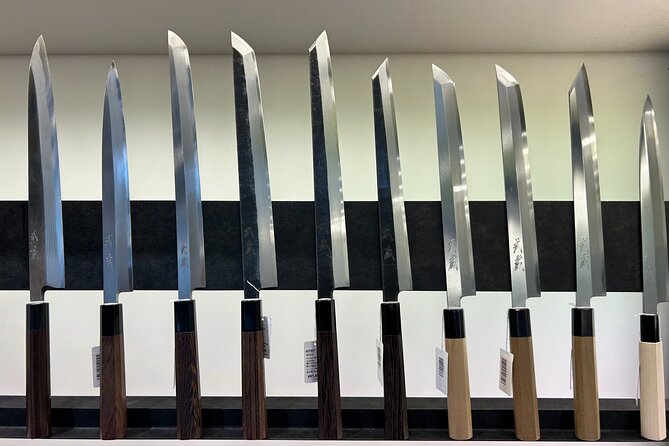
Book this tour if you want a personalized introduction to East Tokyo and can name three subjects that interest you. It is especially good for pairing famous places such as Senso-ji or Skytree with focused stops such as knives, stationery, electronics, or local shrines.
Skip it if you want every major Tokyo landmark in one fast sweep, a fixed all-inclusive price, or transport included. For the best value, choose three nearby stops, confirm the route with Kazuo Hirose or your assigned local guide, and treat the $65.15 fee as the cost of guidance rather than the cost of the entire day.
FAQ
Where does the tour begin?
The tour begins at Kaminari-mon 2-chome 3-1, Asakusa, Taito City, Tokyo 111-0032, Japan, near Kaminarimon.
Where does the tour end?
The activity ends at a different location from the meeting point. The exact ending point depends on the selected itinerary.
How long does the tour last?
The duration can range from about two hours to one full day. The route depends on the three stops you select and the amount of time spent at each place.
How many places can I choose?
You can choose three must-visit spots from the provided selection.
Is this a private tour?
Yes. Only your group participates in the activity.
Is transportation included?
No. Private transportation is not included, and you pay your own transportation fees. The experience is described as a walking tour.
Are entrance fees included?
Free entry is listed for several temples, shrines, parks, and shopping areas. Paid admissions, such as Tokyo Skytree or a kabuki performance, are not included.
What is the cancellation policy?
You can cancel up to 24 hours before the start time for a full refund. Cancellations or changes made less than 24 hours before the start time are not accepted for a refund.
More Private Tours in Tokyo
More Guided Tours in Tokyo
More tours in Tokyo we've reviewed



Guided, compared.
 ★ 5.0Tokyo 6hr Private Tour with Government-Licensed GuideFrom $155
 ★ 4.9Tokyo: Shinjuku Local Bar and Izakaya Guided Walking TourFrom $343 hours
 ★ 4.8Tokyo: Private City Highlights Tour with Local GuideFrom $1064 - 8 hours
 ★ 4.9Tokyo: Tsukiji Fish Market Guided Walking TourFrom $222 hours
 ★ 5.0Tokyo 4hr Private Tour with Government-Licensed GuideFrom $109
 ★ 5.0Tokyo Guided Small-Group Biking TourFrom $106