
Reviewed · TEMPLES & MEDITATION
Tokyo Pop Culture & Tradition Tour: Meiji Shrine to Harajuku
Tokyo rarely shows its contrasts so clearly as the walk from Meiji Shrine to Harajuku. You begin beneath tall trees at a sacred Shinto site, then finish among fashion shops, colorful sweets, and designer architecture. It is a smart way to see two very different sides of the city without spending half a day in transit.
I like the clear cultural lesson at Meiji Shrine, especially the guidance on proper shrine customs. I also like the compact route and the choice of guides, who may include Ayuko, Masa, Taka-san, or Kobu. The main consideration is the second hour: if you already know Harajuku’s shopping streets, you may find that part less useful than the shrine visit.
In This Review
- Key points to know before booking
- From Harajuku Station to a quieter Tokyo
- Meiji Shrine and the meaning behind the rituals
- Takeshita Street and Harajuku’s youth culture
- Finishing at Omotesando Hills
- What $36 buys you in two hours
- Timing, pace, and practical planning
- Which guide style may suit you
- Who should book this walk
- Should you book the Meiji Shrine to Harajuku tour?
- FAQ
- How long does the Tokyo Pop Culture and Tradition Tour last?
- Where do I meet the guide?
- What does the tour include?
- Which languages are available?
- Is the tour wheelchair accessible?
- Can I cancel or pay later?
Key points to know before booking
- A sharp change of scenery: Move from a forested shrine to Takeshita Street and then polished Omotesando in one walk.
- The shrine portion carries the most cultural weight: Your guide explains Emperor Meiji, Empress Shoken, Shinto beliefs, and visitor etiquette.
- A good fit for a short Tokyo stay: Two hours gives you a useful orientation without taking over your day.
- Harajuku is hands-on and colorful: Leave room for snacks, fashion browsing, and kawaii-style shops, though purchases cost extra.
- The experience is guide-dependent: Ayuko, Masa, Taka-san, Kobu, and other guides may lead the walk, with different strengths in history or pop culture.
- The route ends in a useful place: Omotesando Hills puts you near cafés, boutiques, and the tree-lined Omotesando avenue.
From Harajuku Station to a quieter Tokyo
The tour starts in front of NewDays, the convenience store near the Omotesando Exit of Harajuku Station. Look for the guide holding a sign. This is a practical meeting point, but Harajuku Station has several exits and a steady stream of people, so give yourself a few extra minutes to get oriented.
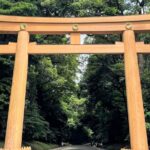
From there, the route heads toward Meiji Jingu, usually called Meiji Shrine in English. The shift happens quickly. Station noise gives way to a broad approach and a large planted forest in the middle of Tokyo. This forest is man-made, yet it feels far removed from the city streets, which is part of the appeal.
I like beginning here rather than ending here. A shrine visit asks for a little attention and quiet. Once you have learned the basic customs, you can enjoy the louder, more playful side of Harajuku without treating both places as the same kind of attraction.
The walk is listed as wheelchair accessible, an important point for anyone planning around mobility needs. You should still confirm the exact route and current conditions when booking, since shrine grounds and busy shopping streets can feel very different from one another.
A few more Tokyo tours and experiences worth a look

Meiji Shrine and the meaning behind the rituals
About the first hour is devoted to Meiji Shrine. The guide explains the connection to Emperor Meiji and Empress Shoken, along with basic Shinto ideas and the customs used when approaching and visiting a shrine.
That instruction is one of the strongest reasons to book this experience. Without context, it is easy to copy what someone else is doing, take a few photographs, and move on. With a guide, the visit becomes a chance to understand why the space is treated with care and how a respectful visit works.
You can expect an explanation of shrine etiquette and the proper customs for paying your respects. Taka-san, for example, was especially praised for being careful about this part of the visit. That kind of help matters because small actions, such as where you pause or how you approach a sacred area, are easier to understand when someone explains them at the site.
The shrine also gives your guide room to tell the story of the imperial couple connected with it. The emphasis is not just on dates or names. You get a sense of why this place matters within modern Japanese history and how Shinto practice fits into daily and ceremonial life.
The setting does much of the work. This is not a quick stop at a small urban building. The surrounding woodland creates a calm break from traffic and shopping signs. You will spend time walking, so comfortable shoes are sensible, even though the tour lasts only two hours.
Photography may be tempting at every turn, but this section works best when you slow down and listen. I would treat the shrine as the main cultural lesson of the tour, not simply as the first item on a checklist.
Takeshita Street and Harajuku’s youth culture
The second hour moves into Takeshita Street, where the mood changes completely. Here the focus is fashion, sweets, youth style, and kawaii culture. The street is known for its colorful storefronts and strong visual energy, making it one of Tokyo’s easiest places to sample a more playful side of the city.
Your guide adds cultural context to what you are seeing. That can help explain why Harajuku became associated with youth fashion and why the area has such a distinct identity. The tour description promises an explanation of the area’s charm, but the amount of detail may depend on the individual guide.
This is also the more casual portion of the walk. You may see clothing shops, snack stops, and stores aimed at pop culture fans. Food and drinks are not included, so bring some spending money if you want to try something along the route. The tour price covers the guide only.
I would set your expectations carefully here. Takeshita Street is easy to explore independently, and one participant felt the shopping walk offered less insight into present-day Japan than the shrine section. That is a fair concern. If your main goal is a serious study of contemporary Japanese culture, two hours may not provide enough explanation.
Still, Harajuku is valuable precisely because it feels different from Meiji Shrine. The point is not that the two areas tell the same story. The point is that Tokyo places formal tradition and youth-driven style almost side by side. The guide helps connect those scenes, but you should expect the shopping street itself to remain a free-form visual experience.
Families may find this section especially easy to enjoy. One family said children had a particularly good time in Harajuku. The bright shops and snacks give younger visitors something immediate to respond to, while the shrine offers a quieter lesson for the adults.
Finishing at Omotesando Hills
The tour ends at Omotesando Hills, in the refined Omotesando district. This is a useful finish because you are not left at an isolated attraction. You can continue with coffee, shopping, or a walk along the tree-lined avenue.
Omotesando feels more polished than Takeshita Street. Modern architecture, designer boutiques, and broad avenues replace the smaller, louder shopfronts of Harajuku. The area makes a natural final chapter: shrine tradition first, youth fashion next, then Tokyo’s more design-conscious retail side.
Do not think of the final stop as another guided attraction with a long list of monuments. It is more of a convenient handoff into the rest of your day. If you want a café break, this is the place to take one. If you are shopping for higher-end brands or interested in architecture, you can continue on your own.
The route’s ending also makes the experience useful as an orientation walk. After two hours, you know where Harajuku, Meiji Shrine, and Omotesando sit in relation to one another. That can save time later in your trip, especially if you plan to return for shopping or a slower shrine visit.
What $36 buys you in two hours
At $36 per person, this is not the cheapest way to walk through Harajuku. You can enter the shrine area and browse Takeshita Street without paying for a tour. The value comes from the guide’s explanations, the organized route, and the chance to ask questions as you go.
I think the price makes the most sense for first-time visitors. You are paying to make sense of a place that can otherwise feel like a quick succession of signs, shops, and crowds. The shrine etiquette alone may justify the cost if you want to visit respectfully and understand what you are seeing.
The value is less certain for repeat visitors who already know Meiji Shrine and Harajuku. If you have walked Takeshita Street before, the second half may feel familiar. In that case, book only if you particularly want a guided explanation of the shrine or prefer having a local guide connect the two districts.
The rating is 4.9 from eight completed ratings, with especially strong praise for the guides’ kindness, attentiveness, and ability to answer questions. Several guides receive positive mention, but the experience can vary depending on who leads your group. Masa was praised for making the visit informative and friendly, while Ayuko was credited with adding history and local food suggestions.
The tour includes the guide fee but not food or drinks. That arrangement is reasonable for a walking tour, since it lets you choose what you want to buy rather than building a fixed snack stop into the price.




Timing, pace, and practical planning
Two hours is enough for a focused introduction, not a leisurely exploration of every corner. The plan gives roughly one hour to Meiji Shrine and one hour to Takeshita Street, ending at Omotesando Hills. You will be walking throughout, so wear comfortable shoes and avoid treating this as a sit-down sightseeing experience.
Starting times vary, so check availability when selecting your date. The tour offers live guiding in English, Japanese, Spanish, Chinese, and French. That broad language choice can make a real difference, particularly during the shrine portion, where etiquette and historical terms are easier to grasp in a language you understand well.
The activity allows free cancellation up to 24 hours before the start for a full refund. You can also reserve now and pay later, which helps if your Tokyo schedule is still shifting. These policies are useful in a city where weather, jet lag, and train plans can change your first-day intentions.
Because the meeting point is near a busy station, arrive with enough time to find the Omotesando Exit and the NewDays store. The guide will be holding a sign, but you should not assume the station area will be quiet or obvious.
Which guide style may suit you
The supplied guide names include Ayuko, Kobu, Taka-san, and Masa, though the assigned guide depends on the booking. The strongest praise centers on personal attention and the ability to answer questions.
If you want careful instruction on shrine behavior, Taka-san’s approach sounds like the kind of guidance to value. If you prefer a warm, conversational walk with historical explanations, Ayuko and Masa were singled out for those qualities. Kobu was described as fun, which may suit families or anyone who wants a lighter tone.
You cannot choose a guide style with certainty from the information provided, so book this as a general guided experience rather than a guaranteed specialist tour. The central subject remains the same, but the balance between history, local advice, and pop culture may change.
That variation is worth keeping in mind. One person found the shrine portion excellent but wanted more explanation of modern Japan in Harajuku. Another found the combination of old and new Tokyo especially effective. Both reactions can be true because the route itself is strong, while the depth of interpretation depends on the guide and on your own interests.
Who should book this walk
I would recommend this tour to first-time Tokyo visitors, families, and anyone with only a short window in the city. It gives you three recognizable areas in a tidy sequence and avoids the hassle of working out the route yourself.
It also suits visitors who feel uncertain about shrine etiquette. You can learn the customs on the spot instead of worrying that you are behaving incorrectly. That makes the Meiji Shrine visit more meaningful and less awkward.
Families may appreciate the contrast in pace. The shrine offers a calmer setting and a history lesson, while Takeshita Street provides sweets, fashion, and bright visual details for children. The two-hour limit also helps prevent the outing from becoming tiring.
I would be more cautious if your main interest is serious contemporary culture, anime history, or detailed fashion analysis. The Harajuku section introduces the area’s style, but it may still feel like a walk through shops. You may need a longer, more specialized activity for deeper coverage.
Should you book the Meiji Shrine to Harajuku tour?
Book it if you want a short, well-organized introduction to the contrast between sacred Tokyo and fashionable Tokyo. The best part is Meiji Shrine, where a guide can explain the imperial connection, Shinto customs, and respectful behavior in a setting that is difficult to appreciate fully on your own.
The route is also a good use of $36 when your schedule is tight. You get a live guide, a clear meeting point, language choices, and a finish near cafés and shopping. Just remember that food costs extra and the Harajuku hour may feel familiar if you have already explored Takeshita Street.
My practical call: choose this tour for orientation, shrine context, and a first look at Harajuku. Skip it if you only want shopping or if you expect a detailed academic treatment of modern Japanese pop culture. The experience works best when you enjoy the contrast itself, quiet shrine, playful street, polished avenue, rather than demanding the same depth from every stop.
FAQ
How long does the Tokyo Pop Culture and Tradition Tour last?
The tour lasts two hours. The route includes about one hour at Meiji Shrine and one hour around Takeshita Street, finishing at Omotesando Hills.
Where do I meet the guide?
Meet in front of NewDays, the convenience store near the Omotesando Exit of Harajuku Station. The guide will be holding a sign.
What does the tour include?
The tour includes the guide fee. Food and drinks are not included.
Which languages are available?
Live guiding is available in English, Japanese, Spanish, Chinese, and French.
Is the tour wheelchair accessible?
Yes, the activity is listed as wheelchair accessible.
Can I cancel or pay later?
You can cancel up to 24 hours in advance for a full refund. The activity also allows you to reserve now and pay later.
More Temples & Meditation in Tokyo
More tours in Tokyo we've reviewed







Temples & Meditation, compared.
 ★ 4.7Tokyo: Meiji Shrine, Asakusa, Skytree Bus Tour and CruiseFrom $12210 hours
 ★ 4.8Tokyo: Asakusa Walking Tour with Sensoji Temple VisitFrom $222 hours
 ★ 4.6Nikko: Kegon Falls, Lake Chuzenji & Toshogu TempleFrom $8911 hours
 ★ 4.5Tokyo: Kamakura & Enoshima Day Trip including Temple TicketsFrom $589 hours - 570 minutes
 ★ 4.5Tokyo: Nikko Toshogu Shrine and Kegon Waterfall TourFrom $8410h 30m
 ★ 4.5Tokyo Panoramic 1 Day: Meiji Shrine, Asakusa, Odaiba and SKYTREE®From $85