
Reviewed · NIKKO DAY TRIPS
Nikko: Toshogu Shrine Ticket(Exchange at Tobu Nikko Station)
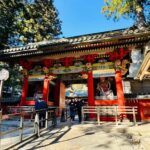
Nikko Toshogu is not a quiet, bare-bones shrine. It is a grand memorial packed with gold leaf, painted details, and carved animals, set among tall forest trees. I especially like the chance to see Japan’s traditional Shinto and Buddhist features side by side, and the ticket costs only $10, a fair price for one of Nikko’s main sights.
I also like that you can exchange the voucher at Tobu Nikko Station before taking the short bus ride to the shrine. The main catch is this: the digital voucher is not your entry ticket. You must exchange it first, and one traveler had trouble doing so, so you should allow time and keep your phone connected to the internet.
In This Review
- Key points at a glance
- Why Toshogu feels different from other Japanese shrines
- From Tobu Nikko Station to the shrine
- The train and bus route from Tokyo
- Entering a forest full of carved details
- The three monkeys and other memorable carvings
- Shinto and Buddhist elements in one complex
- What the $10 ticket includes, and what it does not
- Timing, crowds, and a practical visit plan
- Accessibility and movement inside the site
- Who should book this Toshogu ticket?
- Should you book it?
- FAQ
- Where do I exchange the Toshogu Shrine ticket?
- Can I enter Toshogu Shrine with the digital ticket?
- Can I use a screenshot or printed voucher?
- How do I reach Toshogu Shrine from Tobu Nikko Station?
- What does the $10 ticket include?
- Is Toshogu Shrine wheelchair accessible?
Key points at a glance
- Tokugawa Ieyasu’s memorial: See the shrine dedicated to the founder of the Tokugawa Shogunate, which ruled Japan for more than 250 years.
- Unusually ornate design: Expect extensive gold leaf, colorful buildings, and countless wood carvings instead of the plain look found at many Japanese shrines.
- The famous three monkeys: Look for the carved figures representing seeing no evil, hearing no evil, and speaking no evil.
- Station exchange required: Pick up the physical admission ticket at the Tobu Nikko Station Tourist Center before going to the shrine.
- Easy day-trip route: The express train from Tobu Asakusa Station takes about two hours, followed by a roughly 15-minute bus ride and a 10-minute walk.
- One-day value: At $10 per person, the ticket is reasonably priced, though several other Nikko sights require separate admission.
Why Toshogu feels different from other Japanese shrines
Toshogu was built as a memorial to Tokugawa Ieyasu, the man who founded the Tokugawa Shogunate. His government ruled Japan until 1868, so this is not just another local place of worship. It is a political and religious monument tied to one of the most important figures in Japanese history.
The first mausoleum was relatively simple. Ieyasu’s grandson, Tokugawa Iemitsu, later ordered a major expansion during the first half of the 17th century. That rebuilding created the elaborate complex you see today, with more than a dozen structures spread through a wooded setting.
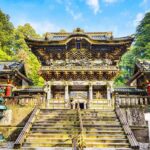
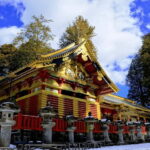
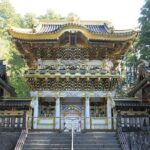
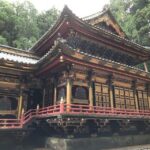
I find the contrast especially striking. Japanese shrine architecture is often associated with restrained lines and limited decoration. Toshogu takes the opposite approach. Buildings carry layers of carving, paint, and gold leaf. Animals, plants, mythical creatures, and religious symbols fill the surfaces.
That decoration gives the visit a different rhythm. Instead of glancing at one gate and moving on, you will want to stop often and study the details. The complex rewards slow looking, especially if you bring an audio guide or use another way to learn what each structure represents.
A few more Nikko tours and experiences worth a look
From Tobu Nikko Station to the shrine
Your visit begins at the Tobu Nikko Station Tourist Center, not at Toshogu itself. The exchange desk is open from 8:20 a.m. to 5 p.m. all year, so plan to collect the physical ticket before heading toward the shrine.
This extra step is the most important practical detail. You cannot enter Toshogu with the digital ticket alone. After you exchange the voucher, you must open the usage screen from the link in the voucher email, press the Use button, and show that screen to a staff member.
A screenshot or printed copy will not work. You need a stable mobile connection to open the web page on your phone. I would save the voucher email before leaving your hotel, but do not rely on a screenshot as your only backup. The exchange process was nearly effortless for one visitor whose phone link would not open beneath the QR code, because staff could still help after seeing the booking application. That said, another person could not complete the exchange and had to buy a new ticket in Nikko.
The safest plan is simple: arrive at Tobu Nikko Station with plenty of time, exchange the voucher first, and confirm that the physical ticket is in hand before boarding the bus.
The train and bus route from Tokyo
From Tobu Railway’s Asakusa Station, the express train to Tobu Nikko Station takes about two hours. That makes Toshogu possible as a long day trip from Tokyo, though the travel time means you should start early if you want to see more than one Nikko site.
At Tobu Nikko Station, take the Tobu Bus World Heritage Tour Route. Ride for about 15 minutes and get off at the Omotesando bus stop. From there, expect a walk of roughly 10 minutes to reach the shrine.
This route is easy to understand, but the ticket does not include the train or bus fare. You are paying for admission to Toshogu only. Build the transport cost into your day-trip budget, especially if you are comparing this ticket with a broader Nikko sightseeing pass.
The station exchange is not an entirely wasted detour. It gives you a chance to get your bearings, find the bus, and handle the ticket requirement before you reach the main sightseeing area. In busy periods, having the ticket ready may save you time in the admission line. In late August, one visitor found the area quiet enough that buying ahead was not essential, but crowds vary by date and season.
Entering a forest full of carved details
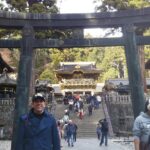
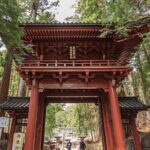
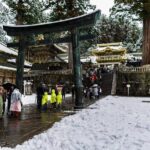
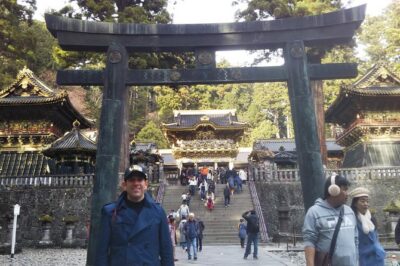
Toshogu’s setting is part of its appeal. The buildings sit in a forest rather than in an open city plaza, so the approach feels more sheltered and ceremonial. The trees also provide a strong visual contrast with the bright decoration.
Once inside, give yourself time to look above eye level. The carved surfaces are not limited to one famous feature. You will see a large number of wood carvings across the complex, along with heavy use of gold leaf that is unusual in Japanese shrine architecture.
The decoration can feel almost overwhelming at first. That is part of the point. Toshogu was designed to express the power and importance of the Tokugawa family, not to blend quietly into its surroundings.
I recommend moving slowly through the main areas rather than treating the shrine as a quick photo stop. The best details may be small: a carved animal, a pattern around a doorway, or a painted figure tucked into a larger composition. Flash photography is not allowed, so set your phone or camera to a normal low-light mode and respect signs and staff instructions.
You also may not touch plants or leave litter. Those rules matter here because the forest setting is a living part of the site, not just a backdrop.
The three monkeys and other memorable carvings
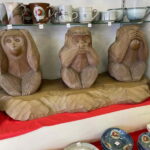
The three monkeys are among Toshogu’s best-known details. They represent the familiar idea of seeing no evil, hearing no evil, and speaking no evil. The carving is a small feature within a much larger complex, but it often becomes the image people remember most clearly.
I like this stop because it gives you an easy entry point into the shrine’s visual language. Rather than reading only about the Tokugawa family, you can begin by looking at a simple set of figures and then notice how many other animals and symbols appear throughout the buildings.
The exact meaning of every carving may not be obvious from the architecture alone. That is where a guide or audio material can help. The shrine offers an audio guide rental for 500 yen, and it can make the many buildings easier to understand. Without some explanation, you may see a beautiful sequence of gates and halls but miss why particular images were chosen.
The audio guide is not included in the $10 admission price. Still, I consider the additional 500 yen worthwhile if you care about context and want more than photographs. If you prefer to explore independently, you can still appreciate the craftsmanship, but plan to spend more time looking than reading.

Shinto and Buddhist elements in one complex
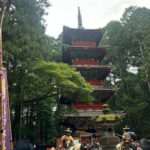
Toshogu contains both Shinto and Buddhist elements. This mixture reflects the way Japanese religious practice developed before the formal separation of Shinto and Buddhism in the modern period.
For you, the practical result is that Toshogu does not fit neatly into a single category. Some features will look like a Shinto shrine, while others point to Buddhist practice and imagery. The buildings, carvings, and ceremonial spaces make more sense when you keep that blended background in mind.
This is one of the strongest reasons to use the audio guide. The complex has more than a dozen buildings, and each one contributes to a larger religious and political story. The guide can help you see Toshogu as more than an ornate memorial.
You do not need special knowledge before arriving. I would simply keep two questions in mind: what belongs to Shinto practice, and what reflects Buddhism or the Tokugawa family’s political message? That small bit of attention can turn a decorative walk into a more rewarding visit.
What the $10 ticket includes, and what it does not
The $10 price covers admission to Toshogu Shrine for one day. For a major UNESCO World Heritage Site with such extensive decoration, I consider that good value.
The ticket does not cover the express train from Asakusa, the bus from Tobu Nikko Station, or the 500-yen audio guide. It also does not include admission to other Nikko attractions. One visitor expected more sites to be covered and discovered that several nearby places required separate tickets.
That is worth keeping in mind when planning your day. Toshogu can be the main reason to come to Nikko, but it need not be the only stop. If you want to visit other sites, check their admission costs and opening times separately. The ticket is useful for Toshogu alone, not as a pass for the entire World Heritage area.
The one-day validity gives you flexibility within the stated visiting period, but it does not turn the ticket into a multi-attraction product. Check Toshogu’s official schedule before you travel because opening hours and closing times change by date and season.
Timing, crowds, and a practical visit plan
The ticket exchange center opens at 8:20 a.m. and closes at 5 p.m. Toshogu’s own hours vary, so your first task should be checking the official schedule for your date.
A sensible plan is to take an early train from Asakusa, exchange the voucher at Tobu Nikko Station, and then catch the World Heritage Tour bus to Omotesando. This leaves room for the 10-minute walk and gives you time to inspect the complex without racing toward closing.
Do not assume that pre-purchasing will always save a long wait. In late August, the station exchange was easy and the area was not especially crowded. At other times, having a physical ticket already in your pocket may save you a line at the shrine. The value of buying ahead depends on your date, but the voucher process itself makes early arrival a smart choice.
Set aside enough time to look at the carvings, visit the major buildings, and use the audio guide if you choose it. A hurried visit would miss much of what makes Toshogu special.
Accessibility and movement inside the site
The activity information gives two different accessibility signals: it lists the activity as wheelchair accessible, but it also says it is not suitable for wheelchair users. Because those statements conflict, I would not treat the experience as reliably wheelchair-friendly without confirming current conditions directly with the provider or shrine.
The route includes a bus transfer, a walk from Omotesando, and movement through a historic shrine complex. Even for visitors who do not use a wheelchair, the setting may require careful walking and attention to the terrain. If access is important to your plans, ask before booking rather than relying on the general accessibility label.
For other visitors, comfortable shoes and a little patience will help. The shrine is a place to explore on foot, and the forest setting is more enjoyable when you are not trying to hurry from one building to the next.
Who should book this Toshogu ticket?
I would recommend this experience if you want to see one of Japan’s most decorated shrine complexes and you are interested in the Tokugawa period. It suits visitors who enjoy architecture, wood carving, religious art, and historic sites that need a little interpretation.
It is also a good fit for an independent day trip. There is no guide or fixed tour group to follow. You handle the train, bus, ticket exchange, and shrine visit at your own pace.
I would think twice if you want a single ticket covering all of Nikko’s major sights. This admission covers Toshogu only. I would also reconsider it if you cannot use a smartphone with a stable connection, since the digital voucher must be activated on the web screen and screenshots are not accepted.
Should you book it?
Book this ticket if Toshogu is your main Nikko goal and you want a low-cost way to secure admission before reaching the shrine. The ornate buildings, forest setting, Tokugawa connection, and famous three monkeys make it a worthwhile stop, and the $10 price is reasonable.
Just treat the station exchange as part of the visit, not as a minor footnote. Arrive at Tobu Nikko Station early, keep your voucher accessible online, exchange it for the physical ticket, and check the shrine’s hours before setting out. Add the 500-yen audio guide if you want the carvings and religious symbols to make more sense.
FAQ
Where do I exchange the Toshogu Shrine ticket?
Exchange the digital voucher at the Tobu Nikko Station Tourist Center. The center is open from 8:20 a.m. to 5 p.m. year-round.
Can I enter Toshogu Shrine with the digital ticket?
No. You must exchange the digital ticket for a physical admission ticket at the Tobu Nikko Station Tourist Center.
Can I use a screenshot or printed voucher?
No. Screenshots and printed versions cannot be used. You need to open the usage screen from the voucher email on your smartphone, press the Use button, and show it to staff.
How do I reach Toshogu Shrine from Tobu Nikko Station?
Take the Tobu Bus World Heritage Tour Route to the Omotesando bus stop. The ride takes about 15 minutes, followed by a walk of about 10 minutes.
What does the $10 ticket include?
The ticket includes admission to Toshogu Shrine for one day. Train and bus transportation, other Nikko attractions, and the optional 500-yen audio guide are not included.
Is Toshogu Shrine wheelchair accessible?
The activity information both lists wheelchair access and says the experience is not suitable for wheelchair users. Because of this conflict, confirm current access conditions with the provider or shrine before booking.
More Nikko Day Trips in Nikko
More tours in Nikko we've reviewed

Nikko Day Trips, compared.
 ★ 4.6Nikko: Kegon Falls, Lake Chuzenji & Toshogu TempleFrom $8911 hours
 ★ 4.5Tokyo: Nikko Toshogu Shrine and Kegon Waterfall TourFrom $8410h 30m
 ★ 5.0Nikko Full-Day Private Tour with Government-Licensed GuideFrom $155
 ★ 4.9From Tokyo: Nikko World Heritage Site Private Full-Day TripFrom $4831 day
 ★ 4.3Nikko: Edo Wonderland Edomura Cultural Theme Park TicketFrom $351 day
 ★ 4.8Tokyo: Nikko World Heritage Private Day Trip Hotel Pick-upFrom $39011 hours - 1 day