
Reviewed · GUIDED
Tokyo Off the Beaten Path 6hr Private Tour with Licensed Guide
Tokyo’s best stories often appear away from Shibuya’s screens and Asakusa’s main gate. This private six-hour tour lets you choose three or four places from a wide menu, including quiet Yanaka lanes, the old temple town of Shibamata, Fukagawa’s Edo-era sights, or the kitchen shops of Kappabashi.
I like the hotel meet-up on foot, which removes the stress of finding a guide in Tokyo’s huge stations. I also like the chance to learn the subway with a local guide, then use that skill for the rest of your trip. The main catch is pace: six hours can disappear quickly, especially when train rides, lunch, and entrance fees come out of your day and budget.
- Choose three or four areas, rather than following one fixed route.
- Meet guides such as Yoshi, Taka, Tatsu, Masa, Hiro, or Hideki, depending on assignment and availability.
- See old Tokyo in Yanaka, Nezu, Sendagi, Shibamata, or Fukagawa.
- Use trains, buses, or taxis, with transportation paid separately.
- Expect plenty of walking, including station corridors and neighborhood streets.
- Private format means your group sets the rhythm, but you should agree on timing clearly.
In This Review
- Why this tour reaches the Tokyo most visitors miss
- Building your day from three or four sites
- Yanaka, Nezu, and Sendagi: old Tokyo on foot
- Shibamata and Taishakuten-Sando: a traditional town east of central Tokyo
- Fukagawa: Edo streets, Buddhist ritual, and Japanese poetry
- Asakusa beyond Sensoji’s main approach
- Tsukiji and Gotokuji for food or a single distinctive temple
- Guides, communication, and the human side of the day
- Walking, transport, and the real cost
- Who should book this private Tokyo day
- Should you book it?
- FAQ
- How long is the Tokyo Off the Beaten Path tour?
- How many sites can I choose?
- Where does the tour begin?
- Is transportation included?
- Is a private vehicle provided?
- Are entrance fees included?
- Is lunch included?
- Can I cancel for a full refund?
Why this tour reaches the Tokyo most visitors miss
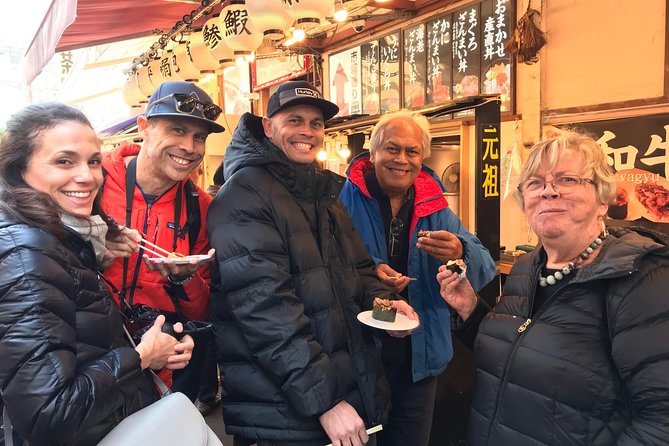
This is not a polished sightseeing loop with a vehicle waiting at each stop. It is a walking tour with a licensed local guide who helps you move through Tokyo by train, public transport, or taxi. You choose three or four sites from a long list, and the guide shapes the day around your interests.
That flexibility is the real product. You can focus on temples and old neighborhoods, food and markets, gardens, traditional crafts, or a mix of all four. A guide can also help you make sense of Tokyo’s rail system, which several people found useful, especially on a first visit.
The tour has a private rating of 4.9 from 64 reviews, with 94 percent recommending it. That is a strong record, but it does not mean every guide delivers the same pace or level of commentary. Most of the praise centers on kind, attentive guides who plan routes well and adjust when a site is closed or plans change.
The weaker experiences point to two practical risks: rushing and unclear timekeeping. One party finished well before the promised six hours after skipping lunch, while another felt the guide offered only basic information and moved too quickly. I would confirm the route, lunch plan, and exact finish time before setting out.
Building your day from three or four sites
The menu contains far more stops than you can reasonably cover in six hours. That is useful because you have choices, but it also means you need to prioritize. Tokyo is spread out, and moving from Yanaka in the north to Gotokuji in the southwest can consume valuable time.
A sensible plan groups nearby places together. Yanaka, Nezu, Sendagi, and Yanaka Cemetery work naturally as one old-town morning. Shibamata, Taishakuten-Sando, and Shibamata Taishakuten form another compact outing, while Fukagawa Fudodo, Tomioka Hachimangu, Kiyosumi Teien, and the Basho Memorial Museum belong together.
Asakusa, Kappabashi Street, Asakusa Nishisando, and Hanayashiki can also fill a day. Tsukiji pairs well with nearby central Tokyo sights, though the exact route depends on what else you select.
I would not try to visit four far-flung districts simply to collect stops. Choose a theme and let the guide build a route that leaves room for conversation, photos, and a proper meal.
Other guided tours in Tokyo

Yanaka, Nezu, and Sendagi: old Tokyo on foot
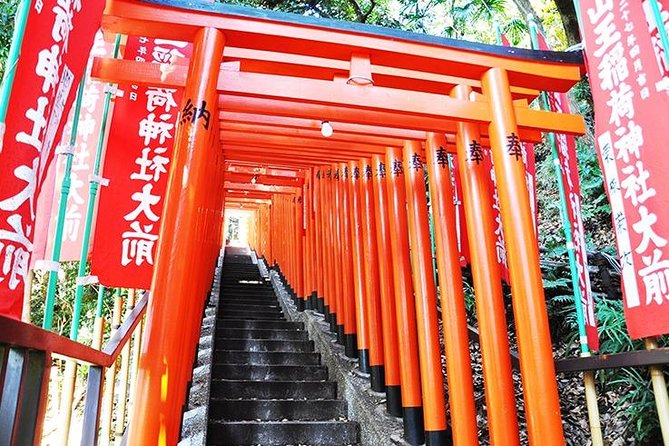
Yanaka and Nezu are part of Tokyo’s traditional shitamachi, or old downtown. They avoided the worst damage from major earthquakes, war, and redevelopment, so their narrow streets and lower-rise feel offer a break from the city’s huge commercial centers.
Nezu Shrine is the architectural anchor. Dating from 1706, it uses the richly colored vermilion and gold gongen-zukuri style associated with large Edo-period shrine complexes. The visit is free, and a guide can explain how a Shinto shrine differs from a Buddhist temple, an important distinction when you are seeing several religious sites in one day.
Yanaka Ginza Shopping Street brings the focus down to everyday life. It is a local shopping road rather than a grand attraction, with small shops and food stops. You might find this more rewarding than another famous viewpoint because the experience is about ordinary streets, not a checklist of major monuments.
Yanaka Cemetery adds a quiet historical layer. It is one of Tokyo’s larger burial grounds and is known for its peaceful avenue and seasonal flowers. Sendagi completes the Yanesen area, the shared name for Yanaka, Nezu, and Sendagi.
The drawback is that the listed stop times are short. Fifteen minutes at each place is enough for an introduction, but not enough for a slow neighborhood walk, detailed shrine visit, and shopping stop. If this area appeals to you, ask to treat it as one connected district rather than four hurried points.
Shibamata and Taishakuten-Sando: a traditional town east of central Tokyo
Shibamata sits at Tokyo’s eastern edge near the Edogawa River. Its old-fashioned character makes it one of the strongest choices for someone who has already seen the city center and wants a different mood.
The approach to Shibamata Taishakuten Temple runs along a 200-meter shopping road called Taishakuten-Sando. Small stores and food stalls line the route, and the traditional wooden signboards give the street a period feel. This is the sort of place where a guide adds value by pointing out foods, customs, and details you might otherwise pass without noticing.
Shibamata Taishakuten is a Nichiren Buddhist temple with an impressive Nitenmon Gate. Its wood-carving gallery shows scenes connected with the Lotus Sutra, with carvings made between 1922 and 1934. The temple itself is free to enter, while the town’s appeal comes as much from the walk and atmosphere as from one single monument.
This choice requires a longer ride from central Tokyo than Yanaka or Asakusa. That makes it a poor fit if you want to pack in many districts, but a good fit if you value a slower, more focused outing. The private format is helpful here because you can decide to spend more time on the shopping street and less time at places that interest you less.
Fukagawa: Edo streets, Buddhist ritual, and Japanese poetry
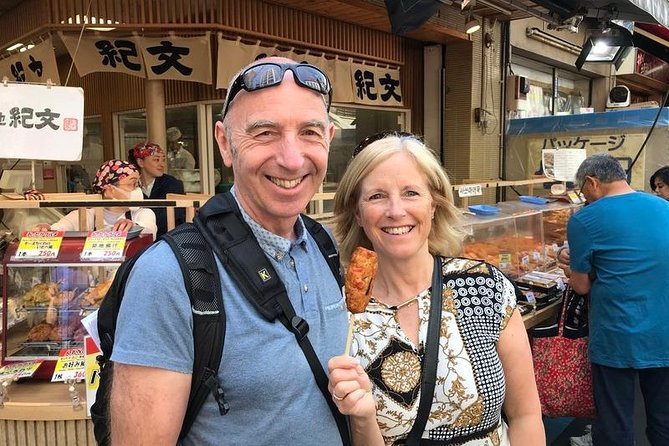
Fukagawa offers several contrasting stops in a compact part of eastern Tokyo. The Fukagawa Edo Museum recreates a late Edo-period village with houses, a canal, and a fire watchtower. It is one of the clearest choices for anyone who wants a visual sense of how old Tokyo worked, rather than only a guide’s verbal explanation.
Fukagawa Fudodo is a Shingon Buddhist temple belonging to the Chisan group. Its main building is not the prettiest sight on the route, but the wood carvings are worth attention. One particularly memorable possibility is witnessing goma, a powerful Buddhist fire ritual for prayer. Timing matters, so ask your guide whether the ritual can fit your visit.
Tomioka Hachimangu is tied to sumo wrestling and hosts one of Tokyo’s largest Shinto festivals. The shrine was bombed during World War II, and its current building dates from 1956. That combination of religious tradition, sport, and wartime history gives the stop more substance than a quick photo suggests.
Kiyosumi Teien is a traditional garden linked to Kinokuniya Bunzaemon, an Edo-period merchant. It is a good choice if you need a quiet pause after several temples and city streets. Admission is extra.
The Basho Memorial Museum deserves more time than the standard fifteen-minute stops. Matsuo Basho, the best-known poet of the Edo period, wrote important work in Fukagawa and began many journeys from the area. The stated visit lasts one hour, so choosing it may mean dropping another site.
Asakusa beyond Sensoji’s main approach
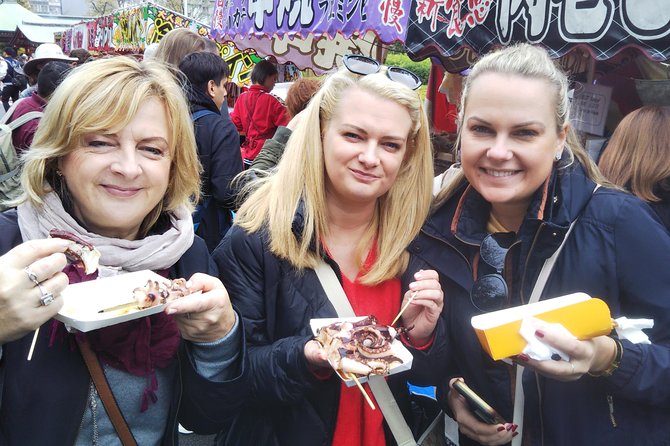
Asakusa is famous, but this tour can show you less obvious corners around the district. Kappabashi Street is lined with shops selling kitchen equipment, Japanese knives, chopsticks, dishes, and other supplies at fair prices. It is a smart stop if you enjoy cooking, want a practical souvenir, or simply like seeing the working side of a tourist district.
Asakusa Hanayashiki dates from 1853 and is one of Japan’s oldest amusement parks. It has about 25 attractions and sits near Sensoji Temple. Admission is not included, and you should not expect to experience the whole park during a brief stop. It works better as a look at old Japanese entertainment than as a full amusement-park visit.
Asakusa Nishisando is a covered shopping street near Sensoji. Its unusual structure and traditional shopfronts give you an alternative to the temple’s main route. The district is still popular, so it is not truly empty or unknown, but these side streets feel more personal than simply entering, photographing, and leaving Sensoji.
Asakusa is easy to combine with Tsukiji if food is a priority, though lunch and purchases cost extra. One strong plan is Kappabashi, Tsukiji, and Asakusa, provided you accept that the day will involve a lot of walking.
Other private tours in Tokyo

Tsukiji and Gotokuji for food or a single distinctive temple
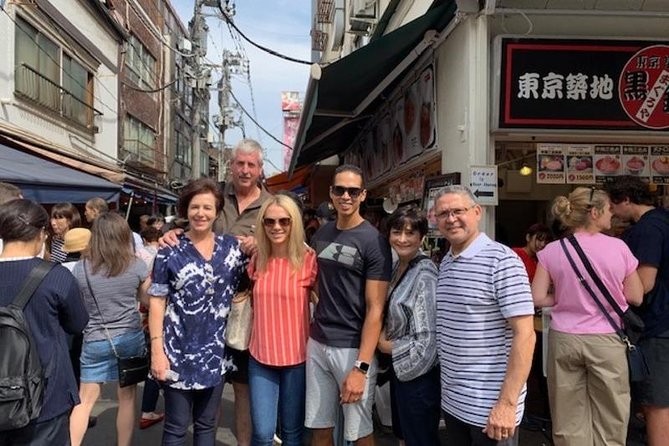
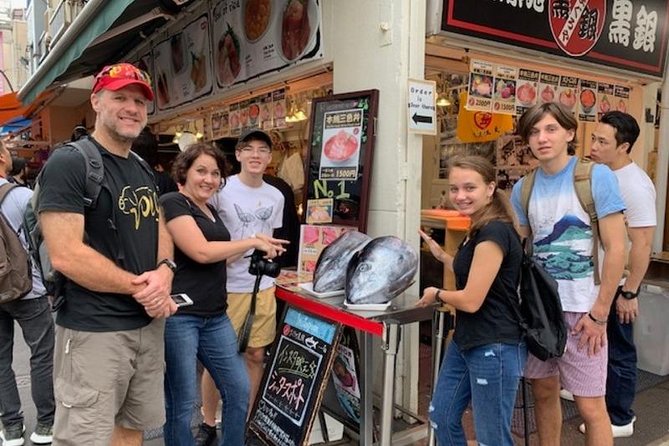
Tsukiji Fish Market is listed as a flexible stop, without a fixed food program. The tour does not include lunch, so you pay for whatever you eat. That is useful because you can choose your own meal, but do not assume a tasting menu or reserved restaurant comes with the booking.
Past experiences included a seafood lunch and warm sake, showing how easily Tsukiji can become a central part of the day. If you want that kind of stop, say so in advance and protect enough time for eating rather than treating the market as a fifteen-minute photo break.
Gotokuji Temple in Setagaya is associated with the maneki-neko, the luck-inviting cat figurine. It is a distinctive choice for repeat visitors or anyone interested in Japanese folk symbols. The listed visit is only ten minutes, and the temple lies away from the old-town clusters, so it makes the most sense when the cat connection is a high priority.
Guides, communication, and the human side of the day
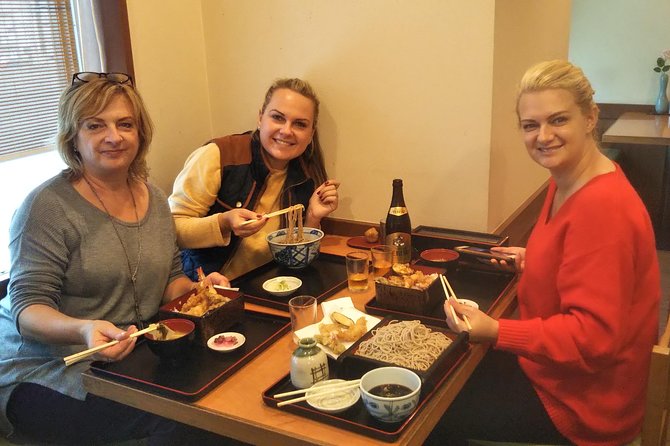
The guide roster changes, but named guides in past tours include Yoshi Shimizu, Taka, Tatsu, Masa, Hiro, Hideki Maruyama, Show, Kei, Kris, and Michio. The strongest guide experiences combined solid English, personal stories, route planning, patience, and help with subway etiquette.
Yoshi was praised for explaining Tokyo sights and helping with subway navigation. Tatsu reportedly arranged logistics around personal preferences and had excellent English. Kris planned transportation in advance, explained cultural norms, shared family stories, helped with a last-minute change, and joined the group for sushi and a local pub stop.
Those examples show the best use of this tour: not just getting from place to place, but learning how Tokyo works. A guide can help you read the rhythm of stations, understand local behavior, and avoid wasting time at confusing transfers.
Still, guide quality can vary. Some reports describe limited detail, a guide walking too far ahead, or a day moving too fast. Send a clear message before the tour with your interests, walking limits, lunch wishes, and must-see sites. Ask for a relaxed pace if that matters to you.
Walking, transport, and the real cost
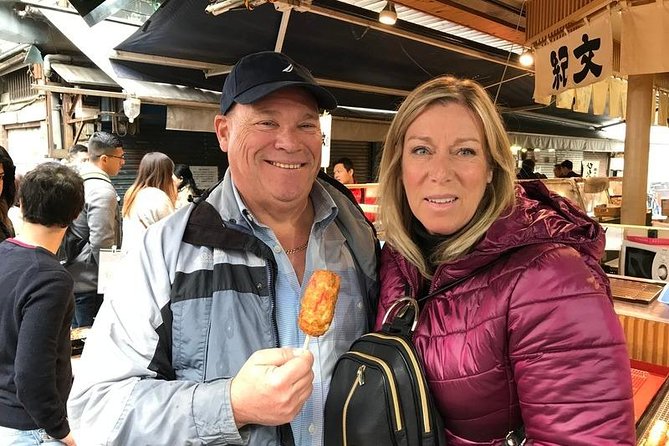
The advertised price is $155.22 per person, with group discounts offered and more than five bookings recorded in the previous month. For a private six-hour guide, that can be fair value if you are traveling with family or friends and want personal planning rather than a fixed group route.
The price does not cover transportation, admission fees, lunch, or personal spending. There is no private vehicle. Your guide arranges trains, public transport, or taxis, but you pay those fares separately.
That cost structure rewards careful planning. Free stops such as Nezu, Yanaka Ginza, Yanaka Cemetery, Sendagi, Shibamata, Taishakuten-Sando, Tomioka Hachimangu, Asakusa, Kappabashi, and Tsukiji keep the day affordable. Paid choices include SCAI The Bathhouse, Fukagawa Edo Museum, Fukagawa Fudodo, Kiyosumi Teien, the Basho Memorial Museum, and Asakusa Hanayashiki.
You meet the guide on foot within the designated Tokyo area, usually at your hotel. This is convenient, but it is not hotel pickup by car. Wear comfortable shoes and expect station stairs, long corridors, and neighborhood walking.
Who should book this private Tokyo day
I would choose this for a first-time visitor who wants help with the subway and a more personal introduction to Tokyo. It also suits repeat visitors who have already seen the Imperial Palace, Meiji Shrine, Shibuya, or the main Asakusa sights and want quieter districts.
Families can benefit from the private setup because the guide can adjust the route and patience level. One family particularly valued the guide’s calm help with children and basic subway instruction.
History fans should consider Yanaka, Nezu, Fukagawa, and the Basho museum. Food-focused visitors can build around Tsukiji, Kappabashi, and Asakusa. People who dislike walking, dislike changing trains, or want a fixed six-hour sightseeing vehicle should choose another format.
The cancellation terms are simple: cancel at least 24 hours before the local start time for a full refund. Changes or cancellations inside that window are not accepted for a refund. Confirmation arrives at booking, service animals are allowed, and most people can take part.
Should you book it?
Book this tour if you want a flexible local day, value a private guide, and are willing to walk and pay transport costs separately. The best version might take you through Yanaka’s old lanes, Shibamata’s temple street, or Fukagawa’s Edo-era sights while teaching you how to move around Tokyo.
Do not book it expecting every listed stop, a private car, or a slow museum tour without planning. Choose three or four sites before the morning begins, confirm the finish time, and tell the guide that you prefer depth over speed. With those expectations, the tour offers a useful and human way to see Tokyo beyond its headline attractions.
FAQ
How long is the Tokyo Off the Beaten Path tour?
The tour lasts approximately six hours.
How many sites can I choose?
The included plan allows you to customize the experience with three or four sites from the available list.
Where does the tour begin?
The guide meets you on foot at your hotel or another agreed location within the designated area of Tokyo.
Is transportation included?
No. The guide can organize travel by taxi or public transport, but transportation fees are paid separately.
Is a private vehicle provided?
No. A private vehicle is not included.
Are entrance fees included?
Entrance fees are generally not included. Guide entry fees are covered only for sights listed under the tour’s expected stops, so confirm the details for your chosen sites.
Is lunch included?
No. Lunch and other personal expenses are paid separately.
Can I cancel for a full refund?
Yes, if you cancel at least 24 hours before the experience start time. Cancellations or changes made less than 24 hours in advance are not refunded or accepted.
More Private Tours in Tokyo
More Guided Tours in Tokyo
More tours in Tokyo we've reviewed




Guided, compared.
 ★ 5.0Tokyo 6hr Private Tour with Government-Licensed GuideFrom $155
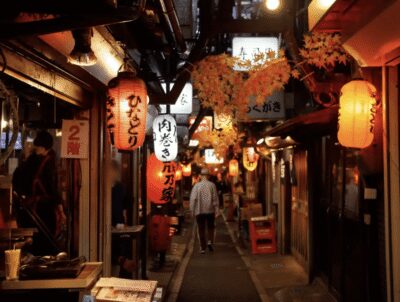 ★ 4.9Tokyo: Shinjuku Local Bar and Izakaya Guided Walking TourFrom $343 hours
 ★ 4.8Tokyo: Private City Highlights Tour with Local GuideFrom $1064 - 8 hours
 ★ 4.9Tokyo: Tsukiji Fish Market Guided Walking TourFrom $222 hours
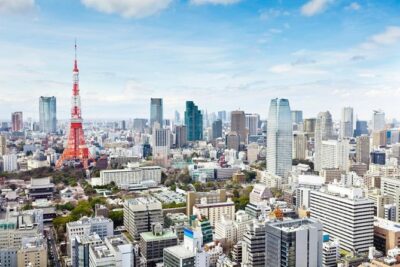 ★ 5.0Tokyo 4hr Private Tour with Government-Licensed GuideFrom $109
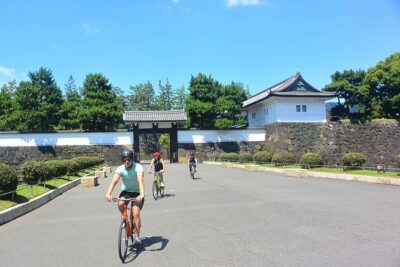 ★ 5.0Tokyo Guided Small-Group Biking TourFrom $106