
Reviewed · BAY & RIVER CRUISES
Best of Tokyo Private Tour for Yokohama Cruise Passengers
Tokyo is only a train ride from your Yokohama cruise berth, and this private tour lets you turn that short connection into a full city day. With guide Ishida, you choose three or four stops, use local trains, and can finish with a 15-minute Shinkansen ride back to Yokohama.
I like the custom route, which lets you match Tokyo to your interests rather than follow a fixed sightseeing script. I also like the practical help with Japan’s large train stations, a point that matters when you want to cover a lot in eight hours. The main drawback is the pace: this is a walking-heavy day, and the advertised price does not include transport, lunch, admissions, or other costs paid on the day.
In This Review
- Key points at a glance
- Why this works well from a Yokohama cruise port
- Meeting Ishida and setting the route
- Riding into Tokyo by local train
- Shibuya Crossing: Tokyo at full speed
- Ameyoko Shopping Street: food, bargains, and local motion
- Akihabara: from electronics to pop culture
- Ginza: Tokyo’s polished shopping district
- Imperial Palace grounds and Kokyo Gaien
- The Bullet Train return to Yokohama
- Walking, lunch, and the real pace of the day
- What the $130.31 price really buys
- Who should book this private Tokyo day
- Should you book it?
- FAQ
- Where does the tour begin?
- How long does the tour last?
- Is this a private tour?
- Who is the guide?
- Which Tokyo sights can I visit?
- Is the Bullet Train included?
- Are transportation costs included?
- Is lunch included?
- How much walking is involved?
Key points at a glance
- Private planning with Ishida: Your group alone takes part, and the route can be adjusted to your interests.
- Cruise-friendly pickup: Meet at your Yokohama cruise terminal or hotel before heading into Tokyo.
- Three or four Tokyo areas in eight hours: Possible stops include Shibuya, Ameyoko, Akihabara, Ginza, and the Imperial Palace grounds.
- A useful train lesson: You travel by local public transport, with Ishida helping you manage Tokyo’s stations and connections.
- Optional Shinkansen return: A 15-minute Bullet Train ride from Tokyo to Yokohama costs about ¥1,500 per person and is not included.
- Plan for serious walking: One person reported roughly nine miles on the day, so comfortable shoes and light luggage matter.
Why this works well from a Yokohama cruise port
The smart idea here is simple: Tokyo sightseeing begins at the station, not at the first monument. From a cruise ship in Yokohama, you need to reach Tokyo, find the right platforms, navigate transfers, and still have enough time for sightseeing before returning to the ship.
I like having Ishida meet you at the cruise terminal or hotel and handle the first part of that process. The tour uses Japan’s excellent public transport system, rather than keeping you in a vehicle all day. That gives you a more local feel and avoids spending your limited time sitting in traffic.
This is not a conventional coach tour with a set schedule and a guide holding a flag. It is a private day shaped around your group. You can ask for major sights, shopping areas, food, electronics, or Japanese pop culture, then settle on a practical route with Ishida.
The eight-hour limit still matters. Tokyo is huge, and the tour cannot give you a long visit at every listed stop. The plan is generally to cover three or four areas, with about an hour at several neighborhood stops and 45 minutes at the Imperial Palace area. You get a broad first look rather than a slow, museum-style visit.
If you're still narrowing it down, here are other tours in Yokohama we've reviewed.
Meeting Ishida and setting the route
The day begins with pickup at your Yokohama cruise terminal or hotel. Confirmation is subject to availability and is sent within 48 hours of booking, so you should have the tour confirmed before relying on it for a tight port schedule.
Ishida is an English-speaking guide, and the day starts with a discussion of your route. One useful feature is that he can explain the plan before you set out and adjust it to your interests. If shopping matters most, you might spend more time around Ginza or Ameyoko. If this is your first Tokyo visit, you might prefer a mix of famous sights and distinct neighborhoods.
A private guide also lets you be honest about your pace. Tell Ishida at the start if someone in your group needs more breaks, wants less shopping, or hopes to see a particular district. The route can be adapted, though the amount you can cover will always depend on train connections, walking speed, and how long you linger.
The tour is best for a group that wants an overview and values help with transportation. It is less suitable if you want a relaxed day at one palace, temple, or museum.
Riding into Tokyo by local train
The train ride from Yokohama is part of the experience, not just a transfer. Tokyo’s stations can be large and confusing, especially when you are trying to read signs, find the correct platform, and keep an eye on the clock.
Ishida’s role is especially useful here. A past group praised his help with the train and subway stations, and another highlighted the chance to use several kinds of transport during the day. That practical support can save time and reduce the stress of figuring out each connection yourself.
The tour includes the guide fee and pickup, but transportation fares are paid by you on the day. The stated approximate transport cost for the guide is ¥2,000, though your own fares and any added taxis are also extra. If the group chooses taxis to reduce walking or save time, you pay those fares too.
That arrangement keeps the tour flexible, but it means the $130.31 starting price is not the final cost. Think of it as the fee for a private guide and planning, then add transport, lunch, admissions where needed, and the optional Bullet Train ticket.
Shibuya Crossing: Tokyo at full speed
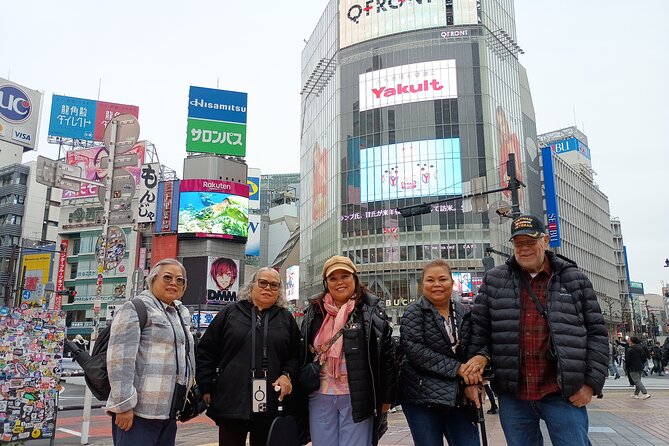
Shibuya Crossing is one of the easiest places to understand Tokyo’s scale and energy. When the traffic lights stop cars, people move across the intersection from several directions at once. You can watch from street level and take in the famous scene without paying an admission fee.
The planned visit is about one hour. That gives you time to see the crossing, walk around the surrounding area, and decide how much shopping or people-watching suits your group.
Shibuya is a strong choice if this is your first Tokyo visit and you want one instantly recognizable city image. It is also a useful contrast to the Imperial Palace grounds, where the mood is far quieter.
The limitation is that the crossing itself does not need an entire hour. Much of the time here will be spent exploring nearby streets or shops, so tell Ishida if you would rather use that hour for another major sight.
Ameyoko Shopping Street: food, bargains, and local motion
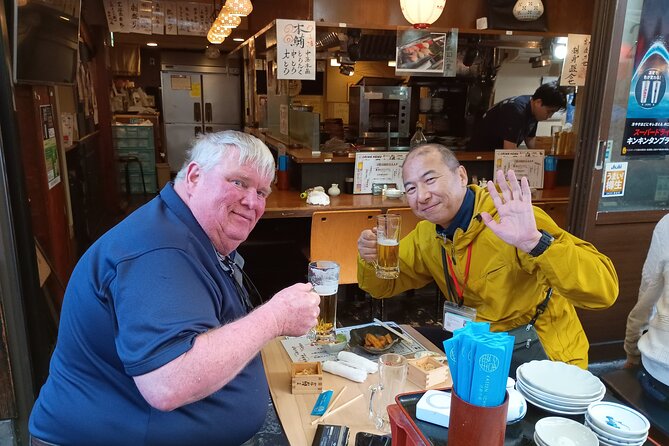
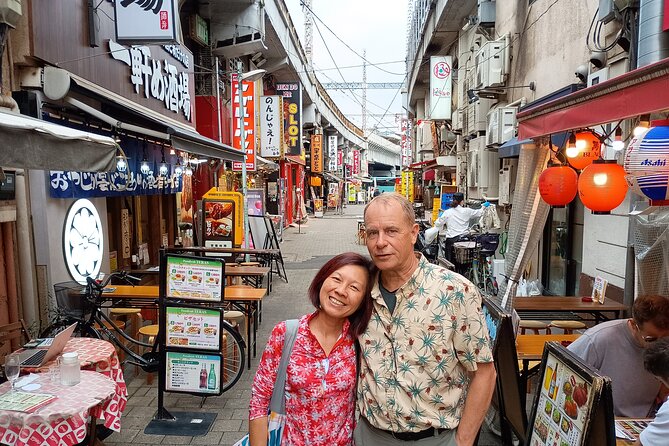
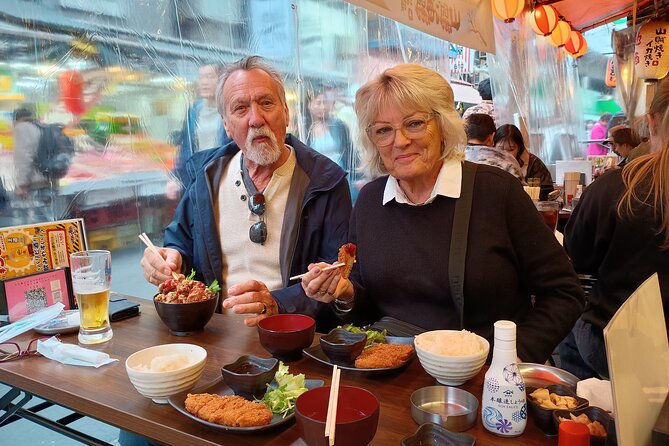
Ameyoko offers a different side of Tokyo from polished Ginza. This lively market street is known for seafood, street food, souvenirs, and clothing at bargain prices. It is a good place to browse rather than simply take a photograph.
The planned stop lasts about an hour. You might use it for a quick snack, a look at the market stalls, or inexpensive shopping. Lunch is casual on this tour, and Ameyoko may fit that style well, though lunch is not included in the tour price.
I like this stop because it gives the day some everyday texture. Tokyo is not only grand government buildings and high-end stores. A market street lets you see a more informal shopping scene and gives you room to choose what catches your eye.
Keep your timing in mind. If you stop often for food and shopping, an hour can pass quickly. You may need to choose between browsing and a sit-down meal, especially if you also want Akihabara, Ginza, and the palace area.


Akihabara: from electronics to pop culture
Akihabara has changed from an electronics district into one of Tokyo’s main pop culture centers. The tour includes an explanation of that shift, giving you more than a quick walk through shops.
This is a good stop for anyone interested in Japanese games, anime, electronics, or the way a neighborhood can change its identity over time. You do not need to be a serious collector to enjoy the visual contrast between old electronics roots and newer pop culture businesses.
The visit is listed at about one hour. That is enough for an introduction, but not enough to inspect every shop or make a major purchase. If you want a focused shopping session, you will need to make Akihabara a priority and cut another neighborhood.
Since the route is private, this is one of the places where your preferences matter most. Tell Ishida if you want background and a short walk, or if you would rather have time to browse on your own.
Ginza: Tokyo’s polished shopping district
Ginza brings a more formal mood. Its streets are lined with luxury boutiques, department stores, and fine dining, making it a natural choice if you want to see Tokyo’s upscale side.
The planned visit is about an hour. That works well for a walk, window-shopping, and a look at the district’s architecture and department stores. It is less useful if your goal is a long luxury shopping session or an elaborate meal, since both would use a large part of the tour.
I see Ginza as a good balancing stop. Shibuya gives you the famous crowd scene, Ameyoko gives you market shopping, and Ginza shows Tokyo’s refined commercial center. You can cover very different parts of the city in one day.
Ginza may not be the best choice for every group. If you have no interest in high-end shopping, ask Ishida to use the time elsewhere. The custom format is most valuable when you make those choices clearly.
Imperial Palace grounds and Kokyo Gaien
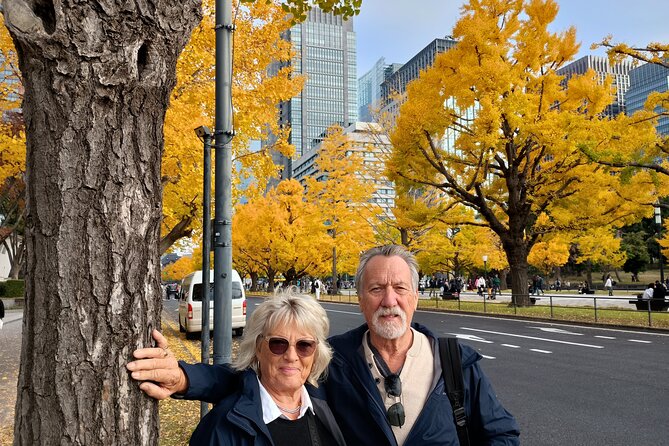
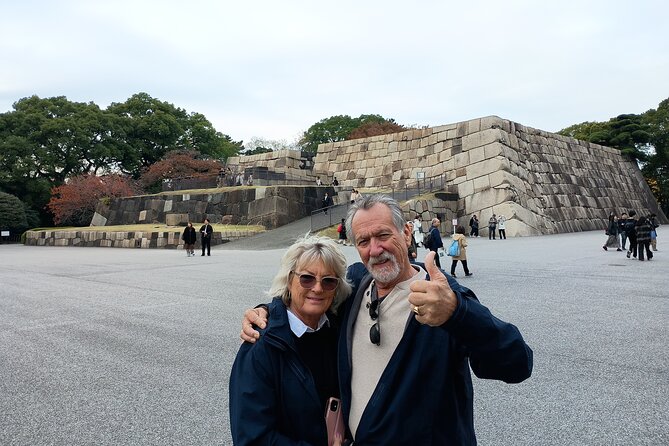
The Imperial Palace section takes about 45 minutes and focuses on Kokyo Gaien National Garden and the historic grounds connected with Japan’s royal heritage. The area provides a quieter break after the city’s crowded stations and shopping streets.
You should expect a guided look at the grounds, not a lengthy palace interior visit. The stated tour information describes the experience as a guided visit around the historic area, with admission listed as free.
This stop is especially useful if you want a sense of Tokyo’s formal center and Japanese history without committing to a full museum visit. It also gives the day a change of pace. After several busy districts, open palace grounds can feel like a welcome pause.
The short time limit is the main consideration. If history is your top interest, 45 minutes may feel brief. If you mainly want a broad city overview before returning to the ship, it fits the schedule well.
The Bullet Train return to Yokohama
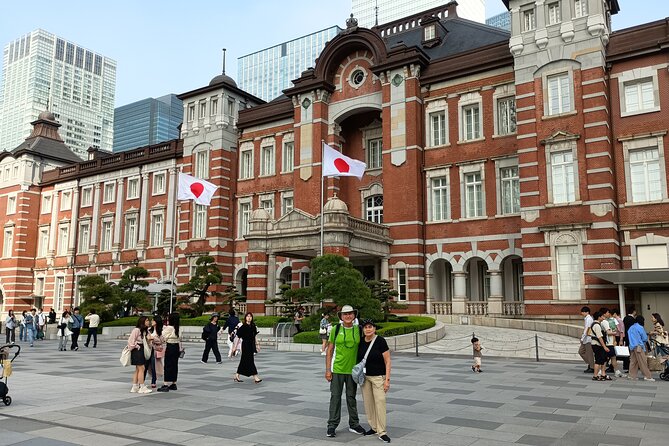
The optional Shinkansen ride is the tour’s most memorable transport feature. From Tokyo Central Railway Station, you can take the world-famous Bullet Train back toward Yokohama. The ride lasts about 15 minutes and costs approximately ¥1,500 per person.
The ticket is not included, and the tour information describes it as an option. Confirm the plan with Ishida during the day so you know how the return fits your cruise schedule.
I like this addition because it turns the journey back into part of the sightseeing day. If you have never ridden a Shinkansen, even a short trip can be a fun final chapter. One group specifically praised the Bullet Train experience along with the choice of sightseeing stops.
Still, do not choose it simply because it sounds exciting. Your return time matters more than the novelty of the ride. The local train option may be more practical depending on the schedule, and any delay or extra station confusion is something you want to avoid before boarding your ship.
Walking, lunch, and the real pace of the day
This is primarily a walking tour supported by public transport. The official guidance calls for a moderate fitness level and warns that the day involves a lot of walking. One person finished with roughly nine miles of walking and felt the effort was worthwhile, but that distance gives you a clear idea of the possible pace.
Wear comfortable shoes. Bring only what you need for the day, since large luggage is not recommended and crowded stations are easier without heavy bags.
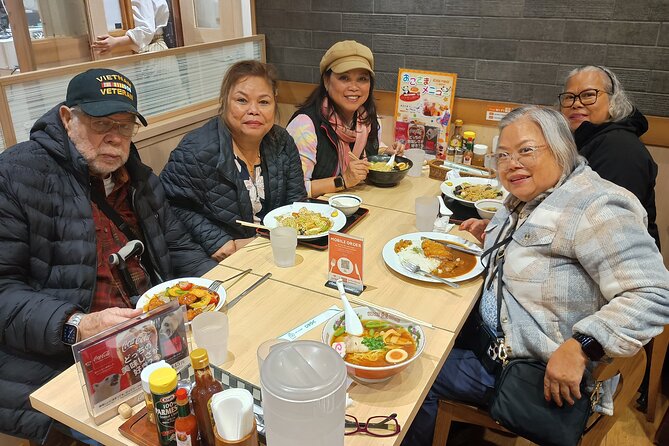
Lunch is casual and not included. The guide can help you fit food into the route, but you should not expect a long restaurant experience unless you sacrifice time at one of the stops. The day is built for seeing several parts of Tokyo, not for lingering over a leisurely meal.
Taxis may be suggested to cut down walking or protect your sightseeing time. They are at your expense. This is a sensible option for some groups, but it adds to the final cost.
What the $130.31 price really buys
At $130.31 per person, the tour is not a budget sightseeing ticket. You are paying for a private guide, pickup, and the ability to shape the day around your group. That can be good value from a cruise port, where lost time and missed connections carry real costs.
The price does not cover lunch, transportation, admissions, or the guide’s actual expenses on the day. Approximate guide transport costs are listed at ¥2,000, and the Shinkansen adds about ¥1,500 per person if you choose it. You should budget beyond the advertised rate.
The value improves with more people in your private group because the guide fee supports a personal experience rather than a large shared outing. It also improves if you care about seeing several districts in one day and do not want to manage Tokyo’s rail system alone.
The value is weaker if you only want one or two free neighborhoods and feel comfortable using public transport yourself. In that case, the guide fee may be more than you need.
Who should book this private Tokyo day
I would recommend this experience to cruise passengers who:
- Want a broad first look at Tokyo in one day
- Prefer a private route over a fixed group schedule
- Feel uneasy about Japanese train stations
- Want to combine famous sights with shopping districts
- Are comfortable walking for several hours
- Like the idea of adding a Shinkansen ride
I would think twice if you have limited mobility, large luggage, or a strong need for a slow pace. It may also be a poor fit if you want a single in-depth attraction, since the plan is built around several stops.
The strongest praise for Ishida centers on arriving early, explaining the plan, adapting to the group, and helping with trains. Those are exactly the skills that matter most on a tight port day. The guide’s role is less about a formal lecture at every stop and more about helping you make good use of Tokyo’s transport and neighborhoods.
Should you book it?
Book this tour if your priority is to see several sides of Tokyo while keeping the day private and organized. Ishida’s help with stations, route planning, and transport can make a big difference when your ship is waiting back in Yokohama.
Before booking, be realistic about the walking and the extra costs. Choose your top three or four areas in advance, leave room for a casual lunch, and treat the Bullet Train as a fun option rather than a guarantee. For an active group with limited time, this is a practical way to turn a Yokohama port call into a real Tokyo day.
FAQ
Where does the tour begin?
Pickup is offered at a Yokohama cruise ship terminal or hotel.
How long does the tour last?
The tour lasts approximately eight hours.
Is this a private tour?
Yes. Only your group participates in the activity.
Who is the guide?
The experience provider is Ishida, an English-speaking guide.
Which Tokyo sights can I visit?
Possible stops include Shibuya Crossing, Ameyoko Shopping Street, Akihabara, Ginza, Kokyo Gaien National Garden, and Tokyo Central Railway Station. The tour generally aims to cover three or four Tokyo destinations in eight hours.
Is the Bullet Train included?
No. The Shinkansen return from Tokyo to Yokohama is an optional addition, with tickets costing approximately ¥1,500 per person.
Are transportation costs included?
No. Transportation fares are paid by you on the day. The approximate transportation cost for the guide is listed as ¥2,000, and taxis are also at your expense if used.
Is lunch included?
No. Lunch is not included, and the tour describes the meal as casual.
How much walking is involved?
The tour involves a lot of walking and requires a moderate level of physical fitness. It is not recommended for people who cannot walk long distances or for those carrying large luggage.
More Private Tours in Yokohama


More tours in Yokohama we've reviewed


Bay & River Cruises, compared.
 ★ 4.0Mt Fuji & Hakone Cruise, Drum Show Bullet Train 1 Day from TokyoFrom $149
 ★ 4.4Tokyo Mt Fuji 5th St & Hakone Cruise Bus Tour w/Bullet TrainFrom $15410 hours
 ★ 4.2Tokyo: Mt. Fuji 5th Station & Hakone Cruise 1-Day Bus TourFrom $12911 hours
 ★ 4.7Tokyo: Meiji Shrine, Asakusa, Skytree Bus Tour and CruiseFrom $12210 hours
 ★ 4.0Mt Fuji & Hakone Cruise, Drum Show Bus 1 Day from TokyoFrom $122
 ★ 4.6Sumida River: Japanese Traditional Yakatabune Dinner CruiseFrom $1032h 30m