
Reviewed · MT FUJI DAY TRIPS
Tokyo: Mt. Fuji Cruise & Hakone Ropeway Day Trip by Bus
Mt. Fuji takes center stage on this 10-hour day trip from Tokyo, but the real appeal is the variety. You get a lake cruise, a ropeway across a steaming volcanic valley, a shrine with a torii gate in the water, and a quiet hilltop view of the mountain.
I like the comfortable premium bus seats, which matter on a long road day, and the smart final stop at Fuji Bussharito Heiwa Park. Guides Ayaka and Mia are named as multilingual hosts, and their cultural and historical explanations help turn a busy sightseeing day into a more understandable one.
The main drawback is traffic. The road between Tokyo, Hakone, and Mt. Fuji can be slow, and one full day cannot leave much room for lingering. Also, the listed end point needs checking, since the tour description says MODE Gakuen in Shinjuku while the meeting details say the activity ends back at the meeting point.
In This Review
- Key points to know before booking
- Why this bus trip works for a first Fuji visit
- Lake Ashi and Moto-Hakone: a graceful start
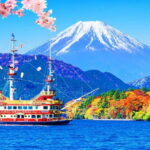
- The pirate ship across Lake Ashi
- Owakudani Valley and Hakone’s volcanic ground
- Hakone Shrine and the Peace Torii
- Fuji Bussharito Heiwa Park: the quiet finish
- What $92.50 buys you
- Timing, traffic, and the practical side
- Who should book this Fuji and Hakone day?
- Should you book it?
- FAQ
- How long does the Mt. Fuji and Hakone tour last?
- Where does the tour start?
- What stops are included?
- Is the Lake Ashi cruise included?
- How many people can join the tour?
- What is the cancellation policy?
Key points to know before booking
- Lake Ashi combines a scenic cruise with a lakeside lunch break: You have time at Moto-Hakone Port to choose from Japanese food, Western dishes, and cafés.
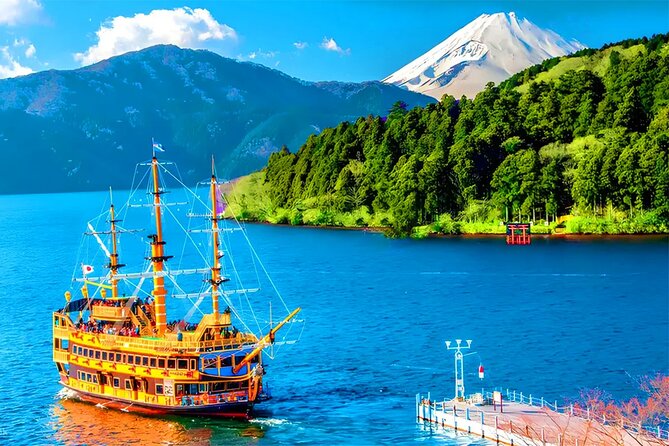
- The pirate-style ship is part of the sightseeing, not just transport: The one-hour cruise gives you a relaxed view across Lake Ashi.
- Owakudani brings real volcanic scenery: Expect sulfur smells, rising steam, and rugged ground during a 50-minute stop.
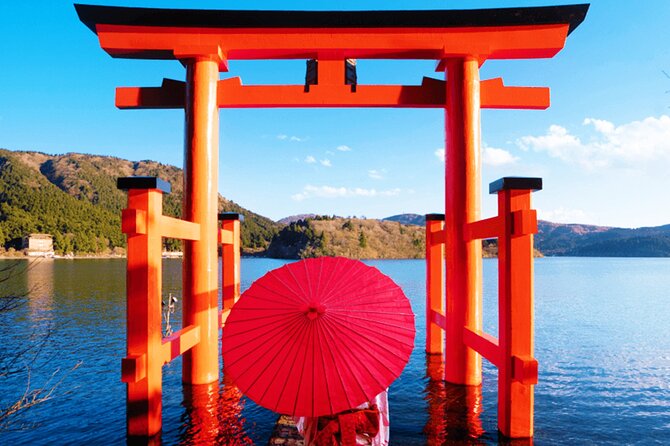
- Hakone Shrine offers the famous Peace Torii: The gate appears to float in Lake Ashi and gives you one of the trip’s most recognizable photo settings.
- Fuji Bussharito Heiwa Park is a quieter Fuji viewpoint: Its hilltop setting and white stupa provide a calm finish away from the busiest sights.
- The $92.50 price covers a full, tightly planned day: That is useful if you want transport and several major stops handled for you, but less suitable if you prefer a slow pace.
Why this bus trip works for a first Fuji visit
You can see a lot of central Japan in one day without piecing together trains, buses, boats, and the Hakone ropeway yourself. The route links two big names, Mt. Fuji and Hakone, with a mix of nature, religion, food, and transport.
That mix is the strongest reason to consider it. A Fuji day trip built around only a distant lookout can feel repetitive. Here, the scenery changes often. You move from Tokyo streets to Lake Ashi, then to volcanic terrain, a Shinto shrine, and a hilltop park with a broad view of Fuji.
The schedule starts at 8:00 am at Keio Plaza Hotel in Shinjuku. You should arrive ready for a long day, since the tour lasts about 10 hours and returns in the evening. The group can reach up to 49 people, so this is a shared coach outing rather than a small private tour.
That group size has two sides. You get a practical way to cover a wide area, and the premium seats make the drive more comfortable. On the other hand, every stop has a fixed time, and gathering a large group can make the day feel less flexible.
The guides matter here. Ayaka and Mia are identified as multilingual guides who explain culture and history while helping keep the day organized. For a first visit to Japan, that support can be especially useful when the tour moves through several places with different customs and purposes.
A few more Tokyo tours and experiences worth a look
Lake Ashi and Moto-Hakone: a graceful start
Lake Ashi, also called Ashinoko, gives the tour its most relaxed stretch. After the cruise, you have about 1 hour and 20 minutes around Moto-Hakone Port, including time to find lunch.
This is a good place to choose your own meal. The area has traditional Japanese restaurants, Western-style food, and small cafés. Because the food is not described as included, plan to pay for lunch yourself and use the break according to your appetite and budget.
The lakeshore setting is the point. You are not eating in a highway rest area. You have a scenic stop where the water, surrounding hills, and nearby cultural sights make lunch part of the day rather than a pause between attractions.
Mt. Fuji views from the lake depend on weather and visibility. The tour promises a chance to see the mountain from a scenic cruise, but no Fuji outing can guarantee a clear summit. Keep your expectations sensible, especially on cloudy or hazy days.
The pirate ship across Lake Ashi
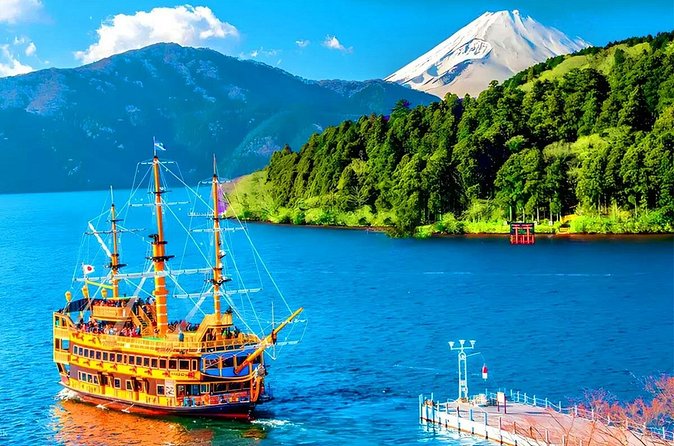
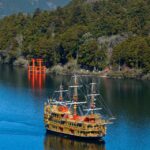
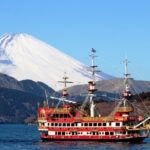
The sightseeing cruise lasts about one hour and uses a ship designed in a playful pirate style. It may sound a little theatrical, but it gives the lake crossing a clear sense of occasion and makes the boat ride more memorable than a plain ferry transfer.
You can use this part of the trip to slow down. After the bus ride, a seat on the water gives you time to look across Lake Ashi and take photographs without walking from one sight to the next. The cruise is included in the admission price, so you do not need to arrange a separate ticket.
The itinerary places the cruise at Togendai Station General Information Center, while the lunch stop is listed at Lake Ashi and Moto-Hakone Port. The route is clearly designed around both ends of the lake, but the exact order may depend on operating arrangements that day.
This is one place where the group format is noticeable. You will have a set sailing and a set meeting time. If you enjoy independent wandering, the schedule may feel firm. If you want someone else to handle the transport details, that structure is a benefit.
Owakudani Valley and Hakone’s volcanic ground
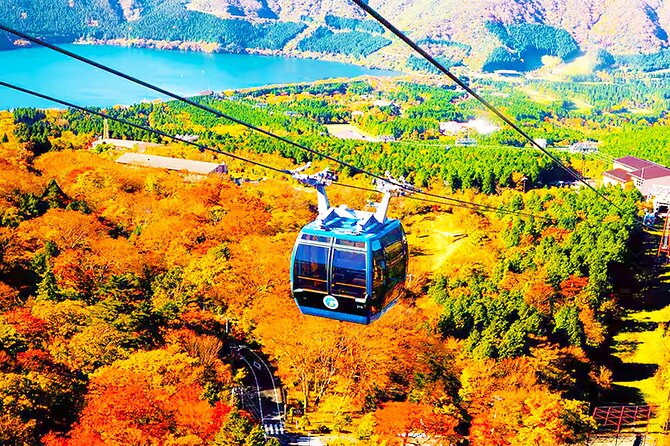
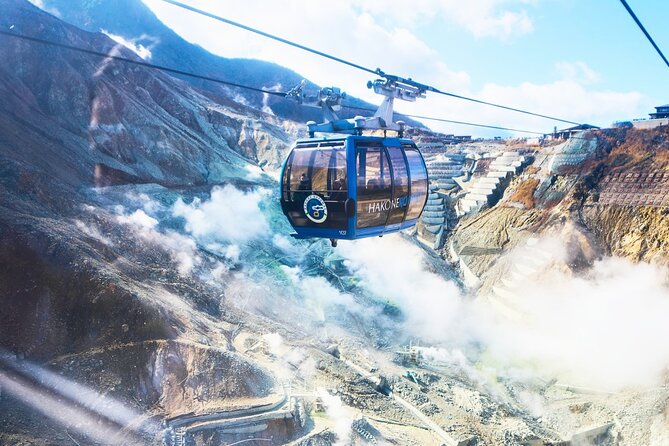
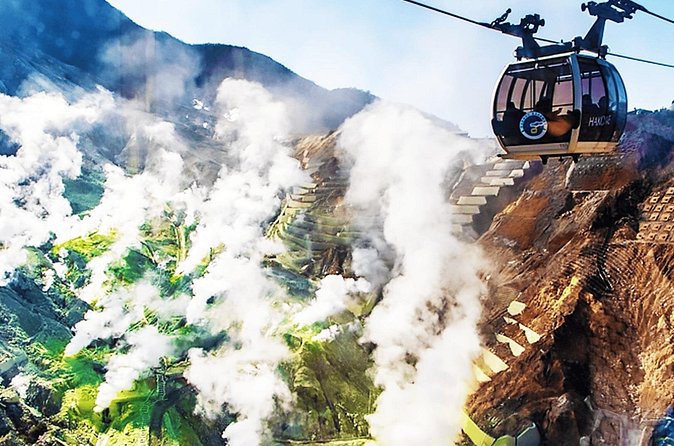
Owakudani is the tour’s most unusual natural stop. This is an active volcanic valley, with sulfur in the air and white steam rising from the ground. The setting feels raw and restless, a sharp contrast to the calm water of Lake Ashi.
You have about 50 minutes here. That is enough for a look around and photographs, but not a long walk through the area. The volcanic activity is the attraction, so pay attention to the smells and steam rather than expecting a conventional scenic park.
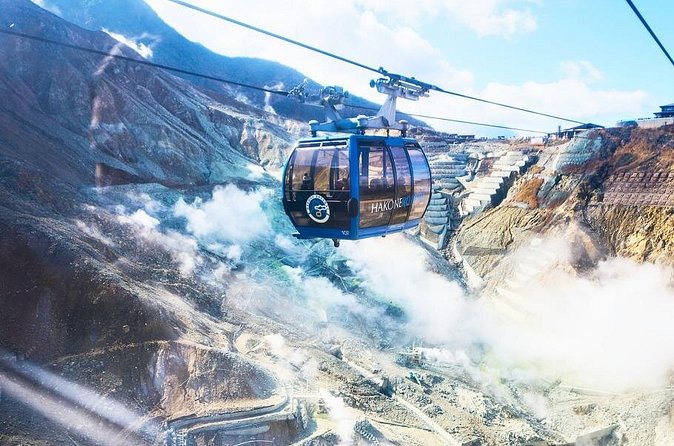
The ropeway is a key part of this section. You travel above the volcanic valley, gaining a view that you cannot get from the road. The ride also breaks up the bus journey and gives you a different way to read Hakone’s terrain.
The itinerary describes the ropeway as crossing the volcanic valley, but it does not specify the exact boarding and exit arrangements or whether weather can affect operation. Ask the guide for the day’s instructions, especially if you want to know how much time you will spend walking at the station.
Owakudani may not suit anyone sensitive to sulfur odors or who prefers gentle, polished scenery. For most people, though, it is the stop that gives the day some character. Mt. Fuji is famous, but a steaming valley helps you understand that this is a volcanic region, not just a postcard backdrop.
Hakone Shrine and the Peace Torii
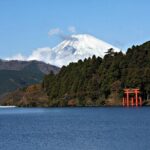
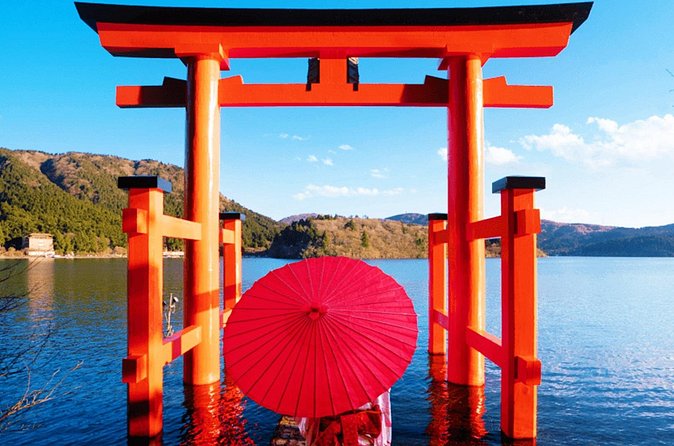
Hakone Shrine adds a cultural layer to the route. Its best-known image is the Peace Torii, a red gate set in Lake Ashi. From the shore, the gate creates one of the most recognizable photographs in Hakone.
You have about 50 minutes here. That is enough to see the torii area and take in the setting, though it may not allow a long, unhurried shrine visit. The stop is aimed at a clear introduction rather than a deep exploration of every religious feature.
The shrine is also presented as a place to pray for good fortune and success. Kuzuryu Shrine, associated with love and good relationships, is included in the description of the area. These details help explain why the site matters beyond its appearance in photographs.
Bring patience for the photo opportunity. A famous gate beside a lake naturally draws attention, and a fixed tour schedule means you may need to make your visit efficient. Follow the guide’s instructions and save time for the wider view instead of focusing only on the gate.
I like the contrast between Hakone Shrine and Owakudani. One stop shows the force of the earth through steam and sulfur. The other shows how people have given meaning to the same mountain and lake setting through worship and tradition.
A few more Tokyo tours and experiences worth a look

Fuji Bussharito Heiwa Park: the quiet finish
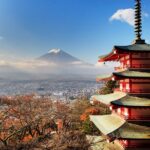
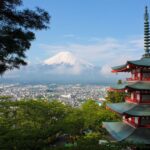
The final sightseeing stop lasts about 30 minutes at Fuji Bussharito Heiwa Park. It is described as a place mostly known to locals, with a hilltop view of Mt. Fuji and a white stupa.
This is a smart choice for the end of the day. After the larger sights and the boat ride, the park offers a more open view and a calmer mood. The white stupa gives your Fuji photographs a distinctive foreground, rather than another ordinary roadside lookout.
Thirty minutes is brief, so use it well. Head toward the main viewpoint, take your photographs, and leave a little time to simply look. If Fuji is clear, this may be the visual highlight of the trip. One particularly strong account of the tour praised this last stop for providing the best mountain views and a satisfying finish.
The word hidden would be too strong without more detail about how isolated the park is, but it is clearly presented as less crowded than the usual Fuji photo stops. That makes it valuable for people who want a scenic pause without spending the whole day in a packed tourist area.
What $92.50 buys you
At $92.50 per person, this tour is priced as a full-service day rather than a simple bus ride to one viewpoint. The fee includes the sightseeing cruise and the organized transport between Tokyo, Hakone, Owakudani, the shrine, and the Fuji viewpoint.
You are also paying for time saved. Planning this route alone would mean working out how to connect the road journey with the Lake Ashi ship and the ropeway, then returning to Tokyo on schedule. The tour removes that planning burden.
Lunch is not listed as included, so keep money aside for Moto-Hakone. The information also does not say that entrance fees beyond the included cruise are covered. Ask what is included on the day if you want a precise breakdown of any ropeway or site charges.
The opening month special may make the current price particularly attractive, but promotional prices can change. At the stated rate, I see good value for someone who wants a broad introduction to Hakone and Mt. Fuji in one day.
The value is weaker if you already know Hakone, dislike coach travel, or want hours at one place. You may spend a fair amount of the day moving between stops. That is the price of seeing several major sights in a single outing.
Timing, traffic, and the practical side
The tour begins at 8:00 am from Keio Plaza Hotel in Shinjuku. Shinjuku is a practical departure area with public transport nearby, but you should identify the hotel entrance and arrive early enough to avoid a stressful start.
Traffic is the main uncertainty. The route covers substantial distances, and Tokyo roads can be slow. One account of the experience specifically noted difficult traffic while still describing the day as well paced. That is a fair way to view the risk: the guide and driver can manage the schedule, but they cannot control every delay.
The mobile ticket is convenient. Keep it ready on your phone, along with enough battery for a full day of directions and photographs. Confirmation is provided at booking.
The maximum group size is 49 people. Most people can participate, according to the supplied information, but the tour is not presented as a private or custom-paced experience. You should be comfortable boarding and leaving the bus several times and keeping to the group timetable.
There is a small inconsistency about the return point. The overview says the tour concludes at MODE Gakuen in Shinjuku, while the meeting details say it ends back at the meeting point. Confirm the exact evening drop-off before setting up a dinner reservation or a train connection.
Free cancellation is available if you cancel at least 24 hours before the start time. Changes or cancellations inside that window are not accepted and are not refunded.
Who should book this Fuji and Hakone day?
I would choose this tour if you have limited time in Tokyo and want one organized day that combines major scenery with a few cultural stops. It is also a good fit if you do not want to work out the Hakone transport network on your own.
The trip suits first-time visitors, couples, families, and solo visitors who prefer a clear plan. The multilingual guide support, premium seats, and range of stops make the day easier to follow than an improvised route.
You may want another option if you prefer long walks, quiet meals, or flexible photography time. The itinerary is full, the group can be large, and traffic may shorten time at the attractions.
Weather should guide your expectations. The tour can take you to Fuji viewpoints, but a clear mountain is never guaranteed by the schedule. Even with clouds around the summit, you still have Lake Ashi, Owakudani, Hakone Shrine, and the ropeway to carry the day.
Should you book it?
Book this tour if you want a high-value overview of Hakone and Mt. Fuji without handling the transport yourself. The lake cruise, volcanic valley, Peace Torii, and quieter Fuji viewpoint give the day more variety than a basic mountain lookout tour.
Skip it if your priority is independence or a slow visit to one site. Before paying, confirm the return location and accept that traffic and weather may shape the day. For a first look at this corner of Japan, the route is ambitious, practical, and well balanced.
FAQ
How long does the Mt. Fuji and Hakone tour last?
The experience lasts approximately 10 hours, beginning at 8:00 am and finishing in the evening.
Where does the tour start?
The listed meeting point is Keio Plaza Hotel at 1 Chome-24 Nishishinjuku, Shinjuku City, Tokyo 160-0023, Japan.
What stops are included?
The route includes Lake Ashi, the sightseeing cruise, Owakudani Valley, Hakone Shrine, and Fuji Bussharito Heiwa Park.
Is the Lake Ashi cruise included?
Yes. The sightseeing cruise is listed as having admission included.
How many people can join the tour?
The activity can have a maximum of 49 participants.
What is the cancellation policy?
You can cancel at least 24 hours before the start time for a full refund. Cancellations or changes made less than 24 hours before the start time are not accepted and are not refunded.
More Bay & River Cruises in Tokyo


More Hakone Day Trips in Tokyo
More Mt Fuji Day Trips in Tokyo
More tours in Tokyo we've reviewed






Mt Fuji Day Trips, compared.
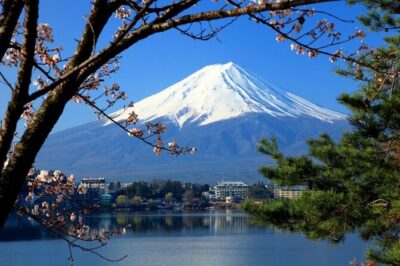 ★ 5.0Mt Fuji and Hakone 1-Day Bus Tour Return by Bullet TrainFrom $163
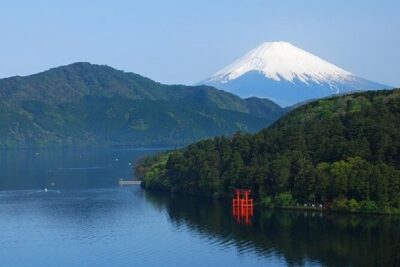 ★ 4.0Mt Fuji & Hakone Cruise, Drum Show Bullet Train 1 Day from TokyoFrom $149
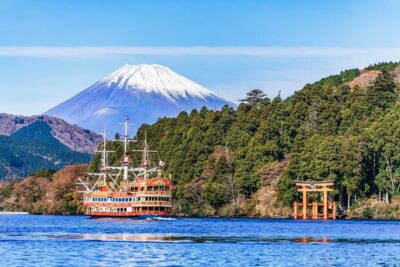 ★ 4.4Tokyo Mt Fuji 5th St & Hakone Cruise Bus Tour w/Bullet TrainFrom $15410 hours
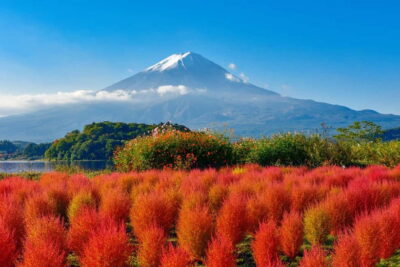 ★ 4.5From Tokyo: Mount Fuji Full-Day Sightseeing TripFrom $6810 hours
 ★ 4.7Tokyo: Mt. Fuji Tour, Hakone Ropeway, Owakudani, Lake AshiFrom $5410 hours
 ★ 4.4Tokyo:Mt.Fuji,Kawaguchiko Oishi Park,Arakurayama Sengen ParkFrom $5410 hours