
Reviewed · MT FUJI DAY TRIPS
Tokyo: Mount Fuji, Gotemba & Hakone Day Trip by Luxury Bus
Mount Fuji is the star here, but this 12-hour day trip gives you three very different tastes of central Japan: high mountain views, outlet shopping, and Hakone’s steaming volcanic valley. From Shinjuku, you ride a comfortable coach toward the fifth station, then continue through Gotemba and Hakone without the fuss of arranging several trains and buses yourself.
I like the excellent variety and the included Hakone cable car ticket, which make the $70 price appealing. I also like the careful guiding: Yasu, Yazu, Seiko, Shi-san, and Kenji are praised for being kind, organized, and helpful, while driver Masa is noted for safe handling in heavy traffic. The catch is time. Gotemba receives 105 minutes, and that can feel short if you truly want to shop.
In This Review
- Key points to know before booking
- From Shinjuku to Mount Fuji’s fifth station
- Gotemba Premium Outlets in 105 minutes
- Riding the Hakone cable car toward Owakudani
- Owakudani’s steam and black eggs
- Lake Ashi and the Hakone Shrine torii gate
- The long ride back to Shinjuku
- Is $70 a fair price?
- Who should choose this Fuji and Hakone day?
- Should you book it?
- FAQ
- Where does the tour start?
- How long does the tour last?
- Is transportation included?
- Is the Mount Fuji fifth station always visited?
- Is lunch included?
- Is the Hakone Pirate Ship included?
- What happens if the Hakone cable car closes?
- Is the tour available in English?
Key points to know before booking
- Mount Fuji fifth station: Spend about 40 minutes near Japan’s highest peak, weather permitting.
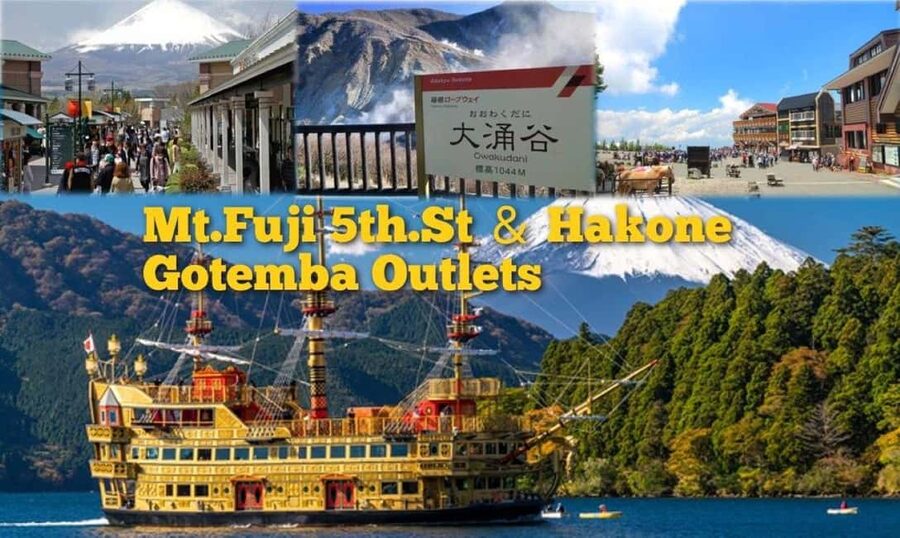
- Gotemba Premium Outlets: Browse roughly 210 stores, with a 5 to 15 percent shopping coupon.
- Owakudani Valley: See steaming volcanic ground and use about 20 to 30 minutes for photos and black eggs.
- Hakone cable car: A ticket is included, though bad weather can replace the ride with a bus.
- Lake Ashi views: See the lake and Hakone Shrine’s famous torii gate from the route.
- Shared coach value: One long day covers several difficult-to-link sights, but traffic can affect the schedule.
From Shinjuku to Mount Fuji’s fifth station
Meet at the sidewalk in front of the main entrance of Shinjuku Center Building at 7:15 a.m. The coach leaves at 7:30, so do not treat the meeting time as a suggestion. Shinjuku Center Building is a useful landmark, but the actual meeting point is outside, at the main entrance sidewalk.
The first ride takes about two and a half hours. That is a big chunk of the day, yet it saves you from piecing together regional trains, mountain buses, and Hakone transport. Bring water, a camera, sunscreen, and clothing suited to the weather. The fifth station is at high altitude, and the air can feel cooler than it does in central Tokyo.
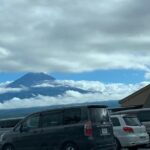
At Mount Fuji’s fifth station, you get about 40 minutes. This is not a mountain hike or a long visit to the Fuji area. It is a quick chance to step off the coach, breathe cooler air, look across the scenery, and take photographs close to the upper slopes.
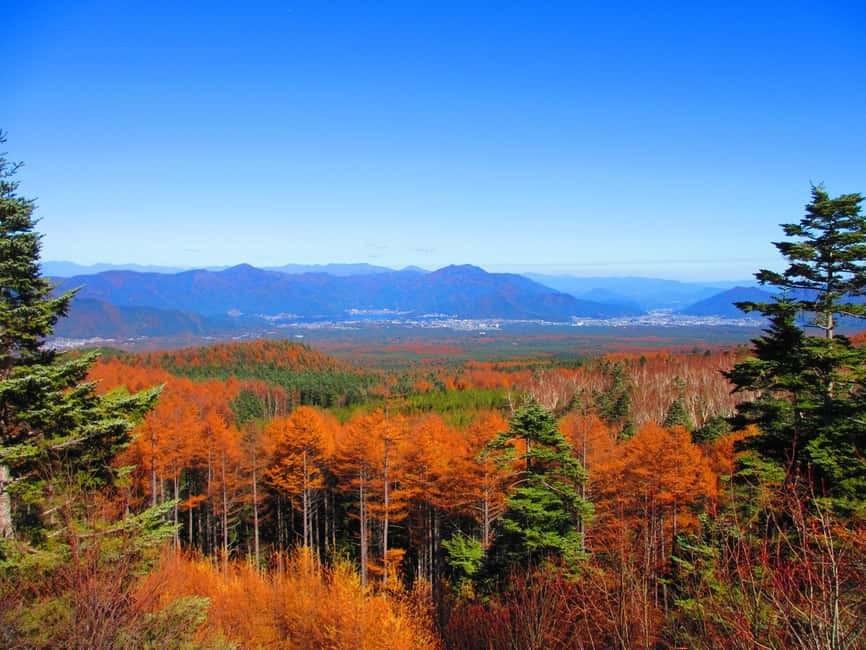
On clear days, this is the emotional high point of the trip. You can see the huge volcanic form of Fuji from a much closer position than in Tokyo, and the route may offer sea-of-cloud views. On cloudy or rainy days, visibility can disappear. That is the basic gamble with any Fuji excursion, and no guide can fix the weather.
The road to the fifth station can also close because of conditions. If the Fuji Subaru Line is shut, the stop changes to Oshino Hakkai. From late December through mid-March, the plan may include sledding at Fuji’s second station instead of visiting the fifth station. Rain can cancel sledding too, in which case Oshino Hakkai becomes the replacement.
This flexibility is practical, but it means you should book the day for the overall route rather than for one guaranteed photograph. If Fuji is your only reason for going, check the forecast and accept that nature gets the final say.
A few more Tokyo tours and experiences worth a look

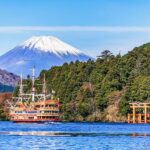
Gotemba Premium Outlets in 105 minutes
The coach then heads to Gotemba Premium Outlets, described as Japan’s largest outlet center, with about 210 brand stores. You have 105 minutes for shopping, walking, and lunch.
I would treat this as a focused stop, not a relaxed shopping afternoon. The center is large, and 105 minutes disappears quickly once you find a store, compare prices, queue, and look for food. One practical approach is to decide before arrival if you want clothing, sports goods, household items, or lunch, then head directly to those areas.
A 5 to 15 percent shopping coupon is provided, which can make the stop more useful if the brands and conditions suit you. The coupon is not a promise that every item will be a bargain, so compare prices and keep enough time to return to the coach.
Lunch is not included. You can choose sushi, ramen, or a lighter cafe meal at your own expense. That freedom is convenient if your group has different tastes, though it also means you need to watch both your budget and the clock.
The shopping stop is one of the tour’s clearest compromises. If you love outlet shopping, you may wish for more time. If you are mainly interested in Fuji and Hakone, 105 minutes gives you a useful break without letting retail take over the entire day.
Riding the Hakone cable car toward Owakudani
After Gotemba, the route continues into Hakone. A cable car ride is listed for about 30 minutes, and the ticket is included in the tour price. In practice, the ride gives you a change from the road and a chance to view Hakone from above.
Bad weather can close the Hakone cable car. If that happens, the group uses a bus instead, and the cable car fee is not refunded. That policy is worth noting before you book, especially if the ride is one of your main reasons for choosing this package.
The schedule then allows about 20 minutes at Owakudani Valley, while the general description gives up to 30 minutes of free time. Either way, this is a short stop. You have enough time to see the volcanic area, take photographs, and sample a local black egg, but not enough for a slow wander.
Owakudani’s steam and black eggs
Owakudani is a volcanic valley shaped by hot springs and geothermal activity. Steam rises from the ground, and the setting feels very different from the polished shopping center earlier in the day. The attraction is not a single monument. It is the sight, smell, and sense of heat from an active volcanic area.
The famous local black eggs are cooked in the hot spring water, which darkens their shells. Tasting one is a simple but memorable Hakone ritual, and the short stop gives you enough time to try them if you wish.
The tour specifically says it is not suitable for people with respiratory issues. That warning matters at Owakudani, where volcanic gases may affect sensitive visitors. The route also involves walking and changes in elevation, so people with mobility limitations should ask the operator for current access details even though the activity is marked wheelchair accessible.
Do not expect a long nature walk here. Your time is designed for a compact visit before the group moves on. Comfortable shoes will help, and weather-appropriate clothing matters because conditions can shift between the coach, mountain stops, and lakeside areas.
Lake Ashi and the Hakone Shrine torii gate
The route continues by bus for about 30 minutes before reaching the Lake Ashi portion of the day. You get roughly 30 minutes for sightseeing and scenic views along the way.
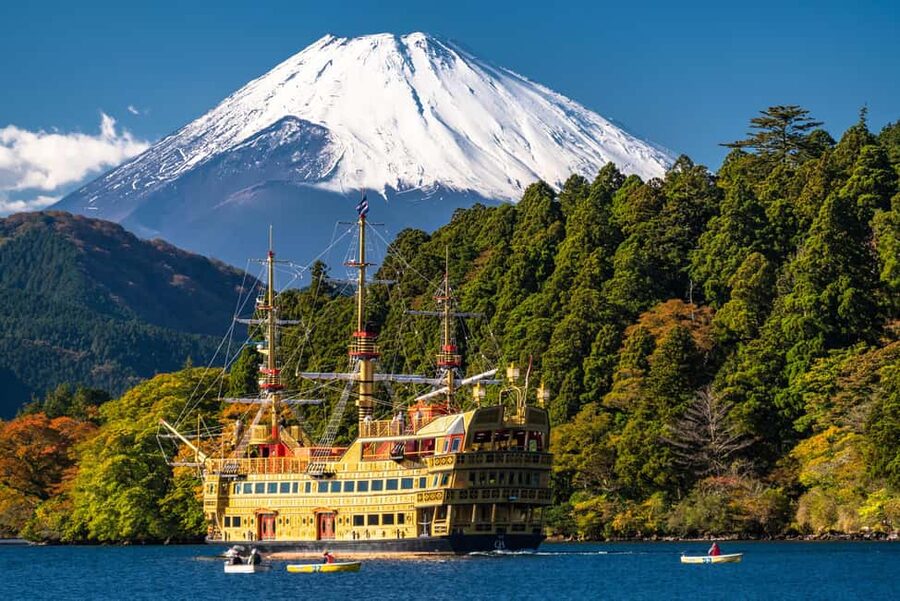
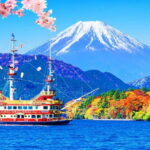
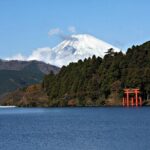
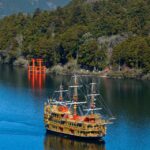
Lake Ashi is one of Hakone’s signature sights, framed by forested slopes and mountain scenery. The well-known red torii gate associated with Hakone Shrine sits at the water’s edge, making it one of the most recognizable photo subjects in the area.
This tour does not include the Hakone Pirate Ship cruise. The supplied route uses the cable car and buses, with scenic views from the road and the lake area. If you specifically want to sail beneath the torii gate, you would need the separate package that includes the pirate ship, or pay attention to the booking option you select.
The short Lake Ashi stop is enough to take in the setting, but it is not a full Hakone visit. You should not expect extended shrine exploration, a long lakeside walk, or an unhurried boat ride. The reward is efficiency: you see the famous lake and torii gate after Fuji and Owakudani on the same day.
A few more Tokyo tours and experiences worth a look

The long ride back to Shinjuku
The return coach takes about one hour and 45 minutes. The full day lasts around 12 hours, and traffic can make the schedule feel even longer.
This is where the luxury coach earns its keep. You can sit down between stops instead of navigating unfamiliar connections. The driver handles the road, and the guide manages meeting times, route changes, and basic explanations in Japanese and English.
Traffic remains the tour’s main practical risk. One booking described the driver handling an accident-related delay with skill, but a capable driver cannot remove congestion. Keep your evening plans flexible. I would not schedule a nonrefundable dinner reservation or another timed activity immediately after the stated return.
Guides vary by departure. Yasu is praised for clear explanations and local perspectives on Japanese history. Yazu is described as especially helpful, while Seiko, Shi-san, and Kenji are also named positively for their friendly manner and organization. The guide’s style may differ from one day to another, but the repeated strength is personal assistance and orderly handling of a packed route.
Is $70 a fair price?
At $70 per person, the value is strong if you want a broad day outside Tokyo. The price includes the coach, visits to Mount Fuji’s fifth station, Gotemba Premium Outlets, Owakudani, and the cable car ticket. You also get a guide and scenic transport through Hakone.
You still pay for lunch, black eggs, and any other purchases. The Pirate Ship cruise is not included. Those exclusions are normal for a low-cost shared day trip, but they mean your final spending will be higher than the headline price if you eat at the outlet center, shop, and add a boat ride.
I see this as a transportation-and-sightseeing bargain, not a slow, specialist tour. You pay for coverage and convenience. You give up time at each stop and control over the pace.
The tour works best if you have limited time in Tokyo and want to see several famous sights in one outing. It is also useful if you do not want to research the Fuji and Hakone transport network. It is less suitable if you want a serious Fuji hike, a full shopping day, a leisurely Hakone visit, or a private guide.
Who should choose this Fuji and Hakone day?
Choose it if you want:
- A first look at Mount Fuji from the fifth station
- A simple coach connection from central Tokyo
- A mix of scenery, shopping, food, and volcanic sights
- A lower price than arranging multiple separate activities
- Guidance in Japanese or English
- A flexible route when weather closes a mountain attraction
Think twice if you need a slow pace. The day includes long road sections and several short stops, so you must be ready to board on time and keep moving.
Think twice if you have respiratory problems or mobility limitations. The activity is marked wheelchair accessible, but the operator also says it is not suitable for people with mobility impairments or respiratory issues. Contact the provider before paying if either point affects you.
The package shares its operating structure with a bento box and Pirate Ship ticket option. If you need to change to that package, the stated charge is 3,000 yen in cash on the day. Confirm the exact package at booking so you do not assume a meal or boat ride is included.
Should you book it?
Book this tour if your priority is maximum variety in one day. You can see Fuji, browse Gotemba, ride the Hakone cable car, visit Owakudani, and view Lake Ashi for $70, with a guide and coach doing the hard logistical work.
Skip it if you want depth at any one place. The fifth station and Owakudani visits are brief, Gotemba may feel rushed, and traffic can stretch the return. For a first visit to the Fuji and Hakone region, though, this is a practical, good-value introduction, especially when your Tokyo schedule leaves only one open day.
FAQ
Where does the tour start?
Meet at the sidewalk in front of the main entrance of Shinjuku Center Building. The meeting time is 7:15 a.m., with departure at 7:30 a.m.
How long does the tour last?
The activity lasts about 12 hours, including the return to Shinjuku.
Is transportation included?
Yes. The tour includes the shared bus or coach transportation and scenic road sections between the main stops.
Is the Mount Fuji fifth station always visited?
Not always. If the Fuji Subaru Line closes because of weather, the route changes to Oshino Hakkai. From late December through mid-March, the plan may use Fuji’s second station for sledding instead of the fifth station. Rain can change that plan as well.
Is lunch included?
No. Lunch is at your own expense, and you can choose from options such as sushi, ramen, or cafe food at Gotemba.
Is the Hakone Pirate Ship included?
No. Admission to the Hakone Pirate Ship cruise is not included in this package.
What happens if the Hakone cable car closes?
The group takes a bus instead. The cable car fee is not refunded in that situation.
Is the tour available in English?
Yes. The listed languages are Japanese and English, and the driver is described as Japanese and English speaking.
More VIP Experiences in Tokyo



More Hakone Day Trips in Tokyo
More Mt Fuji Day Trips in Tokyo
More tours in Tokyo we've reviewed











Mt Fuji Day Trips, compared.
 ★ 5.0Mt Fuji and Hakone 1-Day Bus Tour Return by Bullet TrainFrom $163
 ★ 4.0Mt Fuji & Hakone Cruise, Drum Show Bullet Train 1 Day from TokyoFrom $149
 ★ 4.4Tokyo Mt Fuji 5th St & Hakone Cruise Bus Tour w/Bullet TrainFrom $15410 hours
 ★ 4.5From Tokyo: Mount Fuji Full-Day Sightseeing TripFrom $6810 hours
 ★ 4.7Tokyo: Mt. Fuji Tour, Hakone Ropeway, Owakudani, Lake AshiFrom $5410 hours
 ★ 4.4Tokyo:Mt.Fuji,Kawaguchiko Oishi Park,Arakurayama Sengen ParkFrom $5410 hours