
Reviewed · MT FUJI DAY TRIPS
From Tokyo: Mount Fuji Sightseeing Full Day Trip
Mount Fuji is the star, but this 10-hour day trip from Tokyo gives you much more than a quick mountain photo. You’ll visit a thatched-roof village, clear spring ponds, a historic shrine, Lake Kawaguchi, Oishi Park, and the famous Chureito Pagoda viewpoint.
I like the wide mix of sights and the air-conditioned transport, which saves you from piecing together several trains and buses. I also like the chance to see Fuji from different angles, from lakeside flowers to a red pagoda above Fujiyoshida. The trade-off is a busy schedule, with some stops lasting only 15 to 30 minutes and visibility depending heavily on the weather.
In This Review
- Key points at a glance
- Why this Fuji day trip works from Tokyo
- Saiko Iyashi-no-Sato Nenba and its samurai-style roofs
- Chureito Pagoda and the Arakurayama view
- Arakura Fuji Sengen Shrine, a short sacred pause
- Oshino Hakkai and the eight clear springs
- Lake Kawaguchi, Oishi Park, and the flower views
- The guide can shape the whole 10-hour day
- Weather, crowds, and the cost of a packed schedule
- Who should book this Mount Fuji trip
- Booking details worth knowing before you go
- Should you book it?
- FAQ
- How long does the Mount Fuji tour from Tokyo last?
- How much does the tour cost?
- What transportation is provided?
- Is lunch included?
- Which places are visited?
- Are admission fees included?
- How large can the group be?
- Can I bring a stroller or large luggage?
- What is the cancellation policy?
Key points at a glance
- Seven very different stops: Combine a traditional village, mountain shrine, spring ponds, lake views, flower gardens, and one of Japan’s most famous pagodas.
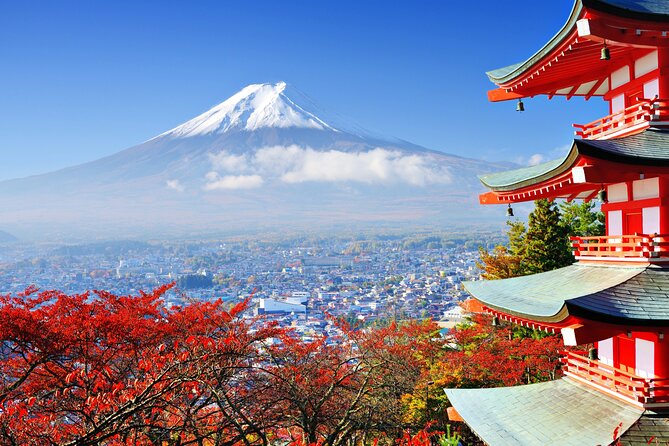
- Chureito Pagoda is the main photo stop: Arakurayama Sengen Park gives you the classic pagoda, city, and Mount Fuji view when the skies cooperate.
- Guides can make the long day easier: Tim, Betty, Joey, Kevin, and Kishida Wennie are among the guides praised for clear meeting help, history, good timing, and a cheerful approach.
- The schedule favors variety over slow travel: You see a lot, but you will not have long at every stop.
- Weather matters greatly: A cloudy or wet day can hide Fuji and make the walk to the pagoda less pleasant.
- The $59 price is strong for transport and admissions: Lunch and personal spending are extra, and the vehicle may carry as many as 48 people.
Why this Fuji day trip works from Tokyo
Mount Fuji is close enough to visit from Tokyo, but the route is not a simple city outing. You need to connect several places around the Fuji Five Lakes, and each stop has a different bus or train pattern. This tour handles the driving in an air-conditioned vehicle and puts the main sights into one long day.
At $59 per person, the value is mainly in the transport and the number of places covered. Admission fees and taxes are included, so you are not paying a low headline price and then adding entry costs at every stop. You still need to buy lunch and cover personal expenses, but the overall price is reasonable if your goal is to see a broad slice of the Fuji area without arranging it yourself.
The group can reach up to 48 people, so this is not a quiet private outing. A larger vehicle can mean less flexibility, yet it also keeps the price down. Your experience will depend partly on the guide assigned that day. Guides named in feedback include Tim, Betty, Joey, Kevin, and Kishida Wennie. Their strengths have included useful explanations, clear instructions, positive energy, and help with meeting-point details.
A few more Tokyo tours and experiences worth a look
Saiko Iyashi-no-Sato Nenba and its samurai-style roofs
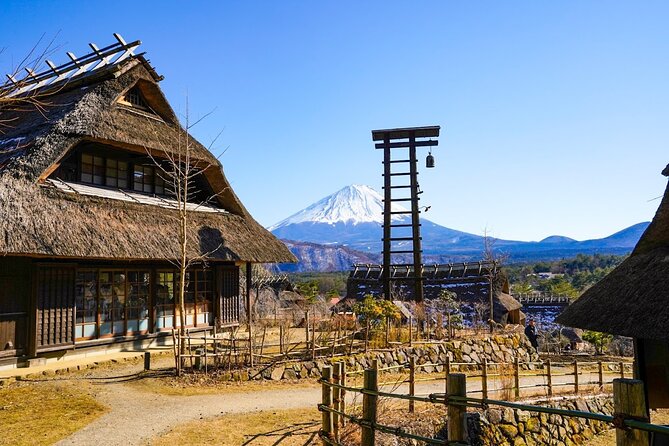
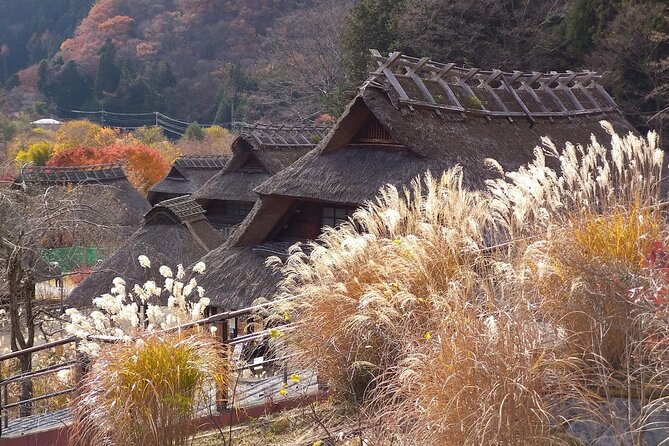
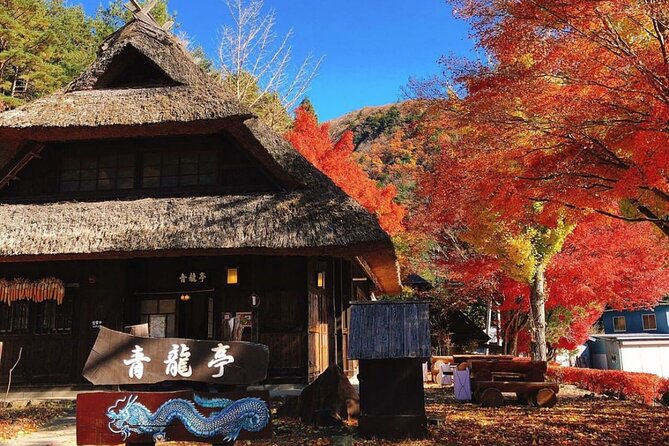
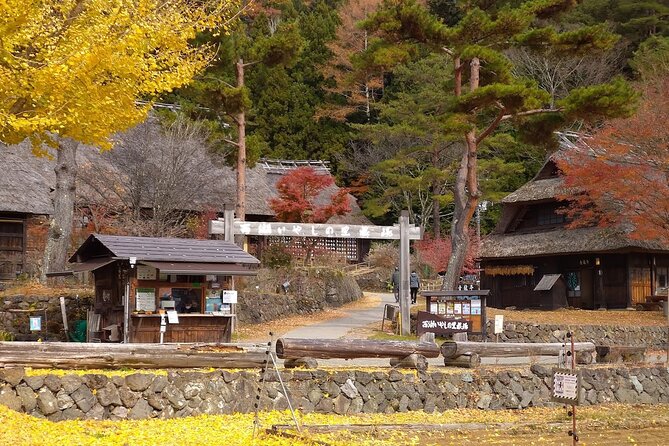
The first stop, Saiko Iyashi-no-Sato Nenba, gives you a different side of the Fuji area. Set near the western shore of Lake Saiko, this recreated traditional village has about 20 thatched-roof houses with distinctive kabuto-zukuri roofs. The shape recalls a samurai helmet, which makes the buildings easy to recognize.
You have about an hour here, with admission included. That is enough time to walk through the village, take photographs, and get a feel for older rural Japan. The setting also helps you understand that the Fuji region is not just about viewing the mountain. It has its own farming villages, customs, and built traditions.
I would treat this as a cultural stop rather than a place for a long museum visit. The village is designed for sightseeing, and some parts may feel arranged for visitors rather than like an untouched settlement. Still, it adds welcome variety after the city and before the more famous viewpoints.
Chureito Pagoda and the Arakurayama view
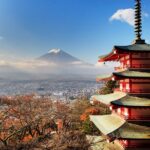
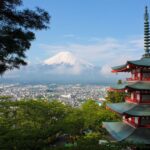
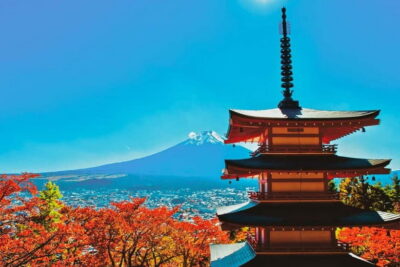
Chureito Pagoda is the visual centerpiece for many people. It sits in Arakurayama Sengen Park above Fujiyoshida City, with Mount Fuji rising behind it when the weather is clear. The combination of the red pagoda, city below, and snow-capped mountain is one of Japan’s most recognizable views.
You have about an hour at this stop, and admission is free. That sounds generous, but allow for the walk and the time needed to reach the viewing area. One three-star experience specifically found the walk uncomfortable in cold, wet weather, so shoes with a good grip and a light rain layer are sensible choices.
This is also the stop most affected by cloud. On a clear day, it can be the highlight of the whole outing. On a gray day, you may still see the pagoda and city, but Mount Fuji can disappear completely. Keep your expectations flexible. The tour cannot control the mountain.
Arakura Fuji Sengen Shrine, a short sacred pause
The Arakura Fuji Sengen Shrine is a brief 15-minute stop, but it adds historical and religious context. Built in 705, it has served as the guardian shrine of Arakura Village for more than 1,300 years. People come here to seek protection from bad luck and to pray for harmony.
Because the stop is short, you should expect a quick look rather than a full shrine visit. It works best as a quiet pause between the pagoda viewpoint and the day’s other busy sights. Listen closely if your guide explains the shrine’s role, since the time moves fast.
This is one place where guide quality matters. A friendly guide who gives a little background can turn 15 minutes into a meaningful introduction. Without much explanation, it may feel like a photo stop beside a route packed with larger attractions.
Oshino Hakkai and the eight clear springs
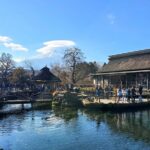
Oshino Hakkai is known for its eight spring-fed ponds, recognized among Japan’s Top 100 Famous Waters. The village is also a Natural Monument and part of the Mount Fuji World Heritage area. The ponds are the main attraction, with clear water and a strong connection to the mountain’s surrounding environment.
You have about an hour here, enough to walk around, see several ponds, and browse the local food and souvenir areas. The setting can feel more commercial than the shrine or village, which is worth knowing before you arrive. Some stops on this route are built around tourism, and Oshino Hakkai is one of the places where shops and photo opportunities share space with the natural features.
I still think it earns its place on the route. The springs provide a close-up look at the water that shapes the Fuji region, while the village gives you a chance to pause and buy something to eat. Since lunch is not included, this may be a practical place to find food, though the tour information does not promise a specific lunch arrangement.
A few more Tokyo tours and experiences worth a look

Lake Kawaguchi, Oishi Park, and the flower views
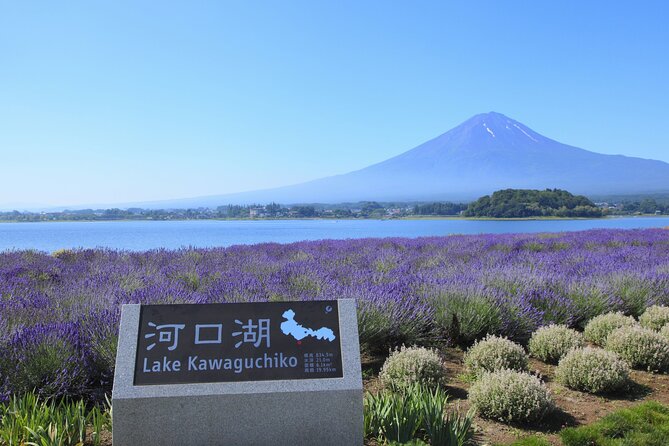
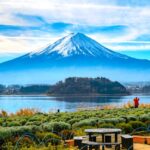
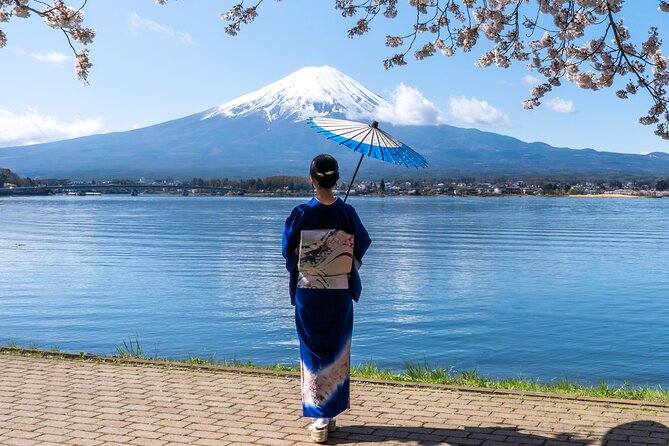
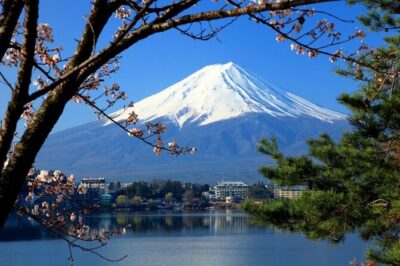
Lake Kawaguchi is the best-known of the Fuji Five Lakes and has the longest shoreline among them. Its broad views make it one of the more dependable places to appreciate the mountain’s scale, provided the clouds lift.
The scheduled time at the lake itself is only 20 minutes. That is enough for a quick look, a few photographs, and a breath of fresh air, but not enough for a relaxed lakeside outing. If you want time for a peaceful walk, keep your expectations modest.
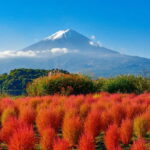
Oishi Park follows with about 30 minutes. The park is known for its flowers, Lake Kawaguchi, and Mount Fuji appearing together in one frame. Flowers change with the season, so the exact color and display will vary. The lakeside promenade is the reason to slow down here, even if the schedule gives you only a short window.
The nearby Kawaguchiko Natural Living Center adds another 15 minutes. From its second floor, you can capture a distinctive view of a red torii gate with Mount Fuji behind it. This is a useful photo stop, but the short visit means you should move with purpose rather than browse at length.
Taken together, these three stops give you several Fuji viewpoints without requiring a long hike. The downside is repetition if you prefer one place explored slowly. The upside is that changing positions can help you find a clear view if clouds cover the mountain from one side.
The guide can shape the whole 10-hour day
A long group trip needs clear instructions. Guides praised by name include Tim, Betty, Joey, Kevin, and Kishida Wennie. Specific strengths include explaining the route, sharing facts and stories, staying punctual, helping with map pins, and showing people what to look for at meeting points.
That matters because the day has many stops and a lot of movement. A guide who sets clear return times can keep the group together and prevent one late departure from cutting into your time at the next viewpoint. A guide who explains Mount Fuji and Kawaguchiko also adds meaning to places that could otherwise blur into a series of photographs.
The guide experience is not guaranteed to be identical for every departure. One account found the route good but the historical explanation limited, with too much emphasis on selling. So I would book this for the coverage and transport first, then treat the guide commentary as an important bonus rather than the sole reason to go.
Weather, crowds, and the cost of a packed schedule
The central risk is weather. A clear day can produce the classic Fuji views that make this trip feel special. A cloudy day may hide the mountain at Chureito Pagoda, Lake Kawaguchi, and Oishi Park, while rain can make the walk to the pagoda cold and uncomfortable.
The route also covers a lot in one day. The longer one-hour stops are Saiko Iyashi-no-Sato Nenba, Chureito Pagoda, and Oshino Hakkai. Lake Kawaguchi, Oishi Park, and the Natural Living Center receive shorter visits, and the shrine gets only 15 minutes. You will see the highlights, but you will not have time to wander without watching the clock.
Some people will find the commercial areas touristy. That criticism is fair. The route is designed to show famous places efficiently, so it includes shops, organized viewing points, and popular photo locations. If you want a quiet rural day with long walks and few other people, this is not the right format.
If you want a first look at the Fuji region, the packed schedule makes sense. You can compare lakeside, village, shrine, spring, and city views in one outing, then return to a favorite area on a later visit.
Who should book this Mount Fuji trip
I would recommend it to a first-time Japan visitor with limited time in Tokyo. You get a broad introduction to Mount Fuji without needing to plan several regional connections. It also suits anyone who values convenience, included transport, and a guide who can keep a large group moving.
It is a good fit for photographers who want several classic compositions. Chureito Pagoda offers the famous layered view, while Oishi Park and the Natural Living Center provide lake, flowers, torii, and mountain combinations. Just remember that the mountain may be hidden.
Families and most able-bodied visitors can participate, but you should consider the walk at Chureito Pagoda and the busy pace. Tell the operator at booking if you are bringing a stroller or large luggage. The tour is near public transportation, and a mobile ticket is provided.
I would hesitate if your priority is a slow lunch, a long lakeside walk, or detailed cultural instruction at every stop. You may feel hurried, especially at the 15-minute shrine and Natural Living Center visits. A private tour or self-guided stay in the Fuji area would offer more freedom, but likely at a higher cost.
Booking details worth knowing before you go
The tour lasts about 10 hours, so reserve most of the day. The vehicle is air-conditioned, and all fees and taxes are included. Lunch is not included, and personal purchases are your responsibility.
If you are traveling with relatives or friends who book separately, inform the operator at least one day ahead. Otherwise, you may be placed in different vehicles. The maximum group size is 48 people, so this is a sizeable shared tour.
You can cancel for a full refund up to 24 hours before the local start time. Changes or cancellations made less than 24 hours ahead are not accepted for a refund.
Should you book it?
Book this tour if you want maximum Fuji-area coverage for $59 and you are happy with a full day of short, organized visits. Its strongest points are the range of scenery, included transport and admission costs, and the chance to see the pagoda, lakes, village, springs, shrine, and flower park in one trip.
Skip it if you need a slow pace or if a single perfect Mount Fuji view is essential. Weather can erase the mountain from every major viewpoint, and a group of up to 48 can limit flexibility. For most first-time visitors, though, this is a practical and affordable introduction, as long as you see it as a sampler rather than a deep stay in the Fuji region.
FAQ
How long does the Mount Fuji tour from Tokyo last?
The experience lasts approximately 10 hours.
How much does the tour cost?
The listed price is $59 per person.
What transportation is provided?
An air-conditioned vehicle is included.
Is lunch included?
No. Lunch and other personal expenses are not included.
Which places are visited?
The route includes Saiko Iyashi-no-Sato Nenba, Chureito Pagoda, Arakura Fuji Sengen Shrine, Oshino Hakkai, Lake Kawaguchi, Oishi Park, and the Kawaguchiko Natural Living Center.
Are admission fees included?
All fees and taxes are included. The individual stop details also list admission as included or free.
How large can the group be?
The activity can have a maximum of 48 participants.
Can I bring a stroller or large luggage?
You should indicate when booking if you are traveling with a stroller or large luggage.
What is the cancellation policy?
You can cancel at least 24 hours before the local start time for a full refund. Cancellations or changes made less than 24 hours before the start time are not accepted for a refund.
More 1-Day Tours in Tokyo



More Full-Day in Tokyo
More Mt Fuji Day Trips in Tokyo
More tours in Tokyo we've reviewed







Mt Fuji Day Trips, compared.
 ★ 5.0Mt Fuji and Hakone 1-Day Bus Tour Return by Bullet TrainFrom $163
 ★ 4.0Mt Fuji & Hakone Cruise, Drum Show Bullet Train 1 Day from TokyoFrom $149
 ★ 4.4Tokyo Mt Fuji 5th St & Hakone Cruise Bus Tour w/Bullet TrainFrom $15410 hours
 ★ 4.5From Tokyo: Mount Fuji Full-Day Sightseeing TripFrom $6810 hours
 ★ 4.7Tokyo: Mt. Fuji Tour, Hakone Ropeway, Owakudani, Lake AshiFrom $5410 hours
 ★ 4.4Tokyo:Mt.Fuji,Kawaguchiko Oishi Park,Arakurayama Sengen ParkFrom $5410 hours