
Reviewed · 1-DAY TOURS
Tokyo Original Shoes Making 1 Day Workshop / Ready made orders
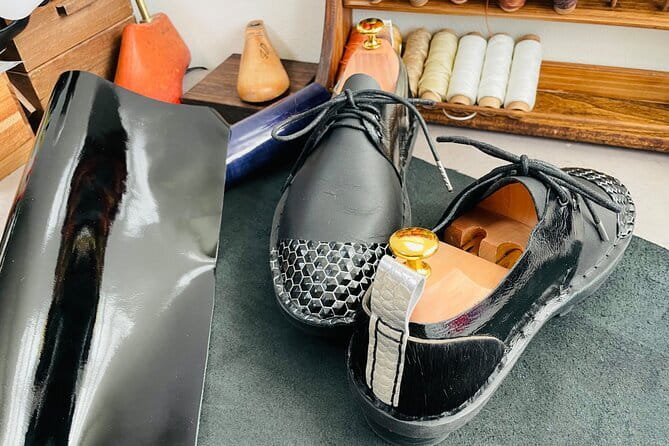
Tokyo Original Shoes Making 1 Day Workshop is a rare chance to leave Japan with something you designed yourself. At Haruka’s private atelier in Jiyugaoka, you choose a shoe pattern, sole, size, color, and materials, then help assemble the pair by rope, needle, and thread. If you prefer, you can order ready-made shoes instead.
I like the hands-on design process, especially the unusual material choices: Japanese and Italian leather, antique kimono fabric, lace, tweed, fur, ribbon, and PVC. I also like the private format. You get Haruka’s full attention rather than trying to keep up with a large class.
The main consideration is time. Although the booking lasts about six hours, the actual making can take three to eight hours, depending on your pattern and design. Choices are exciting, but a complex pair may not be finished quickly. Message Haruka after booking to arrange your start time and confirm availability.
In This Review
- Key details before you book
- Why a shoe workshop fits a Tokyo itinerary
- Arriving in Jiyugaoka and meeting Haruka
- Step 1: Selecting a shoe pattern
- Step 2: Choosing among three sole types
- Step 3: Fitting and finding your size
- Step 4: Choosing materials and surface design
- Step 5: Assembling the shoes by rope or thread
- Ready-made orders for visitors with less time
- What the $164.22 price really buys
- Who will enjoy this private atelier session
- Practical planning for your six hours
- My verdict: should you book it?
- FAQ
- Where does the shoe-making workshop take place?
- How long does the experience last?
- Who leads the workshop?
- Is the activity private?
- What shoe patterns can I choose?
- What sizes are available?
- Are materials and tools included?
- Can I order ready-made shoes instead of making them myself?
Key details before you book
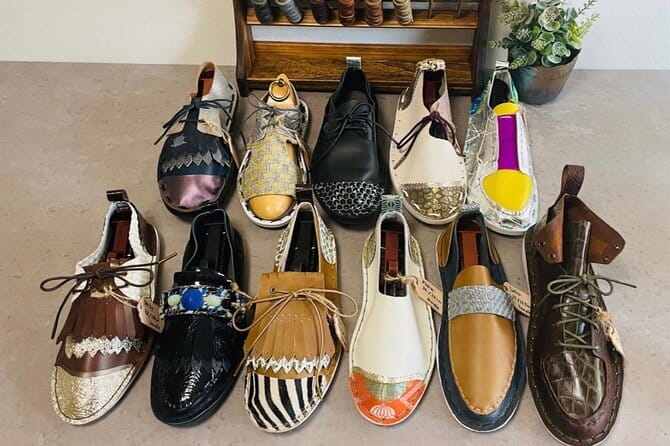
- Choose from seven main shoe styles: Derby, Macalon, Plain, Open, Loafer, and high-cut or low-cut sneakers.
- Pick from three sole types: flat white in sizes 33 to 45, or white and black platform soles in sizes 35 to 40.
- Use unusual Japanese materials: antique kimono fabrics, Japanese leather, lace, tweed, fur, PVC, and Italian leather are available.
- Make the shoes by hand: you assemble them with ropes or needle and thread, with tools and materials supplied.
- Add your own artwork: paint can be used to create personal patterns on the shoes.
- Keep the group private: the activity is designed for your own party, with larger bookings handled by special arrangement.
Why a shoe workshop fits a Tokyo itinerary
Tokyo is an easy place to buy nearly anything. That is exactly why a handmade shoe workshop feels different. You are not simply finding a nice pair in a department store. You are making decisions that shape the finished object, from the basic cut to the stitching and surface decoration.
The workshop also gives you a look at a small craft business in Tokyo. Jiyugaoka is in Meguro City and is served by public transportation, making the meeting point practical for a half-day activity. The experience begins and ends at the meeting point, so you will not spend the day moving between several attractions.
I would plan this as a dedicated activity rather than squeezing it between major sightseeing stops. Six hours is a long appointment, and the making time can stretch from three to eight hours. That is not a flaw if you enjoy crafts. It is a problem only if you want a quick souvenir before lunch.
Haruka is the shoemaker and instructor. Her teaching style is patient and clear, which matters here because the workshop has several decisions but is not intended to leave you on your own. One particularly useful feature is that the design process is broken into steps. You choose one part at a time instead of facing every possible material and style at once.
A few more Tokyo tours and experiences worth a look



Arriving in Jiyugaoka and meeting Haruka
The meeting point is in Jiyugaoka, Meguro City, Tokyo, postal code 152-0035. The activity is near public transportation, but the exact start time needs to be arranged with Haruka after booking. Your ticket voucher provides the contact details and link for that conversation.
Do not assume the default morning or afternoon time is fixed. The available operating window is listed as 10:00 AM to 10:00 PM, Monday through Sunday, but you still need to contact Haruka to arrange the start. This is especially important if you have train connections, dinner plans, or other timed tickets.
A station meeting may be arranged. One booking describes Haruka meeting the group at the station and walking with them to the atelier. Since meeting arrangements can depend on the booking, use the supplied contact details rather than simply showing up at the station at a random time.
The setting is private for your group. That gives the workshop a calmer feel than a public craft class, and it lets Haruka adjust the pace to your choices. It also means you should ask ahead if you want to book more than two people. Larger groups require direct contact.
Step 1: Selecting a shoe pattern
The first major decision is the shoe shape. Your choices include Derby, Macalon, Plain, Open, Loafer, and sneakers in either high-cut or low-cut versions.
This is where you should think about how you will use the shoes after the workshop. A Derby or loafer may suit someone looking for a more traditional everyday pair. A sneaker gives you a more casual direction, while the high-cut version changes the look and coverage. The available Open pattern offers another shape, but the supplied details do not define its exact design, so ask Haruka to show you the options before choosing.
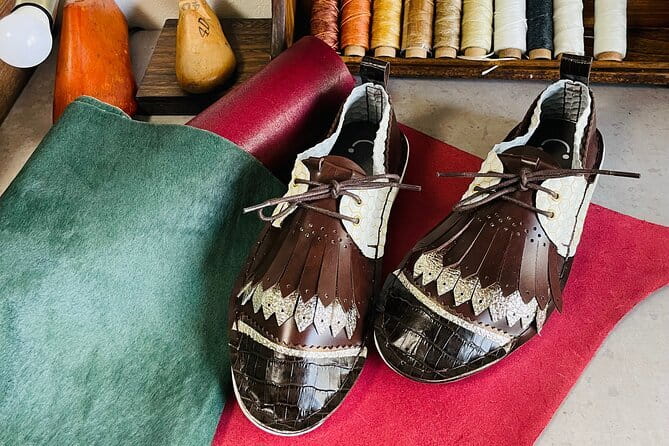
You can also add shoe kilties for an extra ¥3,850. Since the kiltie is optional, it is not included in the advertised price. Ask to see how it changes the front of the shoe before adding it to your design.
The pattern choice is important because it affects the later material and sole decisions. If you arrive with a clear idea of the sort of shoe you want, you will have more time to think about color and decoration. If you prefer to decide as you go, Haruka’s step-by-step process helps keep the session manageable.
Step 2: Choosing among three sole types
There are three sole choices:
- Flat white, available in sizes 33 to 45
- White platform, available in sizes 35 to 40
- Black platform, available in sizes 35 to 40
The sole is not just a practical base. It changes the height, weight, and overall character of the finished shoe. The flat white sole gives you the broadest size range and a simpler profile. The platform choices create a stronger fashion look, but they are limited to sizes 35 through 40.
This size restriction is one of the most important details to check before booking. If you need a size outside 35 to 40, the flat white sole is the available option listed for sizes 33 to 45. The workshop offers sizes 33 to 45 overall, but not every sole comes in every size.
I would make the sole choice early, since it helps narrow the rest of the design. A colorful or patterned upper may pair differently with a black platform than with a flat white sole. Haruka can guide you, but the final look is yours.
Step 3: Fitting and finding your size
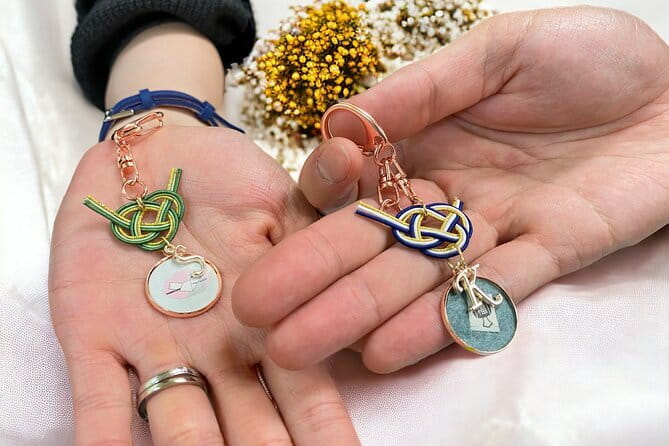
The fitting stage covers sizes 33 to 45. This is more useful than choosing a size from a standard chart because you are selecting a handmade pair and need to consider how the pattern and sole work together.
Take this step seriously. A custom-looking shoe is not much use if it is uncomfortable or poorly fitted. Tell Haruka if you have a strong preference for room, snugness, or a certain style of fit. The exact fitting method is not specified, so ask questions before the assembly begins.
The size range is generous, but sole availability still matters. Flat white soles cover sizes 33 to 45, while both platform options run from 35 to 40. If your size falls near either end of a range, confirm your sole choice before spending time on decoration.
A few more Tokyo tours and experiences worth a look




Step 4: Choosing materials and surface design
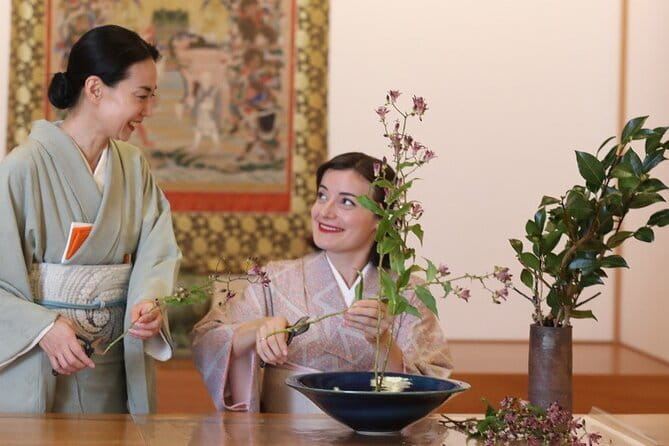
This is the most creative part of the workshop. You can choose Japanese-made leather, Italian leather, fur, PVC, tweed, ribbon lace, and antique kimono fabrics. The materials let you take the design in several directions, from restrained leather shoes to something much more theatrical.
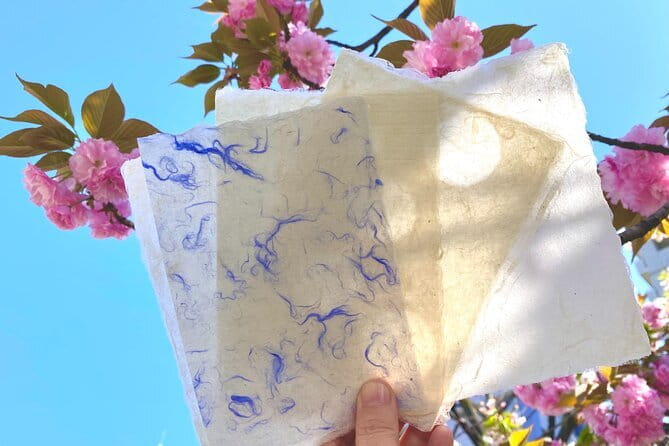
The Japanese leather and antique kimono fabric choices are especially suitable if you want the finished pair to feel connected to Tokyo. Kimono fabric can bring color and pattern that you would not find on an ordinary shoe. Lace, ribbon, and tweed offer texture, while PVC and fur can push the design toward a more unusual fashion statement.
You can also paint your own patterns. This is useful if the available fabrics do not quite match the idea in your head. Bring a simple sketch or a color plan if you have one, but do not feel that you need formal drawing skills. The goal is a personal pair, not an examination at art school.
Choice can still become a little overwhelming. You are selecting a pattern, sole, size, upper material, decoration, and construction method. The best approach is to make one decision at a time. Haruka’s clear instructions help, and the private setting gives you room to change direction before assembly.
Step 5: Assembling the shoes by rope or thread
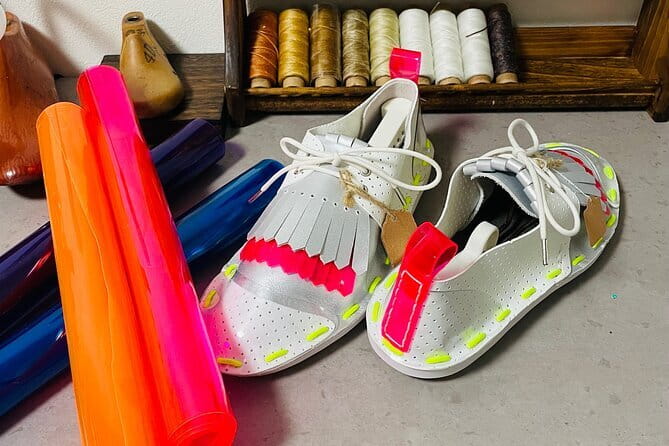
After the design is set, you take part in assembly and finishing. The shoes are put together using ropes or needle and thread. This is where the workshop becomes more than a design consultation. You are helping create the object rather than simply ordering it.
The work time depends on the pattern and design. The stated range is three to eight hours, so the six-hour estimate is best treated as an average, not a promise. A plain design may move faster. A more detailed pair with painting, layered materials, or extra decoration may take longer.
This is also the point where patience matters. Handmade work has a different rhythm from shopping. You may spend time repeating a task or following careful instructions. The reward is that the stitching and finishing are part of the story of the pair you take home.
Tools and materials are included, so you do not need to bring craft equipment. All fees and taxes are included as well. Optional extras, such as the shoe kilties, cost more.
Ready-made orders for visitors with less time
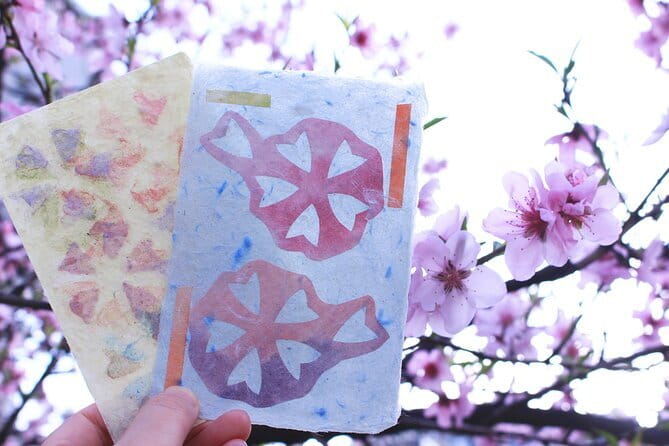
You do not have to complete the full making process to use this experience. Haruka also accepts ready-made orders. The process continues through Step 4, meaning you select the pattern, sole, size, and materials, then Haruka makes the shoes for you.
Delivery can be arranged during your stay in Tokyo. This is the better option if you want a custom design but cannot devote three to eight hours to assembly. It also makes sense if you like the idea of handmade shoes but do not want a full craft session.
You should discuss the delivery timing with Haruka after booking. The information confirms delivery during your Tokyo stay, but it does not give a fixed production schedule or delivery method. Do not leave the order until the final day of your trip.
The ready-made option also gives you a useful compromise. You still make the key design choices and work directly with the shoemaker, but Haruka handles the construction. For a shopper who wants a distinctive pair without giving up most of a sightseeing day, this may be the best version of the experience.
What the $164.22 price really buys
At $164.22 per person, this is not a cheap craft souvenir. The value depends on what you want from the day.
The price includes materials, rental tools, all fees, and taxes. You are also paying for a private session, personal fitting, design guidance, and the chance to work with a shoemaker on a pair built around your choices. Compared with buying mass-produced shoes, the cost is high. Compared with a private craft lesson plus a custom product, it is easier to justify.
The material selection adds to the value. Japanese leather, Italian leather, antique kimono fabric, lace, and other choices give you more than a basic paint-your-own activity. You are making decisions about construction and wear, not just decorating a blank object.
Still, you should budget for optional fees. The shoe kilties cost an additional ¥3,850, and any other extras should be confirmed before the session begins. Private transportation is not included, so you are responsible for getting to Jiyugaoka.
For me, the price works best for someone who values process and individuality. If you only need inexpensive footwear, shop elsewhere. If you want a personal Tokyo souvenir that you helped design, the cost is more reasonable.
Who will enjoy this private atelier session
This workshop suits creative people who like making things with their hands. You do not need to be an experienced shoemaker. Haruka provides instructions, and the process is divided into clear stages.
It is also a good choice for couples, friends, or a small private group. You can compare ideas and materials while still receiving individual help. Since the activity is private, you will not be sharing the session with unrelated participants.
The experience may appeal to fashion-minded shoppers who want something no Tokyo store can duplicate. It also suits anyone interested in Japanese fabric and small-scale craft. The antique kimono materials give the finished pair a strong local connection without turning the workshop into a formal cultural lecture.
I would be more cautious about booking it for young children or anyone who dislikes careful handwork. Most people can participate, but the activity involves fitting, assembly, and a potentially long work period. If you want a short, highly structured attraction, this is not the right pick.
Practical planning for your six hours
Contact Haruka soon after booking. The activity is often reserved about 10 days ahead, and the start time is arranged directly. Early communication also gives you a chance to ask about current material choices, sole availability, and the ready-made option.
Wear something that lets you work comfortably for several hours. The supplied information does not give a dress code, so do not assume special clothing is required. The main point is to be ready for a hands-on session rather than a quick fitting.
Keep your schedule open around the appointment. The advertised duration is about six hours, while construction can take three to eight hours. If your shoes are being made for you, discuss when they will be delivered before you leave the atelier.
The activity ends back at the meeting point. There is no private transportation included, and the experience does not list hotel pickup. Since the atelier is near public transportation, plan your route in advance and allow time to find the exact meeting place.
Free cancellation is available if you cancel at least 24 hours before the local start time. Cancellations or changes made inside that window are not refunded or accepted, so confirm your schedule before the deadline.
My verdict: should you book it?
Book this workshop if you want a personal Tokyo keepsake and enjoy the making as much as the finished shoes. The strongest reasons are the private format, Haruka’s patient instruction, and the unusual materials, especially Japanese leather and antique kimono fabric.
Choose the ready-made order if you want the custom design but have limited time. Choose the full workshop if you want to understand the construction and can spare most of a day.
Skip it if your priority is low-cost shopping, a fast activity, or a guaranteed short appointment. For everyone else, this is a thoughtful way to trade one sightseeing block for a pair of shoes that carries your own choices from pattern to final stitch.
FAQ
Where does the shoe-making workshop take place?
The workshop starts and ends at a meeting point in Jiyugaoka, Meguro City, Tokyo 152-0035, Japan. It is near public transportation.
How long does the experience last?
The experience lasts about six hours. The actual shoe-making time can range from three to eight hours, depending on the pattern and design.
Who leads the workshop?
The workshop is provided by Haruka of Leather Atelier HaruKa/Shoes Making and Leather craft.
Is the activity private?
Yes. Only your own group participates in the private activity.
What shoe patterns can I choose?
You can choose Derby, Macalon, Plain, Open, Loafer, or a sneaker in either high-cut or low-cut style.
What sizes are available?
Sizes 33 to 45 are available. The flat white sole is available in sizes 33 to 45, while the white and black platform soles are available in sizes 35 to 40.
Are materials and tools included?
Yes. Materials and rental tools are included, along with all fees and taxes. Optional items, such as shoe kilties, cost extra.
Can I order ready-made shoes instead of making them myself?
Yes. You can complete the selection process through the material-choice stage, and Haruka can make the shoes for delivery during your stay in Tokyo. Contact her after booking to discuss availability and timing.
More 1-Day Tours in Tokyo
More Workshops & Classes in Tokyo

More tours in Tokyo we've reviewed





1-Day Tours, compared.
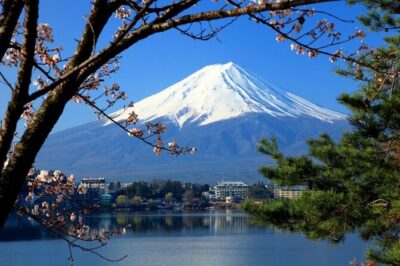 ★ 5.0Mt Fuji and Hakone 1-Day Bus Tour Return by Bullet TrainFrom $163
 ★ 5.01-Day Tokyo Bus TourFrom $129
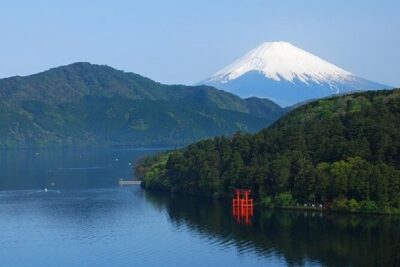 ★ 4.0Mt Fuji & Hakone Cruise, Drum Show Bullet Train 1 Day from TokyoFrom $149
 ★ 4.5Tokyo: DisneySea 1-Day PassportFrom $571 day
 ★ 4.6Tokyo Disneyland 1-Day PassportFrom $571 day
 ★ 4.2Tokyo: Mt. Fuji 5th Station & Hakone Cruise 1-Day Bus TourFrom $12911 hours