
Reviewed · SHINJUKU TOURS
Kabukicho, Shinjuku: experiencing Japanese Host Club
Kabukicho’s host clubs offer a look at a side of Tokyo that most sightseeing tours skip. At No.9 by ACQUA, you meet hosts, chat over drinks, play games, and get help from staff in English, Chinese, or Korean. It is less a guided tour than a short, social visit to a real nightlife venue.
I like the easy one-hour format and the chance to see how anime-inspired host culture connects with modern Japanese entertainment. I also like the multilingual support, especially when a host does not speak much English and a staff member or translation app helps keep the conversation moving.
The main catch is the price. The advertised $12 reservation fee does not cover the club’s required cover charge and drink fee, which usually total about 10,000 yen per person for one hour if you enter before 21:30. You need to understand that cost before you go.
In This Review
- Key points to know before you go
- What a Japanese host club actually offers
- Finding No.9 by ACQUA in Kabukicho
- Inside the one-hour visit
- Drinks, charges, and the real cost
- Why the anime connection is worth noticing
- Language support and the social side
- Choosing the 20:00 or 21:30 slot
- Who will enjoy this, and who may not
- Practical ways to make the night better
- Should you book No.9 by ACQUA?
- FAQ
- Where does the experience meet?
- What are the meeting point coordinates?
- How long does the experience last?
- What start times are available?
- Which languages are supported?
- Is this a private group experience?
- What does the $12 price include?
- What additional costs should I expect?
- Do I need to bring my passport?
- Can I cancel for a full refund?
Key points to know before you go
- This is a real host-club visit, not a stage show: You spend time talking, playing games, and sharing drinks with hosts.
- Ryuki has helped with translation: He has translated for English-speaking visitors and helped explain what was happening.
- The extra 10,000 yen matters: The low booking price covers the reservation and translation service, not the club’s basic charge and drinks.
- You meet at a basement vending machine: Find the Gofuku Building, go downstairs to B1, and wait in front of the vending machine.
- You can choose 20:00 or 21:30: The standard visit lasts one hour, with longer stays available for an added price.
- Bring your actual passport: A copy is not accepted, and guests must be at least 20 years old.
What a Japanese host club actually offers
A host club is built around personal attention, conversation, drinks, and entertainment. Hosts are paid to spend time with customers, help them feel welcome, and keep the evening moving. That makes this experience quite different from a bar visit, where you usually order a drink and make your own conversation.
At No.9 by ACQUA, the point is to see this social world from inside the venue. You can speak with the hosts, join games, and watch the room’s style of interaction. Hosts are often presented through polished fashion, charm, and themes familiar from Japanese anime and television drama.
You should not expect a museum-style explanation of the culture. The learning comes from being there and noticing how the hosts introduce themselves, how conversation works, and how drinks and attention shape the evening. The staff can help explain things, but this is still a nightlife experience first.
That distinction matters. If you want a quiet lecture about Japanese society, this will feel loose and unpredictable. If you want a direct look at a modern Japanese subculture, the format gives you something a standard sightseeing stop cannot.
A few more Tokyo tours and experiences worth a look

Finding No.9 by ACQUA in Kabukicho
The meeting point is the Gofuku Building at 2-26-3 Kabukicho, Shinjuku, Tokyo 160-0021. Your destination is below street level, so look for the stairs going downstairs and continue to B1.
Wait in front of the vending machine. The coordinates are 35.6954555, 139.7030197, which can help if the surrounding Kabukicho streets feel confusing at night.
The basement meeting point is a small detail, but it is worth taking seriously. Kabukicho has many signs, buildings, entrances, and nightlife businesses packed close together. Save the address and map pin before you leave your hotel, then allow enough time to locate the correct building.
The host or greeter is expected to meet you there. Staff support is available in English, Mandarin, and Korean. One especially useful example is Ryuki, who has helped translate between English-speaking visitors and the hosts. His role can make the first few minutes less awkward, particularly if the hosts have limited English.
One booking problem has also been reported, when a guide did not answer messages or appear at the meeting point. That appears to be an isolated bad outcome among otherwise positive feedback, but I would still keep your confirmation details handy and contact the provider before setting out.
Inside the one-hour visit
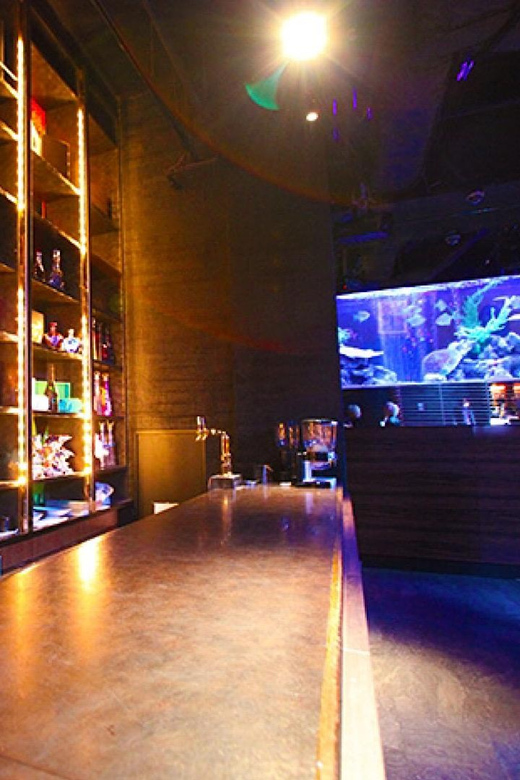
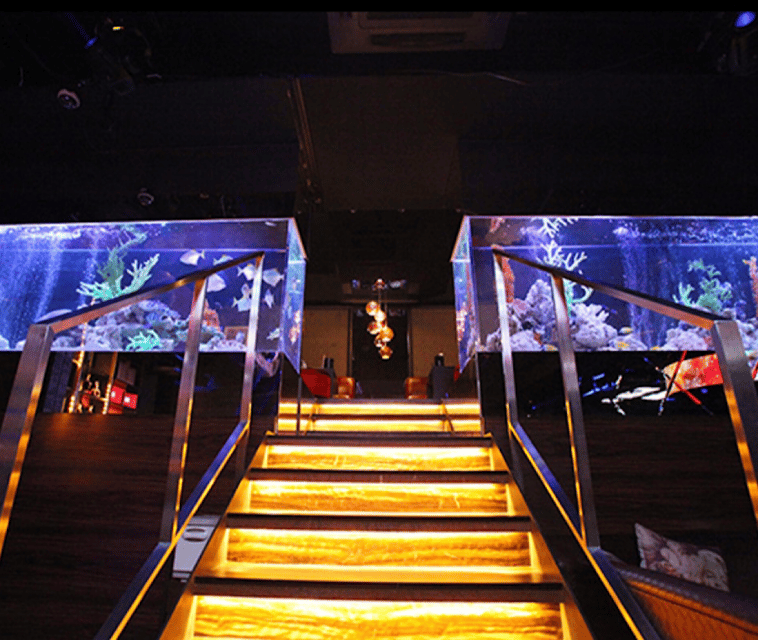
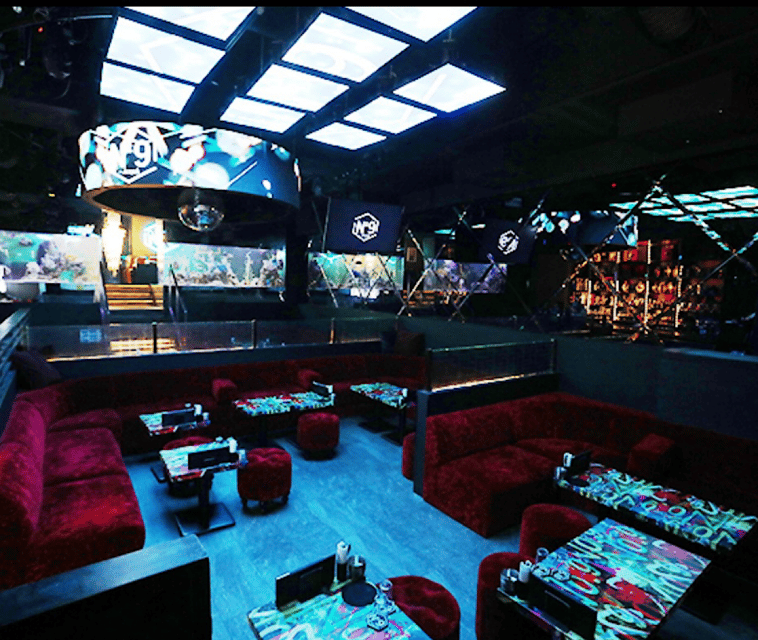
Once you arrive, staff guide you into the club and explain the basics. The venue is described as opulent, with the polished look you would expect from a place designed around presentation and personal service.
The visit begins with introductions and conversation. You may speak with one or more hosts, ask questions, and learn about their work and interests. The multilingual setup helps, but it does not mean every host speaks fluent English, Chinese, or Korean. Some communication may happen through a translation app or through the guide.
That can actually make the experience feel more like a cultural exchange than a scripted performance. You might have a smooth conversation with an English-speaking host, then rely on gestures, short phrases, or translation support with someone else. Keep your expectations flexible and do not treat a language gap as a failure of the experience.
Games are also part of the visit. The supplied details do not specify which games you will play, so you should expect casual group entertainment rather than a fixed program. The room’s energy comes from the people present, the hosts’ personalities, and the style of the evening.
The one-hour limit gives you a useful first look without requiring a full night out. It also helps control the bill. If you decide to stay longer, you can choose additional time at an extra price, but ask for the cost before extending.
Drinks, charges, and the real cost
The drink selection includes Japanese shochu mixed with soft drinks, beer, highballs, and fruit sours. That gives you a few familiar choices along with a taste of a common Japanese spirit.
Champagne and a champagne call are optional. A champagne call is a more theatrical club moment linked to a premium bottle purchase, so you should not feel that it is part of the basic visit. If you are curious, ask what it costs before agreeing.
The most important budgeting point is the difference between the booking fee and the club bill. The experience costs $12 per person for the reservation and translation service, but the required cover charge and drink fee are separate. The cheapest stated amount is usually 10,000 yen per person for one hour when entering before 21:30.
If you pay by credit card, a 10 percent tax is added. Bring enough cash if you want the simplest payment process, and keep track of what you order. One person extended a visit to two hours and spent 22,000 yen, which shows how quickly the total can rise once you add time and club charges.
I see the value here as access and explanation, not cheap entertainment. For roughly the cost of an ordinary drink plus the added club charge, you get a structured introduction to a nightlife custom that can otherwise be hard to approach. But the experience is not a bargain if you arrive expecting the $12 price to cover the evening.
Why the anime connection is worth noticing
Japanese host culture often appears in anime and television drama, usually through handsome, stylish characters who work in an elegant club and build strong personal connections with customers. Seeing an actual club gives that familiar fictional image more context.
The visit does not turn fiction into fact, and you should not expect hosts to perform anime characters. Still, the connection can help you understand why host clubs are so recognizable in Japanese popular culture. The careful presentation, the emphasis on charm, and the focus on individual personalities all fit themes that appear often in entertainment.
One especially fun detail is that several hosts knew Naruto when an English-speaking visitor went. That sort of shared pop-culture reference can give you an easy opening line. If you know Japanese anime, bring up a favorite title and see where the conversation goes.
The bigger lesson is that host clubs are leisure businesses for people willing to spend heavily on company and attention. The experience offers a glimpse of that spending culture, but one hour does not explain the whole industry. Think of it as an introduction, not a complete social study.



Language support and the social side
Language support is one of the strongest reasons to book this particular experience. English, Mandarin, and Korean are available through the guide or staff, and translation tools may help when direct conversation is difficult.
You should still expect some uneven communication. A host may speak only basic English, while another may manage a longer conversation. That variety is normal for a venue with several hosts, and the guide can step in when needed.
The social setting may feel intimidating at first, especially if you have never visited a host club. The available feedback describes guests being welcomed quickly, and one nervous visitor felt comfortable soon after entering. That does not guarantee the same mood on every night, but the format is designed to help new customers settle in.
You can also ask for help with practical matters. One guest wanted to stay longer than an hour but needed to catch the last train. The guide set an alarm and gave directions. This is useful support in Shinjuku, where it is easy to lose track of time once the evening gets going.
Choosing the 20:00 or 21:30 slot
You can choose a start time of 20:00 or 21:30. The earlier option is the safer choice if you want the lowest stated club charge, since the cheapest one-hour price applies when you enter before 21:30.
The 20:00 slot also leaves more room to continue your night elsewhere. You can finish at 21:00, understand the area better, and still have time for dinner, a bar, or the train.
The 21:30 option may fit better if you are already having dinner or visiting another part of Shinjuku. But you should check the final cost carefully, since the stated cheapest charge applies before 21:30. Do not assume the two time choices have identical pricing.
The standard plan lasts one hour. You may choose a longer or free-time stay at the club, but extra charges apply. Set a personal time and spending limit before you enter, especially if you have a late train or a fixed evening budget.
Who will enjoy this, and who may not
I would recommend this to adults who are curious about Japanese nightlife, anime-linked subculture, and the social mechanics of host clubs. It suits solo visitors, couples, and private groups who want an unusual evening activity rather than another shrine, observation deck, or food stop.
It is also a good match if you feel unsure about entering alone. The private-group format and multilingual support give you a clearer starting point than simply walking into a club without knowing the rules.
You may not enjoy it if you dislike sales pressure, personal attention, alcohol-centered entertainment, or unclear social boundaries. The visit is not a passive show. Hosts will talk with you, and you need to be comfortable engaging with them.
The experience is not suitable for anyone under 20 or for pregnant women. You must bring your passport, not a photocopy, so plan around that requirement rather than leaving your passport locked away at the hotel.
Practical ways to make the night better
Read the included and excluded costs before booking. The reservation fee is only one part of the bill, and the cover charge plus drink fee is usually about 10,000 yen per person for the first hour.
Bring cash, even though credit card payment is possible. A 10 percent tax applies to credit card payments, and cash makes it easier to follow your spending.
Use the guide. Ask for help with translation, drink prices, extra time, or the last train. Ryuki has been particularly helpful in that role, but staff availability can vary by date.
If you do not want champagne, say so clearly. Champagne and the champagne call are optional, and you should know the price before accepting any premium drink.
Keep the first visit to one hour unless you have checked your budget and train schedule. The short format gives you a useful taste of the club without turning the evening into an open-ended bill.
Free cancellation is available up to 24 hours before the start for a full refund. You can also reserve now and pay later, which helps if your Tokyo schedule is still changing.
Should you book No.9 by ACQUA?
Book it if you want a candid, guided look at host-club culture and accept that the main cost is closer to 10,000 yen than $12. The friendly staff, language help, games, drink choices, and chance to speak with hosts make this a practical first visit to Kabukicho’s host scene.
I would choose the 20:00 slot, bring cash, carry your passport, and set a firm spending limit. I would also confirm the meeting details before leaving and avoid adding extra time unless you know the price.
Skip it if you want a low-cost night out or a quiet cultural tour. But if your interest is genuine and you approach it as a one-hour look at Japanese nightlife rather than a cheap bar experience, it offers a memorable and unusual side of Shinjuku.
FAQ
Where does the experience meet?
Meet at the Gofuku Building, 2-26-3 Kabukicho, Shinjuku District, Tokyo 160-0021. Go downstairs to B1 and wait in front of the vending machine.
What are the meeting point coordinates?
The coordinates are 35.69545549999999, 139.7030197.
How long does the experience last?
The standard plan lasts one hour. You can stay longer with an additional charge.
What start times are available?
You can choose a 20:00 or 21:30 time slot, subject to availability.
Which languages are supported?
Support is available in English, Mandarin, and Korean.
Is this a private group experience?
Yes. The group type is listed as a private group.
What does the $12 price include?
It includes the reservation fee and translation service in English, Mandarin, and Korean.
What additional costs should I expect?
The cover charge and drink fee are not included. They usually cost about 10,000 yen per person for one hour at the cheapest rate when entering before 21:30. Champagne and a champagne call cost extra.
Do I need to bring my passport?
Yes. You must bring your passport, and copies are not accepted. A passport or ID card is required.
Can I cancel for a full refund?
Yes. You can cancel up to 24 hours in advance for a full refund.
More Shinjuku Tours in Tokyo

More tours in Tokyo we've reviewed





Shinjuku Tours, compared.
 ★ 5.0Tokyo: Shinjuku Food Tour (13 Dishes at 4 Local Eateries)From $86
 ★ 5.0Tokyo Bar Hopping Tour in Shinjuku (All-You-Can-Drink + Dinner)From $106
 ★ 4.9Tokyo: Shinjuku Food Tour (15 Dishes and 4 Eateries)From $853 hours
 ★ 5.0Best of Shinjuku: Izakaya Food Tour (4 Stops, 14+ Tastings)From $92
 ★ 4.9Tokyo: Shinjuku Local Bar and Izakaya Guided Walking TourFrom $343 hours
 ★ 5.0Tokyo Shinjuku Chopsticks Making ClassFrom $20