
Reviewed · WORKSHOPS
Tokyo: Mochi-Making Class in a Private Studio
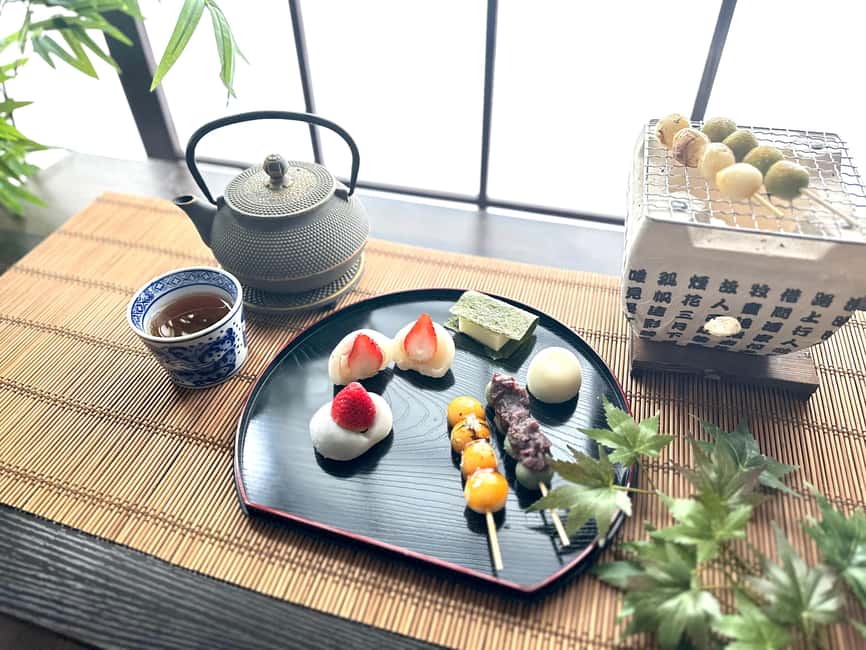
Mochi is far more fun when you make it yourself. In this two-hour Tokyo class, you touch, shape, and taste five kinds of the beloved Japanese treat, with the cultural background explained along the way.
I like the small maximum of eight people, which gives you room to ask questions and get help with each recipe. I also like the useful souvenir: a downloadable recipe that lets you repeat the class at home. The main consideration is access, since transportation is not included and the studio is not suitable for wheelchair users.
In This Review
- Key points to know before you book
- Making five kinds of mochi in two hours
- Why the cultural lesson matters
- The small-group advantage
- Tasting your work with green tea
- What the $82 price gives you
- Finding the private studio
- A good Tokyo activity for families
- Dietary and practical details
- The instructors add the personal touch
- Who should book this class
- Should you book the mochi-making class?
- FAQ
- How long does the mochi-making class last?
- How many kinds of mochi dishes will I make?
- Is the experience offered in English?
- Can children join the class?
- Is the class suitable for gluten-free or non-dairy diets?
- Is transportation to the studio included?
Key points to know before you book
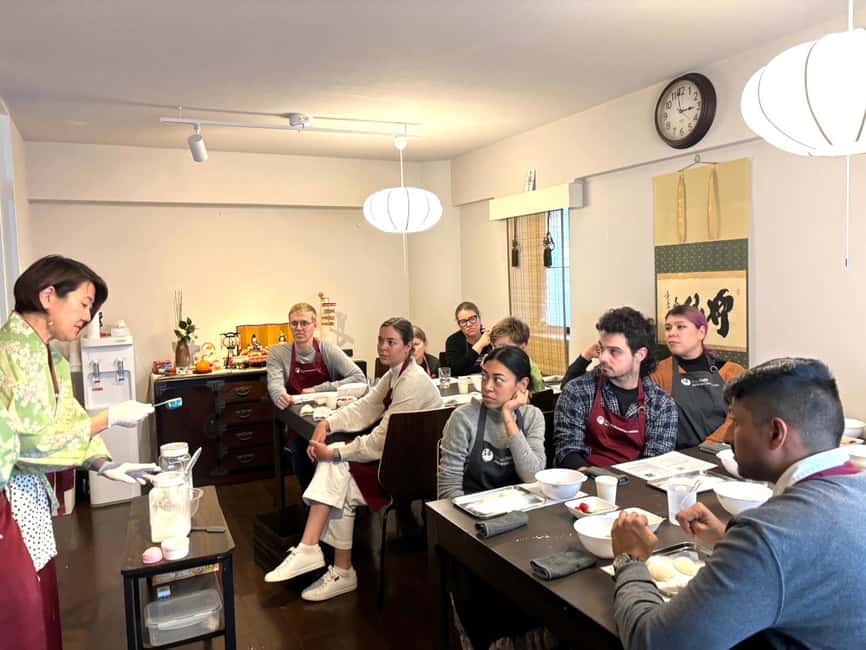
- Five dishes from scratch: You do more than watch a demonstration, you prepare and shape several types of mochi.
- A private studio setting: With no more than eight participants, the class has a personal, social feel.
- Several named instructors: Sessions may be led in English or Japanese by instructors including Owa, Kiyoko, Ayumi, or Michiko.
- Green tea with your creations: Finish with hot or cold green tea alongside the mochi you made.
- Useful for families: Children can join from age 4, making this a good shared activity for families with young children.
- Dietary details are clear: The experience is gluten-free, and a non-dairy option is available.
Making five kinds of mochi in two hours
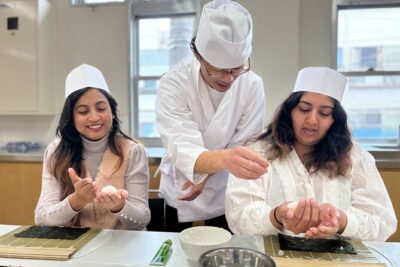
The appeal here is simple: you do not just eat mochi from a shop, you learn how it comes together. The class is built around hands-on work, so you can expect to touch the dough and shape it into different desserts rather than sit through a long talk.
The full session lasts two hours. That is enough time to cover several preparations without turning the class into an all-day commitment. You can fit it into a Tokyo sightseeing day, though you should leave a little breathing room around it so you are not rushing in or out.
The exact order of the recipes is not specified, but the class includes five kinds of mochi dishes made from scratch. That variety is a real part of the value. You get to see how one central ingredient can become several different sweets, with changes in shape and preparation giving each dish its own character.
This is also a good format for beginners. The course is designed to be highly interactive and can be enjoyed by any age from four upward. You do not need to arrive with prior cooking experience, and the instructors explain the process step by step.
Other private tours in Tokyo



Why the cultural lesson matters
Mochi is treated here as more than a sweet snack. The instructor explains its cultural significance in Japan, giving you a better sense of why it matters beyond its chewy texture and attractive appearance.
I like this part because it gives the cooking a clear purpose. You are not simply making five colorful desserts for a photo. You are learning why mochi is such a familiar and meaningful part of Japanese food culture, then connecting that explanation to the food in front of you.
The class also leaves space for conversation. A session with Michiko, for example, included a discussion of the history and cultural meaning of mochi, along with time to hear why people had come to Japan. That personal touch can make a small class feel warmer than a standard cooking demonstration.
Owa has also shared her calligraphy during a class, adding another Japanese art form to the experience. This is not listed as a formal part of every session, so you should not book expecting a calligraphy lesson. Still, it shows the kind of personal detail an instructor may bring to the room.
The small-group advantage
The class limits attendance to eight people. That number matters. You have a better chance of seeing each stage clearly, asking for help, and getting enough attention while shaping the mochi.
A larger cooking class can make hands-on work feel like a race to keep up. Here, the smaller setting should make it easier to pause when you need clarification, especially if you are working with children or cooking in an unfamiliar style.
The language options are English and Japanese. If you need clear guidance in English, the instructors named in the session feedback include Owa, Kiyoko, Ayumi, and Michiko. The experience may be hosted by different instructors, so the name shown for your booking is the useful detail to check.
The atmosphere is meant to be social rather than formal. You work alongside the other participants, share the process, and then sit down to taste the finished food. That makes this a good choice if you want an activity that encourages conversation instead of sending you through a room with headphones and a fixed script.
Tasting your work with green tea
At the end, you taste the mochi with a cup of hot or cold green tea. This closing tasting gives the class a proper finish and lets you judge the results while the process is still fresh.
You can choose hot or cold tea, which is a small but welcome touch. It also helps balance the sweetness of the desserts. The tasting is not an extra stop at a café, so the food you sample is tied directly to the work you did in the studio.
Strawberries may be used in the recipes, but another fruit will be substituted if strawberries are unavailable. If you have your heart set on a particular fruit, keep this point in mind. The class promises five mochi dishes, not a guaranteed strawberry menu.
The photo-taking session is included. It gives you a chance to record the finished dishes and the occasion without needing to organize a separate photo stop. Since you are making the food yourself, the pictures have more meaning than a quick snapshot of a packaged dessert.
What the $82 price gives you
At $82 per person, this is not the cheapest way to taste mochi in Tokyo. You can buy sweets for far less. The question is what you want from the outing.
The price covers a two-hour class, instruction, five mochi dishes, green tea, a photo session, and downloadable recipes. You are paying for the teaching and the chance to make the food, not only for the ingredients. For someone interested in Japanese food culture, that makes the cost easier to justify.
I see the strongest value in the combination of personal instruction and repeat value. You leave with more than a full stomach. The recipe download gives you a way to recreate the experience after your Japan trip, though you should remember that your home results may vary depending on your ingredients and equipment.
The class also works well when you want one memorable activity rather than another sightseeing stop. It is a focused two hours, and the small group can make it feel more personal than a standard tourist attraction.
Still, budget-conscious visitors should weigh the price carefully. If you mainly want to sample mochi, a shop or market will cost less. Book this class when you want to learn, cook, and understand the food, not simply eat it.
A few more Tokyo tours and experiences worth a look


Finding the private studio
You need to make your own way to the venue because transportation is not included. The meeting point is in a building to the right of a Family Mart convenience store, with a drug store and hair salon on the ground floor.
At the building, go up the stairs or use the ramp in front of the sign. At the entrance, press 303 followed by the enter button on the bottom to get inside.
These instructions are specific, but first-time visitors should still allow time to locate the building. The convenience store and the businesses on the ground floor are useful visual markers. Save the entry instructions before leaving your hotel, since you will need the access code at the door.
The stairs and ramp make the entrance clearer for many visitors, but the activity is not suitable for wheelchair users. If mobility is a concern, this is an important limitation to consider before paying.
Smoking is not allowed during the experience.
A good Tokyo activity for families
Children can enter from age 4, so this is one of the more accessible food activities for families with younger children. The tactile nature of mochi-making gives children something active to do, rather than asking them to sit quietly through a long cultural lecture.
Parents should still expect a real cooking class. Young children may need help with shaping and following instructions, and the two-hour length may feel long for some four-year-olds. The small group helps, but it does not turn the class into supervised child care.
For older children and teenagers, the class offers a better balance of food, craft, and culture. They can learn where the treat fits into Japanese life, then make something they can eat. Adults get the same benefit, especially if they enjoy learning through their hands.
Couples and solo visitors can also fit in easily. The class is not designed only for families, and the limited group size makes it easy to meet other people without the activity becoming crowded.
Dietary and practical details
The experience is gluten-free, and a non-dairy option is available. Those details make the class a practical choice for people who need to avoid gluten or dairy, but you should still explain your needs when booking so the instructor can prepare the appropriate option.
The activity uses fruit as part of the mochi dishes, with another fruit used if strawberries are not available. The supplied information does not specify every ingredient in every recipe, so anyone with a serious allergy should confirm the details before attending.
The class is offered in English and Japanese. Since the instructor may vary, check the language listed for your chosen session if English instruction is important to you.
You can cancel up to 24 hours in advance for a full refund, and the reserve-now, pay-later option lets you keep your plans flexible. Those policies reduce the risk of booking early, especially when your Tokyo schedule includes several fixed activities.
The instructors add the personal touch
The named instructors bring different details to the class. Owa is noted for clear explanations in English and for her calligraphy. Kiyoko is described as friendly and skilled at teaching the mochi recipes. Ayumi has led sessions focused on both the food and Japanese culture.
Michiko’s approach included a broader introduction to mochi and time to learn about the people in the room. That kind of attention matters in a small class because it turns a recipe lesson into a shared experience.
You should not assume that one particular instructor will lead every session. The names come from individual classes, and the provider is Simply Oishii Wagashi School. What you can reasonably expect is an English or Japanese instructor guiding you through the recipes and explaining the cultural background.
The strongest pattern is clear instruction and a welcoming tone. That is especially useful if you are nervous about shaping mochi for the first time or if you are traveling with a mixed-age group.
Who should book this class
I would recommend it to you if you meet one or more of these conditions:
- You want a hands-on food activity instead of a passive tasting.
- You are curious about Japanese sweets and their cultural role.
- You are traveling with children age 4 or older.
- You prefer a small class where you can ask questions.
- You want a recipe souvenir you can use at home.
- You need a gluten-free experience or a non-dairy option.
I would think twice if you only want a quick snack, have a tight schedule with no room for a two-hour class, or cannot manage stairs and a ramp-based entrance. The price is also easier to defend for people who value instruction and cultural context than for anyone focused only on food quantity.
The perfect timing depends on your day. A class can give you a welcome change from temples, shops, and city streets, but remember to plan your own route to the studio. Since transportation is not included, check the location and entry details before setting off.
Should you book the mochi-making class?
Yes, if you want to understand mochi by making it. The combination of five dishes, green tea, a small group, named instructors, and a recipe download gives the experience more substance than a simple dessert tasting.
The biggest strengths are the clear step-by-step teaching and the personal feel of a class limited to eight people. The main drawbacks are the $82 price, the need to arrange your own transportation, and the lack of wheelchair suitability.
For families, food lovers, and visitors who want one practical cultural activity in Tokyo, this is a strong choice. Book it when you want to leave Japan with a skill, a recipe, and a better sense of why mochi matters.
FAQ
How long does the mochi-making class last?
The class lasts two hours.
How many kinds of mochi dishes will I make?
You will make and taste five kinds of mochi dishes from scratch.
Is the experience offered in English?
Yes. The class is available in English and Japanese.
Can children join the class?
Children can enter from age 4. Children under 4 are not permitted to join.
Is the class suitable for gluten-free or non-dairy diets?
The experience is gluten-free, and a non-dairy option is available.
Is transportation to the studio included?
No. You must arrange your own transportation to the venue. The building is to the right of a Family Mart, with a drug store and hair salon on the ground floor.
More Workshops & Classes in Tokyo
More Private Tours in Tokyo


More tours in Tokyo we've reviewed











Workshops, compared.
 ★ 5.0Sushi Making Tokyo Roll and Authentic Japanese Sushi ClassFrom $59
 ★ 4.9Tokyo: Roll and Authentic Sushi Making Class in AsakusaFrom $581h 40m
 ★ 5.0Tokyo Shinjuku Chopsticks Making ClassFrom $20
 ★ 4.9Tokyo: Sushi Making Class in a Happi Coat near a Famous SpotFrom $421h 30m
 ★ 4.8Chopstick Making Workshop in GinzaFrom $251 hour
 ★ 5.0Tokyo Sushi Making Class in Tsukiji with Professional ChefFrom $49