
Reviewed · MT FUJI DAY TRIPS
From Tokyo: Mount Fuji Full Day Private Tour (Customizable)
Mount Fuji is the star, but the best feature of this private 11-hour tour is control. You can focus on Fuji viewpoints, add a boat or ropeway ride at Lake Kawaguchi, or continue toward Hakone if roads and weather allow. Drivers such as Waqas Ahmad and Sarfraz have been praised for finding good photo stops when Fuji is partly hidden.
I like the door-to-door pickup, private air-conditioned vehicle, onboard Wi-Fi, and simple comforts such as tea, coffee, and bottled water. I also like the extra hour of service if traffic causes delays. The main drawback is the sheer size of the route: trying to fit Fuji, Lake Kawaguchi, Hakone, and Gotemba into one day can mean short visits and a long ride.
In This Review
- Key points before you book
- Why a private Fuji day can work better than the train
- Arakurayama Sengen Park and Chureito Pagoda
- Mount Fuji 5th Station at higher elevation
- Lake Kawaguchi gives you choices
- Oshino Hakkai and the traditional village setting
- Lunch is short and optional
- Oishi Park and the seasonal view
- Kitaguchi-Hongu Fuji Sengen Shrine
- Adding Hakone: useful, but ambitious
- Gotemba Premium Outlets for shopping
- The real advantage is handling bad weather and traffic
- Comfort, accessibility, and what to bring
- Should you book this Mount Fuji tour?
- FAQ
- How long does the private Mount Fuji tour last?
- How many people can join the private tour?
- Where is pickup available?
- Are meals and attraction tickets included?
- Can I add Hakone to the day?
- Is the tour suitable for people with mobility concerns?
Key points before you book
- Private group of up to six: You do not share the vehicle with strangers, and the day can be adjusted around your interests.
- Seven main Fuji-area stops: Arakurayama Sengen Park, Chureito Pagoda, the 5th Station, Lake Kawaguchi, Oshino Hakkai, Oishi Park, and Kitaguchi-Hongu Fuji Sengen Shrine form the core route.
- Hakone is an optional extension: You can request Lake Ashi, Hakone Shrine, Owakudani Valley, the Hakone Ropeway, or the Hakone Open Air Museum.
- Comfort is built into the drive: Fuel, tolls, parking, hotel pickup, drinks, Wi-Fi, and photography help are included.
- Weather matters: Fuji can vanish behind cloud, so a flexible driver and alternate viewpoints are especially useful.
- Not a budget sightseeing bus: At $353 per group, the value improves sharply when six people share the cost.
Why a private Fuji day can work better than the train
From Tokyo, Mount Fuji is close enough to visit but far enough away to make the day tiring. You have several separate sights spread around the mountain, and public transport adds transfers, queues, and fixed departure times. A private car lets you move directly from your accommodation to the first stop and finish with drop-off anywhere in Tokyo.
The price is $353 for up to six people, not per person. At full capacity, that is about $59 per person before any attraction fees or food. For two people, the cost is much higher per head, but the private vehicle and flexible route may still make sense if you value convenience.
The vehicle choice also gives you a useful comfort decision. A Toyota Vellfire suits a group wanting a roomy, polished ride. A Crown offers a more traditional car feel, while a Land Cruiser may appeal to anyone who prefers a larger vehicle. The exact vehicle should be confirmed when booking.
Your driver speaks English, Japanese, Urdu, Hindi, and Punjabi. The main role is chauffeur and route helper rather than a formal museum-style guide, but the service includes help with timing, photos, and basic sightseeing information. Past bookings specifically praised Waqas Ahmad for his humor and care, and Sarfraz for choosing strong photo locations and explaining the places visited.
A few more Tokyo tours and experiences worth a look
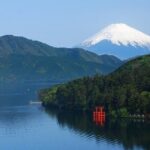
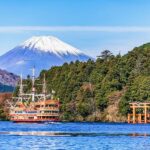
Arakurayama Sengen Park and Chureito Pagoda
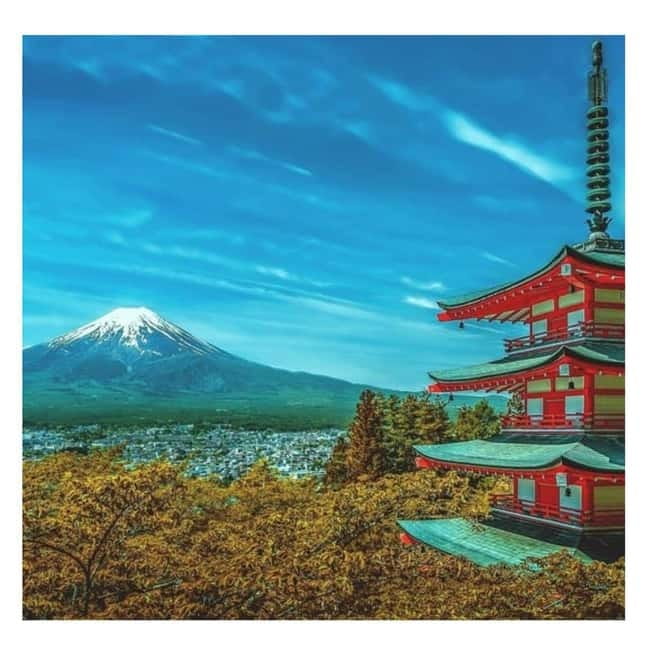
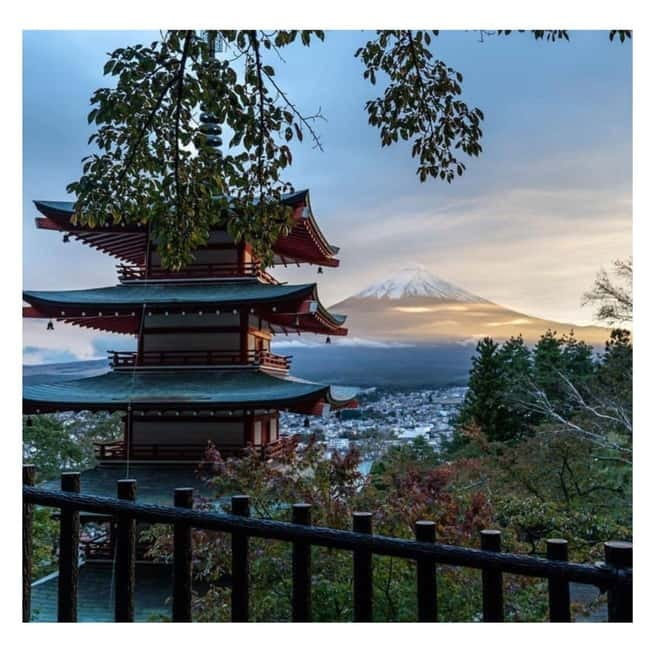
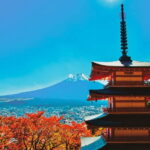
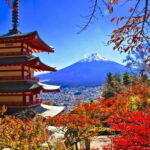
Arakurayama Sengen Park is often the first major stop, with about 40 minutes for a walk, photos, and a safety briefing. The park is famous for the view pairing Mount Fuji with the red-and-white Chureito Pagoda.
The pagoda itself requires a walk and stairs. That matters if you have limited mobility, though the operator asks you to share accessibility needs in advance so arrangements can be considered. Wear comfortable shoes, especially if this is your first stop after a long pickup from Tokyo.
The view depends heavily on cloud cover. On a clear morning, this is one of the most recognizable Fuji pictures in Japan. On a cloudy day, the pagoda still provides a worthwhile cultural setting, but the mountain may be hidden. Do not judge the whole day by this first view.
The 40-minute timing is enough for a focused visit, not a slow park stroll. If photography is your priority, tell the driver early. Help with photos and video is included, which is useful when your whole group wants to appear in the picture.
Mount Fuji 5th Station at higher elevation
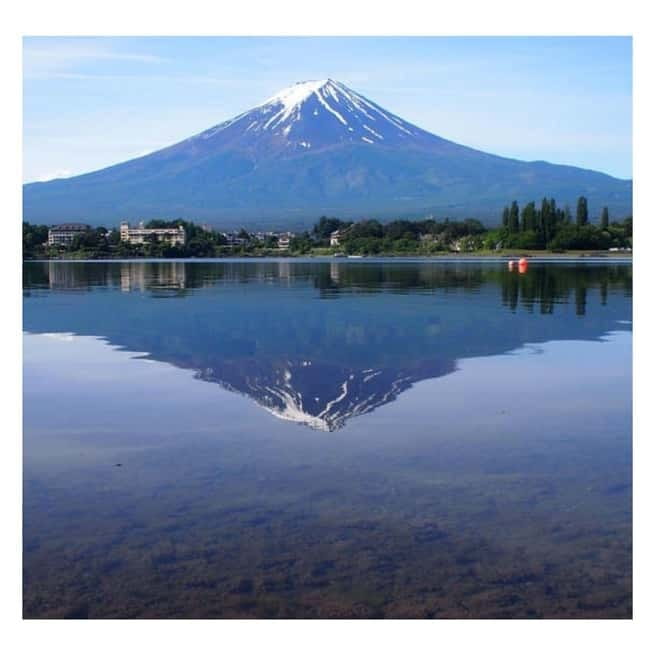
The drive to Mount Fuji 5th Station gives you a different perspective from the lakeside views. At roughly the mountain’s halfway point, the station is a popular stopping place for broad views, souvenir shopping, and a short walk.
The scheduled visit lasts about one hour. That gives you time to look around and take photos without turning the trip into a climb. This is a viewpoint stop, not an ascent of Mount Fuji, so bring warm clothing even in summer. The temperature can feel noticeably cooler than in Tokyo.
Altitude is a real consideration here. The experience is not suitable for people with altitude sickness. If you are sensitive to height or feel unwell, tell the driver and do not push yourself for a photograph.
Access to the 5th Station can be affected by weather and road conditions. The tour includes a rescheduling option for severe weather or unexpected incidents, but you should still expect the day’s views to change. A private driver is useful because the route can be adjusted instead of forcing you to wait at one fixed point.
Lake Kawaguchi gives you choices
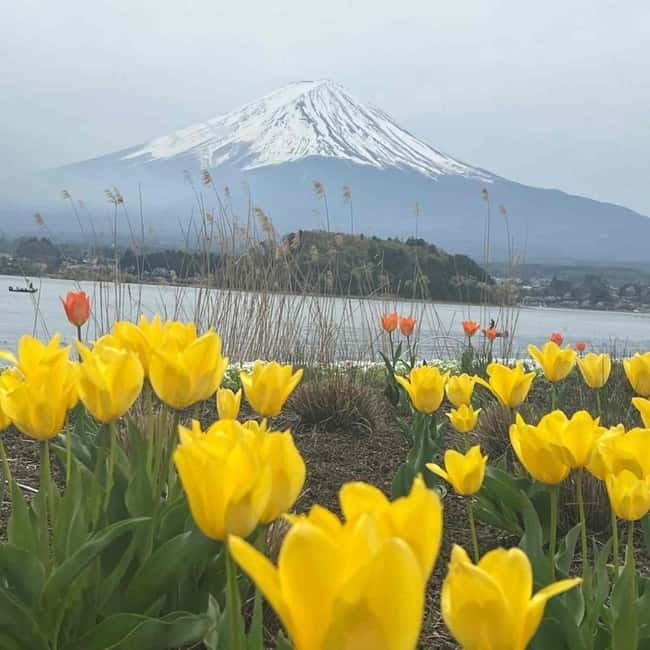
Lake Kawaguchi is the most flexible part of the day. You have about an hour for sightseeing, with optional ways to experience the lake:
- A speedboat ride for a short, energetic outing
- A ropeway ride for higher views
- A cruise boat for a slower trip across the water
These activities are optional and attraction fees are not included, so ask about current prices and timing before choosing. You may not have enough time for all three. Pick the one that best matches your group rather than trying to collect every ticket.
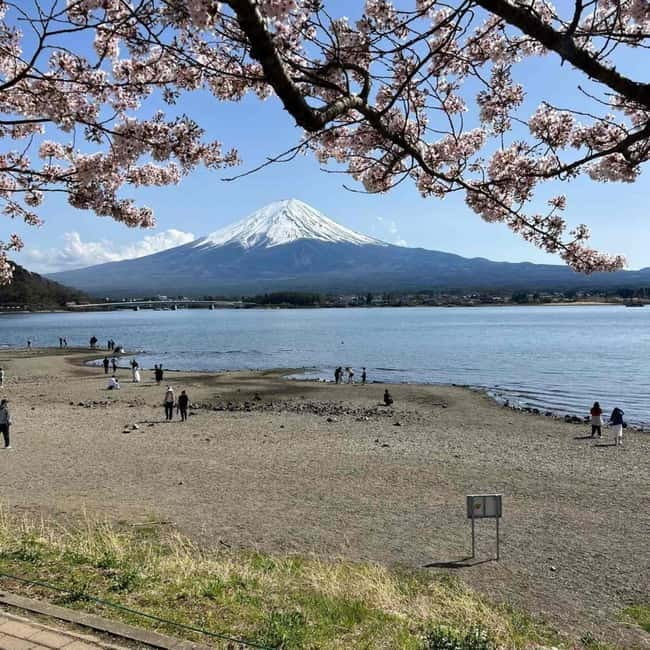
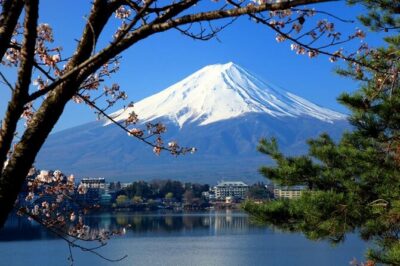
The lake is also a useful pause after the more photo-focused stops. You can take in the water, Fuji, and nearby scenery without climbing a steep path. If the mountain is covered, the lakeside visit still gives you a calmer change of pace.
Oshino Hakkai and the traditional village setting
Oshino Hakkai is planned as a one-hour visit. This traditional village area is known for clear spring water, old-style buildings, small food stalls, and views toward Mount Fuji when the sky cooperates.
This stop adds cultural texture to a day that could otherwise become a string of viewpoints. You can walk, take pictures, and sample local snacks if you wish, though food is your own expense. The village is compact enough to visit without needing a long hike.
Keep your expectations practical. Oshino Hakkai is a popular stop, so it can feel busier than a remote rural village. Still, its water features and traditional appearance make it a useful contrast to Lake Kawaguchi and the mountain station.
Other private tours in Tokyo


Lunch is short and optional
The planned restaurant stop lasts only 30 minutes. Vegetarian and child-friendly choices are available, but meals are not included in the tour price.
Thirty minutes is enough for a straightforward meal, not an unhurried Japanese dining experience. If lunch matters to you, discuss the timing with your driver before the day begins. A private tour gives you more say than a fixed group itinerary, but the day already contains many stops and substantial driving.
Families should plan carefully here. Children may appreciate a quick meal and drinks in the vehicle, while adults seeking a relaxed local restaurant experience may want to trade one photo stop for more lunch time.
Oishi Park and the seasonal view
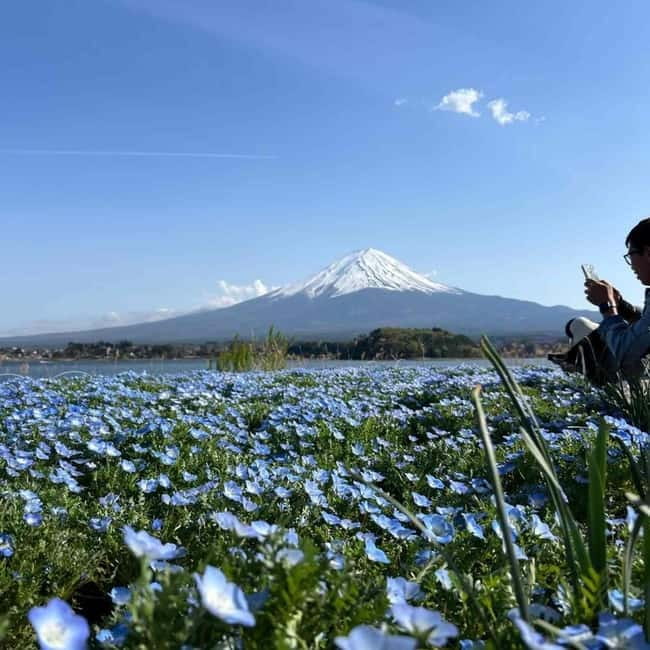
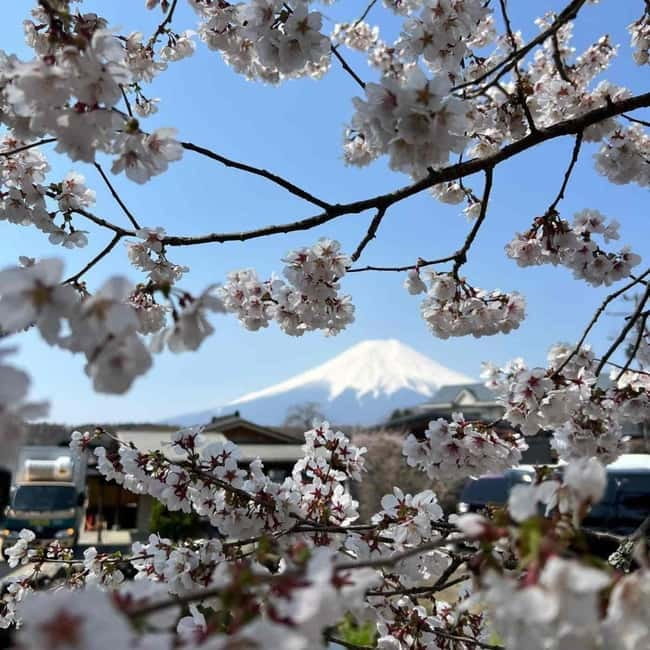
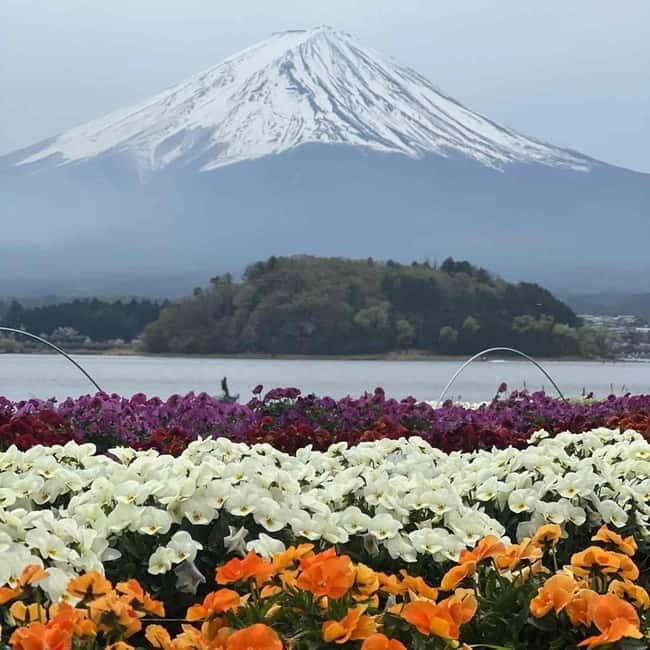
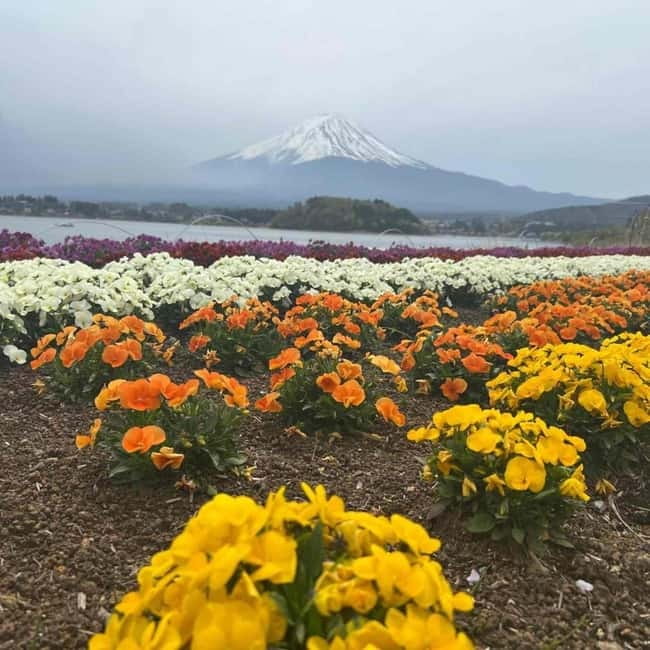
Oishi Park allows about 40 minutes for photos, a walk, and a possible ice cream stop. Its appeal changes with the season, since flower displays can add color to the view toward Fuji.
This is a good place for a lighter stop after Oshino Hakkai. You can stretch your legs, take pictures, and get something cold before continuing. The ice cream is not included, but it can be a welcome small treat during a long day.
The park is best treated as a flexible stop. If Fuji is hidden and your group is more interested in shrines or Hakone, this may be one of the places to shorten. If flowers are in season, you may prefer to keep the full time.
Kitaguchi-Hongu Fuji Sengen Shrine
Kitaguchi-Hongu Fuji Sengen Shrine provides the day’s strongest spiritual setting. You have about 40 minutes for walking, sightseeing, photographs, and some shopping.
The shrine is connected to the traditional worship of Mount Fuji. Its wooded grounds and religious architecture offer a quieter counterpoint to the busy photo stops. You do not need special knowledge to enjoy it, but modest behavior is appropriate in any active place of worship.
This stop also helps explain why Fuji is more than a scenic backdrop. The mountain has long carried religious meaning, and a shrine visit gives the day a stronger connection to Japanese culture.
Adding Hakone: useful, but ambitious
Hakone can be added if timing and weather permit. The choices include the Hakone Ropeway, Owakudani Valley, Lake Ashi, Hakone Shrine, and the Hakone Open Air Museum.
Each option changes the character of the day:
- Hakone Ropeway: A transport ride with broad views, though operation can be affected by weather.
- Owakudani Valley: A volcanic area and a distinctive natural stop, best for visitors who want something different from lakes and shrines.
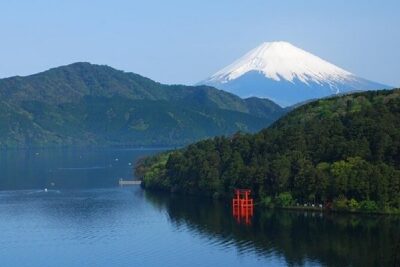
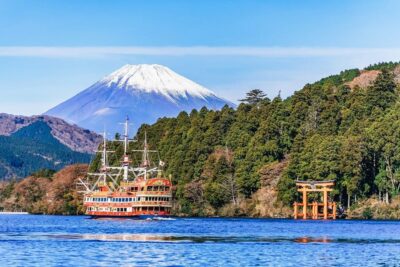
- Lake Ashi: A scenic lake visit that adds another body of water to the route.
- Hakone Shrine: A cultural stop with a recognizable shrine setting.
- Hakone Open Air Museum: A choice for anyone who prefers art and exhibits to another viewpoint.
Here is my practical advice: choose one or two Hakone additions, not all of them, unless you are willing to shorten the Fuji-area stops. The published route lists one hour for each Hakone attraction, and the driving between regions can be lengthy. A day that includes every Fuji stop, all of Hakone, and Gotemba Premium Outlets would be rushed.
Gotemba Premium Outlets for shopping
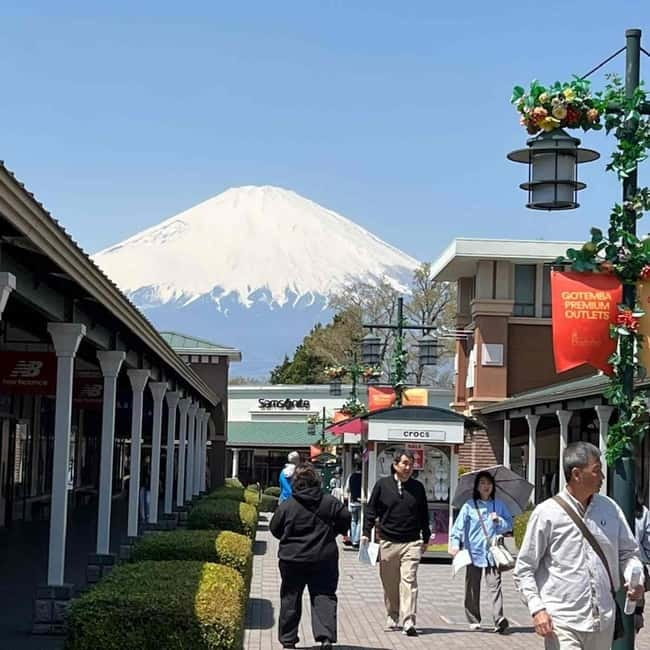
Gotemba Premium Outlets can be added as a one-hour shopping stop. It is a different kind of attraction from the shrine, lake, and village, so include it only if shopping is a genuine priority.
The route information also allows about 1.5 hours by car connected with Gotemba, which shows how much time this option can take. If Fuji views and cultural sights are your main goals, the outlet is an easy candidate to remove. If your group wants brand shopping and a change from sightseeing, it can fill the final part of the day.
Talk through the order with the driver. Weather, traffic, and the mountain’s visibility may make an earlier or later Fuji viewpoint the better choice.
The real advantage is handling bad weather and traffic
Fuji visibility is never guaranteed. One booking took place on a day when the mountain was partly obscured, yet the driver found other locations with good views. That is the best reason to choose a private car: you can shift attention to a lake, shrine, village, or alternate road instead of losing the whole day to one cloudy viewpoint.
Traffic is another issue. The return drive can be slow, especially after a full day outside Tokyo. One driver avoided a long traffic jam by using an inland route through rice fields, with a sunset view of Fuji and deer along the way. That kind of route choice is not promised, but it shows why local road judgment can matter.
If pickup runs late, the service promises to extend the tour at no extra charge. This is helpful, but I would still choose a clear meeting point and arrive at least 10 minutes early. Drivers may wait up to 60 minutes, yet a late start can force choices later in the day.
Comfort, accessibility, and what to bring
Pickup is available from accommodations, including Airbnbs, within Tokyo’s 23 wards and listed areas such as Shibuya, Shinjuku, Shinagawa, Minato, Yokohama, Saitama, Chiba, Kanagawa, and Kawaguchi. Airport and port pickup are not available.
Fuel, parking, tolls, bottled water, tea, coffee, and Wi-Fi are included. Entrance fees and meals are not. The private climate-controlled vehicle is wheelchair accessible, but you should describe your mobility needs in advance because several stops involve walking.
Bring comfortable shoes, warm clothing, a hat, sunscreen, and a camera. The 5th Station can be cold, and weather can change during the day. Smoking, alcohol, drugs, fireworks, and making fires are not allowed.
Free cancellation is available up to 24 hours before departure, and you can reserve now and pay later. In severe weather or an unexpected incident, the tour can be moved to another date.
Should you book this Mount Fuji tour?
Book it if you want a private car, hotel pickup, flexible photo stops, and the freedom to mix Fuji sights with a small amount of Hakone. It is especially well suited to families, couples, and groups of four to six, since the $353 group price becomes more attractive as your party grows.
I would not book it expecting a relaxed visit to every location listed. The route covers a lot of ground, and Hakone should be treated as an add-on rather than an automatic second destination. Tell the driver your top three priorities before departure, then let traffic and weather shape the rest.
For the strongest day, choose Chureito Pagoda, the 5th Station, Lake Kawaguchi, and one cultural stop as your core plan. Add Oshino Hakkai or Oishi Park if time allows. With a flexible attitude, this tour gives you a comfortable and practical way to see Mount Fuji without surrendering the whole day to train schedules.
FAQ
How long does the private Mount Fuji tour last?
The tour lasts approximately 11 hours, including travel time. An additional hour of service may be provided if pickup delays or traffic affect the schedule.
How many people can join the private tour?
The private group price of $353 covers up to six people. No shared group is included.
Where is pickup available?
Pickup is available from accommodations, including Airbnbs, within Tokyo’s 23 wards and listed areas such as Shibuya, Shinjuku, Shinagawa, Minato, Yokohama, Saitama, Chiba, Kanagawa, and Kawaguchi. Airport and port pickup are not available.
Are meals and attraction tickets included?
No. Meals and entrance fees are not included. The tour does include complimentary tea, coffee, bottled water, fuel, parking, tolls, and onboard Wi-Fi.
Can I add Hakone to the day?
Yes. Depending on timing and weather, you can request Hakone attractions such as the Hakone Ropeway, Owakudani Valley, Lake Ashi, Hakone Shrine, or the Hakone Open Air Museum.
Is the tour suitable for people with mobility concerns?
The vehicle is wheelchair accessible, but several stops include walking and some locations may involve stairs. Tell the operator about mobility concerns or special accessibility needs in advance. The tour is not suitable for people with altitude sickness.
More Full-Day in Tokyo
More Private Tours in Tokyo
More Mt Fuji Day Trips in Tokyo
More tours in Tokyo we've reviewed









Mt Fuji Day Trips, compared.
 ★ 5.0Mt Fuji and Hakone 1-Day Bus Tour Return by Bullet TrainFrom $163
 ★ 4.0Mt Fuji & Hakone Cruise, Drum Show Bullet Train 1 Day from TokyoFrom $149
 ★ 4.4Tokyo Mt Fuji 5th St & Hakone Cruise Bus Tour w/Bullet TrainFrom $15410 hours
 ★ 4.5From Tokyo: Mount Fuji Full-Day Sightseeing TripFrom $6810 hours
 ★ 4.7Tokyo: Mt. Fuji Tour, Hakone Ropeway, Owakudani, Lake AshiFrom $5410 hours
 ★ 4.4Tokyo:Mt.Fuji,Kawaguchiko Oishi Park,Arakurayama Sengen ParkFrom $5410 hours