
Reviewed · ASAKUSA TOURS
Tokyo: Making a Lantern Workshop in Asakusa with a Craftsman
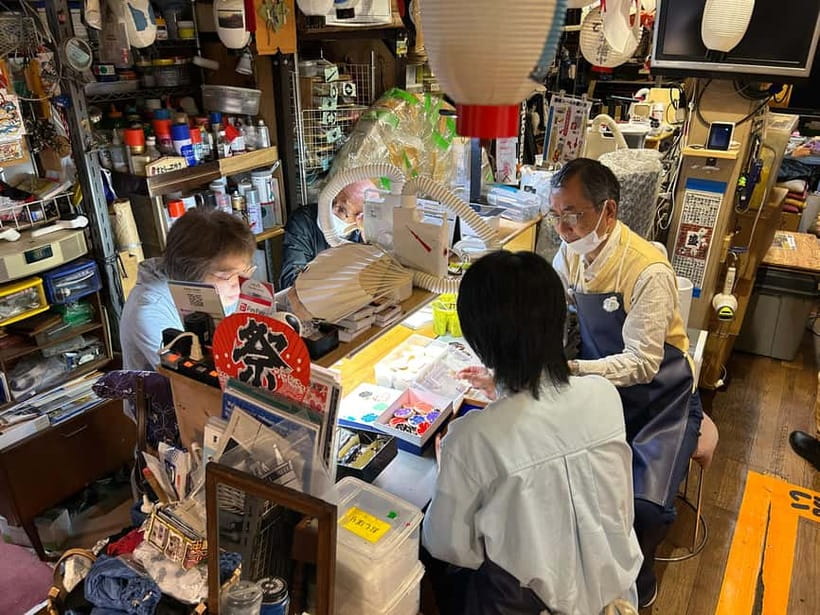
The best part of this Tokyo lantern workshop is that you make a real object in a working atelier that has been producing traditional chochin lanterns for more than 100 years. You handle washi paper, bamboo, glue, brushes, and paint, then leave with a lantern you made yourself.
I like the personal setting and the chance to meet a craftsman rather than simply admire finished goods in a shop. I also like that the English support is practical, with guides such as Rinka, Noriko, and David Park helping visitors understand the process and speak with the master.
The main consideration is the price: at $96 per person, this is not a bargain craft class. It makes better sense if you value the instruction, cultural context, and take-home souvenir, and less sense if you only want a quick decorative activity.
In This Review
- Key points to know before you book
- Entering a 100-year-old lantern atelier in Sumida
- What chochin lanterns mean in Japanese culture
- Building your lantern with bamboo and washi
- Decorating a personal souvenir
- How the two-hour schedule feels
- What the $96 price really covers
- Who will enjoy this most
- Practical advice for a smoother visit
- Is this Tokyo lantern workshop worth booking?
- FAQ
- How long does the Tokyo lantern workshop last?
- How much does the activity cost?
- What is included in the price?
- Where is the regular workshop located?
- Where does the workshop take place during the 2026 sumo tournaments?
- What are the 2026 dates when the venue changes?
- Is the workshop suitable for children?
- Do I need previous lantern-making experience?
- What should I bring and wear?
Key points to know before you book
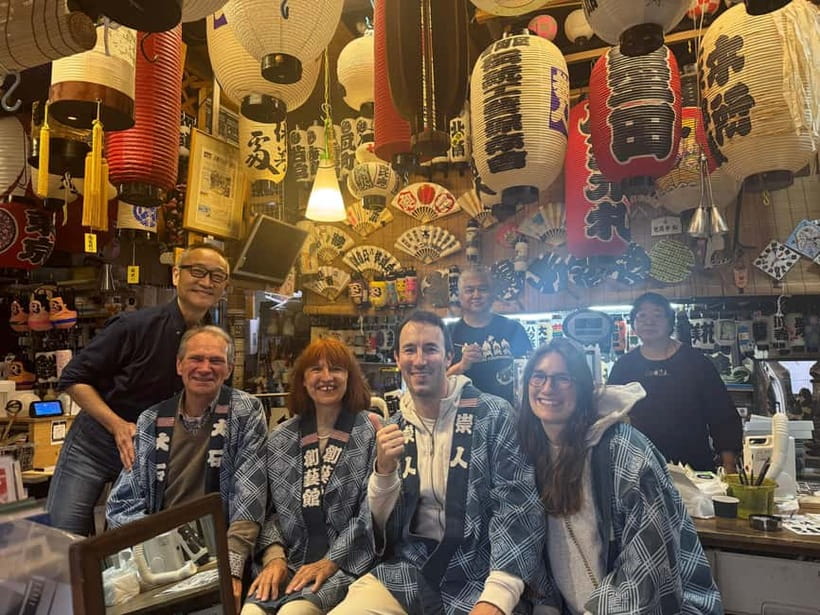
- A working atelier, not a standard tourist craft room: You visit a family-run lantern workshop filled with handmade chochin in many colors and shapes.
- You make and keep your own lantern: Materials and instruction are included, and finished lanterns are packaged for the trip home.
- A master craftsman leads the work: You learn about bamboo frames, washi paper, decoration, and the care behind traditional lantern production.
- English help is available: A live guide or interpreter can explain the process and help you communicate with the Japanese artisans.
- The venue changes during sumo tournaments: January, May, and September tournament dates use a venue near Ryogoku Kokugikan instead of the regular Sumida City atelier.
- Allow the full two hours: Painting and calligraphy can take time, especially if you want a neat finished piece.
Entering a 100-year-old lantern atelier in Sumida
This activity takes you away from Tokyo’s big sightseeing loop and into Sumida City, near Tokyo Skytree and Oshiage Station. The regular address is 2-10-8 Yokokawa, Sumida City, Tokyo, postal code 130-0003.
The setting matters. You are not simply handed a pre-cut souvenir and told to decorate it at a table. You enter a traditional workshop where colorful lanterns hang around you and the tools, materials, and finished work help explain the craft before the lesson even begins.
The atelier is described as a family business, and that gives the session a warm, personal feel. The master craftsman, identified in the experience as Master Oyakata, works with assistants including Co-master Uehala. English support comes from the guide or interpreter assigned to your booking. Rinka and Noriko have helped participants understand the lesson and talk about other things to do in Tokyo, while David Park has assisted with communication between visitors and the artisans.
You should expect a close look at a specialized Japanese craft, not a large-scale tour. The workshop is suitable for children from age six, families, couples, solo visitors, and anyone who likes making things with their hands.
A few more Tokyo tours and experiences worth a look



What chochin lanterns mean in Japanese culture
The first part of the session introduces the history and meaning of chochin lanterns. The craft has been practiced for centuries, and the lantern is more than a pretty light. Its collapsible bamboo structure and paper covering reflect a useful Japanese design tradition, one built around lightness, portability, and careful handwork.
You will see how bamboo and washi paper work together. Bamboo provides the frame, while washi gives the lantern its surface and soft appearance. The materials may look simple, but the finished object depends on steady construction and careful decoration.
This short explanation adds value to the activity. Without it, you might enjoy painting a lantern but miss why the form matters. After seeing the master’s work and learning how much care goes into each piece, you gain a better sense of why professionally made lanterns cost more than a basic souvenir.
The workshop also gives you a chance to ask questions through the English-speaking guide or interpreter. The language support is especially useful when the craftsman is showing a technique with his hands and you need to follow a sequence rather than listen to a long speech.
Building your lantern with bamboo and washi
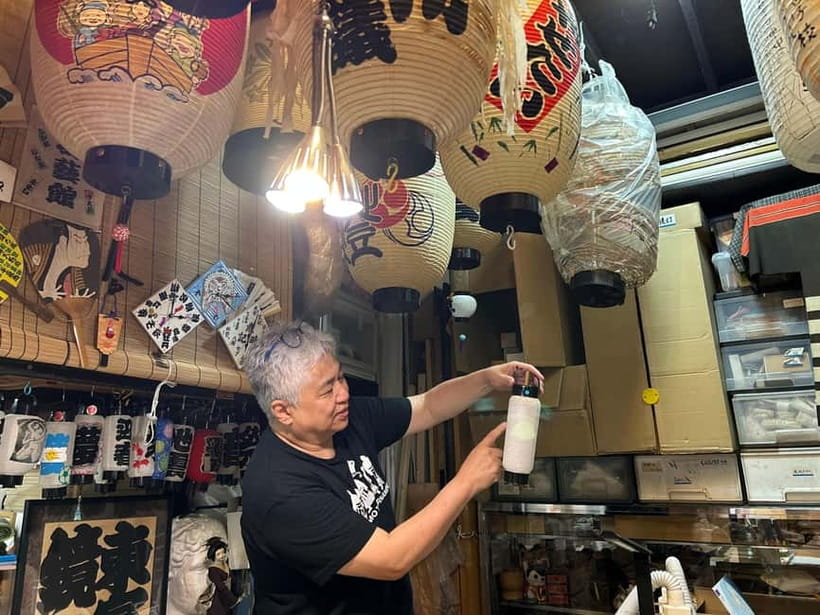
The hands-on portion uses authentic materials, including bamboo, washi paper, glue, brushes, and decorating supplies. No previous craft experience is required. The guide and artisans walk you through the work, so you can concentrate on the design rather than worry about getting every step right at once.
The exact order of the activity may vary with the workshop session, but you can expect to work on the lantern’s paper surface and decoration under direct guidance. The frame, paper, and tools give you a practical look at the construction process.
This is a good activity for families because children age six and older can take part. It is also calm enough for a solo visitor. One useful feature is that the setting does not leave you stranded if you arrive alone. English assistance and the friendly approach of the staff help keep the activity comfortable for a single participant.
Plan to work carefully. The two-hour duration is not padded time. Calligraphy and painting can take longer than expected, especially if you want your lantern to look polished. A participant specifically found that the calligraphy portion needed a good share of the session, which is useful advice if you are tempted to book this between two tightly timed attractions.
Wear clothes that can tolerate a little ink or paint. The activity is hands-on, and accidents are possible even with careful instruction.
Decorating a personal souvenir
The real payoff comes when the plain lantern becomes yours. You can add color, painted elements, or calligraphy, depending on the instructions and materials offered during your session. The result is not a factory-made keepsake with your name printed on it. It carries the small irregularities of something made by hand.
That makes the lantern more meaningful, but it also means your finished piece may not look like the master’s work. You should book this for the pleasure of making, not for a perfectly uniform product. The artisans can guide you, but they will not turn every beginner into a professional calligrapher in two hours.
The studio itself gives you plenty to look at while the work dries or while you wait for the next step. Photos are welcome throughout the experience, so you can record the process as well as the final result. Ask before photographing people closely, but the colorful workshop provides a natural backdrop for pictures.
At the end, your lantern is prepared for transport. This is important if you still have several days in Japan or are flying home with limited luggage space. You can also buy a professionally made lantern on-site, which gives you another option if you want a more refined piece as a gift or display item.
How the two-hour schedule feels
Two hours is a sensible length for this class. It gives you time to hear about chochin, follow the construction process, decorate your lantern, and ask questions without turning the activity into a rushed demonstration.
I would schedule it after a morning or afternoon of sightseeing rather than before a major timed attraction. The workshop requires concentration, and the time can pass quickly once you begin painting or working on calligraphy.
The location near Tokyo Skytree makes it easy to pair with sightseeing in the Oshiage and Sumida area. The information provided does not specify transport arrangements, so you need to make your own way to the correct meeting point. The price does not include transportation, meals, drinks, or personal expenses.
Check your booking date carefully. During official Grand Sumo Tournament periods in 2026, the class moves from the regular atelier to a special venue at Ryogoku Kokugikan, 1-3-20 Yokoami, Sumida City, Tokyo, postal code 130-0015. The special venue is in the Kokugikan area, on the first floor.
The 2026 tournament dates are:
- January 11 to January 25
- May 10 to May 24
- September 13 to September 27
Outside those dates, the regular Yokokawa workshop applies. The change of venue may affect the feel of the session. If you are booking specifically for the century-old atelier, avoid the tournament periods or confirm the location before paying.
A few more Tokyo tours and experiences worth a look




What the $96 price really covers
At $96 per person, the workshop costs more than a casual paper craft class. The fee includes the guided lesson, all materials, English-speaking support, and your completed lantern. You are also paying for access to a real craft setting and direct instruction from artisans who make lanterns professionally.
I think the value is strongest for three kinds of visitors. First, it suits anyone who wants a substantial souvenir rather than another small shop purchase. Second, it works well for people who want a cultural activity with context, not just a photo stop. Third, it makes sense for families or couples who enjoy creating something together.
The value is weaker if you are mainly interested in seeing a lantern workshop but do not care about making one. It is also worth remembering that your own piece will be handmade by a beginner. If you want a flawless lantern, the optional purchase of a master-made piece may be the better choice.
The high rating is supported by repeated praise for the artisans’ patience, friendliness, and ability to explain the work. The strongest theme is not speed or spectacle. It is the feeling of being welcomed into a small family business and receiving enough help to make the process enjoyable.
Who will enjoy this most
Families with children six and older should find plenty to hold their attention. The activity is tactile, visual, and short enough to fit many family schedules. Parents should still expect children to need help with glue, paint, or detailed decoration.
Solo visitors are also a good match. The English guide can help with communication, and the setting gives you a clear activity to focus on rather than leaving you to observe from the edge. A handmade lantern is also easier to bring home than a large craft object.
Couples and friends can make the session into a shared project. You can compare designs, help each other with the decoration, and leave with matching or contrasting lanterns.
This is less suitable for anyone looking for a fast, passive attraction. It asks you to sit, listen, handle materials, and work with care. It is also not suitable for children under six.
The activity is listed as wheelchair accessible. Since transportation is not included and the meeting point can change, confirm the date-specific venue and access details when you book if mobility is an important concern.
Practical advice for a smoother visit
Bring your passport or another ID card, as this is required. Pets are not allowed, and alcohol and drugs are prohibited.
Wear something you do not mind marking. Ink and paint may be part of the decorating work, and even a careful crafter can brush against a wet surface.
Reserve in advance. Starting times depend on availability, and this is not an activity you should expect to join casually while walking through the neighborhood.
The activity offers free cancellation up to 24 hours before the scheduled time, with a full refund. You can also reserve now and pay later, which helps if your Tokyo plans are still changing.
Most important, read the meeting point shown for your date. The regular address and the sumo-period address are both in Sumida City, but they are not the same place. A mistake here could cost you the start of a two-hour session.
If you plan to buy a master-made lantern, leave room in your budget and luggage. The handmade piece you create is included, but a professional lantern is an optional extra.
Is this Tokyo lantern workshop worth booking?
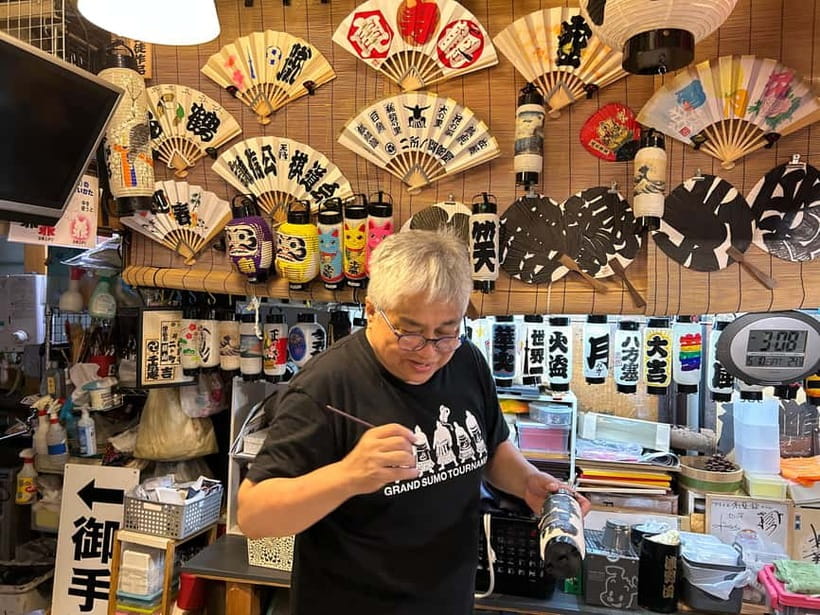
Book it if you want a personal Tokyo memory, enjoy hands-on activities, and appreciate the work behind traditional Japanese objects. The century-old atelier, direct contact with a lantern master, helpful English support, and carefully packaged finished lantern make this more substantial than a standard souvenir-making class.
I would especially recommend it for families with older children, solo visitors, couples, and anyone who has already seen Tokyo’s major sights and wants a quieter local activity. The best reason to go is not simply that you take home a lantern. It is that you understand a little more about bamboo, washi, calligraphy, and the patient work needed to make one.
Skip it if $96 feels too high for a craft session, if your schedule cannot spare two unhurried hours, or if you prefer buying a perfect finished object. Also check the venue before booking in January, May, or September 2026, since the sumo dates move the workshop to Ryogoku Kokugikan.
FAQ
How long does the Tokyo lantern workshop last?
The workshop lasts two hours. That time covers the introduction to chochin lanterns, instruction from the craftsman and guide, hands-on making, and decoration.
How much does the activity cost?
The listed price is $96 per person.
What is included in the price?
The price includes the guided lantern-making workshop, bamboo, washi paper, glue, brushes, an English-speaking guide or interpreter, and the completed lantern you make.
Where is the regular workshop located?
The regular workshop is at 2-10-8 Yokokawa, Sumida City, Tokyo, postal code 130-0003. It is near Tokyo Skytree and Oshiage Station.
Where does the workshop take place during the 2026 sumo tournaments?
During the official January, May, and September 2026 Grand Sumo Tournament periods, the workshop is held at Ryogoku Kokugikan, 1-3-20 Yokoami, Sumida City, Tokyo, postal code 130-0015, in the first-floor area.
What are the 2026 dates when the venue changes?
The venue changes from January 11 to January 25, May 10 to May 24, and September 13 to September 27, 2026.
Is the workshop suitable for children?
Yes. Children age six and older can join. Children under six are not permitted to participate.
Do I need previous lantern-making experience?
No. The activity is designed for beginners, and the craftsman, assistants, and English-speaking guide provide instruction during the process.
What should I bring and wear?
Bring your passport or ID card. Wear clothes you do not mind getting stained because ink or paint may be used during the decoration.
More Workshops & Classes in Tokyo
More Asakusa Tours in Tokyo


More tours in Tokyo we've reviewed










Asakusa Tours, compared.
 ★ 4.8Tokyo: Japanese Dance Cabaret Theater Asakusa-Kaguwa TicketFrom $492 hours
 ★ 4.7Tokyo: Meiji Shrine, Asakusa, Skytree Bus Tour and CruiseFrom $12210 hours
 ★ 4.9Tokyo: Roll and Authentic Sushi Making Class in AsakusaFrom $581h 40m
 ★ 4.8Tokyo: Asakusa Walking Tour with Sensoji Temple VisitFrom $222 hours
 ★ 5.0Tokyo Asakusa Rickshaw TourFrom $42
 ★ 4.5Tokyo Panoramic 1 Day: Meiji Shrine, Asakusa, Odaiba and SKYTREE®From $85