
Reviewed · SAMURAI & NINJA EXPERIENCES
Samurai Guide Sho’s:Kichijoji Night Training–Drink & Dish Pairing
Kichijoji Night Training is not a loud bar crawl. It is a three-hour walk through small local drinking spots, guided by Sho in an indigo haori, with each stop built around one simple question: which drink fits this dish? You begin in Harmonica Yokocho, move to a craft beer bar, and finish with sushi and sake.
I like the reserved seating at the first stop, which lets you enjoy the narrow alley’s old Tokyo mood without fighting for a place. I also like the tiny group, capped at five people, and Sho’s relaxed way of joining the evening as a drinking companion rather than delivering a formal lecture.
The main catch is cost. At $97.73 per person, drinks and optional food are extra, usually about ¥1,000 per drink. This is a good fit for a quiet, food-focused night, but not for anyone seeking cheap drinks, an all-you-can-drink deal, or a fast parade of bars.
In This Review
- Key points to know before booking
- Why Kichijoji is a fine setting for this night
- Stop one: four to five dishes in Harmonica Yokocho
- Stop two: the craft beer dojo
- Stop three: sushi and the final sake pairing
- What the small group changes
- The real cost of the evening
- Who will enjoy this, and who should skip it
- Practical details that affect your choice
- Should you book Kichijoji Night Training?
- FAQ
- Where does the tour start and finish?
- How long does the experience last?
- Are drinks included in the price?
- How many people can join?
- Do I need to know about sake, beer, or food pairing?
- Can dietary restrictions be accommodated?
Key points to know before booking
- Three distinct stops: Start with local dishes in Harmonica Yokocho, taste Japanese craft beer, then finish with seasonal sushi and sake.
- Drinks are paid separately: Expect about ¥1,000 per drink, with credit cards accepted at the venues.
- Maximum five people: The small group supports easy conversation and a more personal pace.
- Sho uses simple English and translation tools: You do not need alcohol expertise, and guidance is offered when you are unsure what to choose.
- Food is part of the price: The first bar includes four to five selected dishes, followed by food at the beer bar and a recommended sushi assortment.
- Dietary limits matter: Vegetarian, vegan, kosher, and halal diets cannot be accommodated, and the food commonly includes seafood, animal products, and alcohol-based seasonings.
Why Kichijoji is a fine setting for this night
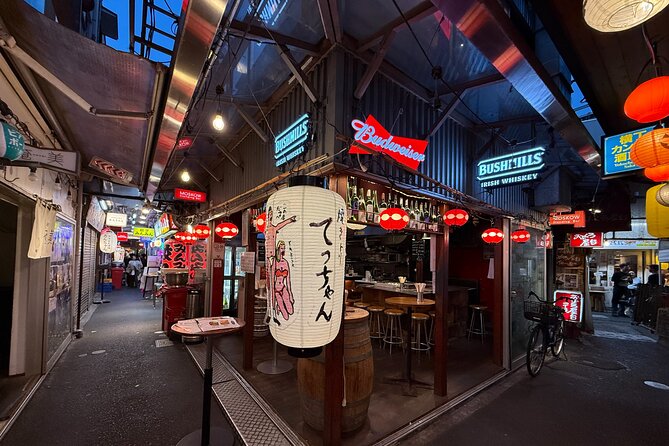
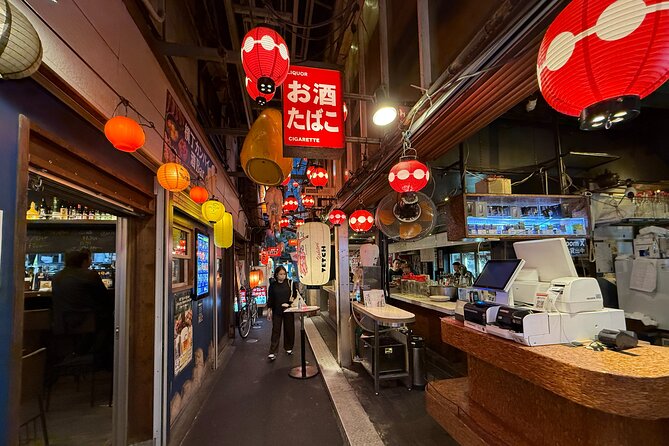
Kichijoji gives you a different side of Tokyo from the big sightseeing districts. The meeting point is in front of Baskin-Robbins at the north exit of JR Kichijoji Station, a practical place to find Sho before the 5:30 pm start. From there, the route enters Harmonica Yokocho, a maze of narrow lanes packed with small bars and food counters.
The setting does much of the work. You are not being led from one famous landmark to another. Instead, you get a seat, a dish, and a drink, then time to notice how the neighborhood feels after dark.
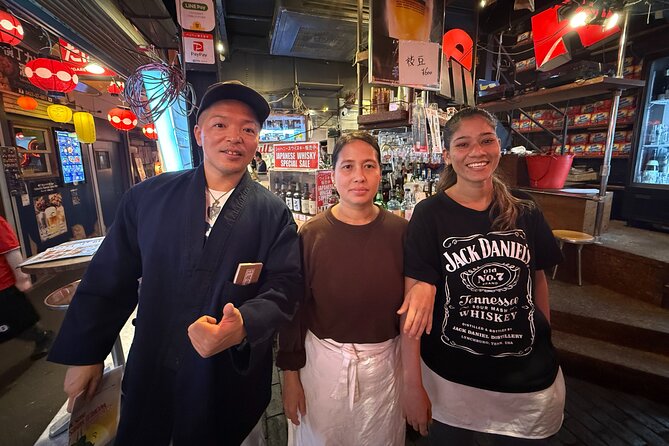
Sho’s indigo haori fits the old-fashioned alley without turning the evening into a costume show. The samurai idea is a quiet theme based on respect and one-time encounters, not swordplay or theatrical speeches. That distinction matters. If you want a polished performance, this will feel too restrained. If you like a host who helps you read the room, it should feel natural.
If you're still narrowing it down, here are other tours in Musashino we've reviewed.
Stop one: four to five dishes in Harmonica Yokocho
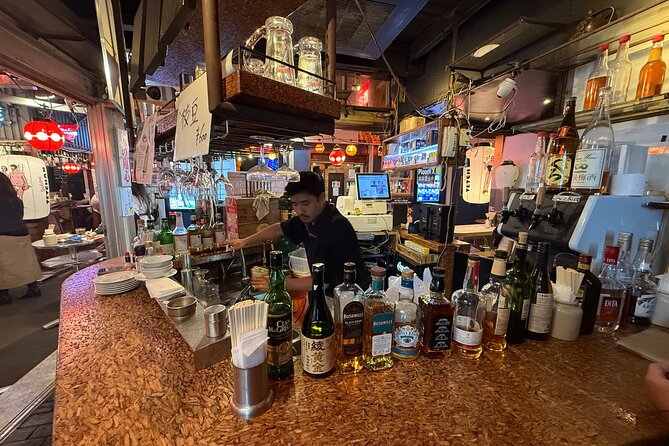
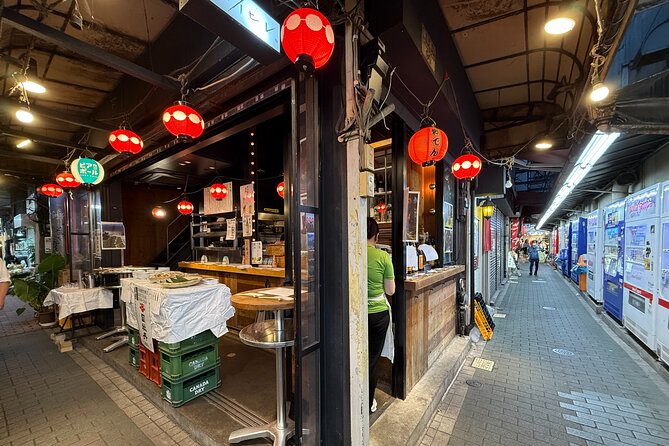
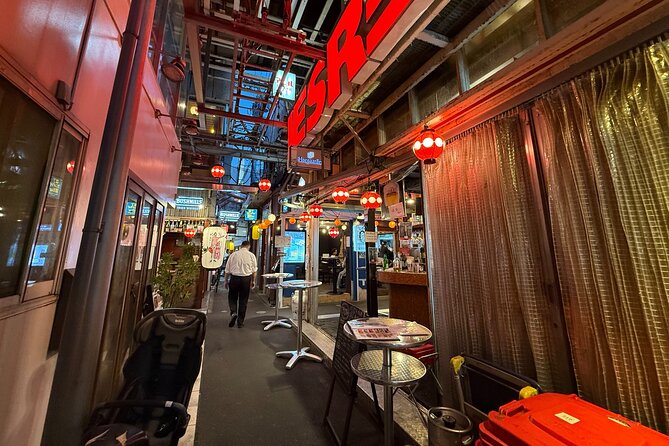
The first stop lasts about 50 minutes and sets the tone. You sit at a reserved place inside a small yakitori bar in Harmonica Yokocho, with several carefully selected local dishes arriving for the table. The food can include Western-style dishes made with Japanese ingredients, though the menu changes according to the chef and seasonal supplies.
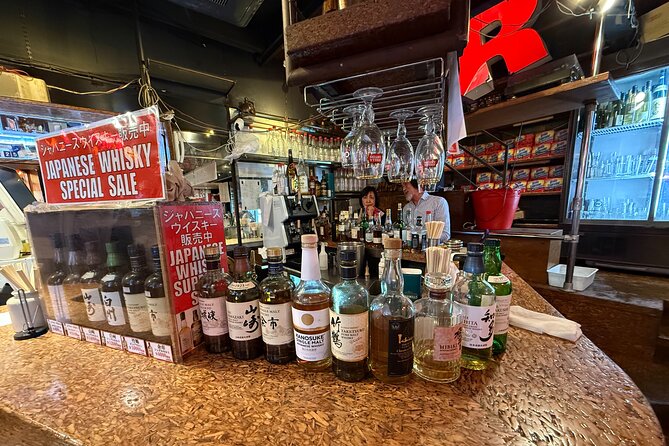
This is where the pairing idea begins. Drinks are not handed out as a fixed package. You choose what you want to drink, and Sho helps you think about how it works with the dish in front of you. Sake, Japanese whisky, and other drinks may be available, depending on the bar.
I like this format because it gives you permission to trust your own taste. You do not need to identify aromas or recite brewing terms. If you hesitate, Sho offers a small hint, described as a secret word of guidance, then lets you make the final choice.
The reserved seat is especially useful here. Harmonica Yokocho is known for tight spaces and a lively flow of people, so having a place ready means you can watch the alley without spending the first part of the evening looking for a table. A previous visit also noted that the haori matched the retro setting and that the reserved position made it easier to enjoy the atmosphere.
Do not expect a full restaurant meal at this stop. Four or five dishes form a substantial start, but portions are still intended to be shared and paired with drinks. Optional food orders are available in small portions and are paid for separately. If you arrive hungry, that is sensible, since food continues at the next two stops.
Stop two: the craft beer dojo
After the first bar, the group moves to the craft beer stop for another 50 minutes. Here the focus shifts from sake and small-bar atmosphere to aroma, bitterness, and Japanese beer served on draft.
The beer selection can be broad. One stop has many taps, giving you a chance to compare different Japanese craft beers instead of settling for one standard pour. Japanese craft gin, sake, and other drinks may also be offered, so you are not forced into beer if it is not your favorite.
A gin and tonic received particular praise for its flavor, which is useful to know if you enjoy spirits more than beer. The point is not to work through as many taps as possible. Sho encourages you to choose one glass that seems right for the food, then notice the result.
Food is served here too, with one to four selected dishes included. The exact plates are not fixed, so you should think of this as a seasonal local meal rather than a menu you can preview in detail. The changing food is part of the charm, but it also means you should tell the organizer about allergies or dietary needs in advance.
Sho’s friendly relationship with the bar staff helps this stop feel comfortable. That does not mean you should expect a long technical lesson about brewing. The tour is designed around simple explanations, direct choices, and conversation. Translation tools support communication when needed, but silence is also treated as part of the evening.
This stop is a good test of the tour’s pace. If you like sitting with a drink and comparing flavors, you will have time to settle in. If you want constant movement and a new bar every 20 minutes, you may find the experience slow.
Stop three: sushi and the final sake pairing
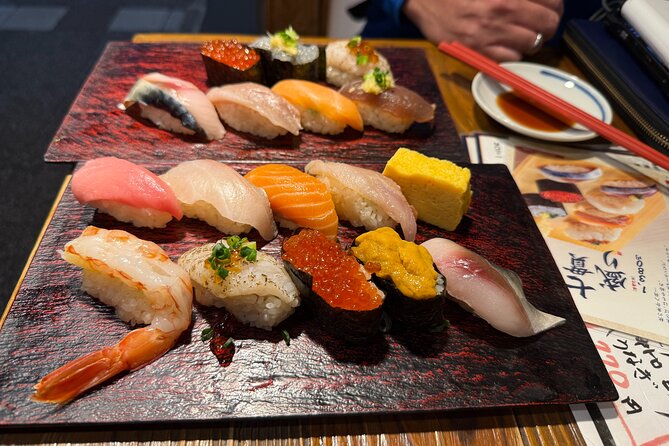
The final stop lasts about 50 minutes and brings the night back to sake, this time alongside a seasonal sushi assortment. After yakitori-bar dishes and craft beer, sushi gives the evening a quieter finish.
The sushi is a recommended seasonal selection rather than a fixed list published in advance. That keeps the meal tied to the restaurant’s ingredients and the season, but it also means you should not book expecting a particular fish or number of pieces.
Your task remains simple: choose the sake you most want with the sushi. Sho can guide the decision, but the tour does not treat you like a student who must get the correct answer. The value comes from noticing what you prefer and understanding that pairing is personal.
This is also the point where the food plan becomes important. The organizer says the three stops provide satisfying portions, and the sushi course is meant to leave you both fed and content. Even so, drink quantities are not included, and additional food is optional. You control the final bill by choosing how much you order.
The last course should appeal to people who prefer a calm ending. There is no promise of a grand finale or formal ceremony. Instead, you finish with sushi, sake, and the easy feeling of having spent an evening in the neighborhood rather than passing through it.
What the small group changes
The tour accepts no more than five people. That is a meaningful limit in small Japanese bars, where a large group could overwhelm the room or make conversation awkward. If you book alone or with one other person, you may share the evening with other people, and that shared table is part of the design.
The format suits you if you enjoy meeting people without needing nonstop conversation. Sho presents himself as a companion for the night, not a guide who fills every pause with facts. You may get simple cultural explanations, help ordering, and suggestions about pairing, but not a detailed history lesson at every stop.
Communication is handled through simple English and translation tools. This should be enough for the practical parts of the evening and for short explanations. If you want highly polished English commentary on Japanese food, brewing, or local history, this is not the strongest choice.
The small size also explains some of the price. You are not paying for a discounted drinks package or a large-group operation. You are paying for Sho to keep the group small, reserve seating, select venues, and adjust the night when a bar is too crowded or the atmosphere is not right.
The real cost of the evening
The listed price is $97.73 per person, but that is not the final total. Drinks are ordered and paid for directly at each venue, at about ¥1,000 per drink. Credit cards are accepted, and optional food can also be ordered separately.
For a three-hour experience with food at all three stops, the price can make sense if you value access and company more than volume. You receive four or five dishes at the first bar, one to four at the craft beer stop, and a seasonal sushi assortment at the final bar. You also receive guidance on pairing and reserved seating at the first venue.
I would not call it the cheapest way to drink in Tokyo. A person focused on quantity could spend less elsewhere, especially by ordering standard drinks without a guide. The value here comes from reducing the guesswork of entering small local bars and from having someone manage the flow of the evening.
You should also budget for walking between stops, although the exact route and venues can change with crowd conditions. Wear comfortable shoes. The night begins and ends at the Kichijoji Station meeting point, and the full activity lasts about three hours.
Who will enjoy this, and who should skip it
This experience is best for an adult who enjoys food, moderate drinking, and local atmosphere. You will probably like it if you prefer a few carefully chosen places to a long list of bars, and if you enjoy asking which sake, beer, or spirit works with a particular dish.
It also suits solo participants and couples who are comfortable sharing a small table. Sho’s calm style and the group limit make it easier to have real conversation, but you should not expect a party atmosphere.
You should skip it if you want all drinks included, loud group energy, or a strict schedule that never changes. It is also not suitable for anyone under 20, the legal drinking age in Japan. Vegetarian, vegan, kosher, and halal diets cannot be accommodated, and seafood-based broth, animal products, and alcohol-based seasonings are common.
People with allergies should notify the organizer before the tour. The menu changes daily, so advance notice is important, though accommodation is not guaranteed.
Practical details that affect your choice
Confirmation arrives when you book, and the meeting point is close to public transportation. The mobile ticket format is convenient, especially if you are already using your phone for Tokyo train directions.
The experience is free to cancel up to 24 hours before the local start time for a full refund. Changes or cancellations inside that 24-hour window are not accepted and are not refunded.
The route may change according to the crowd and the mood of each venue. That flexibility is useful in a neighborhood of small bars, but it means the tour is not a fixed sightseeing circuit. You are buying a shaped night, not a guaranteed list of named restaurants.
Respectful behavior is required. The organizer may end the experience without a refund if disruptive conduct continues, and participants are responsible for their own safety and belongings.
Should you book Kichijoji Night Training?
Book it if you want to eat well, taste several kinds of Japanese drinks, and spend an unhurried evening in small Kichijoji bars with Sho. The best reasons are the five-person limit, reserved first-stop seating, the craft beer selection, and the chance to finish with sushi and a sake chosen to suit it.
Think twice if the $97.73 fee feels high before adding drinks, or if your idea of bar hopping means speed, noise, and quantity. For the right person, this is not a conventional pub crawl. It is a guided introduction to choosing, tasting, and sharing a local Tokyo night at a human pace.
FAQ
Where does the tour start and finish?
It starts at 5:30 pm in front of Baskin-Robbins at the north exit of JR Kichijoji Station, at 1-chōme-4-18 Kichijōji Honchō, Musashino, Tokyo. The activity ends back at the same meeting point.
How long does the experience last?
The experience lasts approximately three hours. The meeting, three stops, and return to the station are each included in the planned flow.
Are drinks included in the price?
No. Drinks are ordered freely and paid for individually at each venue. The expected cost is about ¥1,000 per drink, and credit cards are accepted.
How many people can join?
The maximum group size is five people. If you book alone or with one other person, you may be joined by other participants.
Do I need to know about sake, beer, or food pairing?
No. The pairing activity is intended for people without expert knowledge. Sho offers guidance when you are unsure, and the focus is on choosing what you want to drink with each dish.
Can dietary restrictions be accommodated?
Allergies and dietary restrictions should be shared in advance, and the organizer will try to help where possible. Vegetarian, vegan, kosher, and halal diets cannot be accommodated. Food commonly includes animal products, seafood-based broth, and alcohol-based seasonings.
More tours in Musashino we've reviewed
Samurai & Ninja Experiences, compared.
 ★ 4.5Tokyo: Samurai Restaurant Show Ticket with 2 DrinksFrom $551h 30m
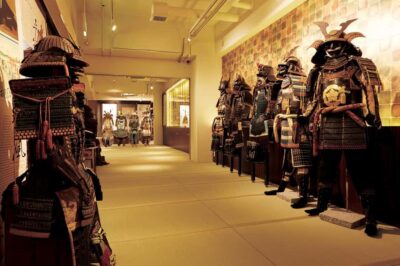 ★ 4.6Tokyo: Samurai Ninja Museum Guided tour and ExperienceFrom $27
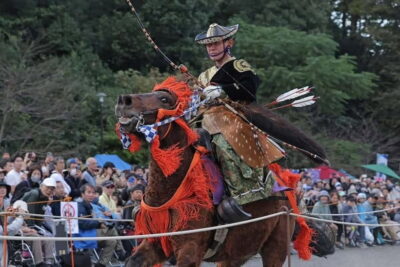 ★ 5.0Tokyo: Samurai Sword & Archery Class from Samurai DescendantFrom $1933 hours
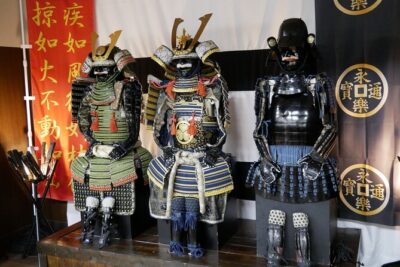 ★ 5.0Best Samurai Experience in TokyoFrom $65
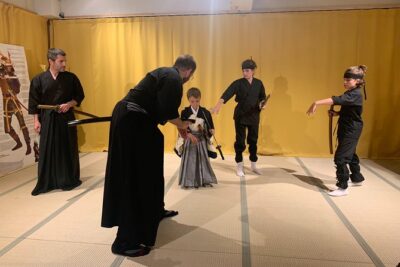 ★ 5.0Ninja Experience (Family Friendly) at Samurai Ninja Museum TOKYOFrom $47
 ★ 4.6Tokyo: Samurai Entertainment Night Show in Kanda ShrineFrom $412 - 3 hours