
Reviewed · IMPERIAL PALACE & SHOGUN TOURS
Tokyo: Imperial Palace, Edo Castle and Historical Tour
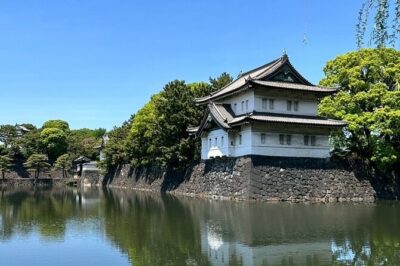
Edo Castle is the surprise at the heart of this Tokyo walk. Behind the Imperial Palace’s quiet gardens, you’ll find enormous stone walls, old gates, moats, and the foundation of a castle keep that once ruled Japan’s political world. Guides such as Jim, Tony, and Bell explain how the Tokugawa shoguns shaped the country and how imperial rule later took over.
I like the tour’s small price and central setting, along with the chance to see real castle remains rather than only palace exteriors. I also like that the route combines history with Ninomaru Garden’s ponds and seasonal plants. The main consideration is time: 90 minutes goes quickly, and the advertised description allows roughly 1.5 to 2 hours, so this is an introduction rather than a full study of the palace grounds.
In This Review
- Key points to know before you book
- Why Edo Castle matters in modern Tokyo
- Meeting near Wadakura Fountain Park
- Tokyo Imperial Palace: a 15-minute introduction
- Imperial Palace East Gardens and the old castle walls
- Ninomaru Garden brings a softer side of the story
- Sakurada-mon Gate and the final stretch
- What the guides add to the walk
- Is $22 a fair price?
- Who will get the most from this tour?
- Should you book the Imperial Palace East Gardens tour?
- FAQ
- Where does the tour meet?
- How long does the tour last?
- What language is the tour offered in?
- Is admission to the Imperial Palace East Garden included?
- What will I see at Edo Castle?
- Does the tour visit Ninomaru Garden?
- Does the tour visit Sakurada-mon Gate?
- Is the tour wheelchair accessible?
- Can I cancel or pay later?
Key points to know before you book
- Edo Castle’s stone foundations let you picture the scale of the former shogun’s stronghold.
- Ninomaru Garden adds ponds, plants, and a calmer side of Tokyo to the history lesson.
- Sakurada-mon Gate and old moats show how the castle was protected during the samurai era.
- English-speaking guides including Jim, Tony, and Bell bring political change and imperial traditions into the walk.
- The $22 price is good value if you want interpretation, not just a self-guided stroll.
- Wheelchair access and flexible booking make the experience easier to fit into a Tokyo schedule.
Why Edo Castle matters in modern Tokyo
The Imperial Palace can seem like a grand but distant institution. The East Gardens make the story more tangible. You are not simply looking at an official residence from outside. You are walking through the former grounds of Edo Castle, the center of power for the Tokugawa shogunate.
For more than two centuries, the shoguns governed Japan from Edo, the city now called Tokyo. The castle was both a military base and a political stage. Powerful lords came here, gates controlled movement, and the huge walls sent a clear message about who held authority.
Much of the original wooden castle disappeared, but the stonework remains impressive. The foundations of the keep give you a sense of the castle’s former scale, even though the tower itself is gone. This is where a guide earns the $22 fee. Without context, the stones can look like attractive ruins. With a good explanation, they become clues to Japan’s social and political order.
The tour also connects the shogun era to the later return of imperial power. That transition is central to understanding modern Japan, and the guides are expected to explain it in relation to the country you see today. Jim, in particular, has a relaxed way of linking past events with present-day Japan, while Tony has been especially attentive to speaking clearly and loudly for visitors who are deaf or hard of hearing.
A few more Tokyo tours and experiences worth a look

Meeting near Wadakura Fountain Park
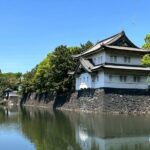
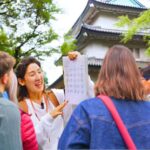
The meeting point is in front of the Starbucks at Kokyo Gaien Wadakura Fountain Park, close to the Imperial Palace East Gardens. Full meeting details are provided after booking, but the important practical point is that you begin near Otemon Gate, the main gateway for this walking route.
This location works well if you are already exploring the Marunouchi or Imperial Palace area. It also gives you a clear landmark for the start. Tokyo has plenty of huge stations and confusing exits, so a recognizable café is more useful than a vague instruction to meet somewhere near the palace.
Give yourself time to reach the meeting point. The tour is short, and arriving late could mean missing the opening explanation or the group’s entry into the garden. Since the exact starting times vary, check availability before you build the rest of your day around it.
The route is a walking tour, so wear comfortable shoes. The details specifically describe the activity as wheelchair accessible, which is important for anyone checking access before booking. Still, the experience includes historic gates, stone ruins, and garden paths, so you should confirm any personal mobility concerns when making your reservation.
Tokyo Imperial Palace: a 15-minute introduction
The first palace stop is mainly a photo stop and guided introduction, lasting about 15 minutes. This portion helps place the East Gardens within the wider Imperial Palace grounds and introduces the continuing role of the Imperial Family.
Do not expect a palace interior visit. The value here is orientation. You begin with the imperial setting, then move into the former Edo Castle grounds where the main historical story unfolds.
That shift from present-day imperial Japan to the age of the shoguns gives the walk a useful structure. You start with the institution that occupies the site now, then trace the earlier power system beneath it. A guide can make that change easier to follow than a sign or plaque alone.
This first stop is also the least substantial part of the route. If your main goal is castle architecture, the 15 minutes may feel like a brief prelude. I would treat it as the setup for the East Gardens rather than the central attraction.
Imperial Palace East Gardens and the old castle walls
The East Gardens receive about 45 minutes of guided touring, and this is the heart of the experience. Here, you walk among the surviving walls, gates, moats, and stone foundations of Edo Castle.
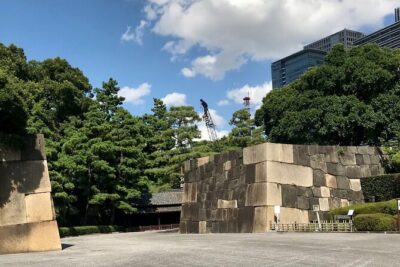
The stone construction is one of the most memorable parts. These walls were built to protect an important seat of power, not merely to decorate a garden. Their size helps explain the castle’s authority before the guide adds the human story: shoguns, feudal lords, court traditions, and the strict social structure of the period.
The castle keep foundation is another key stop. Standing on the base of the former tower gives you a useful visual exercise. You can look across the grounds and imagine the keep rising above the surrounding defenses. The present-day garden is peaceful, but the site once carried military and political weight.
This contrast is part of the appeal. You get a quiet walk through greenery and water, yet the stones point to a time of surveillance, hierarchy, and power. Tokyo’s modern city center is close by, but the East Gardens offer a pause from it without requiring a long train ride.
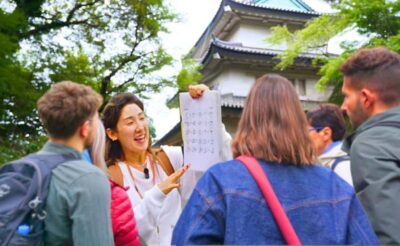
The guide’s role matters here. Tony has been praised for clear, careful explanations and for answering questions in a friendly manner. Jim brings a light, often humorous touch to complicated Japanese history. Bell has been attentive to including everyone in the group. The individual guide may vary, but the experience is strongest when you ask questions and use the walk as a conversation rather than simply following along.
Ninomaru Garden brings a softer side of the story
Ninomaru Garden changes the mood of the tour. After the hard stone of the castle defenses, you move through a garden with ponds and seasonal flowers. Its design reflects the refined side of the Edo period, when gardens were not only pleasant spaces but also expressions of taste, rank, and control.
I like this part because it prevents the tour from becoming a march from one wall to another. The garden gives you time to notice details and take photographs while still connecting the scenery to the period’s culture.
Seasonal changes will affect what you see. Flowers and plants will not look the same throughout the year, so the garden’s appearance depends on your visit date. The broader appeal remains its calm water, carefully arranged planting, and contrast with central Tokyo.
The garden also helps you understand that samurai-era Japan was not only about warfare. The same ruling class associated with fortifications and political control also valued ceremony, design, poetry, and cultivated spaces. A good explanation of Ninomaru makes that wider culture easier to grasp.
You should keep your expectations realistic. This is a guided walk through the garden, not a long botanical tour. The time is shared with the castle ruins and other stops, so you will get an informed overview rather than every detail of the planting design.
Other historical tours in Tokyo




Sakurada-mon Gate and the final stretch
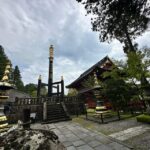
The last major stop is Sakurada-mon Gate, with about 20 minutes for guided sightseeing and photographs. The gate is a strong finish because it brings together several themes from the walk: security, status, movement, and political power.
Original gates are valuable historical evidence. They show how people entered and left the castle and how access could be controlled. Along with the moats, Sakurada-mon helps you picture the castle as a defended compound rather than an isolated tower.
This section also gives the tour a clear endpoint. You have moved from the imperial setting, through the main East Gardens and former castle center, then out toward a major gate. That route makes sense geographically and historically.
Expect some time for photographs here, but remember that the attraction is the structure and its setting, not a performance or reconstructed scene. You are looking at surviving architecture and listening to the guide explain what it meant.
What the guides add to the walk
A historical site can be rewarding without a guide, but this particular route benefits from interpretation. The remains are substantial, yet they do not explain themselves. You need help linking the stones to the Tokugawa shogunate, the change to imperial rule, and the traditions that still influence Japan.
The available guiding team includes Jim, Tony, and Bell. Their strengths differ in useful ways. Jim has been especially effective at placing Japanese history in a modern context while keeping the tone relaxed and funny. Tony has made a point of speaking clearly and loudly, which can help visitors who need stronger audio access. Bell has focused on making sure people in the group feel included.
Those details matter because a 90-minute walk can become tiring if the guide talks only at the group. You want someone who can explain, pause, and respond to questions. The tour’s perfect five-star score from eight ratings suggests a very strong early response, but the sample is small, so I would judge the experience mainly by its route, price, and fit with your interests.
The language is English. If you want detailed Japanese architectural terminology or a specialist academic lecture, this may feel too broad. If you want a clear account of the site that connects political history with what you can see, the format should suit you well.
Is $22 a fair price?
At $22 per person, this is a modestly priced guided experience for central Tokyo. Admission to the Imperial Palace East Garden is included, along with the historical walking tour and explanations about the Imperial Family.
The value depends on what you want. If you are happy reading signs and walking alone, you can save money by visiting independently. The paid tour earns its keep through structure and interpretation. You get a planned route covering the former castle, Ninomaru Garden, and Sakurada-mon Gate instead of wandering without knowing what matters.
The tour is also efficient. In roughly 90 minutes, and possibly closer to two hours depending on the stated schedule, you cover several important parts of the grounds. That makes it useful on a first Tokyo visit when you want historical context without spending half a day at one site.
It is less compelling if you want a long, slow visit with plenty of time for photography. The itinerary divides the time among several stops, and the central East Gardens section lasts about 45 minutes. Think of the price as paying for a guided introduction, not an all-day palace experience.
Who will get the most from this tour?
I would recommend this walk to you if you are curious about how Japan moved from shogunal rule to imperial government. It is also a good choice if you want a quiet historical break in central Tokyo and prefer a guide to explain what you are seeing.
History fans will appreciate the gates, moats, foundations, and political background. First-time visitors can use the tour to get a basic framework before visiting other sites in Japan. The garden portion also makes it suitable for anyone who wants scenery along with historical sites.
Families and mixed-interest groups may find the balance helpful. Someone who is less interested in military history still gets ponds, plants, and photo stops. Someone who wants castle remains gets stone walls and the keep foundation.
I would hesitate to recommend it as your only Japanese history experience if you want extensive detail. The tour is short and covers a broad subject. It introduces the major ideas but does not replace a full museum visit or a longer specialist tour.
The activity is wheelchair accessible, and free cancellation is available until 24 hours before the start time. You can also reserve now and pay later, which helps if your Tokyo schedule is still shifting.
Should you book the Imperial Palace East Gardens tour?
Book it if you want a well-priced, English-guided introduction to Edo Castle in a central location. The combination of original gates, moats, stone ruins, Ninomaru Garden, and imperial context gives you more than a quick palace photo stop.
I especially like it for a first visit to Tokyo. You get a useful story about who ruled Japan, how the castle worked, and why the Imperial Palace occupies this site today. Guides such as Jim, Tony, and Bell add the human touch that a self-guided walk may lack.
Skip it if you want to enter palace buildings, spend hours photographing gardens, or study castle architecture in great detail. For most visitors with 90 minutes to two hours available, though, the $22 cost is sensible and the route offers a memorable look at the older Tokyo beneath the modern city.
FAQ
Where does the tour meet?
The meeting point is in front of the Starbucks at Kokyo Gaien Wadakura Fountain Park, very close to the Imperial Palace East Garden and near Otemon Gate.
How long does the tour last?
The tour duration is listed as approximately 90 minutes. The broader activity information describes the visit as lasting about 1.5 to 2 hours, so allow extra time if possible.
What language is the tour offered in?
The tour is conducted in English with a live English-speaking guide.
Is admission to the Imperial Palace East Garden included?
Yes. Admission to the Imperial Palace East Garden is included with the historical walking tour.
What will I see at Edo Castle?
You will see historic stone ruins, original gates, moats, remnants of castle walls, and the foundation of the former castle keep.
Does the tour visit Ninomaru Garden?
Yes. The route includes a guided visit to Ninomaru Garden, with its ponds and seasonal flowers.
Does the tour visit Sakurada-mon Gate?
Yes. Sakurada-mon Gate is a scheduled stop with guided sightseeing and time for photographs.
Is the tour wheelchair accessible?
Yes. The activity is listed as wheelchair accessible.
Can I cancel or pay later?
You can cancel up to 24 hours in advance for a full refund. You can also reserve your place and pay later, so no payment is required at the time of booking.
More Historical Tours in Tokyo
More Imperial Palace & Shogun Tours in Tokyo

More tours in Tokyo we've reviewed








Imperial Palace & Shogun Tours, compared.
 ★ 5.0Tokyo: Imperial Palace and Shogun Historical Walking TourFrom $22
 ★ 4.9Tokyo: Imperial Palace Japanese History Walking TourFrom $32
 ★ 4.9Tokyo: Imperial Palace and Shogun Walking TourFrom $162 hours
 ★ 5.0Imperial Palace East Garden and Edo Castle Walking Tour in TokyoFrom $25
 ★ 4.8Tokyo: Imperial Palace East Gardens Walking TourFrom $192h 30m
 ★ 4.5Tokyo: Imperial Palace, Sensō-ji Temple, & Tokyo Tower TourFrom $404 hours