
Reviewed · E-BIKES
Tokyo 3 Hour E Bike Tour of the City Bayside Areas
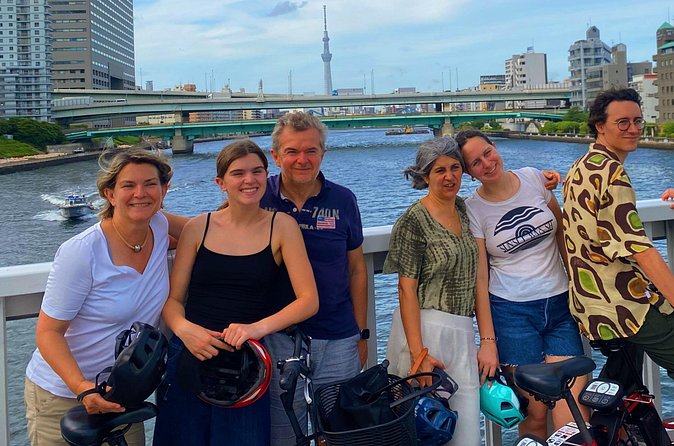
Tokyo’s bayside is best understood from a bicycle seat. This three-hour ride links polished Ginza, old Tsukiji, riverside streets, shrines, a Japanese garden, and the local Monja Street area without asking you to spend the day changing trains. I like the small maximum of seven riders, and the electric bikes make Tokyo’s long, busy streets far less tiring. The stop at Tsukiji Fish Market also gives you time for a quick snack, including the chance to try sashimi. The main drawback is that you need a moderate level of fitness and must be comfortable cycling in city traffic.
I also like the way this tour moves beyond Tokyo’s most famous shopping streets. Guides Sho and Nao have led riders through backstreets and busy roads, with Nao especially noted for safe riding and an upbeat manner. The route ends outside central Tokyo, and the optional ¥1,000 cash entry at Fukagawa Fudodo Temple is extra, so plan your day and wallet accordingly.
In This Review
- Key points to know before you book
- Why an electric bike works so well in Tokyo
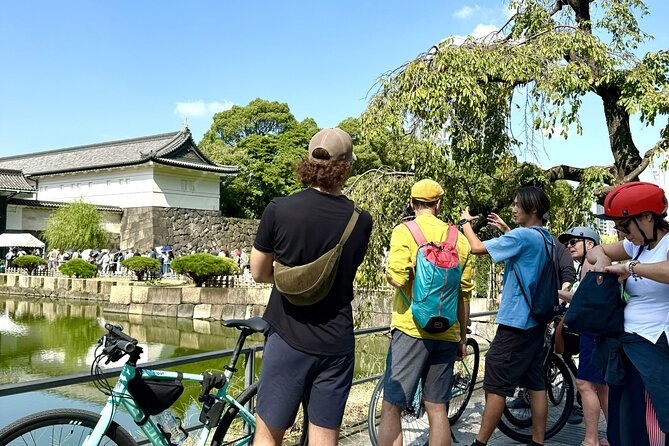
- Starting in Ginza beside the Imperial Palace area
- Kabuki-za and the theater district
- Tsukiji Hongwanji Temple’s unusual setting
- Tsukiji Fish Market and a quick bite
- Tsukishima Monja Street and a local style of Tokyo
- Sumiyoshi Jinja in a traditional town setting
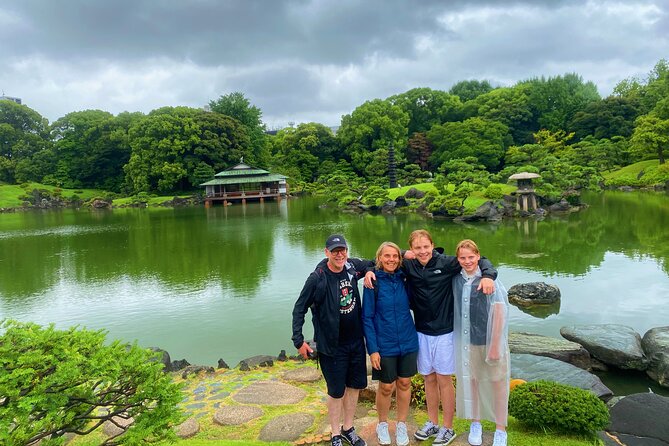
- Kiyosumi Gardens gives you a calm walking break
- Finishing at Fukagawa Fudodo Temple
- What the three-hour pace feels like
- Practical details, price, and planning
- Who will enjoy this Tokyo bike tour most
- Should you book the bayside E-bike tour?
- FAQ
- How long is the Tokyo bayside E-bike tour?
- How much does the tour cost?
- What is included in the price?
- Is food included?
- Is the Fukagawa Fudodo Temple entrance included?
- Where does the tour start?
- Where does the tour end?
- How many people can join the tour?
- Can I cancel for a full refund?
Key points to know before you book
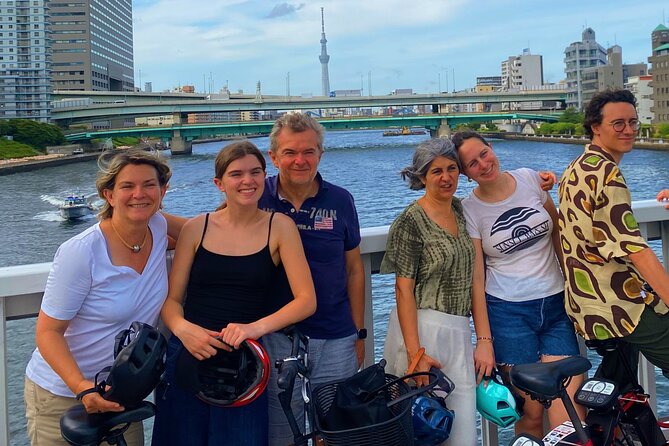
- Seven riders maximum: This is a small-group ride, useful when cycling through busy Tokyo streets.
- Electric Bianchi bicycles: The bikes are reported as easy to ride and help with the three-hour route.
- Eight varied stops: You see Ginza, Kabuki-za, Tsukiji, shrines, Monja Street, Kiyosumi Gardens, and Fukagawa.
- A real food pause: The Tsukiji stop includes time for a quick snack, with sashimi among the possible choices.
- Kiyosumi Gardens is included: The garden entrance fee is part of the tour price.
- Fukagawa entry is optional: Bring ¥1,000 in cash if you want to enter Naritasan Fukagawa Fudodo Honden.
Why an electric bike works so well in Tokyo
At $87.96 per person, this is not the cheapest way to see Tokyo. It is a fair value if you want a guide, bicycle, garden admission, and a carefully arranged route in one three-hour outing. You are paying less for formal sightseeing and more for the ability to cover several districts in a short time.
The electric assist matters. Tokyo is spread out, and the route moves from Ginza and Tsukiji toward Tsukishima, Kiyosumi, and Fukagawa. Regular cycling could leave you focused on effort rather than your surroundings. An electric bike lets you keep pace without turning the outing into a workout, though you still need to pedal, steer, stop, and watch the road.
The small group size is another part of the value. With no more than seven riders, the guide can keep the group together more easily than on a large coach-style excursion. You also have a better chance to ask about the streets and places you pass. Guides Sho and Nao are specifically associated with the experience, and the available feedback points to clear local explanations, safe riding, and friendly energy.
You should still take the physical requirement seriously. The tour lasts about three hours, and the route includes city streets, stops where you walk, and time on and off the bikes. You do not need to treat it like a sporting event, but you should be able to ride a bicycle and manage urban traffic.
Other cycling tours in Tokyo
Starting in Ginza beside the Imperial Palace area
The meeting point is at 1-3 Hibiyakōen in Chiyoda City. The tour then heads toward Ginza, Tokyo’s famous luxury shopping district. You get about ten minutes to cycle through the area, which is enough to catch its polished avenues and grand storefronts without spending the whole morning inside shops.
Ginza gives you a useful opening contrast. Tokyo is often presented through neon signs and giant crowds, but this district has a more restrained, high-end face. The route lets you see that side of the city before moving into older commercial and religious areas.
The stop is brief, so do not expect a full Ginza shopping visit. This is a moving introduction, not free time for department stores, coffee, or browsing. If Ginza is your main reason for booking, you will want to return on your own.
Kabuki-za and the theater district
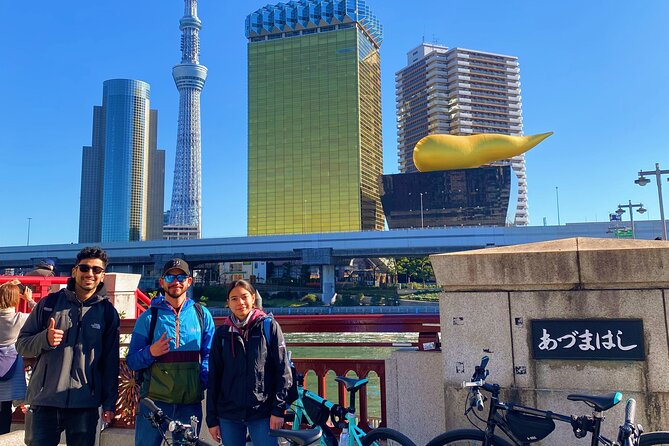
The next stop is Kabuki-za, the famous theater for classical Japanese kabuki. The group spends about ten minutes here, with no admission ticket included or required for the exterior stop.
Kabuki-za is worth seeing even if you are not attending a performance. Its presence gives the ride a cultural anchor, and your guide can help explain why this theater matters in Japanese performing arts. The short stop keeps the tour moving, but it also means you are not sitting down to watch a show or take a full theater tour.
That is a good arrangement for a bicycle route. You get a look at one of Tokyo’s best-known cultural buildings, then continue toward Tsukiji instead of losing several hours to a single attraction.
Tsukiji Hongwanji Temple’s unusual setting
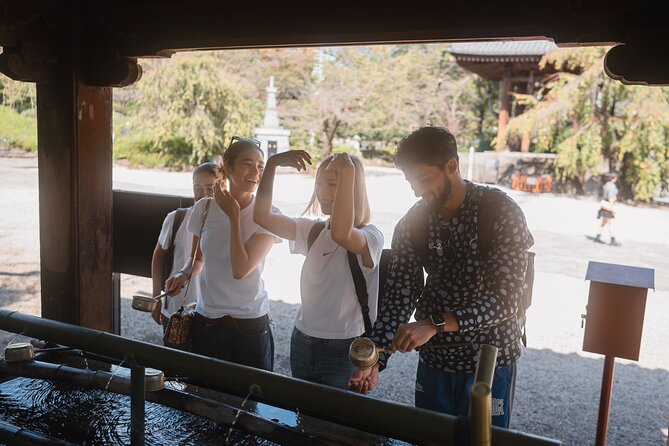
The ride continues to Tsukiji Hongwanji Temple, where you have around fifteen minutes to explore. The temple sits in the heart of Tsukiji, making it an easy place to pair with the market and a useful pause between city riding and food.
This stop adds a quiet religious site to a route that could otherwise become a string of shopping and food stops. You can step away from the road, look around the temple grounds, and get a feel for a traditional place of worship within one of Tokyo’s busiest central districts.
The time is not long, so keep your visit focused. You are not being given a full religious or architectural tour. Think of it as a well-chosen stop that gives the route more balance.
Tsukiji Fish Market and a quick bite
Tsukiji Fish Market is the food stop, with about twenty minutes for walking around and having a quick snack. This is one of the most useful parts of the schedule because you are not simply cycling past the market. You have time to sample something, and sashimi is one option mentioned by riders who enjoyed the stop.
Twenty minutes is enough for a taste, not a full market meal. You will need to make decisions quickly, and food and drinks are not included in the tour price. Bring money and keep your expectations realistic: this is a short break built into a moving tour.
I like this arrangement because Tsukiji works better as part of a wider route than as the entire focus of your morning. You see the market, try a bite, and then continue into neighborhoods that many first-time visitors would skip. If you want an extended food crawl, book extra time at Tsukiji before or after the ride.
Other city tours we've reviewed in Tokyo



Tsukishima Monja Street and a local style of Tokyo
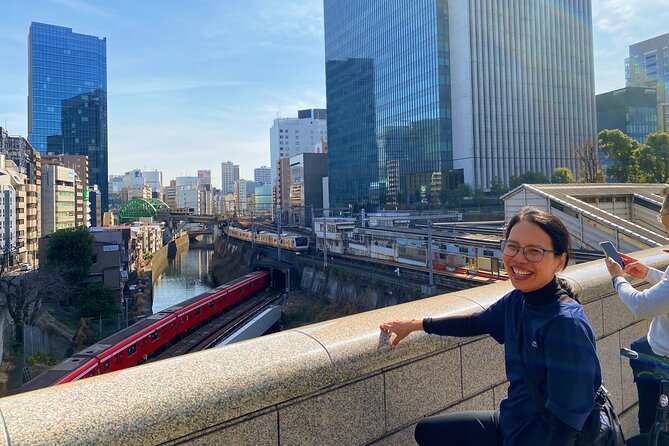
After Tsukiji, the route heads to Tsukishima Monja Street. You spend about ten minutes cycling through this traditional Japanese street area. The stop offers a change from Ginza’s luxury image and Tsukiji’s market energy.
Monja is a local Tokyo specialty, usually associated with a savory, soft-textured dish cooked on a hot plate. The tour information does not promise a meal here, so do not count on a second food stop. Instead, you are getting a look at a neighborhood known for its local dining culture.
This is also where the electric bike begins to show its practical value. You are not tied to the subway grid, and the guide can connect nearby areas by road. The route feels more like a city ride than a checklist of isolated attractions.
Sumiyoshi Jinja in a traditional town setting
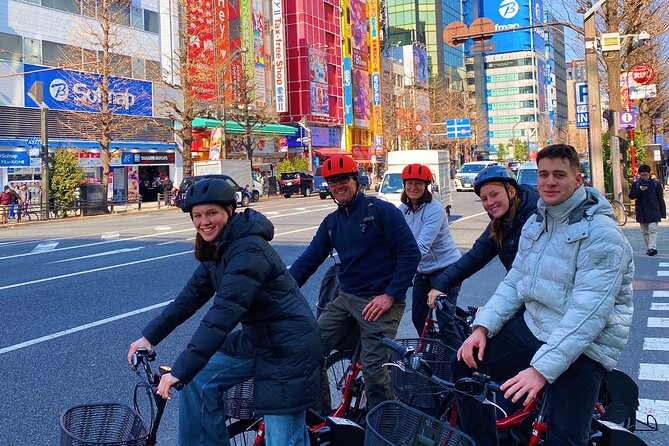
The ten-minute stop at Sumiyoshi Jinja brings you to a local shrine in a traditional Japanese town. It is a short visit, but the shrine gives you another view of daily Tokyo, one based on neighborhood religious life rather than major tourism sites.
Shrines can be easy to miss when you are racing between Tokyo’s headline attractions. By bicycle, you can stop at a smaller site and see how the city shifts from commercial avenues to quieter local streets. Your guide can also help you understand what you are looking at, which is useful if you are not familiar with Japanese shrine customs.
Again, the visit is compact. You will not have time for a long ritual, extended photography, or a full shrine history lesson. The value comes from the contrast and from seeing a place that is part of a local neighborhood.
Kiyosumi Gardens gives you a calm walking break
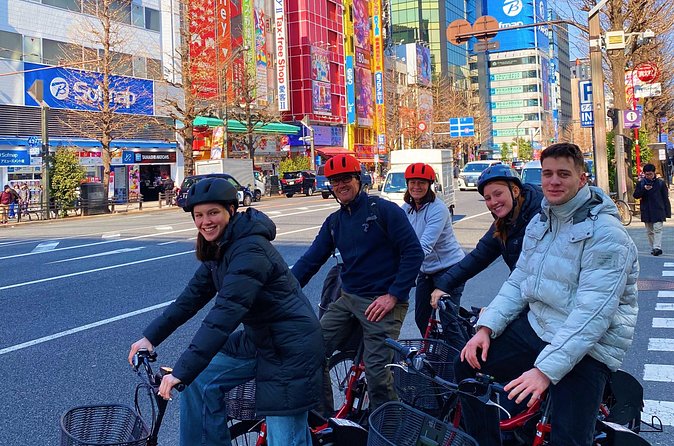
Kiyosumi Gardens is the longest scheduled stop before the optional temple, with about twenty-five minutes to leave the bicycles and walk through the garden. Admission is included, so you do not need to budget an extra fee here.
This is an important pause in a three-hour ride. You have been cycling through city streets, and the garden lets you slow down, stretch your legs, and look around without traffic. The route’s balance is strong here: commercial Tokyo, food-market Tokyo, shrine Tokyo, and then a formal garden.
Twenty-five minutes will give you an overview rather than a leisurely garden visit. If you enjoy Japanese gardens and want time for careful photography, you may wish you had longer. Still, the stop is long enough to make the change of pace worthwhile.
For many riders, this may be the most restful part of the outing. You are not asked to rush directly from one bicycle segment into another. The included admission also improves the tour’s value, since you get a proper cultural stop rather than only roadside photo breaks.
Finishing at Fukagawa Fudodo Temple
The final destination is Naritasan Fukagawa Fudodo Honden, also called Fukagawa Fudodo, at 1-17-13 Tomioka in Koto City. The scheduled stop lasts about twenty minutes, and entry is optional.
If you want to enter, the fee is ¥1,000 and must be paid in cash. That cost is not included in the tour price. If you do not wish to go inside, the tour can end here without the additional admission.
This arrangement gives you some choice at the end of the ride. You can finish when the cycling portion is complete, or add the temple visit if you have the cash and interest. Since the experience ends here, not back at the starting point, check your onward plans before booking. The end point is in Koto City, away from the Ginza meeting area.
What the three-hour pace feels like
The schedule adds up to a route with several short stops and two longer pauses at Tsukiji and Kiyosumi Gardens. You will spend much of the time moving between districts, rather than sitting in one place for a deep visit.
That pace suits you if you want an overview and enjoy seeing how Tokyo changes from one neighborhood to the next. It is less suitable if you prefer to study each temple, browse every market stall, or spend a full hour in a garden.
The ride also gives you a different sense of distance. On public transport, you tend to think in stations and transfers. On a bicycle, you see the streets between the sights. The guide leads you through busy roads and smaller backstreets, which can reveal parts of Tokyo you would not select from a standard sightseeing map.
The group’s safety depends on everyone riding sensibly. Nao is specifically praised for guiding the group safely through busy streets, and Sho is associated with taking riders through backstreets and explaining each area. Even with a guide, you need to follow instructions, stay alert, and keep control of your bicycle.
Practical details, price, and planning
The price is $87.96 per person. Included are the electric bicycle, an English-speaking guide, and admission to Kiyosumi Gardens. Food, drinks, and the optional ¥1,000 temple admission are extra.
I would judge the price by what you want from the morning. If you only need transportation between Ginza and Tsukiji, it is expensive compared with the subway. If you want a guided route, a small group, bicycle use, local streets, a market stop, and garden admission, the price is more reasonable.
The experience includes a mobile ticket, and confirmation is received at booking. The meeting point is near public transportation. Because the start and finish are different, allow time to organize your plans at both ends.
This activity is booked an average of 67 days in advance, so last-minute availability may be limited. Free cancellation is available if you cancel at least 24 hours before the local start time. Changes or cancellations inside that window are not refunded, and poor weather can lead to a different date or a full refund.
Who will enjoy this Tokyo bike tour most
I would choose this ride if you want to cover several bayside areas in one morning and prefer active sightseeing to a bus or train route. It is a good fit for couples, friends, families with confident cyclists, and solo riders who like having a guide nearby.
You will get the most from it if you enjoy variety. The route moves from luxury shopping to classical theater, a temple, a market, a local food street, a shrine, a garden, and another temple. No single stop dominates, so the pleasure comes from the mix.
I would be more cautious if you dislike traffic, have difficulty riding for three hours, or want long, unhurried visits. The electric assist reduces effort, but it does not remove the need to cycle in Tokyo. You should also avoid booking it as your only chance to see Tsukiji if you want a slow meal or extended market shopping.
Should you book the bayside E-bike tour?
Book it if you want a compact, active introduction to Tokyo’s bayside and like the idea of seeing streets between the major sights. The small group, easy-to-ride electric bikes, English-speaking guide, included garden admission, and Tsukiji snack break make this more useful than a simple bicycle rental.
Skip it if your priority is luxury shopping in Ginza, a long kabuki performance, or a full day at Tsukiji. For most capable cyclists, though, the route offers a smart way to connect central Tokyo with quieter local areas, and the optional Fukagawa temple visit lets you decide how the final stop fits your budget.
FAQ
How long is the Tokyo bayside E-bike tour?
The experience lasts approximately three hours.
How much does the tour cost?
The listed price is $87.96 per person.
What is included in the price?
The price includes use of an electric bicycle, an English-speaking guide, and entrance to Kiyosumi Gardens.
Is food included?
No. Food and drinks are not included, although the route includes a quick snack break at Tsukiji Fish Market.
Is the Fukagawa Fudodo Temple entrance included?
No. Entry is optional and costs ¥1,000, payable in cash.
Where does the tour start?
The meeting point is 1-3 Hibiyakōen, Chiyoda City, Tokyo 100-0012, Japan.
Where does the tour end?
The tour ends at Fukagawa Fudodo, Naritasan Tokyo branch temple, at 1-chōme-17-13 Tomioka, Koto City, Tokyo 135-0047, Japan.
How many people can join the tour?
The maximum group size is seven travelers.
Can I cancel for a full refund?
Yes, if you cancel at least 24 hours before the experience start time. Cancellations made less than 24 hours before the start are not refunded. If poor weather causes the tour to be canceled, you will be offered another date or a full refund.
More E-Bikes in Tokyo
More City Tours in Tokyo
More Cycling Tours in Tokyo
More tours in Tokyo we've reviewed





E-Bikes, compared.
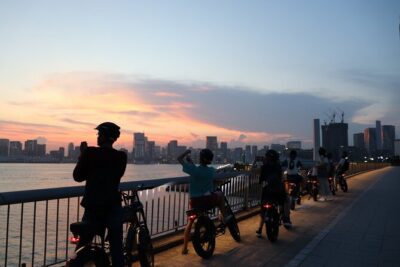 ★ 5.0Tokyo Top Highlights 3h Guided E-bike TourFrom $63
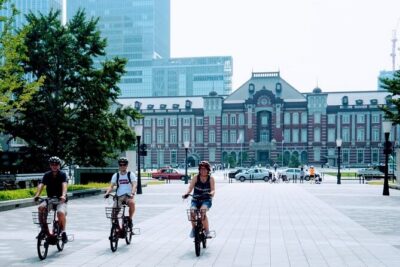 ★ 5.03h Tokyo E-Bike Tour: Hidden Gems, and Local Life with guideFrom $63
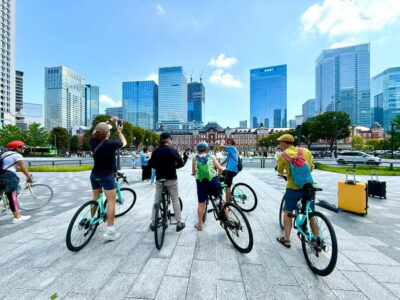 ★ 4.8Tokyo: 3-Hour Bike or E-Bike City Highlights TourFrom $453 hours
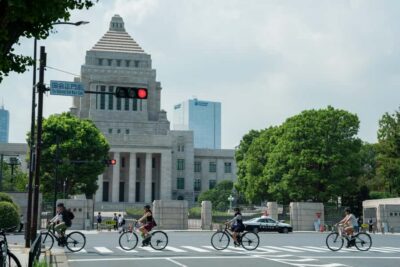 ★ 4.8Tokyo: 3-hour Guided E-Bike Tour of the City’s Hidden GemsFrom $65
 ★ 5.0Tokyo: 3-Hour Bike/E-Bike Tour of the City’s HighlightsFrom $63
 ★ 5.03-Hour Tokyo Private E-Bike Tour Starting from Your HotelFrom $145