
Reviewed · SUMO EXPERIENCES
Tokyo – Grand Sumo Tournament
Sumo is one of Japan’s great live spectacles: part sport, part ceremony, and part community theater. At Ryogoku Kokugikan, you’ll hear fans clap, shout, and react to every shove, slap, and throw. The ring is small, but the drama is huge.
I like the certainty of having admission arranged ahead of time, especially for a popular tournament. I also like the chance to watch Japanese culture unfold without needing to understand every word. The main caution is price: at $565 per person, this is costly for a two-hour, ticket-only experience with no transport or guide.
- Watch live sumo at Ryogoku Kokugikan, Tokyo’s main tournament venue.
- Expect a lively sports crowd, with cheering much like a major-league game.
- Choose upgraded seats if a closer view matters to you.
- Bring your own context, since this package includes no guide, commentary, or transportation.
- Check the date carefully, because tournaments alternate between Tokyo and Osaka.
- Understand the product clearly, since guide-led sumo culture outings are different from this ticket-only event.
In This Review
- The real appeal of a Grand Sumo day
- Ryogoku Kokugikan: where Tokyo’s sumo story happens
- What you will and will not receive
- The tournament dates for 2026
- Why prebooking can be useful
- Seating changes the experience
- The culture behind the pushing and throwing
- A note about guide-led sumo experiences
- The drawback: price and unclear scope
- Who will get the most from this experience
- Practical planning for your sumo day
- Should you book the Grand Sumo Tournament?
- FAQ
- Where does the Tokyo sumo experience take place?
- What time does the activity start?
- How long does the experience last?
- Is transportation included?
- Is a tour guide included?
- Which 2026 dates are available?
The real appeal of a Grand Sumo day
A live sumo tournament gives you something a television broadcast cannot: the sound and tension of the room. Each bout may last only seconds, yet the buildup can take several minutes. Wrestlers enter, stamp, clap, and perform formal gestures before the actual contest begins.
That ceremony matters. Sumo is not simply two large athletes pushing one another. The sport carries links to Shinto practice, Buddhist customs, formal rank, and a strict training life. Even if you know little about the rules, you can follow the basic story: two wrestlers face off, search for balance, and try to force the other outside the ring or make any part of the body except the soles of the feet touch the ground.
The crowd adds another layer. Fans react loudly when a lower-ranked wrestler surprises a favorite. A strong bout can produce sudden applause, shouts of encouragement, and the familiar feeling that you are watching a national sport with deeply loyal supporters.
For many people, that atmosphere is the reason to go. You are not merely checking off an old Japanese custom. You are watching a living event with its own rhythm and social energy.
Ryogoku Kokugikan: where Tokyo’s sumo story happens
The meeting point is Ryōgoku Edo NOREN, at 1-chōme 3-20 in Sumida City. The scheduled start time is 10:00 a.m. The activity information says the event begins and ends at the meeting point, but it also says transportation is not included, so you need to make your own way there and back.
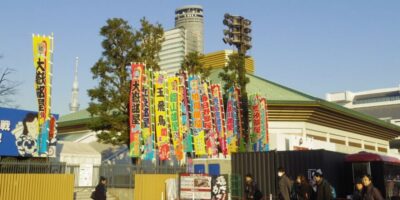
Ryogoku is the natural setting for sumo in Tokyo. The district is closely linked with the sport, and Kokugikan is the city’s best-known venue for a Grand Sumo Tournament. Simply arriving in this part of Tokyo helps put the event in context.
The ticket is listed as a paper ticket, so read the pickup or handover instructions carefully when you book. The supplied details do not explain exactly how the paper ticket reaches you, and that is worth confirming before you set out. Do not assume that a guide will meet you at the arena or escort you to your seat.
The event itself is described as lasting about two hours. That is a short window for a full tournament day, so you should treat this as admission to a selected portion or arranged viewing period rather than an all-day stadium outing. The exact schedule inside the arena is not explained in the available information.
A few more Tokyo tours and experiences worth a look

What you will and will not receive
This distinction is the most important part of the purchase. The experience is advertised as a ticket-only event. Admission is included, but a tour guide is not. Transportation is also excluded.
That means you are paying for access to the event, not for a guided lesson in sumo. There is no stated hotel pickup, arena transfer, walking tour, training-stable visit, temple visit, lunch, or hands-on wrestling lesson.
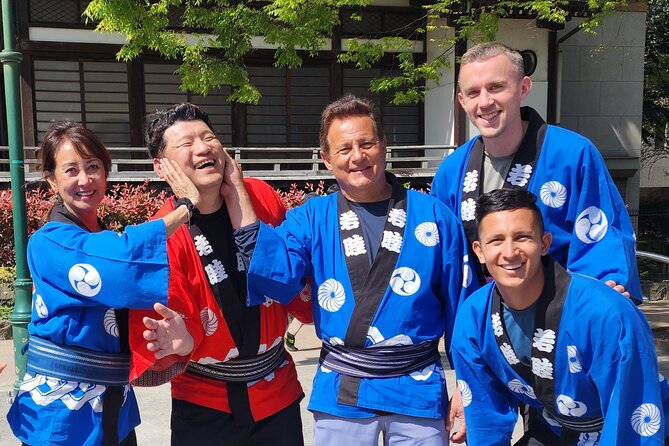
Some descriptions connected with sumo outings in the same area include hosts named Ken, Shin, Kevin, or Li. Those guide-led activities can involve explanations of sumo culture, demonstrations, temple or shrine visits, gardens, and even practice with a sumo athlete. They are not the same thing as this ticket-only tournament admission. I would not book this product expecting those extras.
This clear separation protects you from the most common disappointment. If your main goal is to sit in a real arena and watch a tournament, this format may suit you. If you want instruction, personal stories, a training visit, or a hands-on demonstration, you need a different experience.
The tournament dates for 2026
The supplied schedule gives three tournament periods:
- January 11 to 25, 2026, Tokyo
- March 8 to 22, 2026, Osaka
- May 10 to 24, 2026, Tokyo
The Tokyo events take place at Ryogoku Kokugikan. The March event is in Osaka, so do not assume that every booking brings you to Tokyo. The wording says you may watch in Tokyo or Osaka depending on the date, making the calendar essential before you pay.
The activity is booked, on average, 38 days ahead. That suggests you should not leave your plans until the last minute, especially if you need a particular tournament date or want upgraded seats. Still, the date information does not tell you the exact day or seating section available at the $565 rate, so ask before committing.
A tournament period lasts two weeks, but your ticketed experience is listed as approximately two hours. Those are different things. You are selecting a date within the tournament window, not necessarily attending every day or seeing an entire day of bouts.
Why prebooking can be useful
Sumo tournaments are popular, and arranging admission before you arrive removes one difficult task from a busy Japan itinerary. You do not need to work out the Japanese ticket system on your own, and the prearranged access may be especially useful if you are visiting during a peak travel period.
The value of prebooking is convenience and certainty. You can build your day around Ryogoku instead of spending time searching for availability. For a major cultural event, that peace of mind has real value.
But convenience does not automatically justify $565. The price is high for a two-hour ticket-only activity. You should compare it with the cost of obtaining sumo tickets directly, if available, and check what seat category is included. An upgraded seat costs extra, so the base price may not place you close to the ring.
At this price, I would want clear information about the exact date, seat location, ticket delivery, and what portion of the tournament you will see. If those details are vague, pause before booking.
Seating changes the experience
Sumo’s ring is not enormous, so even a distant seat can let you follow the action. Yet the closer you are, the easier it is to see the wrestlers’ footwork, posture, ritual gestures, and sudden changes in balance.
The availability of upgraded seats is useful if this is a major reason for your Japan trip. A better position can help you notice details that disappear from the back of the hall. It may also make photographs more satisfying, though the supplied information does not state the photography rules, so follow arena instructions.
For a casual first look at sumo, the standard seat may be enough. For a serious fan, a close seat has greater value. Since the ticket price is already substantial, ask exactly what the upgrade provides rather than paying simply for a label such as premium.
You also need to think about the two-hour duration. A close seat may matter more if you are seeing a carefully chosen section of bouts. If the schedule is short, you want a good view from the start.



The culture behind the pushing and throwing
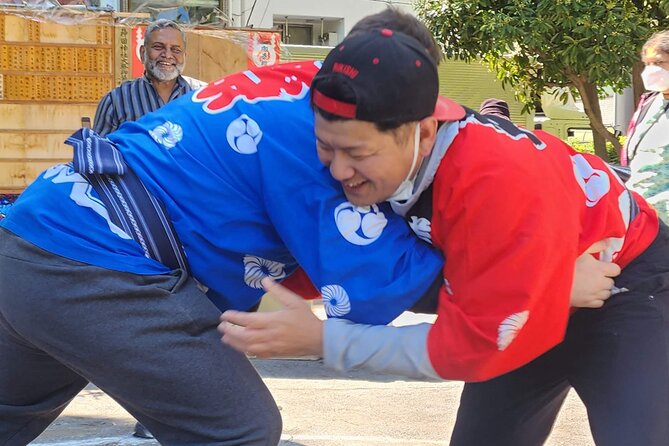
The sport’s formal side is what makes it memorable. Before a bout, wrestlers perform set actions that signal readiness and respect. Salt is used in the ring, wrestlers stamp their feet, and the pre-bout routine creates suspense before anyone attacks.
These motions are not decoration added for visitors. They are part of sumo’s identity. The ritual gives the event a different pace from most modern sports, where the goal is often to get the action moving as quickly as possible.
Sumo also reflects rank and discipline. Wrestlers belong to a structured world with demanding training and strict customs. The highest-ranking wrestlers carry special prestige, while lower-ranked contests can be thrilling because the outcome may be less predictable.
A guide can explain these details, but this particular booking does not include one. I suggest reading a short introduction to sumo before you go. Learn the basic winning methods, the idea of rank, and why the pre-bout ritual takes time. You will get far more from the two hours.
A note about guide-led sumo experiences
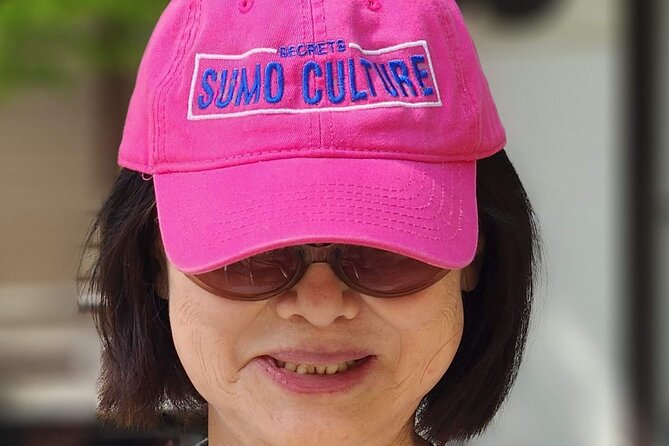
The available information includes strong praise for hosts called Ken and Shin, along with mentions of Kevin and Li. Those accounts describe very different formats: explanations of sumo history and customs, personal anecdotes, interaction with a sumo athlete, and visits to temples, shrines, gardens, or local food spots.
One reported format included a demonstration by a professional sumo athlete and an opportunity for a participant to take part in a bout. Another described seeing several wrestlers train for about half an hour, followed by a walking tour of the Ryogoku area and lunch. These sound appealing, but they should not be assumed here.
This matters because the word sumo can describe several products. A tournament ticket, a stable visit, a cultural walking tour, and a hands-on demonstration each offer a different day. The names of hosts and the details of those activities are useful clues, but they do not change the stated terms of this ticket-only event.
If personal instruction is what you want, search for a separate experience that explicitly promises it. If you want the roar of a tournament crowd, book according to the details here and leave the guide-led extras out of your expectations.
The drawback: price and unclear scope
The main weakness is not the sport. It is the gap between a high price and a limited service. At $565 per person, you are paying a premium for arranged admission, yet the booking includes no transportation and no guide.
The approximate two-hour duration also needs attention. A full tournament day can involve much more than two hours, while this experience gives no detailed breakdown of the bouts or schedule you will watch. You could find the event thrilling, but you could also feel shortchanged if you expected a complete day at Kokugikan.
There is another practical concern: the supplied information includes the phrase Admission Ticket Free alongside a paid price. I would treat the listed price of $565 as the amount to budget, but I would confirm the final total and ticket terms before payment. The wording is inconsistent enough to deserve a direct question.
The non-refundable policy makes that check even more important. Once booked, the experience cannot be changed or refunded for any reason. Confirm your dates, city, seat type, and ticket delivery before you place the order.
Who will get the most from this experience
I would consider this for a visitor who has a strong interest in sumo and values advance access over a lower price. It can also suit someone who wants a simple, self-guided outing and does not need a lecture or hotel transfer.
Families and first-time visitors can enjoy the spectacle, but younger children may find the formal pauses between bouts slow. The supplied information says most people can participate, and service animals are allowed. The maximum group size is 20, though the ticket-only format means you may not spend much time with that group.
I would be more cautious if you are watching your budget, want a full tournament day, or expect a personal host. I would also avoid booking until you know whether the event is in Tokyo or Osaka. The March dates are in Osaka, not Ryogoku.
Practical planning for your sumo day
Plan your route to the meeting point yourself. The activity is near public transportation, but no transfer is included. Allow enough time to find Ryōgoku Edo NOREN and handle the paper ticket before the 10:00 a.m. start.
Wear comfortable clothes for the journey and keep your day flexible after the event. The information does not include a meal or a district tour, so you will need to arrange those separately. Ryogoku is a sensible place to continue exploring, but no specific restaurant or attraction is included in this package.
Take a little time to learn the basic rules before arriving. Watch how the crowd reacts, notice the difference between ceremony and combat, and pay attention to the wrestlers’ balance. Sumo is easy to enjoy at a surface level, but a small amount of preparation lets you see much more.
Most of all, read the confirmation carefully. Make sure it identifies the tournament city, date, meeting instructions, seat category, and paper-ticket procedure. With a non-refundable booking and a high price, details matter.
Should you book the Grand Sumo Tournament?
Book it if your priority is seeing live sumo in a real tournament setting and you are willing to pay for arranged admission. The crowd energy, formal rituals, and physical force can make this one of Tokyo’s most memorable cultural outings.
I would not book it for a guided introduction, training-stable visit, temple walk, or hands-on match. None of those are included in the stated ticket-only format. At $565, I would also compare the seat and access details with other ticket sources before deciding.
My call is simple: great subject, potentially steep value. For a dedicated sumo fan with the right date and a confirmed good seat, it may be worth the cost. For everyone else, make sure you are buying a tournament ticket, not expecting a full cultural tour.
FAQ
Where does the Tokyo sumo experience take place?
The Tokyo event takes place at Ryogoku Kokugikan. The meeting point is Ryōgoku Edo NOREN, 1-chōme 3-20, Sumida City, Tokyo 130-0015.
What time does the activity start?
The stated start time is 10:00 a.m.
How long does the experience last?
The activity is listed as approximately two hours.
Is transportation included?
No. Transportation is not included, so you must make your own way to the meeting point and return afterward.
Is a tour guide included?
No. This is described as a ticket-only event with no tour guide. Separate sumo culture experiences may include hosts, but those are not part of this booking.
Which 2026 dates are available?
The listed dates are January 11 to 25 in Tokyo, March 8 to 22 in Osaka, and May 10 to 24 in Tokyo.
More Sumo Experiences in Tokyo

More tours in Tokyo we've reviewed











Sumo Experiences, compared.
 ★ 4.8Tokyo: Sumo Show Experience with Chicken Hot Pot and a PhotoFrom $1032 hours
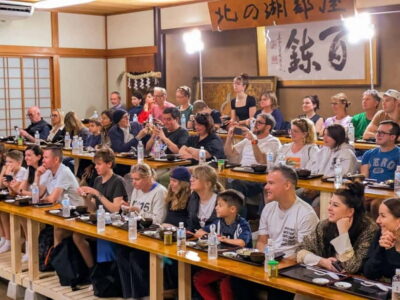 ★ 4.8Tokyo: Sumo Show and Dining ExperienceFrom $7990 minutes - 2 hours
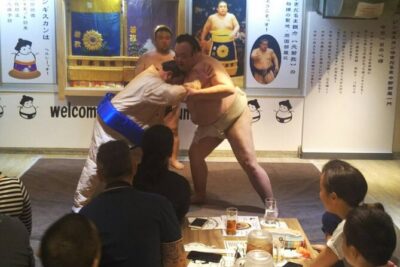 ★ 5.0the SUMO showFrom $89
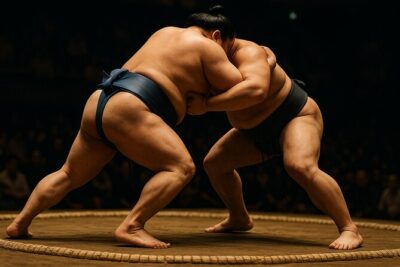 ★ 5.0Tokyo Shinjuku Sumo Show & Experience with PhotoFrom $79
 ★ 4.8Tokyo: Sumo Show and Experience in ShinjukuFrom $691h 30m
 ★ 4.6Tokyo: Sumo Tournament Tour with Chair Seat TicketsFrom $141