
Reviewed · CITY TOURS
Tokyo Full Day Customize Private City Tour
Tokyo is a big, spread-out city, and this 10-hour private tour gives you a practical way to cover its far-flung sights without learning several train routes in one busy day. You choose the focus, then ride in an air-conditioned vehicle with hotel pickup, WiFi, bottled water, and an English-speaking driver or semi-guide.
I like two things right away: the flexible itinerary lets you shape the day around temples, food, gardens, shopping, or city views, and the private vehicle saves energy between distant areas such as Asakusa, Odaiba, Shibuya, and Tokyo Bay. Guides named Qasim and Rana received especially warm praise for their flexibility, recommendations, and care in hot weather.
The trade-off is pace. Ten listed stops can make the day feel more like a broad introduction than a slow look at each place. Tokyo Tower and Tokyo Skytree also cost extra, and the 1-minute times shown for Meiji Shrine and the Harajuku cafe stop need clarification before you book.
In This Review
- Key points to know before booking
- Why a private car helps in sprawling Tokyo
- Tsukiji Fish Market: start with food and local texture
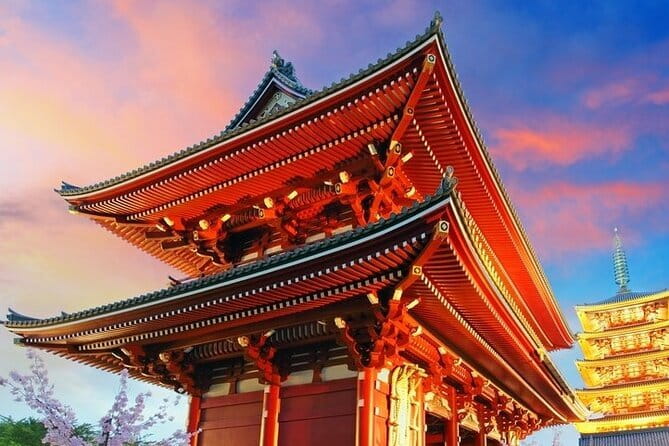
- Senso-ji and Nakamise: Tokyo’s old temple quarter
- The Imperial Palace: Edo Castle at the center of modern Tokyo
- Meiji Shrine and Harajuku: quiet woods beside youth culture
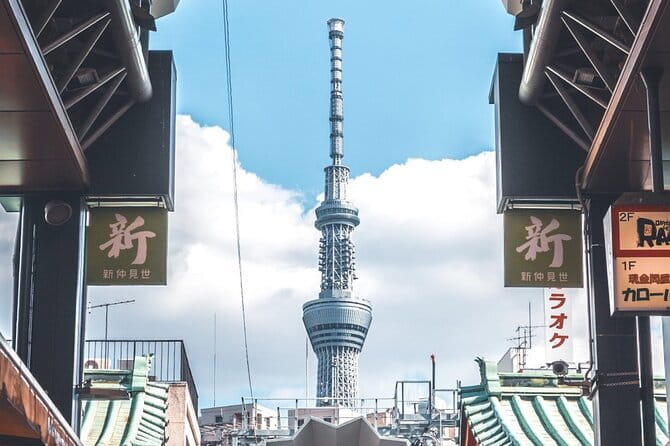
- Tokyo Skytree: pay extra for the high view
- Odaiba Seaside Garden: Tokyo Bay and modern development
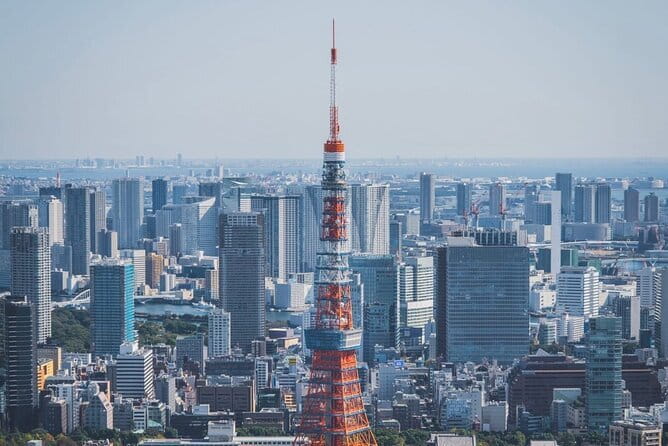
- Tokyo Tower: a second paid view with a classic silhouette
- Shibuya Crossing: finish with Tokyo at full speed
- What $389 per group really buys you
- Who will get the most from this Tokyo tour
- Should you book the Tokyo private tour?
- FAQ
- How long does the Tokyo private tour last?
- How many people can join one booking?
- Is hotel pickup and drop-off included?
- Is transportation provided during the tour?
- Is WiFi available in the vehicle?
- Are Tokyo Skytree and Tokyo Tower admission fees included?
- Is lunch included?
- Can the itinerary be customized?
- What is the cancellation policy?
Key points to know before booking
- A private vehicle connects far-apart Tokyo districts: Hotel pickup and drop-off make this useful when you want to see Asakusa, Odaiba, Harajuku, and Shibuya in one day.
- You can adjust the day: Ask for more time at food stops, gardens, temples, shopping streets, or observation towers rather than treating every listed stop as fixed.
- Qasim and Rana are named guide options in the feedback: Qasim was praised for site knowledge and food suggestions, while Rana was praised for flexibility in the heat.
- The base price is $389 per group of up to three: That works out to about $130 per person for three people, before the separate tower admissions and lunch.
- Tokyo Skytree and Tokyo Tower are optional-cost stops: The listed admission prices are ¥2,100 per person for Skytree and ¥800 per person for Tokyo Tower.
- The schedule is ambitious: Ten hours sounds generous, but traffic and the number of stops mean you should choose priorities before the vehicle arrives.
Why a private car helps in sprawling Tokyo
Tokyo sightseeing is not arranged in one neat historic center. Tsukiji, Asakusa, the Imperial Palace, Meiji Shrine, Odaiba, Tokyo Tower, and Shibuya each sit in different parts of the city. Public transport can connect them, but transfers and station walks take time, especially if you are carrying shopping bags or traveling with family.
Here, you are picked up at your hotel and returned there at the end. The vehicle includes air conditioning, onboard WiFi, and bottled water. Complimentary tea or coffee is also described as part of the service, giving the day a few small comforts between stops.
The English-speaking driver is described as an expert semi-guide rather than a full specialist guide at every site. That distinction matters. You should expect help with the route, background, timing, and recommendations, but you may want to ask in advance how much guided commentary you will receive inside each temple area or garden.
The strongest personal touch comes from the customization. If food matters most, you can put more time into Tsukiji. If this is your first Tokyo visit, you can keep the major icons. If you have already seen the central sights, you can ask for a different mix. Qasim was praised for explaining the places visited and recommending good food, while Rana adjusted the day for hot weather. Those details suggest that speaking up about your interests and energy level is worthwhile.
Other city tours we've reviewed in Tokyo


Tsukiji Fish Market: start with food and local texture
Tsukiji is a natural morning stop, especially if you want Tokyo to begin with something edible rather than a palace gate. The market area grew from land reclaimed in Tokyo Bay during the Edo period after the Great Fire of Meireki in 1657. The stop is listed at about one hour, with no admission charge.
You can use this time to look for seafood, prepared foods, and small shops, although the exact food plan is yours to set. Lunch is not included, so budget separately if you want to eat here. Ask your driver which stalls or dishes fit your preferences rather than wandering without a plan.
Tsukiji also shows why a private day works well for food-minded visitors. You can decide whether the market deserves a quick look or a longer tasting break. The drawback is that one hour can disappear quickly, particularly if you stop to eat and browse.
Senso-ji and Nakamise: Tokyo’s old temple quarter
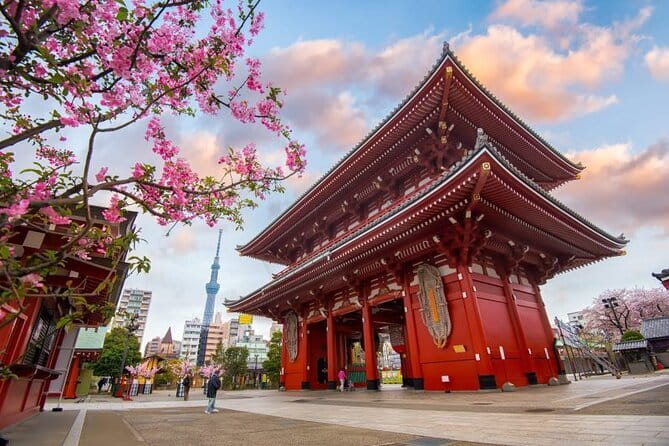
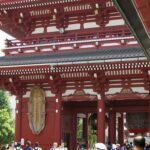
Senso-ji in Asakusa gives you one of Tokyo’s clearest links to its older religious tradition. According to the temple legend, two fishermen found a Kannon statue in the Sumida River in 628, and the temple was built to honor it. The main hall and surrounding grounds offer a sharp contrast to Tokyo’s towers and office districts.
The visit is listed at one hour, and admission is free. That is enough time for a first look at the approach, temple grounds, and main worship area, but not necessarily enough for an unhurried exploration of every side street.
The nearby Nakamise Shopping Street leads toward Senso-ji and is lined with souvenir shops, food sellers, cafes, and restaurants. The parallel streets have additional places to browse, and opening hours vary by business. If you want small gifts or traditional snacks, this is one of the more useful stops on the route.
I would avoid treating Nakamise as only a quick photo stop. Give yourself time to notice the shop fronts and compare the side streets. If shopping is not your thing, tell the driver early so more time can go to another part of Asakusa or to a different district.
The Imperial Palace: Edo Castle at the center of modern Tokyo
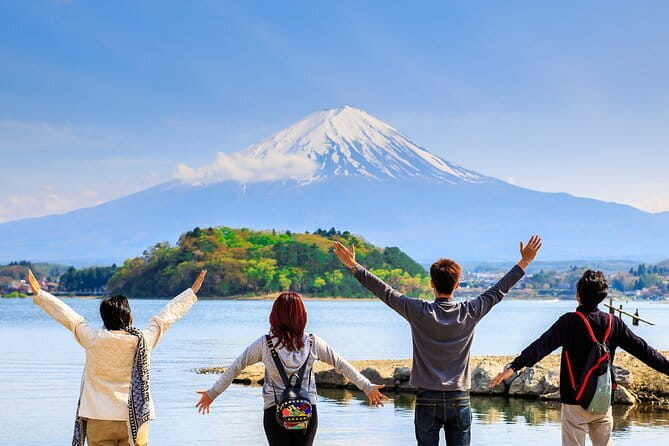
The Imperial Palace occupies the site of Edo Castle, the former seat of the Tokugawa shoguns during the Edo period. That setting gives the stop more meaning than a simple royal residence photo. You are looking at the place from which Japan was ruled for more than 250 years before Tokyo became the modern capital city.
The visit is listed at one hour and is free. The palace grounds and gardens are the main draw, with broad open spaces and formal surroundings in the middle of the city. Access to specific palace buildings or interior areas is not described, so confirm what your planned visit includes.
This is a good place to request a slower pace if gardens and historical context matter to you. It is less useful if your goal is only to collect another exterior photograph. A customized tour lets you make that choice instead of accepting the same amount of time at every stop.
Meiji Shrine and Harajuku: quiet woods beside youth culture
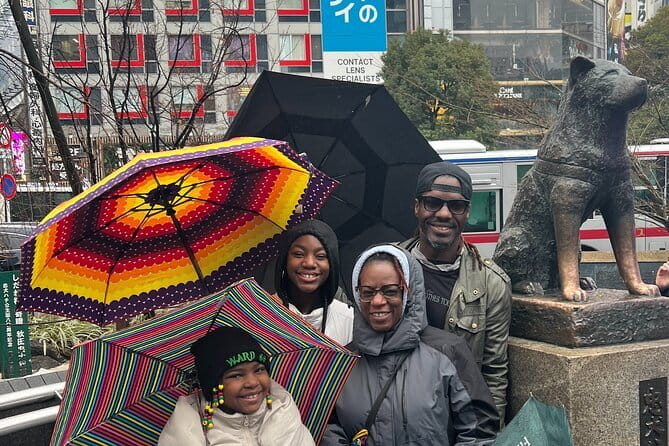
Meiji Shrine was built in 1920 for Emperor Meiji and Empress Shoken. It was destroyed during World War II air raids and rebuilt in 1958, yet the shrine is noted for its strong atmosphere. The forested approach gives you a calmer setting than the commercial streets nearby.
The schedule lists Meiji Shrine Imperial Garden at one minute, which is far too brief for a meaningful shrine visit if that figure is intended literally. I would ask the operator to confirm the timing before booking and request a proper walk through the shrine grounds if this is important to you.
Harajuku brings a completely different mood. Its name means meadow lodging, and the area began as a small post town during the Edo period. The planned stop includes the Osamu Owl and Mameshiba cafes, but the time shown is also one minute. Cafe admission or entry details are not provided, so ask about availability, admission, and realistic time before making this a priority.
This pairing works best when you want both sides of Tokyo: a quiet shrine setting and a modern neighborhood known for youth fashion and unusual cafes. It works less well if you hope to linger at either one without revising the schedule.
Other private tours in Tokyo

Tokyo Skytree: pay extra for the high view

Tokyo Skytree is the tallest viewpoint on this route, but its entrance fee is not included. The listed price is ¥2,100 per person. You should decide before the tour whether you want to spend part of your day and budget inside the tower.
The stop is scheduled for one hour, which may work for an efficient visit if admission lines and elevator timing cooperate. The tower’s story reaches back to a signal tower associated with the Musashi Kosugi area in the 16th century, before the modern structure became a major broadcasting and observation landmark.
The practical question is not simply whether Skytree is famous. It is whether you want a paid elevated view when Tokyo Tower is also on the list. If you want both, the extra cost is ¥2,900 per person for the two stated admissions, and your schedule becomes tighter. If you prefer ground-level Tokyo, use that hour for another neighborhood or a longer meal.
Odaiba Seaside Garden: Tokyo Bay and modern development
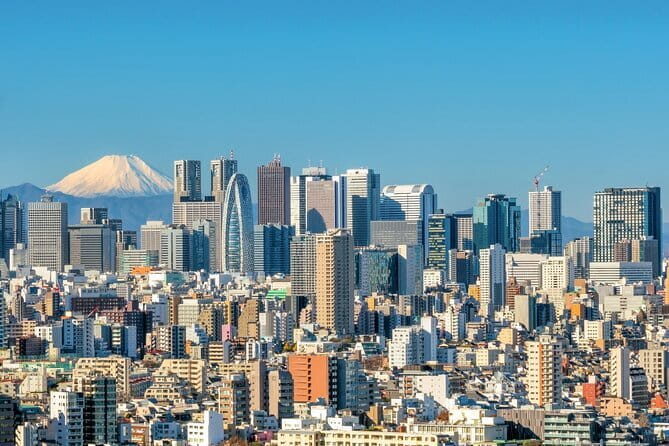
Odaiba began as a defensive project in the 1850s, then expanded as a seaport district in the late 20th century and was redeveloped in the 1990s. Today, its seaside setting gives the tour a change of scenery from shrines, markets, and dense central streets.
The stop lasts about one hour and is free. You can use it for the waterfront, open views, and a break from the tighter rhythm of central Tokyo. The name Seaside Garden suggests outdoor time, so weather matters here. The cancellation terms note that the experience requires good weather, and poor conditions can lead to a different date or a full refund.
Odaiba is also one reason the private vehicle has real value. It is not next door to Asakusa or Shibuya, and grouping it with central Tokyo by public transport takes planning. If your interests lean toward old neighborhoods and temples, you might choose a different use of this hour. If you want Tokyo’s modern side, keep it.
Tokyo Tower: a second paid view with a classic silhouette
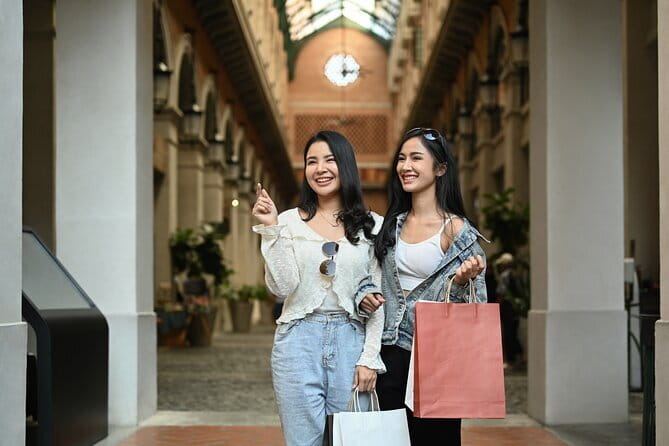
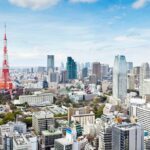
Tokyo Tower was completed in 1958 after Japan’s national broadcaster created a need for a large broadcasting tower. Its design was based on the Eiffel Tower, and the structure remains one of Tokyo’s most recognizable sights.
Admission is not included and is listed at ¥800 per person. The planned visit is one hour. Like Skytree, this stop is more than a quick photograph if you want to go inside, so allow for entrance procedures and viewing time.
The two towers offer a useful choice for your budget. Skytree is the newer, more expensive option, while Tokyo Tower carries the classic postwar Tokyo image. You do not need both unless tower views are a major aim of your day. Ask the driver which tower best fits your preferred route and available time.
Shibuya Crossing: finish with Tokyo at full speed
Shibuya Station opened in 1885, while the famous crossing took its modern form in 1932 as the Tokyu Toyoko Line made Shibuya a key stop. The crossing is now one of the city’s best-known public scenes, with people moving in several directions when the signals change.
The stop is listed at one hour and is free. That gives you time to see the crossing, explore the surrounding streets, and decide if you want the area’s shops and cafes. The tour does not list a separate observation deck or reserved viewing location, so your driver can help you choose a practical place to see the intersection.
Shibuya is a strong final stop because it leaves you with Tokyo’s modern energy after the quieter temple and palace visits. It can also be tiring after a full day. If you are traveling with children, older family members, or anyone worn down by heat, ask for an earlier hotel drop-off or shorten one of the later stops.
What $389 per group really buys you
The price is $389 for up to three people, not per person. With three people, that is roughly $130 each for about ten hours, including private transportation, hotel pickup and drop-off, an air-conditioned vehicle, WiFi, and bottled water. Tea or coffee is also described as complimentary.
That can be fair value if you want door-to-door transport and the ability to adjust the day. It is less compelling if you are happy using Tokyo’s rail network and only want to visit two or three nearby areas. Tokyo has excellent public transport, so the private vehicle earns its cost mainly through convenience, saved transfers, and a route that crosses the city.
Plan for the extras. Lunch is not included. Tokyo Skytree costs ¥2,100 per person, and Tokyo Tower costs ¥800 per person. Admission to the listed temples, market, palace area, shrine, shopping street, Odaiba, and Shibuya stops is shown as free, though any food or cafe purchase is your responsibility.
The small booking pattern detail is useful: this experience is booked about 48 days ahead on average. That does not guarantee that you must book that early, but it is a sensible warning for a private vehicle with limited capacity. The tour accepts up to three people per group, so larger parties should ask the operator how to arrange additional vehicles.
Who will get the most from this Tokyo tour
I would choose this for a first visit when you want a broad look at Tokyo without spending the day decoding train transfers. It also suits a small group that values privacy, hotel pickup, and the freedom to change the order or emphasis.
It is a particularly good fit for:
- Three people who can share the group price
- Families or couples who want a private vehicle
- Visitors with a short Tokyo stay who want many major sights in one day
- Food-focused visitors who want to include Tsukiji
- People who want advice on food and local stops from the driver
- Anyone who finds summer heat or long station transfers difficult
I would be more cautious if you prefer slow temple visits, long museum time, or detailed specialist guiding at every location. The listed schedule covers a lot, and the very short times shown for Meiji Shrine and the Harajuku cafes suggest that the itinerary needs active discussion before the day begins.
You can cancel for a full refund up to 24 hours before the start time. Changes made inside that window are not accepted, and poor weather or failure to meet the minimum number of participants may lead to a new date or refund. Service animals are allowed, most people can participate, and the activity is near public transportation.
Should you book the Tokyo private tour?
Book it if you want coverage, comfort, and control more than a slow specialist tour. The combination of hotel pickup, private transport, and flexible planning makes it a useful way to connect Tokyo’s old temples, imperial center, food districts, waterfront, towers, and modern shopping areas.
Before paying, send your preferred priorities and ask for a realistic schedule. Confirm the time at Meiji Shrine and Harajuku, decide if you want one tower or both, and leave room for lunch. If the operator can shape the day around those answers, the $389 group price can make good sense for three people. If not, choose fewer districts and explore them more deeply by train or on foot.
FAQ
How long does the Tokyo private tour last?
The tour lasts approximately 10 hours.
How many people can join one booking?
One booking covers a private group of up to three people.
Is hotel pickup and drop-off included?
Yes. Hotel pickup and drop-off are included.
Is transportation provided during the tour?
Yes. The experience includes private transportation in an air-conditioned vehicle.
Is WiFi available in the vehicle?
Yes. WiFi is provided onboard.
Are Tokyo Skytree and Tokyo Tower admission fees included?
No. Tokyo Skytree admission is listed at ¥2,100 per person, and Tokyo Tower admission is listed at ¥800 per person.
Is lunch included?
No. Lunch is not included in the tour price.
Can the itinerary be customized?
Yes. The tour is designed around a customized itinerary, so you can discuss your preferred sights and interests.
What is the cancellation policy?
You can cancel at least 24 hours before the local start time for a full refund. Cancellations or changes made less than 24 hours before the start time are not accepted for a refund.
More Full-Day in Tokyo
More Private Tours in Tokyo
More City Tours in Tokyo

More tours in Tokyo we've reviewed

City Tours, compared.
 ★ 4.8Tokyo: Private City Highlights Tour with Local GuideFrom $1064 - 8 hours
 ★ 4.7Tokyo: Asakusa, Skytree & Akhihabara Go-Kart City ExperienceFrom $961h 10m
 ★ 4.8Tokyo: 3-Hour Bike or E-Bike City Highlights TourFrom $453 hours
 ★ 4.8Tokyo: Sumo Morning Practice Tour at Sumida CityFrom $1162 hours
 ★ 4.5Private Haneda Airport (HND) to Central Tokyo City TransferFrom $119
 ★ 4.8Tokyo: 3-hour Guided E-Bike Tour of the City’s Hidden GemsFrom $65