
Reviewed · SAKE TASTING
Japanese Sake Tasting and Masu Crafting Experience in Tokyo
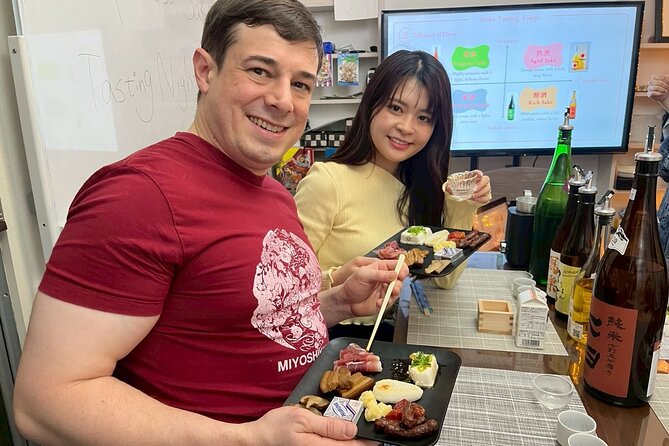
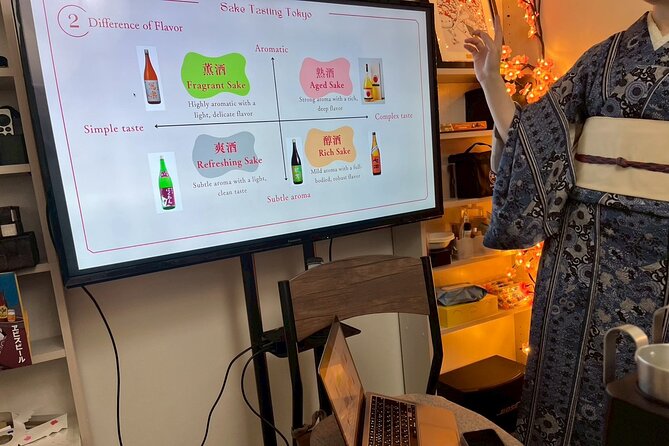
The best part of this Ikebukuro experience is the side-by-side sake tasting. You sample 5 to 6 different varieties, including warm kanzake, so you can notice how aroma and flavor shift with style and temperature. It is a far better introduction than ordering one unfamiliar bottle at a restaurant.
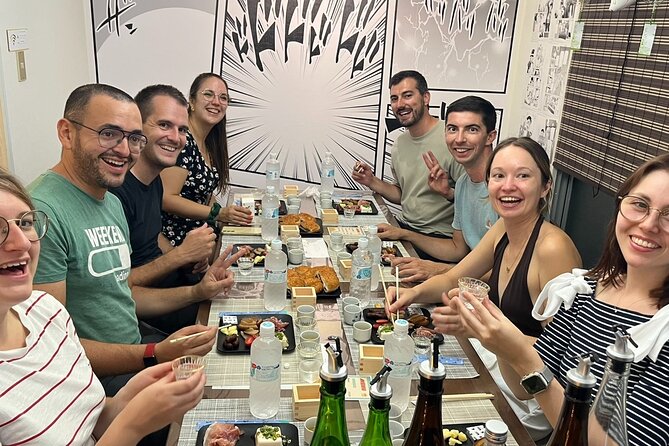
I like the small group of no more than eight and the hands-on finish: decorating a wooden masu cup with Japanese brush pens. I also like the relaxed Manga Dojo setting, where sake culture, manga, and conversation share the same small room.
The main consideration is the food. Light snacks are included, but vegetarian and vegan options are not available. If you have allergies, tell the host ahead of time. The 6 pm start also makes this a good evening activity, but less useful if you want an early night.
In This Review
- Key points at a glance
- A sake lesson that begins with comparison, not guesswork
- Finding Manga Dojo Tokyo in Ikebukuro
- The tasting: five to six glasses, several ways to drink sake
- Snack pairings make the lesson more useful
- Decorating a wooden masu cup with Japanese brush pens
- Why the small group changes the evening
- Who will get the most from this Ikebukuro experience
- Is $60 a fair price?
- Practical details before you book
- Should you book this sake and masu experience?
- FAQ
- Where does the sake tasting take place?
- What time does the experience start?
- How long does the activity last?
- How many sake varieties will I taste?
- Is hot sake included?
- Is the experience conducted in English?
- What is included with the sake tasting?
- Can people under 20 participate in the tasting?
- Are vegetarian, vegan, or allergy-friendly food options available?
- How many people can join the activity?
- Can I cancel for a full refund?
Key points at a glance
- Five to six sake styles: Compare differences in aroma, taste, and serving temperature.
- Hot sake included: Try kanzake and see how warmth brings out different qualities.
- Masu cup craft: Decorate a traditional wooden sake cup with Japanese brush pens and take it home.
- English instruction: Learn how sake is made and tasted without needing Japanese-language skills.
- Ikebukuro location: Manga Dojo Tokyo is a short walk from Ikebukuro Station and close to Animate.
- Small evening group: The 90-minute session starts at 6 pm and accepts up to eight people.
A sake lesson that begins with comparison, not guesswork
Sake can seem simple when you first encounter it. A menu may offer several Japanese names, a few numbers, and little explanation. You order something, take a sip, and hope you chose well.
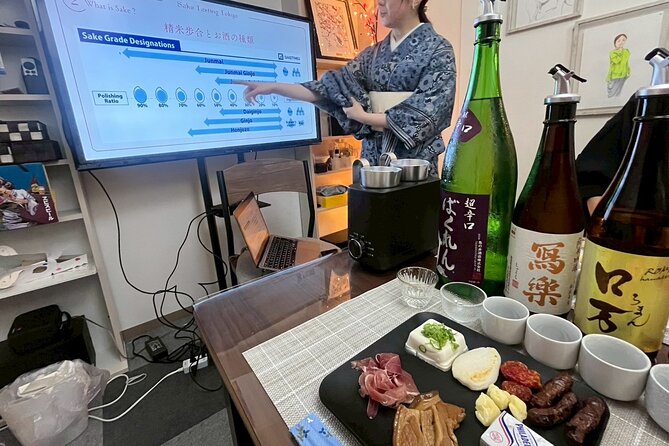
This experience gives you a useful framework first. Your host explains the basics of how sake is made, how to taste it, and why different types can taste so different. That short introduction matters because it gives you something to look for once the glasses arrive.
You are not simply handed a flight of drinks. The point is to compare. One sake may smell light and fragrant, another may feel fuller, and another may show more sweetness or dryness. The exact selection can change with the season, but the format is designed to show range.
I especially like this approach for beginners. You do not need to know the difference between ginjo and daiginjo before arriving. The session explains the terms as part of the tasting, and even someone who already drinks sake may find a few useful distinctions.
If you're still narrowing it down, here are other tours in Tokyo we've reviewed.

Finding Manga Dojo Tokyo in Ikebukuro
The meeting point is Manga Dojo Tokyo, at 1-31-6 Higashiikebukuro, Toshima City, Tokyo 170-0013, in the Sansho Building, room 602. It is near public transportation and only a few minutes from Ikebukuro Station.
The setting is not a grand sake brewery or a polished restaurant. It is a cozy room in an apartment-style building, used for manga activities as well as the sake event. That makes the atmosphere more personal and informal. A manga exhibit may be part of the room’s character, and the venue is close to Animate, one of Ikebukuro’s well-known anime and manga stops.
You should allow time to locate the building and room before the 6 pm start. The activity ends at the same place, so you can easily continue your evening in Ikebukuro afterward. Since the address includes a building and room number, keep the meeting details available on your phone. The ticket is mobile, which is convenient for a night out.
The tasting: five to six glasses, several ways to drink sake
After a welcome, the host introduces the basic sake-making process and explains how to approach the tasting. You then try five to six varieties, with each pour selected to show a different side of the drink.
This is where the experience earns its price. At $60 per person, you are paying for more than alcohol. You get instruction, several samples, snack pairings, a small-group format, and a craft activity. Buying five or six separate sake servings in Tokyo could cost a similar amount, but you would miss the explanation and the chance to compare them in a planned order.
Temperature is an important part of the lesson. Along with sake served at cooler or room temperatures, you try a hot version known as kanzake. Warming sake can change its aroma, texture, and overall impression. A bottle you find sharp or plain when cool may seem softer or more complex when warm.
That comparison gives you a practical takeaway for future meals. You learn that sake is not one fixed flavor and that serving temperature can be part of the choice. It also helps you understand why a restaurant may recommend one style chilled and another warm.
The host’s explanations are in English, and the small group allows room for questions and conversation. Aki-san is associated with the Manga Dojo workshop and hosts the experience, bringing a manga-centered touch to the room. The format is social without requiring you to arrive with a group. Solo visitors, couples, and small parties can all fit comfortably into the setting.
Pace yourself. Five to six samples in 90 minutes can add up, especially when the sake is enjoyable and conversation is flowing. The experience is intended for adults, and Japanese law prohibits alcohol consumption for anyone under 20.
Snack pairings make the lesson more useful
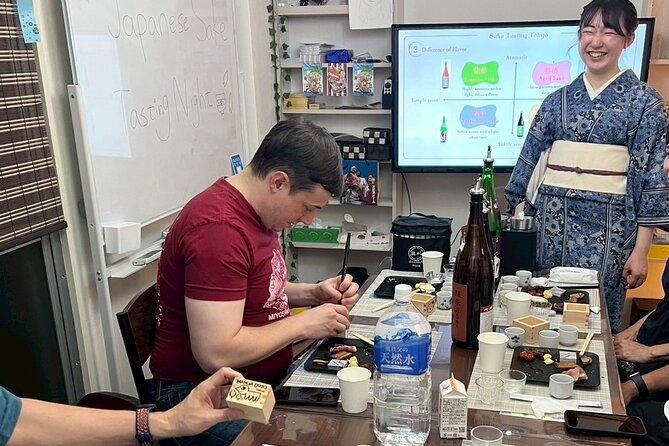
Small snacks accompany the sake. They are not presented as a full dinner, so plan to eat elsewhere if you arrive hungry. Their role is to show how food can change the way sake tastes.
This is one of the more practical parts of the session. A snack may make a dry sake seem rounder, or help a stronger style feel easier to drink. The menu varies by season, so you should not expect a fixed list of dishes.
One unusual pairing mentioned by the host is curry bread with sake. It is an unexpected match, and that is exactly why it works as a teaching moment. Japanese food and sake pairings do not have to stay within a narrow set of formal dishes. Trying an everyday snack beside sake can make the lesson feel less stiff and more connected to ordinary life in Japan.
The food policy needs attention. Vegetarian and vegan menus are not available. Allergy-friendly choices can be arranged if you tell the provider in advance, but do not wait until the tasting begins. If you have strict dietary needs, confirm what can be served before booking.
Decorating a wooden masu cup with Japanese brush pens
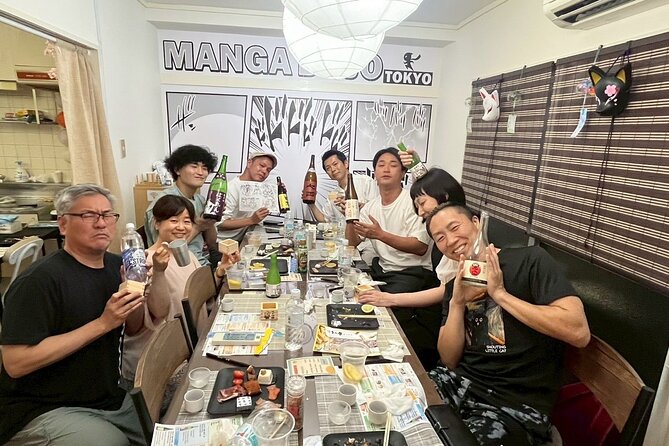
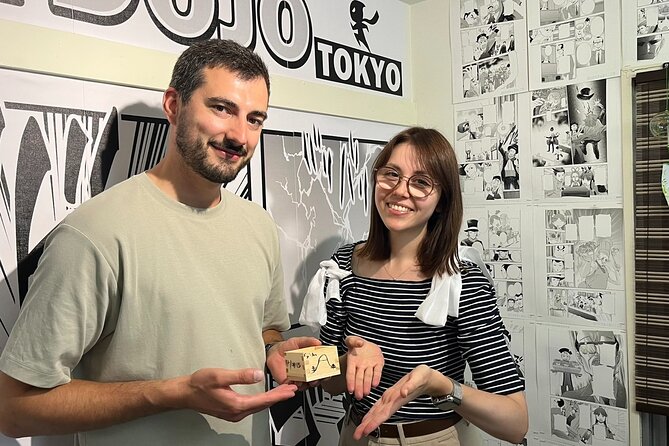
After the tasting, you switch from drinking to making. You decorate your own masu, a traditional wooden sake cup, with Japanese brush pens.
This gives the evening a physical souvenir rather than leaving you with only a pleasant memory and a possible bottle recommendation. The finished cup is yours to take home. It is light, distinctive, and tied directly to the activity.
You do not need to be an artist. The appeal is in creating something personal, not producing a museum piece. The craft also changes the pace of the event. Instead of moving straight from one drink to the next, you have a quiet, creative task that lets the conversation continue.
The manga setting makes this part feel especially fitting. Manga materials and exhibits may be present in the room, and the host’s connection to professional manga workshops adds a creative thread to the experience. If you like Japanese stationery, drawing, or handmade souvenirs, this may be more memorable than a standard tasting flight.
One practical point: the cup is wooden, so pack it where it will not be crushed during the rest of your trip. The information provided does not specify packaging or whether the cup can be used immediately for drinking, so treat it first as a decorative keepsake unless the host tells you otherwise.

Why the small group changes the evening
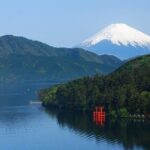
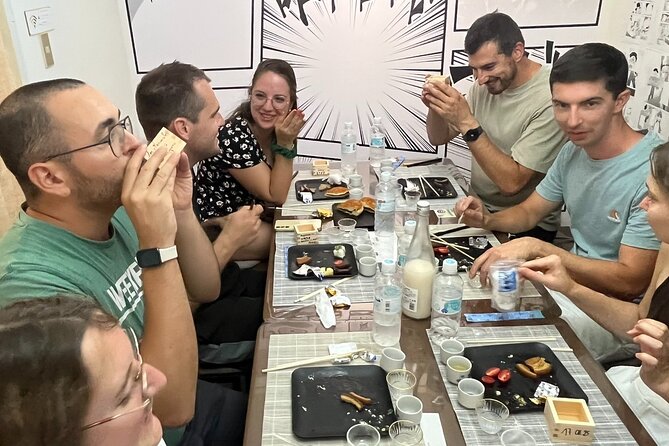
The maximum group size is eight people. That is small enough for a more direct exchange with the host and for the tasting to feel like a shared table rather than a lecture hall.
Small groups also suit the subject. Sake is easier to understand when you can ask why one pour tastes different from another, or compare your reaction with the person beside you. The atmosphere is social, and conversation with other participants is part of the appeal.
Still, a small group is not the same as a private tour. You will share the room, the tasting, and the craft time with other people. If you want a completely private lesson, this may not be the right format. If you enjoy meeting people while learning something new, the compact group works in its favor.
The 90-minute duration is well judged for an evening activity. It is long enough for an explanation, several samples, snack pairings, and the masu decoration without taking over the night. You can schedule dinner before or after, but the included snacks should not be mistaken for a substantial meal.
Who will get the most from this Ikebukuro experience
I would recommend this experience to a first-time sake drinker who wants guidance without a formal classroom. The instructor explains the basics in plain English, and the tasting lets you learn by comparison rather than memorizing labels.
It also suits people who already enjoy sake but want to test a wider range in one sitting. The ginjo and daiginjo distinction can be easy to miss when you see the terms on a menu. Here, the explanation and tasting give those categories more meaning.
Couples may like the mix of tasting and craft work, especially if they want a date-night activity that feels more personal than a bar stop. Solo visitors can also fit in well because the group setting encourages conversation.
Manga and anime fans have an extra reason to consider it. The room is connected to Manga Dojo activities and is close to Animate, making it easy to combine with an Ikebukuro afternoon. You should not book it solely as a manga tour, since the main event is sake education and tasting, but the creative setting adds character.
This is less suitable for anyone seeking a full meal, a brewery visit, or a large-scale cultural show. It is also not suitable for anyone under 20, and the lack of vegetarian or vegan options may rule it out for some diners.
Is $60 a fair price?
At $60, this is not the cheapest way to drink sake in Tokyo. You can order a single glass at many restaurants or bars for less. The better question is what you want from the evening.
The fee covers roughly 90 minutes, five to six sake samples, hot sake, snack pairings, English instruction, and a decorated wooden masu cup to take home. It also buys a structured introduction that can help you make better sake choices during the rest of your Japan trip.
I see the strongest value in the comparison. If you are curious but unsure what you like, sampling several styles at once can save you from buying a full bottle based on one uncertain sip. The craft activity adds value for people who want a souvenir and makes the experience more than a tasting flight.
The value is weaker if you already know your sake preferences and only want to drink. In that case, a specialized bar may offer more choice for the same money. Here, you are paying for context, social exchange, and a hands-on activity as much as for the pours.
The experience is often booked well ahead, with an average booking lead time of about 68 days. That suggests you should reserve early if the 6 pm timing fits a fixed Tokyo itinerary. Confirmation arrives within 48 hours, subject to availability.
Practical details before you book
The activity begins at 6 pm and returns to the same meeting point. It is near public transportation, and most people can participate, but the supplied information does not give a detailed accessibility description for the building or room.
Free cancellation is available if you cancel at least 24 hours before the local start time. Cancellations or changes made inside that 24-hour window are not accepted for a refund.
Bring your mobile ticket and arrive with enough time to find Manga Dojo Tokyo. Tell the provider about food allergies in advance. The seasonal menu may change, and vegetarian or vegan options are not offered.
Remember that the purpose is tasting, not simply drinking as much as possible. The samples are varied, and the warm sake can make the session feel different from an ordinary bar visit. Enjoy the comparisons, eat the snacks, and give yourself time to finish the evening safely.
Should you book this sake and masu experience?
Book it if you want a friendly, English-language introduction to sake with real comparison, useful food pairings, and a handmade souvenir. The hot sake lesson and the small group are the strongest reasons to choose it, while the Manga Dojo setting gives the evening a creative Ikebukuro angle.
Skip it if you need a full dinner, vegetarian or vegan food, a brewery tour, or a private tasting. For most adults who want to understand why Japanese sake can taste so different from one glass to the next, $60 is a reasonable price for the instruction, samples, snacks, and craft session.
FAQ
Where does the sake tasting take place?
It takes place at Manga Dojo Tokyo, Japan, at 1-31-6 Higashiikebukuro, Toshima City, Tokyo 170-0013, in the Sansho Building, room 602.
What time does the experience start?
The scheduled start time is 6 pm.
How long does the activity last?
The experience lasts approximately 1 hour and 30 minutes.
How many sake varieties will I taste?
You will sample five to six different sake varieties. The selection may vary depending on the season.
Is hot sake included?
Yes. The tasting includes warm sake, known as kanzake, so you can compare how temperature affects the drink.
Is the experience conducted in English?
Yes. The session is conducted in English.
What is included with the sake tasting?
The experience includes five to six sake samples, light snack pairings, instruction about sake, and the chance to decorate a traditional wooden masu cup with Japanese brush pens.
Can people under 20 participate in the tasting?
Anyone under 20 is prohibited from drinking alcohol under Japanese law.
Are vegetarian, vegan, or allergy-friendly food options available?
Vegetarian and vegan options are not available. Allergy-friendly options can be arranged if you inform the provider in advance. The snack menu may change by season.
How many people can join the activity?
The maximum group size is eight people.
Can I cancel for a full refund?
Yes, if you cancel at least 24 hours before the experience start time. Cancellations or changes made less than 24 hours before the start are not eligible for a refund.
More tours in Tokyo we've reviewed






Sake Tasting, compared.
 ★ 5.0Ramen and Sushi Cooking Class with Sake Pairing Set in TokyoFrom $79
 ★ 5.0Sake Tasting Masterclass in Shinjuku (8+ Varieties with a Pro)From $72
 ★ 5.0Sake Omakase in Tokyo: Guided Tasting by Certified SommeliersFrom $79
 ★ 5.0Tasting All Types of Sake with SommelierFrom $62
 ★ 5.0Wagyu & Sake Pairing in Shinjuku – Steak, Shabu-Shabu & MoreFrom $148
 ★ 5.0Tokyo Wagyu & Sake Pairing Tasting Experience with Local FlavorsFrom $151