
Reviewed · SUMO EXPERIENCES
Tokyo: Family Sumo Workshop & Live Wrestling Show with Lunch
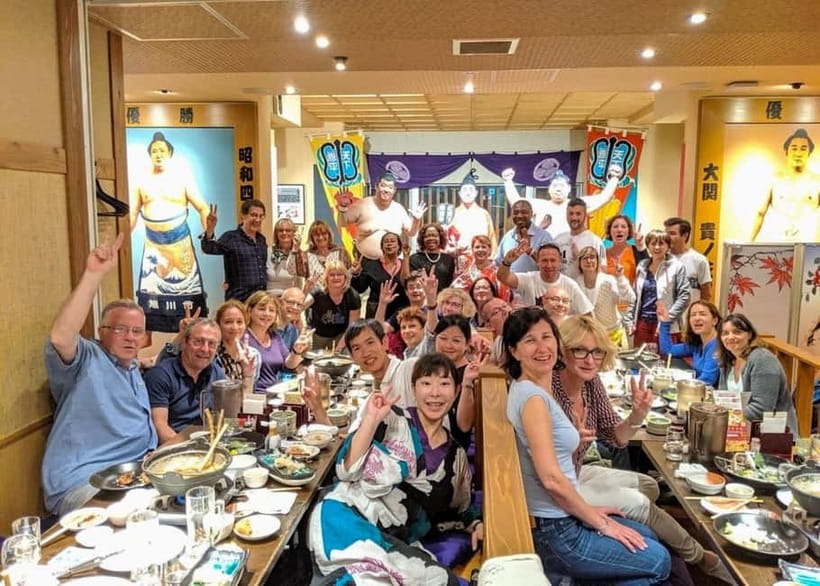
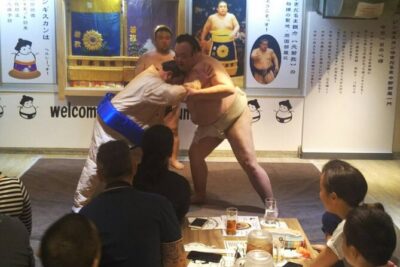
Tokyo’s sumo action gets personal here. You do not sit far away in a stadium. You step into a working-style ring in Ryogoku, learn shiko, teppo, and suri-ashi, then watch former professional wrestlers put those movements to work in a full-speed exhibition.
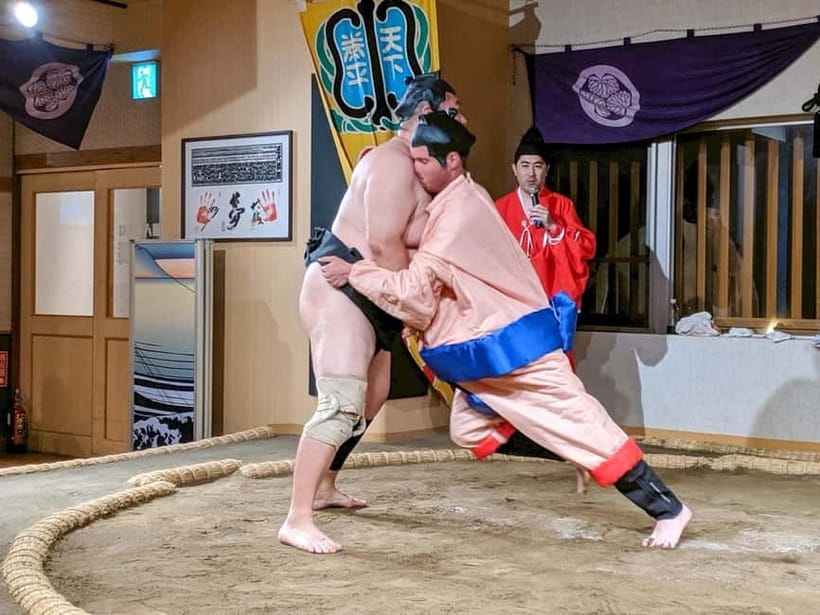
I especially like the family-friendly ring challenge, where children and adults can try pushing a wrestler out of the dohyo while parents film from the side. I also like the hearty mini chanko hotpot, with vegetarian, vegan, pork-free, and allergy-friendly options arranged ahead of time. The main consideration is that the wrestling portion is optional, but anyone who volunteers should be in good health and comfortable removing shoes before entering the ring.
In This Review
- Key points to know before booking
- Why this Ryogoku sumo workshop works so well
- Meeting the wrestlers and entering the sacred ring
- Shiko, teppo, and suri-ashi made practical
- The live bout brings the room to life
- Photo time is more useful than a quick souvenir picture
- Chanko nabe gives the morning a satisfying finish
- The 105-minute schedule and what it feels like
- Who will get the most from this activity
- Practical tips for a smoother visit
- Should you book this sumo workshop?
- FAQ
- How long does the Tokyo sumo workshop last?
- Is the wrestling challenge required?
- Can children participate?
- What food is included?
- Can I request a vegan or allergy-friendly meal?
- Is the activity wheelchair accessible?
- Where do I meet the guide?
Key points to know before booking
- Former pros explain and perform the basics: Learn the purpose behind shiko leg stomps, salt tossing, teppo strikes, and sliding footwork.
- The ring is open to you: Try suri-ashi or challenge a wrestler in a padded sumo suit during the audience bout.
- Lunch is part of the experience: Eat chanko nabe, the protein-packed hotpot associated with sumo training.
- English guidance keeps it accessible: Hosts including Alyssa, Alisa, Rio, Ko, Yo, and others have led lively sessions, though the exact host varies.
- Ryogoku is the right setting: This is Tokyo’s sumo district, not a generic entertainment venue far from the sport’s home.
- $60 is strong value for an active family outing: Admission, instruction, ring access, photo time, equipment, and lunch are included.
Why this Ryogoku sumo workshop works so well
Sumo can seem mysterious if you only encounter it in a few minutes of television footage. This workshop gives you a clear way into the sport. You see the rituals, hear the impact of the bouts, try the training motions, and ask questions in English before sitting down to eat the wrestlers’ traditional meal.
I like the mix of education and comedy. The former professionals are not there simply to pose for photos. They demonstrate the drills, wrestle at speed, joke with participants, and help you understand how much strength and control the sport demands.
The setting also matters. Ryogoku is the spiritual center of sumo in Tokyo, so the activity feels tied to the city’s sporting culture. You get a small-scale encounter instead of a polished stage show with no connection to the sport.
At $60 per person, this is priced above a basic museum visit but includes a live performance, hands-on instruction, optional participation, equipment, photo time, and lunch. For a family, that combination can save you from booking several separate activities. It is also useful for a short Tokyo visit because the experience lasts 105 minutes rather than taking up half a day.
A few more Tokyo tours and experiences worth a look
Meeting the wrestlers and entering the sacred ring
You meet in front of the face-in-hole photo board at the shop. Look for the guide holding a smartphone displaying AlvaJapan, and wait outside until 10:00 AM if that is the stated meeting time for your session. Transport is not included, so you need to make your own way to the venue in Ryogoku.
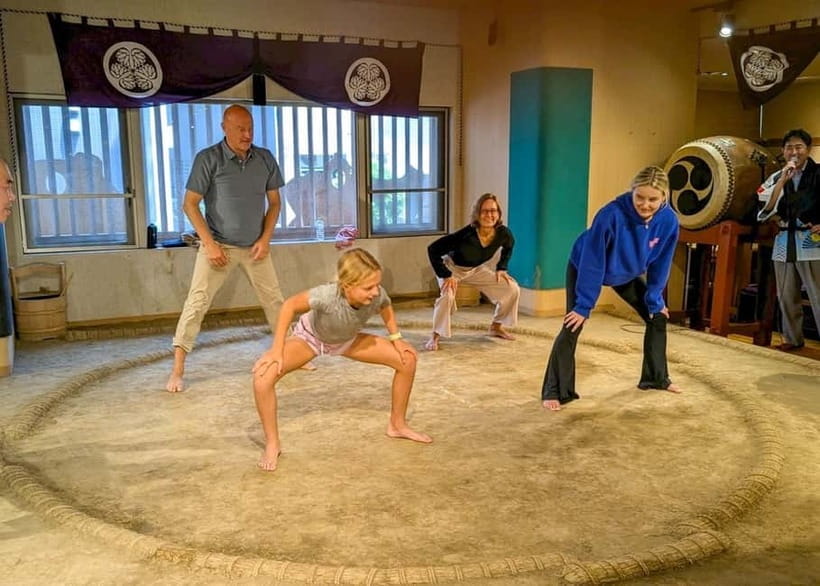
The first part centers on the dohyo, the raised clay ring used for sumo. Shoes come off before you step onto it. Wear loose sportswear rather than tight jeans, stiff clothing, or anything that makes it hard to crouch and move.
The ring access is one of the strongest reasons to choose this activity. In a large tournament venue, you watch from a distance and follow strict rules about where spectators sit. Here, you are close enough to hear feet stamp, hands slap, and bodies collide. You also have the rare chance to stand in the ring yourself.
The bilingual presentation explains several customs in simple terms. You learn why wrestlers throw salt before a bout, what the shiko leg stomp is meant to do, and how basic movements fit into training. The English-speaking host acts as the bridge between the athletes and the audience, with hosts such as Alyssa, Alisa, Rio, Ko, and Yo receiving especially warm praise for their humor and clear explanations.
Exact performers vary, so do not book this expecting one named wrestler. The format is more important than the individual lineup: two former professionals demonstrate the skills, answer questions, and work with volunteers.
Shiko, teppo, and suri-ashi made practical
The workshop introduces three sumo basics that sound simple but feel demanding once you try them.
Shiko is the dramatic leg lift and stomp. It looks theatrical, but the movement calls for balance, leg strength, and control. You will see it as part of the formal preparation rather than as a random warm-up.
Teppo involves striking a sturdy practice surface with the hands. The drill teaches force, timing, and body position. It is easy for children to copy and interesting for adults because the wrestlers can explain what the movement is doing.
Suri-ashi is the sliding footwork used to move while keeping the feet close to the ground. You can try it under instruction, and it offers a quick lesson in why sumo wrestlers appear so stable. You may expect it to be easy until your legs begin to tire.
These drills give the show more substance. You are not only watching large athletes push each other. You get a small sense of the repeated work behind their strength.
The live bout brings the room to life
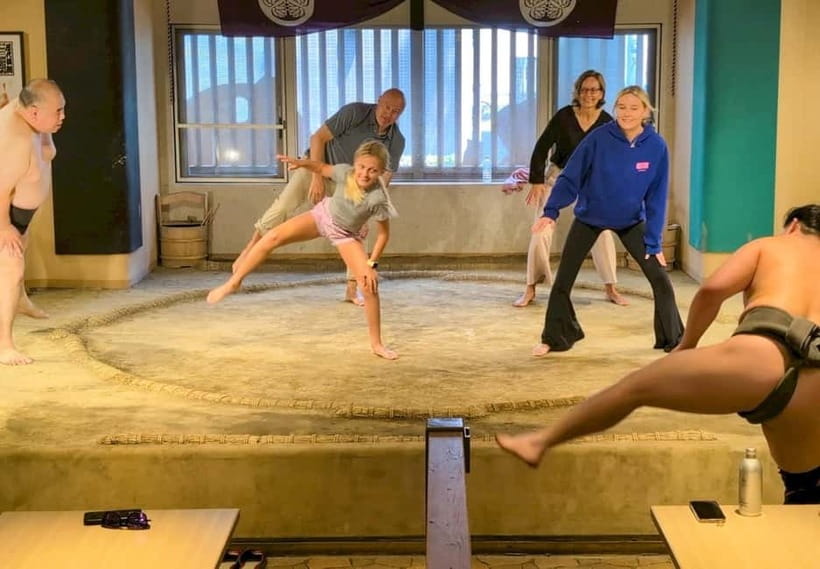
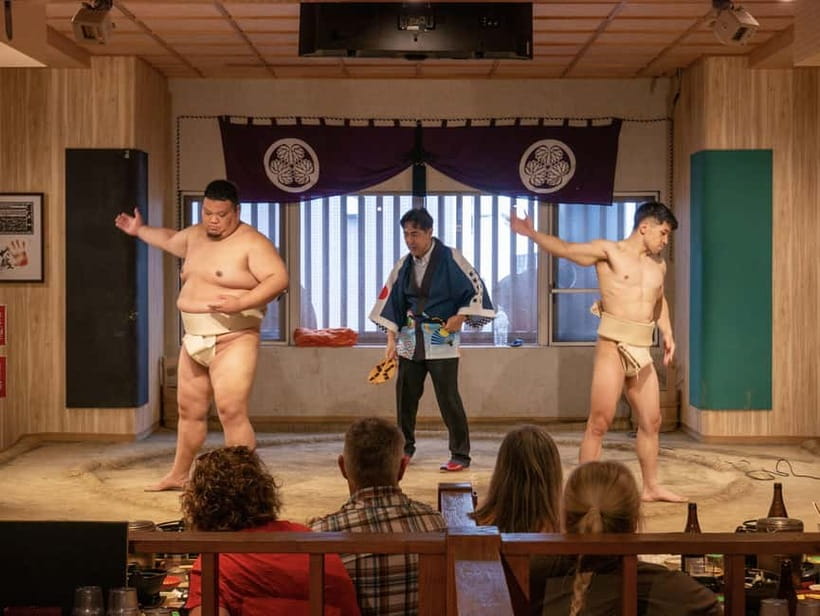
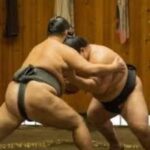
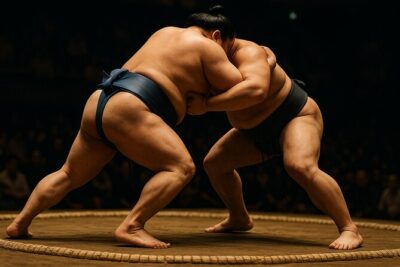
After the training section, the wrestlers perform an exhibition match at full speed. This is where the workshop shifts from lesson to spectacle. The slap of a strike and the heavy collision between bodies are startling at close range.
The bout is designed for entertainment, but it still shows key parts of the sport. You see the preparation, the stance, the sudden charge, and the effort to force an opponent beyond the ring. The host explains what is happening so you can follow the action instead of simply watching two large men collide.
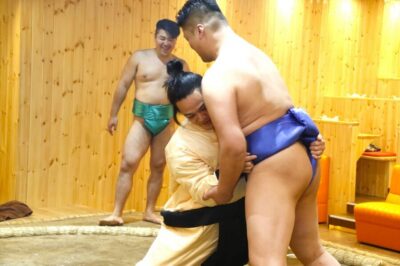
The best part for many families is what comes next. Volunteers can enter the ring and try to push against a wrestler. Some participants use a padded sumo suit, which turns the challenge into a safe and funny photo opportunity. You can also take part without wrestling by trying the footwork or staying seated.
Do not assume you must volunteer. Ring drills are optional, and you can watch, film, and cheer from your seat. That makes the event work for mixed groups, including a family with one eager child and one cautious parent.
Anyone who challenges a wrestler should be in good health. The activity is playful, but the size and strength difference is real. A former professional wrestler can make a gentle demonstration look effortless, and you should follow the staff’s instructions rather than try to prove anything.
Photo time is more useful than a quick souvenir picture
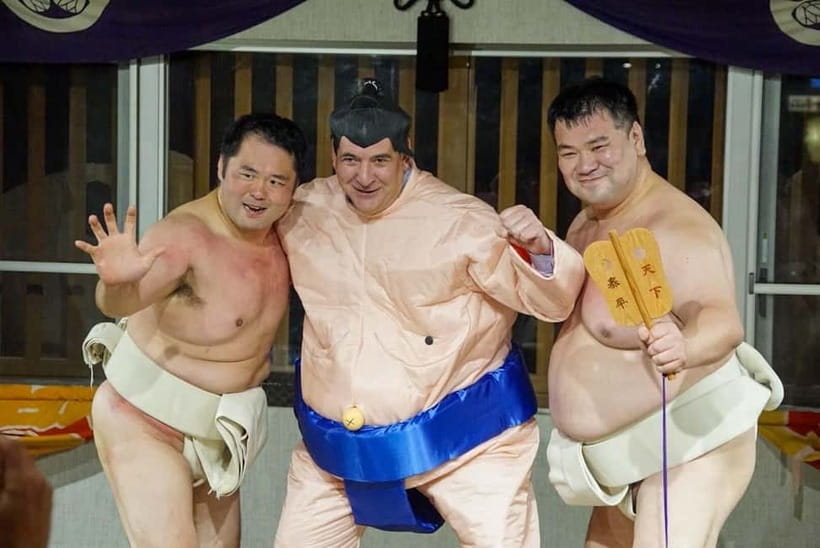
The photo session comes after the demonstrations and challenges. You can use your own phone or camera, and parents can record the action from the side if they do not want to enter the ring.
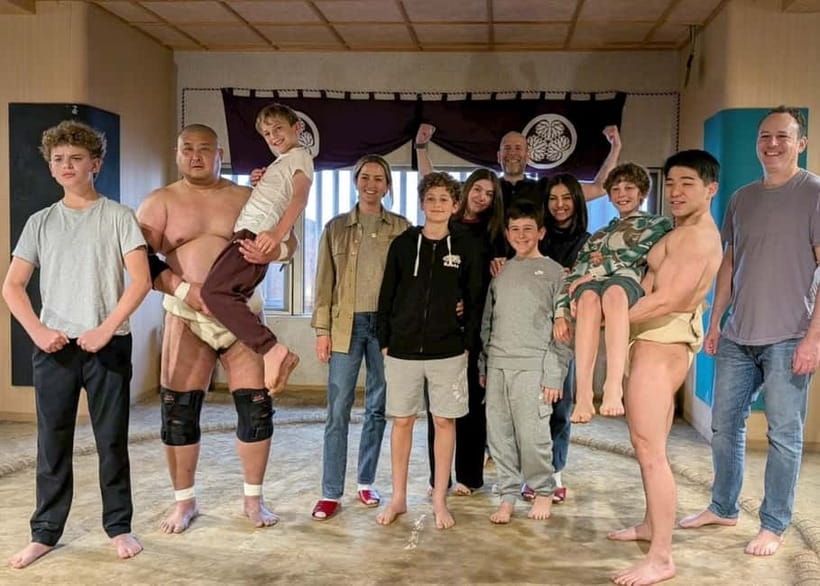
This is a better setup than a rushed photo line. You have already seen the wrestlers train and perform, so the picture captures the whole experience rather than just a posed meeting. Children can stand beside the wrestlers, participants can take a victory photo in the ring, and solo visitors can still join the group atmosphere.
The wrestlers are presented as approachable and playful, which helps children settle in. Several sessions have included small children who enjoyed watching, trying the movements, and seeing adults take their turn. A toddler may not follow the rules of sumo, but the stamping, costumes, size difference, and comic bouts offer plenty to watch.
A few more Tokyo tours and experiences worth a look


Chanko nabe gives the morning a satisfying finish
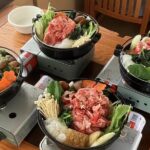
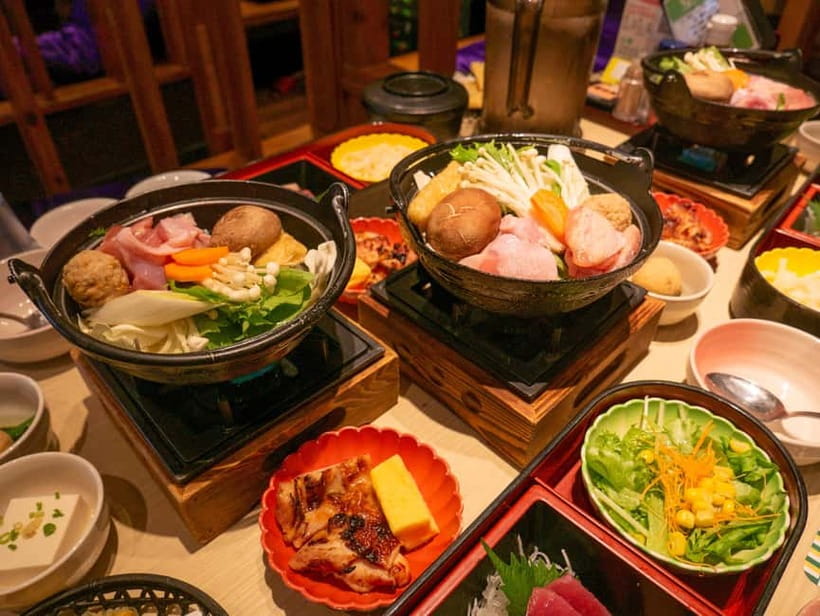
The meal is a mini serving of chanko nabe, the hotpot linked with sumo wrestlers’ training diet. Expect a warm bowl filled with meat and vegetables, with the host explaining why this filling dish is a staple for athletes.
I would not plan a large breakfast before arriving. The meal is repeatedly described as generous, and one useful tip is to arrive hungry. The hotpot is not an afterthought added to a show. It completes the lesson by showing you the kind of communal, substantial food associated with a wrestler’s routine.
The meal also makes the $60 cost easier to justify. You are paying for more than a short performance and a photograph. You receive a full activity with food included, and the lunch helps turn it into a complete morning program.
Dietary needs require planning. Vegetarian, vegan, and allergy-friendly meals can be arranged, but you should provide the request at least 48 hours ahead. Pork-free and alcohol-free preparation is possible, but the venue does not hold official Halal certification. If you need strict protection from cross-contamination, the meal cannot be provided.
Alcohol and additional menu items are not included. You can order extra items on site, but the included meal is the main food offering.
The 105-minute schedule and what it feels like
The experience is advertised as 105 minutes. The program is divided between the ring presentation and lunch, with the written schedule describing roughly 60 minutes for the sumo section and 60 minutes for the meal. Since those figures overlap the stated total, check the available start time and plan around the official 105-minute duration rather than assuming a full two-hour program.
The pace should suit families. You move from explanation to demonstration, then from demonstration to participation and food. There is little dead time, and the host keeps the session moving with questions, humor, and audience involvement.
An English-speaking instructor leads the experience. The wrestlers may use Japanese in their own exchanges, but the host explains the customs and activity in English. This matters because sumo’s rituals can otherwise be hard to understand from visual cues alone.
The venue is wheelchair accessible. Ring participation requires removing shoes and moving onto the dohyo, so anyone with mobility concerns should decide in advance how much of the physical section they want to join. Spectating remains an option.
The event may not run if the minimum number of participants is not met. If holding the experience is especially important to your plans, a private reservation is the safer choice.
Who will get the most from this activity
I would put this near the top of a Tokyo list for families with school-age children. It offers enough action to hold a child’s attention, while the host adds cultural background for adults. Nobody has to wrestle, and the lunch gives the group a relaxed finish.
It also suits adults who want a direct introduction to sumo without committing to a full tournament day. You learn the basic rules and rituals, see a live bout, and test the ring for yourself. The program has enough humor that it does not feel like a formal lecture.
Solo visitors can fit in well, too. The format encourages shared laughs, and photo time does not exclude people who arrive alone. You may find yourself cheering for other volunteers before deciding to take your own turn.
This is less suitable if you want a serious tournament match between current top-division competitors. The wrestlers here are former professionals, and the bout is an exhibition built for audience interaction. It gives you contact with the sport, not the same competition as an official tournament.
It may also be a poor fit if you need a certified Halal kitchen or cannot accept any risk of cross-contamination. The dietary policy is clear, but it has limits.
Practical tips for a smoother visit
Arrive at the meeting point early and look for the AlvaJapan phone display. If you take the wrong train or get lost, the provider asks you to call through WhatsApp, so have the contact details ready before leaving your hotel.
Wear loose clothing and socks you do not mind removing your shoes in front of others. Parents should decide before the session who will film, since the ring challenge moves quickly and good photos depend on someone staying outside the action.
If your family wants to wrestle, let the staff control the pace. The point is to feel the power difference and share a laugh, not to win. Children can watch or try the drills without entering a full bout.
Book meal requests at least 48 hours ahead. Pay close attention to the child pricing rules: children under five do not receive a meal under the child rate, so book them at the adult rate if they need lunch. Children aged six and older cannot use the child rate.
Free cancellation is available up to 24 hours before the activity, and you can reserve now while paying later. Those policies help if your Tokyo schedule is still shifting, but the minimum-participant rule remains worth noting.
Should you book this sumo workshop?
Book it if you want an active, funny, and culturally focused Tokyo morning with food included. The combination of former professionals, ring access, clear English commentary, optional wrestling, and chanko hotpot gives you much more than a quick photo stop.
At $60, the value is strongest for families and groups who will use the interactive parts. If you only want to sit quietly and watch, the price may feel less compelling, though the live bout and meal still provide a solid introduction.
I would choose this over a distant stadium viewing for a first taste of sumo. You get close to the action, learn what the rituals mean, and leave with a better sense of the training behind the sport. Skip it only if you require an official Halal guarantee, strict cross-contamination control, or a real tournament match rather than an exhibition.
FAQ
How long does the Tokyo sumo workshop last?
The stated duration is 105 minutes. The session includes the sumo presentation, training activities, audience participation, photo time, and mini chanko hotpot lunch.
Is the wrestling challenge required?
No. Ring drills and the audience challenge are optional. You can remain seated, watch the demonstrations, cheer, and film with your own device.
Can children participate?
Yes. The activity is designed for families, and children can watch the demonstrations, try basic movements, and take part in the optional ring activities. Children under five are not provided a meal under the child rate, so book them at the adult rate if they need lunch. Children aged six and older cannot use the child rate.
What food is included?
A mini chanko nabe hotpot lunch is included. It contains vegetables and meat in the standard version, with dietary alternatives available if arranged in advance.
Can I request a vegan or allergy-friendly meal?
Yes. Vegan, vegetarian, and allergy-friendly options can be requested at least 48 hours before the activity. Pork-free and alcohol-free preparation is possible, but the venue does not have official Halal certification and cannot meet strict no-cross-contamination requirements.
Is the activity wheelchair accessible?
Yes, the activity is listed as wheelchair accessible. Ring participation involves removing shoes and moving onto the dohyo, so you can choose to remain seated if the physical section is not suitable.
Where do I meet the guide?
Meet in front of the face-in-hole photo board at the shop. Look for the person holding a smartphone displaying AlvaJapan, and wait outside rather than entering before 10:00 AM when that instruction applies.
More Lunch Experiences in Tokyo




More Shows & Performances in Tokyo
More Sumo Experiences in Tokyo
More tours in Tokyo we've reviewed







Sumo Experiences, compared.
 ★ 4.8Tokyo: Sumo Show Experience with Chicken Hot Pot and a PhotoFrom $1032 hours
 ★ 4.8Tokyo: Sumo Show and Dining ExperienceFrom $7990 minutes - 2 hours
 ★ 5.0the SUMO showFrom $89
 ★ 5.0Tokyo Shinjuku Sumo Show & Experience with PhotoFrom $79
 ★ 4.8Tokyo: Sumo Show and Experience in ShinjukuFrom $691h 30m
 ★ 4.6Tokyo: Sumo Tournament Tour with Chair Seat TicketsFrom $141