
Reviewed · DINNER EXPERIENCES
Tokyo: Traditional Japanese Performing Arts Show and Dinner
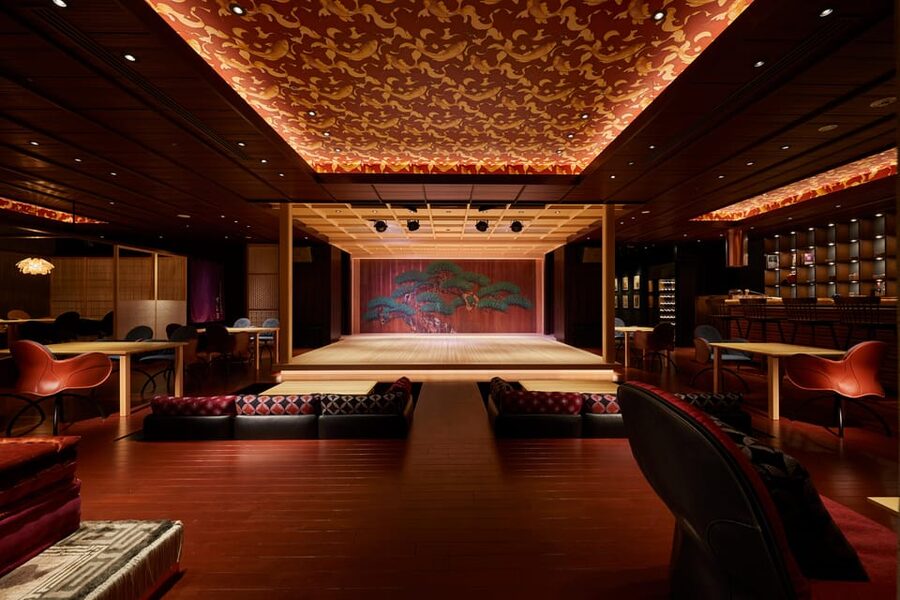
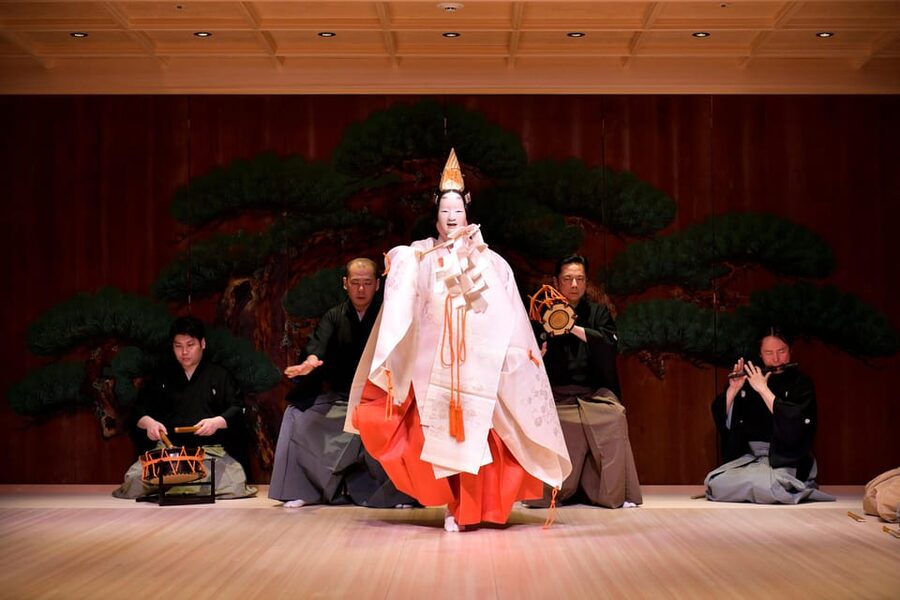
At the foot of Fukutoku Shrine, beneath the trees and stairs of Nihonbashi’s Fukutoku Garden, SUIGIAN presents a polished evening of food, music, and traditional Japanese stage arts. You dine beside a Noh-style stage with an old pine tree backdrop, while the program changes between kagura, ancient Shinto music and dance, and nihon-buyo, traditional Japanese dance.
I like two things right away: the seasonal kaiseki-style meal gives the evening real substance, and the restaurant’s historic trays and dishes, some inherited over more than 350 years, make the setting part of the lesson. The main consideration is pace and price. This is a slow, carefully served dinner with roughly 30 minutes of short performances, not a nonstop theatrical show, and the $140 price requires an appetite for a special-occasion experience.
In This Review
- Key points to know before booking
- Finding SUIGIAN beneath Fukutoku Shrine
- A stage framed by an old pine tree
- The dinner unfolds at a deliberate pace
- Kagura or nihon-buyo, depending on the date
- English explanations make a difference
- Choosing a seat and planning your evening
- Is $140 good value?
- Dietary restrictions need advance notice
- Who will enjoy this most?
- FAQ
- Where is the traditional performing arts dinner held?
- How do I reach SUIGIAN by train?
- What type of traditional performance will I see?
- How long does the show and dinner last?
- Can the restaurant accommodate allergies or vegetarian requests?
- Are children allowed?
- Should you book SUIGIAN?
Key points to know before booking
- Two performance programs: Selected dates feature kagura, while most February and March dates feature nihon-buyo.
- Three short performances: Each segment is scheduled for about 10 minutes, though some programs may feel shorter.
- Seasonal omakase dinner: The chef chooses the menu, usually including several small courses, Japanese beef, rice, dessert, matcha, and dry sweets.
- Four seat choices: Your selected seating option determines how closely you sit to the stage and how you view the performance.
- English support: Food and performance explanations are available in English.
- Central Tokyo location: SUIGIAN is one minute from Mitsukoshi-mae Station Exit A6, but the entrance can be easy to miss.
Finding SUIGIAN beneath Fukutoku Shrine
SUIGIAN is at Fukutoku Garden B1F, 2-5-10 Nihonbashi Muromachi, Chuo-ku. The restaurant is tucked below the historic Fukutoku Shrine area, so the setting feels more secluded than the address suggests.
The easiest route is the Tokyo Metro Ginza or Hanzomon Line to Mitsukoshi-mae Station. Use Exit A6, then walk about one minute to Coredo Muromachi 2 on the basement level. From there, follow the signs for the restaurant and garden area.
The directions deserve care. One customer found the entrance confusing and noted that simply identifying SUIGIAN as the restaurant would have made arrival easier. I suggest giving yourself extra time, especially if you are meeting someone or arriving after dark. You are looking for a restaurant and lounge beneath the park, not a large theater entrance on the street.
Shin-Nihombashi Station is about a six-minute walk away. Tokyo Station’s Nihombashiguchi Exit is roughly 10 minutes on foot. A taxi from Tokyo Station takes about six minutes and costs around ¥600, according to the supplied information. Drivers can reach the area in about six minutes from the Kyobashi exit of the Inner Circular Route.
A few more Tokyo tours and experiences worth a look

A stage framed by an old pine tree
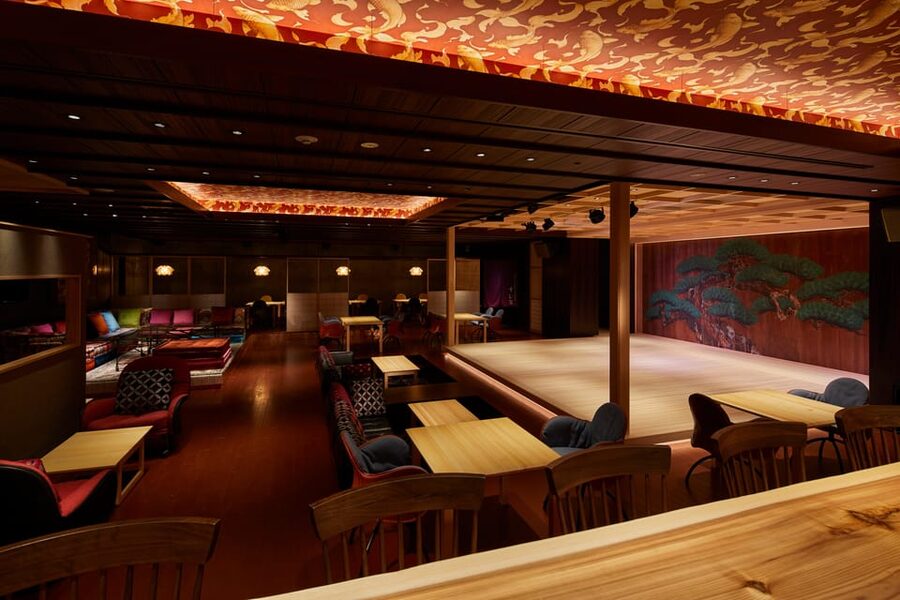
The room is designed as a theater-style restaurant rather than a conventional dining room. The stage follows the form of a Noh stage, including the familiar pine tree backdrop. That detail matters because traditional Japanese performance can feel abstract if you see it without context. Here, the architecture, decoration, music, costumes, and movement work together.
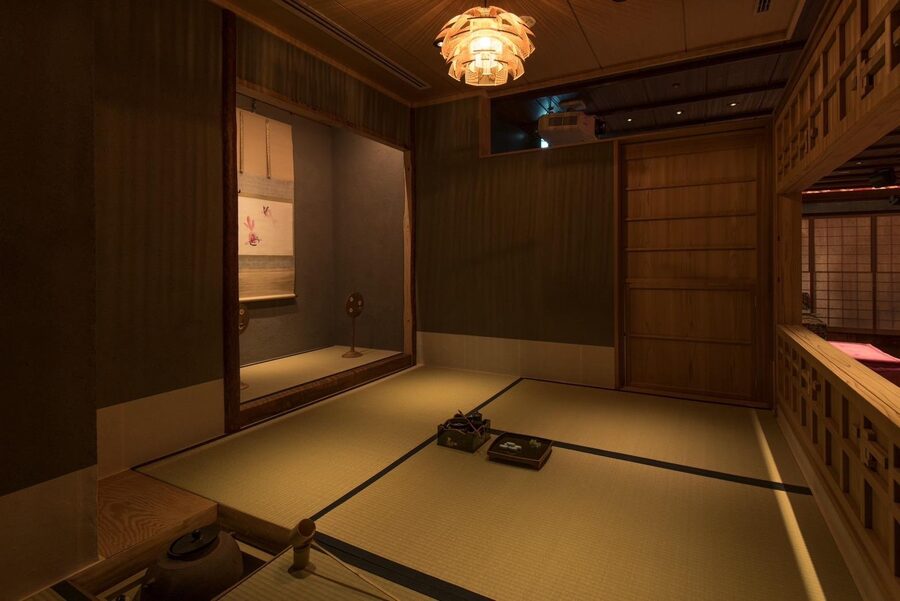
The interior combines traditional art with a clean, modern finish. Historic serving pieces are displayed and used, including trays and dishes inherited from another Japanese restaurant in Nagasaki. Their age gives the meal a sense of continuity, but the room itself is not presented as a dusty museum. It is comfortable, polished, and built for an evening out.
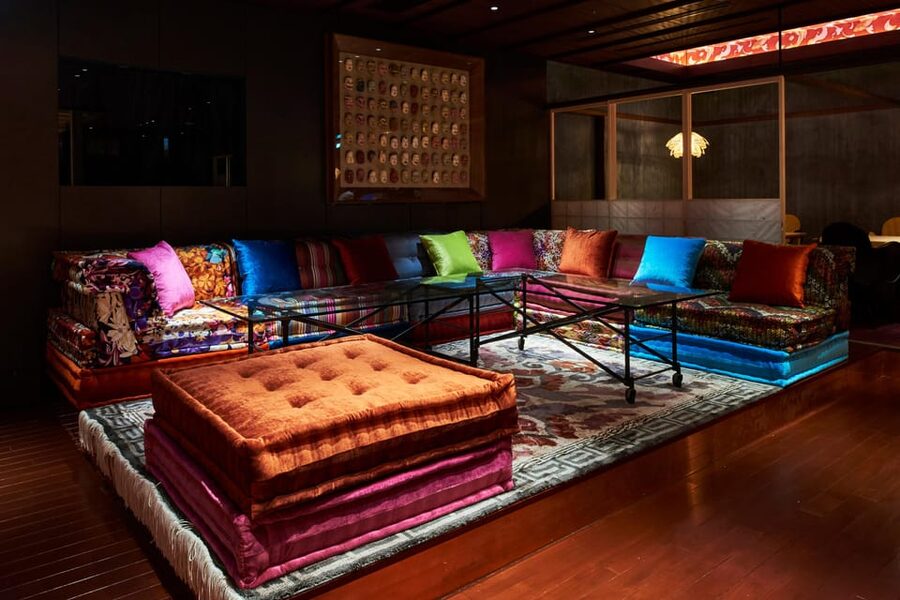
You can choose among four seat options. The exact names and layouts are not provided, so check the seating choices carefully when reserving. The main practical difference is your distance and angle from the stage. If seeing hand movements and facial expressions matters to you, choose the closest available option.
A close seat also helps during the explanations. Traditional Japanese dance and music can be difficult to follow from a distance, particularly when the story is carried through small gestures rather than spoken dialogue. A good view gives you more to watch between courses.
The dinner unfolds at a deliberate pace
This is not a quick meal before heading to another Tokyo attraction. Plan on two to three hours, with the food and performances spread through the evening.
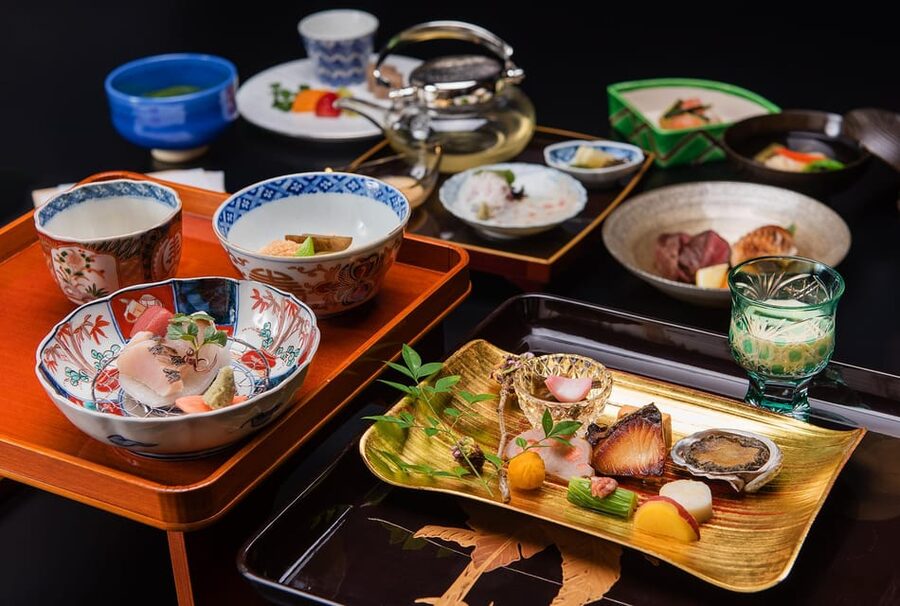
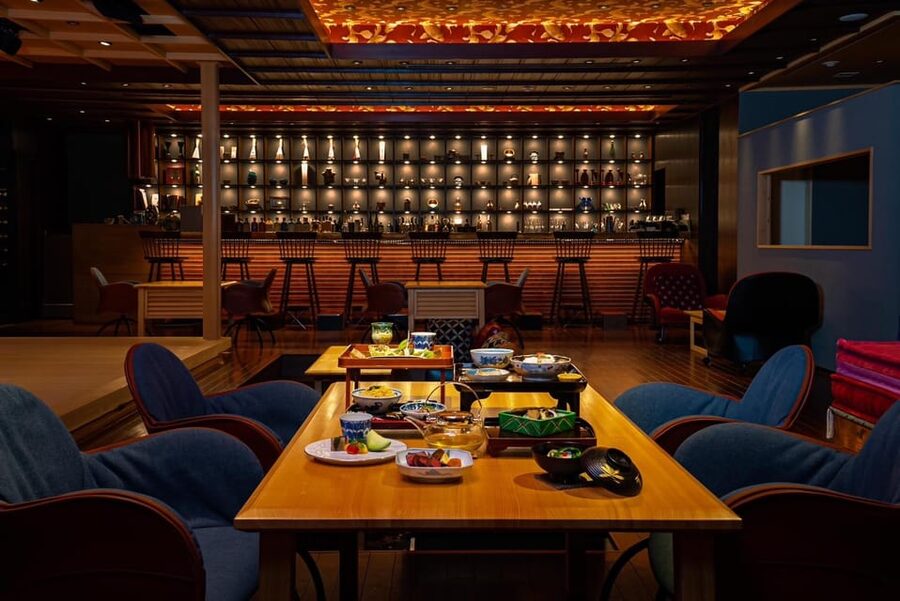
The menu is an omakase course, which means the chef selects the dishes. The meal changes with the season and is made with fresh ingredients and bonito broth. A typical sequence includes an appetizer, a first seasonal platter, soup, a later seasonal platter, a grilled Japanese beef course, rice, and dessert.
The exact menu is not fixed, and that is both the appeal and the warning. You get a meal shaped by the season rather than a standard tourist menu, but you cannot select every course in advance. If you enjoy trying unfamiliar Japanese dishes, this format adds interest. If you prefer predictable food, read the menu information carefully and contact the restaurant before committing.
The presentation receives especially strong praise. Courses are artfully arranged, and the heritage dinnerware is part of the experience. One diner who had eaten at a Michelin-starred kaiseki restaurant in Kyoto preferred the food here, though tastes naturally vary. That comparison tells you the meal is not an afterthought attached to the show.
Seafood appears often. A sample meal can include several seafood servings, fish soup, and a dessert or tea service with flavors that may not suit everyone. If you do not eat seafood, do not assume you can simply avoid one dish at the table.
The meal ends with matcha green tea and dry sweets. It is a restrained finish after several savory courses, and it gives the evening a distinctly Japanese close. Drinks beyond water are not included, so budget separately if you want sake, wine, or another beverage.
Kagura or nihon-buyo, depending on the date
The performance schedule changes. This is important because the two programs offer different cultural experiences.
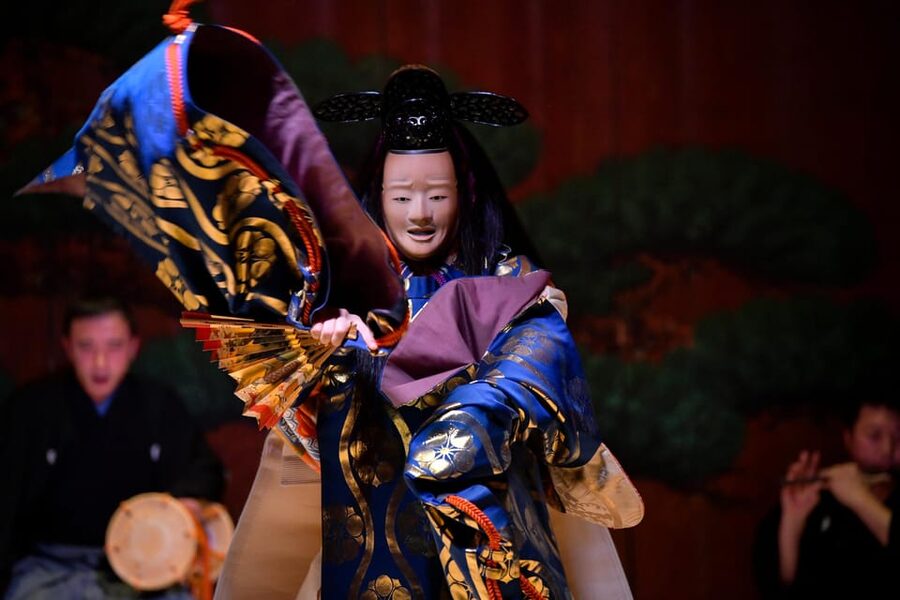
On the listed February 5, 10, 17, and 25 dates, and March 10, 17, and 24 dates, the regular program is kagura. Kagura is ancient Shinto music and dance, tied to shrine tradition and ritual performance. Three segments are presented with dinner, each planned at about 10 minutes.
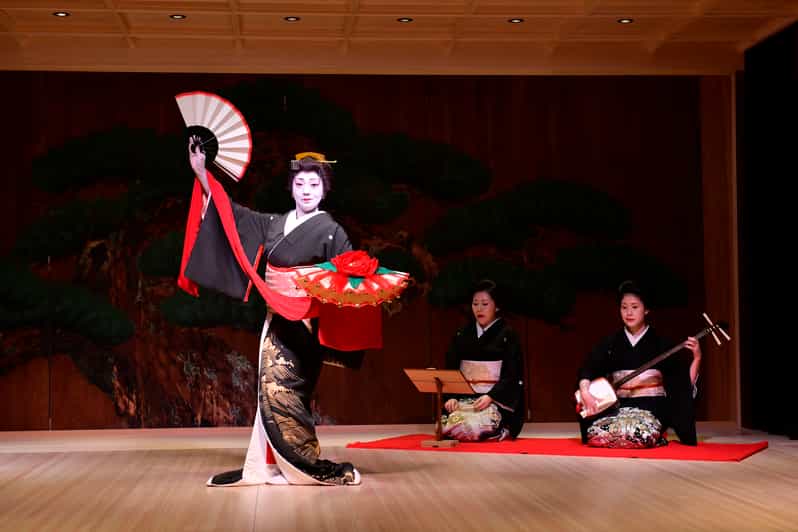
On the other listed February and March dates, the program is regular nihon-buyo, traditional Japanese dance. This style places great weight on posture, costume, controlled movement, music, and gesture. You may not understand every part of the story, but the visual language is easier to appreciate when an explanation is provided.
The performances are inserted between courses rather than presented as one long act. That arrangement keeps the evening relaxed and lets you consider what you have just watched. It also means the entertainment does not dominate every minute of the meal.
Set your expectations properly. The advertised format is three performances of about 10 minutes each, but some programs described by diners felt closer to five minutes per segment. The amount of live performance is therefore more concise than some people expect from the phrase dinner show. I would treat the food and setting as equal partners, not consider the performance a full theater production.
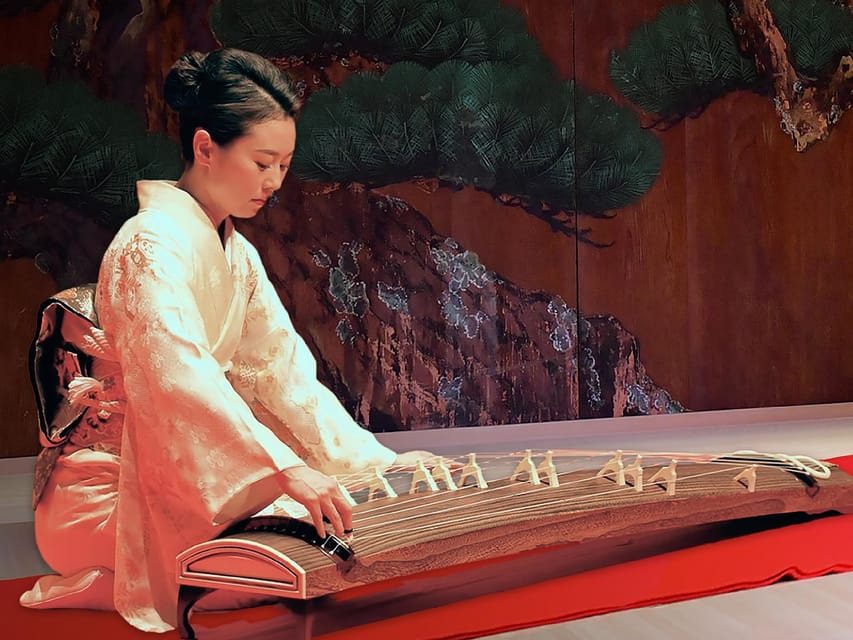
The program may include dance, shamisen, and vocal music. The precise performers and presentation vary by day. One account described a dancer accompanied by shamisen and a vocalist, while other accounts focused on traditional dance and Noh-related music. Check the schedule for your date if a particular art form is the main reason you are booking.
English explanations make a difference
Japanese performing arts have their own vocabulary, visual codes, and social context. Without help, you may admire the costumes and music but miss why a movement or object matters.
English explanations are available for the dishes and performances. Staff can explain the ingredients and the cultural elements shown in the room. This is especially useful during an omakase meal, where you need to know what has arrived and how it fits into the sequence.
The explanations also make the decorative details more meaningful. Instead of seeing an old tray as simply attractive, you can learn that the restaurant’s serving pieces have a long connection to Japanese dining culture. That added context turns the evening into more than a meal with music in the background.
Service is another major strength. Staff are described as attentive, kind, and gentle, with a relaxed pace that suits the format. In one particularly thoughtful moment, a server learned that a diner’s husband taught world music and arranged for the performer to join them for a commemorative photograph. A photo with the performers is available as a way to remember the evening, though the precise timing and availability can depend on the program.
A few more Tokyo tours and experiences worth a look


Choosing a seat and planning your evening
There are four seat options, but the supplied details do not specify their exact names or prices. Read the seating description at checkout rather than assuming every option offers the same view.
For a birthday, anniversary, or date, a closer seat is likely the better choice if the price difference is reasonable. For a broader group, a seat with a clear angle toward the stage may matter more than being directly in front.
The experience suits adults and older children. Children under 10 are not accepted, so families with young children should choose another cultural activity. The restaurant is wheelchair accessible, which is useful in a city where older buildings and basement venues can create access problems, but you should still mention any mobility needs when booking.
Allow the full two to three hours. The slow service is part of the design, not a delay to complain about. One diner described the evening as a welcome change after a busy day of racing around Tokyo. That is exactly how I would plan it: not between two tightly scheduled sightseeing stops, but as the main event of the night.
Is $140 good value?
The listed price is $140 per group up to one person, so confirm the final booking total and how additional people are charged before paying. It is a substantial price for a Tokyo dinner, but the comparison is not simply with a restaurant meal.
Your price covers the full-course dinner, the traditional performing arts program, and your seat assignment. You are also paying for the specialized setting, the presentation, service, English explanations, and the chance to see traditional arts without traveling to a distant theater or shrine event.
The value is strongest for a special occasion or for a first visit to Japan when you want one well-organized evening covering food, design, music, and dance. It is less convincing if your only goal is a long performance. Three short segments may leave you wanting more, especially at this price.
I would also compare it with the cost of a high-end kaiseki meal plus a separate cultural performance. Some diners felt the food compared favorably with expensive Kyoto dining, while another found the menu less appealing because of the amount of seafood. Your food preferences will decide much of the value.
Dietary restrictions need advance notice
Because the meal is seasonal omakase, you must tell the restaurant about allergies, vegetarian requirements, gluten-free needs, or other restrictions when you reserve. Do not wait until you arrive.
The restaurant has accommodated gluten-free dining successfully, but another diner reported that not every dietary restriction was met. The safest approach is to list every restriction clearly in advance and confirm that the restaurant has received it.
Also check with everyone in your party. A seafood-heavy menu can be difficult for someone who dislikes fish, even if they have no formal allergy. Since the chef chooses the courses, you have less control than you would at an à la carte restaurant.
Who will enjoy this most?
I would recommend SUIGIAN to you if you want a refined cultural evening in central Tokyo and appreciate food served slowly. It works particularly well for couples, birthdays, anniversaries, and visitors who want an introduction to traditional Japanese arts without navigating a Japanese-language theater program alone.
It is also a good fit if you enjoy visual details. The old pine stage, historical dinnerware, seasonal plating, costumes, and controlled movement give you plenty to notice.
You may want another option if you need a fast meal, dislike seafood, want a large-scale performance, or are traveling with children under 10. The show is concise, and the menu is not designed around familiar Western choices.
Free cancellation is available up to 24 hours before the experience for a full refund, and you can reserve now and pay later. Those policies help if your Tokyo schedule is still changing. Starting times vary, so check availability for your date.
FAQ
Where is the traditional performing arts dinner held?
It is held at Theater Style Restaurant and Lounge SUIGIAN, in Fukutoku Garden B1F at 2-5-10 Nihonbashi Muromachi, Chuo-ku, Tokyo.
How do I reach SUIGIAN by train?
Take the Tokyo Metro Ginza or Hanzomon Line to Mitsukoshi-mae Station and leave through Exit A6. The restaurant is about a one-minute walk away, near Coredo Muromachi 2. Shin-Nihombashi Station is about six minutes away, and Tokyo Station is about 10 minutes away on foot.
What type of traditional performance will I see?
The program depends on the date. Selected February and March dates feature kagura, ancient Shinto music and dance. Other listed dates feature nihon-buyo, traditional Japanese dance.
How long does the show and dinner last?
Allow two to three hours for the full experience. The program usually includes three performances of about 10 minutes each, presented alongside the multi-course dinner.
Can the restaurant accommodate allergies or vegetarian requests?
You must tell the restaurant about allergies, vegetarianism, gluten-free needs, or other dietary restrictions when making the reservation. Since the meal is seasonal omakase, requests made only after arrival may not be possible to accommodate.
Are children allowed?
Children under 10 are not permitted to take part in the experience. The restaurant is wheelchair accessible.
Should you book SUIGIAN?
Book it if you want one elegant evening that brings together seasonal Japanese food, historic tableware, traditional music, and stage dance. The central location, English explanations, and attentive service make it an easier introduction to Japanese performing arts than arranging several separate activities.
Do not book it expecting hours of continuous theater. The performances are short, and the dinner takes center stage. For me, that balance is the point: you get a calm, carefully presented meal with enough live art to give the evening character. If you accept the price, enjoy seafood, and reserve a seat with a good stage view, SUIGIAN is a strong choice for a memorable Tokyo night.
More Dinner Experiences in Tokyo
More Dining Experiences in Tokyo
More Shows & Performances in Tokyo


More tours in Tokyo we've reviewed











Dinner Experiences, compared.
 ★ 5.0Tokyo Bar Hopping Tour in Shinjuku (All-You-Can-Drink + Dinner)From $106
 ★ 4.8Tokyo: Sumo Show and Dining ExperienceFrom $7990 minutes - 2 hours
 ★ 4.6Sumida River: Japanese Traditional Yakatabune Dinner CruiseFrom $1032h 30m
 ★ 4.5Tokyo Bay Yakatabune Dinner/Day Cruise with Japan Show and DrinksFrom $65
 ★ 4.9Tokyo: Shinjuku Bar Hopping with All-You-Can-Drink & DinnerFrom $1083 hours
 ★ 4.7Tokyo Dinner Cruise & Tradition Show & Drinks & Tokyo TowerFrom $951h 40m