
Reviewed · MT FUJI DAY TRIPS
Mt.Fuji Hakone Day Tour With Lake Ashi Cruise, FREE Ropeway
Mt. Fuji is the star, but this 10-hour circuit from Tokyo gives you much more than a single mountain viewpoint. You move from cedar forests and a red torii gate to Lake Ashi, sulfur vents, swans, and eight clear springs, all without sorting out several train and bus connections yourself.
I like the wide mix of scenery and the included Hakone Ropeway ticket. I also like the guides’ role in keeping a long day under control. Guides named Jack, Kousei, Tom, and Andrew are praised for clear explanations, humor, and careful group management. The main catch is time: traffic, crowds, and five major sightseeing areas can make the schedule feel rushed.
In This Review
- Key points to know before booking
- Why this Fuji and Hakone route works
- Leaving Tokyo for Hakone
- Hakone Shrine and the cedar forest
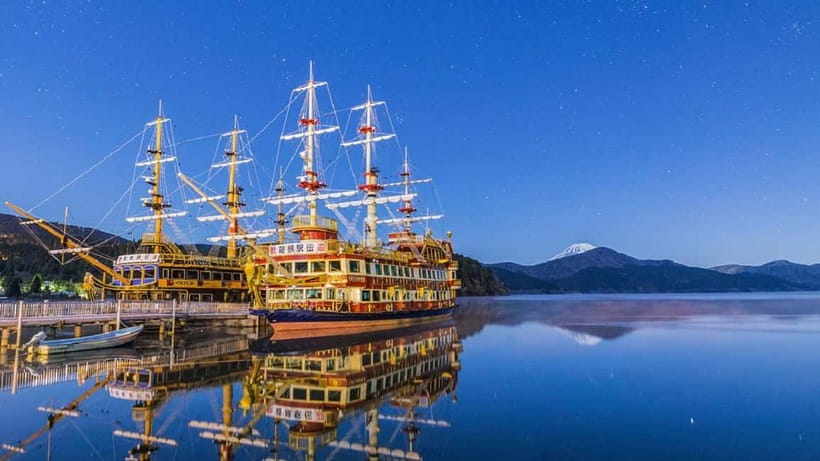
- Crossing Lake Ashi on the pirate ship
- The ropeway and Owakudani’s volcanic ground
- Lake Yamanaka and the swan photographs
- Lunch: plan before you leave
- Oshino Hakkai’s clear springs and old village setting
- Guides make or break a long shared tour
- Crowds, weather, and the Fuji gamble
- Who should book this $58 day tour?
- Final verdict
- FAQ
- How long does the Mt. Fuji and Hakone tour last?
- Where does the tour start and finish?
- Is the Lake Ashi cruise included?
- Is the Hakone Ropeway included in the price?
- Is lunch included?
- Can I see Mt. Fuji during the tour?
- What languages are available?
- What should I bring?
- Is the tour suitable for wheelchair users?
Key points to know before booking
- A full Fuji-area circuit: See Hakone Shrine, Lake Ashi, Owakudani, Lake Yamanaka, and Oshino Hakkai in one day.
- Ropeway ticket included: Fly over Hakone’s volcanic terrain, then sample Owakudani’s famous black eggs.
- Lake Ashi cruise costs extra: The pirate ship ride is optional and costs about 1,700 yen.
- Mt. Fuji views depend on weather: Clear skies can reveal the mountain from several angles, but clouds may hide it.
- Lunch is not included: Bring food or buy a meal, and carry cash because some small shops do not accept cards.
- Best for efficient sightseeing: This suits you if you have limited time in Tokyo and want many famous stops in one organized day.
Why this Fuji and Hakone route works
At $58 per person, this is an unusually full day for the price. You get round-trip transport from Tokyo, a driver, a live guide, parking, and the Hakone Ropeway ticket. The price does not include lunch or the Lake Ashi cruise, so plan for extra spending, but the basic package covers the costly transport and the most useful included activity.
The practical value is simple: you cover a large area in one vehicle. Reaching Hakone, Lake Yamanaka, and Oshino Hakkai independently takes planning, transfers, and close attention to departure times. Here, your guide handles the route and tells you when to return to the bus.
This is a shared group tour, with explanations in English, Japanese, and Chinese. That makes it accessible to a mixed international group, though multilingual instructions can take longer and may contribute to the brisk pace. The tour’s transport receives a perfect score from 86 percent of the people who rated that part of the experience, and the overall rating is 4.5 from 99 ratings.
A few more Tokyo tours and experiences worth a look



Leaving Tokyo for Hakone
The day begins around 8:00 AM, with about two and a half hours on the bus to the Hakone area. That is a serious ride, so bring a neck pillow if you use one and expect the first part of the day to be mainly transport.
You cannot eat food inside the vehicle, according to the tour rules. Since lunch is also not included, you need to think ahead. The safest plan is to eat breakfast before departure and carry cash for food stops. One important detail: food brought for the day may need to stay outside the bus, so ask your guide where and when you can eat.
Your meeting point may vary by booking option. STAND T near Tokyo Mode Gakuen is listed as a meeting and drop-off point, but check your final instructions carefully. The meeting area can be confusing because several tours gather there. The email sent the evening before gives the guide and driver contact details, so read it rather than relying only on the original booking screen.
Hakone Shrine and the cedar forest
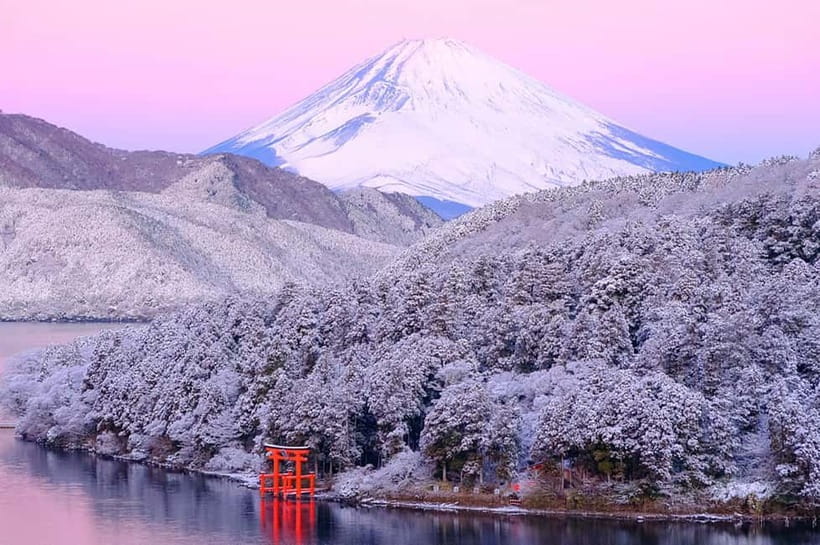
The first major stop is Hakone Shrine, with about 80 minutes for sightseeing and photographs. The approach takes you along stone steps under tall, old cedar trees. This is the quietest and most atmospheric part of the route, a welcome change after the bus ride.
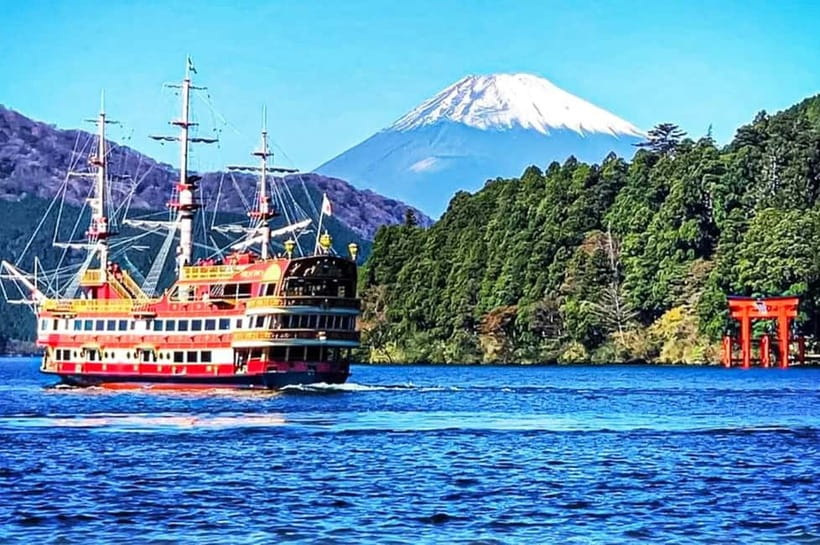
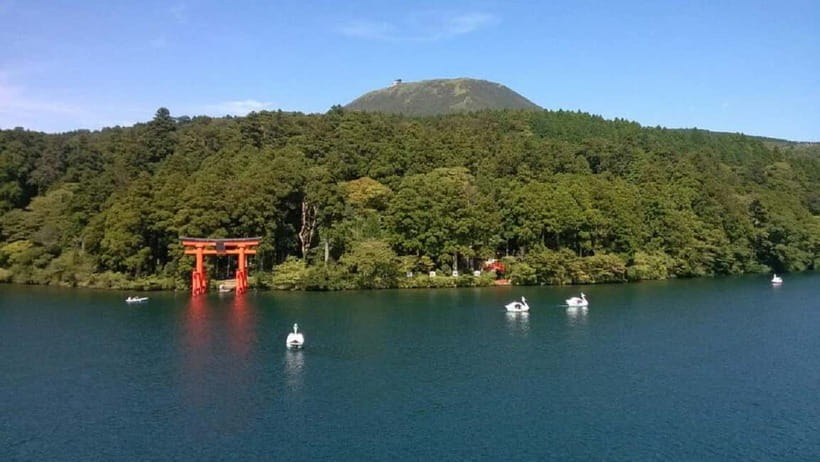
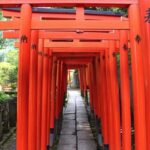
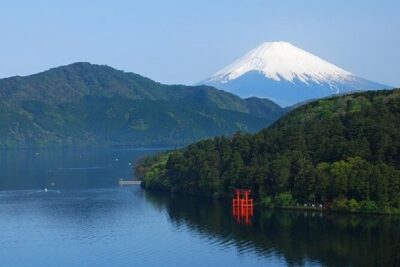
The famous red torii gate sits at the edge of Lake Ashi. From the lakeside, you can frame the gate with the water behind it, and on a clear day Mt. Fuji appears in the distance. The scene is especially striking because the shrine, forest, lake, and mountain bring several classic Japanese images together in one view.
There is a practical issue here: the torii gate is a popular photo spot. Crowds may create a line or make the best angle difficult to claim, especially on weekends and holidays. Use your time wisely. Walk through the cedar grove, take your photographs, and listen carefully for the meeting time. The route includes steps and uneven walking, so comfortable shoes matter.
Crossing Lake Ashi on the pirate ship
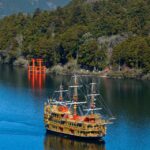
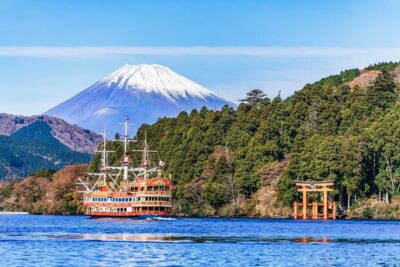
A short bus ride brings you to the Hakone Sightseeing Cruise. The pirate ship crosses Lake Ashi for about 25 minutes, giving you views of the water, wooded hills, the torii gate, and Mt. Fuji when the weather cooperates.
The ship is a fun change of pace from the bus. You can go outside for photographs, though wind and cold may be stronger on the water. It is worth bringing a jacket even on a mild Tokyo morning.
The cruise is optional and costs about 1,700 yen. The tour guide helps you buy the ticket on the day. If you skip it, you do not lose the rest of the tour. You continue by bus directly to Togendai Ropeway Station instead. That choice matters if you are watching your budget, dislike boats, or want to keep a little more time at another stop.
If Mt. Fuji is your main goal, remember that the cruise cannot guarantee a view. Clouds can cover the mountain from the lake, just as they can from every other stop. Still, the short ride adds variety and gives you a different way to see Hakone.
The ropeway and Owakudani’s volcanic ground
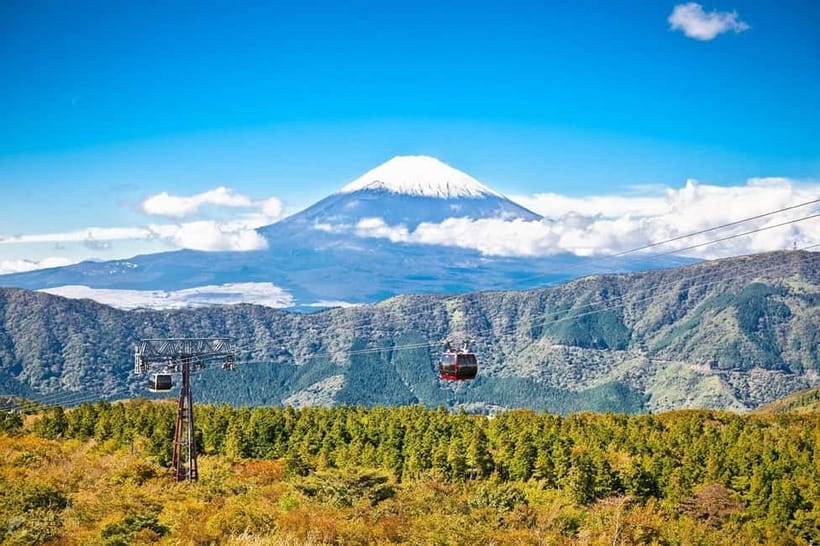
The Hakone Ropeway is included in the tour price, which is one of its strongest value points. The ride lasts about 30 minutes and carries you above Hakone’s volcanic area. From the cabins, you can look across Lake Ashi and toward Mt. Fuji if visibility is good.
The atmosphere changes at Owakudani Valley. Steam rises from the ground, sulfur hangs in the air, and the terrain feels raw and active. This is not a polished garden or a quiet shrine. It is a place to see the earth working in plain view.
You have about 50 minutes for photographs and sightseeing. The famous black eggs are sold here, and the local tradition says eating one adds seven years to your life. Treat that as folklore, of course, but trying one is part of the stop. Bring cash because small shops may not accept cards.
Weather can affect the ropeway. The information provided for this tour warns that bad weather, traffic, holiday congestion, or safety concerns can lead to changes, delays, or cancellations. Keep the evening after the tour open. A return later than planned is possible.
A few more Tokyo tours and experiences worth a look

Lake Yamanaka and the swan photographs
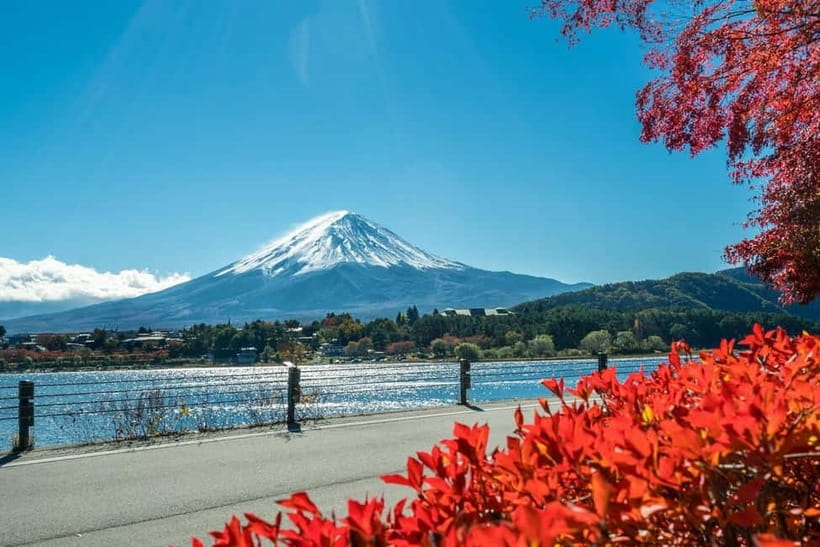
After roughly an hour by bus, the route reaches Lake Yamanaka, one of the Fuji Five Lakes. The stop lasts about an hour and a half, giving you more time than at several of the other sights.
The main draw is Swan Bay, where white swans glide near the shore. With Mt. Fuji behind the water, this can produce one of the day’s best photographs. The swans add a softer, almost storybook quality after the steam and sulfur of Owakudani.
This stop also gives you room to slow down. You can take photos, walk near the water, and enjoy a less crowded setting if conditions are favorable. But do not assume the mountain will appear. Mt. Fuji visibility depends entirely on weather, so check the forecast before booking and keep your expectations flexible.
The bus ride between Hakone and Lake Yamanaka is part of the trade-off. You get several distinct settings, but you spend a large part of the day seated. That is useful if you want to rest between stops, less appealing if you prefer a slow visit to one area.
Lunch: plan before you leave
The schedule includes about 40 minutes at a local restaurant, but lunch is not part of the $58 price. You may bring food, buy it at an attraction, or follow your guide to a recommended restaurant.
One useful warning is that the lunch location may not offer many alternatives nearby. If you do not want the recommended meal, you could find yourself with limited choices and little time. Carry a small amount of cash, and do not wait until lunchtime to decide what you will eat.
The tour rules say food is not allowed in the vehicle, so plan to eat during an official break. A few thousand yen is a sensible extra budget for lunch, the optional boat, snacks, and small purchases. One recent estimate puts likely additional spending at around 3,000 to 5,000 yen, depending on what you choose.
Oshino Hakkai’s clear springs and old village setting
The final sightseeing stop is Oshino Hakkai, reached after a short bus ride from Lake Yamanaka. You get about an hour and a half to visit the eight spring ponds.
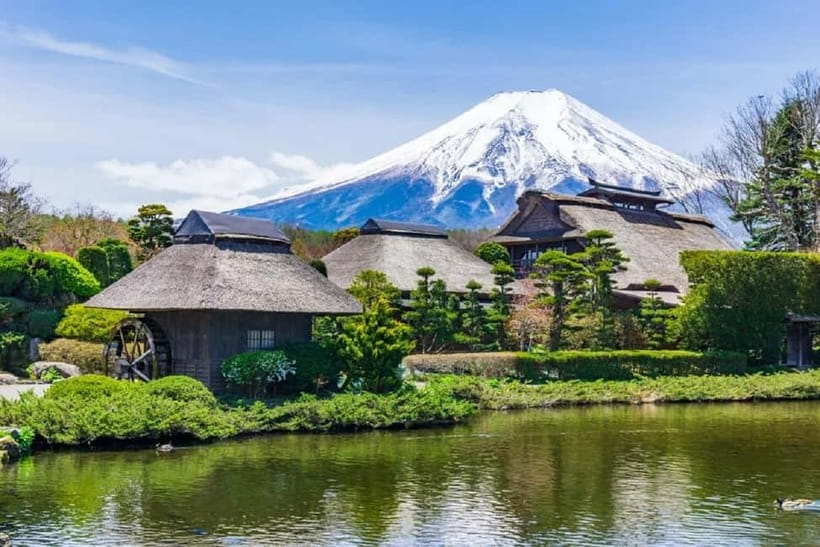
The water is the attraction. You can see stones, plants, and the bottom of the ponds through the clear surface. Wooden bridges, traditional thatched houses, and Mt. Fuji views give the village a more historic rural feel than the modern sightseeing areas around Hakone.
This is an excellent place for photographs, but it is also a place where you should slow down enough to notice small details. Look into the ponds, cross the bridges, and check the views beyond the buildings. The mountain may reflect in the water if the sky is clear.
Crowds are likely here, especially on holidays. Your guide will set a meeting time and show you where to gather. Do not wander too far or lose track of the clock. The bus still has about two hours to travel back to Tokyo.
Guides make or break a long shared tour
The route is ambitious. It asks one guide to move a mixed-language group through several transport changes, ticket decisions, meal arrangements, and timed stops. A strong guide matters more here than on a simple walking tour.
Jack is repeatedly praised for humor, energy, clear English, and making sure people get good Fuji views. Kousei is described as organized, patient, and attentive to safety and timing. Tom receives praise for making the day friendly and smooth, while Andrew is noted for his enthusiasm. Sati Martin adjusted the day when the weather was poor, showing why a flexible guide can help.
You should still expect group-tour discipline. Guides check that everyone is present before departure, explain where to go, and keep the schedule moving. That prevents people from being left behind, but it also means you cannot linger indefinitely at a favorite photo spot.
The explanations are given in multiple languages. You may hear the same information more than once, but this helps the group understand the plan. The best approach is to keep your phone charged, note the bus location, and save the guide’s contact information from the evening-before email.
Crowds, weather, and the Fuji gamble
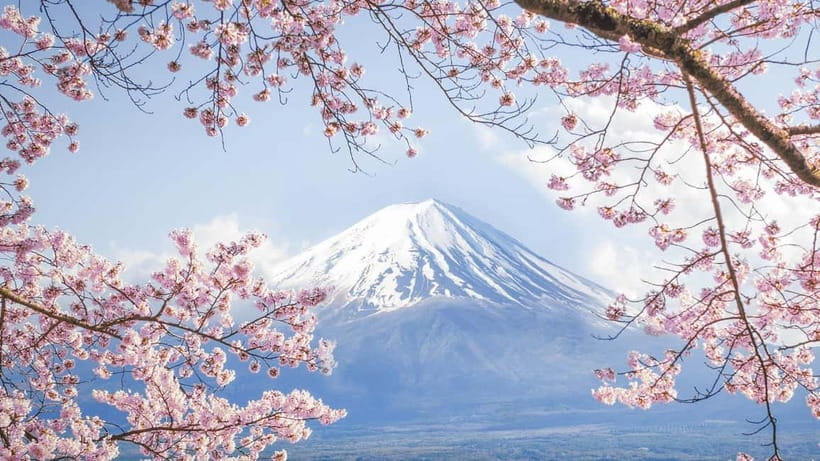
Mt. Fuji is never guaranteed on this tour. The mountain may appear through clouds, show only its upper slopes, or disappear entirely. The route does give you several chances at different locations, including Hakone Shrine, Lake Ashi, Lake Yamanaka, and Oshino Hakkai, so one cloudy viewpoint does not end the day’s possibilities.
Clear weather can make the tour exceptional. You may see Fuji above the lake, behind the torii gate, near the swans, and reflected in the ponds. On a poor-weather day, the shrines, volcanic area, lakes, and village still provide varied sightseeing, but the main visual prize may be missing.
Crowding is another real factor. Weekends and holidays can bring lines and packed photo areas. Traffic can also stretch the return journey, leaving less time at later stops. I would not book a theater ticket, restaurant reservation, or flight soon after the scheduled return.
Who should book this $58 day tour?
I would choose this tour if you have limited time in Tokyo and want to see several Fuji-area highlights without planning the transport yourself. It is also a good fit for families and older people who prefer a bus between sites, provided everyone can manage steps and ordinary walking.
You should book it if the included ropeway, guide, and round-trip transport appeal to you. The optional cruise is easy to add, but you can skip it if the extra 1,700 yen is not worth it.
I would think twice if you want a quiet, slow visit, dislike fixed departure times, or need wheelchair access. This is a shared group tour, and wheelchair users cannot take part. You also need to accept that the day may run late and that Fuji may hide behind clouds.
Cancellation is flexible up to 24 hours before departure for a full refund, and you can reserve now and pay later. Those policies help if your weather forecast is uncertain, but they do not change the basic Fuji gamble.
Final verdict
Book this tour for breadth, convenience, and value. The strongest day combines a clear Fuji forecast with an organized guide such as Jack, Kousei, or Tom. You will see sacred cedar woods, a lake cruise option, volcanic steam, swans, and spring-fed ponds in one ambitious outing.
Skip it if your priority is an unhurried Hakone visit or guaranteed mountain views. For most first-time visitors with only a few days in Tokyo, though, the included transport and ropeway make $58 a fair deal, as long as you budget extra for lunch and the boat and leave your evening free.
FAQ
How long does the Mt. Fuji and Hakone tour last?
The tour lasts about 10 hours. The planned return to Tokyo begins around 4:20 PM, followed by roughly two hours on the bus, though traffic and holiday congestion can make the return later.
Where does the tour start and finish?
There are two starting location options, and the meeting point can vary by booking option. STAND T near Tokyo Mode Gakuen is listed as a start and drop-off point, so check your final booking details and the email sent the evening before.
Is the Lake Ashi cruise included?
No. The cruise is optional and costs around 1,700 yen. If you do not board, you continue by bus to the Togendai Ropeway Station.
Is the Hakone Ropeway included in the price?
Yes. The ropeway ticket is included. The guide helps arrange the experience on the tour day.
Is lunch included?
No. You can bring food, purchase lunch at an attraction, or eat at a restaurant recommended by the guide. Food is not allowed in the tour vehicle.
Can I see Mt. Fuji during the tour?
You may see Mt. Fuji from Hakone Shrine, Lake Ashi, Lake Yamanaka, and Oshino Hakkai, but visibility depends entirely on weather conditions. Check the forecast before booking.
What languages are available?
Live guiding is available in English, Japanese, and Chinese. Explanations may be given in multiple languages for the shared group.
What should I bring?
Bring comfortable shoes, cash, and clothing suited to the weather. Cash is useful because some local shops do not accept cards.
Is the tour suitable for wheelchair users?
No. The tour is not suitable for wheelchair users.
More Bay & River Cruises in Tokyo


More Hakone Day Trips in Tokyo
More Mt Fuji Day Trips in Tokyo
More tours in Tokyo we've reviewed




Mt Fuji Day Trips, compared.
 ★ 5.0Mt Fuji and Hakone 1-Day Bus Tour Return by Bullet TrainFrom $163
 ★ 4.0Mt Fuji & Hakone Cruise, Drum Show Bullet Train 1 Day from TokyoFrom $149
 ★ 4.4Tokyo Mt Fuji 5th St & Hakone Cruise Bus Tour w/Bullet TrainFrom $15410 hours
 ★ 4.5From Tokyo: Mount Fuji Full-Day Sightseeing TripFrom $6810 hours
 ★ 4.7Tokyo: Mt. Fuji Tour, Hakone Ropeway, Owakudani, Lake AshiFrom $5410 hours
 ★ 4.4Tokyo:Mt.Fuji,Kawaguchiko Oishi Park,Arakurayama Sengen ParkFrom $5410 hours