
Reviewed · TSUKIJI MARKET TOURS
Tokyo: Explore Authentic Japanese Food Culture at Tsukiji
Tsukiji is not just a fish market. It is a maze of food shops, snack counters, shrines, and small restaurants where Japanese food culture is easy to see, smell, and taste. This three-hour walk gives you a guide to the market’s best-known foods, with snacks included along the way.
I like the small group size, limited to six people, and the way the tour mixes food with places that explain Tsukiji’s character, especially Tsukiji Honganji Temple and Namiyoke Shrine. I also like that your guide helps you get around a confusing market and introduces foods you might otherwise pass by.
The main drawback is the food focus. The included tastings contain seafood and meat, so this is not suitable for vegans or people with food allergies. Lunch is also extra, and the tour is not wheelchair accessible.
In This Review
- Key points at a glance
- Why Tsukiji still matters after the wholesale market moved
- Meeting at Tsukiji Honganji Temple
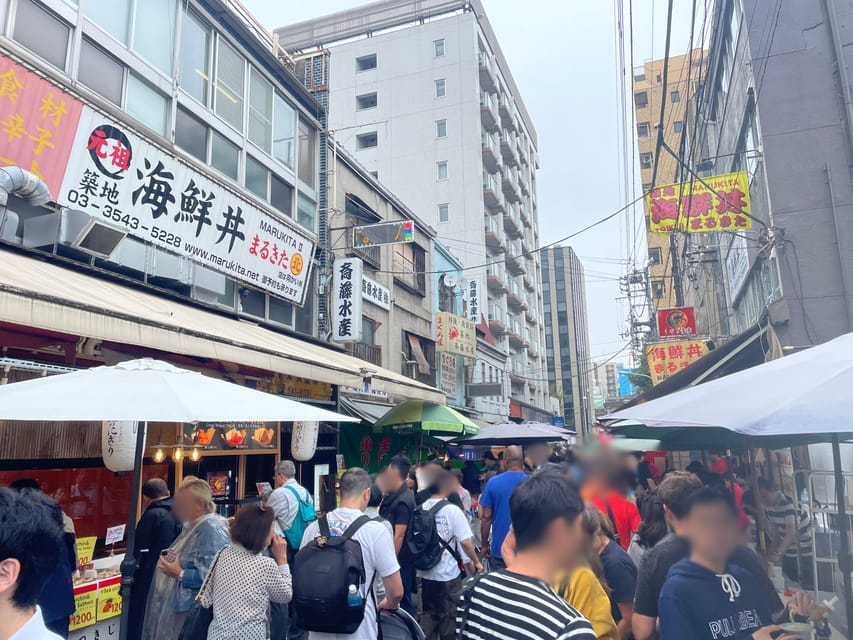
- Finding your way through Tsukiji Outer Market
- What the included tastings are like
- Choosing your own lunch in the market
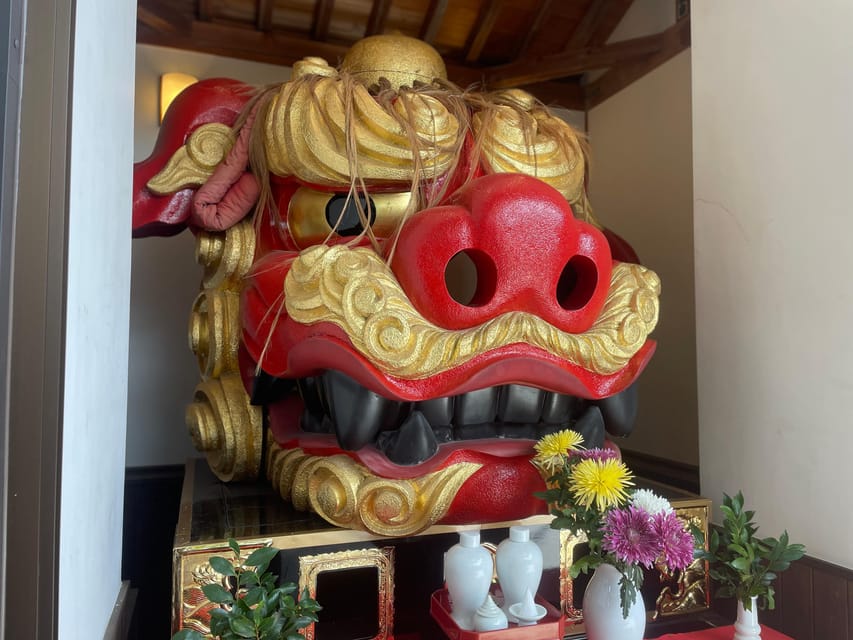
- Namiyoke Shrine and the working side of Tsukiji
- How the small group changes the experience
- Is $99 a fair price for three hours?
- Who should book this food walk?
- Practical tips before you go
- Should you book the Tsukiji food tour?
- FAQ
- How long does the Tsukiji food tour last?
- What language is the tour conducted in?
- How many people can join the tour?
- Where does the tour meet?
- Where does the tour end?
- Is lunch included in the price?
- What foods are included with the tour?
- Is the tour suitable for vegans or people with food allergies?
- Can I cancel the booking for a full refund?
Key points at a glance
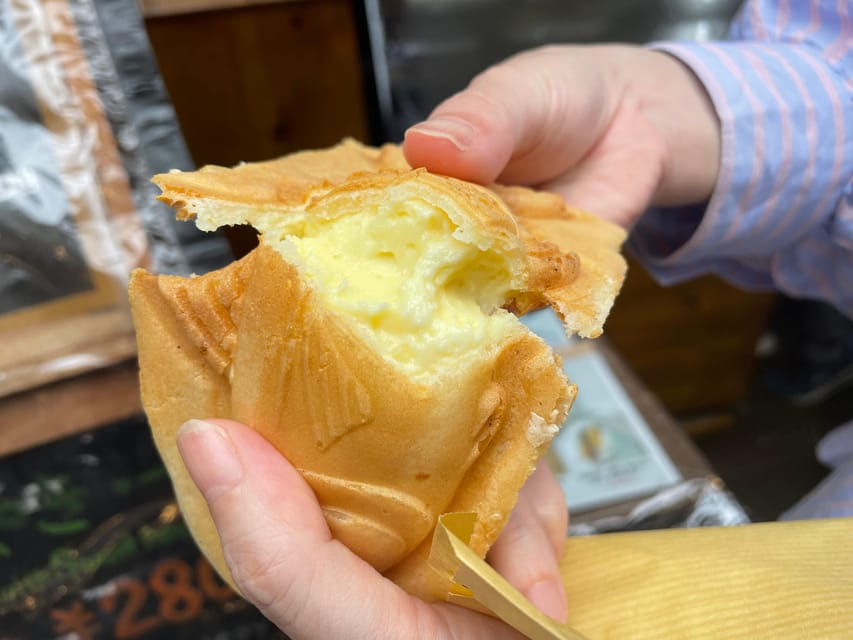
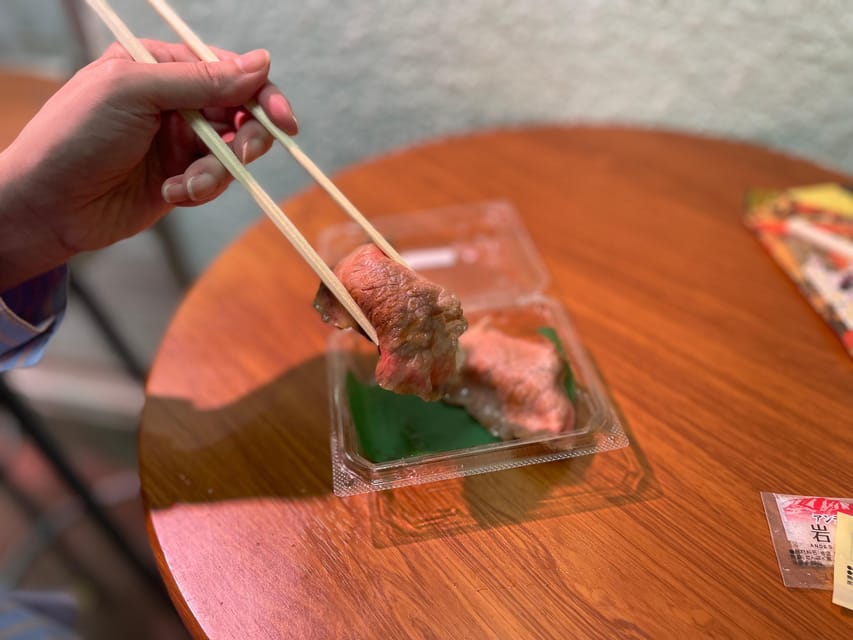
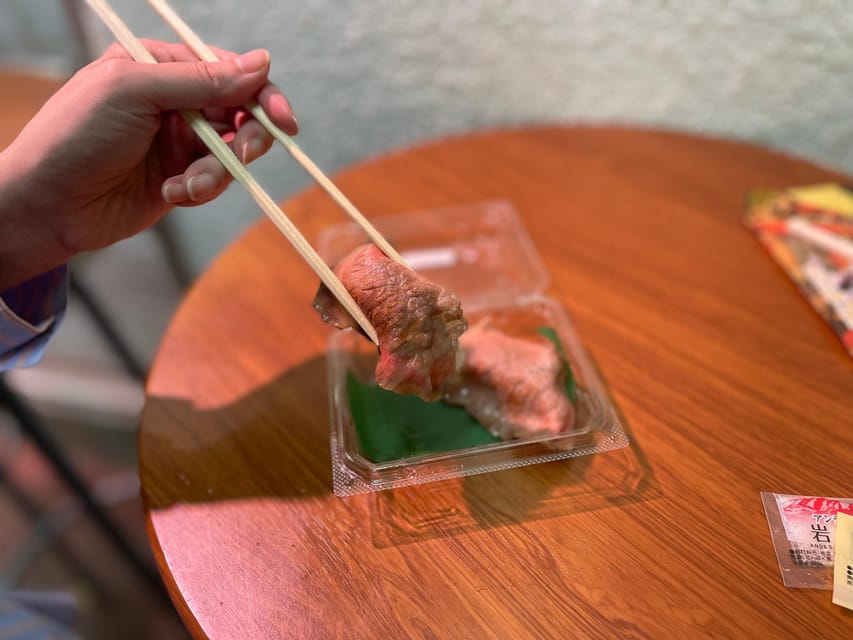
- Taste more than seafood: Included snacks can include seasoned seaweed, dried fish, roast beef sushi, oysters or sashimi, and bean snacks.
- Explore with a small group: The tour is limited to six participants, allowing more room for questions and help at food stalls.
- See Tsukiji beyond the shops: Tsukiji Honganji Temple and Namiyoke Shrine add religious and local context to the food walk.
- Let a guide lead the way: Tsukiji can feel like a maze, so an English-speaking guide helps you find recommended stores without wasting your short visit.
- Plan for your own lunch: The tour includes snacks, but your main meal is not covered.
- Best for adventurous eaters: The food selection includes seafood and meat, making this a poor match for vegans and anyone with serious allergies.
Why Tsukiji still matters after the wholesale market moved
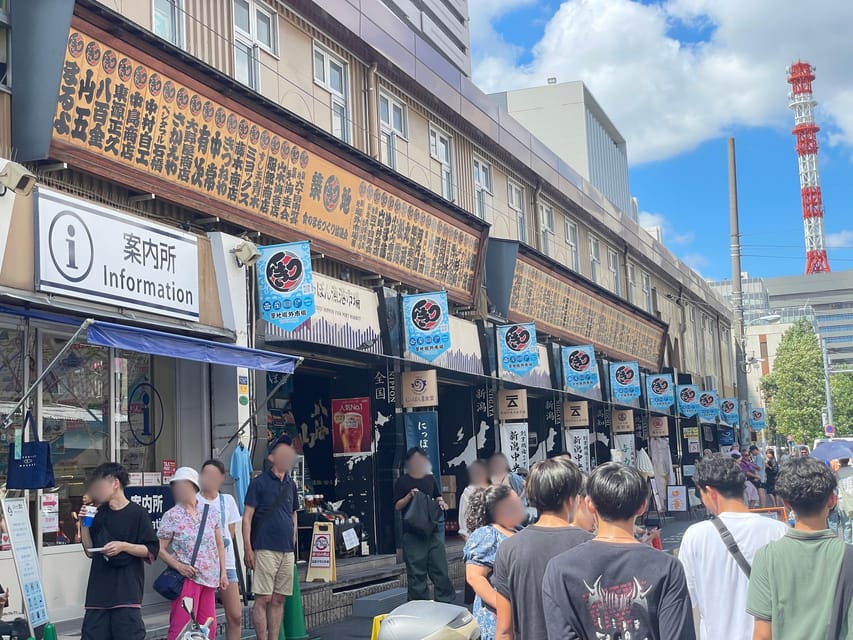
The name Tsukiji often brings to mind Tokyo’s old wholesale fish market. That operation moved away several years ago, but the Tsukiji Outer Market continued as a shopping and dining district.
That distinction matters. You are not visiting the former wholesale market itself, and this tour does not promise an auction or access to behind-the-scenes wholesale floors. Instead, you walk through the remaining market area, where food shops and small eateries serve both local customers and sightseers.
The appeal is everyday food culture. You see the ingredients Japanese cooks use, the snacks people eat on the go, and the compact shops that specialize in one product or preparation. A guide helps turn a collection of stalls into something easier to understand.
Without help, you can certainly wander Tsukiji on your own. But the lanes can be confusing, and a short visit may leave you unsure which foods are worth trying. This tour is built for you if you want a food introduction rather than a free-form shopping trip.
A few more Tokyo tours and experiences worth a look



Meeting at Tsukiji Honganji Temple
The tour begins outside the main gate of Tsukiji Honganji Temple, at 3-chōme-15-1 Tsukiji. Make this your first landmark, since the meeting point is outside the temple gate rather than inside a particular shop.
The temple visit lasts about 20 minutes. You get a photo stop and a guided look before moving into the market. This is a useful opening because Tsukiji is not only a place to eat. Religious sites help explain the district’s local identity and give you a calmer starting point before the crowded food streets.
Tsukiji Honganji is also practical as a meeting landmark. If you are unfamiliar with the neighborhood, a large temple gate is easier to identify than a small storefront. Allow enough time to find the temple and the correct gate, especially if you are arriving from another part of Tokyo.
The temple portion is short, so do not book this expecting a long architectural tour. Its purpose is to connect the market to the wider neighborhood and set the scene for the food walk.
Finding your way through Tsukiji Outer Market
The main market portion takes about two hours. This is where the tour earns its price, especially if you want to sample several foods without having to choose every stop yourself.
You walk with an English-speaking guide through the Outer Market, stopping at recommended stores to buy snacks. The exact order and food selection can vary, but the included items can feature seasoned seaweed, dried fish, roast beef sushi, oysters or sashimi, and bean snacks.
That list gives you a good sense of the tour’s range. You are not simply handed one standard tasting plate. You may encounter salty dried foods, fresh seafood, meat, and sweet or savory bean-based snacks. For someone new to Japanese food, this is a useful way to compare textures and flavors in small portions.
I would treat the tastings as a series of light meals rather than a full lunch. The description includes breakfast, brunch, dessert, lunch, local snacks, and food tasting because the market offers many ways to eat. Still, your main lunch purchase is separate, so budget for it.
The guide also makes the shopping side less stressful. Tsukiji’s compact lanes can feel like a maze, as one particularly strong account of the experience makes clear. Haruka was singled out for taking the group to good spots and helping participants try a wide range of foods. Guide quality matters here because the value is not just in walking through the market. It is in knowing where to stop and how to make sense of what you are seeing.
What the included tastings are like
The included snacks are the heart of the experience. Seasoned seaweed and dried fish offer a direct introduction to pantry staples that may look ordinary in a shop but taste quite different when sampled on the spot.
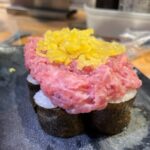
Roast beef sushi gives the food lineup a change of pace. Oysters or sashimi bring the most obvious Tsukiji connection, but they also make the tour less suitable for cautious eaters. If raw seafood is not part of your diet, ask the guide about your options before accepting a tasting.
Bean snacks add another useful contrast. Japanese snacks made with beans can be sweet, savory, or lightly seasoned, and they keep the experience from becoming seafood-only.
You should tell the guide about allergies before the food stops begin. The published information specifically warns that the snacks include seafood and meat and says to inform the guide about other allergies. At the same time, the tour is listed as unsuitable for people with food allergies, so do not assume that a simple request can guarantee a safe menu.
The same advice applies to dietary preferences. Vegans should not book this tour, since both the included foods and the general market experience are centered on ingredients that can include seafood, meat, and other animal products.
Choosing your own lunch in the market
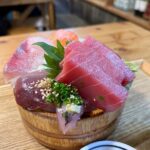
After the guided tasting stops, you can buy your favorite lunch and eat it with the snacks already purchased. The lunch cost is not included, and the final choice is yours.
This arrangement works well if you want control over your main meal. You can spend more on a dish that catches your eye, keep lunch light after the tastings, or choose something that suits your appetite. It also means the $99 tour price does not cover everything you may eat during the morning or midday.
Think of the cost as paying for three parts: the guide, the market orientation, and the included tastings. If you already know Tsukiji well and feel comfortable selecting shops on your own, the price may seem high. If you have only a few hours and want an English-speaking local guide to organize the food stops, the small group and included samples make the price easier to justify.
Because lunch is extra, bring a realistic food budget. The exact amount depends on what you choose at the market, so the tour does not give you a fixed total meal price.
A few more Tokyo tours and experiences worth a look


Namiyoke Shrine and the working side of Tsukiji
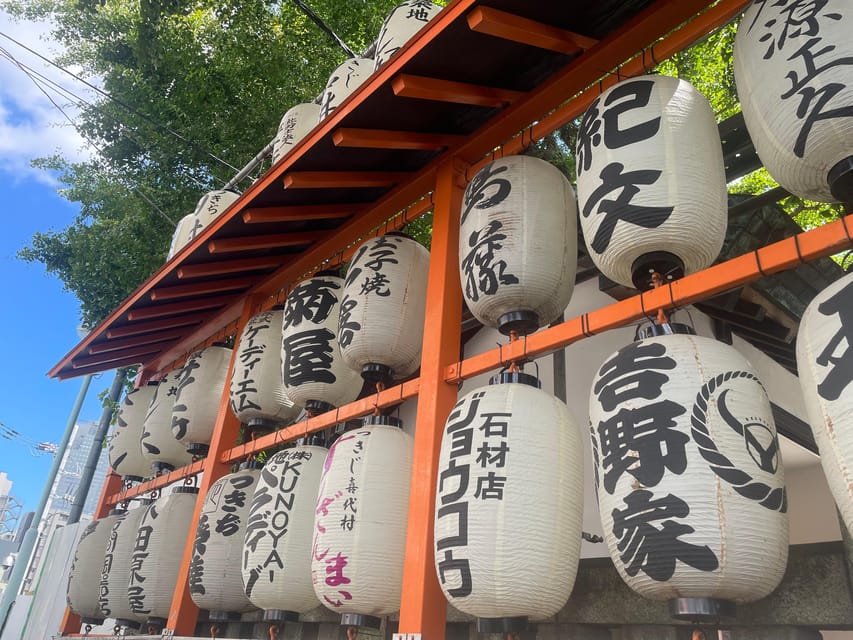
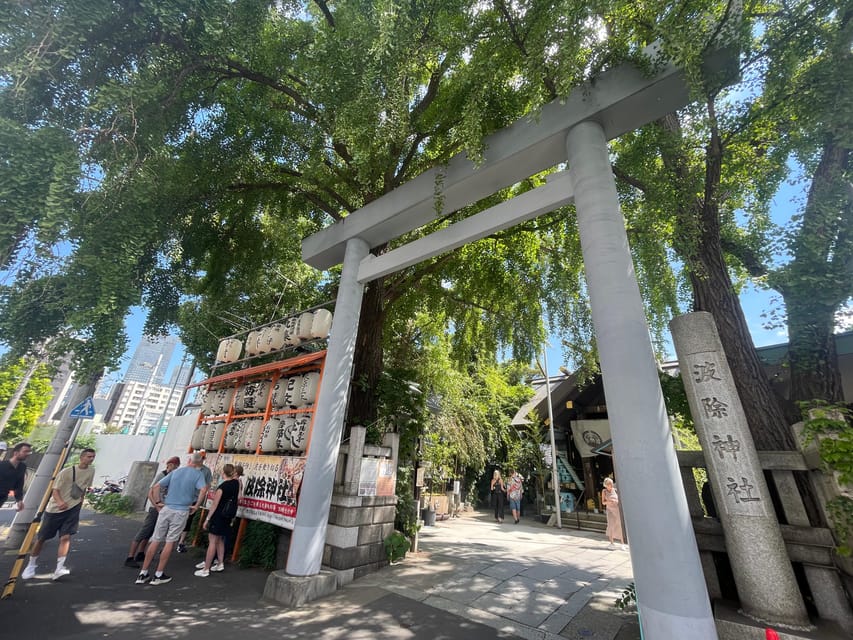
The tour finishes at Namiyoke Shrine, written as 波除神社. This shrine supports workers in Tsukiji and is an important final stop because it connects the market to the people who work there.
The visit is not just another photo stop. It gives you a chance to think about Tsukiji as a working food district rather than a backdrop for sightseeing. The shops and food counters depend on the skills and routines of people who handle, prepare, sell, and serve food every day.
Ending at the shrine also gives the walk a clear shape. You begin at Tsukiji Honganji Temple, spend most of the time eating and shopping in the Outer Market, then finish at a site linked directly to the market community.
The tour ends at Namiyoke Shrine rather than returning you to the starting gate. Keep that in mind when planning the next part of your day. The final location is still in Tsukiji, but you should not expect a return transfer.
How the small group changes the experience
The group is limited to six participants. That is a useful size for Tsukiji, where narrow lanes and small shops can make a large tour awkward.
With fewer people, you have a better chance to hear the guide, ask about unfamiliar foods, and stay together while moving between stops. The guide can also respond more easily if you need help deciding what to try.
The small group does not make the market quiet or private. You are still walking through a popular public area, and shop space can be tight. Its benefit is control, not solitude. You spend less time waiting for a large crowd to regroup and more time focused on food and the neighborhood.
The food atmosphere is a major part of the appeal. Two of the strongest ratings describe the combination of good food, a good atmosphere, and helpful guides and assistants. That fits the tour’s design: it is social, active, and built around tasting rather than simply listening.
Is $99 a fair price for three hours?
At $99 per person, this is not the cheapest way to visit Tsukiji. You can enter the Outer Market without paying for a tour, browse shops independently, and buy food one item at a time.
The price becomes more reasonable if you value guidance. You receive three hours with an English-speaking guide, a small group capped at six, and a set of included tastings. You also get the temple and shrine visits, which give the walk more substance than a basic food crawl.
The value depends on your travel style. I would consider it worthwhile for a first-time visitor who wants a planned introduction and does not want to guess which stalls to try. It is less compelling for an experienced Tokyo visitor who speaks Japanese, knows the market, or prefers to spend the whole morning choosing food independently.
Remember the extra costs. Lunch is not included, and shopping beyond the included snacks is your responsibility. If you want to buy gifts or additional foods, your spending can rise quickly.
The free cancellation option allows cancellation up to 24 hours in advance for a full refund, and you can reserve now and pay later. Those terms help if your Tokyo schedule is still changing, but they do not alter the basic value calculation.
Who should book this food walk?
I would recommend it to first-time visitors to Tsukiji, curious eaters, and anyone who likes a guide to explain what is in front of them. It is also a good fit if you want a short food activity that combines tasting, light sightseeing, and shopping.
You will get the most from it if you are willing to try seafood and meat and can handle a fast-moving market setting. The tour is not designed for a quiet sit-down meal or a strict dietary plan.
It may also suit solo visitors and couples who prefer a small group. The six-person limit gives you a more personal format than a large coach-style tour, while the guide keeps the route moving.
Skip it if you are vegan, have food allergies, use a wheelchair, or want to visit the former wholesale market. Those needs and expectations do not match what this activity provides.
Practical tips before you go
Meet outside the main gate of Tsukiji Honganji Temple. Since the tour ends at Namiyoke Shrine, plan your next stop from there rather than from the temple.
Wear comfortable shoes. The tour lasts three hours and includes walking, shopping, food stops, and movement through market lanes. The experience is not wheelchair accessible.
Arrive ready to taste small portions rather than sit down for a full meal. Bring money for lunch and any extra shopping, since those costs are separate.
If you have any allergy at all, contact the operator before booking and speak with the guide at the start. The tour specifically warns about seafood and meat, and it is not suitable for people with food allergies.
English is the tour language. The small group format means you can ask questions, and the guide can help you understand unfamiliar foods and find the recommended stores.
Should you book the Tsukiji food tour?
Book this tour if you want a guided introduction to Tsukiji that combines market food with two meaningful local landmarks. The included tastings, small group, and help from an English-speaking guide make it easier to sample widely in a short time.
I would especially choose it for a first visit, when the market’s maze of shops can be more confusing than charming. The experience has earned top marks for its food, atmosphere, and guides, with Haruka receiving special praise for leading the group to strong food stops.
Do not book it simply because you want a cheap lunch. At $99, plus your own lunch and shopping, it is a guided cultural food experience rather than a budget meal. If that sounds like your kind of morning, Tsukiji offers a tasty and practical introduction to Japanese food culture.
FAQ
How long does the Tsukiji food tour last?
The tour lasts three hours.
What language is the tour conducted in?
The tour is conducted in English with a live English-speaking guide.
How many people can join the tour?
The group is limited to six participants.
Where does the tour meet?
The meeting point is outside the main gate of Tsukiji Honganji Temple at 3-chōme-15-1 Tsukiji.
Where does the tour end?
The tour ends at Namiyoke Shrine, also written as 波除神社.
Is lunch included in the price?
No. The tour includes snacks, but lunch must be purchased separately.
What foods are included with the tour?
Included snacks can include seasoned seaweed, dried fish, roast beef sushi, oysters or sashimi, and bean snacks.
Is the tour suitable for vegans or people with food allergies?
No. The tour is listed as unsuitable for vegans and people with food allergies, and the included snacks can contain seafood and meat.
Can I cancel the booking for a full refund?
Yes. You can cancel up to 24 hours in advance for a full refund. You can also reserve now and pay later.
More Food Experiences in Tokyo
More Tsukiji Market Tours in Tokyo

More tours in Tokyo we've reviewed





Tsukiji Market Tours, compared.
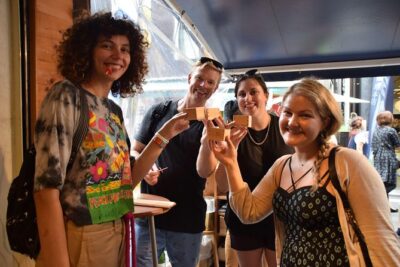 ★ 5.0Tokyo Tsukiji Fish Market Food and Culture Walking TourFrom $99
 ★ 5.0Tokyo: Tsukiji Fish Market Food and Walking tourFrom $30
 ★ 4.9Tokyo: Tsukiji Fish Market Guided Walking TourFrom $222 hours
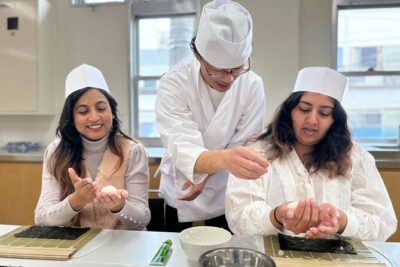 ★ 5.0Tokyo Sushi Making Class in Tsukiji with Professional ChefFrom $49
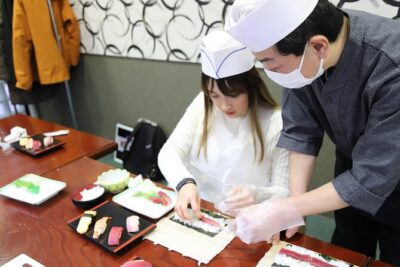 ★ 5.0Tsukiji Fish Market Guided Tour and Sushi Making with Pro ChefFrom $104
★ 4.7Tokyo: Tsukiji Fish Market Food and Culture Walking TourFrom $963 hours