
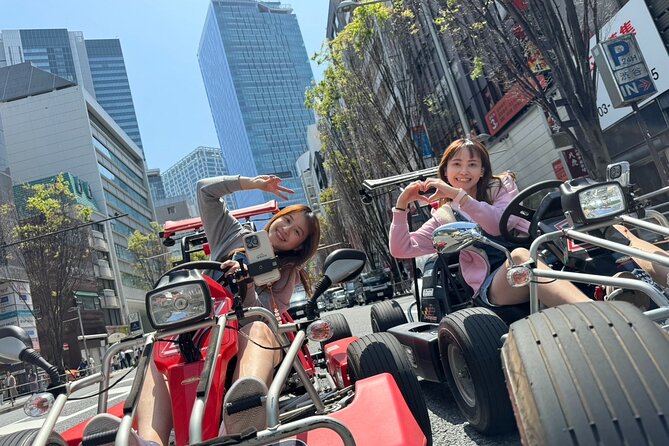
Reviewed · GO-KARTS
Ride Through The Streets Of Shibuya and Sinjuku By Go Kart
Tokyo traffic becomes the attraction on this single-person go-kart tour through Shibuya and Shinjuku. After a safety briefing, you follow a local guide on public roads, pass striking buildings and busy city streets, and stop for photos along the way.
I like the efficient one-hour format and the chance to cover more ground than you can on foot. I also like that the guide takes photos and can send them by AirDrop at the end. The main catch is serious: your driving documents must be valid for Japan, and an incorrect permit means no ride and no refund.
In This Review
- Key points to know before booking
- Why this short Tokyo ride feels different
- Starting in Nishishinjuku
- The license rules are the make-or-break detail
- Safety briefing, then your own kart
- Seeing Shibuya from the road
- Moving toward Shinjuku and the city after dark
- Photos are a useful part of the experience
- Is $99.10 a fair price?
- Who should book this ride?
- Booking, weather, and cancellation advice
- Should you book Neo-Tokyo-Kart?
- FAQ
- How long does the go-kart experience last?
- Where does the tour start and finish?
- Do I need an International Driving Permit?
- Are there different document rules for some countries?
- Can I participate after drinking alcohol?
- What happens if the weather is poor?
Key points to know before booking
- Night rides from 6 p.m. onward offer a particularly memorable way to see Tokyo’s illuminated streets.
- The tour begins at 4-chōme-18-2 Nishishinjuku, and finding the entrance can take some care because signage is limited.
- You drive your own kart, rather than sitting in a vehicle with a guide.
- A 1949 Convention International Driving Permit is required for many nationalities, and it must be the original booklet format.
- Photo stops are built into the ride, with images sent by AirDrop at the end when possible.
- Free cancellation is available up to 24 hours before departure, but late cancellations are not refunded.
Why this short Tokyo ride feels different
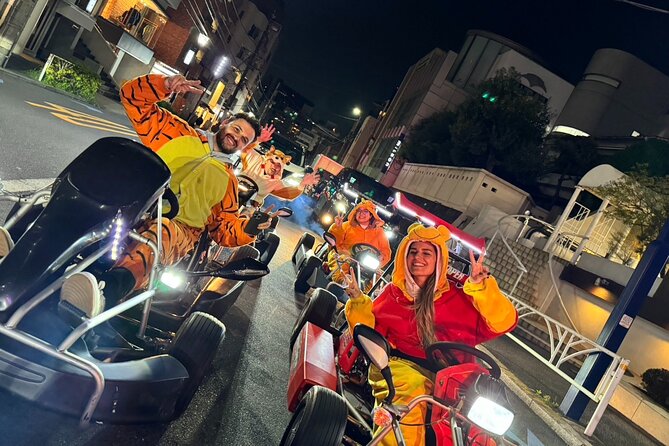
Most city sightseeing in Tokyo means trains, pavements, department stores, and crowded crossings. This experience changes the viewpoint. You sit low in a kart, keep pace behind a guide, and see the city as a driver sees it, with buildings, traffic, signs, and changing districts passing at street level.
The route is centered on Shibuya, with the activity marketed around Shibuya and Shinjuku. The exact sequence of streets and photo stops is not specified, so I would not book this expecting a fixed list of famous landmarks. The appeal is the moving city scene itself: architecture at close range, large streets, and the simple thrill of driving through Tokyo under the supervision of a local guide.
At roughly one hour, this is a compact add-on rather than a full sightseeing day. You will not learn the full story of Shibuya or Shinjuku in that time. You will, however, get a quick and unusual look at these districts, especially useful if you have limited time or want an activity that breaks up museum and shopping visits.
A few more Tokyo tours and experiences worth a look
Starting in Nishishinjuku
The meeting point is 4-chōme-18-2 Nishishinjuku, in Shinjuku City. The area is near public transportation, but the entrance may not be obvious. I would allow extra time to locate the operator rather than arriving just before departure, particularly if you are unfamiliar with Tokyo’s large blocks and layered streets.
The limited signage is the clearest practical weakness. Bring your booking confirmation on your phone, check the address before leaving, and give yourself a buffer. A mobile ticket is provided, which is convenient, but a phone confirmation does not solve a last-minute navigation problem.
Once you arrive, the important first step is the document check. This is not a casual scooter-style activity where you can simply show up and start driving. You must prove that you are legally allowed to drive in Japan.
The license rules are the make-or-break detail
For many participants, the required document is an International Driving Permit issued under the 1949 Geneva Convention. It must be the original booklet format. A digital permit, card-style permit, photograph, or photocopy is not accepted.
The responsibility rests with you. If your permit is invalid for Japan, the operator can refuse participation, and the supplied terms say no refund or amendment will be available. Check the rules for your passport-issuing country before booking, using the Japan Automobile Federation as the authority for current guidance.
Some nationalities have a different process. People from Switzerland, Germany, France, Taiwan, Belgium, Estonia, or Monaco must bring all three of the following:
- Their original national driving license
- An official Japanese translation from the authorized organization
- Their passport
Residents of China, Mexico, Indonesia, Pakistan, Saudi Arabia, Kuwait, and Qatar are not allowed to drive in Japan for this activity. The key point is simple: do not rely on a general internet search or assume your normal license is enough. Confirm the rule tied to your passport country first.
Alcohol is another firm restriction. You cannot participate if you are under the influence, and the activity does not offer a refund in that situation. That matters most for anyone planning a bar visit or dinner immediately before the ride.
Safety briefing, then your own kart
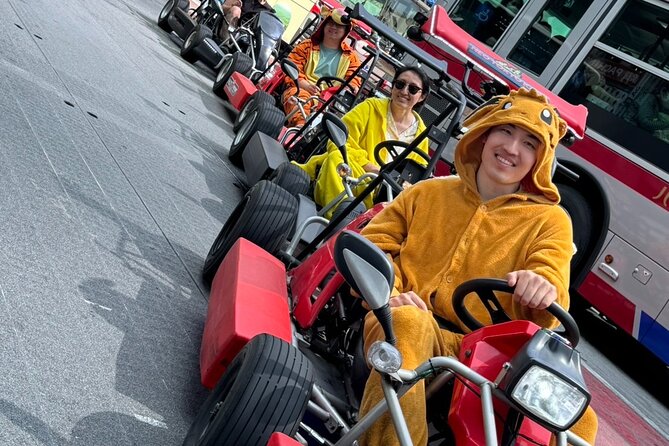
The experience begins with a safety briefing before you take the wheel. The karts are designed for use on Japanese public roads, and you drive a single-person vehicle rather than sharing with a guide or another participant.
That setup makes the ride feel active from the start. You are not just being carried around a route. You must pay attention, follow the guide, and operate your kart safely in city traffic. The guide leads the group and remains on hand to help, which gives first-time participants some support without taking away the driving element.
I would think of this as a guided road experience, not a race. The fun comes from moving through Tokyo as part of an organized group. The public-road setting also means the pace and route depend on normal city conditions. Traffic, signals, and other road users are part of the experience, so anyone expecting a fast track-style ride should adjust their expectations.
The one-hour length works in your favor here. It gives you enough time to settle into the kart and enjoy the route without turning the activity into a tiring half-day commitment. It also means the guide has little time for long commentary, so the main focus is driving and seeing the streets rather than receiving an extended city lecture.
Seeing Shibuya from the road
Shibuya is best known for its intense street life, large commercial buildings, and constant movement. From a kart, you get a lower and more exposed view than from a train or bus. Architecture passes close by, and the city feels less like a collection of attractions and more like a working urban center.
The tour description promises stops for photographs and insights from the guide. That combination is useful. You get short pauses to record the experience, while the ride itself keeps moving through the district. I would not expect every minute to be commentary or a formal stop at each landmark.
The route can show you more ground than a walking tour in the same hour. That is especially helpful if you are staying in Tokyo for only a short time or want a broad first look before returning to districts on foot. The trade-off is that you have less control over where you linger. If a particular building or street interests you, you may have only a brief chance to look before the group continues.
This is also a better match for people who enjoy the street scene itself. You will see traffic patterns, storefronts, tall buildings, and the constant visual changes of Tokyo. If your priority is detailed cultural explanation, a walking tour or museum visit may give you more substance.
A few more Tokyo tours and experiences worth a look


Moving toward Shinjuku and the city after dark
The meeting point is in Nishishinjuku, and the experience is described around the streets of Shibuya and Shinjuku. Because no fixed stop-by-stop route is provided, you should treat the districts as the setting rather than a guaranteed checklist of named sights.
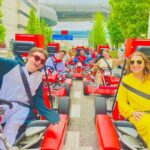
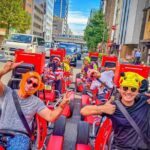
The strongest timing tip is to choose a slot from 6 p.m. onward if your schedule allows. The city takes on a different look after dark, with illuminated signs, office towers, headlights, and brighter commercial streets. The guide-led format also gives you a clear way to move through the evening city without having to plan every turn yourself.
Night driving has practical limits. You need to be comfortable paying attention in a busy urban setting, and weather can affect the activity. The provider requires good weather, so rain or poor conditions can lead to a new date or a full refund. If your Tokyo schedule is tightly packed, keep that weather risk in mind before placing this activity on your final evening.
Photos are a useful part of the experience
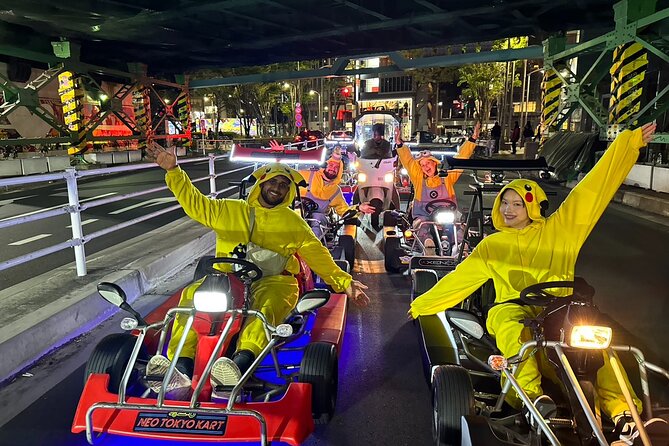
The guide takes several photographs during the ride. At the end, images may be sent by AirDrop, which is a handy touch because you can leave the experience with more than phone snapshots taken while driving.
Photo stops also give the group a chance to pause and take in the surroundings. You should still confirm how the photos will be delivered on the day, particularly if your phone does not use AirDrop. The supplied information specifically mentions AirDrop, so the most reliable expectation is that this is aimed at compatible devices.
The photos are valuable because driving leaves you with less freedom to document the streets yourself. You cannot safely handle a phone while operating the kart. Having the guide take pictures lets you concentrate on the road and enjoy the ride.
Is $99.10 a fair price?
At $99.10 per person, this is not the cheapest way to see Shibuya or Shinjuku. You can walk through both areas for very little, and Tokyo’s public transportation is far less expensive. The price makes more sense when you separate the sightseeing value from the activity value.
You are paying for a guided public-road experience, use of a kart, a safety briefing, route leadership, photo stops, and the chance to drive yourself. That is a different product from a standard neighborhood tour. If you mainly want information about Tokyo’s history and landmarks, the price may feel high for one hour.
I think the value is strongest for a first-time visitor who wants something memorable and compact. You cover city streets in a way that is difficult to recreate on foot, and the one-hour schedule leaves most of your day free. It is also a good fit for people who have already seen Tokyo’s main sights and want a more playful activity.
The value drops if you have doubts about the license requirements, dislike driving in traffic, or want a long stop at each attraction. In those cases, the cost and strict paperwork may not match what you want from a Tokyo tour.
Who should book this ride?
I would recommend it to adults who hold the correct driving documents, feel comfortable operating a vehicle, and enjoy activities with a little excitement. It suits first-time visitors who want to see more in a short period, as well as repeat visitors looking for a fresh view of familiar districts.
It is especially appealing for:
- People who want a memorable evening activity
- Couples or friends who like taking photos together
- Visitors with limited time in Tokyo
- Drivers who prefer an active experience to a passive sightseeing bus
- Anyone interested in seeing Shibuya and Shinjuku from street level
I would be cautious if you are nervous around city traffic or hoping for a slow, highly detailed tour. The guide is there to help, but you are still responsible for driving safely. The activity also requires the right documents before you arrive, not after a problem at the meeting point.
The tour has a 5.0 rating from 86 reviews and a 99 percent recommendation rate, which supports the idea that the basic formula works well for people seeking fun and unusual sightseeing. The most praised details are the safe organization, the thrill of driving through Tokyo, and the night route. The small operational complaint is the meeting-point signage, so plan around that rather than treating it as an afterthought.
Booking, weather, and cancellation advice
You receive confirmation at booking, and the mobile ticket makes the reservation easy to carry. The activity ends back at the original meeting point, so you do not need to arrange a separate pickup or work out where to reunite with your group.
Free cancellation is available until 24 hours before the start time. Canceling later, or making changes within that final 24-hour period, does not qualify for a refund. Since bad weather can also affect the ride, I would avoid pairing it with a nonrefundable dinner reservation immediately afterward.
If poor weather cancels the activity, you are offered another date or a full refund. That policy is helpful, but it does not remove the need to keep some flexibility in your Tokyo plans.
Should you book Neo-Tokyo-Kart?
Book it if you have confirmed the correct Japanese driving documents and want an energetic one-hour look at Shibuya and Shinjuku. Choose a time from 6 p.m. onward for the most dramatic city lighting, arrive early because the Nishishinjuku meeting point may be hard to spot, and keep your phone ready for the photos.
Skip it if you want a traditional sightseeing tour, dislike driving on public roads, or cannot verify your eligibility. At $99.10, this is best understood as a memorable driving activity with sightseeing included, not as the most economical way to tour central Tokyo.
FAQ
How long does the go-kart experience last?
The activity lasts approximately one hour.
Where does the tour start and finish?
It starts at 4-chōme-18-2 Nishishinjuku, Shinjuku City, Tokyo 160-0023, Japan, and finishes back at the same meeting point.
Do I need an International Driving Permit?
Many participants need an International Driving Permit issued under the 1949 Convention. It must be in the original booklet format. Digital permits, card-style permits, photographs, and copies are not accepted.
Are there different document rules for some countries?
Yes. Participants from Switzerland, Germany, France, Taiwan, Belgium, Estonia, or Monaco must bring their original driving license, an official Japanese translation from the authorized organization, and their passport.
Can I participate after drinking alcohol?
No. Participants cannot join while under the influence of alcohol, and no refund is available in that situation.
What happens if the weather is poor?
The experience requires good weather. If it is canceled because of poor weather, you can choose another date or receive a full refund.
More Go-Kart Tours in Tokyo
More Shibuya Tours in Tokyo

More tours in Tokyo we've reviewed










Go-Karts, compared.
 ★ 5.0Flagship 2-Hours Official Street Go-Kart Tour – Tokyo Bay ShopFrom $642 hours to 2 hours 30 minutes (approx.)
 ★ 5.0Official Street Go-Kart in ShibuyaFrom $76
 ★ 5.0Official Street Go-Kart Tour – AkihabaraFrom $61
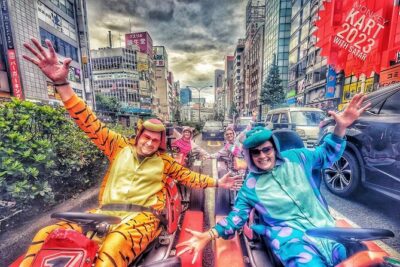 ★ 5.0Tokyo Go Kart: Asakusa, Skytree, and Akihabara **IDP MUST**From $99
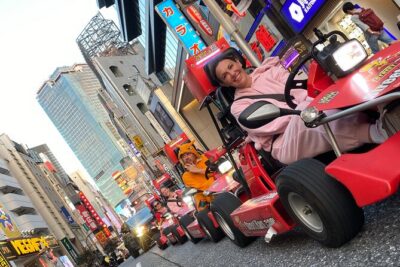 ★ 5.0Shibuya Official Street Go-Kart in Shibuya AnnexFrom $69
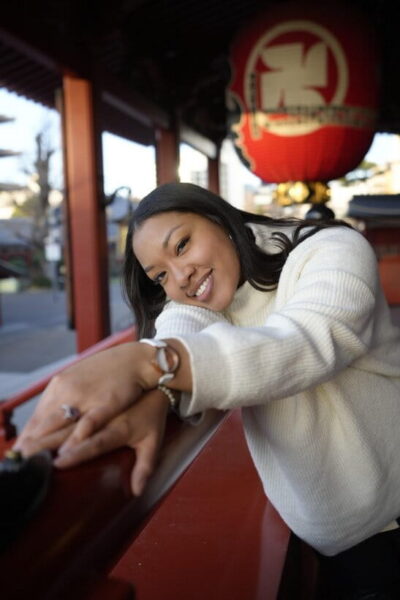 ★ 4.7Tokyo: Asakusa, Skytree & Akhihabara Go-Kart City ExperienceFrom $961h 10m