
Reviewed · TSUKIJI MARKET TOURS
Private Toyosu & Tsukiji Market Adventure with Tuna Auction
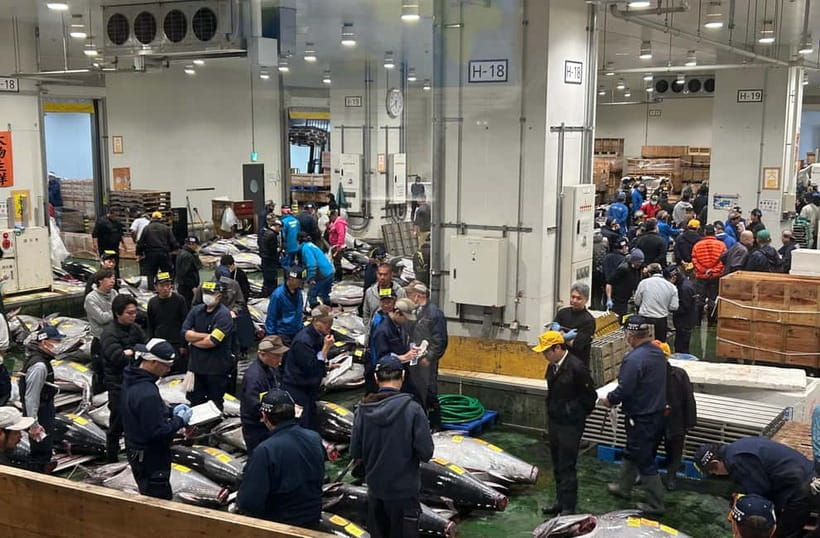
At 5 in the morning, Tokyo’s seafood trade is already in motion. This private tour takes you to Toyosu’s bluefin tuna auction, where buyers inspect huge frozen fish, make quick bids, and move on to the next lot. A guide helps you understand the hand signals, grading, and purpose behind the ritual instead of leaving you to watch a puzzling scene from behind glass.
I like the useful pairing of Toyosu and Tsukiji: one is a modern working market, the other a more approachable food-and-shopping district. I also like the personal guidance from English-speaking hosts such as Nobby, Sachiyo, Yumi, Emi, and Mayumi, who use diagrams, food suggestions, and local tips to make the morning easier.
The catch is the very early start and extra transport cost. You pay for your own taxi to Toyosu, plus the bus from Toyosu to Tsukiji, and the first-floor auction view requires winning a lottery. If you dislike early mornings or want a cheap, self-guided food stroll, this may not be your best fit.
In This Review
- Key points to know before booking
- Why Toyosu’s tuna auction is worth the alarm clock
- The auction lottery and what you can actually see
- Walking through Toyosu’s professional market
- Breakfast at Toyosu or Tsukiji
- Taking the bus from Toyosu to old Tsukiji
- Tsukiji’s food stalls and useful souvenirs
- What the private format adds
- The early morning logistics you need to plan
- Is $153 a fair price?
- Who should book this Toyosu and Tsukiji morning?
- Should you book it?
- FAQ
- How early does the tour start?
- Where do I meet the guide?
- Is the taxi to Toyosu included?
- Can I see the tuna auction from the first floor?
- Is breakfast included?
- Can children, wheelchair users, and vegetarian visitors join?
Key points to know before booking
- The auction begins before most of Tokyo wakes up: Plan to meet your guide around 5 a.m., sometimes earlier for a hotel pickup.
- Toyosu and Tsukiji offer different experiences: Toyosu shows the professional wholesale operation, while Tsukiji focuses on food stalls, small shops, and browsing.
- The first-floor auction view is not guaranteed: You must enter the market authority’s lottery in advance. If you do not win, you can still watch from the second floor.
- Your guide adds real value: Visual aids and market knowledge help explain what buyers are doing and point you toward worthwhile food and kitchen shops.
- Food and transport cost extra: Sushi, breakfast, snacks, drinks, taxis, and the local bus are not part of the $153 price.
- The tour suits families and plant-based eaters too: Children are welcome, and the guide can help locate vegetarian and vegan ingredients.
Why Toyosu’s tuna auction is worth the alarm clock
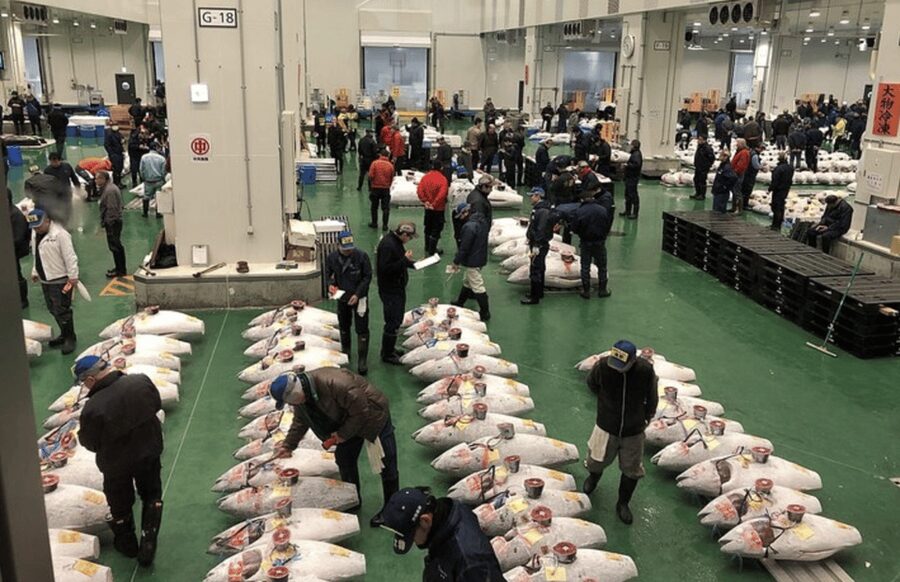
The main draw is the chance to see the tuna auction at Toyosu Fish Market, Tokyo’s modern wholesale seafood center. You arrive while the market is still in its working hours, not after the day’s activity has been tidied away for tourists.
The auction itself moves quickly. Professional buyers examine bluefin tuna and bid according to quality and value. Without help, you might see rows of fish and a group of people making gestures, then wonder what you just watched. Your guide explains the process and the role of tuna in Japan’s seafood trade.
Several guides use visual material to make the auction clearer. Sachiyo has used a binder with photographs and diagrams, while Emi has brought charts to explain tuna, fishing, and the bidding process. That is a small but important detail. The auction is interesting to watch, but it becomes far more useful when you understand what is happening.
The market also offers a lesson in how Japanese food reaches restaurants and shops. You can see the professional side of the seafood business before moving on to places where you can eat and shop. That contrast gives the morning a sensible shape: first observe the trade, then enjoy the results.
Do not expect the old Tsukiji tuna auction experience from years ago. Toyosu is a newer facility, and the public viewing areas keep you separate from the working floor. One previous participant found the auction smaller than expected, with only a few lots taking place. The event depends on that morning’s activity, so it is best to see it as a brief working ritual rather than a long show staged for visitors.
A few more Tokyo tours and experiences worth a look

The auction lottery and what you can actually see
The optional first-floor observation deck is the closest public view of the tuna auction. To have a chance at this area, you must book by the fifth day of the previous month and register through the official market lottery using the link sent through the tour app.
Winning is not guaranteed. The market authorities run the drawing, not the tour company. If you win, bring your passport or another form of identification on the morning of the tour.
If you do not win, your guide can still take you to the second-floor viewing area. You will be farther from the action, but you can watch the auction and receive explanations about the buyers, fish, and process. Several people found that having a guide made the second-floor view much easier to follow.
The lottery does not take place at the end of December. During that period, the viewing arrangement is from the second floor. Keep this in mind if a close view of the auction is the main reason you are booking.
Walking through Toyosu’s professional market
After the auction, your guide leads you through other market areas and shops connected with Japanese cooking. This part is less theatrical than the tuna bidding, but it may be the most useful section if you enjoy food or want to take home practical souvenirs.
You might find stores selling:
- Japanese kitchen knives
- Pottery
- Chopsticks
- Matcha and matcha whisks
- Miso
- Pickles
- Sake
- Dried mushrooms
- Dried kombu
- Wasabi graters
A private guide helps you decide where to pause and what to ask about. You can learn how a knife differs from another, compare pottery, or get help with purchases when English is not available at the shop. The guide can also point out Japanese ingredients that are easy to overlook, such as dried mushrooms, kombu, and pickles.
This is a shopping stop, not a cooking class. You should not expect a long presentation about every item. The advantage is flexibility. If you care more about knives than matcha, you can spend your limited time accordingly.
The market is also notably clean, with little of the strong fish odor you might expect from a major seafood center. You will still be in a working food market, so surfaces, corridors, and movement can feel practical rather than polished. Wear comfortable shoes and keep your belongings manageable.
Breakfast at Toyosu or Tsukiji
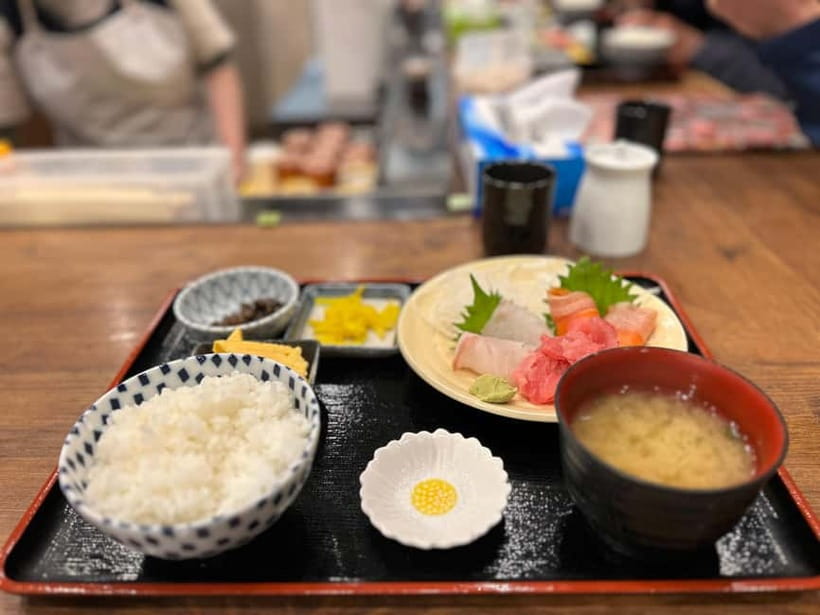
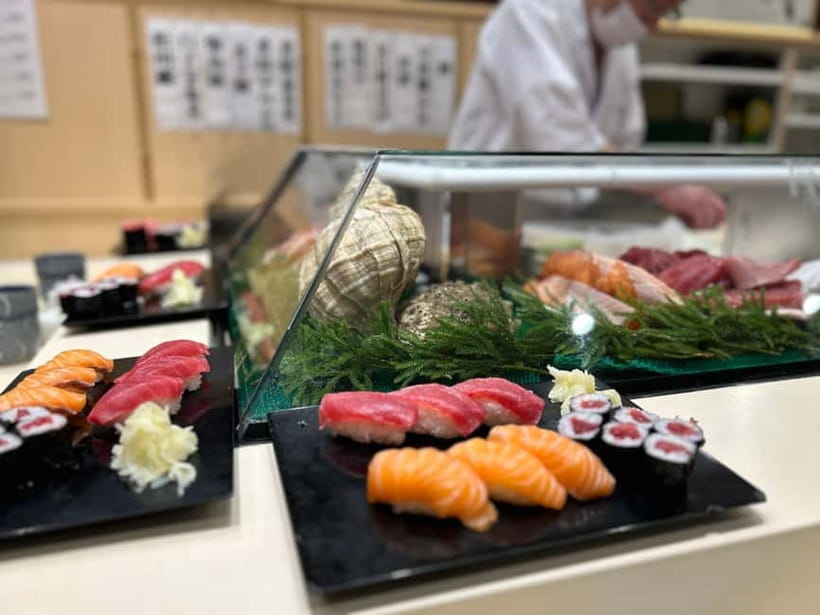
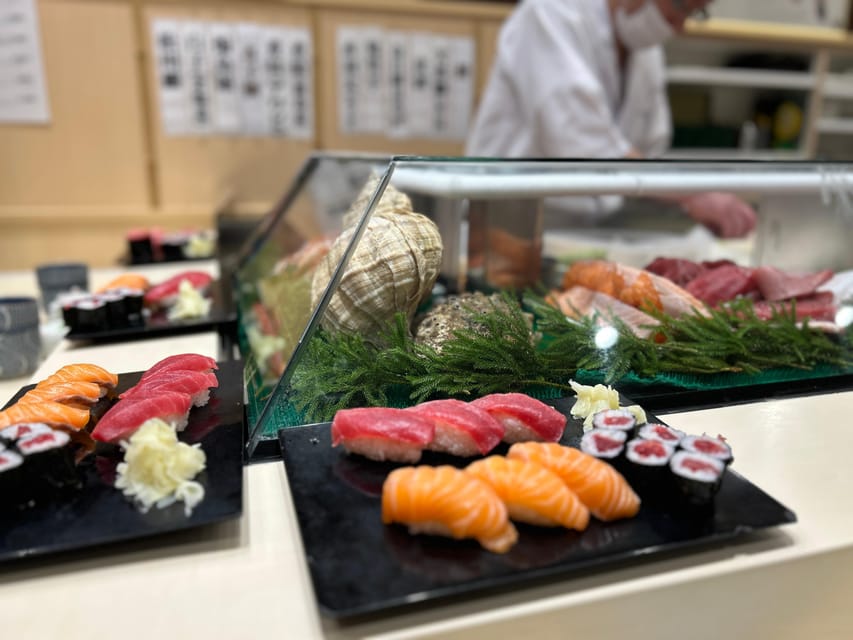
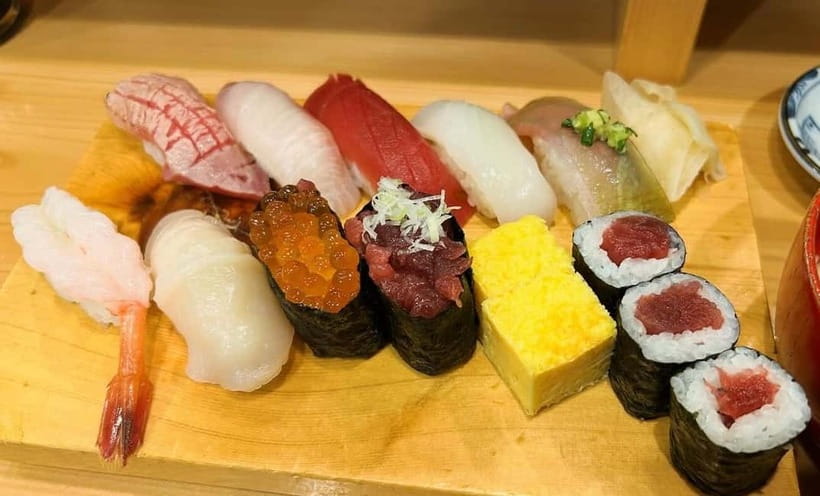
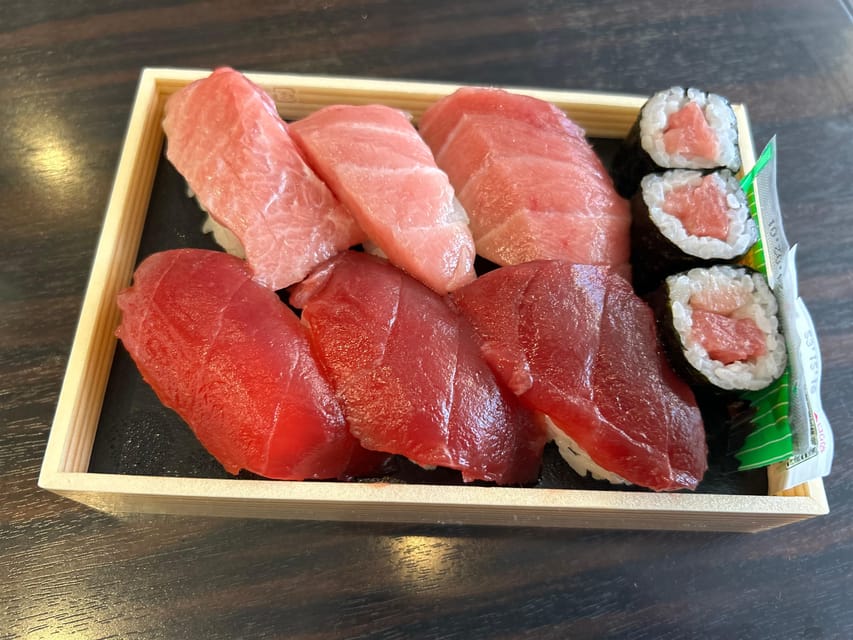
Sushi or seafood breakfast can happen at Toyosu or later at Tsukiji. It is an early meal, and some people consider fresh sushi at 6:30 a.m. one of the morning’s great pleasures. Others may find the timing strange, so do not book this tour assuming you must eat a full seafood breakfast.
Your guide can help you choose a place based on your appetite and budget. One useful feature of a private tour is the chance to ask for alternatives instead of simply following a fixed restaurant plan. Guides have directed people toward less expensive spots with good food, as well as higher-end sushi and omakase meals.
The food itself is not included in the $153 price. You pay for breakfast, sushi, snacks, and drinks as you go. Bring cash, since the tour information specifically recommends it and small market shops may be easier to handle with Japanese currency.
Vegetarian and vegan eaters are welcome. The guide can help you find suitable ingredients together, though the tour is built around a seafood market, so the range of options may vary from stop to stop. If you have strict dietary needs, mention them when booking and again at the start of the morning.
Taking the bus from Toyosu to old Tsukiji
The move from Toyosu to Tsukiji takes about 15 minutes by local bus, with the fare paid separately. It is a practical transition between two very different parts of Tokyo’s food world.
Toyosu is the large, modern wholesale market. Tsukiji’s Outer Market is older in feel and easier to browse. Its narrow streets and small businesses make it a better place for food samples, browsing, and souvenirs.
The bus ride is short, but the overall schedule is tight. The tour lasts about three hours, with roughly 70 minutes at Toyosu and 70 minutes at Tsukiji, plus transport. If you stop often for food or shopping, you may need to choose your priorities rather than see every shop.
An optional shrine visit can be added during the Tsukiji portion. It gives the morning a small cultural pause between food stops. Since it is optional, you can skip it if you would rather spend the time eating or shopping.
Other private tours in Tokyo



Tsukiji’s food stalls and useful souvenirs
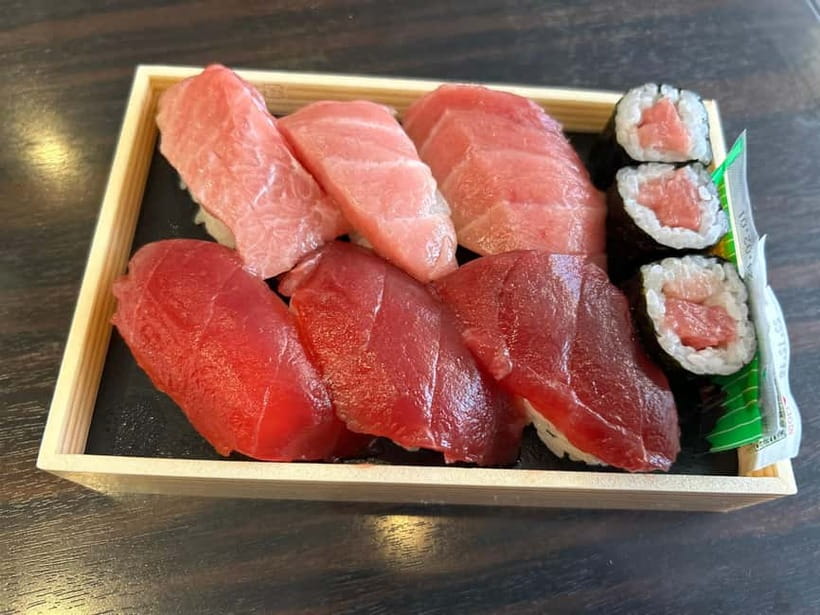
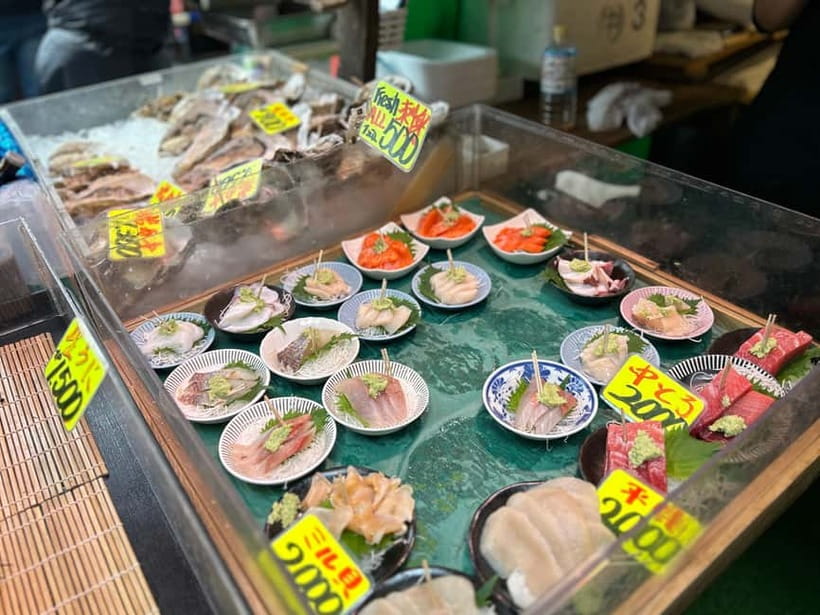
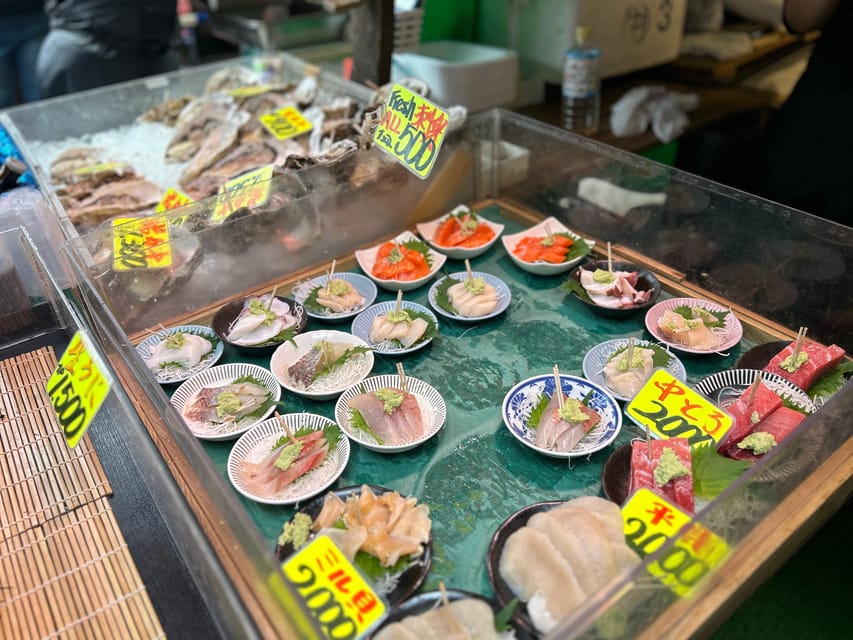
Tsukiji is where the tour becomes more relaxed and sensory. You can sample local foods, compare stalls, and ask your guide what is worth trying. The choices may include sashimi, grilled eel, yakitori, tamago, mochi, tuna steak, seasonal produce, and other Japanese market foods.
This is not a formal tasting menu. You buy what appeals to you, and the guide helps you navigate the choices. That makes the cost flexible, but it also means your final bill depends on how much you eat and shop.
Grilled eel offers a cooked alternative to raw seafood. Tamago and mochi are approachable choices for people who want something familiar or sweet. Matcha shops provide another way to experience Japanese food culture without ordering another fish dish.
The small stores are part of the appeal. You may find pottery, chopsticks, kitchen tools, knives, tea equipment, wasabi graters, and other items that are more useful than a standard souvenir. A guide can help you judge quality, explain what an item is for, and direct you to a shop that fits your interest.
Tsukiji can also be crowded, especially around popular stalls. The guide’s timing helps you reach places before the thickest crowds, but this is still an active market district. Expect narrow walkways, people carrying food, and a morning pace that changes from shop to shop.
What the private format adds
The tour is private for up to 10 people, so it works well for a family or a group of friends. You can move at your own pace and adjust the morning around food preferences, shopping interests, and children’s energy.
The private format matters most at Tsukiji. A large group can make it hard to stop at small stalls or decide where to eat. With your own guide, you can pause for several small tastings, ask questions, or spend extra time at a knife and pottery shop.
It also helps at Toyosu, where the setting can feel confusing before dawn. Guides such as Nobby, Sachiyo, Yumi, Emi, Eriko, Mayumi, and Hiroshi have been praised for clear explanations, punctual meeting arrangements, and help with ordering or finding specific shops.
Guide quality is central here. The strongest part of the experience is not simply getting inside the markets. It is having someone explain the auction, answer questions in English, point out less obvious products, and recommend food that suits your group.
The tour is also family-friendly. Children can join, and the short sections at each market help keep the morning moving. The wheelchair and stroller access is listed as available, though the early taxi, station entrances, market corridors, and bus transfer are still worth discussing with the operator before you go.
The early morning logistics you need to plan
The tour begins before normal public transport is running. If you meet at Shijo-mae Station on the Yurikamome Line, go to the ticket gate. Before 5 a.m., the escalator shutters may still be closed, so use the stairs or elevator to reach the second-floor ticket area.
Hotel pickup is available, but it does not mean free transport. Your guide can meet you in the hotel lobby or outside the hotel around 5 a.m., while you pay for the taxi to Toyosu. The final fare depends on where you stay.
A hotel in Toyosu, Tsukiji, or Ginza can reduce the taxi cost and make the early start less stressful. If you are staying farther away, allow extra time to arrange a taxi. The guide can meet you, but the vehicle and fare remain your responsibility.
You also need WhatsApp or the GetYourGuide app for messages before the tour. Provide an accurate phone number, allow notifications from Japanese numbers, and check the meeting details ahead of time. This is especially important if your pickup time changes or you need help finding the station entrance.
Bring your passport or ID if you win the first-floor lottery, and carry cash for food, drinks, taxi fare, bus fare, and purchases. Breakfast is not included, so the advertised price is not the complete cost of the morning.
Is $153 a fair price?
At $153 per person, this is not a budget market walk. You still pay for your taxi, bus fare, breakfast, drinks, and anything you buy. For one person or a couple, those extras can make the total noticeably higher.
The value comes from the private guide and the specialized timing. Toyosu before dawn is difficult to approach casually, and the auction is not self-explanatory. You are paying for planning, English explanations, help with the market layout, and the ability to combine Toyosu with Tsukiji in one morning.
For a group of several people, the private format makes more financial sense because one guide serves up to 10 participants. It is also a good choice if you care about knives, tea, seafood, or Japanese food traditions and want help making informed choices.
The price is harder to justify if you only want to browse Tsukiji, eat a few snacks, or take a distant look at the auction. You can spend less by visiting the Outer Market independently later in the morning. The tour earns its cost when you want the early Toyosu access and the cultural context that comes with a guide.
Free cancellation up to 24 hours before the start and reserve-now, pay-later booking make the commitment easier, but they do not change the extra costs on the day.
Who should book this Toyosu and Tsukiji morning?
I recommend it most for first-time visitors to Tokyo who want a guided introduction to Japanese seafood and market customs. It also fits food-focused families, small groups, and anyone who wants to buy a serious kitchen knife or tea tool without guessing at quality.
You will get the most from it if you can wake early, eat breakfast at an unusual hour, and remain flexible about the auction view. The first-floor lottery is a bonus, not a promise.
I would choose another activity if your schedule cannot handle a 5 a.m. meeting, if you have no interest in seafood, or if you want a slow morning with no fixed timing. The tour packs two markets into three hours, so it is efficient rather than leisurely.
Should you book it?
Book this tour if you want Toyosu’s tuna auction explained in plain English, followed by Tsukiji food stalls and practical shopping. The guides make the biggest difference, and names such as Sachiyo, Nobby, Yumi, Emi, and Mayumi appear often in connection with careful explanations, good restaurant suggestions, and help navigating both markets.
Skip it if you are mainly seeking a cheap breakfast or a guaranteed close-up auction view. For everyone else, the combination of professional seafood trade, fresh food, and useful Japanese kitchen goods makes this a strong early-morning introduction to Tokyo.
FAQ
How early does the tour start?
The guide usually picks you up or meets you around 5 a.m. Exact starting times depend on the selected option and availability.
Where do I meet the guide?
You can meet at the ticket gate of Shijo-mae Station on the Yurikamome Line, or choose hotel pickup if available. The guide will contact you through WhatsApp or the GetYourGuide app.
Is the taxi to Toyosu included?
No. You pay for the taxi from your hotel to Toyosu. The fare depends on your hotel location. The bus from Toyosu to Tsukiji is also paid separately.
Can I see the tuna auction from the first floor?
You can apply for the market authority’s lottery for first-floor viewing. You must book by the fifth day of the previous month and register through the official link. Winning is not guaranteed. If you do not win, you can watch from the second floor.
Is breakfast included?
No. Sushi, seafood, drinks, and other food are paid for separately. The guide can help you choose places at Toyosu or Tsukiji.
Can children, wheelchair users, and vegetarian visitors join?
Yes. Children are welcome, and the activity is listed as accessible for wheelchair and stroller users. Vegetarian and vegan visitors can receive help finding suitable ingredients.
More Shopping Tours in Tokyo
More Private Tours in Tokyo
More Tsukiji Market Tours in Tokyo
More tours in Tokyo we've reviewed










Tsukiji Market Tours, compared.
 ★ 5.0Tokyo Tsukiji Fish Market Food and Culture Walking TourFrom $99
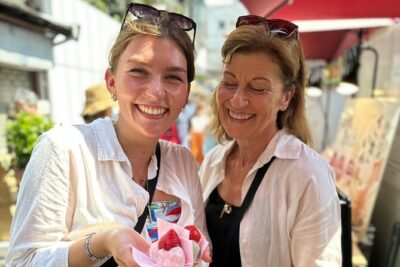 ★ 5.0Tokyo: Tsukiji Fish Market Food and Walking tourFrom $30
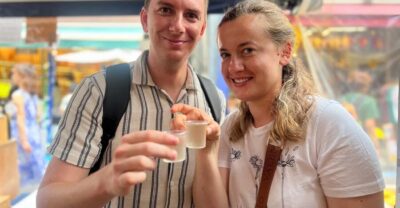 ★ 4.9Tokyo: Tsukiji Fish Market Guided Walking TourFrom $222 hours
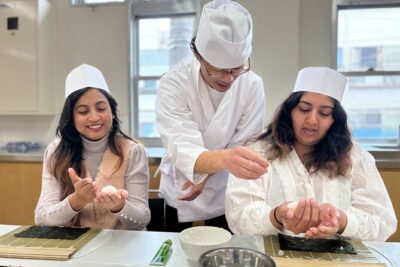 ★ 5.0Tokyo Sushi Making Class in Tsukiji with Professional ChefFrom $49
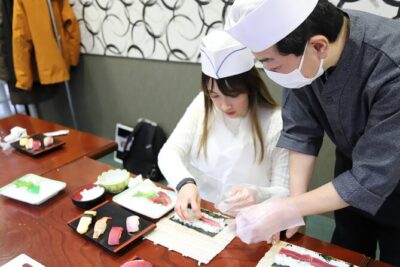 ★ 5.0Tsukiji Fish Market Guided Tour and Sushi Making with Pro ChefFrom $104
★ 4.7Tokyo: Tsukiji Fish Market Food and Culture Walking TourFrom $963 hours
★ 5.0Tsukiji Fish Market Guided Tour and Sushi Making with Pro ChefFrom $104
★ 4.7Tokyo: Tsukiji Fish Market Food and Culture Walking TourFrom $963 hours