

Reviewed · GUIDED
Private Tokyo Discovery: Explore Tokyo with an Expert Guide
Tokyo is easiest to understand when you move between its very different neighborhoods. This private tour does exactly that, linking quiet local streets in Sasazuka and Hatagaya with Meiji Shrine, Harajuku, Akihabara, Shinjuku, and Asakusa. Your English-speaking guide, Shingo, shapes the day around your interests rather than following a fixed group schedule.
I like the private format, which gives you room to ask questions, change the pace, and focus on food, pop culture, local life, or traditional Japan. I also like the chance to add a hands-on activity, such as a ninja lesson, Japanese sweets class, sushi workshop, manga drawing session, or traditional hairpin craft. The main consideration is the broad route: eight listed stops cannot all receive equal attention during a four-hour booking, and even an eight-hour day will involve plenty of movement.
In This Review
- Key points to know before booking
- A private Tokyo day built around your interests
- Hatagaya Fudoson and the quieter side of Tokyo
- Gakugei-daigaku and the local rhythm
- Meiji Jingu, then the energy of Harajuku
- A ninja lesson in Asakusa
- Senso-ji and Tokyo’s older center
- Akihabara for anime, manga, and electronics
- Shinjuku East and Golden Gai after dark
- Cultural activities beyond the standard route
- How much ground can you cover?
- What the $180 price really buys
- Who should book this Tokyo experience?
- Should you book Private Tokyo Discovery?
- FAQ
- How long does the private Tokyo tour last?
- What is the price?
- Is the tour private?
- Who guides the tour?
- Where does the tour begin?
- Can I be picked up at my accommodation?
- Where does the tour end?
- Are food and drinks included?
- Is transportation by private car included?
- Is admission to the ninja dojo included?
- Can I cancel for a full refund?
Key points to know before booking
- Shingo leads a private English-language tour for only your group, with an optional meeting at your accommodation.
- The route mixes local Tokyo with famous sights, including Hatagaya, Gakugei-daigaku, Meiji Shrine, Takeshita Street, Akihabara, Shinjuku, and Senso-ji.
- Cultural activities can shape the day, with ninja training, sushi making, Japanese sweets, manga drawing, and hairpin making available as options.
- The tour lasts about 4 to 8 hours, so you should confirm which stops and activities matter most before setting out.
- Transportation is not by private car, and food, drinks, and admission to the ninja dojo are not included.
- The meeting point is at the Shinjuku Station West Exit Police Box, with the tour ending back at the meeting point.
A private Tokyo day built around your interests
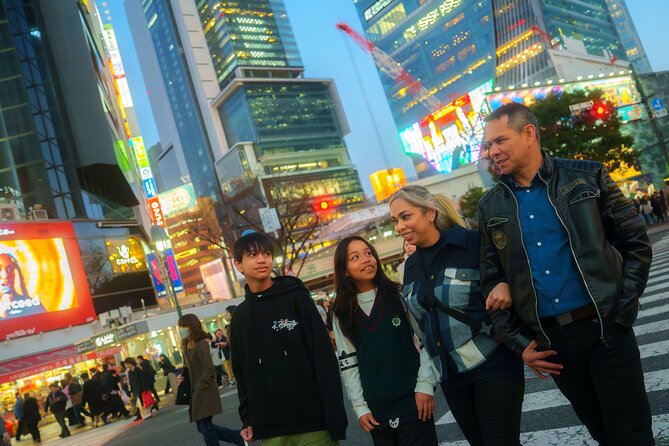
At $180 per person, this experience is priced as a private guide service rather than a standard sightseeing ride. The value depends heavily on your group size and how well you use the customization. For a couple or family that wants personal attention, local explanations, and help choosing among several Tokyo districts, the price can make sense. For someone who only wants to check off major sights, a regular group tour may cost less.
The tour can run from four to eight hours. That is a wide range, and it matters. A shorter booking should focus on one part of Tokyo, perhaps local neighborhoods and a cultural class, or Meiji Shrine, Harajuku, and Shinjuku. A full day can cover more ground, but you will still need to accept a quick look at some places.
Shingo has lived in Tokyo for more than ten years and presents himself as a guide to the city beyond its headline sights. The personal recommendations are part of the appeal. His support with city navigation, food, drinks, and sightseeing can be especially useful on a first visit, when Tokyo’s huge rail network and scattered districts can feel like a puzzle.
You can request pickup at your accommodation, or meet at the Shinjuku Station West Exit Police Box. Since no car is provided, you should expect city walking and transport connections. Wear comfortable shoes, keep your day bag light, and tell Shingo early if stairs, long walks, or a packed schedule would be a problem.
Other guided tours in Tokyo

Hatagaya Fudoson and the quieter side of Tokyo
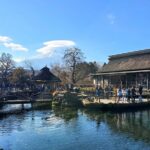
The day may begin away from Tokyo’s famous postcard sights, in the Sasazuka and Hatagaya area. Hatagaya Fudoson offers a gentler start, while the nearby local streets show how ordinary Tokyo neighborhoods fit together.
Sasazuka’s 10 Street is a winding shotengai, or traditional shopping street. These covered or semi-covered neighborhood arcades are places for everyday errands, small shops, and local food rather than grand sightseeing. The appeal here is not one spectacular monument. It is the chance to see a side of Tokyo shaped by routine.
This stop is scheduled for about an hour and has no admission charge. That makes it a good place to ask Shingo about local customs, shopping streets, and daily life. You might also find this portion less exciting if you came expecting neon signs and major landmarks from the first minute.
For me, this is the kind of opening that gives the rest of the day more meaning. After seeing where people shop and move through their neighborhood, the polished attractions of central Tokyo feel less like isolated sights.
Gakugei-daigaku and the local rhythm
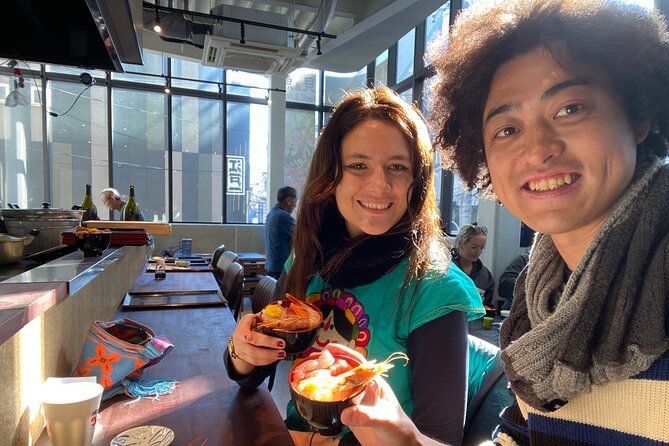
Gakugei-daigaku offers another look at residential Tokyo. The area is associated with Gakugei University and combines a relaxed neighborhood feel with local shops and small-scale city life.
The stop lasts about an hour and is free. Its value comes from the contrast with places such as Takeshita Street and Akihabara. Tokyo is not one continuous wall of advertisements and department stores. It also has calm areas where the pace is slower and the streets feel more familiar.
This is a useful stop if you want Shingo to explain how different Tokyo districts function. You can ask him to point out what makes Gakugei-daigaku different from Hatagaya, or use the time to discuss restaurants and drinks for later in your trip.
The tradeoff is simple: if your priority is temples, shrines, shopping, or anime, an hour in a residential district may feel less urgent. Tell Shingo what you hope to see before the tour begins so this stop receives the right amount of time.
Meiji Jingu, then the energy of Harajuku
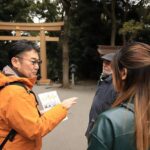
Meiji Jingu is one of Tokyo’s most soothing major sights. Set among tall trees, the Shinto shrine gives you a quiet break from the city around it. The grounds are free to enter, and the planned visit lasts about an hour.
This is a strong choice for first-time visitors because it introduces an important part of Japanese religious culture without requiring a complicated day trip. You can walk through the shrine grounds, observe the setting, and ask Shingo about appropriate behavior at a Shinto shrine.
The calm of Meiji Jingu makes the next stop, Takeshita Street, feel even more dramatic. The Harajuku pedestrian lane is known for youth fashion, pop culture, unusual shops, and street food. The visit is planned for only 30 minutes, so think of it as a quick introduction rather than a serious shopping session.
Takeshita Street can be crowded and intense. A short stop may be enough if you want to see the scene and sample the atmosphere, but it will not leave much time for browsing every shop. If fashion, snacks, or youth culture are central to your plans, ask Shingo whether the schedule can give Harajuku more time.
A ninja lesson in Asakusa
The Musashi Clan Ninja Dojo in Asakusa is the tour’s clearest hands-on option. Here, you can learn traditional ninja skills with instructors at a dedicated dojo. The activity lasts about an hour, and admission is not included in the tour price.
Because this is an optional paid activity, confirm the cost and availability when arranging your day. It is also worth deciding whether you want the ninja lesson to replace another sightseeing stop. Trying to fit every attraction and a class into a short booking would make the day rushed.
I can see this working well for families, younger visitors, and anyone who wants more than a guide talking while you walk. It gives you something active to do and creates a memorable connection with Japanese culture. At the same time, it is a themed activity, not a substitute for seeing Asakusa itself.
Other private tours in Tokyo


Senso-ji and Tokyo’s older center
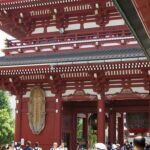
Senso-ji is Asakusa’s best-known temple and one of the city’s essential sights. You enter through the Thunder Gate, marked by its large red lantern, then continue along Nakamise Street toward the temple grounds. The approach is lined with stalls selling souvenirs and traditional-style snacks.
The planned time is about an hour, with no general admission fee. Senso-ji is a good place for Shingo to explain temple customs, the meaning of the gate, and the role of the shopping street leading toward the main hall.
This stop can be very busy, particularly around the approach to the temple. The crowds are part of the experience, but they can make quiet observation difficult. If you want photographs without a crush of people, ask Shingo about the best timing, though the tour’s stated operating hours are 9 a.m. to 5 p.m.
Pairing Senso-ji with the ninja dojo makes practical sense because both are in Asakusa. Still, the full tour also includes districts on the other side of Tokyo, so the order may need to change to reduce backtracking.
Akihabara for anime, manga, and electronics
Akihabara is Tokyo’s center for anime, manga, electronics, games, and related pop culture. The district offers a very different experience from Meiji Jingu or Senso-ji, and the planned hour gives you time to see its main character without turning the entire day into a shopping expedition.
This is a particularly useful stop if you want help making sense of the district. Shops can be highly specialized, and the sheer number of signs and products can be overwhelming. Shingo can help you focus on the parts that match your interests, though the exact shops and purchases are not specified.
The district is free to explore, but anything you buy is your responsibility. You should also keep expectations realistic. An hour is enough for an introduction, not an exhaustive search for rare manga, electronics, or collectibles.
If you are not interested in anime or gadgets, this is one of the easiest stops to shorten. The private format gives you a better chance of doing that than a fixed group itinerary would.
Shinjuku East and Golden Gai after dark
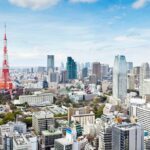
The Shinjuku portion centers on the east side, known for neon-lit streets, shopping, and the compact bar area of Golden Gai. The planned visit lasts about an hour and is free to enter.
Golden Gai is made up of tiny bars and narrow lanes, making it one of Tokyo’s most distinctive nightlife areas. The tour information does not promise a bar visit or include drinks, so treat this as an introduction to the neighborhood rather than a hosted night out. Food and drinks are not included anywhere in the tour.
This stop may be more useful in the evening, but the published operating hours end at 5 p.m. That creates a practical question: ask Shingo how Golden Gai fits into your chosen start time and route. If your booking is during the day, you may see the area without its nighttime character.
Shingo’s food and drink recommendations can add value here. He has been praised for helping with city navigation and suggestions for places to eat and drink, but you should still budget separately for any meal or beverage.
Cultural activities beyond the standard route
The tour can be shaped around several creative activities. Options include Japanese sweets making, a sushi-making workshop, a manga drawing lesson, a ninja clan lesson, and a traditional hairpin-making session.
These choices change the character of the day. A sweets or sushi class gives you a food-based activity. Manga drawing suits pop-culture fans. Ninja training is more physical and theatrical. Making a traditional hairpin offers a craft-focused experience and something personal to take away.
Not every activity is described with a price, duration, or location, so confirm those details before booking. The ninja dojo is the only activity specifically listed with a one-hour duration and an admission charge not included.
I would choose one main activity, not attempt to add several. A hands-on class needs time, and Tokyo’s rail connections and walking distances can quickly eat into a packed schedule. The private format works best when you make a clear choice instead of trying to collect every option.
How much ground can you cover?
The listed route contains eight stops, with most scheduled for about an hour. Added together, the stop times total roughly seven and a half hours, before walking, transport, meals, and activity transitions. That is why the four-to-eight-hour range should be taken seriously.
A four-hour tour cannot reasonably give full attention to Hatagaya, Gakugei-daigaku, Meiji Jingu, Harajuku, Akihabara, Shinjuku, and Asakusa. A shorter booking should be treated as a custom sampler. An eight-hour booking gives you the best chance of combining local neighborhoods, one cultural activity, and several major sights, but you will still need to prioritize.
Ask for a plan based on your top three interests. For example:
- Traditional Tokyo: Hatagaya, Meiji Jingu, and Senso-ji.
- Pop culture: Takeshita Street, Akihabara, and a manga lesson.
- Local life and food: Sasazuka, Gakugei-daigaku, and recommendations for a meal.
- Family fun: Senso-ji, the ninja dojo, and one additional district.
That approach protects you from spending the whole day in transit.
What the $180 price really buys
The $180 per-person price includes a private, customized tour and an English-speaking local guide. It does not include food, drinks, private-car transport, or the admission fee for the ninja dojo.
The strongest value is personal attention. You are not tied to a large group, and you can ask Shingo to adjust the day around your interests. Pickup at your accommodation is also available as an option, which may be helpful if you are still learning Tokyo’s train system.
The price is harder to justify if you want only free landmarks and do not plan to ask for local advice. In that case, Tokyo’s excellent rail network and free shrine and neighborhood walks can cover much of the same ground independently. The tour earns its price when you want a local companion, cultural context, help with navigation, and a day built for your group.
Free cancellation is available if you cancel at least 24 hours before the start time. Changes or cancellations made inside that window are not accepted for a refund.
Who should book this Tokyo experience?
I would recommend this tour to first-time visitors who want an orientation to several parts of Tokyo without joining a large group. It also suits families and couples who want a private pace, especially if a ninja, sushi, sweets, manga, or craft activity sounds more appealing than a standard walking tour.
It is a good match for people who want both famous sights and local neighborhoods. Shingo’s help with food and drink suggestions may be useful if you want ideas beyond the places already in your guidebook.
I would be more cautious if your main goal is a slow, detailed visit to one district. The wide route can feel scattered unless you use the customization well. I would also hesitate if you dislike walking, prefer private transport, or want all admission fees included in one price.
Should you book Private Tokyo Discovery?
Book it if you want a flexible introduction to Tokyo with Shingo, especially if you value personal recommendations and a hands-on cultural activity. Before paying, decide whether you want four hours or closer to eight, select your top three stops, and confirm the cost and timing of any class or ninja lesson.
Skip it if you already know Tokyo well and only want independent sightseeing. For everyone else, the tour’s best feature is not the number of landmarks. It is the chance to connect local streets, famous districts, and Japanese culture in a day shaped around you.
FAQ
How long does the private Tokyo tour last?
The tour lasts approximately 4 to 8 hours.
What is the price?
The listed price is $180 per person.
Is the tour private?
Yes. Only your group participates in the activity.
Who guides the tour?
The tour is led by Shingo Travel with an English-speaking local guide. Shingo has lived in Tokyo for more than ten years.
Where does the tour begin?
The standard meeting point is the Shinjuku Station West Exit Police Box in Shinjuku City.
Can I be picked up at my accommodation?
Yes. An optional meetup at your accommodation is available.
Where does the tour end?
The activity ends back at the meeting point.
Are food and drinks included?
No. Food and drinks are not included.
Is transportation by private car included?
No. The tour does not include a car.
Is admission to the ninja dojo included?
No. Admission to the Musashi Clan Ninja Dojo is not included.
Can I cancel for a full refund?
Yes, if you cancel at least 24 hours before the experience start time. Cancellations made less than 24 hours in advance are not refunded.
More Private Tours in Tokyo
More Guided Tours in Tokyo

More tours in Tokyo we've reviewed



Guided, compared.
 ★ 5.0Tokyo 6hr Private Tour with Government-Licensed GuideFrom $155
 ★ 4.9Tokyo: Shinjuku Local Bar and Izakaya Guided Walking TourFrom $343 hours
 ★ 4.8Tokyo: Private City Highlights Tour with Local GuideFrom $1064 - 8 hours
 ★ 4.9Tokyo: Tsukiji Fish Market Guided Walking TourFrom $222 hours
 ★ 5.0Tokyo 4hr Private Tour with Government-Licensed GuideFrom $109
 ★ 5.0Tokyo Guided Small-Group Biking TourFrom $106