
Reviewed · PRIVATE
Free Choice of Itineraries Tokyo Private Tour
Tokyo is too large for a one-size-fits-all tour, and this experience takes the sensible route: you choose four destinations from a list of 13, then spend about eight hours with a private English-speaking guide. You might focus on temples and gardens, or mix markets, observation decks, and Tokyo pop culture.
I like the freedom to shape the day around your interests, and I like the hotel pickup, which removes the usual first-hour puzzle of finding a meeting point. The main catch is cost: at $191.14 per person, this makes the most sense for a small group that values private guiding. You also pay separately for transport, food, and admission tickets.
In This Review
- Key points to know before booking
- How the choose-four format works
- Hotel pickup and Tokyo by train
- Tsukiji Outer Market and Senso-ji Temple
- Tokyo Skytree and Tokyo Tower
- Ueno Zoo and the city’s major green spaces
- Meiji Jingu, Shibuya, and modern Tokyo
- Tokyo’s owl, hedgehog, and maid cafes
- The Imperial Palace East Gardens and Tokyo’s past
- What the $191.14 price really buys
- Who should book this private Tokyo day?
- Should you book it?
- FAQ
- How long is the private Tokyo tour?
- How many destinations can I choose?
- Which destinations are available?
- Is hotel pickup included?
- Is the tour private?
- Is transportation included?
- Are attraction admission fees included?
- Can I cancel for a refund?
Key points to know before booking
- Choose four of 13 Tokyo sights: Build a day around Tsukiji, Senso-ji, Shibuya, Meiji Jingu, gardens, museums, cafes, or observation towers.
- Private guiding from your hotel: Only your group takes part, with an English-speaking professional guide.
- Public transport is part of the method: Your guide accompanies you, but your own train and subway fares are extra.
- The tour is flexible, not a fixed sightseeing march: Four selected stops fit the eight-hour window better than trying to cover everything.
- Admission tickets are usually extra: Skytree, Tokyo Tower, Ueno Zoo, Shinjuku Gyoen, the animal cafes, maid cafe, Hama Rikyu, and the Imperial Palace gardens require payment.
- Guide Yoki is specifically praised for Tokyo history: If Yoki leads your day, expect historical context to be one of the tour’s strengths.
How the choose-four format works
After booking, you receive an email asking which destinations you want. Reply with your four choices. This step matters because the experience is not a fixed route with every stop included. The 13 places are a menu, not a promise that all 13 fit into one day.
That flexibility is the tour’s best feature. A first visit to Tokyo can feel like a list of unrelated districts, and a private guide can connect those places in a way that suits you. You can choose the city’s major sights, select gardens and shrines for a quieter day, or add an unusual stop such as a hedgehog cafe or maid cafe.
The eight-hour length sounds generous, but Tokyo’s size and train connections eat time. The listed stop lengths add up to far more than eight hours because they describe individual possibilities, not one combined route. I would choose four destinations with some geographic sense. Tsukiji, Hama Rikyu, and the Imperial Palace may create a smoother central Tokyo day than pairing them with Ueno, Shibuya, and Tokyo Skytree.
Your guide can help with that planning, but you should send your choices promptly after booking. If you have strong preferences, include them in your reply rather than leaving the day vague.
Other private tours in Tokyo


Hotel pickup and Tokyo by train
The guide meets you in your hotel lobby. That is a small but useful service in Tokyo, where a station can have several exits and a simple address may not tell you which platform or entrance to use.
The tour uses public transportation. The guide’s public transportation to and from the tour is included, but your own fares are not. Food, drinks, and admission fees for both you and the guide are also excluded. At paid sights, remember that your admission is not the only possible ticket cost.
This format suits visitors who want local help without sitting in a private vehicle all day. Tokyo’s rail system is efficient, and using it places you in the same everyday setting as residents. The tradeoff is that you will walk through stations, use stairs or corridors, and manage the pace of a city tour on foot. The provided information says the experience is near public transportation and that most people can participate, but it does not promise special accessibility arrangements.
For a private group, the guide can adjust the rhythm. You can spend longer at a temple gate or market stall, or move on when a paid observation deck has a long wait. Still, this is not a leisurely private car tour. Public transport and walking are part of the experience.
Tsukiji Outer Market and Senso-ji Temple
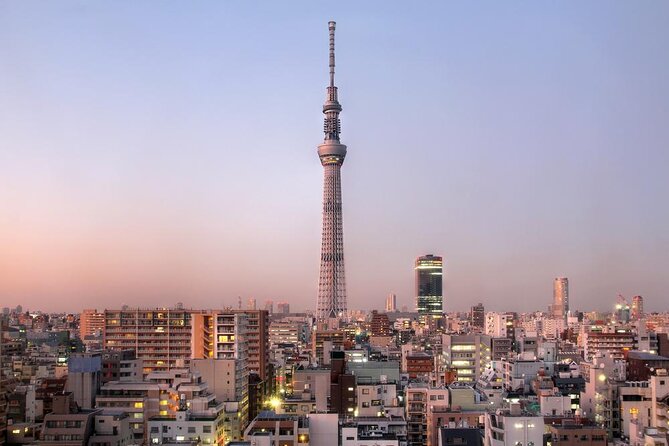
Tsukiji Outer Market is a strong choice for food lovers and early risers. Its streets mix wholesale and retail shops with restaurants selling seafood and traditional Japanese food. The suggested one-hour visit gives you time to look around and perhaps buy breakfast or lunch, but food is on your own account.
This is one of the best places to ask your guide about what you are seeing. Market stalls can be more useful when someone explains the foods, customs, and changing role of the district. The market is also a practical stop because you can eat there, although a full meal will shorten the time available for the other three destinations.
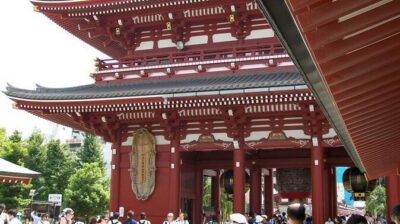
Senso-ji offers a very different Tokyo. This famous Buddhist temple complex includes the five-story pagoda and Hozo-mon Gate, also called the Treasure-House Gate. The suggested hour is enough for a focused visit, though you may want more time if you move slowly through the grounds.
I would pair Senso-ji with Tsukiji for a traditional side of Tokyo, then add either Tokyo Skytree or Ueno Zoo nearby. That makes more sense than spending much of the day crossing the city. Senso-ji is free to enter, but small purchases and food around the area are not included.
Tokyo Skytree and Tokyo Tower
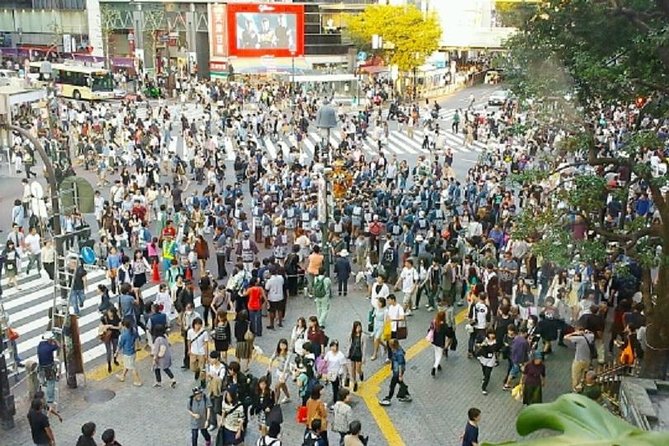
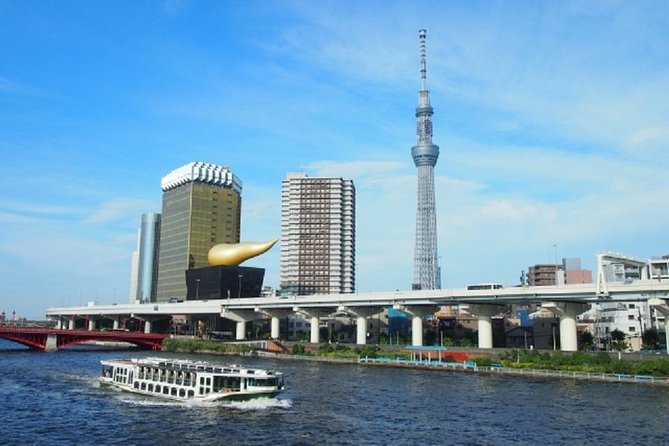
Tokyo Skytree reaches 634 meters and has observation areas at about 340 and 450 meters. On a clear day, you may see Mount Fuji. There is also a cafe on an observation deck, so you can take in the view with tea rather than rushing through the visit.
The important practical point is that the admission ticket is extra. The one-hour stop is a useful estimate for a visit, but ticket lines, elevator queues, and time at the viewing areas can affect the day. If the view is your main reason for choosing Skytree, allow some flexibility rather than treating the schedule as exact.
Tokyo Tower offers a different kind of city view and a different visual identity. This 333-meter radio tower was built in 1958 and includes a viewing cafe and Tower Shrine. Its lighting changes by season, with white Landmark Light in summer and orange in winter, plus the outward-facing Diamond Veil lighting.
Choose Skytree for height and broad views. Choose Tokyo Tower if you prefer a mid-century Tokyo landmark with a more established place in the city’s story. Both require admission fees, and both are best selected because you genuinely want a tower visit. They are not cheap filler stops in an already full day.
Ueno Zoo and the city’s major green spaces
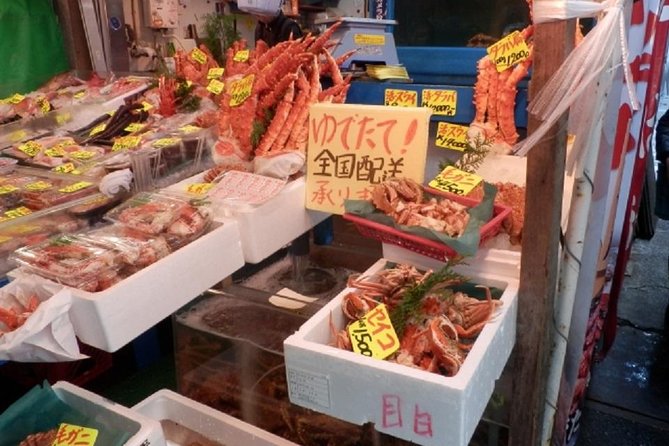
Ueno Zoo opened in 1882 as Japan’s first zoo. It now houses about 400 species, including Sumatra tigers, and its grounds include the Giant Panda Building, Japanese wild animals, birds, and a gorilla and tiger forest area.
The suggested visit is two and a half hours, making Ueno Zoo the longest single stop on the menu. That time is sensible if you want more than a quick look, but it also means the zoo uses a large share of your eight-hour day. Families and animal lovers may find that worthwhile. If you want a broad first look at Tokyo, you may prefer two shorter cultural stops instead.
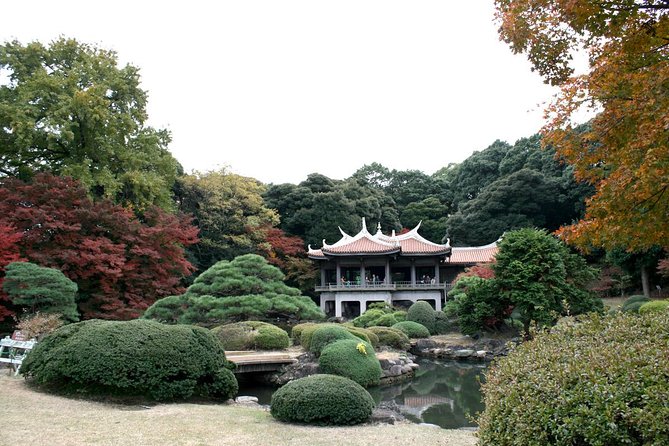
Shinjuku Gyoen National Garden gives you a quieter break from the city. Created as an imperial garden in 1906, it combines a formal garden, a landscaped garden, and a Japanese garden. More than 10,000 trees provide seasonal scenery, and historic buildings offer a link to imperial life.
Admission is extra, and the suggested visit is one hour. That is enough for a taste, not a complete exploration of every path. I would choose Shinjuku Gyoen if you want gardens and a pause in the day, especially when your other selections are busy city districts.
Hama Rikyu Gardens offers another view of Tokyo’s past. This large garden surrounds Shioiri Pond and is enclosed by a seawater moat connected to Tokyo Bay. It was developed on the former villa site of the Tokugawa shogun family and opened to the public in 1946.
The garden’s setting is especially appealing because the historic grounds sit among modern Tokyo buildings. Admission is extra, and the planned hour makes it a manageable stop. Hama Rikyu works well with Tsukiji because the two locations are close enough to make a natural pair, though exact travel time depends on your starting hotel and the day’s route.
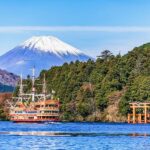
Meiji Jingu, Shibuya, and modern Tokyo
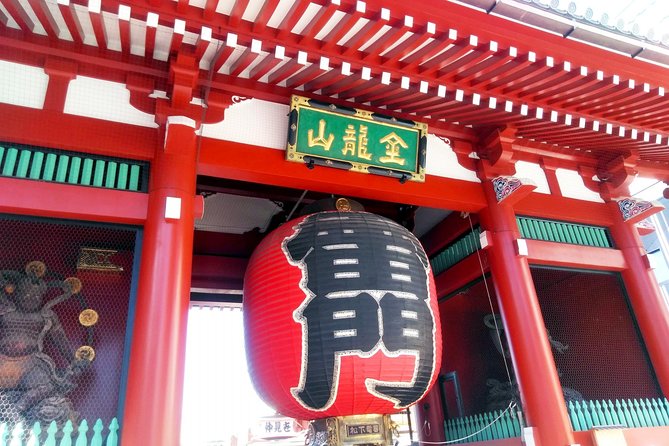
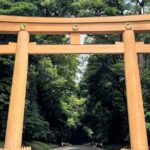
Meiji Jingu Shrine was built in 1920 and dedicated to Emperor Meiji and Empress Shoken. It remains a major place of worship, and you may see a traditional Japanese wedding taking place.
The shrine is free, and an hour gives you time to experience the grounds without turning the visit into a rushed photo stop. This is a good choice if you want a calm, ceremonial side of Tokyo. Your guide can also explain what you are seeing, which is useful because shrine customs are easy to observe incorrectly when you are on your own.
Shibuya Crossing is the tour’s shortest listed stop at 30 minutes. About 500,000 people use the crossing in a day, with as many as 3,000 crossing on one green light. The appeal is simple: several streams of people move through the intersection at once, yet the flow usually remains orderly.
Half an hour is enough to see the crossing and take photographs, but it is not enough for a full exploration of Shibuya. I would use it as one piece of a day that also includes Meiji Jingu, since the two give you a useful contrast between Tokyo’s public energy and its quiet religious grounds.
The crossing is free, but nearby cafes, shops, and viewing spots can add costs. The tour does not promise a particular building or paid viewpoint, so confirm with your guide where you will watch from.
Tokyo’s owl, hedgehog, and maid cafes
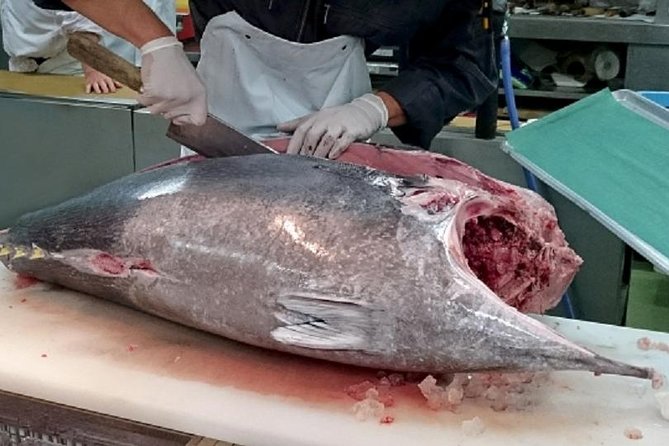
The unusual cafe choices give this private tour a pop-culture angle that standard sightseeing programs often skip. They are not interchangeable, so choose the one that fits your interests.
Akiba Fukurou in Tokyo’s Akihabara district is an owl cafe where you can interact with owls. Classical music and chandelier lighting are used to create a calm, unusual setting. The visit is listed at one hour, and admission is extra.
The HARRY hedgehog cafe in Harajuku also offers a one-hour animal interaction. It serves drinks rather than lunch or dinner, and the hedgehogs may be active or asleep in your hands. That unpredictability is part of the appeal, though you should not choose it as a meal stop.
At-home cafe in Akihabara offers a classic maid cafe experience. You can order food or drinks while the staff sing, dance, and draw pictures with ketchup or chocolate on an omelet and cafe latte. Admission and food costs are extra, and the one-hour stop gives you a brief introduction rather than a full evening out.
These cafes are best for visitors who specifically want a playful look at modern Japanese entertainment. They may feel less worthwhile if your main goal is temples, gardens, and food markets. Ask about the total cost before settling on one, since the price includes more than a basic drink or snack.
The Imperial Palace East Gardens and Tokyo’s past
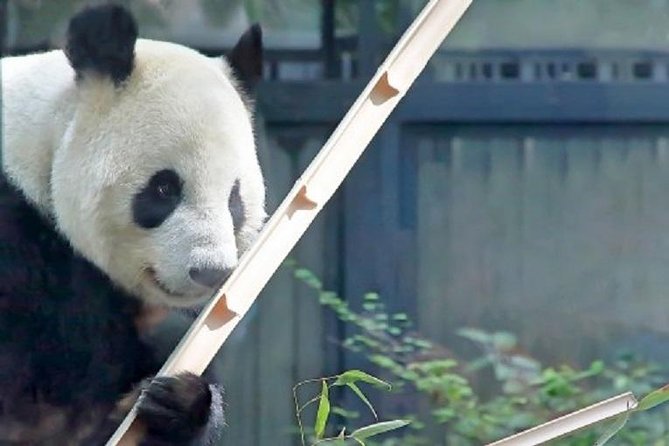
The East Gardens of the Imperial Palace occupy part of the former Edo Castle site in Chiyoda Ward. The wider palace grounds include the residences of the Emperor and Empress, the palace, and Imperial Household Agency offices. Nijubashi Bridge is another well-known sight associated with the palace area.
The gardens are free in the supplied tour details, while other palace-related areas may have different access rules. The key value here is contrast: you can look toward Tokyo’s modern office towers while walking through a green area tied to the Tokugawa period and Edo Castle.
Allow about an hour. This is a good selection for someone who wants history but does not want to spend the day inside a museum. It also pairs well with Hama Rikyu or Tsukiji, though your guide should set the route so you do not lose too much time in transit.
Historical explanation is an important part of this stop. One published account singled out guide Yoki for making the Imperial Palace, Skytree, and Outer Market especially interesting through Japanese history. If Yoki leads your tour, his historical approach may add real value to places that could otherwise become quick photo stops.
What the $191.14 price really buys
At $191.14 per person, this is not a budget sightseeing option. You are paying for a private day, hotel pickup, an English-speaking guide, and the ability to choose the places that matter to your group.
The value improves when several people share the private guide, although the listed price is per person and group discounts are offered. A couple who wants a highly tailored day may see the price differently from a solo visitor. For one person, the cost is harder to justify unless private guiding is a priority.
You must also budget for your own train and subway fares, meals, drinks, and entrance tickets for you and the guide. Skytree, Tokyo Tower, Ueno Zoo, Shinjuku Gyoen, the three cafe choices, Hama Rikyu, and the Imperial Palace gardens are listed as paid stops. Those extras can change the final cost.
The strongest value comes from using the guide for decisions that are difficult to make alone: choosing a sensible order, handling public transportation, and explaining cultural details. If you only want someone to point at major sights, the price may feel high. If you want a private day shaped around your interests, it is more defensible.
Who should book this private Tokyo day?
I would recommend it to first-time Tokyo visitors who want a personal introduction without committing to a fixed group route. It also fits families or small groups with different interests, since the four choices can be made together.
It is a good match for someone who wants help using public transport and prefers meeting at the hotel. The private format also lets you avoid spending time at attractions that do not interest you.
I would be more cautious if your group wants to see more than four major sights, needs guaranteed access to every paid attraction, or prefers a vehicle. Eight hours passes quickly in Tokyo, and the tour is not designed to cover all 13 choices.
The cancellation terms are reasonable: cancel at least 24 hours before the start time for a full refund. Changes or cancellations made inside that period are not accepted or refunded. Confirmation is normally provided at booking, though bookings made within two days of travel may take up to 48 hours and remain subject to availability.
Should you book it?
Book this tour if you want a private Tokyo day built around your own four priorities, especially if you value historical explanation and help with trains. Send a carefully chosen set of destinations and think about geography before the day begins.
Skip it if you want an inexpensive overview or plan to visit only one or two places at your own speed. At this price, the tour earns its keep through personal planning, private guiding, and flexibility, not through the number of admission tickets included.
FAQ
How long is the private Tokyo tour?
The experience lasts approximately eight hours.
How many destinations can I choose?
You can choose four destinations from the provided list of 13 Tokyo attractions and activities.
Which destinations are available?
Choices include Tsukiji Outer Market, Senso-ji Temple, Tokyo Skytree, Ueno Zoo, Shibuya Scramble Crossing, Meiji Jingu Shrine, Tokyo Tower, Shinjuku Gyoen, an owl cafe, a hedgehog cafe, a maid cafe, Hama Rikyu Gardens, and the East Gardens of the Imperial Palace.
Is hotel pickup included?
Yes. The guide meets you in your hotel lobby.
Is the tour private?
Yes. Only your group participates in the private activity.
Is transportation included?
The guide’s public transportation to and from the tour is included. Your own public transportation fares are not included.
Are attraction admission fees included?
No. Admission fees for you and the guide are not included. Food and drinks are also excluded.
Can I cancel for a refund?
Yes. You can receive a full refund when you cancel at least 24 hours before the experience start time. Cancellations or changes made less than 24 hours in advance are not accepted or refunded.
More Private Tours in Tokyo

More tours in Tokyo we've reviewed


Private, compared.
 ★ 5.0Tokyo 6hr Private Tour with Government-Licensed GuideFrom $155
 ★ 5.0Private Tour to Mt. Fuji and Hakone (Fully Licenced Operator)From $497
 ★ 5.0Tokyo Customized Private Tour (Must See Places in 1 Day)From $145
 ★ 4.9Mount Fuji Full-Day Private Tour from Tokyo (Customizable)From $393
 ★ 4.8Tokyo: Private City Highlights Tour with Local GuideFrom $1064 - 8 hours
 ★ 5.0Private Custom Tour: Tokyo in a DayFrom $159