
Reviewed · TEA CEREMONY & MATCHA
Practicing Zen through Japanese Tea Ceremony
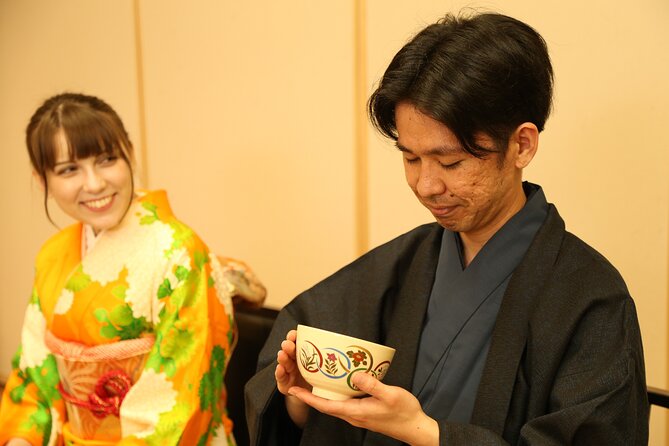
The best part of this Tokyo activity is that you do not merely watch a tea ceremony. You learn its rhythm, taste matcha with a carefully chosen wagashi sweet, then prepare your own bowl under a tea master’s guidance. It offers a calm hour in a city that rarely slows down.
I especially like the hands-on second ceremony, which gives the ritual a practical shape instead of leaving it as a formal display. I also like the clear English explanation of Zen practice, hanging scrolls, tea utensils, and the small choices that shape Japanese hospitality.
The main consideration is the setting. The ceremony takes place in a room inside an office building, and one participant found the basement location less atmospheric than a traditional tea house. You should book this for the ceremony and teaching, not for an old-world room or a long meditation session.
In This Review
- Key points to know before booking
- A quiet hour at Kikai Shinkō Kaikan
- The tea master sets the pace
- Watching the first ceremony
- Tasting wagashi with matcha
- Your turn to prepare matcha
- Zen ideas without expecting a retreat
- What the $64.50 price buys you
- Timing it into your Tokyo plans
- Who will enjoy this tea ceremony
- Practical details that shape the visit
- Should you book it?
- FAQ
- Where does the tea ceremony take place?
- Where does the activity end?
- How long does the tea ceremony last?
- How much does the activity cost?
- Is the tea master bilingual?
- Do I get to make matcha myself?
- Are sweets included?
- Is meditation included?
- How many people can join the activity?
- Can I cancel for a full refund?
Key points to know before booking
- You prepare your own matcha: After watching the tea master, you repeat the tea-making process yourself with instruction.
- The session lasts about 75 minutes: It fits neatly into a Tokyo sightseeing day without taking half a day.
- Zen is part of the lesson, not the entire focus: Expect more tea ceremony practice than extended meditation.
- Miyuki and Yuuko have made strong impressions: Both are named by participants as warm, clear guides.
- The location is practical but plain: Kikai Shinkō Kaikan is near public transportation in Shibakoen, but the room is in an office building.
- Matcha comes with traditional wagashi: The sweets are selected to balance the tea’s bitter flavor.
A quiet hour at Kikai Shinkō Kaikan
The activity begins at Kikai Shinkō Kaikan, 3-chōme-5-8 Shibakōen in Minato City. It ends at the same place, so you do not need to arrange a second meeting point or worry about being left in an unfamiliar neighborhood.
The setting is functional rather than theatrical. A participant described the room as a basement space in an office building, which is worth knowing before you arrive. You may not get the wooden tea house, garden, or whispering bamboo often pictured in photographs of Japanese tea ceremony.
That said, a plain room can keep your attention on the ritual itself. The program has been arranged to recreate the atmosphere and movements of a traditional ceremony, and the teaching supplies much of the cultural context the room lacks. If architecture is your main reason for booking, this may feel modest. If you want an approachable introduction to matcha and tea etiquette, the location should not be a deal breaker.
The group can include up to 28 people. That is not a tiny private lesson, so the atmosphere may depend on the size of your particular session. The practical advantage is that the bilingual format lets an English-speaking audience follow the explanations without guessing at what each gesture means.
A few more Tokyo tours and experiences worth a look

The tea master sets the pace
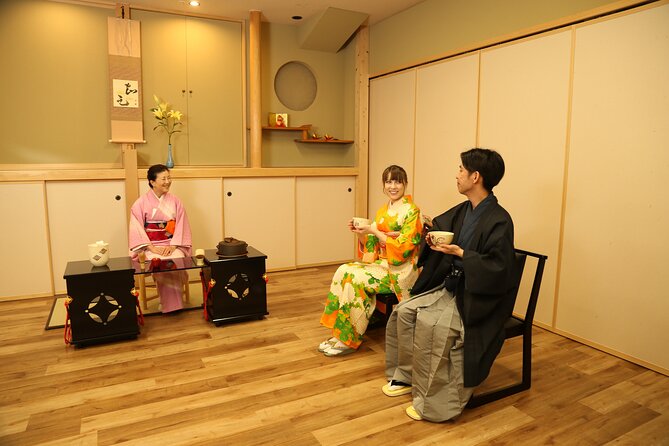
A licensed bilingual tea master leads the session. The guides named in the feedback include Miyuki and Yuuko, with the tea performance led by someone with at least five years of experience.
Your guide first explains the ceremony and its place in Japanese culture. The lesson also covers Zen practices, hanging scrolls, and tea utensils. These details matter because the ceremony is not simply a sequence of graceful hand movements. The objects in the room and the way tea is offered all help express attention, respect, and hospitality.
Yuuko was praised for giving a warm welcome and listening closely to participant reactions. Miyuki was singled out for making the matcha session meaningful and memorable. Those names are useful if you are comparing available sessions, though the supplied information does not promise that one particular guide will lead every departure.
The explanations are designed for an international audience. You do not need prior knowledge of Japanese customs or tea preparation. The guide walks you through the process rather than expecting you to recognize every bow, utensil, or turn of the bowl.
Watching the first ceremony
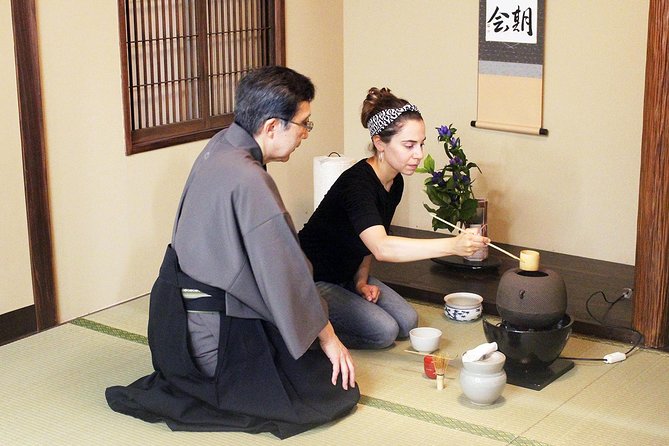
The first tea service is performed by the tea master. This gives you a chance to sit back and observe before you are asked to handle the equipment yourself.
You can expect the tea master to prepare authentic matcha green tea and traditional Japanese sweets. The wagashi is selected to suit matcha’s flavor, which is important for first-time drinkers. Matcha can taste grassy, bitter, or surprisingly strong when served on its own. The sweet provides a contrast and helps you understand why the two are traditionally paired.
The ceremony also gives you time to notice small actions. The arrangement of utensils, the handling of the bowl, and the order of preparation are all part of the lesson. Your guide explains the meanings behind these steps in English, so the event is not just a silent performance.
This is where the session offers more than a museum display. At a museum, you might see an antique tea bowl or scroll behind glass. Here, you hear how such items fit into a living practice, then see them used in context.
The tone is calm, respectful, and focused. One participant described the event as the most relaxing activity they had booked in Tokyo. That makes sense, though you should keep your expectations measured. The program includes a short meditation and discussion of Zen, but the main subject is the tea ceremony itself.
Tasting wagashi with matcha
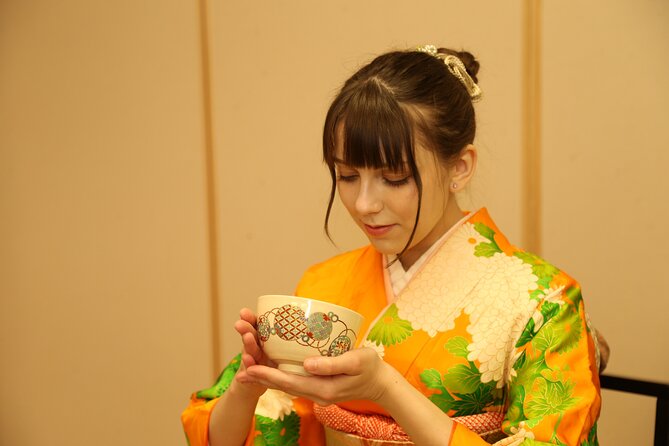
The sweet course is small, but it plays an important role. Traditional Japanese confectionery is not included as a random snack. It is selected to match the flavor profile of ceremonial matcha.
You will taste the wagashi and matcha as a pair, learning how sweetness changes the tea’s taste. This is a useful detail for anyone who has tried matcha in a café and found it unpleasantly sharp. Ceremonial matcha is part of a larger food tradition, and the sweet helps place it in that tradition.
The experience includes authentic matcha and traditional Japanese sweet confections. Extra food and drinks are not included, so do not treat this as a meal or a broad tasting tour. You receive enough to support the ceremony and understand the pairing.
I like this part because it gives you a direct sensory lesson. You are not only hearing about Japanese aesthetics. You are tasting how balance works in the tea setting.
Your turn to prepare matcha
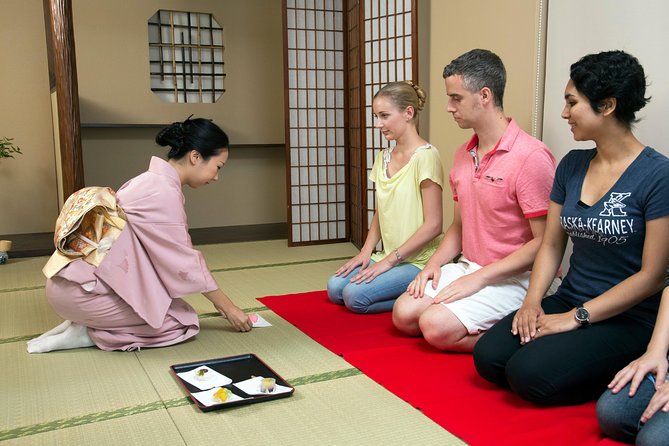
The most valuable part of the program comes after the demonstration. You make tea yourself using the same general process, with the tea master guiding you through each step.
This second ceremony is included, and it is the feature that makes the price easier to justify. Watching a skilled practitioner can be beautiful, but trying the movements yourself makes the tradition easier to remember. You learn by doing, and the guide can correct or clarify the process as you go.
One participant was especially pleased by the chance to prepare tea for another person. That detail gives the activity a social side. Tea ceremony is not simply about making a drink for yourself. It is also about offering care and attention to someone else.
Do not worry about getting every movement perfect. The point is to understand the order, purpose, and spirit of the ritual. The instruction is part of the booking, so you are not expected to arrive with experience.
This portion also helps families, couples, and friends take part together. If one person in your group is interested in Japanese culture and another is less familiar with it, the practical lesson gives both of you something to do.
A few more Tokyo tours and experiences worth a look

Zen ideas without expecting a retreat
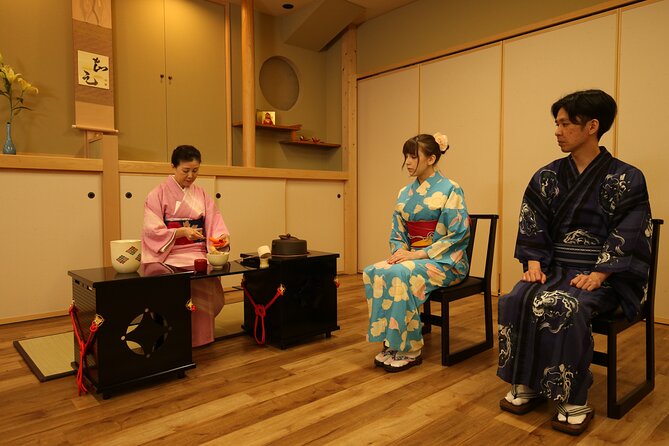
The title places Zen at the center, but the actual balance is more tea ceremony than meditation practice. You receive an explanation of the ceremony’s connection to Zen and take part in a short meditation, yet this is not a long spiritual workshop.
That distinction matters. Book this if you want an introduction to how mindfulness, simplicity, respect, and presence appear in Japanese tea culture. Do not book it expecting extended silent meditation, religious instruction, or a full day of Zen practice.
The short meditation can provide a welcome reset during a packed Tokyo schedule. You may arrive after trains, shopping, temples, and crowded streets. Sitting quietly for part of an hour can help you pay attention to details that you might otherwise miss.
The tea ceremony’s Zen connection is best understood through the actions themselves. You focus on the bowl, the utensils, the tea, the guest, and the order of service. The lesson makes those ideas accessible without requiring you to adopt a religious practice.
What the $64.50 price buys you
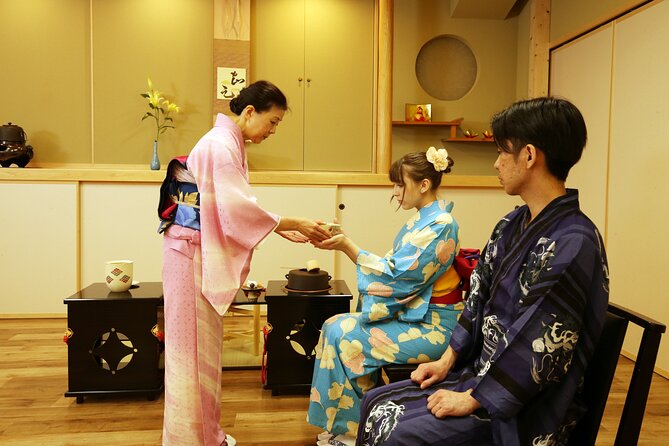
At $64.50 per person, this is not a bargain snack stop. The value comes from the combination of a guided performance, English teaching, matcha, wagashi, and your own supervised tea preparation.
For that price, you receive:
- A bilingual licensed tea master
- A tea performance by a master with five or more years of experience
- Authentic matcha
- Traditional Japanese sweets
- A second tea ceremony that you perform yourself
- Explanations of tea ceremony customs, Zen practices, hanging scrolls, and utensils
I consider the hands-on element the deciding factor. If the activity were only a demonstration, I would expect the plain office-building setting to weigh more heavily against the price. Since you also practice the ceremony, the session offers a skill and memory you can carry into the rest of your time in Japan.
Group discounts may improve the value for families or larger parties. The group limit is 28 people, so ask yourself how much personal attention you need. A larger room can make the activity feel less intimate, while a smaller departure may give you more room to ask questions and practice comfortably.
Timing it into your Tokyo plans
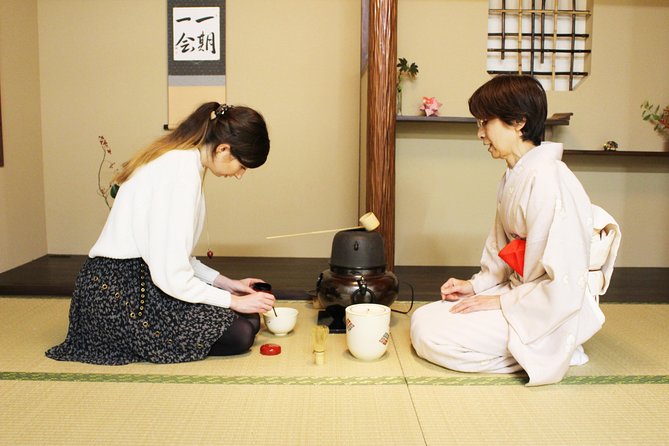
The session lasts about 1 hour and 15 minutes. That makes it easy to place between other activities, especially if you want a quiet break rather than another major sightseeing stop.
Because the program starts and ends at the meeting point, you can plan your next activity from the same general area. The meeting location is near public transportation, which is helpful in Tokyo, where a simple-looking journey can involve several train lines and a fair amount of walking.
The activity is booked, on average, eight days ahead. That suggests you should reserve before your Tokyo schedule fills up, particularly if you need a certain day or want to use a group discount. Confirmation arrives within 48 hours, subject to availability.
Give yourself enough time to reach Kikai Shinkō Kaikan. The provided details do not include a hotel pickup service, so you are responsible for getting to the start point. Pickup and drop-off are not included.
Free cancellation is available if you cancel at least 24 hours before the local start time. Changes or cancellations inside that 24-hour window are not accepted for a refund.
Who will enjoy this tea ceremony
I would recommend this activity to you if you want cultural context along with a practical skill. It suits first-time visitors to Japan who want more than a photograph of a tea room, and it works well for anyone curious about matcha but unsure how the traditional version is prepared.
It is also a good choice for:
- Couples looking for a calm shared activity
- Families who prefer participation over a long lecture
- Solo visitors who want an organized cultural session
- People with a rainy afternoon or a break between major sights
- Anyone interested in Japanese etiquette, design, food, or Zen ideas
You may want to skip it if you need a grand historic setting, a private lesson, or a long meditation session. The maximum group size is 28, and the venue is an office-building room rather than a traditional tea house. The session is also not a full meal, since the included food is limited to the ceremonial sweets.
Practical details that shape the visit
Wear something that lets you sit and move comfortably. The supplied information does not specify a required dress code or seating style, so you should follow the guide’s directions when you arrive.
The activity is conducted in English with a bilingual tea master. That is a major benefit if you want to understand the reasons behind the ceremony instead of copying movements without context.
Mobile tickets are available, and the meeting point is near public transportation. Keep the address handy: Kikai Shinkō Kaikan, 3-chōme-5-8 Shibakōen, Minato City, Tokyo 105-0011, Japan.
The overall rating is 4.7 from six ratings, with especially strong praise for the calm mood, friendly instruction, and chance to prepare tea personally. The one consistent caution in the supplied comments is that the activity offers more tea ceremony than Zen theory or practice. That is not a flaw if your main goal is matcha and Japanese cultural etiquette, but it is important to know before you reserve.
Should you book it?
Book this tea ceremony if you want a short, hands-on cultural lesson with clear English guidance, traditional sweets, and a chance to prepare matcha yourself. The warm teaching style associated with Miyuki and Yuuko, plus the quiet pause from Tokyo’s busy streets, adds real value.
Think twice if the room itself matters as much as the ritual. This is not a garden tea house visit, and the Zen portion is brief. For most visitors who want an approachable introduction to the ceremony, the $64.50 price is reasonable because you take part instead of simply watching.
FAQ
Where does the tea ceremony take place?
It takes place at Kikai Shinkō Kaikan, 3-chōme-5-8 Shibakōen, Minato City, Tokyo 105-0011, Japan.
Where does the activity end?
The activity ends back at the meeting point.
How long does the tea ceremony last?
The session lasts approximately 1 hour and 15 minutes.
How much does the activity cost?
The listed price is $64.50 per person.
Is the tea master bilingual?
Yes. A bilingual licensed tea master leads the program and provides explanations in English.
Do I get to make matcha myself?
Yes. After the tea master’s ceremony, you perform a second tea ceremony yourself with instruction.
Are sweets included?
Yes. Traditional Japanese sweet confections, known as wagashi, are included and selected to complement the matcha.
Is meditation included?
Yes. The program includes a short meditation and an explanation of the tea ceremony’s connection to Zen practices.
How many people can join the activity?
The maximum group size is 28 participants.
Can I cancel for a full refund?
Yes, if you cancel at least 24 hours before the local start time. Cancellations or changes made less than 24 hours before the start are not refunded or accepted.
More Temples & Meditation in Tokyo
More Tea Ceremony & Matcha in Tokyo

More tours in Tokyo we've reviewed











Tea Ceremony & Matcha, compared.
 ★ 5.0Matcha Making Class in Tokyo with Authentic Japanese Sweets SetFrom $21
 ★ 5.0Tokyo: Traditional Tea Ceremony with a Tea MasterFrom $381 hour
 ★ 4.5Dynamic Tokyo: Tokyo Tower, Tea Experience, Bay Cruise Day TourFrom $99
 ★ 4.9Tokyo: Matcha Making Experience with Mochi Sweets in AsakusaFrom $221 hour
 ★ 4.7Tokyo: Matcha and Kimono ExperienceFrom $57
 ★ 5.0Tea Ceremony Workshop in Tokyo by the Experienced InstrucorFrom $38