
Reviewed · SHIBUYA TOURS
One Day Tokyo Group Tour: Asakusa, Harajuku, Shibuya and more
Tokyo can feel like several cities stitched together, and this six-hour tour gives you a quick way to sample four of its most different districts. You begin at the old temple quarter of Asakusa, then move through Harajuku and Shibuya before finishing in Shinjuku, with an English-speaking guide helping you make sense of the train system and city customs.
I like the excellent district mix and the fact that the tour keeps you on foot, where you can reach temple lanes, station areas, and streets that buses cannot. I also like the chance to ask direct questions and collect food and evening recommendations from guides such as Amir, Flor, Firas, and Ravisha. The main drawback is the pace: six hours, four major areas, and roughly $5 for public transportation means this is an energetic introduction, not a slow exploration.
In This Review
- Key points to know before booking
- A six-hour introduction to Tokyo’s old and new sides
- Asakusa and Senso-ji: Tokyo’s traditional opening
- Moving through Tokyo by public transportation
- Harajuku Station and the city’s youthful side
- Shibuya beyond the famous crossing
- Shinjuku: ending where Tokyo stays awake late
- The guide can make or break the experience
- What $75.77 really buys you
- Who should book this Tokyo walking tour
- My call: book it for orientation, not depth
- FAQ
- How long does the Tokyo group tour last?
- Where does the tour start?
- Where does the tour finish?
- Which areas are included?
- Is public transportation included?
- Is lunch included?
- How large is the group?
- What happens if the tour is canceled?
Key points to know before booking
- Four major Tokyo districts: Visit Asakusa, Harajuku, Shibuya, and Shinjuku in one compact day.
- Small group size: The maximum is 15 people, though some departures may be much smaller.
- Strong guide element: Amir, Flor, Firas, and Ravisha are among the guides associated with especially praised departures.
- A lot of walking: You need a moderate fitness level and comfortable shoes, especially in hot weather.
- Transport costs extra: Public transportation is not included and is listed at about $5 per person.
- Useful for short stays: The route works well if you have only a few hours or want an orientation before exploring alone.
A six-hour introduction to Tokyo’s old and new sides
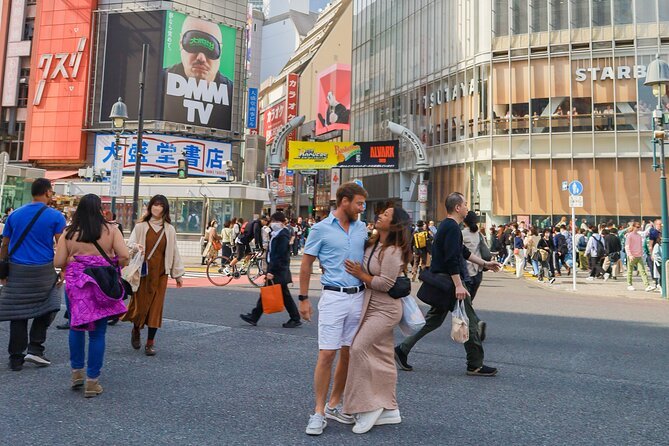
The smart idea here is contrast. Asakusa gives you temple grounds and traditional streets. Harajuku brings youth culture and a very different street feel. Shibuya adds the famous crossing, restaurants, bars, and city energy. Shinjuku finishes the day in Tokyo’s nightlife center.
You will not study any one district in great depth. Instead, you get a guided first look at four places that can feel confusing when you visit them alone. That makes the tour useful on a first Tokyo visit, during a short stay, or during a long layover when planning your own route would take too much time.
The tour starts at 10:00 a.m. at the Asakusa Culture Tourist Information Center, near Kaminarimon in Taito City. It finishes in Shinjuku, where the guide provides recommendations for places to visit afterward. This ending is practical: you do not have to return across the city after the final stop, and you can continue into the evening if you still have energy.
A few more Tokyo tours and experiences worth a look


Asakusa and Senso-ji: Tokyo’s traditional opening
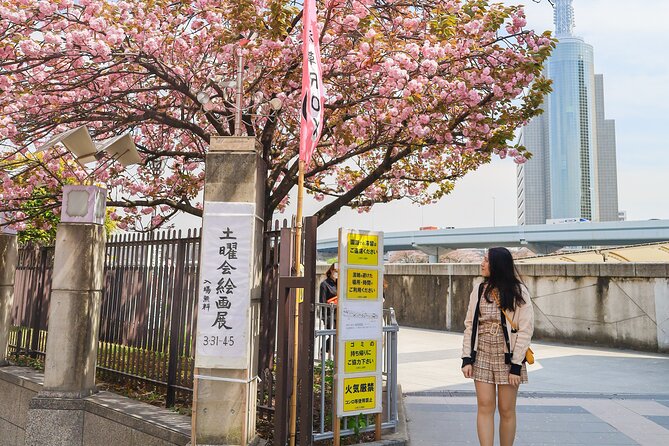
The first stop receives about two hours, and that is sensible. Asakusa is not just a quick photo stop. The district is centered on Senso-ji, one of Tokyo’s oldest temples, founded in the seventh century and linked with Kannon, the Buddhist goddess of mercy.
Your guide can explain the religious and cultural meaning of the temple grounds as you walk. That matters because Senso-ji can otherwise look like a grand collection of gates, incense, lanterns, and visitors without much context. The tour gives you a chance to ask about customs, history, and daily life rather than simply moving from one landmark to the next.
Asakusa also gives you one of the clearest changes of mood on the route. The high-rise city is still close, but the temple quarter offers a more traditional setting. I would pay attention here to the details your guide points out, since the value of the stop is less about checking off Senso-ji and more about understanding why the area remains important.
Admission to Asakusa is free. You should still expect plenty of walking, standing, and time outdoors. If you want to shop, eat slowly, or inspect every lane around the temple, two hours may pass quickly. If you prefer a quiet temple visit, the group format and fixed schedule may feel rushed.
Moving through Tokyo by public transportation
Public transportation is not included in the tour price. The listed estimate is $5 per person, so carry enough cash or be ready to pay for your own train and subway travel as directed by the guide.
This extra cost is small compared with the time saved. Tokyo’s stations can be confusing, especially when you are trying to match the right line, exit, and direction while keeping up with a group. The tour specifically helps you learn how to navigate the city’s busy train stations, which is one of the most useful skills you can take into the rest of your trip.
The transport also shapes the day. You are not sitting behind glass on a sightseeing bus. You move through the city as residents do, then walk once you reach each district. That lets you see Tokyo at street level and reach places cars cannot.
The trade-off is that train transfers and walking take time away from the sights. If you dislike station changes, have mobility concerns, or want a relaxed day, this may not be the right format. The tour asks for a moderate level of physical fitness, and one especially useful tip from a hot-weather departure is simple: wear good walking shoes.
Harajuku Station and the city’s youthful side
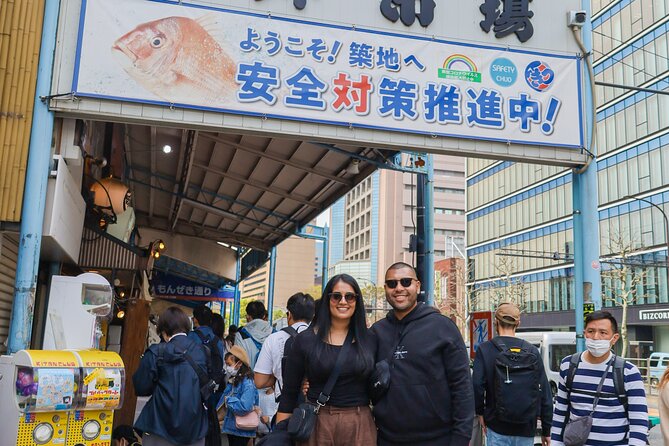
The Harajuku portion lasts about one hour and includes admission. It is shorter than the Asakusa and Shibuya stops, so think of it as a focused introduction rather than a full neighborhood tour.
The goal is to experience the area’s distinctive mood and sights. Harajuku is famous around the world, but the appeal is best understood by walking through it with someone who can explain what you are seeing. Your guide can help connect the streets, shops, and local habits to the wider story of Tokyo culture.
One hour is enough to get a feel for the area, but not enough for a long shopping session or a detailed visit to every nearby attraction. If Harajuku is high on your personal list, you may want to return later on your own. The tour gives you a starting point and helps you decide what deserves more of your time.
Shibuya beyond the famous crossing
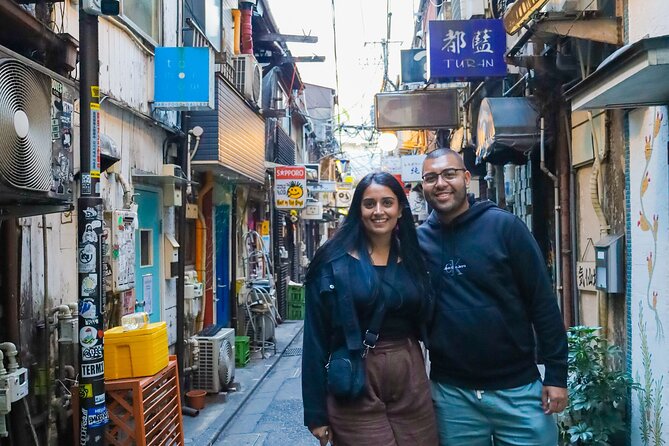
Shibuya receives about two hours, making it one of the day’s main stops. The district is known for the world’s busiest pedestrian crossing, and you will likely see why it draws so much attention. But the tour promises more than a crossing photo.
The guide points you toward the wider Shibuya area, including places associated with restaurants, bars, clubs, and local evening life. That broader view is useful because many first-time visitors treat the crossing as the destination, take a few pictures, and leave. Two hours gives you room to understand Shibuya as a district rather than a single landmark.
I like this part of the route because it shows how Tokyo’s public spaces can be both highly organized and intensely crowded. You see the polished, modern face of the city, but the guide can also direct you toward streets and places that are less obvious to someone following a basic sightseeing list.
Do not expect a full meal or an evening out during this stop. Lunch is not included, and the schedule continues to Shinjuku. Bring money for food if you want to eat along the way, but remember that the tour’s main purpose is orientation and sightseeing, not a food tour.
A few more Tokyo tours and experiences worth a look


Shinjuku: ending where Tokyo stays awake late
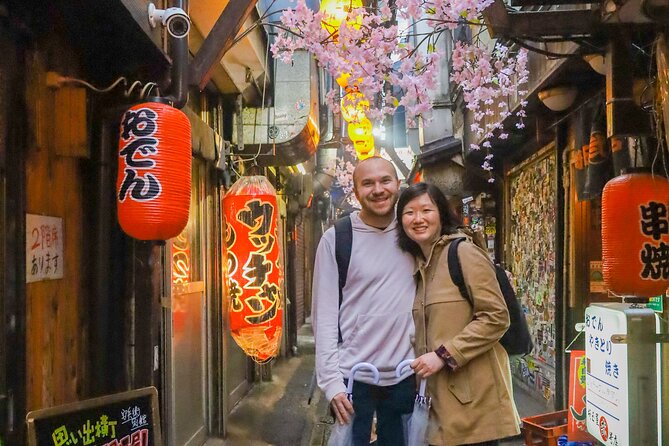
The final hour is in Shinjuku, described as Tokyo’s nightlife hub. The tour ends here rather than taking you back to Asakusa, and that is one of its practical strengths.
Shinjuku is a useful place to finish because you receive recommendations for what to do afterward. Your guide can help you choose how to continue the evening, based on the kinds of restaurants, bars, clubs, or other activities you are interested in. The exact recommendations will depend on the guide and your questions, so speak up if you want food suggestions or help deciding where to go next.
An hour is enough to get your bearings, but not enough to experience Shinjuku’s full nightlife. That is intentional. The tour opens the door, then leaves you in a part of the city where you can continue independently.
If you are tired by this point, the final stop can feel like one district too many. Four neighborhoods in six hours is a lot. Still, ending in Shinjuku means you can stop whenever you like after the tour instead of facing another scheduled transfer.
The guide can make or break the experience
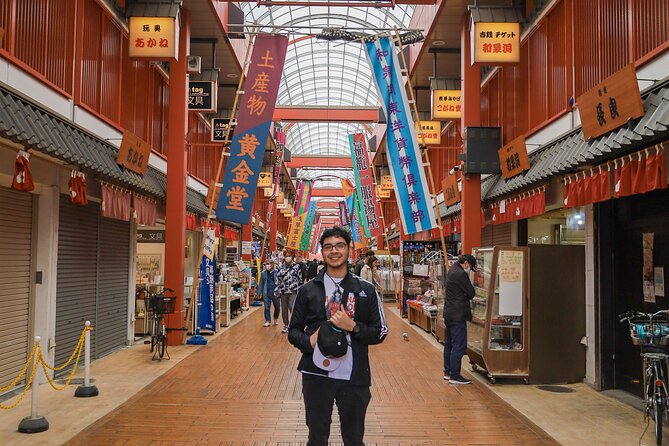
This is a guide-led tour, so the personality and skill of your guide matter a great deal. The strongest names associated with the experience include Amir, Flor, Firas, and Ravisha.
Amir is described as enthusiastic and willing to explain Tokyo’s local culture and history. Flor is praised for explaining the shrines clearly, and her departures appear to suit people who appreciate a guide who keeps the information engaging without losing the main thread. Firas is noted for being friendly, attentive, and flexible, especially when the group was very small. One departure with only three people became almost tailor-made, which shows how the group size can affect the day.
Ravisha is associated with an informative walking tour that covered the main areas without becoming excessive. That balance is important here. You want enough explanation to understand Tokyo, but not so much detail that you miss the streets around you.
Guide assignment can vary, so you should not book on the assumption that one particular person will lead your departure. Still, the repeated focus on friendly service, clear explanations, and care for group comfort is encouraging. Ask questions throughout the day. The tour is more useful when you treat the guide as a source of practical help rather than waiting for a long lecture at each stop.
What $75.77 really buys you
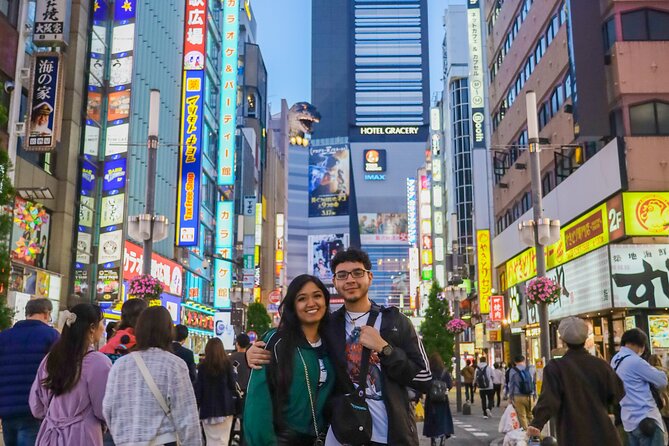
At $75.77 per person, this is not the cheapest way to walk around Tokyo, since the temple areas and district streets are free to enter. The price pays for structure, transport guidance, local explanation, and a full six-hour route through four major areas.
The value is strongest if you are new to Tokyo, short on time, or uneasy about using the train system. A guide can save you from spending part of your day figuring out station exits and deciding what deserves attention. You also get a chance to ask about food, culture, daily life, and evening plans in real time.
The value is weaker if you already know Tokyo well or enjoy building your own route. You will pay extra for a fixed schedule, group pace, and guide service. Public transportation costs about $5 more, and lunch is also separate.
The maximum group size is 15, which is small enough for questions without promising a private experience. Some departures may be much smaller, but you should plan for a group setting. If you want a fully personal route, one review specifically suggested a private tour with Flor, but this experience itself is a group tour.
Who should book this Tokyo walking tour
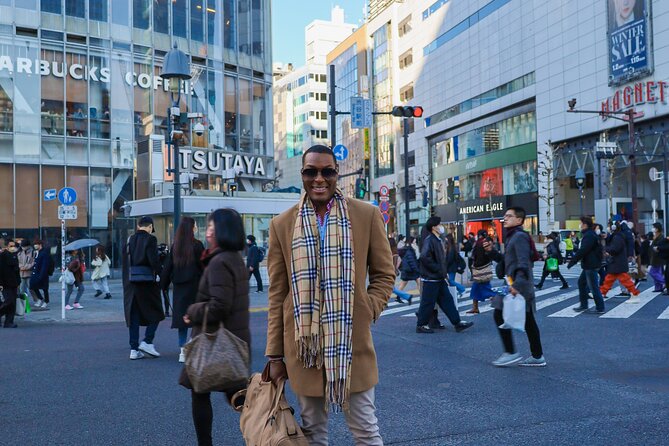
I would recommend it to first-time visitors who want a broad look at Tokyo without spending days organizing an itinerary. It also suits solo visitors who want company, people who want help with public transportation, and anyone with a short stay.
It can work well for a long layover, provided your airport and flight schedule allow enough time. One particularly short Tokyo stop used the tour to see as much as possible in a few hours. You should still plan conservatively around airport transfers and leave a wide margin for delays.
The tour is less suitable for someone who wants long meals, extensive shopping, or quiet temple time. It also may not suit you if six hours of walking and train travel sounds tiring. Hot weather can make the day harder, so bring water and wear comfortable shoes, even though those details are not formal inclusions.
Service animals are allowed, and the meeting point is near public transportation. The tour requires good weather and a minimum number of participants. If poor weather or low enrollment causes cancellation, you are offered another date or experience, or a full refund.
My call: book it for orientation, not depth
Book this tour if you want Tokyo explained while you move through it. The route covers an impressive range in six hours, the ending in Shinjuku is convenient, and the guide can help with both cultural questions and the practical challenge of navigating Tokyo.
Skip it if you prefer to spend a whole morning in Asakusa, shop through Harajuku, or choose your own pace in Shibuya. At $75.77 plus transport and lunch, you are paying for a useful introduction rather than admission to major attractions.
For a first day in Tokyo, especially with limited time, I think the balance is good. Wear proper shoes, budget for the extra train fare, and arrive ready to walk. You will leave with a clearer sense of how the districts connect and several ideas for what to do next.
FAQ
How long does the Tokyo group tour last?
The tour lasts approximately six hours, beginning at 10:00 a.m.
Where does the tour start?
It starts at the Asakusa Culture Tourist Information Center at 2-chome 18-9 Kaminarimon, Taito City, Tokyo.
Where does the tour finish?
The tour finishes in Shinjuku City, Tokyo. The guide provides recommendations for places you can visit afterward.
Which areas are included?
The route includes Asakusa, Shibuya, Harajuku around Harajuku Station, and Shinjuku.
Is public transportation included?
No. Public transportation is not included. The listed estimate is $5 per person.
Is lunch included?
No. Lunch is not included in the tour price.
How large is the group?
The tour has a maximum of 15 travelers.
What happens if the tour is canceled?
If poor weather or an insufficient minimum number of travelers causes cancellation, you are offered a different date or experience, or a full refund. You can also cancel for a full refund up to 24 hours before the start time.
More 1-Day Tours in Tokyo



More Asakusa Tours in Tokyo
More Shibuya Tours in Tokyo


More tours in Tokyo we've reviewed








Shibuya Tours, compared.
 ★ 5.0Official Street Go-Kart in ShibuyaFrom $76
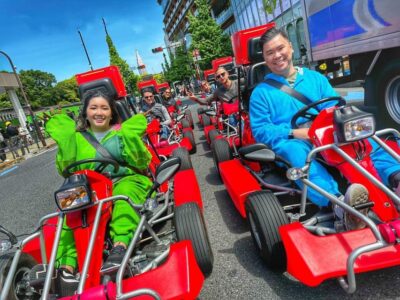 ★ 4.9Tokyo: Street Kart Experience in ShibuyaFrom $741 hour
 ★ 5.0Shibuya Meltdown Nightlife Tour: All-You-Can-Drink Bar HoppingFrom $106
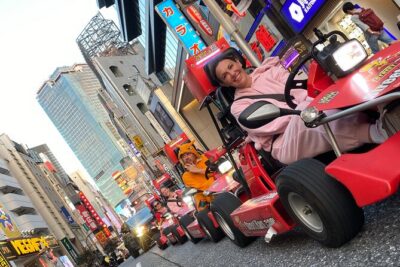 ★ 5.0Shibuya Official Street Go-Kart in Shibuya AnnexFrom $69
 ★ 5.0Tokyo: Shibuya Food Tour (13 dishes and 4 Eateries)From $77
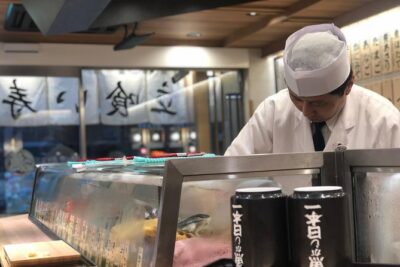 ★ 5.0Best of Shibuya Food TourFrom $217