
Reviewed · MT FUJI DAY TRIPS
Mt Fuji Sightseeing Private tour with English Speaking Guide
Mt. Fuji is the star here, but the real treat is seeing it from several angles without wrestling with trains, buses, and tight public transport connections. From the 5th Station and Chureito Pagoda to Lake Kawaguchi and Oshino Hakkai, you get a full day of Fuji country with your own vehicle and guide.
I like the private pickup and flexible route, especially for families or small groups. I also like the practical touch of guides such as Ali, Usman, Qasim, and Saad adjusting the pace, taking photos, and suggesting an early start to beat Tokyo traffic. The main catch is that this is an ambitious 10-hour day, and the many listed stops may not all fit if roads are crowded or you linger.
In This Review
- Key points at a glance
- A private route from Tokyo to Japan’s most famous peak
- Mt. Fuji 5th Station: mountain air and a high viewpoint
- Lake Kawaguchi and Oishi Park: the easiest Fuji photo stops
- Arakurayama Sengen Park and Chureito Pagoda
- Oshino Hakkai and the Fuji Sengen shrine
- Aokigahara Forest: a short walk with a serious tone
- Hakone Shrine, Lake Ashi, and Owakudani
- Why an early start matters
- The guide can make or break the experience
- What the price includes, and what it does not
- Who should book this private Fuji day?
- Should you book it?
- FAQ
- How long does the Mt. Fuji private tour last?
- Where can I be picked up?
- How many people can join the private tour?
- Is lunch included?
- Which languages are available?
- Can I cancel for a full refund?
Key points at a glance
- Private car for up to three people: A useful setup for families, couples, or friends who want door-to-door transport from Tokyo.
- Multiple Fuji viewpoints: The 5th Station, Lake Kawaguchi, Oishi Park, Arakurayama Sengen Park, and Chureito Pagoda each offer a different view.
- Early starts can pay off: Leaving around 6:30 a.m. may help you avoid traffic, crowds, and some cloud cover.
- Flexible guiding: Your day can be adjusted to your pace, priorities, and weather conditions.
- Hakone options included: Depending on the route selected, you may visit Hakone Shrine, Lake Ashi, and Owakudani Valley.
- Extra costs remain: Lunch, some attraction fees, personal purchases, and insurance are not included.
A private route from Tokyo to Japan’s most famous peak
This tour is best understood as a private driving day rather than a fixed sightseeing bus. Your guide picks you up at your Tokyo hotel, apartment, or train station, then handles the long transfers between Mt. Fuji area sights.
That matters because the Fuji region spreads across several towns and valleys. Public transport can get you there, but changing between buses and trains takes time. With a private vehicle, you can carry day bags, stop for photos, and avoid figuring out every connection.
The group limit is three people per booking, and the price is $381 per group. Split three ways, that is about $127 per person before lunch and any additional admission fees. For a full 10-hour private day with a driver, guide, pickup, and bottled water, that can be good value, especially when convenience matters more than finding the absolute cheapest route.
The vehicle is described as clean and comfortable, with some groups riding in an executive car or Mercedes-Benz. The exact vehicle is not specified for every booking, so I would treat that as guide-dependent rather than guaranteed.
A few more Tokyo tours and experiences worth a look
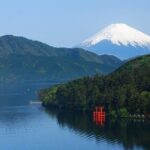
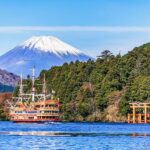
Mt. Fuji 5th Station: mountain air and a high viewpoint
The 5th Station is the classic high-altitude stop on Mt. Fuji. At roughly the halfway point on the commonly used climbing route, it gives you a strong sense of the mountain itself, along with broad views over the surrounding area when the weather cooperates.
You get about an hour here on the planned route. That is enough time for photos, a short walk, and a look around, but not a long mountain outing. Bring a jacket or extra layer. Temperatures can change quickly at elevation, and even a warm Tokyo morning may feel cool here.
The view is never guaranteed. Clouds can hide Fuji even when the lower towns are clear. One group had a cloudy day but still managed a partial view from the 5th Station. An early departure can help, though weather remains the deciding factor.
This is one place where you should keep expectations sensible. You are sightseeing at a mountain station, not climbing Mt. Fuji. Comfortable shoes, sunglasses, sunscreen, and a camera are useful.
Lake Kawaguchi and Oishi Park: the easiest Fuji photo stops
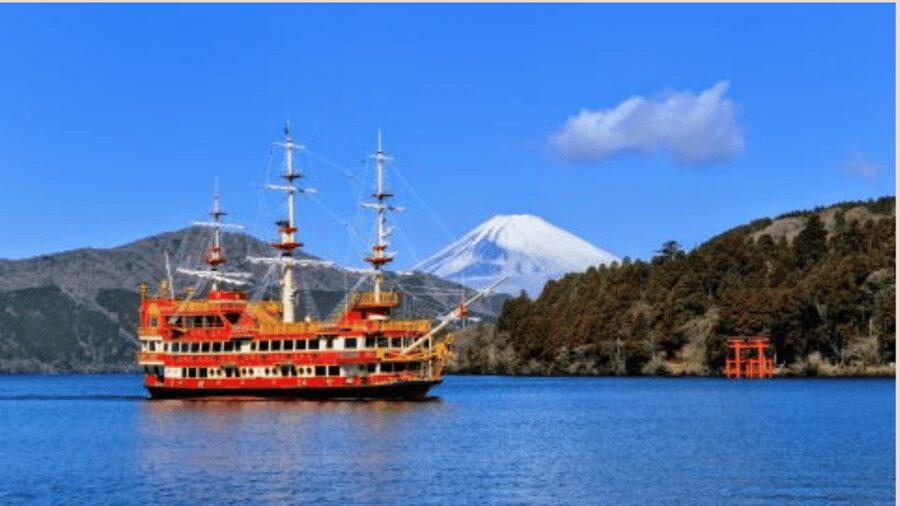
Lake Kawaguchi gives you one of the most familiar views of Mt. Fuji, with water in the foreground and the mountain rising behind it. The planned stop is about an hour, giving you time to walk, take pictures, and enjoy the lakeside setting without rushing through a five-minute photo break.
Oishi Park adds gardens and open views along the lake. It is a good stop for people who want a gentler walk after the drive. Depending on the season, flowers can add color to the foreground, and one spring visit included cherry blossoms.
I would give these stops priority if your main goal is a clear Fuji photograph. They are also easier than the pagoda climb, making them suitable for mixed-age groups. The drawback is that the lake area can become crowded, and road delays may cut into your time.
One useful feature of a private tour is the ability to tell your guide what matters most. If you care more about lakeside views than shopping or a secondary stop, say so early in the day.
Arakurayama Sengen Park and Chureito Pagoda
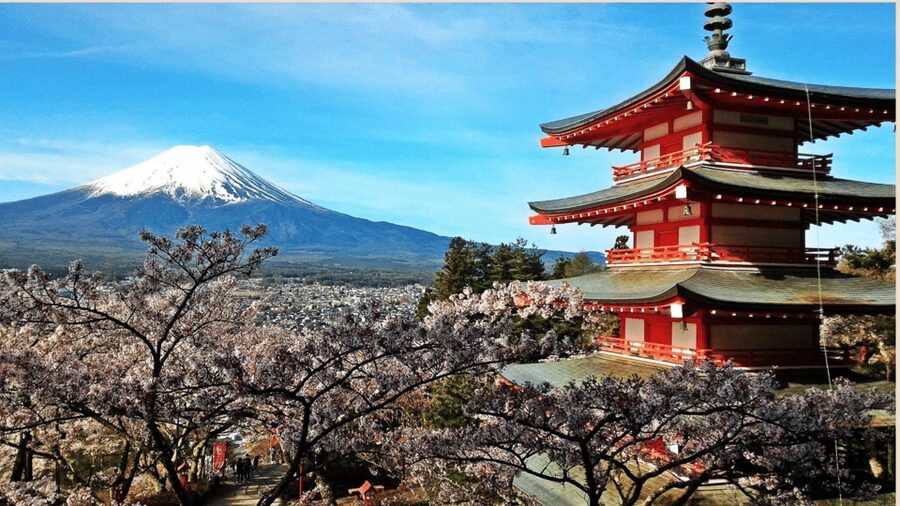
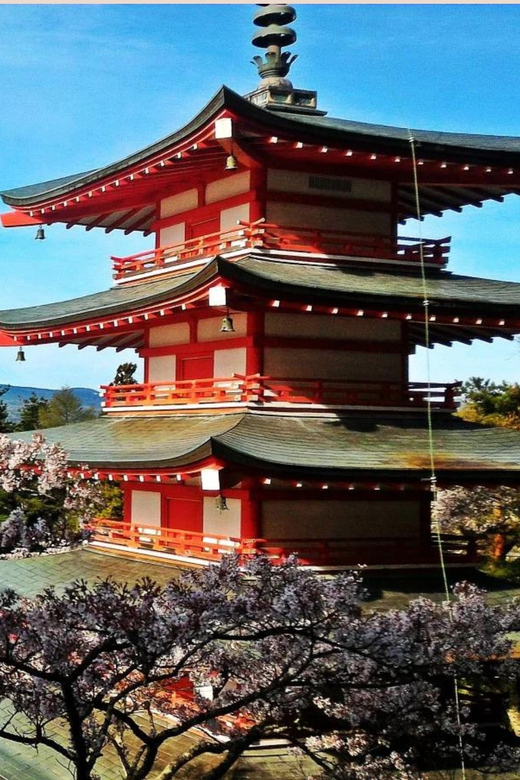
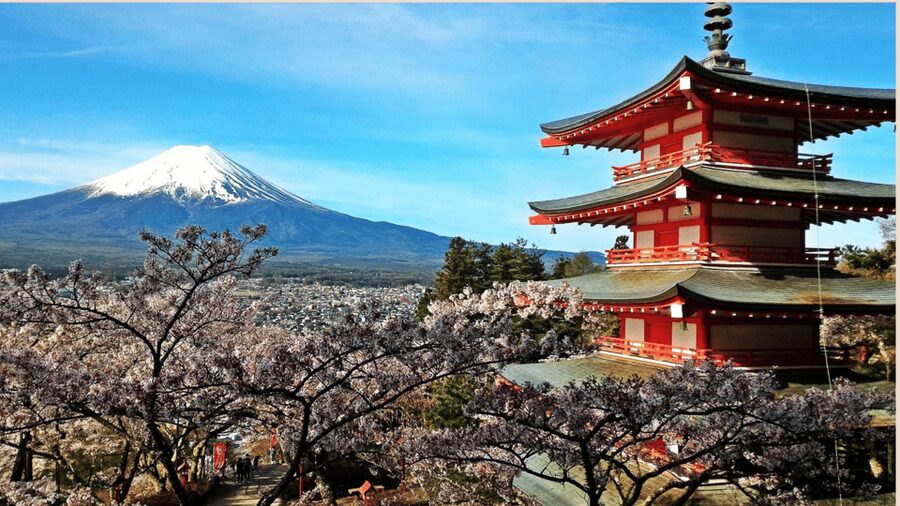
Arakurayama Sengen Park is home to the famous Chureito Pagoda view, where the red pagoda, Mt. Fuji, and the surrounding town can appear together in one frame. It is one of the most recognizable views in Japan.
The price of that photograph is physical effort. You need to walk and climb steps to reach the pagoda viewpoint. The tour information does not give an exact step count or accessibility arrangement, so anyone with mobility concerns should ask before booking.
Allow time here rather than treating it as a quick roadside stop. The park visit and pagoda are listed separately, but they belong to the same general sightseeing area. Crowds and queues can slow things down, particularly at popular times and during blossom season.
I like this stop for first-time visitors because it combines a shrine park, a strong photo viewpoint, and a sense of place. I would not make it the top priority for someone who dislikes stairs or wants a relaxed day with minimal walking.
Oshino Hakkai and the Fuji Sengen shrine
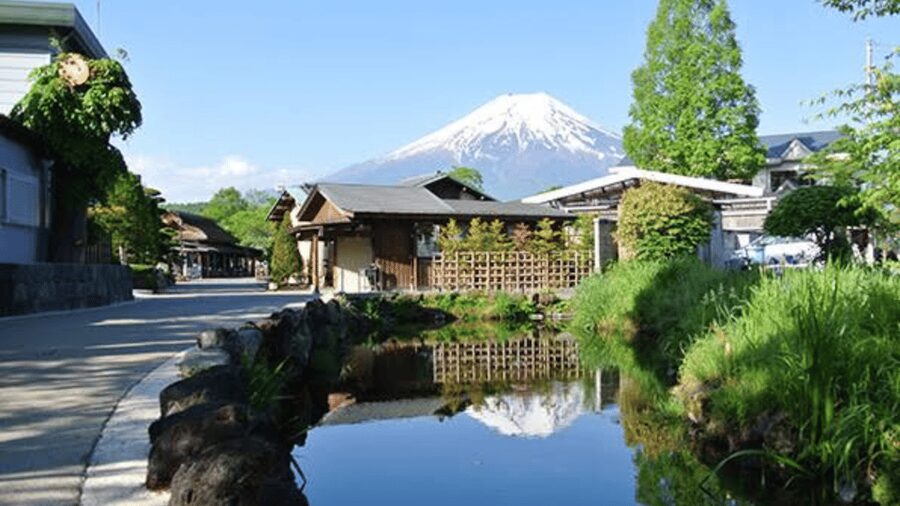
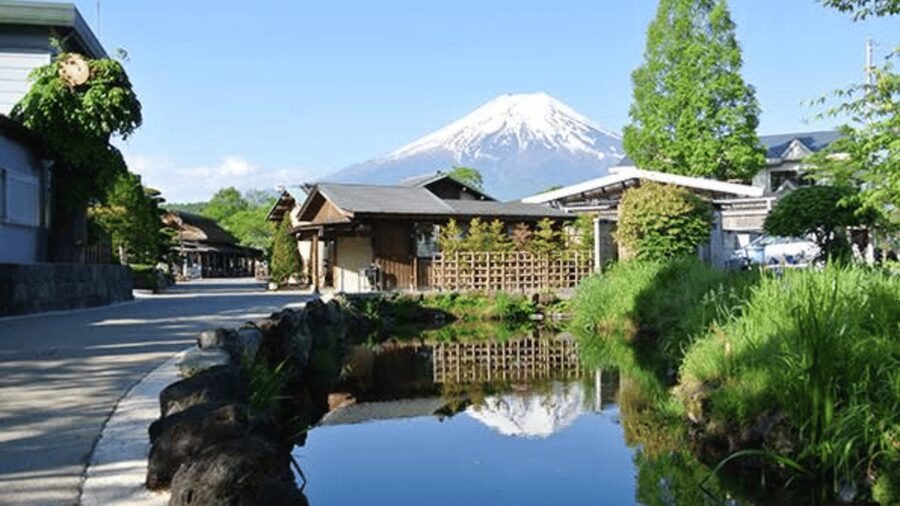
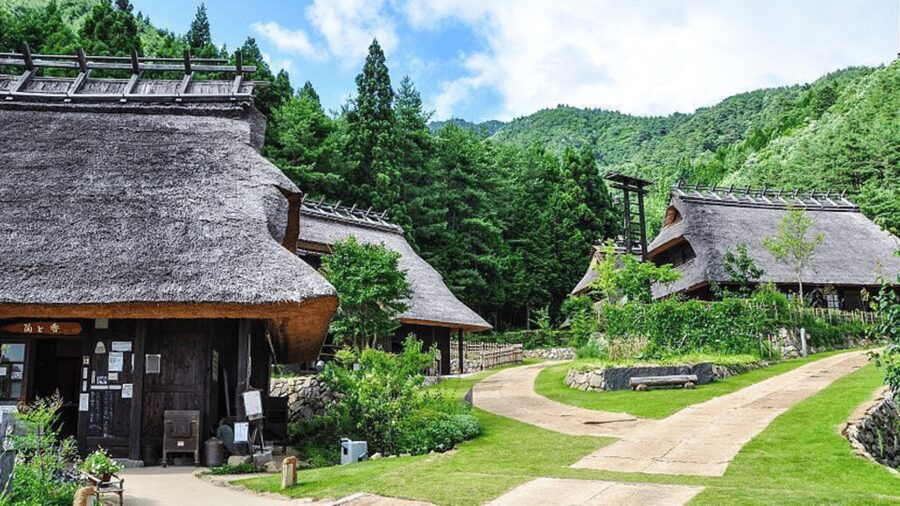
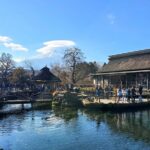
Oshino Hakkai is a traditional village area known for clear spring ponds and views toward Mt. Fuji. It gives the day a different mood from the larger lake towns. You can look around, take photos, and sample local food or browse small shops.
The stop is planned for about an hour. That is enough for a proper visit, though not enough to linger over every shop or meal. Keep some cash or a card handy for snacks and personal purchases.
Kitaguchi-hongu Fuji Sengen Shrine offers a quieter cultural stop. Its forest setting and traditional buildings provide a useful contrast to the open mountain viewpoints. The planned visit is about 40 minutes, so your guide can explain the shrine and its role without turning the day into a long formal tour.
You may also see the shrine referred to as Kitaguchi-Hongu Fuji Sengen-jinja. It is worth confirming the exact stops with your guide because the day is customizable and the route can change with road conditions, weather, and your priorities.
Other guided tours in Tokyo


Aokigahara Forest: a short walk with a serious tone
Aokigahara Forest is listed as a 30-minute visit with free time for walking. The forest is a volcanic woodland near Mt. Fuji, and the atmosphere can feel very different from the cheerful lake parks and photo stops.
Do not expect a long forest hike on this tour. Thirty minutes is a brief walk, useful for seeing the setting and stretching your legs, but not for exploring a large area. Wear shoes with a firm sole, stay on appropriate paths, and follow your guide’s advice.
This stop may not suit everyone. If your time is limited and Fuji views are your priority, you might prefer to use those minutes at Lake Kawaguchi, Oishi Park, or the pagoda. The private format makes that conversation possible.
Hakone Shrine, Lake Ashi, and Owakudani
The tour description also includes a Hakone section, with Hakone Shrine, a Lake Ashi cruise, and Owakudani Valley. These are major attractions, but they are geographically different from the Fuji Five Lakes route listed in the detailed stop schedule.
That is the most important planning point. A 10-hour private day cannot guarantee a leisurely visit to every Fuji and Hakone sight, especially with Tokyo traffic. Ask your guide or booking contact which version of the route applies to your selected option.
Hakone Shrine sits in a forested setting and is known for its traditional atmosphere. It is a good choice if you want a cultural stop rather than another viewpoint. Give yourself enough time to walk respectfully through the grounds and listen to the explanation of the shrine’s background.
The Lake Ashi cruise offers a change of pace after road travel. From the water, you may get views toward Mt. Fuji, though visibility depends on the weather. The cruise is a highlight for people who like scenic transport, but it may require additional ticket costs if the fare is not included in your selected option.
Owakudani Valley is a volcanic area with steam vents and boiling pools. It is also where you can try the well-known black eggs, a local specialty said to add years to your life. Treat the claim as folklore, but the eggs are still a fun part of the visit.
The valley’s geothermal conditions can affect access. The supplied information does not specify restrictions or admission charges, so check the day’s arrangements. A local Hakone lunch can also be arranged, but it is optional and not part of the base price.
Why an early start matters
Tokyo traffic can shape this entire day. One guide suggested a 6:30 a.m. departure, and that choice helped the group reach the Fuji area with clearer views and fewer crowds.
I would strongly consider an early start if you want to cover several stops. It may mean sacrificing a slow hotel breakfast, but it gives you more room later when traffic, queues, or weather interfere.
The advertised duration is 10 hours, including pickup and return to Tokyo. That sounds generous until you add the outbound drive, return drive, stops, meals, photo breaks, and possible queues. The more places you select, the less time you will have at each one.
Make a short priority list before pickup. For example:
- Best Fuji view
- Chureito Pagoda
- Oshino Hakkai
- Lake Ashi cruise
- Owakudani
- Shrine visit
Then tell your guide which three or four matter most. That is a better strategy than trying to force every listed stop into the day.
The guide can make or break the experience
The strongest part of this tour is the personal service. Guides named in the feedback include Ali, Usman, Qasim, Zaman, Hassan, Saad, Rana, Talal, Ahsan, and Kasim. The assigned guide will depend on availability, so you should not assume you will receive a particular person.
The most useful guide qualities are practical ones: safe driving, clear communication, local suggestions, patience, and help with photos. Ali was praised for suggesting an early start and for combining careful driving with easy conversation. Usman was described as especially helpful with families, including a group traveling with a one-year-old.
Several guides adjusted the route to match the group’s pace. That is valuable when one person wants shopping, another wants photos, and someone else needs a rest. You can also ask your guide to take pictures at the main viewpoints, but this should be treated as a helpful possibility rather than a guaranteed photography service.
The language options are unusually broad for a small private tour: English, Urdu, Hindi, Japanese, Punjabi, Nepali, and Vietnamese are listed. English is included, while the other languages may depend on guide availability.
What the price includes, and what it does not
At $381 for up to three people, the tour is not a budget bus excursion. It is priced around private transport, time savings, and personal attention.
Included are the private vehicle and driver, an experienced English-speaking guide, Tokyo pickup and drop-off, bottled water, and visits to the listed main attractions. The itinerary can be customized.
Lunch is extra. So are personal snacks, souvenirs, travel insurance, and entrance fees to attractions not covered by the selected itinerary. A Lake Ashi cruise or other paid activity may also require separate payment, so confirm before departure.
For three people, the cost spreads well. For one person, it becomes harder to justify unless you place a high value on privacy and door-to-door service. For a family with a child or older relatives, the comfort and reduced transfer hassle may be worth more than a lower-cost shared excursion.
Who should book this private Fuji day?
I would recommend it to:
- Small groups of up to three people
- Families who need a flexible pace
- First-time visitors to Tokyo who want a full Fuji day
- People who dislike changing buses and trains
- Photographers who want several viewpoints
- Visitors who want an English-speaking guide and private transport
I would think twice if you prefer a slow day focused on one town. The route can feel packed, especially if you try to combine the Fuji Five Lakes area and Hakone. It is also not suited to people over 95, according to the activity restrictions, and the walking and stairs may be tiring for anyone with mobility limits.
Bring comfortable shoes, weather-appropriate layers, sunscreen, sunglasses, identification, and payment for optional purchases. A small day bag is easier than carrying luggage, and hotel pickup does not include airport pickup or drop-off.
Free cancellation is available up to 24 hours before the tour for a full refund. You can also reserve and pay later, which helps if your Tokyo plans are still shifting.
Should you book it?
Book this tour if you want maximum flexibility and minimum transport hassle on a Fuji day. The private vehicle, guide support, early-start option, and ability to adjust the route make it a strong choice for a small group.
Before paying, confirm the exact route. The advertised experience combines Fuji and Hakone highlights, while the detailed stop list focuses heavily on the Fuji Five Lakes area. Decide if your must-sees are Chureito Pagoda and Oshino Hakkai, or Hakone Shrine, Lake Ashi, and Owakudani.
If you set clear priorities and leave early, the $381 group price can be fair value. If you want every stop at a relaxed pace, choose fewer sights. Mt. Fuji is best enjoyed with time to look up, not just time spent checking the next item on a list.
FAQ
How long does the Mt. Fuji private tour last?
The tour lasts 10 hours, including pickup from Tokyo and return to the meeting point.
Where can I be picked up?
Pickup is available from a hotel, apartment, or train station in Tokyo. Airport pickup and drop-off are not provided.
How many people can join the private tour?
The price is for a private group of up to three people.
Is lunch included?
No. Lunch is optional and can be arranged at a local restaurant in Hakone, but it is not included in the base price.
Which languages are available?
The listed guide languages are English, Urdu, Hindi, Japanese, Punjabi, Nepali, and Vietnamese.
Can I cancel for a full refund?
Yes. You can cancel up to 24 hours in advance for a full refund.
More Private Tours in Tokyo

More Guided Tours in Tokyo
More Mt Fuji Day Trips in Tokyo
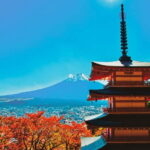
More tours in Tokyo we've reviewed











Mt Fuji Day Trips, compared.
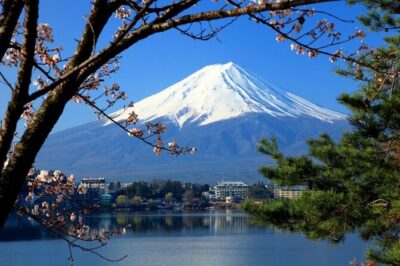 ★ 5.0Mt Fuji and Hakone 1-Day Bus Tour Return by Bullet TrainFrom $163
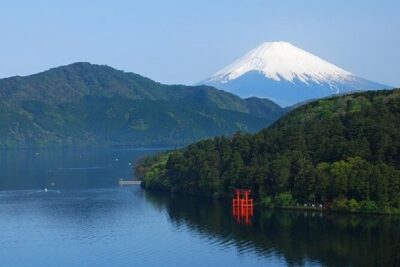 ★ 4.0Mt Fuji & Hakone Cruise, Drum Show Bullet Train 1 Day from TokyoFrom $149
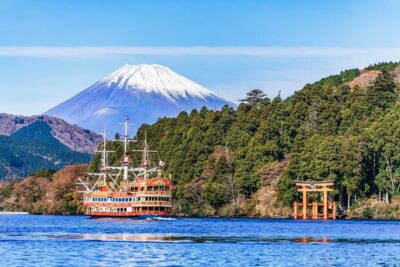 ★ 4.4Tokyo Mt Fuji 5th St & Hakone Cruise Bus Tour w/Bullet TrainFrom $15410 hours
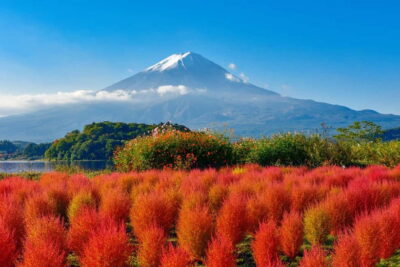 ★ 4.5From Tokyo: Mount Fuji Full-Day Sightseeing TripFrom $6810 hours
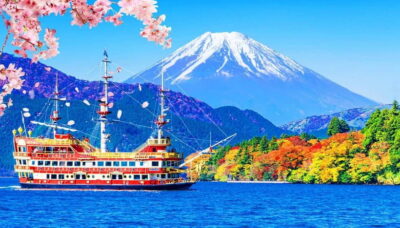 ★ 4.7Tokyo: Mt. Fuji Tour, Hakone Ropeway, Owakudani, Lake AshiFrom $5410 hours
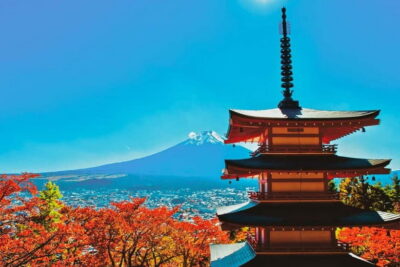 ★ 4.4Tokyo:Mt.Fuji,Kawaguchiko Oishi Park,Arakurayama Sengen ParkFrom $5410 hours