
Reviewed · TEA CEREMONY & MATCHA
Matcha Kimono Tea Ceremony in Tokyo
The most appealing part of this Shinjuku tea workshop is that it gives you both the ceremony and the explanation behind it. You change into a simple kimono, learn how Japanese tea differs from black, Chinese, and overseas teas, then prepare your own bowl of matcha with traditional tools.
I like the easy-to-wear kimono, since you avoid the long dressing process that can make formal kimono experiences feel stiff and time-consuming. I also like the small maximum group of 10, which gives you room to ask questions and receive help while whisking your tea. The main consideration is the short 90-minute format: this is an introduction, not a full-length formal tea ceremony.
In This Review
- Key points at a glance
- Why this short Shinjuku workshop works
- Getting into the kimono without the usual wait
- Learning what makes matcha different
- Preparing your own bowl with traditional tools
- Snacks and the Japanese welcome drink
- How the 90-minute schedule feels
- What the $59.46 price includes
- Who will enjoy this most
- Meeting point, timing, and practical cautions
- Is this matcha and kimono experience worth booking?
- FAQ
- How long does the Matcha Kimono Tea Ceremony last?
- Where does the activity start and finish?
- Is the kimono difficult to put on?
- Do I make my own matcha?
- What food and drinks are included?
- Do I need to bring tea ceremony tools?
- Do I need to wear socks?
- What happens if I arrive late?
Key points at a glance
- Easy kimono dressing: The workshop uses specially designed kimonos that can be put on quickly, rather than requiring about 30 minutes of formal dressing.
- Hands-on matcha preparation: You use tea tools to make your own bowl and learn the basic etiquette for drinking it.
- Tea tasting with context: You compare matcha with other teas and learn how Japanese matcha differs from varieties produced outside Japan.
- Small-group instruction: The group is limited to 10 people, making it easier to ask questions and get help.
- First-flush matcha: The experience includes a carefully selected first-flush matcha, described as a high-quality tea, plus a Japanese welcome drink and snacks.
- Convenient timing: At about one hour and 30 minutes, it fits neatly into a busy Tokyo day.
Why this short Shinjuku workshop works
Tokyo offers many cultural activities, but some ask you to sit quietly and watch without explaining much. This one takes a more practical route. You learn what you are doing, try it yourself, and can ask questions along the way.
That matters with matcha. If you have only tasted sweet matcha drinks or matcha desserts, the traditional powder may surprise you. It has a more direct, grassy flavor, and the preparation affects the texture. The host explains these differences instead of treating the tea as a simple photo prop.
The workshop also connects matcha to the broader idea of Teaism and the philosophy of tea ceremony. You will not become an expert in 90 minutes, but you will leave with a clearer sense of why the ceremony values careful movements, attention, hospitality, and respect for the moment.
The host speaks English well, according to the information provided, and the teaching style is informal enough for questions. That makes this a good choice if you are curious about Japanese culture but do not want a highly formal or silent experience.
A few more Tokyo tours and experiences worth a look

Getting into the kimono without the usual wait
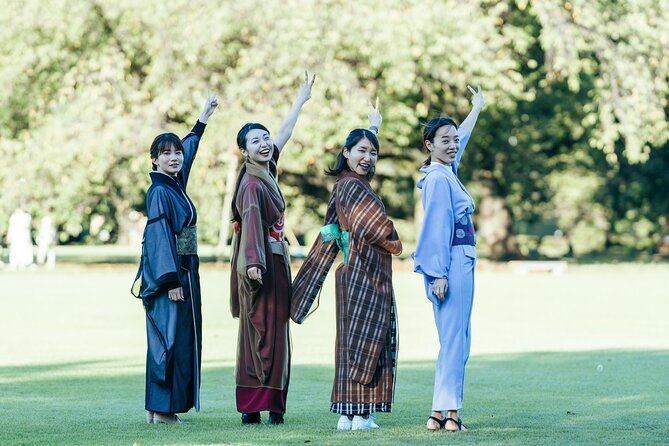
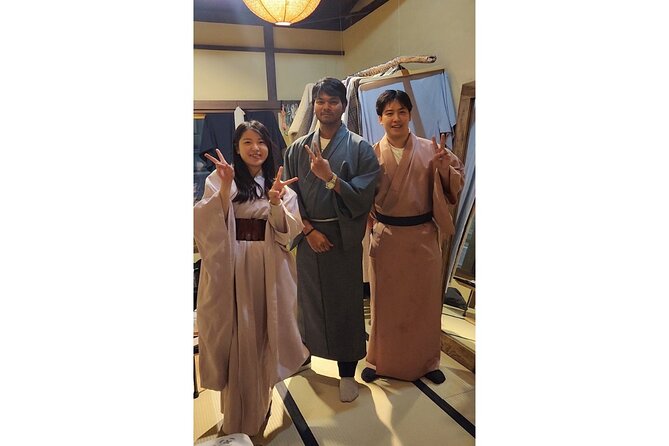
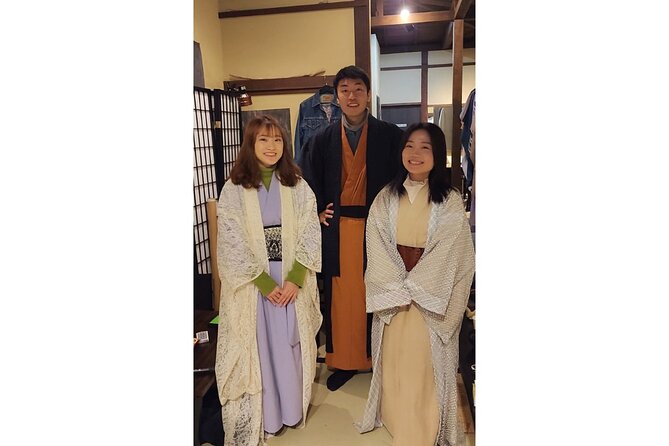
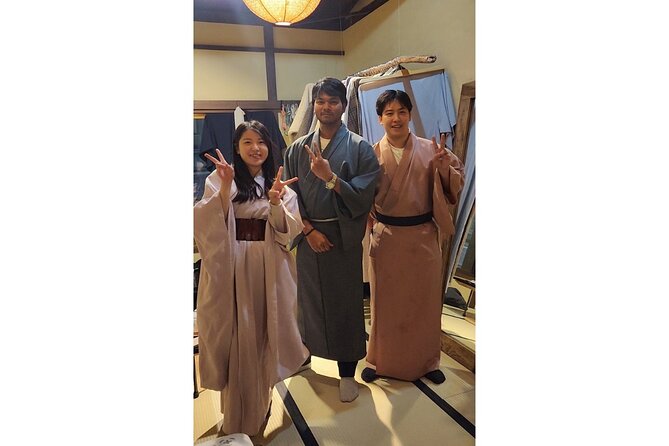
Before the tea presentation begins, you choose a casual kimono and receive help putting it on. These garments are specially made to be easy to wear. That is a useful distinction. A traditional kimono dressing session can take roughly 30 minutes, while this format gets you into Japanese clothing quickly and leaves more time for the tea lesson.
The kimono is not presented as a full formal dressing service. Think of it as a comfortable workshop garment that gives the activity a stronger cultural setting and makes photos more memorable. You will have the look and feel of traditional clothing without committing to a long fitting process.
The workshop takes place in a tatami room, so bring socks. You are asked to wear them in the room, and if you forget, the workshop may ask you to buy a pair there. This is easy to overlook when packing for Tokyo, but it is worth putting socks in your day bag.
The host also helps you wear the kimono properly and may take photos during the experience. That photo help is a nice extra for solo participants or couples who want a record of the activity without arranging their own pictures.
Learning what makes matcha different
The presentation covers more than the basic steps for whisking tea. You learn about green tea, black tea, Chinese tea, and the differences between Japanese and overseas matcha. This gives you useful vocabulary for the rest of your Japan trip, especially if you plan to visit tea shops or buy matcha as a souvenir.
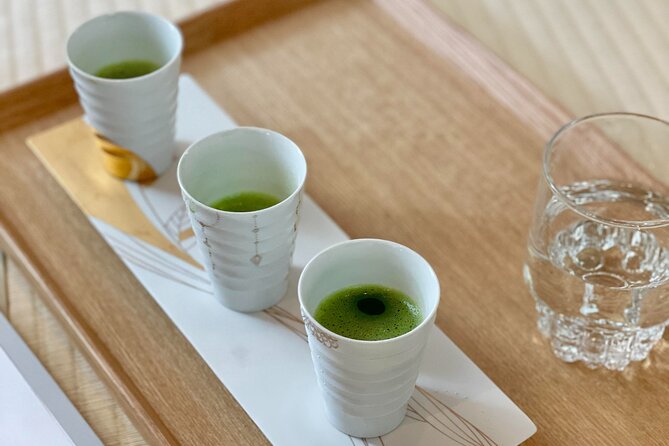
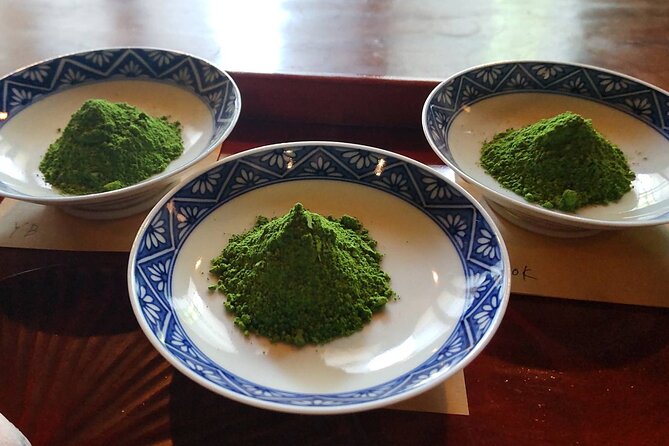
The workshop offers tea from a collection of more than 100 matchas sourced from around Japan. The stated tasting focus is an exclusive first-flush matcha, meaning tea made from an early harvest and presented here as a high-quality selection. You are encouraged to compare tea with your eyes, nose, and tongue, rather than simply deciding if you like the taste.
That sensory approach is one of the strongest parts of the activity. You start noticing color, aroma, bitterness, sweetness, and texture. Even if you do not become a matcha convert, you gain a better understanding of why different powders can taste so different.
There is also a decaf option and a listed Terror matcha option. The wording of the second option is unusual, so if it matters to you, ask the host to explain exactly what is available on the day. The important practical point is that you are not limited to one single tea choice.
Preparing your own bowl with traditional tools
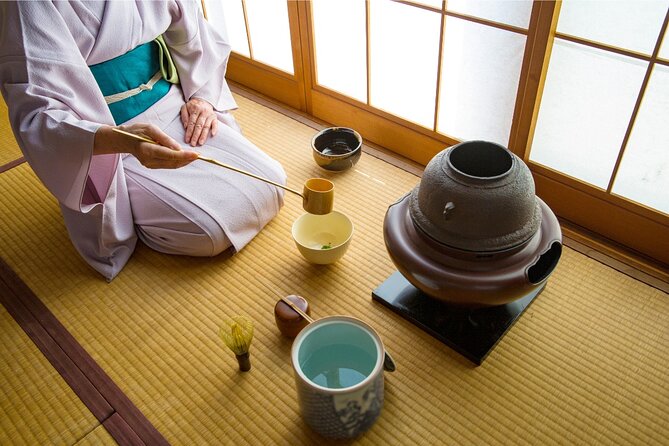
After the explanation, you prepare matcha yourself. The experience includes use of the tea ceremony tools, so you are not expected to bring equipment. The host shows you how to handle the tools and guides you through the process of making a bowl with the proper technique.
This hands-on part gives the activity its value. Watching someone prepare matcha is pleasant, but using the whisk yourself helps you understand the care involved. You can see how the powder blends with water and how whisking changes the surface and feel of the tea.
The instruction also covers basic manners for drinking matcha. You learn how to receive and drink a bowl in the traditional style, without needing to know Japanese etiquette before arriving. This is presented as a welcoming introduction, not a test of perfect behavior.
Expect to make mistakes. That is part of the point. The host can correct your technique, answer questions, and explain why each step matters. The small group limit of 10 should help keep the activity personal, though the exact amount of individual attention depends on how many people attend your session.
Snacks and the Japanese welcome drink
Japanese traditional snacks are included with the experience. They provide a small counterpoint to matcha’s sharper flavor and help you understand how tea is enjoyed with food. The combination also gives the workshop a more complete rhythm than a simple tasting.
The package includes high-quality matcha, tea and coffee, and an authentic Japanese welcome drink. Since the information does not specify exactly which welcome drink or snacks are served, you should treat these as part of the tasting experience rather than plan around a particular menu.
If you are sensitive to caffeine, the available decaf option may be useful. Ask about it at the start, especially if you plan to drink several samples. The tea selection comes from a large collection, but the exact number of teas you taste is not specified.




How the 90-minute schedule feels
The activity lasts about one hour and 30 minutes. The flow is straightforward:
- You meet at the Shinjuku location and change into the easy kimono.
- The host introduces different teas, matcha, and the ideas behind tea ceremony.
- You taste and compare tea using sight, smell, and taste.
- You prepare your own matcha with tea ceremony tools.
- You learn basic drinking manners, enjoy snacks, and take photos before returning to the meeting point.
This compact schedule is a real advantage in Tokyo. You can fit it between sightseeing plans without giving up half a day. It may work well before dinner in Shinjuku or as a calmer break after a busy morning.
The tradeoff is depth. You receive a thoughtful introduction, but there is not enough time for a long formal ceremony, an extensive kimono fitting, or a detailed tour of tea production. If you want a quiet, ceremonial ritual lasting several hours, choose a different format. If you want clear explanations and a chance to try the process, the timing is well judged.
What the $59.46 price includes
At $59.46 per person, this is not just a cup of tea. The fee covers the kimono rental, tea ceremony tools, matcha, a Japanese welcome drink, coffee or tea, traditional snacks, instruction, and the use of the tatami room.
The value depends on what you want from the experience. If you mainly want to taste matcha, you can spend less at a Tokyo tea shop. If you want a kimono photo session alone, other options may offer more clothing choices or more time. Here, the price pays for the combination of clothing, teaching, tasting, and hands-on preparation.
I think the package makes the most sense for first-time visitors who want one compact cultural activity. You receive several elements in one booking, and the English explanation reduces the guesswork. The group size also keeps it from feeling like a large demonstration.
Children are charged the full price, so families should factor that into the budget. The activity is suitable for anyone interested in tea and Japanese culture, but the supplied details do not give a specific minimum age or accessibility information. Ask the provider before booking if you need those details.
Who will enjoy this most
This experience suits you if you like learning by doing. You do not simply watch a host prepare matcha. You put on a kimono, handle the tools, make the tea, and practice drinking it correctly.
It is also a good fit for matcha fans who want to move beyond café drinks. The chance to compare matcha from different parts of Japan and think about aroma and flavor gives the tasting more purpose.
Couples and friends will enjoy the photo side of the workshop, while solo participants can rely on the host for pictures. The informal format should also work well for people who feel nervous about entering a traditional ceremony with no prior knowledge.
The activity may be less satisfying if your main goal is a highly formal ceremony with elaborate kimono, strict silence, and a long sequence of rituals. The clothing is intentionally simple, and the teaching is designed to be accessible. That is a strength for most first-time participants, but it is not the same as attending a formal tea school.
Meeting point, timing, and practical cautions
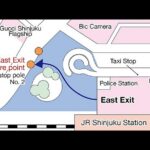
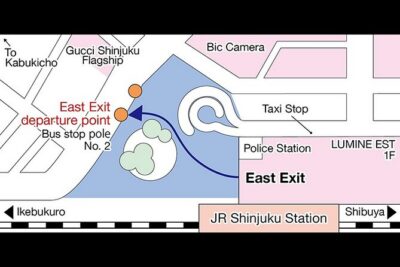
The meeting point is in Shinjuku City at map reference MPPG+HH, Tokyo, and the activity ends there. It is near public transportation, but you should confirm the exact route and allow time to find the entrance. A mobile ticket is provided, and booking confirmation is issued at the time of reservation.
Arrive early. The reservation is automatically canceled after 10 minutes of delay, with no refund in that situation. Tokyo transport can be reliable, but stations are large and confusing, so do not aim to arrive at the last possible moment.
Free cancellation is available if you cancel at least 24 hours before the local start time. Changes or cancellations inside that 24-hour window are not refunded, and late changes are not accepted. The activity also requires a minimum number of participants, so if the provider cancels for that reason, you are offered another date or experience, or a full refund.
Bring socks for the tatami room and avoid planning a tight appointment immediately afterward. The stated length is approximate, and you may want a few extra minutes to change clothing and leave.
Is this matcha and kimono experience worth booking?
I would book this activity if you want a friendly, compact introduction to Japanese tea culture in Tokyo. The combination of easy kimono dressing, clear English instruction, tea tasting, snacks, and hands-on matcha preparation gives you more substance than a quick photo stop.
The strongest reason to choose it is the teaching. You learn the difference between matcha and other teas, hear about tea ceremony philosophy, practice the proper preparation, and get a chance to ask questions. The host’s patient guidance and photo help add warmth without making the session feel overly formal.
Skip it if you want a full ceremonial performance or an elaborate kimono rental. Also think twice if your schedule cannot handle the strict 10-minute late policy. For everyone else, especially matcha lovers and first-time visitors seeking a manageable cultural activity in Shinjuku, the $59.46 fee offers solid value.
FAQ
How long does the Matcha Kimono Tea Ceremony last?
The experience lasts approximately one hour and 30 minutes.
Where does the activity start and finish?
It starts at MPPG+HH in Shinjuku City, Tokyo, and ends back at the same meeting point.
Is the kimono difficult to put on?
No. The experience uses specially designed, easy-to-wear kimonos. They are intended to be put on quickly, unlike a standard kimono dressing process that can take about 30 minutes.
Do I make my own matcha?
Yes. You learn how to prepare a bowl of matcha with tea ceremony tools and receive instruction on the basic way to drink it.
What food and drinks are included?
The experience includes traditional Japanese snacks, high-quality matcha, a Japanese welcome drink, and coffee and/or tea.
Do I need to bring tea ceremony tools?
No. Tea ceremony tool rental is included in the price.
Do I need to wear socks?
Yes. Socks are required in the tatami room. If you forget them, you are asked to buy a pair at the workshop.
What happens if I arrive late?
Your reservation is automatically canceled after 10 minutes of delay, and no refund is provided in that case. Free cancellation is available when you cancel at least 24 hours before the start time.
More Tea Ceremony & Matcha in Tokyo

More tours in Tokyo we've reviewed











Tea Ceremony & Matcha, compared.
 ★ 5.0Matcha Making Class in Tokyo with Authentic Japanese Sweets SetFrom $21
 ★ 5.0Tokyo: Traditional Tea Ceremony with a Tea MasterFrom $381 hour
 ★ 4.5Dynamic Tokyo: Tokyo Tower, Tea Experience, Bay Cruise Day TourFrom $99
 ★ 4.9Tokyo: Matcha Making Experience with Mochi Sweets in AsakusaFrom $221 hour
 ★ 4.7Tokyo: Matcha and Kimono ExperienceFrom $57
 ★ 5.0Tea Ceremony Workshop in Tokyo by the Experienced InstrucorFrom $38