
Reviewed · PRIVATE
Chill Out in Tokyo: Personalized Private Tours with Local Friends
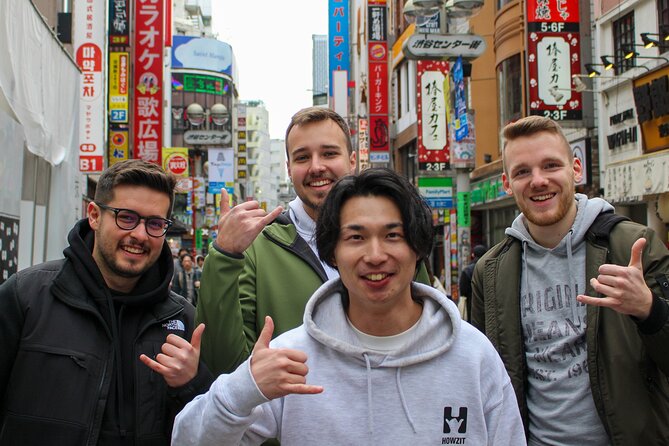
Tokyo is far easier to enjoy when someone else handles the first round of decisions. This private tour lets you build a day around your interests, then meet a local guide at Shibuya Station or another agreed location and set off on foot and by public transit. You might focus on shrines and gardens, youth culture and shopping, markets, food, or a mix of all four.
I like the one-to-one planning and the chance to ask questions as you go. I also like that guides such as Yu, Ayumi, Kanta, Ikumi, Yuki, and Yohei have led different kinds of outings, from first-day orientation to Golden Gai evenings and family food walks. The main drawback is time: two to four hours is not enough to properly see every listed stop, and transportation, food, and drinks cost extra.
In This Review
- Key points to know before booking
- A private Tokyo day that bends to your interests
- Starting at Shibuya Station and reading the city
- Yoyogi Park and Meiji Shrine: two kinds of calm
- Takeshita Street and the Harajuku contrast
- Shinjuku Gyoen and a slower middle of the day
- Senso-ji and the old Tokyo of Asakusa
- Ueno Park and Ame Yoko for food and local texture
- Akihabara for electronics and anime culture
- Tsukiji for seafood and a possible meal
- Odaiba and the modern waterfront
- What the guide adds to the day
- Price, transport, and what you actually pay
- Who should book this Tokyo tour?
- Final call: book it for guidance, not for a checklist
- FAQ
- How long does the private Tokyo tour last?
- Where does the tour start?
- Is hotel pickup included?
- Is transportation included in the price?
- Are food and drinks included?
- Can I cancel for a full refund?
Key points to know before booking
- Meet where Tokyo feels useful: The standard start is Shibuya Station, but an agreed meeting point is possible.
- Pick your own Tokyo: Shibuya, Meiji Shrine, Asakusa, Tsukiji, Ueno, Akihabara, and Odaiba are possible themes, not a promise that all 11 stops fit into one tour.
- Guides adjust to your pace: Ayumi has slowed an outing for a guest with a bad leg day, while Yu has shaped tours for families with very different wish lists.
- Expect a walking tour: Some public transportation is used, but you pay those fares separately and there is no regular vehicle included.
- Food can be part of the plan: Tsukiji, Ame Yoko, izakayas, sushi, tempura, and matcha can fit the day, but meals are not included.
- Best for a first Tokyo day: You get orientation, local context, and help making sense of a city that can feel huge at first.
A private Tokyo day that bends to your interests
The most useful thing about this experience is not the number of stops. It is the freedom to choose what matters to you.
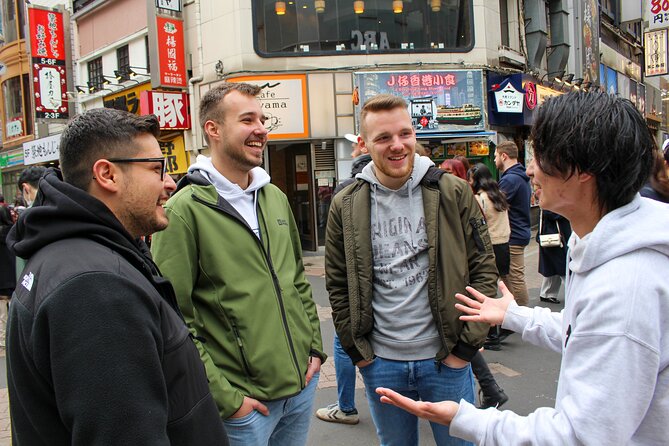
A standard sightseeing bus gives you a fixed route and a fixed pace. Here, you can tell your guide that you care about temples, Japanese gardens, anime, street food, shopping, or simply learning how Tokyo works. The guide can then shape the outing around those priorities.
That matters in Tokyo because the city is not one compact center. Shibuya, Asakusa, Ueno, Akihabara, Tsukiji, and Odaiba each have a different feel, and moving between them takes time. A good private guide helps you avoid spending your short tour crossing the city for stops that do not interest you.
The experience lasts about two to four hours. That is enough for a focused neighborhood walk or a quick introduction to two nearby areas. It is not enough for a full sweep of Shibuya, Asakusa, Ueno, Tsukiji, and Odaiba. You should tell the company your priorities before the day and accept a short, sensible route rather than trying to collect every name on the list.
Other private tours in Tokyo


Starting at Shibuya Station and reading the city
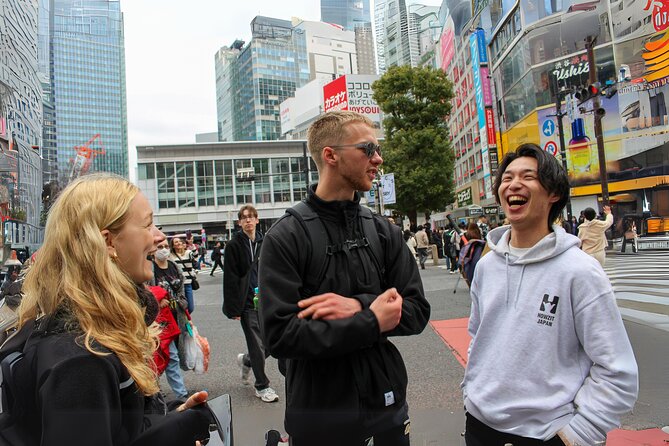
The usual meeting point is Shibuya Station at 2 Chome-24, Shibuya. This is a practical place to begin because the district gives you an immediate sense of Tokyo’s scale and energy.
Shibuya Crossing is the obvious first stop. From the edge of the intersection, you can watch several streams of people move across at once, then step into the flow yourself. The listed visit is about 30 minutes, which is enough to see the crossing, get oriented, and ask about the district’s youth culture and shopping streets.
I would use this part as an introduction, not as the whole tour. Shibuya is easy to reach, but it can feel crowded and commercial. If you have already spent time here, ask to move on quickly and use the private format for something less familiar.
Shibuya is also a sensible starting point for visitors who feel unsure about Tokyo’s trains and neighborhoods. You can ask your guide how the local rail system works, how to read station signs, and which areas suit the rest of your trip. The value is practical, not just visual.
Yoyogi Park and Meiji Shrine: two kinds of calm
Yoyogi Park and Meiji Shrine sit close enough to form a natural pair. The park offers open paths, trees, seasonal scenery, and space to slow down after Shibuya. It also hosts events and festivals, so the experience can change depending on the day.
The planned stop is around 30 minutes. That gives you time for a short walk or break, but not a full exploration of the park. If you want a longer stroll, tell your guide to give this area priority and cut another stop.
Meiji Shrine offers a different kind of quiet. Its approach leads through a forested setting to a major place of worship. You can walk, observe shrine customs, and learn about the role of the site in Japanese life. The nearby garden area gives you another chance to step away from traffic and signs.
A short visit here can be meaningful, but it works best when your guide explains what you are seeing and how to behave respectfully. You will have a better experience if you avoid treating the shrine as only a photo stop.
Takeshita Street and the Harajuku contrast
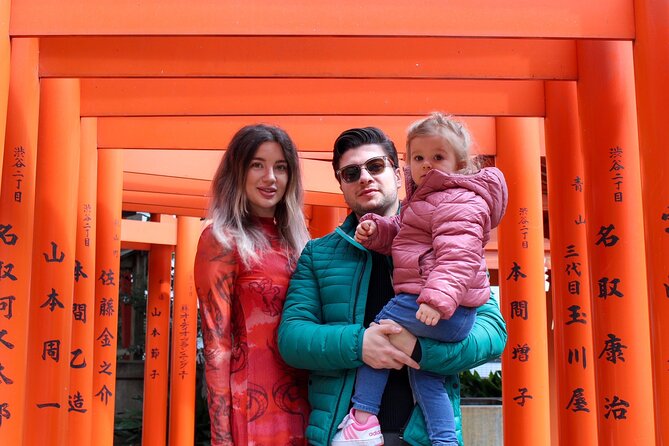
Takeshita Street is the quick, colorful counterpoint to Meiji Shrine. It is lined with youth fashion, pop culture shops, cafes, and snack spots, including the crepes and ice cream associated with the area.
The planned time here is only 15 minutes, so think of it as a look rather than a shopping session. The street can be crowded, and browsing even a few shops takes longer than you expect. If fashion, Japanese pop culture, or sweets are high on your list, ask for more time and remove a distant stop.
This is one of the tour’s useful contrasts. Within a short distance, you can move from a shrine path to a fashion street. A private guide can explain that shift and help you decide if Harajuku deserves more of your day.
Shinjuku Gyoen and a slower middle of the day
Shinjuku Gyoen National Garden gives you another break from Tokyo’s hard edges. Ponds, streams, bridges, and seasonal plants create a setting for a relaxed walk.
The suggested visit is about 15 minutes, which is brief for a large garden. You may see an appealing corner, but you will not cover the whole place. I would choose this stop only if gardens are a major interest or if you want a peaceful pause between busier districts.
The garden also makes a useful choice for families or mixed groups. Not everyone wants another shopping street or train transfer. A short garden walk can reset the pace before the next neighborhood.

Senso-ji and the old Tokyo of Asakusa
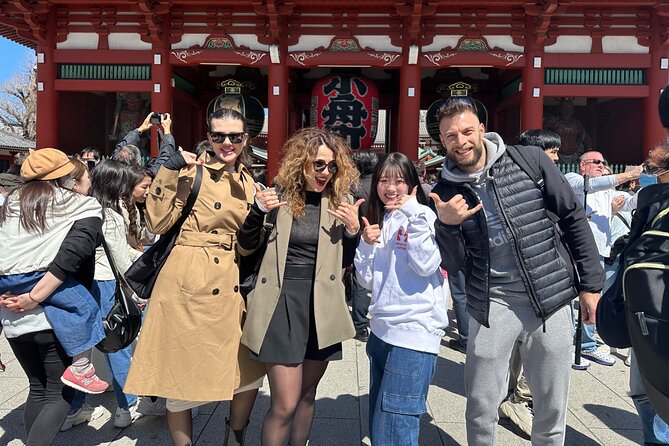
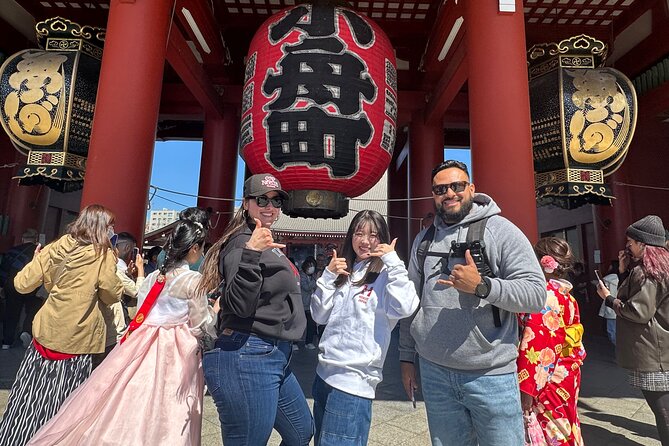
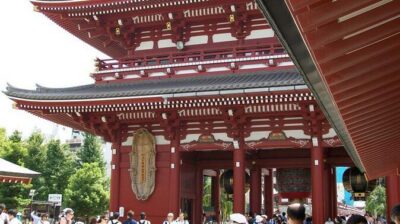
Senso-ji Temple in Asakusa is one of the strongest choices for a first-time orientation. Enter through the Thunder Gate, walk along the approach, and look at the stalls selling charms, souvenirs, and snacks. You can also draw a fortune slip.
The suggested time is 15 minutes, but this is another stop that can easily take longer. The approach is part of the experience, and the temple grounds reward a slower look. If you want to understand traditional Tokyo, I would choose Senso-ji over trying to squeeze in several distant areas.
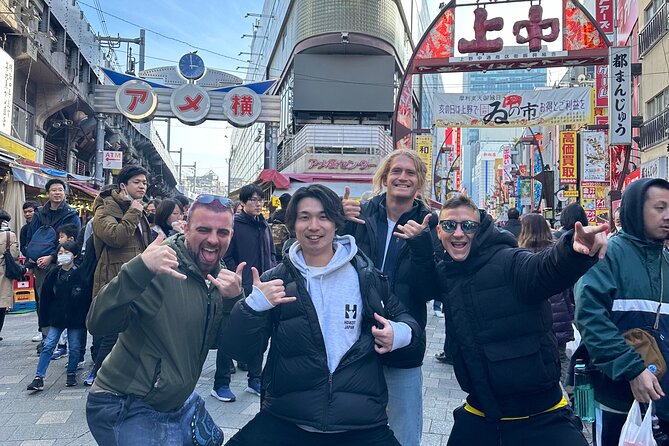
The private format helps here because you can ask questions at the moment they arise. Your guide can explain customs, point out details, and help you avoid treating worship spaces like ordinary attractions. The district also works well for families, as shown by Kanta’s outing that combined Tsukiji tastings, sushi and tempura, Senso-ji, and matcha.
Ueno Park and Ame Yoko for food and local texture
Ueno gives you a useful combination of open space and cultural sights. The park has seasonal plants and access to places such as Ueno Zoo and Tokyo National Museum. The suggested stop is 15 minutes, so you will mainly get a sense of the area unless you arrange a longer visit.
Nearby Ame Yoko offers a more crowded market-street feel. Stalls and small eateries sell food such as takoyaki, okonomiyaki, and skewers, along with clothing, small goods, and souvenirs. The Ame Yoko Center Building stop is also about 15 minutes.
Food is not included, but this is a good place to discuss what you want to try. A short snack stop can make the tour feel more personal, while a full meal will use a large share of your two to four hours. Lunch for you and your guide usually runs about 1,000 to 3,000 yen per person, and you pay for it separately.
Akihabara for electronics and anime culture
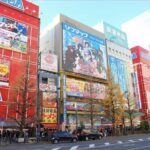
Akihabara is the right choice if your Tokyo plans center on electronics, anime, manga, or otaku culture. The main streets are lined with electronics shops and specialist stores, creating a very different mood from Asakusa’s temple approach or Ueno’s market lanes.
The planned time is 30 minutes. That is enough for an introduction and a few targeted stops, but not enough for serious shopping. If you are looking for a particular product, tell your guide in advance so the route can stay focused.
I would not add Akihabara simply because it is famous. Choose it if you genuinely want its shops and subculture. The private tour earns its keep here by helping you make sense of a district that can otherwise feel like a wall of signs and storefronts.
Tsukiji for seafood and a possible meal
Tsukiji Fish Market is a strong pick for anyone who wants food to shape the tour. The market area has seafood restaurants and shops selling ingredients, condiments, and souvenirs.
The suggested visit is 30 minutes. That works for a look around and a few tastings, but you should expect to pay for anything you eat. If your group wants sushi, seafood, or a sit-down meal, plan for the meal to take longer and trim the route elsewhere.
The private setting is especially useful for a food-focused outing because you can explain allergies, dislikes, budget, or curiosity. Kanta’s family tour paired Tsukiji tastings with sushi and tempura, showing how this kind of flexible planning can turn a quick market visit into the center of the day.
Odaiba and the modern waterfront
Odaiba is the most different setting on the list. This futuristic island has shopping centers, entertainment facilities, and Odaiba Seaside Park. You can walk, picnic, and look toward Rainbow Bridge, especially when the evening view is available.
The suggested time is only 15 minutes. That is too short for much more than a quick look, and reaching Odaiba can take valuable time from a short tour. Choose it if the waterfront, modern architecture, or shopping matters more to you than older Tokyo districts.
Because Odaiba is separate from most of the other stops, I would make it the main theme of the outing rather than an add-on. The same advice applies to any route that tries to combine far-apart areas.
What the guide adds to the day
The strongest part of this experience is the guide’s ability to adjust the day as you go. Yu has handled relaxed but organized outings and helped first-time visitors find their feet. Ayumi has guided both Golden Gai evenings and slower walks for someone dealing with a bad leg. Ikumi has led an Asakusa-focused outing, while Yu and Yohei have combined sightseeing with cultural explanation.
Those examples point to a useful feature: you are not locked into a single guide persona or a rigid script. You can state your pace and interests clearly. Families can balance parents’ temple interests with teenagers’ shopping or pop culture plans, as one family outing did.
Still, the quality of the day depends on communication. Give the guide a clear wish list, rank it, and mention mobility needs before you meet. Asking for a little of everything can produce a rushed route.
Price, transport, and what you actually pay
At about $105.71 per person, this is not the cheapest way to see Tokyo. The value depends heavily on group size and how much planning help you need.
For a private group, the price can make sense because you are paying for a custom route and direct attention rather than a fixed bus schedule. It is particularly useful on a first day, when a guide can help you understand Tokyo’s districts and public transportation.
The price does not cover train or other public transportation fares. Food and drinks are also extra, and there is no hotel drop-off. The tour usually involves walking, with some public transit, so comfortable shoes and a realistic route matter.
Pickup is offered, and you can arrange to meet at a preferred location. The usual end is back at the meeting point. Confirmation comes within 48 hours, subject to availability, and free cancellation is available up to 24 hours before the start time. Poor weather can lead to a new date or a full refund.
Who should book this Tokyo tour?
I would recommend it most strongly to first-time Tokyo visitors, families with mixed interests, and people who want help with local food or evening districts. It also suits anyone who prefers conversation and flexibility to a large group schedule.
You may not need it if you already know Tokyo’s train system, have a detailed route, and enjoy exploring alone. It is also a weak fit if you expect a private car or a full-day tour. This is a walking experience with public transit, not a chauffeur service.
For the best value, choose two nearby areas and one clear purpose. Shibuya, Yoyogi Park, Meiji Shrine, and Takeshita Street form a natural west Tokyo route. Senso-ji, Ueno, and Ame Yoko make a better old Tokyo day. Tsukiji deserves time for food, while Akihabara and Odaiba work best as focused themes.
Final call: book it for guidance, not for a checklist
Book this tour if you want a local person to shape Tokyo around your group, answer questions in real time, and help you move beyond the most obvious stops. The personal stories attached to guides such as Yu, Ayumi, and Kanta suggest particular strength with families, food outings, first visits, and slower-paced walks.
Skip it if you want to see all 11 places in one short session. Tokyo is too spread out for that to be pleasant. Pick a neighborhood focus, keep the route modest, and use the guide’s flexibility as the main reason to go.
FAQ
How long does the private Tokyo tour last?
The tour lasts approximately two to four hours. The exact length and route should be planned around your interests.
Where does the tour start?
The standard meeting point is Shibuya Station at 2 Chome-24, Shibuya, Tokyo 150-0002. An optional meeting point can be arranged at your desired location.
Is hotel pickup included?
Pickup is offered, but hotel drop-off is not included. You should confirm the preferred meeting location when arranging the experience.
Is transportation included in the price?
The tour is mainly a walking experience and may use public transportation. Transportation fees are not included in the tour price.
Are food and drinks included?
No. Food and drinks are paid separately. Lunch for you and your guide usually costs about 1,000 to 3,000 yen per person.
Can I cancel for a full refund?
Yes. You can cancel at least 24 hours before the experience start time for a full refund. If bad weather causes the tour to be canceled, you will be offered another date or a full refund.
More Private Tours in Tokyo

More tours in Tokyo we've reviewed





Private, compared.
 ★ 5.0Tokyo 6hr Private Tour with Government-Licensed GuideFrom $155
 ★ 5.0Private Tour to Mt. Fuji and Hakone (Fully Licenced Operator)From $497
 ★ 5.0Tokyo Customized Private Tour (Must See Places in 1 Day)From $145
 ★ 4.9Mount Fuji Full-Day Private Tour from Tokyo (Customizable)From $393
 ★ 4.8Tokyo: Private City Highlights Tour with Local GuideFrom $1064 - 8 hours
 ★ 5.0Private Custom Tour: Tokyo in a DayFrom $159