
Reviewed · TEA CEREMONY & MATCHA
Tea ceremony experience in Japanese-style room 60min
The best part of this experience is that you do not just sit and watch. In Wasako’s quiet Japanese-style room, you choose your own sweets and matcha bowl, learn why each object matters, then prepare your own tea. Ryouko and her assistants explain the ceremony in English or Japanese, with plenty of room for questions.
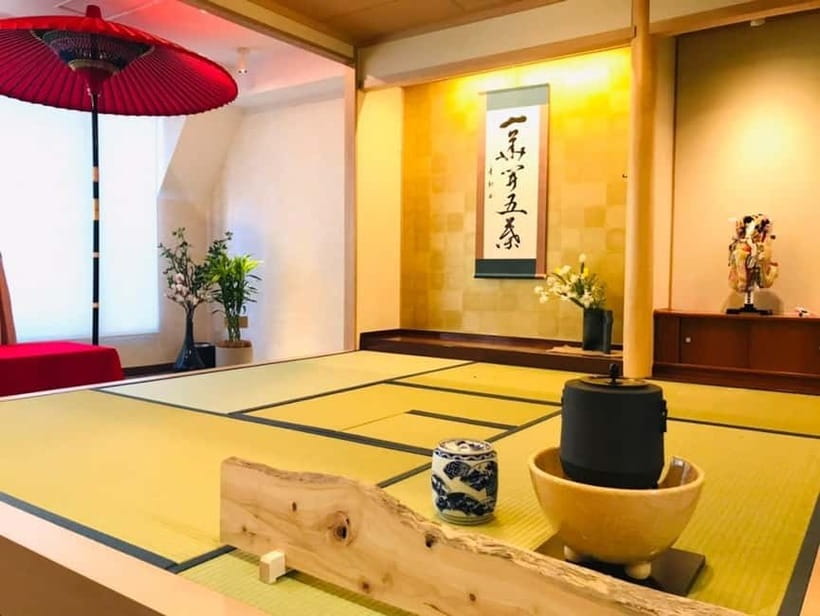
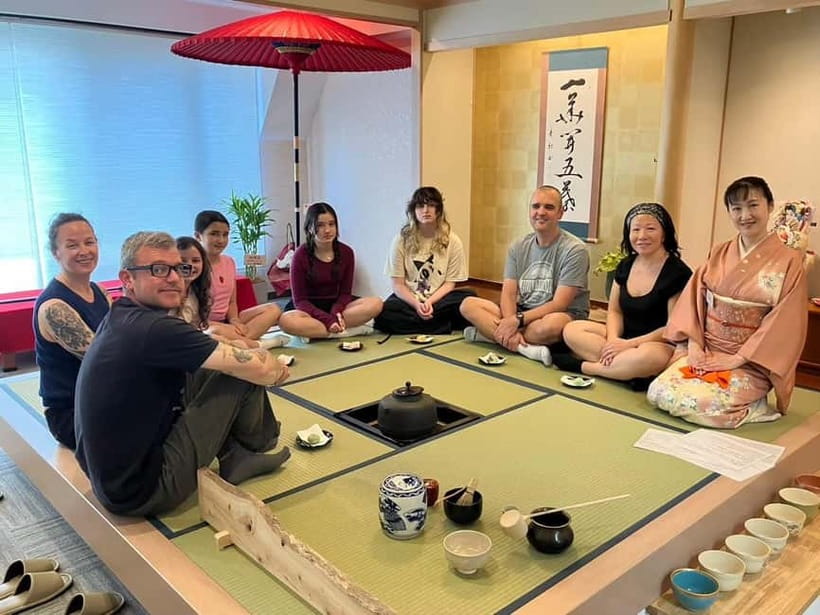
I like the personal scale, limited to seven people, and the chance to handle beautiful bowls with individual designs. I also like the setting: Charyo-Ichimatsu is a registered tangible cultural property, so the room and surrounding building provide far more atmosphere than a plain demonstration space.
The main thing to consider is timing. Although the experience is marketed as 60 minutes, the listed duration ranges from 45 minutes to four hours, and one booking finished in about 40 minutes including early arrival. If you want a long lesson, confirm the expected length before booking.
In This Review
- Key points to know before booking
- Entering Wasako near Asakusa
- Choosing the sweets and matcha bowl
- Watching the tea ceremony step by step
- Whisking your own matcha
- Kimono dressing and photo opportunities
- What the $45 price really buys
- How long to allow on your Tokyo schedule
- Who will enjoy this experience most
- Booking, cancellation, and useful planning notes
- Should you book the Wasako tea ceremony?
- FAQ
- Where does the tea ceremony take place?
- How do I reach the meeting point?
- What start times are available?
- How long does the experience last?
- What is included in the price?
- Do I need to bring socks?
- Is kimono rental included?
- Is the activity available in English?
- Can children or wheelchair users participate?
Key points to know before booking
- Choose your own bowl and sweet: Each matcha bowl has a different design, and its features are explained before use.
- Make your own matcha: You first watch the tea preparation, then learn the basic steps and whisk your own cup.
- Historic Asakusa setting: Wasako is inside Charyo-Ichimatsu, a registered tangible cultural property with many good photo spots.
- Small groups: The experience is limited to seven people, and solo bookings may sometimes receive very personal attention.
- Optional kimono photos: Several visitors added kimono dressing, with Ryouko and her assistant helping with the layers and taking photographs.
- Bring socks: Shoes are not allowed indoors, and socks are required if you step onto the tatami. Socks can be bought for 500 yen.
Entering Wasako near Asakusa
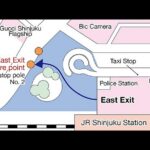
This tea ceremony takes place at Wasako, inside the Charyo-Ichimatsu restaurant. The location is about five minutes from Tawaramachi Station on the Tokyo Metro Ginza Line, using Exit 3. From Asakusa Station on the Toei Asakusa Line, allow about ten minutes from Exit A4.
The directions deserve a little care. One booking found the signs vague, so give yourself time to look for green signs marked Tea ceremony experience. The room is on the fifth floor, two doors to the right of the kimono rental area, with an incense-shop door nearby. The location is also described as virtually opposite Asakusa Station Exit 4, so checking the exact meeting instructions before you leave your hotel is sensible.
You remove your shoes before entering. You cannot wear shoes indoors, and socks are needed if you go onto the tatami. This is easy to forget during a busy Tokyo day, so put a clean pair in your day bag. If you arrive without socks, the venue sells them for 500 yen.
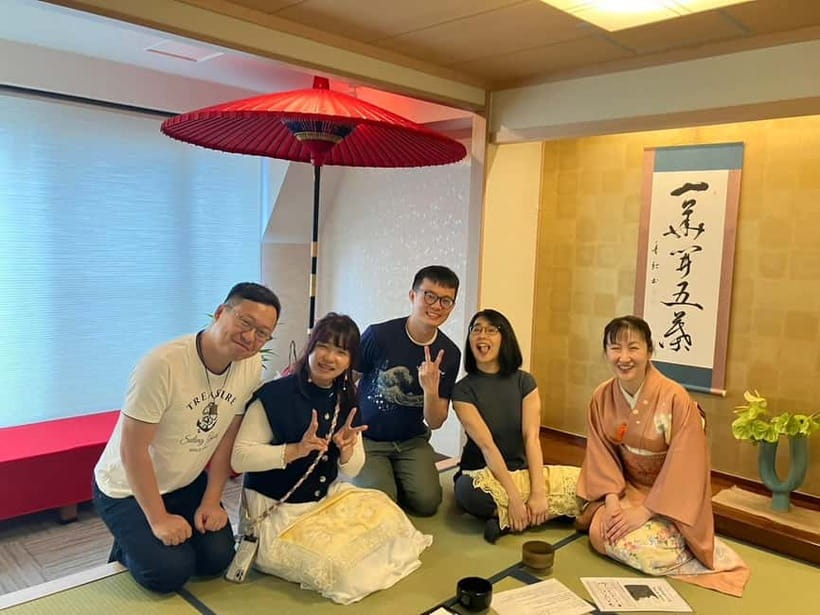
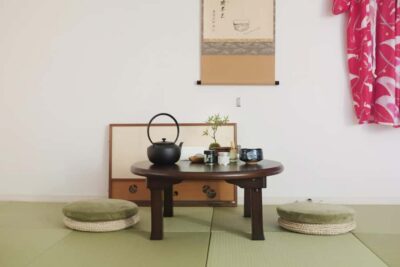
The room is part of a building recognized as a registered tangible cultural property in Japan. That designation matters here because the architecture is part of the experience, not just a backdrop. You get the hushed feel of a traditional room, furnishings arranged with care, and several places where the staff can take photographs.
A few more Tokyo tours and experiences worth a look

Choosing the sweets and matcha bowl
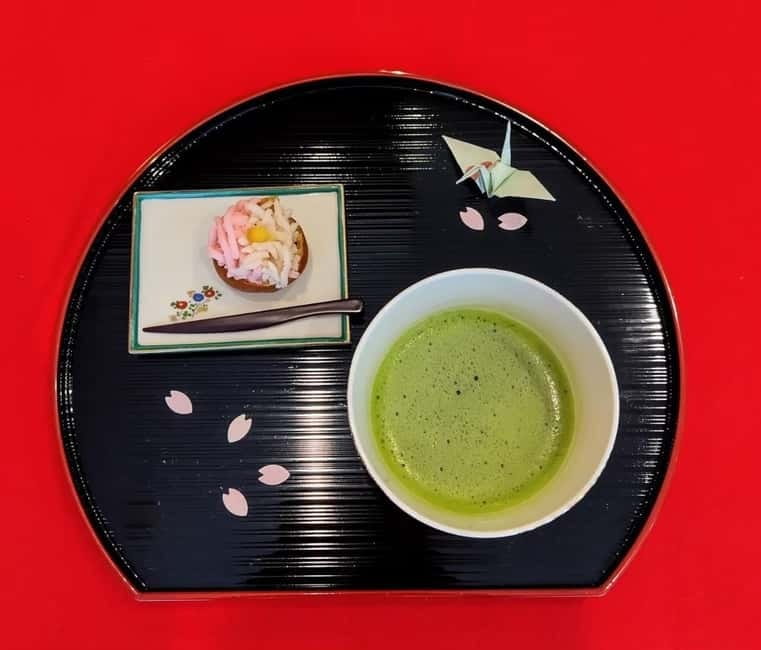
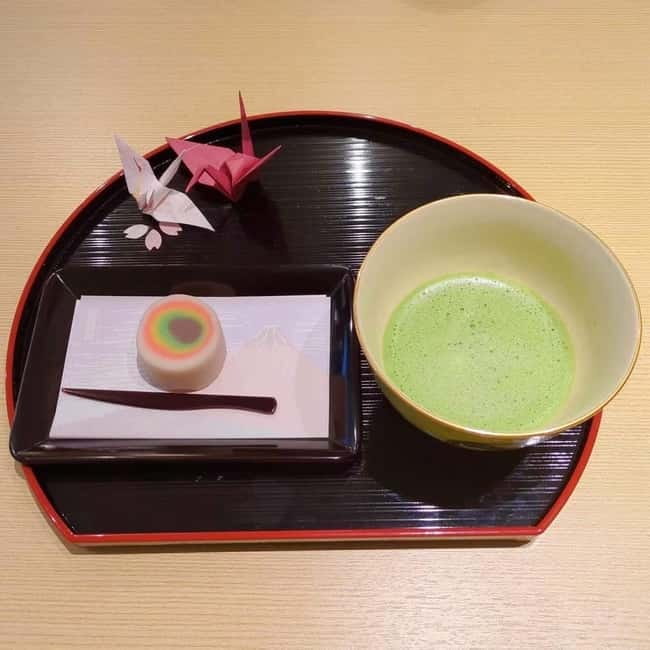
Before the ceremony begins, you select the Japanese sweet you will eat with the tea and choose the matcha bowl for your serving. This simple choice gives you a small role from the start.
The bowls are not identical props. Each has its own design, and the host explains them individually. That detail helps you notice the shape, decoration, and character of an object that could otherwise seem like just another ceramic cup. I find this kind of explanation useful because Japanese tea culture places value on the tools as well as the drink.
The sweet is served with the matcha because its flavor balances the tea’s strong, grassy bitterness. Eat it as directed before drinking the matcha, and the contrast will make more sense. The sweets are included in the $45 price, along with matcha and both the demonstration and hands-on preparation.
This is also a good moment to tell the host if you have questions. English and Japanese instruction is available, and the group size allows for a more direct exchange than a large cultural show. Ryouko is often singled out for her warmth, patience, and clear explanations, while assistants such as Akiko may help with dressing and photographs.
Watching the tea ceremony step by step
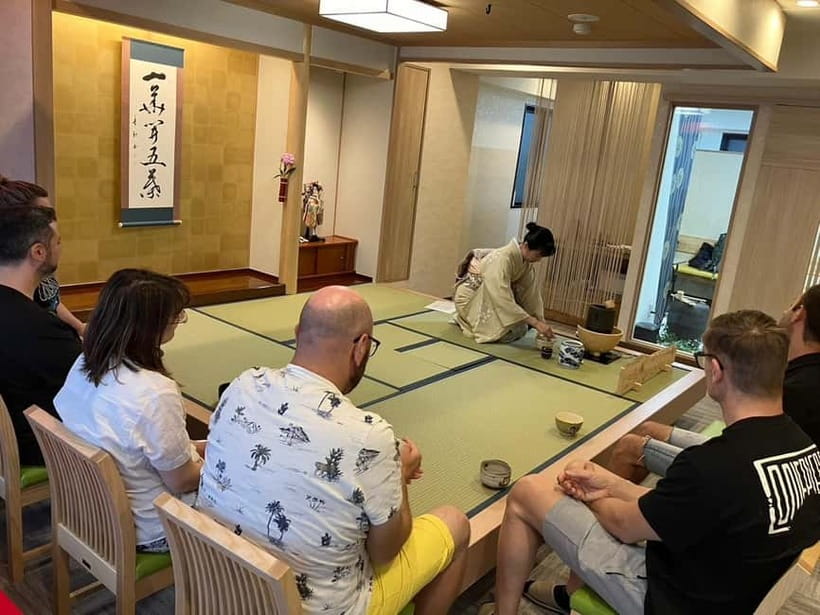
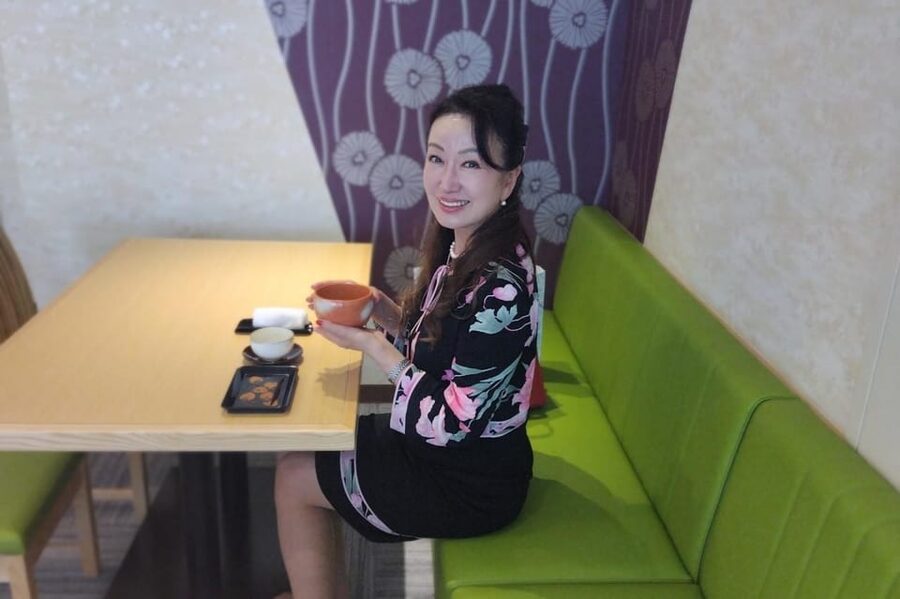
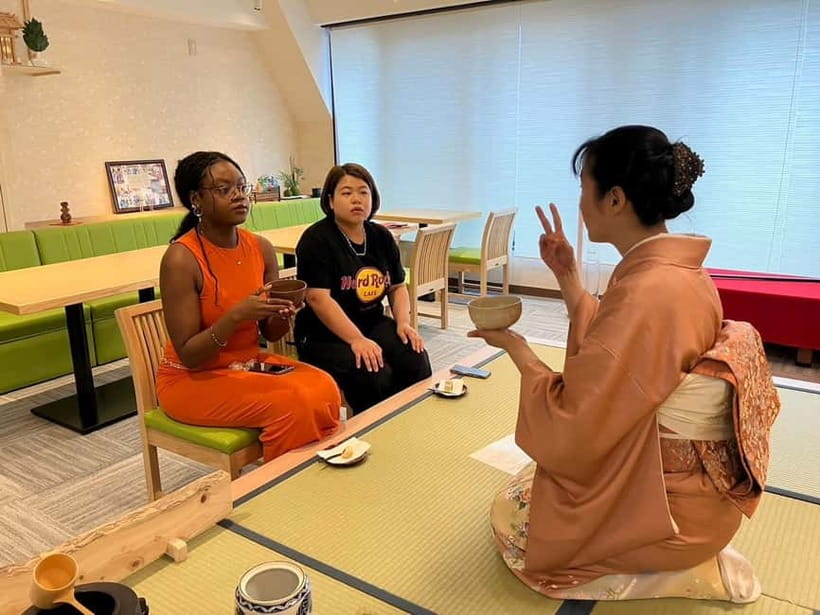
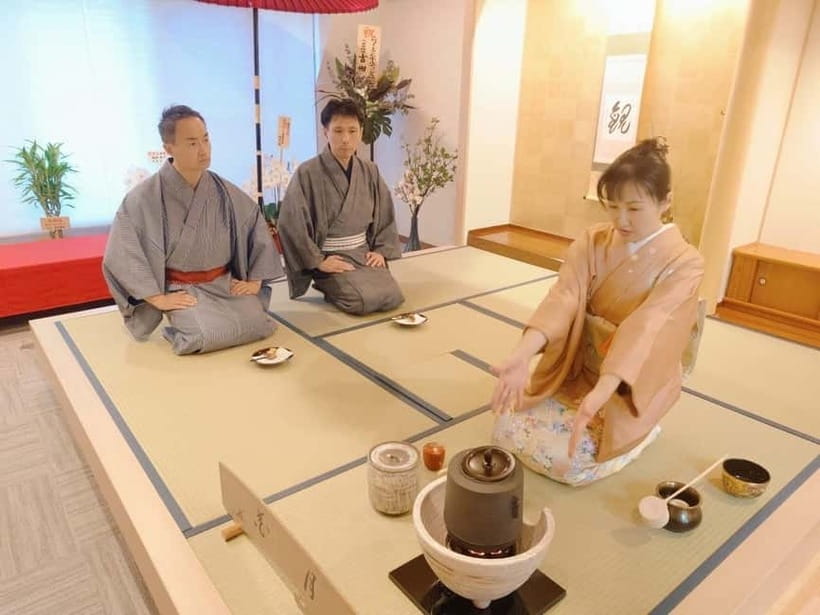
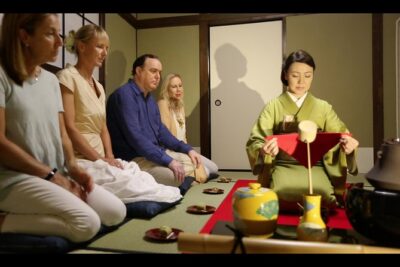
The demonstration is the calm center of the experience. You watch the host prepare and serve matcha while she explains the meaning behind the movements, the utensils, and the order of events.
The point is not speed. Every action has a place, and the careful handling of the bowl and tools gives the ceremony its quiet rhythm. You may also hear about the hanging scroll, room furnishings, and the development of the tea ceremony in Japan. The amount of explanation can vary, so if you want more background, ask questions as the demonstration continues.
You can enjoy the sweet and drink the prepared matcha during this portion. The atmosphere is peaceful, with the traditional room, lighting, furnishings, and sounds doing much of the work. Several people found the setting particularly calming, making this a useful pause after Tokyo sightseeing.
Photography is allowed, and the staff may take photographs for you during the ceremony. You should still follow the host’s guidance so cameras do not interrupt the ritual. The picture-taking is one of the experience’s strongest practical features, especially if you are visiting as a couple or family and want photographs with everyone in the frame.
Whisking your own matcha
After watching, you get to prepare your own cup. The host teaches the basic process and guides you through the tools and movements. You are not expected to arrive with prior tea knowledge, and the lesson is designed for beginners.
Making the tea yourself changes the experience. You feel the texture of the powder, learn how the whisk is used, and gain a clearer sense of why the host’s movements looked so precise. Your cup may not look exactly like the demonstration, but that is part of the fun. The goal is to understand the method and participate respectfully, not pass a test.
Ryouko’s teaching style appears especially suited to first-time visitors. She is described as patient and eager to explain Japanese culture, while the small group format gives you a chance to ask about the tools or repeat a step if needed. If you are alone, you might even have the room largely to yourself, which can make the lesson feel more like a private introduction than a scheduled group event.
Parents should note the age rule. Children under six are not suitable for this activity. Older children and teenagers can take part, and the experience has worked well for families with teenagers and adult children.
Kimono dressing and photo opportunities
Kimono dressing is not included in the stated tea ceremony price, but several bookings added it and considered it worthwhile. Ryouko and her assistant can lay out a selection of kimonos, help you choose, and dress you in the many layers.
This add-on turns the visit into a small cultural photo session. The traditional clothing fits the room, the tea tools, and the historic building, so you can take photographs that feel tied to the experience rather than simply posing in a rental shop.
The staff may also take photos throughout the ceremony. That is useful if you are visiting alone, as one person specifically appreciated being able to take and receive photographs while attending the class. You are also allowed to film and take your own pictures, according to the information provided.
Do not assume kimono rental is part of the $45 charge. Ask about its current price and availability when booking. It is best viewed as an optional extra for someone who values photographs and traditional dress, not as a requirement for enjoying the tea lesson.


What the $45 price really buys
At $45 per person, this is not the cheapest way to drink matcha in Tokyo. You can find tea and sweets elsewhere for less. The value here comes from the guided cultural context, access to a traditional room, the ability to choose your bowl, and the chance to make the tea yourself.
The small group limit also matters. With no more than seven participants, the host can explain the bowls, answer questions, and help with the whisking process. A private or nearly private session may offer especially good value for someone who wants personal instruction.
The price includes tea sweets, matcha, the demonstration, and your own preparation. It also includes the chance to take many photographs, although optional kimono dressing may cost extra. If your main goal is a formal, lengthy ceremony with extensive historical teaching, the value is less certain. One booking found the session shorter than expected and wanted more background for the price.
For most first-time visitors, I would judge the price fair if you care about participation and atmosphere. You are paying for a short cultural lesson in a historic setting, not just a bowl of tea. Just confirm the length if you need a full 60-minute session.
How long to allow on your Tokyo schedule
The experience lists a duration range of 45 minutes to four hours, which is unusually broad. Four start times are offered: 10:00, 11:30, 13:30, and 15:00.
The title describes a 60-minute tea ceremony, but the practical duration may be closer to 45 minutes. One booking reported finishing after about 40 minutes, including an early arrival. That does not make the experience poor, but it does mean you should not build an entire afternoon around the class unless you have confirmed the schedule.
The 10:00 and 11:30 sessions fit well before lunch in Asakusa. The 13:30 and 15:00 options work nicely after visiting nearby sights, though you should allow time to find the entrance and remove your shoes. A late afternoon session may be especially pleasant if you want a quiet break before dinner.
Because the venue is near Tawaramachi and Asakusa stations, it is easy to pair with other Tokyo plans. Keep your schedule flexible enough to allow for the tea lesson, photographs, and any kimono dressing.
Who will enjoy this experience most
I would recommend this to you if you want more than a quick cultural photo stop. It suits first-time visitors who are curious about Japanese customs, couples who want a calm activity, solo visitors who appreciate direct instruction, and families with children over six.
It is also a good match for anyone who enjoys small details. The bowl designs, sweets, utensils, scrolls, furnishings, and precise movements all reward close attention. You do not need to be a tea enthusiast. Curiosity is enough.
The experience is less suitable if you dislike sitting on traditional flooring, cannot remove your shoes, or need wheelchair access. Wheelchair users are specifically listed as unable to take part. Bring socks, and dress in a way that makes removing footwear easy.
If you want a large performance with many participants and a set script, this may feel too intimate. If you want a long academic lecture, the available instruction may feel brief. The strongest fit is someone who wants a gentle introduction with hands-on practice and photographs.
Booking, cancellation, and useful planning notes
You can reserve now and pay later, which helps if your Tokyo schedule is still changing. Free cancellation is available up to 24 hours in advance for a full refund. A cancellation the day before carries a 50 percent fee, while cancellation on the day costs the full amount.
The listed language options are English and Japanese. The group is limited to seven participants. Start times are 10:00, 11:30, 13:30, and 15:00, but check availability because the broader duration listing can change how you plan the day.
I would arrive early, particularly because the entrance signs may not be obvious. Have socks ready, confirm whether you want kimono dressing, and ask how long your particular session is expected to last.
Should you book the Wasako tea ceremony?
Book it if you want to make your own matcha, learn the meaning behind the ceremony, and enjoy a traditional room near Asakusa. The friendly guidance, small group size, bowl selection, sweets, and staff photographs give the experience more substance than a simple tea tasting.
I would be more cautious if you expect a full hour every time or want an extended lecture on tea history. The session may finish in about 40 to 45 minutes, and one person felt the price did not match the short duration.
For a first taste of Japanese tea culture, especially with optional kimono dressing, this is a strong choice. Bring socks, allow extra time to find the entrance, and treat the ceremony as a focused cultural pause rather than a long formal performance.
FAQ
Where does the tea ceremony take place?
It takes place in the Japanese-style room of Wasako, inside the Charyo-Ichimatsu restaurant in Honshu, Japan.
How do I reach the meeting point?
The venue is about five minutes from Tawaramachi Station, Exit 3, on the Tokyo Metro Ginza Line. It is about ten minutes from Asakusa Station, Exit A4, on the Toei Asakusa Line.
What start times are available?
The listed start times are 10:00, 11:30, 13:30, and 15:00. Check availability because the exact duration can vary.
How long does the experience last?
The advertised duration ranges from 45 minutes to four hours, while the experience title describes 60 minutes. One booking finished in about 40 minutes including early arrival, so confirm the expected length when reserving.
What is included in the price?
The $45 per person price includes Japanese tea sweets, matcha green tea, watching the demonstration, making your own matcha, and opportunities to take photographs.
Do I need to bring socks?
Yes. Shoes are not allowed indoors, and you need socks if you step onto the tatami. If you do not have socks, they can be purchased for 500 yen.
Is kimono rental included?
Kimono dressing is not listed among the included services. It may be available as an optional addition, so ask about it when booking.
Is the activity available in English?
Yes. Instruction is offered in English and Japanese.
Can children or wheelchair users participate?
Children under six are not suitable for the activity. Wheelchair users are also listed as unable to participate.
More Tea Ceremony & Matcha in Tokyo

More tours in Tokyo we've reviewed







Tea Ceremony & Matcha, compared.
 ★ 5.0Matcha Making Class in Tokyo with Authentic Japanese Sweets SetFrom $21
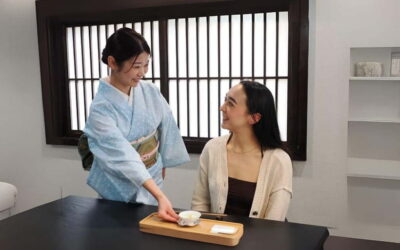 ★ 5.0Tokyo: Traditional Tea Ceremony with a Tea MasterFrom $381 hour
 ★ 4.5Dynamic Tokyo: Tokyo Tower, Tea Experience, Bay Cruise Day TourFrom $99
 ★ 4.9Tokyo: Matcha Making Experience with Mochi Sweets in AsakusaFrom $221 hour
 ★ 4.7Tokyo: Matcha and Kimono ExperienceFrom $57
 ★ 5.0Tea Ceremony Workshop in Tokyo by the Experienced InstrucorFrom $38