
Reviewed · SHIBUYA TOURS
Shibuya Electric Bike Tour of Tokyo’s Most Expensive Neighborhood
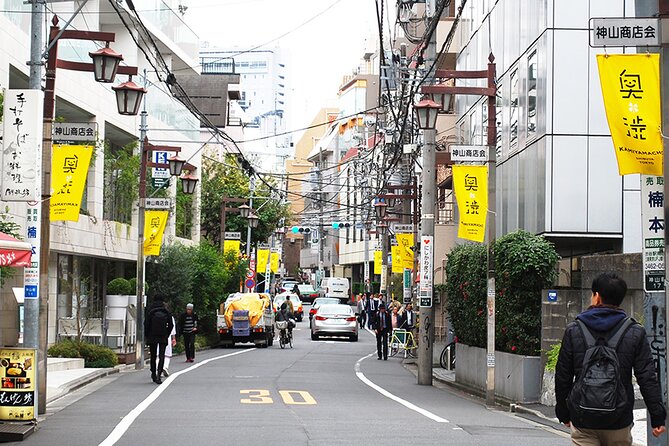
Just minutes from Shibuya Crossing, this small-group e-bike tour takes you into Shōtō, Komaba, Tomigaya, and Yoyogi, where quiet lanes replace giant screens and packed sidewalks. I like the mix of local culture and everyday Tokyo life: you visit Yoyogi-Hachimangu Shrine, then stop for coffee and an egg sandwich made by a former sushi chef.
I also like the pace. The electric bikes cover more ground than a walking tour without turning the outing into a race. The possible drawback is that food and drinks cost extra, and the tour depends on good weather. Some guests specifically praised guide Leo and the easy-to-ride bikes, but guide assignments can vary.
In This Review
- Key points to know before booking
- Leaving Shibuya for quieter Tokyo
- Nabeshima Shōtō Park and Tokyo’s toilet design
- A quiet pause at the Former Marquis Maeda Teahouse
- Tomigaya’s small shops and local texture
- Yoyogi-Hachimangu Shrine and basic Shinto manners
- Coffee in Yoyogi, from Little Nap to CAMELBACK
- Yoyogi Fukamachi Mini Park and smart public facilities
- What the ride feels like in practice
- Why the six-person limit improves the tour
- Who will get the most from this Tokyo bike tour
- Price, timing, and cancellation details
- Should you book the Shibuya e-bike tour?
- FAQ
- Where does the Shibuya e-bike tour begin?
- Where does the tour finish?
- How long does the tour last?
- What is included in the price?
- Are food and drinks included?
- How many people can join the tour?
- Can I cancel for a full refund?
Key points to know before booking
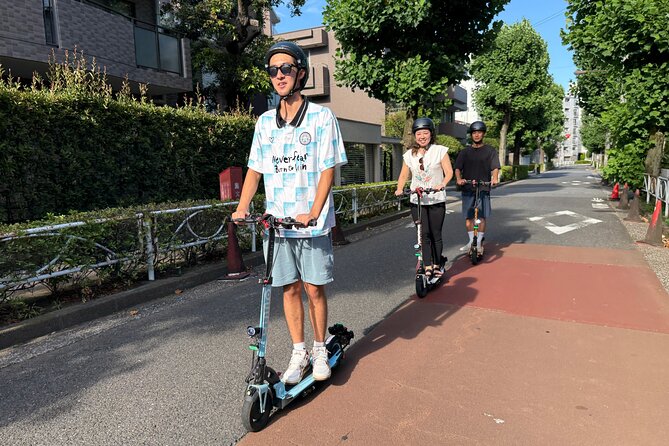
- Small group, maximum six people: You get a more personal ride than on a large bus or walking tour.
- Seven distinct stops: The route combines parks, a teahouse, a shrine, cafés, a vintage shop, and Tokyo’s unusual public toilet designs.
- Pedal-assisted e-bikes included: You ride an electric bike with pedals rather than relying on a motorized scooter.
- Shōtō and Yoyogi feel far removed from central Shibuya: The route shows quiet residential streets just minutes from the famous crossing.
- Food is not included: Coffee, bakery items, and the signature egg sandwich are available during breaks, but you pay separately.
- Weather matters: You can cancel for a full refund up to 24 hours ahead, but poor weather may also cause the operator to reschedule or cancel.
Leaving Shibuya for quieter Tokyo
The tour begins at Liquor Shop Matsumoto in Shibuya’s Maruyamachō area. That starting point places you close to the famous center of Shibuya, but the route quickly shifts toward streets that most first-time visitors skip.
I like this contrast. You do not spend two and a half hours circling the same neon district. Instead, the ride shows how quickly Tokyo changes from major commercial center to calm residential neighborhood.
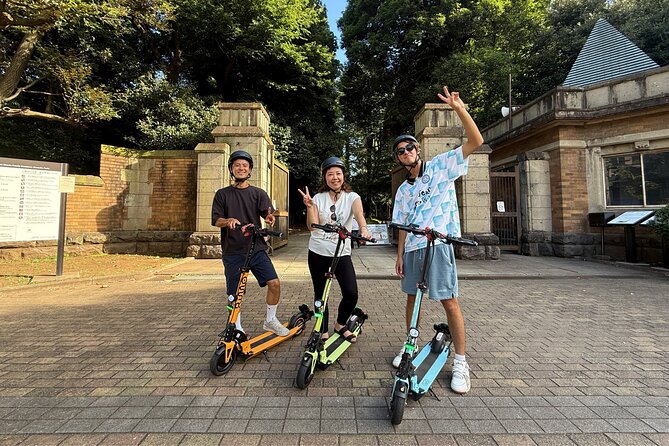
The e-bike matters here. Tokyo is spread out, and the distance between Shibuya, Shōtō, Tomigaya, and Yoyogi is manageable on two wheels but less appealing on foot, especially if you want several stops. Pedal assistance should make the ride easier, though you still need to be comfortable cycling in an urban setting.
The group is limited to six people. That is a useful size for a guide who needs to explain shrine manners, answer questions, and keep everyone together. It also means the outing feels closer to a local orientation than a standard city sightseeing circuit.
The advertised price is $52.03 per person. For 2 hours and 30 minutes, the value comes from the bike, guide, and access to several areas that are awkward to link by public transportation in a short period. Just remember to budget separately for coffee, snacks, and tips.
A few more Tokyo tours and experiences worth a look

Nabeshima Shōtō Park and Tokyo’s toilet design
The first stop is Nabeshima Shōtō Park, with about 10 minutes set aside for a look around. The park offers a gentle introduction to the quieter side of Shibuya and a chance to hear about the area’s past before the route moves on.
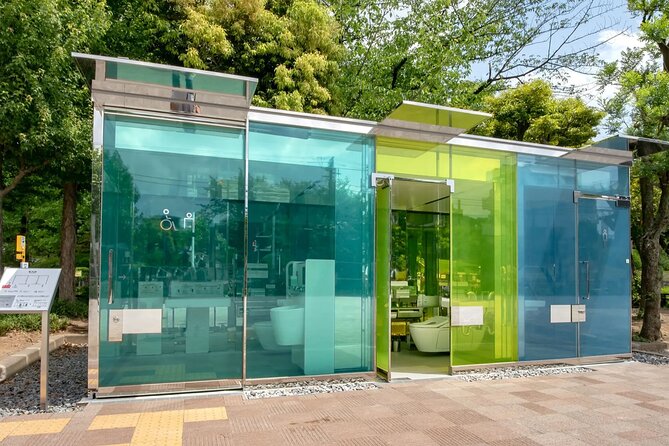
A particular feature here is a public toilet designed by a world-known Japanese architect. Tokyo has given unusual attention to public toilet design, and this stop puts that idea into a real neighborhood setting rather than presenting it as a museum display.
Ten minutes is brief, so I would treat this as a photo and orientation stop, not a long park visit. If public architecture interests you, listen closely to the guide’s explanation and take a moment to notice how an ordinary civic facility can become part of a city’s visual identity.
A quiet pause at the Former Marquis Maeda Teahouse
The Former Marquis Maeda Teahouse receives the longest visit, about 30 minutes. You leave the bikes and walk into a classic Japanese teahouse, where the mood changes from urban movement to quiet rooms and traditional design.
This is one of the tour’s strongest stops because it gives the route a cultural pause. The experience is not only about seeing where Tokyo residents eat and drink today. You also get a sense of older forms of Japanese hospitality and architecture.
Admission to the teahouse is included, which helps the tour’s value. The stop may appeal most if you want more than café hopping and city streets. At the same time, the itinerary does not mention a tea ceremony, tea tasting, or a formal meal, so you should book it for the setting and atmosphere rather than expect a scheduled cultural performance.
Tomigaya’s small shops and local texture
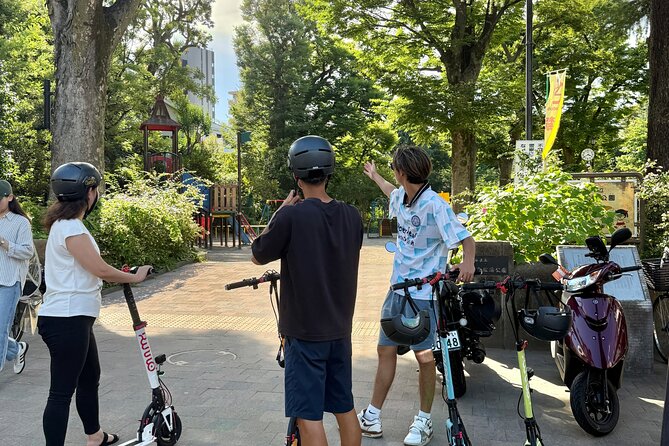
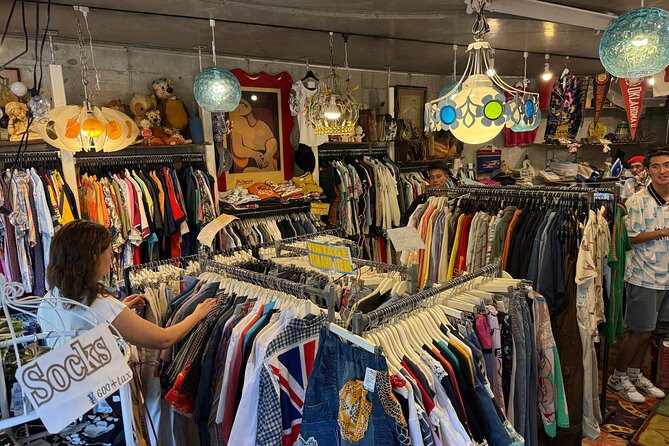
The ride continues toward Tomigaya and Panamaboy Co., Ltd., a cozy vintage thrift and accessories shop. The planned stop lasts about 10 minutes.
This is a small detail, but it helps the route feel connected to real neighborhood life. You are not only moving from landmark to landmark. You get a glimpse of the independent shops that give areas like Tomigaya their character.
Ten minutes is enough for a quick look, but not a long shopping session. If you enjoy browsing vintage goods, you may want to keep expectations modest. The point is the setting and the kind of shop you might miss if you stayed on Shibuya’s main streets.
Yoyogi-Hachimangu Shrine and basic Shinto manners
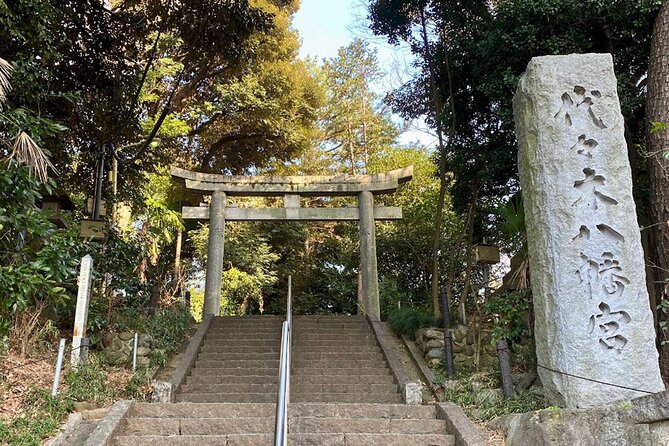
At Yoyogi-Hachimangu Shrine, you spend about 20 minutes walking with the guide. The guide explains Shinto, Japan’s ancient religious tradition, along with the manners used when visiting a shrine.
This is valuable because shrine visits can be confusing if you do not know what the water basin, torii gate, offerings, and bows mean. A short explanation helps you approach the site with respect instead of treating it as a backdrop for photos.
The shrine also reinforces the route’s main idea: central Tokyo contains quiet places of worship tucked among homes, cafés, and modern buildings. You can see traditional structures beside sleek minimalist architecture in the surrounding Yoyogi and Yoyogi-Uehara areas.
The visit is not a full religious tour, and 20 minutes will not cover every detail. Still, it is a practical introduction, especially if you plan to visit other shrines during your time in Japan.
Other cycling tours in Tokyo

Coffee in Yoyogi, from Little Nap to CAMELBACK
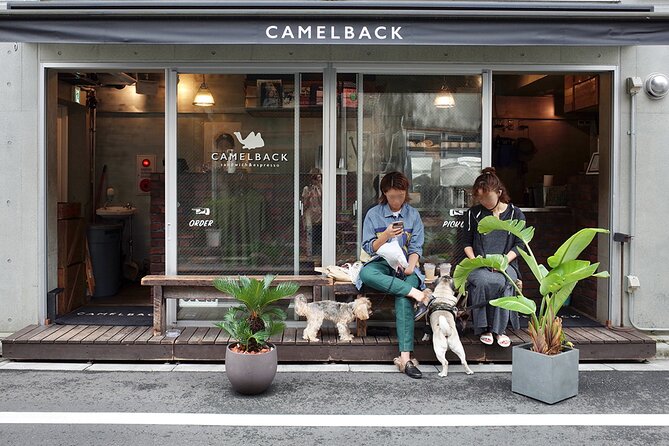
The itinerary includes two café breaks, which make the ride feel relaxed rather than packed with nonstop sightseeing.
Little Nap Coffee Stand receives about 15 minutes for a quick coffee break. This is a chance to sit briefly, ask the guide questions, and take in the local café scene. Food and drinks are not part of the tour price, so bring a little extra money if you want to order.
Later, at CAMELBACK sandwich&espresso, you can try the signature egg sandwich made by a former sushi chef. That detail gives the stop a distinctly Tokyo flavor: familiar café food shaped by Japanese technique and taste.
Again, the scheduled 15 minutes is short. You should think of these as quick refreshment stops, not leisurely café meals. If you want both coffee breaks, keep the group’s timing in mind and order efficiently.
I like having two café visits because they break up the cultural stops. The route does not present Tokyo as only temples and old buildings. It also shows the contemporary food and coffee culture that makes neighborhoods such as Yoyogi and Tomigaya appealing.
Yoyogi Fukamachi Mini Park and smart public facilities
At Yoyogi Fukamachi Mini Park, the group spends about 10 minutes seeing Japan’s first public toilet using light control film. A button changes the glass from transparent to opaque.
It is an odd but memorable stop. The feature turns a basic public facility into a small lesson in design, privacy, and technology. It also fits with the earlier toilet stop at Nabeshima Shōtō Park, creating a loose theme that runs through the ride.
Some people may find two public toilet stops too niche. I see them as a good choice if you enjoy modern architecture and the clever details that often get ignored on standard sightseeing routes. If your main goal is famous temples or sweeping city views, these stops may feel less important.
What the ride feels like in practice
The electric bikes have pedals, and one guest described the bikes as easy to ride. That is encouraging for anyone who wants to cover Tokyo by bike but does not want a demanding cycling workout.
Still, an e-bike is not a sightseeing bus. You need to ride, follow the guide, and stay aware of the route. The tour information says most people can participate, but it does not provide specific details about bike fitting, helmets, age limits, or accessibility. If any of those points matter to you, ask the operator before booking.
The ride lasts approximately 2 hours and 30 minutes. That is long enough to see several districts, but short enough to fit into a busy Tokyo itinerary. You finish back at the meeting point, which makes it easier to plan another activity afterward.
The route includes some walking at the teahouse, shrine, and shops. Comfortable clothing and shoes make sense, though the supplied details do not specify a dress code or required equipment beyond the included bike.
Why the six-person limit improves the tour
A maximum of six people is one of the most useful details here. In a large group, a guide has to repeat explanations and stop often to count heads. A small group can pause at a shrine, fit into a tiny shop, or ask about a local custom without creating much fuss.
The personal feel came through strongly in the feedback. One guest described the outing as spending time with a local friend, while another praised the good conversation throughout the ride. That matters because this tour is built around neighborhoods rather than headline sights.
Guide Leo received particular praise for making the ride enjoyable and for explaining the places along the route. You should not assume Leo will lead every departure, but his name is worth noting if you see him listed for your chosen date.
Who will get the most from this Tokyo bike tour
I would choose this tour if you have already seen, or plan to see, the major Shibuya sights and want a different view of the district. It suits you if you enjoy small cafés, neighborhood architecture, public design, shrines, and short cultural stops.
It is also a good fit for a first visit. The guide helps you understand shrine manners and points out districts you may not find easily on your own. The e-bike lets you connect several areas in one outing without spending the whole morning on trains.
I would hesitate if you want a long food tour, a formal tea ceremony, or a major list of Tokyo landmarks. The café breaks are short, food costs extra, and the attractions are deliberately modest. This is a neighborhood ride, not a greatest-hits tour.
The experience may work well for couples, friends, and families with participants who can ride an e-bike. Group discounts may be available, and mobile tickets make booking simple. The tour is near public transportation, but the exact best route to the meeting point is not provided, so check your map before departure.
Price, timing, and cancellation details
At $52.03 per person, the cost is reasonable if you value the bike and the guide. You are paying for access to a compact route that links several districts, plus admission to the Former Marquis Maeda Teahouse.
The price is less attractive if you plan to skip the café stops and do not care about architecture or neighborhood details. The free admission at most stops keeps extra costs down, but you still need money for coffee, snacks, the egg sandwich, and gratuities.
This outing is often booked about 130 days ahead, which suggests you should reserve early if your Tokyo dates are fixed. Confirmation arrives at booking, and you can cancel for a full refund up to 24 hours before the start time. Changes made inside that 24-hour window are not accepted, and late cancellations are not refunded.
Because the ride requires good weather, a poor forecast can change your plans. If the operator cancels for weather, you are offered another date or a full refund.
Should you book the Shibuya e-bike tour?
Book it if you want to trade Shibuya’s famous crowds for quiet streets, local cafés, a shrine, a traditional teahouse, and unusual public design. The small group, pedal-assisted bikes, and guide-led explanations give you a practical way to see several lesser-known parts of Tokyo in one morning or afternoon.
Skip it if you want a full meal, a long shrine visit, or a formal tea experience. For most curious visitors, though, the $52.03 price is fair, especially if you enjoy seeing how ordinary neighborhoods fit beside Tokyo’s major attractions. Bring extra money for food, watch the weather, and reserve early for the best chance of getting the date you want.
FAQ
Where does the Shibuya e-bike tour begin?
The tour begins at Liquor Shop Matsumoto, located in Maruyamachō, Shibuya, Tokyo 150-0044.
Where does the tour finish?
The activity ends back at the meeting point.
How long does the tour last?
The tour lasts approximately 2 hours and 30 minutes.
What is included in the price?
The price includes a pedal-assisted electric bike, an English-speaking guide, and admission to the Former Marquis Maeda Teahouse.
Are food and drinks included?
No. Food and drinks are not included, so you pay separately for coffee, snacks, and items such as the egg sandwich at CAMELBACK.
How many people can join the tour?
The tour has a maximum of six participants.
Can I cancel for a full refund?
Yes. You can cancel at least 24 hours before the experience start time for a full refund. Poor weather may lead to a different date or a full refund from the operator.
More E-Bikes in Tokyo
More Cycling Tours in Tokyo
More Shibuya Tours in Tokyo


More tours in Tokyo we've reviewed









Shibuya Tours, compared.
 ★ 5.0Official Street Go-Kart in ShibuyaFrom $76
 ★ 4.9Tokyo: Street Kart Experience in ShibuyaFrom $741 hour
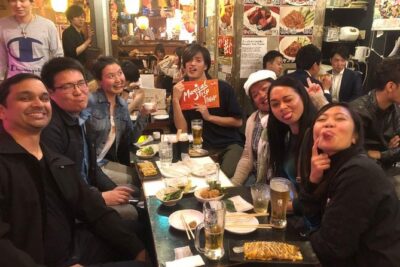 ★ 5.0Shibuya Meltdown Nightlife Tour: All-You-Can-Drink Bar HoppingFrom $106
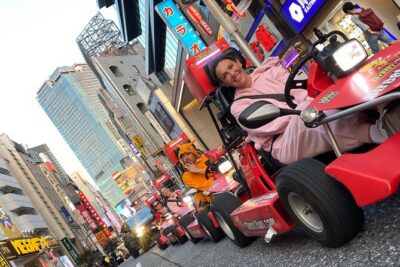 ★ 5.0Shibuya Official Street Go-Kart in Shibuya AnnexFrom $69
 ★ 5.0Tokyo: Shibuya Food Tour (13 dishes and 4 Eateries)From $77
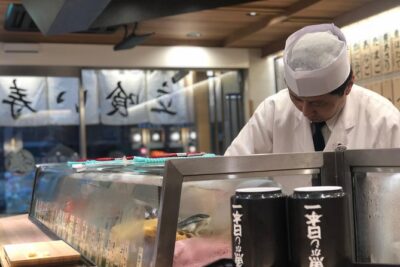 ★ 5.0Best of Shibuya Food TourFrom $217