
Reviewed · WORKSHOPS
Japanese Cooking and Udon Making Class in Tokyo with Masako
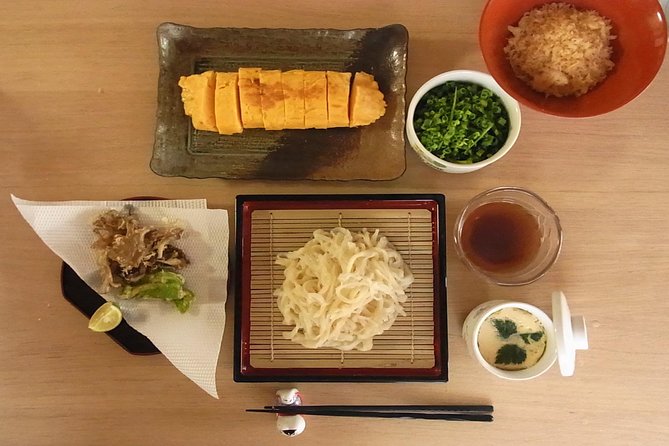
Fresh udon dough, a hot pan of tempura, and a Japanese omelet made in a home kitchen are the heart of this Tokyo experience. Masako teaches you practical techniques, from choosing flour and measuring water to kneading, resting, flattening, and cutting the noodles. I especially like the private format and the chance to eat everything you prepare.
I also like the personal touches: green tea on arrival, drinks with the meal, and your name written in Japanese calligraphy to take home. The main consideration is location. You’ll travel to Senju in Adachi City, north of central Tokyo, and Masako speaks limited English, so a translator is present.
In This Review
- Key things to know before booking
- A home kitchen class with more than one dish
- Arrival with green tea and Kanji calligraphy
- Kneading udon dough the traditional way
- Tamagoyaki and tempura add variety
- Sitting down to a multi-course Japanese meal
- The calligraphy finale and personal gifts
- Getting to Senju in Adachi City
- What the $142 price includes
- Who will enjoy this class most
- A few practical limits to keep in mind
- Should you book Japanese Cooking and Udon Making with Masako?
- FAQ
- How long does the cooking class last?
- Where does the class take place?
- Is this a private cooking class?
- What food will I learn to make?
- Are ingredients included?
- Are drinks included?
- Can children attend?
Key things to know before booking
- Make udon from scratch: Learn the full process, including kneading, resting, rolling, and cutting the dough.
- Cook several Japanese dishes: The class can include udon, tamagoyaki, tempura, and other classics depending on your selected menu.
- Private instruction: Only your group participates, with one-to-one help rather than a large demonstration.
- Enjoy a full meal: The food you prepare is served with drinks, including alcoholic beverages.
- Take home calligraphy: Masako, a qualified calligraphy professional, writes your name in Kanji.
- Plan for Senju: The meeting point is at Chōenji Temple in Adachi City, near public transportation.
A home kitchen class with more than one dish
This is not just a lesson in making noodles. In about two and a half hours, you work through a small Japanese meal, sit down to eat it, and finish with a personal calligraphy souvenir.
Masako hosts the class in her home in Senju, a residential part of Tokyo away from the city’s best-known sightseeing districts. That setting matters. You are not standing behind a counter in a cooking school designed for tourists. You are learning in a typical Japanese kitchen, with the practical tools and compact working style used in a real home.
I like that the food is meant to be repeated at home. Masako focuses on simple, nutritious dishes and explains methods that do not require an elaborate pantry. Several people have put the tamagoyaki techniques to use after returning home, which tells you something useful about the class: it is not only a pleasant meal, but also a workable cooking lesson.
The private setup makes a big difference. You can ask questions, repeat a step, and receive help with dough or frying without waiting for a large group to move along. This is especially helpful if you have little kitchen experience. The recipes are approachable, and you do not need to arrive as a skilled cook.
A few more Tokyo tours and experiences worth a look


Arrival with green tea and Kanji calligraphy
The class begins with a cup of green tea and a welcome from Masako. Before the cooking gets busy, she writes your name in Kanji calligraphy.
This is a thoughtful opening because it gives the class a cultural side without turning it into a formal lecture. You receive something made for you, not a mass-produced souvenir. The calligraphy may also return at the end in a more elaborate form, with personalized fans or other gifts reported as part of the experience.
Masako is a qualified calligraphy professional, so this is more than a quick name card. The written characters can reflect the sound of your name and may include words or ideas connected to you. You should think of it as a personal keepsake rather than an exact translation of your name in the Western sense.
The translator is present because Masako speaks limited English. That should not stop you from booking, but it is worth knowing before you arrive. The experience is built around demonstration, hands-on work, and simple instruction, and the translator helps with detailed explanations and questions.
Kneading udon dough the traditional way
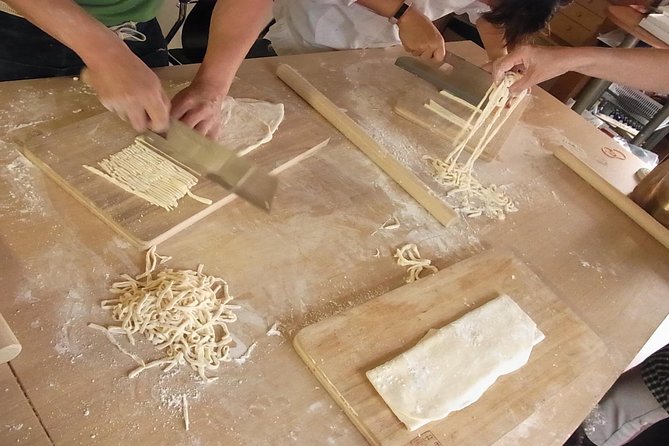
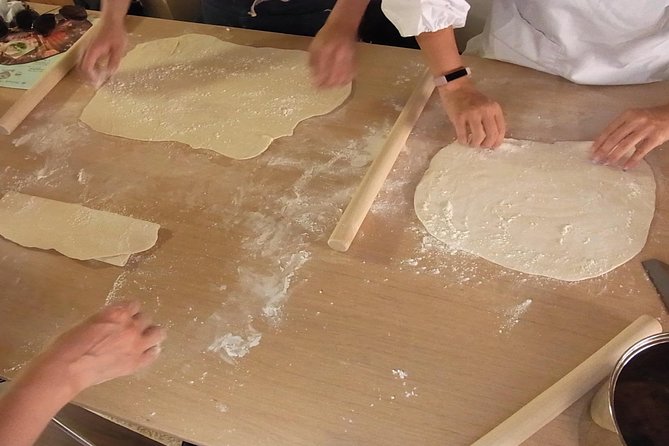
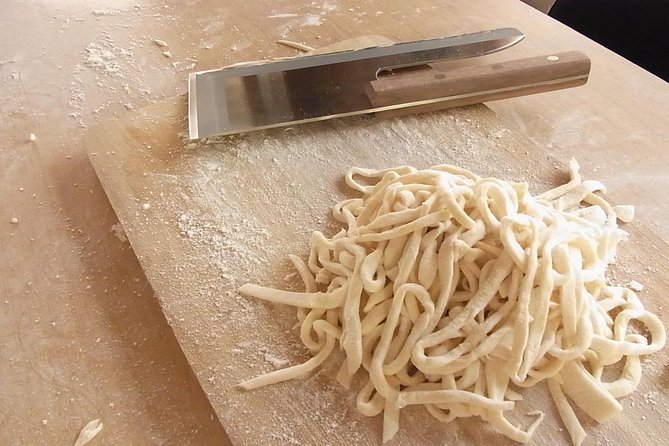
The udon portion is the main event. You learn how to choose or mix flour, measure the water, combine the ingredients, and knead the dough until it reaches the right texture.
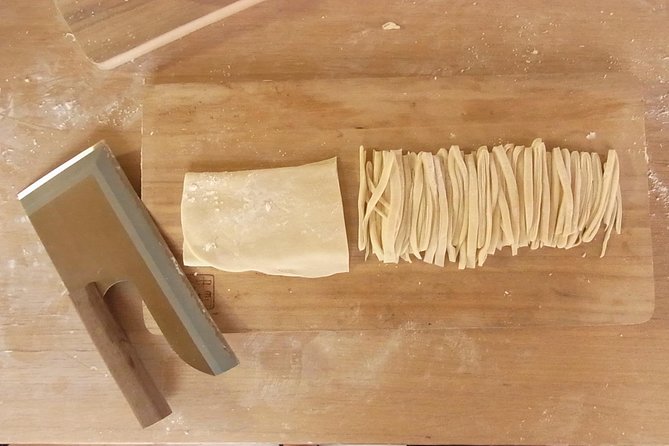
Kneading is not a quick stir-and-cook task. You work the dough, allow it to rest, then flatten it and cut it into noodles. This gives you a clear sense of how much time and pressure are needed to create chewy udon at home.
A useful part of the lesson is learning what to look for. Masako can show you how the dough should feel, how the water ratio changes the texture, and why resting the dough matters. These are the small details that recipes often skip. They are also the details most likely to help you avoid tough, uneven, or overly soft noodles later.
Expect to use your hands. The class is active, and the noodle-making includes plenty of kneading. That is part of its appeal, but anyone looking for a quiet demonstration should choose a different activity.
Once the dough is ready, you flatten it and cut it into noodles. Then you cook the udon and serve it as part of the meal. The finished bowl is satisfying because you have handled every step, from flour to noodles.
Tamagoyaki and tempura add variety
The class usually covers more than udon. Common dishes include tamagoyaki, a rolled Japanese omelet, and tempura made with vegetables and possibly shrimp. The exact meal depends on the menu you choose, so send Masako your preferred selection before the class.
Tamagoyaki is a particularly good dish for a hands-on lesson. It looks simple, but the rolling technique takes practice. You work with a small pan and build the omelet in layers. Some menus use flavors such as sugar and miso, giving the dish a sweet-savory character.
Tempura brings another useful set of skills. You learn how to prepare the ingredients, coat them, and fry them properly. The lesson can include small tricks for keeping the coating light and the food crisp. Since you eat the tempura soon after cooking, you get the best sense of how the method should turn out.
The dishes complement one another. Udon gives you dough work, tamagoyaki teaches control and rolling, and tempura introduces hot oil and timing. You are not repeating one technique for two and a half hours.
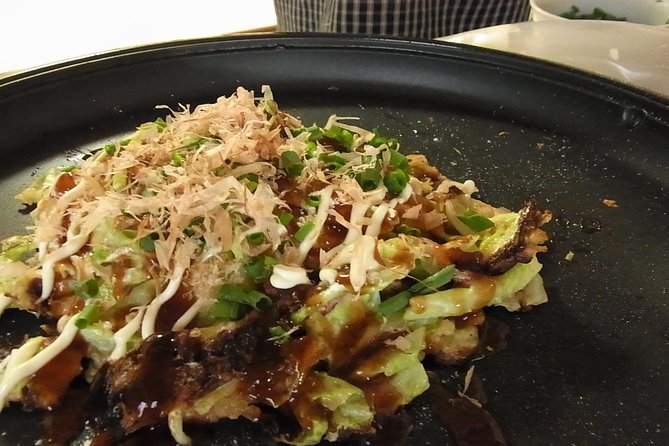
Depending on the menu, Masako may also offer other Japanese classics such as okonomiyaki. Do not assume every dish is included in every session. Choose from the four menu options and state your preference in advance.
Sitting down to a multi-course Japanese meal
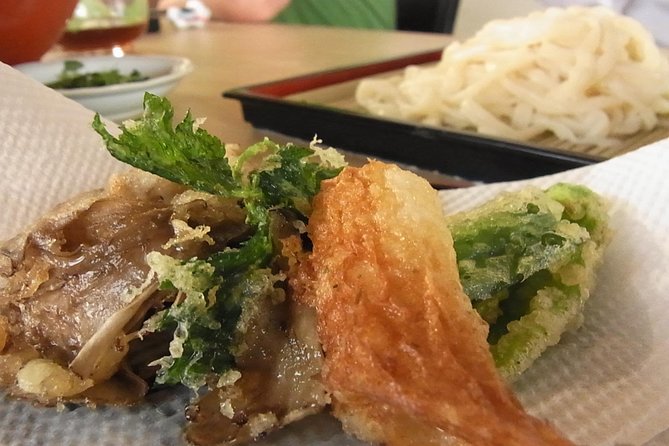
After the cooking, you eat the dishes you made. This turns the class into a complete meal rather than a series of samples.
The food is served with drinks, and alcoholic beverages are included. The drinks add to the dinner atmosphere, though you should remember that this is still a cooking class first. The emphasis is on learning techniques and sharing a meal in Masako’s home, not on a formal restaurant-style service.
You should arrive hungry. The combination of udon, omelet, tempura, and other prepared dishes can make this a substantial lunch or dinner. It is also a good choice on a day when you want one activity to cover both a cultural encounter and a meal.
The relaxed setting allows time for conversation about Japanese life, food, and cooking habits. Masako’s teaching is warm and patient, and the class has been praised for making beginners feel comfortable. At the same time, experienced home cooks can pick up useful details about dashi, dough, frying, or tamagoyaki technique.


The calligraphy finale and personal gifts
The calligraphy is not merely an opening greeting. It can become a memorable finale after the meal.
Masako has created personalized fans featuring names and Japanese characters, and some participants have received origami gifts or other small presents. These extras are not the reason to book the class, and you should not treat every possible gift as guaranteed. Still, they show the personal nature of the visit.
The strongest part of the souvenir is that it connects directly to the time you spent in the house. You learn about Japanese writing, see Masako work, and leave with something made specifically for you.
If you are buying gifts for family or friends, the calligraphy may be more meaningful than another shop-bought item. Pack it carefully in your luggage, especially if it is written on a fan or paper.
Getting to Senju in Adachi City
The meeting point is listed as 4-chōme-27-5 Senju, Adachi City, Tokyo 120-0034, at Chōenji Temple. The activity ends back at the same meeting point.
This is not a central Tokyo attraction you can simply add between visits to Asakusa, Shibuya, and the Imperial Palace without checking the map. Senju is north of the main sightseeing core, so allow time for the journey. The area is near public transportation, and clear directions have helped people find the home.
Use the exact meeting details supplied after booking, and avoid cutting the arrival time close. A private home class cannot begin smoothly if you are still trying to locate the temple or the correct street.
There is no hotel pickup or drop-off. You are responsible for reaching Senju and returning afterward. One particularly generous account describes a ride home during severe rain, but you should not plan on transportation from the host. Treat that as an unexpected kindness, not a standard service.
The trip to Senju is the main logistical drawback. The benefit is that you are seeing a residential side of Tokyo and entering a real home rather than staying inside the usual tourist circuit.
What the $142 price includes
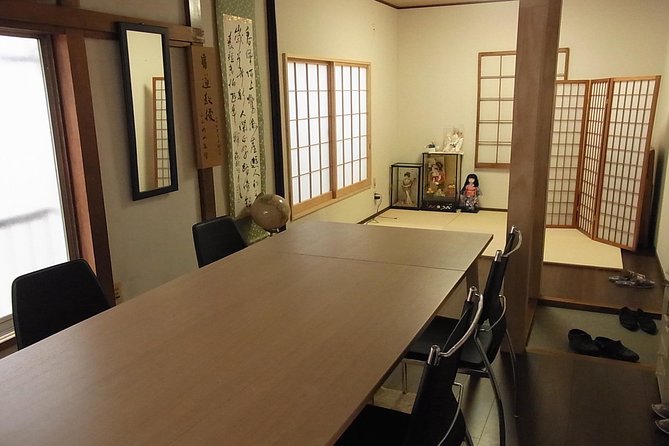
At $142 per person, this is not a budget meal. The price makes more sense when you count what is bundled into the two-and-a-half-hour session: private instruction, ingredients, the meal, drinks, taxes, and calligraphy.
You also avoid shopping for ingredients and figuring out unfamiliar quantities in a Tokyo grocery store. That convenience has real value during a short visit. You arrive, cook, eat, and leave with skills and a souvenir.
The private format is the biggest reason to compare this with cheaper group classes. If you are traveling as a couple or small group, you receive direct attention and can set the pace within the class. Group discounts may reduce the per-person cost for larger bookings, although the exact discount is not specified.
I would consider the price fair for someone who values personal contact and a home setting. It is less appealing if your main goal is simply to eat udon cheaply or watch a professional chef prepare food. Tokyo has many less expensive ways to enjoy Japanese cuisine.
The class also replaces the cost of a separate dinner. Since you eat the food you prepare and receive drinks, the final price covers an evening activity and a meal in one booking.
Who will enjoy this class most
This experience suits couples, adult families, friends, and solo cooks who want private attention. It works particularly well for people who like to bring practical skills home from a trip.
Beginners should feel comfortable. The cooking is described as fairly basic, and the teaching is step by step. You will still work with dough, a hot pan, and frying oil, so you need to follow safety instructions carefully.
Food lovers will appreciate the chance to make several familiar Japanese dishes rather than only watching a noodle demonstration. The class also suits anyone curious about how meals are prepared in an ordinary Japanese home.
It is not suitable for children. Masako does not accept children for the cooking class because of safety concerns. Families with older teenagers should confirm the age policy before booking rather than relying on an isolated exception.
Dietary restrictions should be discussed in advance. Masako has accommodated restrictions, but the available changes depend on the menu and ingredients. Send your needs along with your menu choice.
A few practical limits to keep in mind
English communication may require patience because Masako speaks limited English and uses a translator. The translator helps, but this is still a personal home visit with a natural conversational rhythm, not a polished presentation in fluent English.
The menu is not completely open-ended. Masako offers four choices, and you need to tell her which meal you prefer. If you have your heart set on a particular combination, ask before the class rather than assuming every sample dish will appear.
The location takes planning, especially if you are staying in western or southern Tokyo. The class lasts about two hours and 30 minutes, but you should add transportation time on both ends.
Finally, this is a hands-on activity. You may knead dough, roll eggs, handle ingredients, and work near hot oil. Wear comfortable clothing and arrive ready to participate.
Free cancellation is available if you cancel at least 24 hours before the local start time. Cancellations or changes made less than 24 hours before the start are not refunded or accepted.
Should you book Japanese Cooking and Udon Making with Masako?
I would book this class if you want a personal Tokyo experience built around food, conversation, and practical skills. The strongest reasons are the private teaching, the full meal, the home setting, and Masako’s calligraphy.
The $142 price is easiest to justify for a couple or small group that wants more than a standard cooking demonstration. You get dinner, drinks, ingredients, instruction, and a handmade keepsake. The class also gives you recipes and methods you can repeat at home.
I would skip it if you have very little time in Tokyo, dislike hands-on cooking, need a fully fluent English class, or want to stay near the central sightseeing districts. For everyone else, the journey to Senju is a reasonable trade for a warm, personal evening and a meal you helped create.
FAQ
How long does the cooking class last?
The experience lasts approximately two hours and 30 minutes.
Where does the class take place?
It takes place in Masako’s home near Chōenji Temple at 4-chōme-27-5 Senju, Adachi City, Tokyo 120-0034.
Is this a private cooking class?
Yes. Only your group participates, and the private format provides one-to-one teaching assistance.
What food will I learn to make?
The class focuses on udon noodles and may include Japanese omelet, called tamagoyaki, tempura, and other Japanese classics. Masako offers four menu choices, so you should state your preferred meal in advance.
Are ingredients included?
Yes. The ingredients and all cooking-related fees and taxes are included, so you do not need to shop before the class.
Are drinks included?
Yes. The experience includes drinks and alcoholic beverages.
Can children attend?
No. Masako does not accept children for the cooking class because of safety reasons.
More Workshops & Classes in Tokyo
More tours in Tokyo we've reviewed



Workshops, compared.
 ★ 5.0Sushi Making Tokyo Roll and Authentic Japanese Sushi ClassFrom $59
 ★ 4.9Tokyo: Roll and Authentic Sushi Making Class in AsakusaFrom $581h 40m
 ★ 5.0Tokyo Shinjuku Chopsticks Making ClassFrom $20
 ★ 4.9Tokyo: Sushi Making Class in a Happi Coat near a Famous SpotFrom $421h 30m
 ★ 4.8Chopstick Making Workshop in GinzaFrom $251 hour
 ★ 5.0Tokyo Sushi Making Class in Tsukiji with Professional ChefFrom $49