
Reviewed · TOURS
Tokyo: Full Course Tour: Explore 10 Must-Sees & Hidden Gems
Tokyo can feel like several cities stitched together by trains. This seven-hour tour gives you a fast, useful first look, moving from the quiet forest of Meiji Jingu to Shibuya, Tsukiji, the Imperial Palace, Akihabara, and Asakusa. You cover a lot, but the point is not simply to collect photos. Your guide explains how to behave at a shrine, how Tokyo’s transport works, and where to eat after the tour.
I especially like the Tokyo-born guides, including Sam and Yasuko, and the small group limit of seven. I also like that every listed attraction is free to enter, while the route mixes famous sights with daily-life stops such as Seven-Eleven and the Tsukiji market. The catch is clear: this is a serious walking day, about 20,000 steps, with metro changes and no long, leisurely stay at each stop.
In This Review
- Key points at a glance
- Why this tour works best on your first Tokyo day
- Meeting at Yoyogi and beginning with konbini culture
- Meiji Jingu: quiet forest near the city
- Shibuya’s Hachiko statue and the famous crossing
- Tsukiji Honganji and lunch around the Outer Market
- The Imperial Palace, Marunouchi, and Tokyo Station
- Akihabara: Tokyo’s pop-culture district
- Sensoji and Asakusa Shrine in old Tokyo
- What the 20,000-step pace means for you
- Metro costs, food, and what the $77 price buys
- The guides make the difference
- Who should book this Tokyo day tour?
- FAQ
- How long does the Tokyo full course tour last?
- What language is the tour conducted in?
- How many people can join the group?
- Where does the tour meet?
- Are transportation fares included?
- Is food included?
- What should I bring?
- Is the tour suitable for people with mobility or health limitations?
- Should you book this Tokyo tour?
Key points at a glance
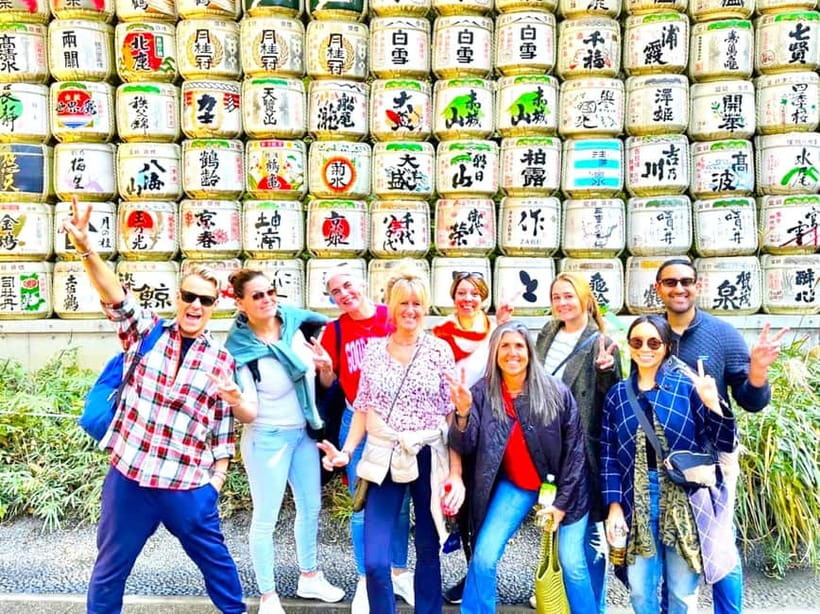
- Seven-hour city orientation: Cover major areas from Yoyogi and Shibuya to Asakusa in one carefully packed day.
- Born-and-raised local guides: Guides such as Sam and Yasuko explain customs, history, transport, and everyday Japanese life in English.
- Free sightseeing stops: Shrines, temple grounds, public areas, and historic districts do not require entrance tickets.
- About 20,000 steps: Comfortable walking shoes are essential, and the tour is not suited to anyone with low fitness or mobility limitations.
- Small group, maximum seven: A compact group makes it easier to ask questions and stay connected through stations and crowded streets.
- Extra costs are modest but real: Budget about 1,500 JPY, roughly $10, for metro or JR fares, plus lunch and snacks.
Why this tour works best on your first Tokyo day
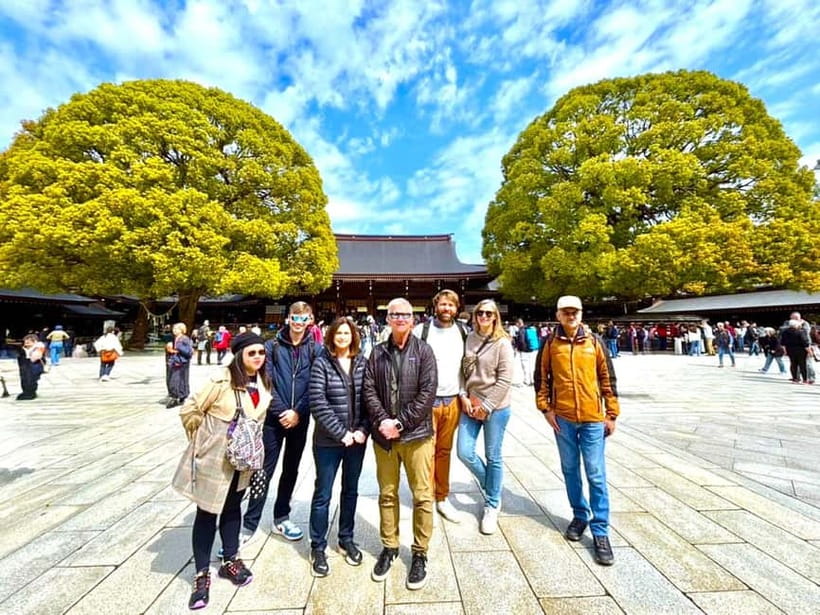
I see this as a get your bearings fast tour. Tokyo’s attractions are spread across several districts, and the names on a train map can look like a puzzle. By moving through Yoyogi, Shibuya, Tsukiji, Marunouchi, Akihabara, and Asakusa with a local guide, you get a working map of the city before choosing which areas deserve a slower return visit.
The route also teaches practical habits. You’ll use public transport, learn basic etiquette, and receive suggestions for restaurants and local eateries. Several people who took the tour with Sam or Yasuko found the explanations about Japanese culture and courtesies especially useful, and one guide used iPad slides and maps to make the city easier to understand.
Still, seven hours cannot give you a detailed visit to every stop. The number of locations can vary, with the experience advertised as up to 10 iconic attractions while the route names 12 sights and areas. Think of it as a broad introduction, not a series of in-depth museum visits.
If you're still narrowing it down, here are other tours in Tokyo we've reviewed.

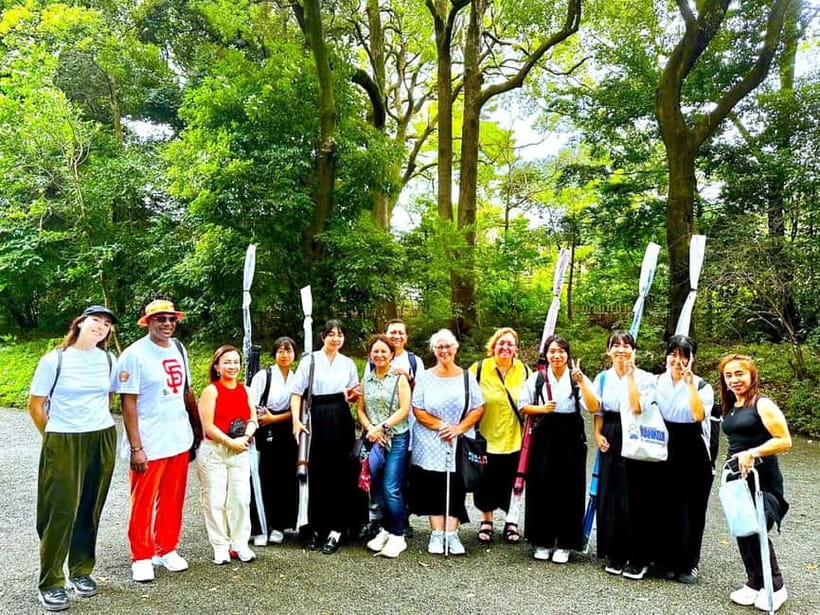
Meeting at Yoyogi and beginning with konbini culture
The meeting point is outside the west exit ticket gate at JR Yoyogi Station, at 1-chōme-34 Yoyogi, Shibuya City. The tour departs on time, so arrive early enough to find the correct station exit. Tokyo stations can have several gates and long underground passages, and a late arrival cannot join the group.
The first stop may be a Seven-Eleven. That sounds ordinary until you understand the role of the Japanese konbini, or convenience store. Your guide can point out why these shops are useful for snacks, drinks, quick meals, and small everyday purchases. It is a small stop, but it gives you a better view of daily life than another grand building would.
Bring Japanese yen in cash. Some small shops and food stops accept cash only, and food is not included. This is also a handy moment to buy a drink or snack before the walking day gathers pace.
Meiji Jingu: quiet forest near the city
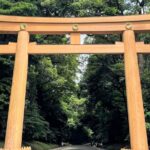
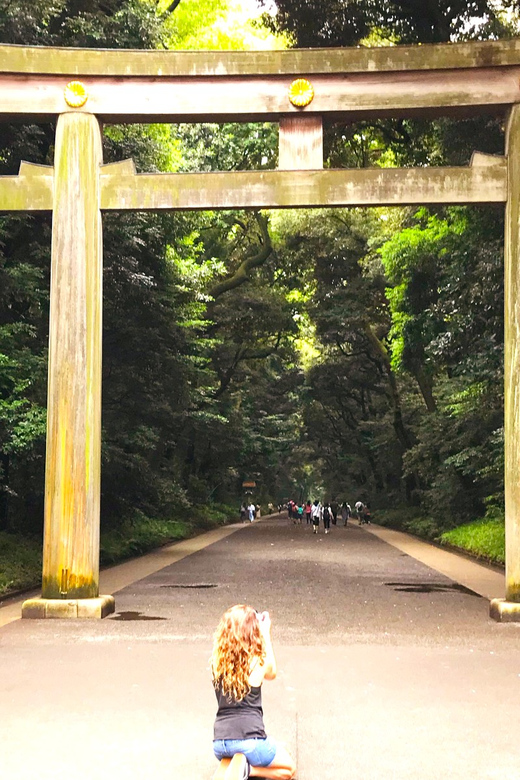
Meiji Jingu gives the tour an early change of mood. The shrine sits within a wooded setting that feels far removed from the roads and signs of central Tokyo. Here, you learn how to approach a Shinto shrine and how Japanese visitors show respect.
This is one of the more peaceful stops, so take a moment to notice the contrast. The route moves quickly between city districts, but Meiji Jingu reminds you that Tokyo is not only lights, shopping, and rail stations. The spiritual setting is part of the city’s identity.
You should wear shoes that can handle uneven paths and a long day. The tour continues in rain, so carry an umbrella or raincoat rather than counting on a weather cancellation.
Shibuya’s Hachiko statue and the famous crossing
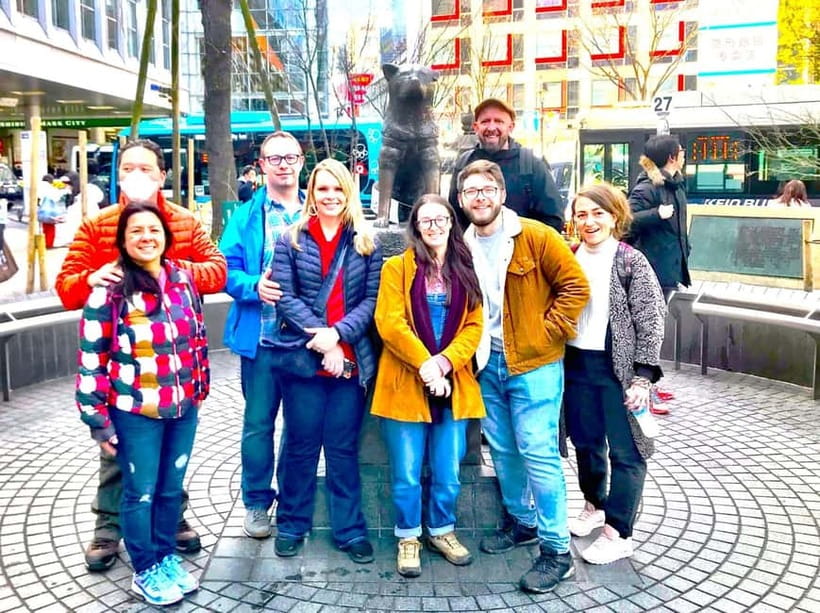
In Shibuya, the Hachiko statue offers a compact lesson in Japanese popular culture. Your guide explains the true story behind the loyal dog, rather than leaving you with a quick photo and a name you may forget.
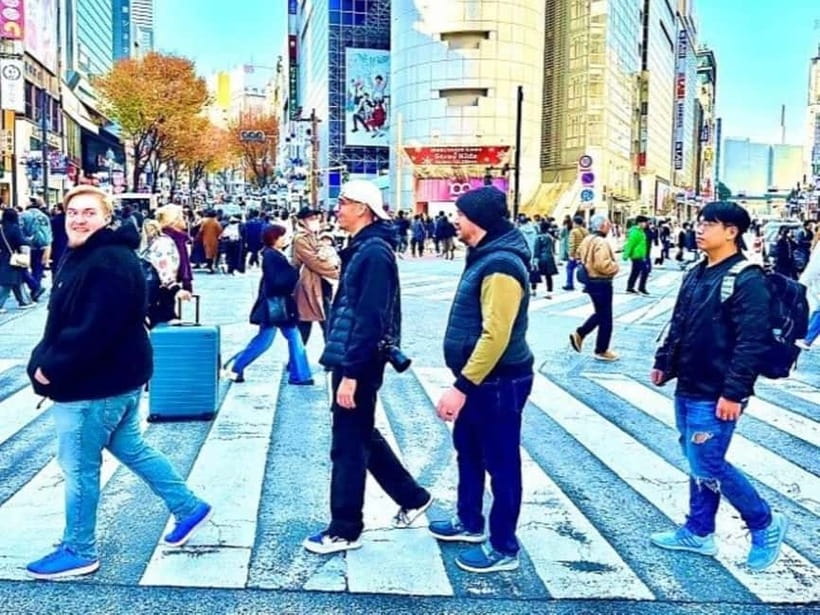
Then comes Shibuya Scramble Crossing, one of Tokyo’s most recognizable public spaces. You cross with the flow of people and get the classic view of the intersection. It is a lively photo stop, but the value goes beyond the picture. You see how Tokyo’s public spaces function, how pedestrians move, and how a major city can feel orderly even at peak activity.
This part of the route can be crowded. Stay close to your guide, especially when crossing roads or entering the metro. The guide cannot leave the group to look for anyone who wanders off.
Tsukiji Honganji and lunch around the Outer Market
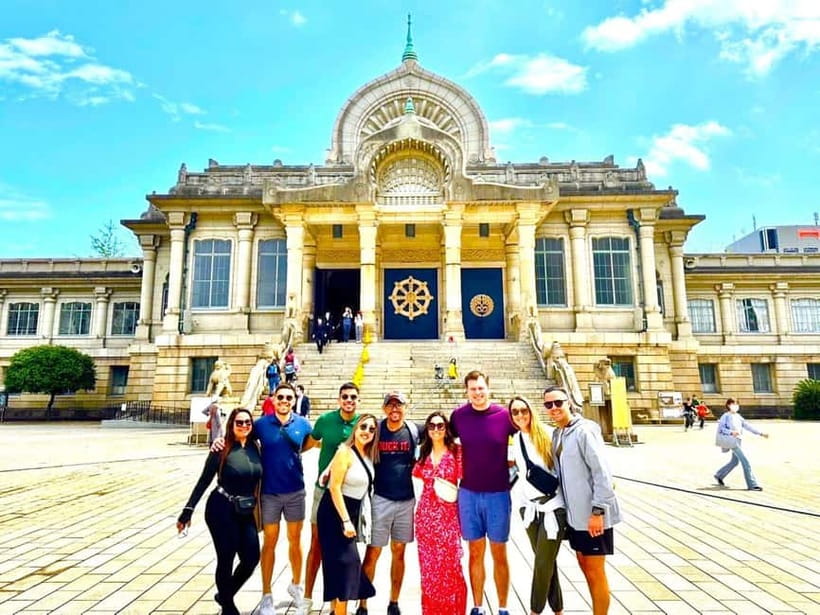
Tsukiji Honganji Temple is one of the route’s more unusual sights. Its Indian-inspired exterior and stained-glass details set it apart from the traditional shrine and temple styles you may see elsewhere in Tokyo. The stop adds architectural variety to a day that includes several religious sites.
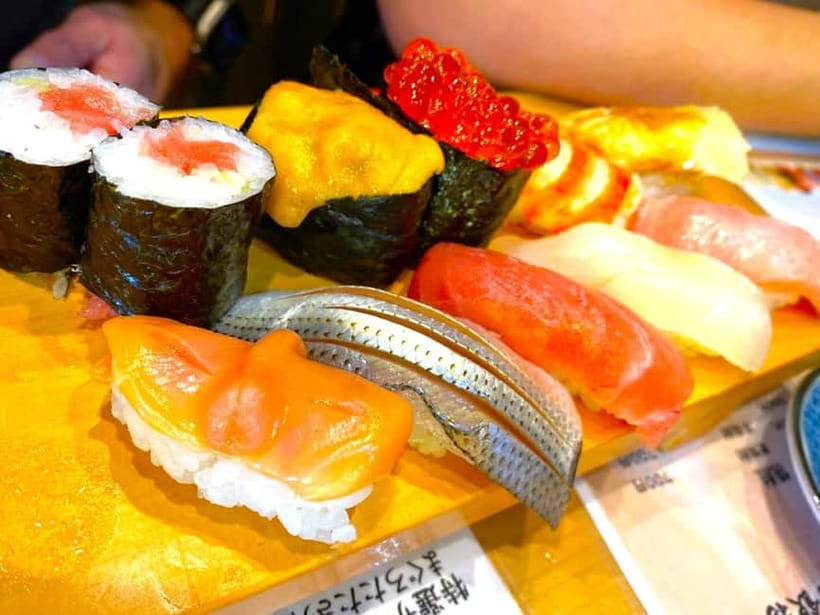
Next comes Tsukiji Outer Market, often called Japan’s Kitchen. You can browse stalls and food shops selling seafood, Wagyu, and local specialties. Lunch is not included, so this is your chance to buy food according to your taste and budget. Vegetarian and vegan choices are available, but you should still tell the guide your needs early so the group can make sensible suggestions.
I like this stop because it connects food with place. You are not simply being shown a famous district. You are being directed toward restaurants and small eateries that can help you eat well after the tour. Bring cash, and remember that a market visit can be crowded and slow if you stop at every stall. The guide will help you use the time well.

The Imperial Palace, Marunouchi, and Tokyo Station
The Imperial Palace area shifts the focus to Japan’s political and imperial center. You walk around the grounds of the former Edo Castle and see the large stone walls that recall Tokyo’s earlier identity as Edo. The tour does not list a paid palace interior visit, and the attractions included here are free.
The nearby Marunouchi district shows another side of the capital. Modern office towers and polished streets meet the older imperial setting. This contrast is one of the route’s strengths. Tokyo does not present its history in one isolated old quarter. Older structures, business districts, transport hubs, and new architecture often sit within the same short train ride.
Tokyo Station provides a strong visual stop. Its red-brick exterior is a historic landmark, while the station itself remains one of the city’s key transport centers. Your guide can help you understand the relationship between the station, Marunouchi, and the wider rail network.
For you, this is useful beyond sightseeing. Tokyo Station can be confusing when you need to change trains or find an exit. Paying attention to the route and asking questions here may save time later in your visit.
Akihabara: Tokyo’s pop-culture district
Akihabara changes the tone again. Known as Electric Town, it is associated with anime, gaming, electronics, and Japanese pop culture. This stop matters even if you are not a serious collector, because it shows a part of Tokyo that shrines and palace walls cannot explain.
The guide places Akihabara within the broader story of city life and popular culture. You may find the area more interesting if you approach it as a social and commercial district rather than simply a shopping stop. The route gives you an introduction, though you may want to return later if you plan to browse stores in detail.
That is a recurring feature of the tour. You see enough to decide where you want to spend more time later. One person who took the route specifically valued this chance to identify favorite areas for a return visit.
Sensoji and Asakusa Shrine in old Tokyo
The final major area is Asakusa, home to Sensoji, Tokyo’s oldest temple. Entering through the Kaminarimon Gate gives you one of the city’s most recognizable approaches to a religious site. The temple is a major attraction, so expect plenty of activity around it, but the setting still gives you a feel for older Tokyo.
Asakusa Shrine sits within the Sensoji area and provides a quieter Shinto counterpoint to the Buddhist temple. Your guide explains the different traditions and the history of these neighboring sites. That context is valuable because a first-time visitor can easily treat every Japanese religious building as the same kind of place.
You will not have unlimited time to wander every shop and side street in Asakusa. If this district interests you most, note the route and return on another day. The tour’s purpose is to show you how the area fits into Tokyo, not to replace a full afternoon here.
What the 20,000-step pace means for you
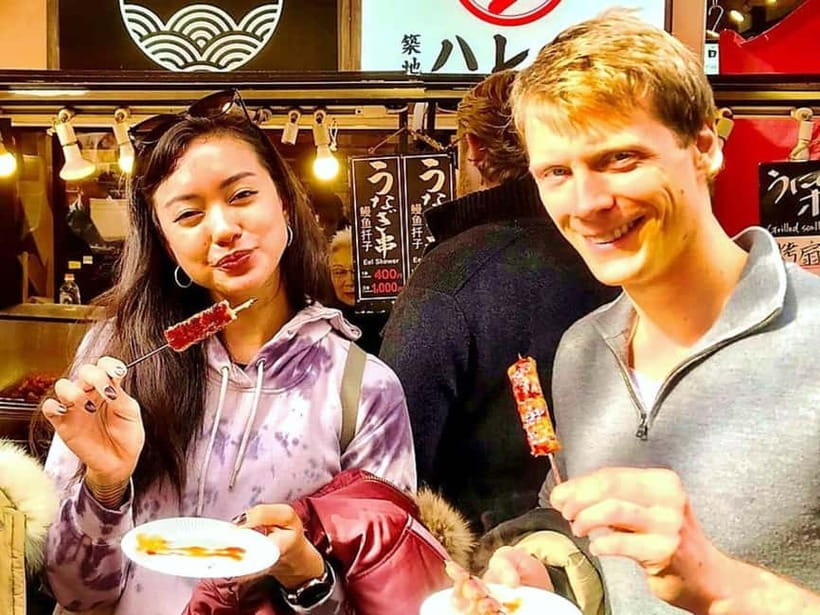
The tour description is unusually direct about walking: plan on roughly 20,000 steps. You will walk between sights, through station passages, around temple and shrine grounds, and across city streets. Metro rides break up the day, but they do not make it easy.
Wear sporty shoes and loose clothing. High heels are not allowed, and large luggage, baby strollers, and baby carriages are not suitable for this experience. The tour is also not recommended for pregnant people, wheelchair users, anyone with back problems, anyone with a cold, or anyone with a low level of fitness.
The compact group of up to seven is a real advantage in stations. It is easier to hear the guide and ask about a sign, ticket machine, or custom. You still need to stay alert and keep pace. This is not a hop-on, hop-off outing where you can separate from the group and rejoin later.
Metro costs, food, and what the $77 price buys
The tour costs $77 per person. You also pay roughly 1,500 JPY, about $10, for metro and JR fares, along with lunch, drinks, and snacks. Entrance fees are not included, but the listed sightseeing stops are free to enter, so you are not facing a string of extra ticket charges.
For value, compare this with the time it would take to plan the route yourself. You would need to connect several districts, work out train routes, decide how long to spend at each place, and research shrine etiquette and food options. The fee pays for a professional English-speaking guide and the structure of the day, not for attractions or meals.
That makes the tour a better deal for a first day, a short stay, or an airport stopover than for someone who already knows Tokyo well. If you prefer slow photography, long meals, or independent wandering, the pace may feel too tight. If you want a broad city introduction without paid attractions, the cost is sensible.
Have a pre-charged Suica, Pasmo, or Icoca card ready for the transport portion. The tour does not include fares, and relying on a last-minute ticket purchase can add stress at busy stations. Cash is also necessary for purchases at places that do not accept cards.
The guides make the difference
The strongest praise centers on the guides. Sam is described as warm, helpful, and excellent at introducing Tokyo, while Yasuko is praised for her positive attitude, cultural explanations, maps, and willingness to answer questions. Those details matter because this route covers a lot of ground and can otherwise become a blur of place names.
A born-and-raised Tokyo guide can explain more than the location of a shrine or station. You can ask about manners, daily routines, food customs, and how to move through the city without causing confusion. The guide also helps you notice why a place matters, not just where to stand for a photo.
The tour is conducted in English. After booking, you receive the name and photo of the guide for the day. The 35 available ratings are uniformly five-star, but I would still focus on the practical match: the guide adds the most value if you ask questions and take notes for the rest of your trip.
Who should book this Tokyo day tour?
I would choose this tour if:
- You are visiting Tokyo for the first time.
- You have only one full day or a short stopover.
- You want help with trains, manners, and neighborhood planning.
- You enjoy seeing both famous landmarks and ordinary local places.
- You can comfortably walk about 20,000 steps.
- You prefer a small group to a large coach.
I would skip it if you want a slow, specialized visit to one district. It is also a poor fit for anyone with mobility, pregnancy, back, fitness, or health concerns listed in the restrictions. Children under 13 cannot join, and anyone under 18 must be accompanied by an adult. A private tour is required for children under 13, according to the tour information.
Cancellation is free up to seven days before the tour for a full refund. The experience continues in rain, so weather-ready clothing is part of your preparation.
FAQ
How long does the Tokyo full course tour last?
The tour lasts seven hours.
What language is the tour conducted in?
The live tour guide speaks English.
How many people can join the group?
The small group is limited to seven participants.
Where does the tour meet?
You meet outside the west exit ticket gate at JR Yoyogi Station, at 1-chōme-34 Yoyogi, Shibuya City, Tokyo 151-0053.
Are transportation fares included?
No. Metro and JR fares cost about 1,500 JPY, or roughly $10, and are paid separately.
Is food included?
No. Lunch, drinks, and snacks are not included. Vegetarian and vegan options are available.
What should I bring?
Bring comfortable walking shoes, cash, rain gear, and a pre-charged Suica, Pasmo, or Icoca card for public transport.
Is the tour suitable for people with mobility or health limitations?
No. It is not suitable for wheelchair users, pregnant people, people with back problems, people with a cold, or people with a low level of fitness. The day involves about 20,000 steps.
Should you book this Tokyo tour?
Book it if you want Tokyo explained as a connected city rather than a list of isolated attractions. The combination of Meiji Jingu, Shibuya, Tsukiji, the Imperial Palace, Akihabara, and Asakusa gives you a strong first look, while the guide’s advice helps you plan the rest of your stay.
The best match is an energetic first-time visitor who wants practical help and can keep moving. Go in with realistic expectations: you will sample many districts, not master each one in depth. With the $77 fee, about $10 for transport, and your food budget added, it offers good value for a packed first day, especially when a Tokyo-born guide such as Sam or Yasuko helps turn a complicated city into a place you can confidently explore on your own.
More tours in Tokyo we've reviewed



Tours, compared.
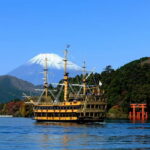
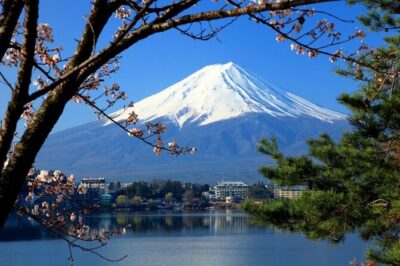 ★ 5.0Mt Fuji and Hakone 1-Day Bus Tour Return by Bullet TrainFrom $163
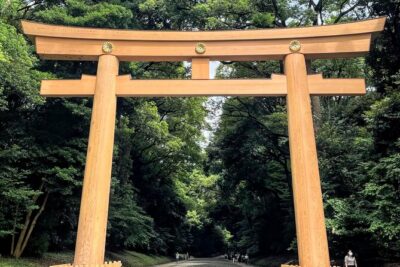 ★ 5.01-Day Tokyo Bus TourFrom $129
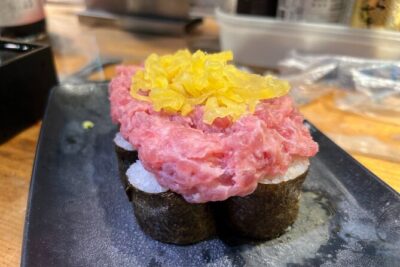 ★ 5.0Tokyo: Shinjuku Food Tour (13 Dishes at 4 Local Eateries)From $86
 ★ 4.4Tokyo Mt Fuji 5th St & Hakone Cruise Bus Tour w/Bullet TrainFrom $15410 hours
 ★ 5.0Flagship 2-Hours Official Street Go-Kart Tour – Tokyo Bay ShopFrom $642 hours to 2 hours 30 minutes (approx.)
 ★ 4.7Tokyo: Mt. Fuji Tour, Hakone Ropeway, Owakudani, Lake AshiFrom $5410 hours