
Reviewed · KAMAKURA & ENOSHIMA DAY TRIPS
Introducing all the Famous Spots in Kamakura and Enoshima!
Kamakura and Enoshima pack temples, shrines, local food, and ocean views into one busy day. This private tour makes the most of that mix, taking you by train between the major sights and leaving you with a guide to handle the route. I like the personal itinerary, especially if you want to skip places that do not interest you. I also like the chance to see both Kamakura’s old religious sites and Enoshima’s coastal views without sorting out every train connection yourself.
The main drawback is the pace. Seven hours covers a lot of ground, and the tour involves plenty of walking, stairs, and transfers. Entrance fees, food, and transport are also not simply rolled into the $125.42 tour price, so you should budget extra cash and confirm the final cost before booking.
In This Review
- Key points at a glance
- Why this Kamakura and Enoshima route works
- Tsurugaoka Hachimangu and Kamakura’s old center
- Komachi Street food and shopping
- The Great Buddha at Kotoku-in
- Hasedera, Kamakura’s flower-filled temple
- Enoshima’s Nakamise Street specialties
- Enoshima Shrine and the island climb
- The Sea Candle and Mount Fuji views
- What the $125.42 price really covers
- The walking, timing, and meeting plan
- Which kind of visitor should book
- Booking and cancellation details
- Should you book this Kamakura tour?
- FAQ
- Where does the tour start?
- What time does the tour begin?
- Where does the tour finish?
- How long does the experience last?
- Is this a private tour?
- Are transportation, entrance fees, and meals included?
- Which main sights are included?
- What happens if the weather is bad?
Key points at a glance
- Private guide from Kamakura Station: Your group has its own guide rather than joining a large coach party.
- Seven major stops: The route includes Tsurugaoka Hachimangu, Komachi Street, Kotoku-in, Hasedera, Enoshima’s shopping street, Enoshima Shrine, and the Sea Candle.
- Train travel between sights: The guide accompanies you on public transport, which saves you from working out the connections alone.
- A strong mix of culture and scenery: You get historic shrines and temples, local snacks, a shopping street, and a 360-degree view toward Mount Fuji.
- Flexible personal attention: Guides including Kiko, Higashi, and Sandy have helped visitors adjust the day around interests, energy levels, and food choices.
- Bring cash and comfortable shoes: Some places do not accept credit cards, and the route includes a great deal of walking.
Why this Kamakura and Enoshima route works
Kamakura is easy to underestimate. It sits close enough to Tokyo for a day trip, but its sights are spread across different train stops and walking routes. Add Enoshima at the end, and a first-time visit can become a small transport puzzle.
This tour solves the basic navigation problem. You meet at Kamakura Station at 10:00 a.m., then travel with a private guide through the main sights before ending at Enoshima Station. Since your start and finish points differ, the route works best if you are happy to continue from Enoshima afterward rather than return to Kamakura.
I especially like the balance. Tsurugaoka Hachimangu and Hasedera give you temples, gardens, religious customs, and centuries of Japanese history. Komachi Street adds food and shopping. Enoshima then changes the mood with sea air, an island shrine, a lighthouse, and wide views.
A private format matters here. You can ask to spend more time at a temple, pause for food, or skip a stop that is not your priority. One guide, Sandy, reportedly spent time explaining the day’s options and checking that the group was comfortable with the plan. Kiko also helped shape a visit around limited time. That kind of conversation is useful when you have a fixed schedule.
A few more Kamakura tours and experiences worth a look
Tsurugaoka Hachimangu and Kamakura’s old center
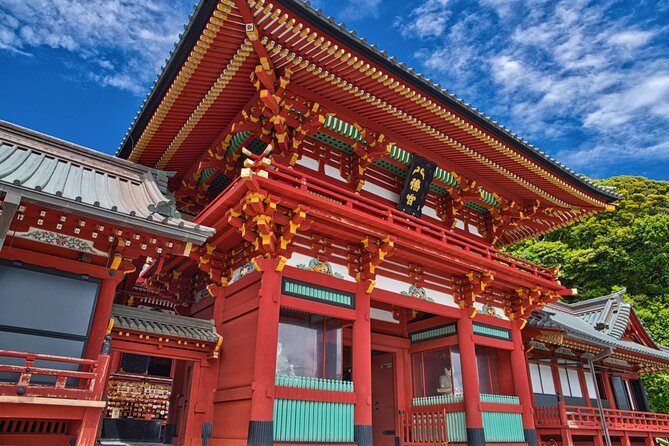
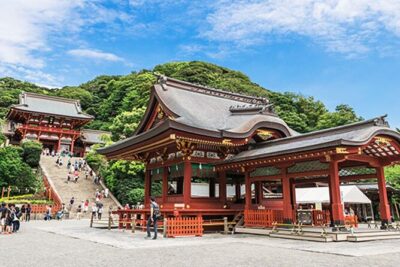
Your first major stop is Tsurugaoka Hachimangu, Kamakura’s best-known shrine. The site has more than 1,000 years of history and is closely tied to the Genji rulers of the Kamakura period. It is also regarded as a power spot, so your guide can help explain the customs and meaning behind the visit rather than leaving you to simply walk through and take pictures.
The allotted 45 minutes is enough for a focused visit. You can see the main grounds, take in the approach, and ask questions about the shrine’s role in Kamakura. It is not enough for a slow, detailed exploration of every corner, so tell your guide early if shrine architecture or religious practice is your main interest.
There is no admission fee listed for this stop. Still, carry cash for offerings or purchases if you want them, since some locations along the day do not accept cards.
From the shrine, you move toward Komachi Street. This short transfer connects the cultural visit with a more everyday side of Kamakura.
Komachi Street food and shopping
Komachi Street runs between Kamakura Station and Tsurugaoka Hachimangu. Its 55-minute stop gives you time to look at small shops, browse souvenirs, and try local food.
This is one of the most useful parts of the day for anyone who wants more than temples. The route description specifically points to foods associated with Kamakura that may not be easy to find elsewhere. Guides have also taken groups to authentic food stops, which can make a big difference if you are unsure what to order or where to pause.
You should treat the hour as a chance to sample rather than a full restaurant meal. Food costs are separate, and the suggested meal allowance is ¥1,000 per person. That may cover a modest snack or simple meal, but you should allow more if you want several specialties.
Komachi Street can also be the point where you notice the tour’s time pressure. Shops and food stalls can tempt you to linger, but the group still needs to reach the next temple. If shopping matters to you, say so at the start and ask how much freedom you will have.
The Great Buddha at Kotoku-in
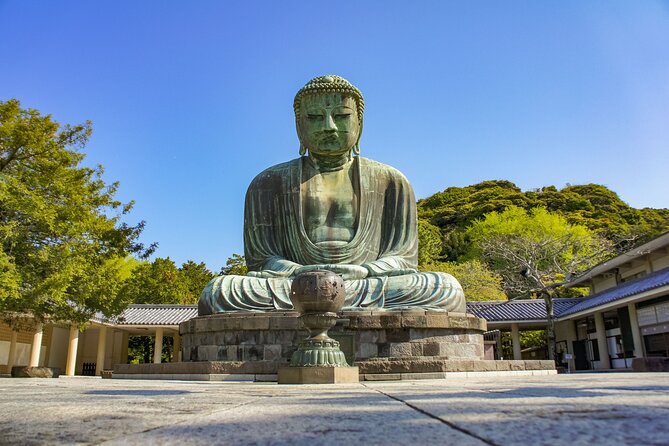
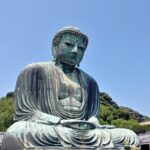
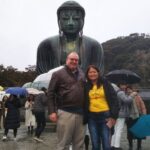
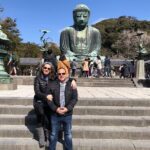
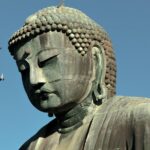
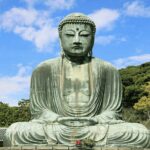
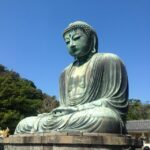
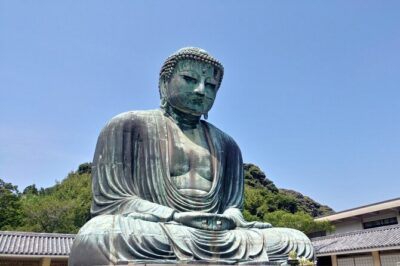
Kotoku-in is home to the Great Buddha of Kamakura, a bronze statue more than 11 meters high. The 25-minute visit is short, but the statue is the sort of sight that needs little introduction. Its scale gives the stop immediate impact.
You can also go inside the statue, an unusual detail that makes this more than a quick photo stop. The tour information lists the Kotoku-in admission fee separately at ¥1,050 per person. Since the supplied cost notes also describe admission fees as customer expenses, keep this fee in your working budget and confirm the exact total when you reserve.
Twenty-five minutes should cover the main statue and a brief look around. It will not suit you if you want a leisurely temple visit or extended time for photography. The guide’s presence helps here, since you can get the key context without spending your limited time figuring out the grounds.
Hasedera, Kamakura’s flower-filled temple
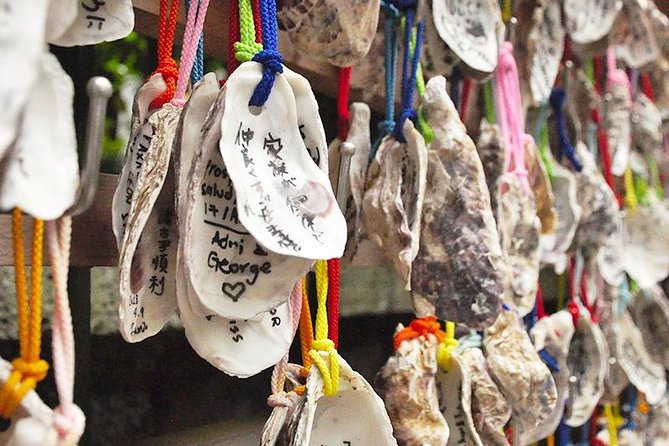
Hasedera is given 50 minutes, making it one of the more substantial stops. It is also called the Flower Temple because its plants change with the seasons. The grounds are large, and the route includes walking uphill and climbing through the temple area.
I like this stop because it breaks up the heavy focus on famous monuments. You are not only looking at one shrine or statue. You are walking through a broad temple setting with plants, different viewing points, and a more gradual rhythm.
The tradeoff is physical effort. Comfortable clothing is strongly advised, and you should expect a lot of walking during the full day. If stairs or hills are difficult for you, tell the guide before the route gets under way. The supplied information says most people can participate, but it does not promise a step-free route.
Admission is not included in the tour price. The general cost information lists ¥1,050 per person for entrance fees, while the separate Kotoku-in note gives the same amount for that temple. Because those figures are not perfectly clear when read together, I would ask the provider to explain which admissions are covered by the estimated amount before you go.
Enoshima’s Nakamise Street specialties
After the Kamakura temples, the tour continues to Enoshima. The 20-minute stop on Benzaiten Nakamise Dori takes you along the shopping street leading toward Enoshima Shrine.
The street is known for local specialties such as takosen and whitebait bowls. Takosen combines a rice cracker with octopus, while whitebait is a well-known coastal food in the area. The short stop gives you a taste of Enoshima’s food culture without turning the whole tour into a restaurant crawl.
Twenty minutes is enough for a quick snack and a look at the street, but it is not much time for browsing. If you want a sit-down meal, speak with your guide about how that affects later stops. The listed meal allowance is ¥1,000 per person, and meals are paid separately.
This is also a practical moment to use cash. The tour notes that some places on the route do not accept credit cards. A small cash reserve will make food and minor purchases easier.
Enoshima Shrine and the island climb
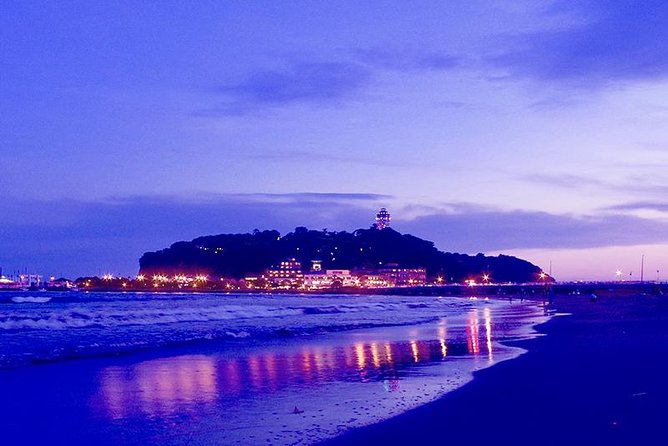
Enoshima Shrine has more than 1,000 years of history and is regarded as an important power spot on the island. The shrine is also associated with prayers for marriage, which gives the visit a different focus from the large Buddhist temples earlier in the day.
The stop lasts about 40 minutes. You can visit the shrine area, learn about its religious importance, and begin moving higher onto the island. The route notes Japan’s first outdoor escalator to the top of Enoshima. That can reduce some of the uphill effort, although you should still expect walking around the island and between the stops.
This is where a private guide is particularly useful. The guide can explain customs patiently and help you understand what you are seeing. Higashi, for example, was praised for explaining Japanese customs in a careful way and for finding local places to eat. That kind of help is more valuable here than a long list of dates and names.
The schedule remains tight. Forty minutes does not allow for every shrine building, shop, and view. If the shrine is your main reason for visiting Enoshima, ask whether the guide can give it more time by shortening the shopping stop.
The Sea Candle and Mount Fuji views
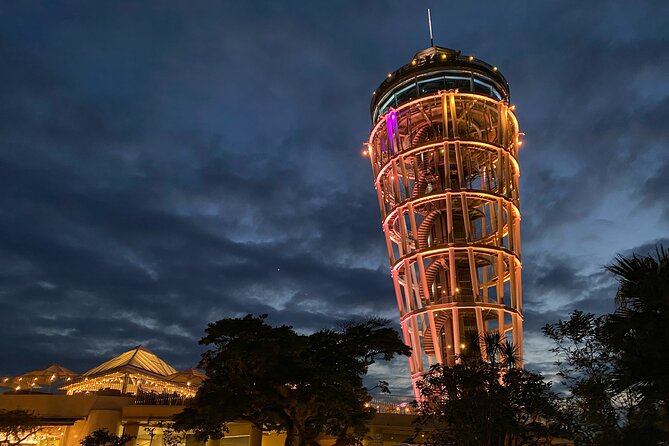
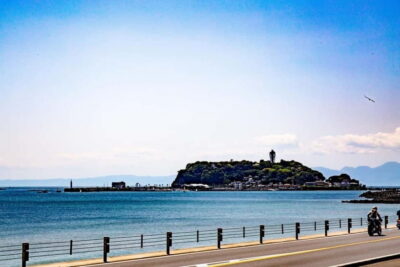
The final listed sight is Enoshima Sea Candle, a lighthouse and observation deck associated with the Shonan area. From the top, you can look out in all directions, with a chance of seeing Mount Fuji from Enoshima.
The planned visit is 20 minutes. That is enough for the main panorama if the weather cooperates, but visibility is never guaranteed. Clouds, rain, or haze can limit the view, so you should see this as a strong possibility rather than a promise.
The observation deck admission is not included. Weather can also affect the route and transport. If conditions are poor, the provider may change transportation, destinations, or the order of visits. That flexibility is sensible, but it means you should not treat every listed stop as guaranteed in bad weather.
Ending at the Sea Candle gives the day a satisfying change of scale. You begin with Kamakura’s old shrine district, pass through temples and food streets, and finish above the coast. You then leave from Enoshima Station, not Kamakura Station.
What the $125.42 price really covers
The listed price is $125.42 per person. For a private seven-hour outing with a guide, the value depends heavily on your group size and how much help you want with public transport and planning.
The price includes the tour guide, private service, and the necessary expenses for the guide during the tour. It does not cover your own transport, admission fees, food, or drinks. The estimated extra cost is ¥2,510 per person, with a breakdown of ¥460 for transportation, ¥1,050 for admission, and ¥1,000 for meals.
There is some overlap in the admission wording, so I would not rely on the figures without checking the final breakdown. The separate note lists Kotoku-in at ¥1,050 per person, while the general estimate labels ¥2,510 as the Kamakura and Enoshima cost. Bring enough yen to cover admissions and food, especially since some stops may not accept cards.
For a solo visitor, the per-person price is a serious expense. For a family or small group, the private format can make better financial sense, particularly if you value a flexible pace and do not want to pay for a large group excursion. Group discounts are available, though the exact reduction is not stated.
The walking, timing, and meeting plan
The tour begins at Kamakura Station at 10:00 a.m. and finishes at Enoshima Station. That one-way design is efficient for seeing both areas, but it affects your onward plans. You should arrange your day around ending in Enoshima rather than assuming you will return to Kamakura.
The route uses trains between sites, with the guide accompanying you. This is a good middle ground: you get the speed and local character of public transport without having to manage each connection on your own.
Expect a full day on your feet. Hasedera involves climbing, Enoshima has an uphill route, and the stops are spread across multiple areas. Wear comfortable shoes and clothes. If you are visiting in summer, take the heat seriously. One guide’s follow-up message specifically noted that Japanese summers can be extremely hot, which makes water, shade breaks, and an honest conversation about pace important.
Bad weather may lead to changed routes, transport, or destinations. Temporary closures can also result in substitute stops. Those changes are not necessarily a flaw, but you should book this for the overall Kamakura and Enoshima experience rather than for one exact photo opportunity.
Which kind of visitor should book
I would choose this tour if you have one day for Kamakura and Enoshima and want the major sights handled in a sensible order. It suits first-time visitors who prefer conversation and help with navigation over independent research.
It is also a good fit for families, couples, and small groups with mixed interests. One person can focus on shrines, another on food, and another on views, while the private guide adjusts the balance. Kiko’s approach of working with a group’s limited time shows why that flexibility can matter.
I would hesitate if you prefer slow temple visits, long meals, or unstructured wandering. Seven stops in seven hours leaves little room for lingering. Independent visitors who already know the train system may find the guide less essential, especially once the additional admission and food costs are added.
The tour is near public transportation, and most people can participate. Still, the amount of walking makes it less suitable for anyone who needs a mostly step-free day unless the provider confirms a workable alternative.
Booking and cancellation details
Confirmation is sent within 48 hours of booking, subject to availability. The tour is private, so only your group participates. Free cancellation is available if you cancel at least 24 hours before the 10:00 a.m. start time. Changes or cancellations inside that window are not accepted for a refund.
Tell the guide if you want a different finishing point. The standard end is Enoshima Station, but the information says a change may be possible if requested.
Should you book this Kamakura tour?
Book it if you want a well-organized first look at Kamakura and Enoshima, especially when public transport, local food, and shrine customs would be easier with personal help. The best reasons are the private format, the broad range of sights, and the chance to adjust the day with guides such as Kiko, Higashi, or Sandy.
Skip it if your priority is a slow, quiet temple day or if the $125.42 price feels high before adding admissions, trains, and food. For most people with only one day, though, the route offers a practical way to see the Great Buddha, Hasedera, historic shrines, Komachi Street, and Enoshima’s sea views without spending hours planning every move.
FAQ
Where does the tour start?
The tour starts at Kamakura Station, at 1-chōme-1-15 Onarimachi, Kamakura, Kanagawa 248-0012, Japan.
What time does the tour begin?
The scheduled start time is 10:00 a.m.
Where does the tour finish?
The standard finishing point is Enoshima Station in Fujisawa. You can ask the guide about changing the finishing point.
How long does the experience last?
The tour lasts approximately seven hours.
Is this a private tour?
Yes. Only your group participates, and a private guide accompanies you between the sites.
Are transportation, entrance fees, and meals included?
No. Your transportation, admission fees, food, and drinks are separate expenses. The estimated additional cost is ¥2,510 per person.
Which main sights are included?
The route includes Tsurugaoka Hachimangu Shrine, Komachi Street, Kotoku-in and the Great Buddha, Hasedera Temple, Enoshima Benzaiten Nakamise Dori, Enoshima Shrine, and Enoshima Sea Candle.
What happens if the weather is bad?
The transportation, destinations, or route may change in bad weather. Temporary closures may also lead to alternative stops.
More Kamakura & Enoshima Day Trips in Kamakura
More tours in Kamakura we've reviewed
Kamakura & Enoshima Day Trips, compared.
 ★ 4.5Tokyo: Kamakura & Enoshima Day Trip including Temple TicketsFrom $589 hours - 570 minutes
 ★ 4.5Tokyo: Mt. Fuji, Kamakura, Big Buddha, & Lake Ashi Day TripFrom $4910 - 11 hours
 ★ 4.5From Tokyo: Kamakura & Enoshima 1-Day Bus TourFrom $66
 ★ 5.0Kamakura Historical Walking Tour with the Great BuddhaFrom $98
 ★ 5.0Kamakura Private Tour: Temples, Nature, and the Great BuddhaFrom $98
 ★ 5.0Kamakura Walking Tour – The City of ShogunFrom $35