
Reviewed · KAMAKURA
When Emperors Reigned and Shoguns Ruled
Kamakura is where Japan’s samurai age comes into sharp focus. On this four-hour private walk, you follow the old power center from Kamakura Station to Tsurugaoka Hachimangu, then continue through the shopping streets and on to the Great Buddha and Hasedera Temple. The route links the Kamakura Period, from 1185 to 1333, with the town you see today.
I like the private format, which lets guide Virgil adjust the pace, answer questions, and make room for children, older walkers, or a group that wants extra time at one shrine. I also like having a photographer guide, since Virgil can take pictures of your group instead of leaving one person out of every shot.
The main consideration is cost. At $108.99 per person, this is not a bargain walking tour, and admission to the Great Buddha and Hasedera is extra. You also pay for your own food, drinks, and transportation between attractions, so the value rests on how much you want personal guiding and historical context.
In This Review
- Key points to know before booking
- Why Kamakura works so well for a history walk
- Wakamiya Main Street and the approach to the shrine
- Tsurugaoka Hachimangu and the first shogun
- Komachidori, where old Kamakura meets modern Japan
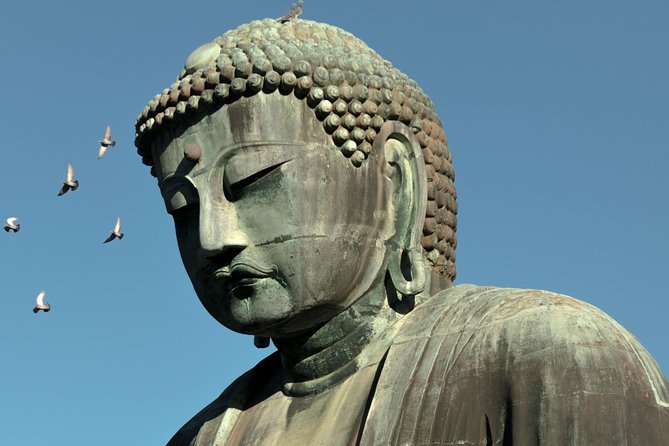
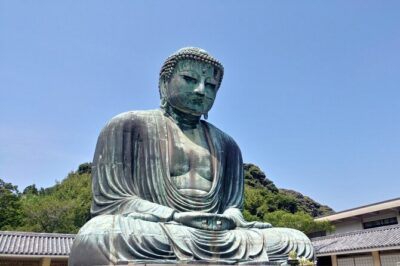
- The Great Buddha, Kamakura’s largest single image
- Hasedera Temple and its many layers
- What Virgil adds to the experience
- Is $108.99 a fair price?
- Who will get the most from this private walk?
- Practical details that affect your day
- Should you book this Kamakura tour?
- FAQ
- How long does the Kamakura tour last?
- Where does the tour begin?
- Where does the tour end?
- Is this a private tour?
- Which attractions are included in the route?
- Are entrance fees included?
- Is food included?
- Can I cancel for a full refund?
Key points to know before booking
- Private tour for one to eight people: You get the guide’s full attention rather than sharing explanations with a large group.
- Kamakura history shapes the route: Samurai government, Shinto worship, Buddhism, and Zen culture are tied together at each stop.
- Virgil is the main guide named in guest feedback: He is praised for clear English, patience, flexible pacing, historical stories, and photography.
- The walk ends at Hase Station: You begin at Kamakura Station and finish on the Enoden Line, which makes this useful as a half-day outing from Tokyo.
- Two admission fees are extra: The Great Buddha and Hasedera Temple require separate tickets.
- You can choose among several start times: That helps you fit Kamakura around trains, meals, or other Tokyo plans.
Why Kamakura works so well for a history walk
Kamakura is not just a collection of pretty temples. It was the seat of Japan’s first military government, led by Minamoto Yoritomo. The emperor remained an important symbol in Kyoto, but practical power shifted to the shogun and his samurai government in Kamakura.
That change affected far more than politics. Warrior rule helped shape religious life, temple building, art, and social customs. Zen Buddhism gained influence among the military class, while older Shinto and Buddhist traditions continued side by side.
This tour gives you a useful story line instead of a string of disconnected stops. You start on Wakamiya Main Street, approach the major shrine built by Yoritomo, pass through modern shopping streets, and finish among two of Kamakura’s best-known Buddhist sights. I find that progression helpful because you see both the town’s old authority and its present-day life.
The tour is private, and only your own party participates. That matters in Kamakura, where narrow streets and popular temples can feel crowded, especially on Sundays and holiday weekends. A flexible guide can slow down when your group needs a break or move efficiently when the town is busy.
If you're still narrowing it down, here are other tours in Kamakura we've reviewed.
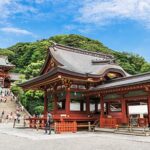
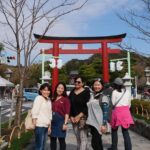
Wakamiya Main Street and the approach to the shrine
The walk begins at Kamakura Station, at 1-chōme-1-15 Onarimachi. From there, you follow Wakamiya Main Street toward Tsurugaoka Hachimangu. This first section takes about 20 minutes and has no admission fee.
The street is more than a simple route between two points. It gives you a gradual introduction to Kamakura’s main area, where daily Japanese life sits alongside old religious landmarks. You can observe people shopping, walking to the shrine, and using the central streets as part of ordinary life.
This is also a good time for Virgil to explain the setting before you reach the shrine grounds. Rather than beginning with a long lecture at the station, the walk lets the story unfold as the city changes around you.
Expect some street walking and a steady transition into the shrine approach. If you have limited mobility or prefer fewer walking sections, tell the guide at the start. The tour is described as suitable for most participants, but the full route includes several hours on foot and multiple levels at Hasedera.
Tsurugaoka Hachimangu and the first shogun
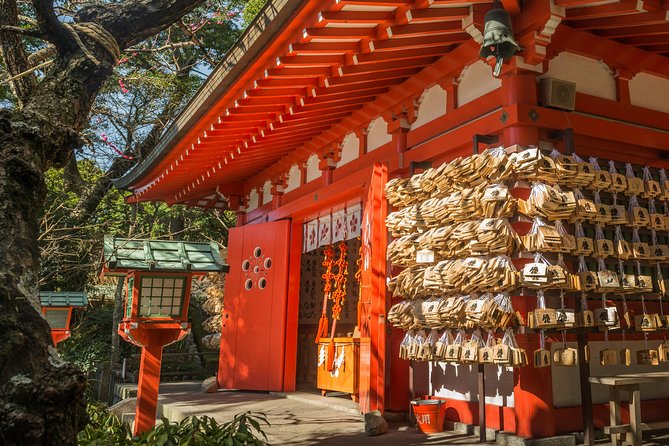
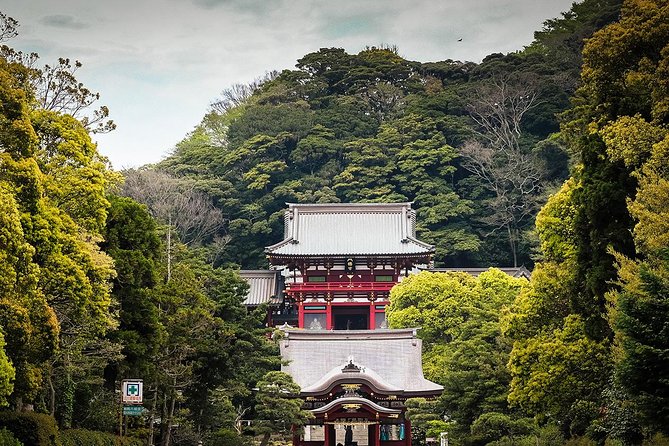
You spend about 50 minutes at Tsurugaoka Hachimangu, one of Japan’s three major Shinto shrines. Minamoto Yoritomo established it in the 12th century, making it the clearest place on this route to connect Kamakura’s religious identity with the rise of the shogunate.
The shrine is dedicated to Hachiman, a deity associated with war and the protection of the Minamoto clan. You do not need to arrive with a background in Japanese religion to appreciate the site. Virgil’s role is especially useful here because Shinto customs, military power, and family loyalty can otherwise seem like separate subjects.
Give yourself time to notice how the shrine functions as both a historic site and a living place of worship. People still come to pray, take part in ceremonies, and mark personal occasions. That mix of old structure and present-day practice is one of the strongest parts of the tour.
Admission is free, which helps balance the extra fees later. The stop can be busy, and the broad approach may involve a fair amount of walking. The private setup gives you room to ask what you are seeing rather than simply passing through with a crowd.
Komachidori, where old Kamakura meets modern Japan
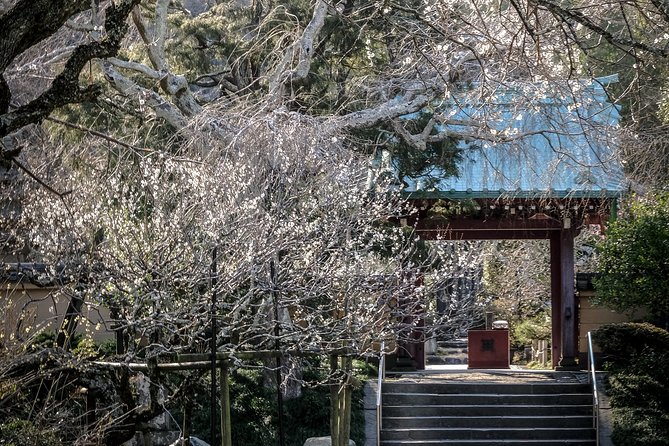
After the shrine, the route turns toward Kamakura Komachidori for about 50 minutes. This is the town’s famous shopping street, lined with stalls and small shops selling sweets, snacks, and souvenirs.
This stop gives the tour a needed change of pace. After hearing about shoguns, shrine traditions, and medieval government, you get to see what Kamakura feels like as a modern destination. The street is a practical place to try a snack, browse local items, or pause for a cold treat.
One particularly useful detail from the tour experience is the mention of matcha ice cream. A short food stop can make the history easier to absorb, especially for families and younger visitors. A 10-year-old on the tour was able to connect a love of Japanese pop culture and food with a more serious look at the country’s past.
Food and drinks are not included, and neither is lunch. That is not necessarily a problem here, since Komachidori gives you plenty of chances to buy something, but you should budget for it. The stated 50 minutes is enough for a brief taste and some browsing, not a leisurely meal with extended shopping.
The street can also be crowded. On busy Sundays and long weekends, you may need to walk at the guide’s pace and stay alert in tight spaces. Virgil has been praised for steering groups efficiently through crowded periods, which is useful when the main thoroughfare is full.
The Great Buddha, Kamakura’s largest single image
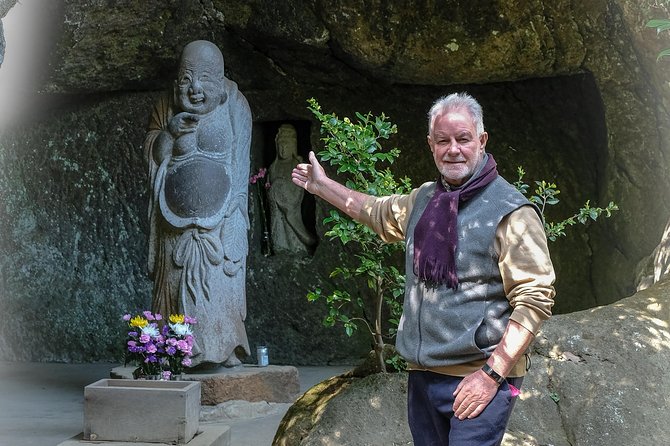
Next comes Kotoku-in, home of the Great Buddha of Kamakura. You spend about 40 minutes here, and admission is not included.
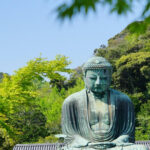
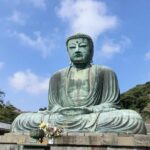
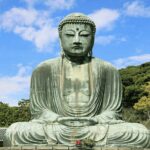
The bronze Amida Buddha dates from the 13th century and is one of Kamakura’s defining sights. After the political and religious background at Tsurugaoka Hachimangu, this stop shifts your attention toward Buddhist faith and the scale of medieval religious art.
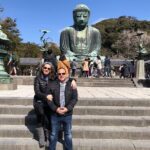
The statue is impressive because of its size, age, and calm expression, but the guide adds the context that makes a short visit worthwhile. Virgil’s historical explanations often include small stories and details rather than only dates. That approach helps you understand why the image was made and how it fits into Kamakura’s religious world.
Forty minutes is a sensible amount of time for the main statue, photographs, and an explanation without turning the stop into an extended museum visit. If you want a long time for independent pictures or a careful look around the grounds, mention that before the day begins. The private format allows some adjustment, but the route still has another major temple ahead.
Because admission is extra, keep a little cash or payment method ready for both paid sites. The tour price covers the guide and hosting, not every entrance fee.
Hasedera Temple and its many layers
The longest stop is Hasedera Temple, with about one hour and 20 minutes planned. Admission is not included.
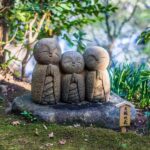
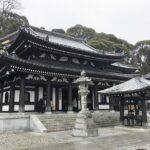
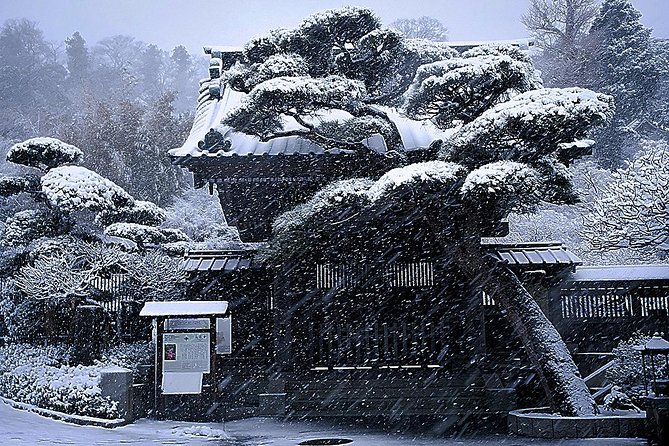
Hasedera spreads across several levels and combines religious buildings with gardens, ponds, caves, and views through the temple grounds. It is a more varied visit than the Great Buddha, and the extra time makes sense. You can move through different parts of the complex instead of stopping only for one landmark.
The temple is associated with an ancient eleven-headed statue of Kannon, the Buddhist goddess of mercy. Kannon’s many heads represent the ability to look in different directions and respond to suffering. That symbolism gives Virgil an ideal opening for explaining Buddhist ideas in plain language.
The gardens and water features offer a quieter contrast to Komachidori. They also create good photo opportunities, particularly for a guide who is prepared to take pictures of you rather than simply point out the best angle. Still, Hasedera is not a flat, quick stop. Multiple levels and temple paths can be tiring, especially after several hours of walking.
If you walk slowly, have young children, or want to stop often, say so early. One of the tour’s strongest practical features is its unhurried pace. Virgil has adjusted for slow walkers and has shown patience with groups that needed more time.
The tour ends at Hase Station, 2 Chome-14 Hase, on the Enoden Line. That is convenient because you do not need to retrace the full route back to Kamakura Station. It also means you should plan your onward route from Hase rather than assuming you will finish where you started.
What Virgil adds to the experience
The guide can make or break a history-focused walk, and Virgil is the central reason this experience appeals to me. He is repeatedly described as friendly, patient, and clear in English. Spanish is also spoken, according to the tour information.
His strongest quality is the ability to connect facts to places. You are not merely told that Yoritomo founded a shrine or that the Great Buddha dates to the 13th century. You get the political and religious setting around those facts, along with anecdotes that make the material easier to remember.
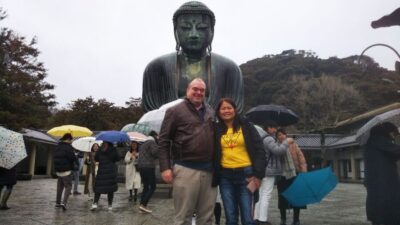
The guide also acts as a photographer. That is especially handy for solo visitors and families. You can hand over your camera or phone and get group pictures at the shrine, Buddha, temple, and streets instead of relying on strangers.
He has also helped people who got lost on the way to the meeting point and has used public transportation during the outing when needed. Transportation to and from attractions is not included as a formal tour feature, so clarify any planned train or local transit costs. The important point is that the tour is not limited to a rigid lecture and route.
Is $108.99 a fair price?
At $108.99 per person, this is best viewed as a private guiding service, not an inexpensive sightseeing walk. For a solo visitor, the price is high. For a couple or a small group of up to eight, the cost can make more sense because you are buying personal attention for the entire party.
The value comes from several things:
- You receive roughly four hours with a local guide.
- Your group gets a route centered on Kamakura’s samurai and religious past.
- You can ask questions and adjust the pace.
- A professional photographer guide can take photos.
- You avoid having to research how the sites connect.
- You finish at Hase Station instead of returning to the starting point.
You still need to pay for the Great Buddha and Hasedera, plus your own snacks, lunch, drinks, and transportation. That makes the final cost higher than the headline price.
I would consider it good value for a small group that wants context and companionship, especially on a first visit to Kamakura. If you only want to see the Great Buddha and take a few quick pictures, you can spend less by visiting independently.
Who will get the most from this private walk?
This tour suits a first-time visitor who wants Kamakura’s main sights in one organized half-day. It is also a strong choice for families, since the guide can answer unexpected questions and make room for snacks, photos, and a slower pace.
Solo visitors benefit from the private format and photography. Couples and groups of friends get an easier day when one person does not have to navigate every street and explain every shrine.
History fans will appreciate the focus on the Kamakura Period, samurai government, and Zen Buddhism. You do not need to be an expert, though. The tour also works for anyone who wants to understand why the town has both major Shinto and Buddhist sites.
You may want another option if you dislike guided sightseeing, prefer a very fast schedule, or want all admissions and transportation bundled into one price. This is a social, explanatory walk with several stops, not a private vehicle tour.
Practical details that affect your day
You can select from several start times, which helps fit the outing into a Tokyo or Yokohama schedule. The meeting point is Kamakura Station, and the end point is Hase Station on the Enoden Line.
The tour is private, with only your party participating, and groups can include up to eight people. Group discounts are available, but the exact savings depend on the booking details.
The experience is near public transportation, and confirmation is provided when you book. Most people can participate, but plan for extended walking, shrine and temple paths, and the multiple levels at Hasedera.
Free cancellation is available if you cancel at least 24 hours before the local start time. Cancellations or changes made within 24 hours are not refunded or accepted.
Should you book this Kamakura tour?
Book it if you want Kamakura explained, not merely photographed. The route covers the essential sights, but its real strength is the connection between samurai rule, Shinto worship, Buddhist art, and modern town life.
I would especially choose it for a small family, a solo visitor, or anyone who values an adaptable guide and useful photographs. Virgil’s patience, clear English, personal stories, and willingness to adjust the pace add real value.
Skip it if your priority is the lowest possible cost or complete independence. You will need to pay extra for two major admissions and handle food and transportation yourself. For a private four-hour introduction to Kamakura with a guide who can make the past understandable, though, this is a well-focused choice.
FAQ
How long does the Kamakura tour last?
The tour lasts approximately four hours.
Where does the tour begin?
It begins at Kamakura Station, at 1-chōme-1-15 Onarimachi, Kamakura, Kanagawa 248-0012, Japan.
Where does the tour end?
The tour ends at Hase Station, 2 Chome-14 Hase, Kamakura, Kanagawa 248-0016, Japan, on the Enoden Line.
Is this a private tour?
Yes. Only your own group participates, and the tour can accommodate groups from one person up to eight people.
Which attractions are included in the route?
The route includes Wakamiya Main Street, Tsurugaoka Hachimangu Shrine, Kamakura Komachidori, Kotoku-in and the Great Buddha of Kamakura, and Hasedera Temple.
Are entrance fees included?
Admission to Wakamiya Main Street and Tsurugaoka Hachimangu is free. Admission to Kotoku-in and Hasedera Temple is not included.
Is food included?
No. Food, drinks, and lunch are not included.
Can I cancel for a full refund?
Yes, if you cancel at least 24 hours before the experience start time. Cancellations or changes made less than 24 hours before the start time are not accepted for a refund.
More tours in Kamakura we've reviewed


Kamakura, compared.
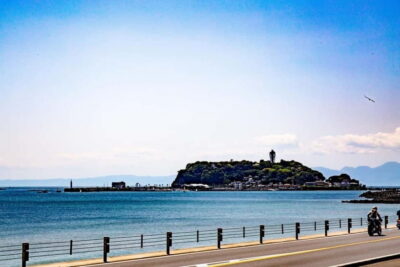 ★ 4.5Tokyo: Kamakura & Enoshima Day Trip including Temple TicketsFrom $589 hours - 570 minutes
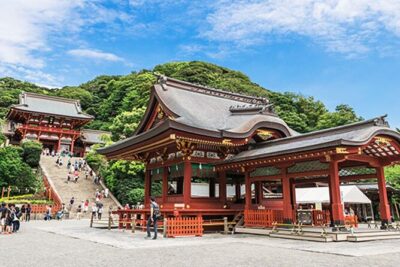 ★ 4.5From Tokyo: Kamakura & Enoshima 1-Day Bus TourFrom $66
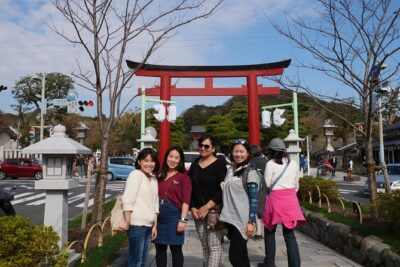 ★ 5.0Kamakura Historical Walking Tour with the Great BuddhaFrom $98
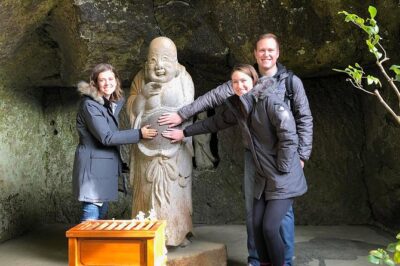 ★ 5.0Kamakura Private Tour: Temples, Nature, and the Great BuddhaFrom $98
 ★ 5.0Kamakura Walking Tour – The City of ShogunFrom $35
 ★ 4.8Kamakura: Private Guided Walking Tour with Local GuideFrom $1064 - 6 hours