
Reviewed · HAKONE DAY TRIPS
Hike Hakone Hachiri Japan Heritage Area
The best part of this day is that you walk through a real section of Japan’s old Tokaido road, not just look at historic buildings from a coach window. Stone paving, cedar trees, a surviving teahouse, Lake Ashi, and Yamanaka Castle Ruins give the route a strong sense of place.
I like two things right away: Tony’s personal guidance and the way the day joins nature with Japan’s political and travel history. He speaks fluent English and Japanese, and his local connections can turn a stop at the old teahouse into a genuine conversation, not just a quick photo.
The catch is simple: this is an eight-mile hike with some demanding climbs, not an easy stroll. You also arrange and pay for your own trains, buses, food, and entry fees, so the $451 group price makes the most sense for several people sharing the cost.
In This Review
- Key points of the Hakone Hachiri hike
- Why this route tells the Japan story so well
- Getting from Tokyo to Hakone Yumoto
- Amazake Chaya and the old road
- Stone paving through the Hakone forest
- Lake Ashi, Cedar Avenue, and Hakone Checkpoint
- The longer walk toward Yamanaka Castle Ruins
- From the hills to Mishima
- What the $451 group price really covers
- Who should book this hike
- Practical tips for making the day work
- Should you book the Hakone Hachiri hike?
- FAQ
- Where does the hike begin?
- Where does the hike finish?
- How far do we walk?
- How long does the experience last?
- Is the tour private?
- Is transportation included in the price?
- Is lunch included?
- What language is the tour offered in?
- What should I bring?
- Is the hike suitable for people with mobility impairments?
- Can I cancel the booking?
Key points of the Hakone Hachiri hike
- Walk an eight-mile section of Old Tokaido, the feudal highway linking Tokyo with Kyoto and Osaka.
- Start with amazake at Amazake Chaya, one of the few surviving teahouses from the road’s long history.
- Follow stone paving through forest from the hills down to Lake Ashi and Moto-Hakone.
- See the 400-year-old Cedar Avenue and Hakone Checkpoint, two of the route’s most memorable historic sights.
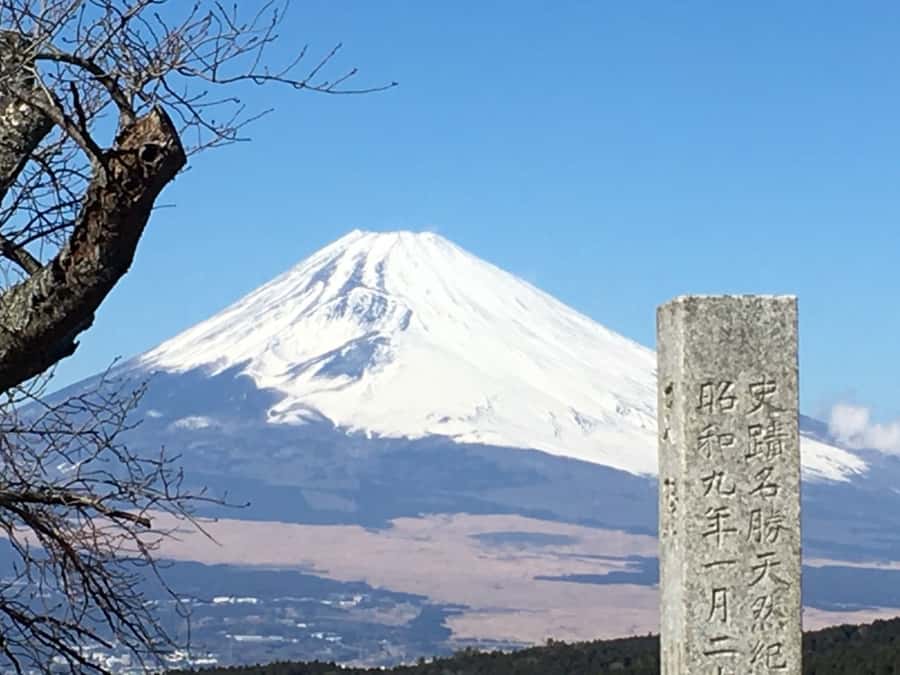
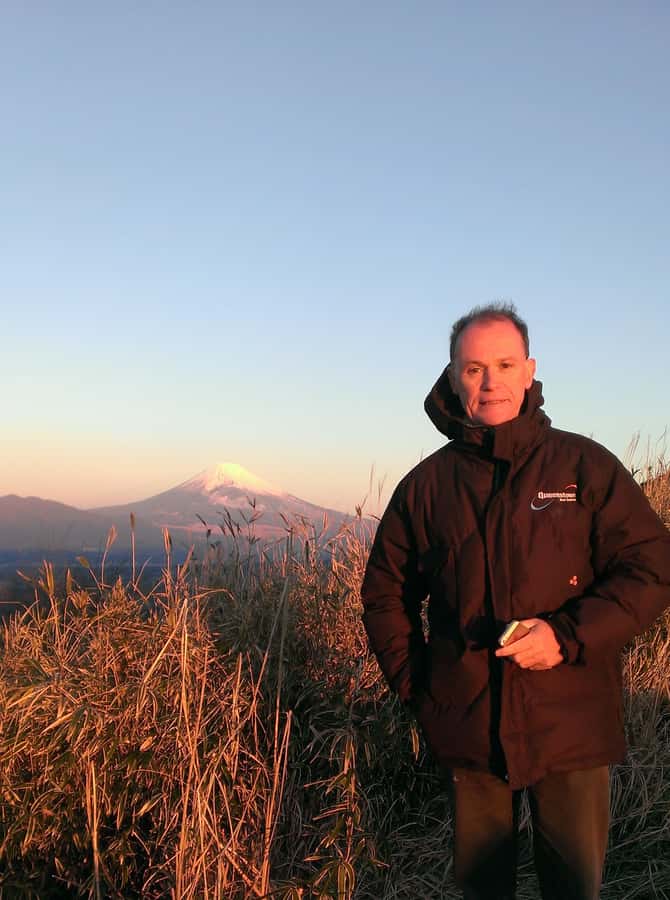
- Reach Yamanaka Castle Ruins for a Mount Fuji view, weather permitting.
- Travel privately with Tony, whose English and Japanese skills help explain local history and conversations.
Why this route tells the Japan story so well
Hakone is often treated as a quick stop between Tokyo and Mount Fuji. This hike gives you a better reason to slow down. The old Tokaido was a major road during Japan’s feudal period, connecting the shogun’s capital in the east with Kyoto and Osaka in the west.
You are not simply walking in the woods. You are following a route used by officials, merchants, pilgrims, and other people moving between the country’s major centers. The forest sections make that past easier to picture because the road still feels separate from modern Japan.
Tony’s role matters here. He does more than point out sights. He explains how the road functioned, adds local context, and can translate Japanese conversations. That was especially useful at the old teahouse, where a conversation with the proprietor became one of the most memorable parts of the day for one family.
The experience is private, with space for up to six people. That lets Tony adjust the pace and route to your schedule and the weather. One group finished just before rain arrived, while another had the route adapted around its plans. You should still expect a fixed full-day commitment, but the private format offers more flexibility than a large coach tour.
A few more Hakone tours and experiences worth a look
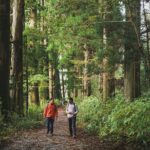
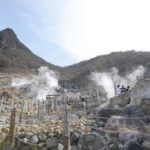
Getting from Tokyo to Hakone Yumoto
The day begins with your own train arrangement. The suggested service is the Tokaido Shinkansen Kodama No. 707, departing Tokyo at 7:57 a.m. and arriving at Odawara at 8:30 a.m. From there, you take the local train to Hakone Yumoto, where Tony meets you.
This early start is not decorative. The tour needs most of the day to cover the hike, historic stops, lunch, and the onward journey to Mishima. You should check the train details carefully before setting out, since transport is not included in the tour price.
From Hakone Yumoto, the route continues by bus and taxi toward the Amazake Chaya area. The transfer takes about 20 minutes by cab according to the planned schedule. Tony has also picked up some participants from their Hakone hotel, but you should confirm your exact meeting point with him in advance.
Amazake Chaya and the old road
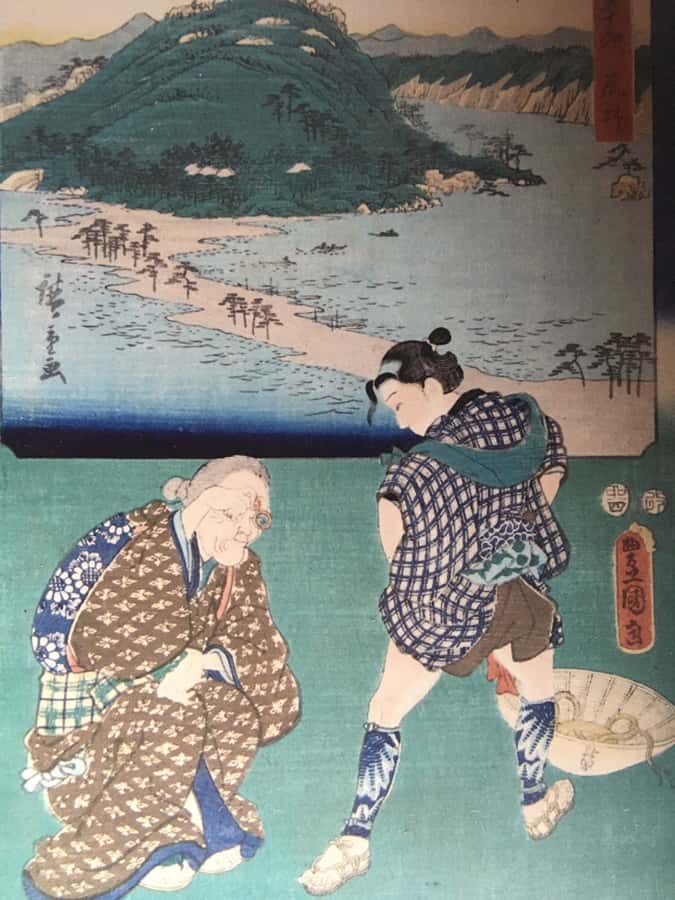
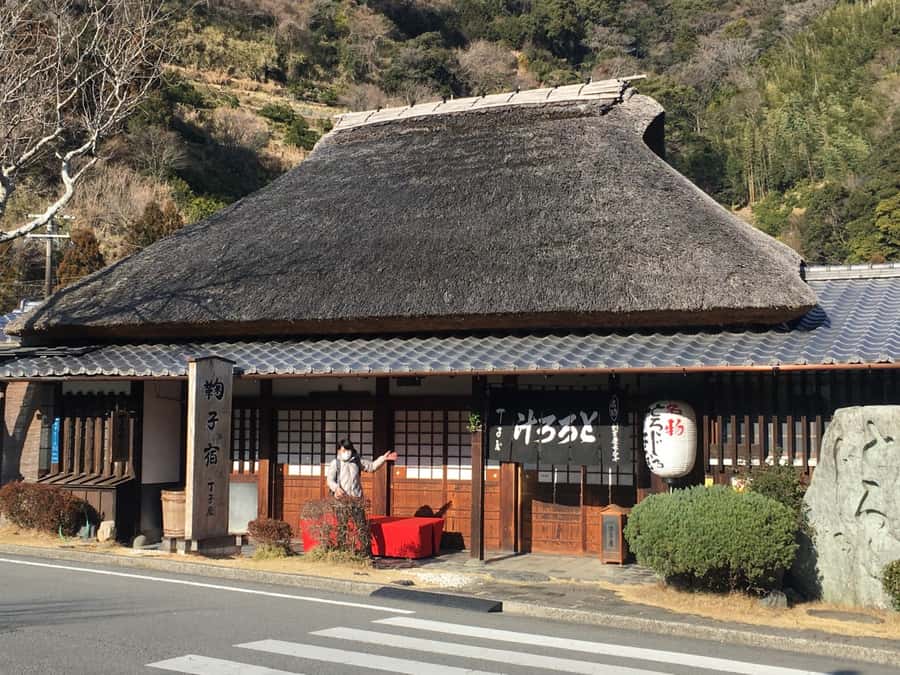
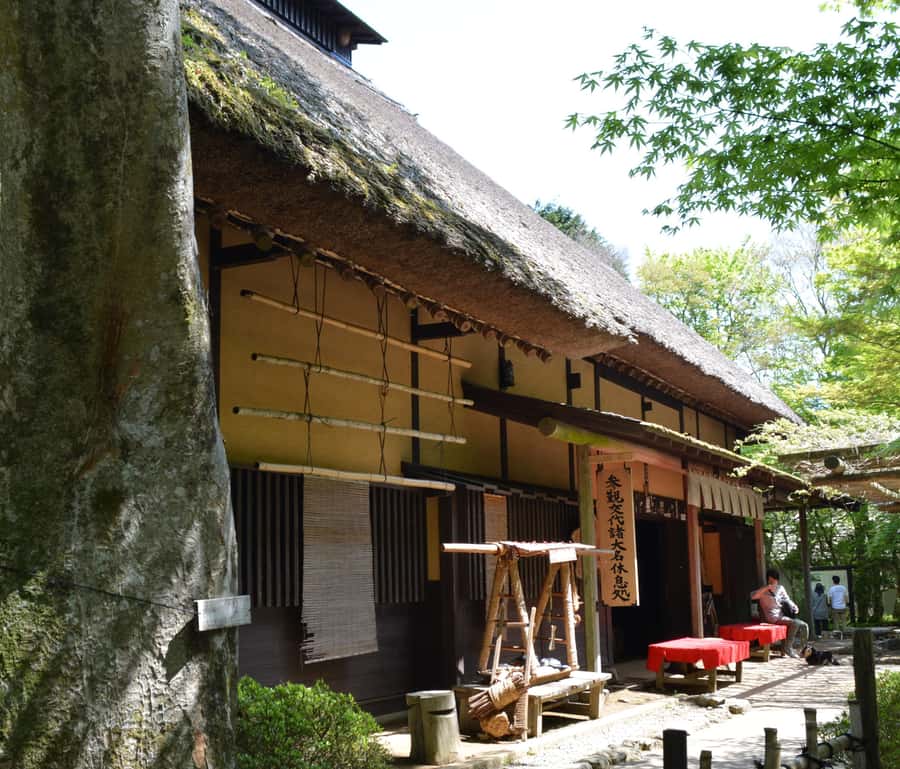
Amazake Chaya is a fine opening stop because it introduces the route through a living place rather than a museum display. The teahouse is one of the few remaining examples of the many rest stops that once served people traveling along the Tokaido.
You have about 40 minutes here for tea and conversation. The house serves amazake, a traditional non-alcoholic drink made from fermented rice. It is sweet and warming, a welcome start before walking into the forest.
The age of the teahouse is described differently in the supplied information, with references to several centuries of operation. The safe point is that it is an old survivor from the Tokaido tradition, and its importance comes from its continuing connection to the road.
Tony’s Japanese fluency can make this stop more than a refreshment break. He may translate conversations with the proprietor and explain details that would otherwise pass you by. That local contact was singled out as a special family memory, and it is exactly the kind of small moment that gives this hike its value.
Stone paving through the Hakone forest
After the teahouse, you follow the stone-paved Tokaido on foot through forest toward Lake Ashi. This section lasts about 70 minutes in the planned schedule.
The paving gives the walk a physical link to the past, but it also makes the route less forgiving than an ordinary park path. Uneven stones and woodland footing require proper sports shoes. People with mobility impairments should not book this experience, and anyone with uncertain stamina should take the eight-mile total seriously.
Bring a hat and jacket as well. Weather in the hills can change, and the tour runs outdoors for much of the day. Tony has carried extra hiking equipment on some outings, including gear to help prevent slips, but you should still arrive prepared rather than rely on spare equipment.
The forest is one of the day’s strongest parts because it slows the pace. You have time to hear the story of the road while walking through the same broad route that once carried people across Hakone. The appeal is not speed. It is the steady combination of trees, old paving, and explanation.
Lake Ashi, Cedar Avenue, and Hakone Checkpoint
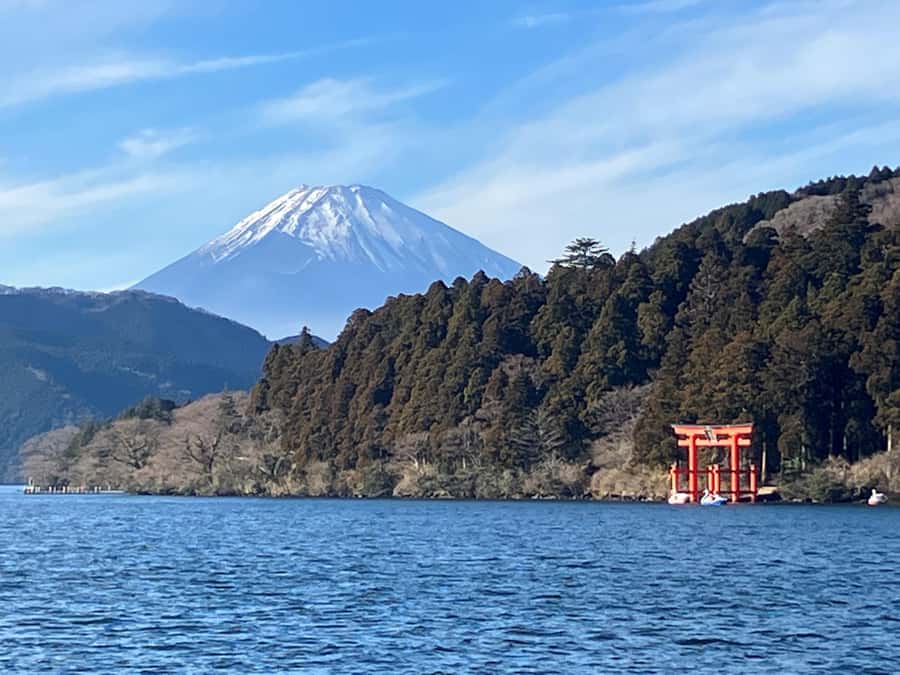
The trail eventually reaches the shore of Lake Ashi in Moto-Hakone. You have a break and lunch here, with about 50 minutes set aside in the schedule.
Lunch is not included, so you pay for your own meal. The details of the restaurant or exact menu are not specified, but the lakeside setting gives this pause a welcome change of pace after the forest walk. One outing included a particularly good lunch location, though you should treat food arrangements as your responsibility and budget accordingly.
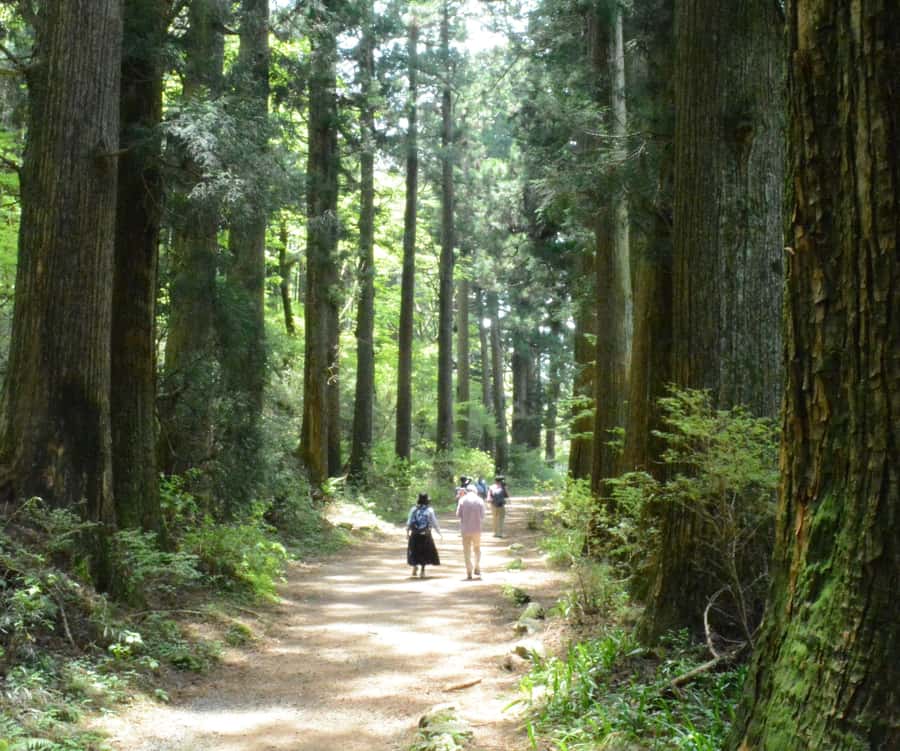
After lunch, you stroll along the mile-long Cedar Avenue. Tall cedar trees line both sides of the route, many of them described as about 400 years old. This is one of the easiest parts of the day to appreciate at a glance. The trees form a long, shaded corridor and show how the road was made safer and more comfortable for people traveling on foot.
You then pass through Hakone Checkpoint. The checkpoint recalls the system used to control movement along the Tokaido during the feudal period. It helps connect the physical road with the government that managed it.
Entry fees are not included, so carry funds for any paid access. The tour information does not specify the current entrance cost. Tony can explain what you are seeing, but the exact fees and operating details should be checked close to your travel date.
Other historical tours in Hakone

The longer walk toward Yamanaka Castle Ruins
After the lake and checkpoint, you rejoin the Old Tokaido for roughly two more hours of hiking. Much of this section runs through forest and includes climbs that may test your stamina.
This is where the tour separates itself from a gentle sightseeing circuit. The route gives you a stronger sense of the old highway, but you must be comfortable walking for much of the afternoon. Reviews describe parts of the climb as demanding, so do not book this expecting a flat walk with occasional photo stops.
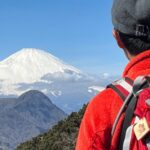
The reward is Yamanaka Castle Ruins. The remains provide another way to read the area’s past, this time through defensive architecture and high ground. From here, you may have a Mount Fuji photo opportunity if the weather cooperates.
That weather condition matters. Fuji views are never guaranteed, even on a clear-looking day. The hike is still worthwhile without the mountain, since the old road, forest, cedar avenue, checkpoint, and castle ruins form the main experience. Still, if Fuji is a major reason for booking, keep your expectations sensible.
Tony’s storytelling is particularly useful in this section. The woods and ruins do not explain themselves in English, and the day depends on a guide who can connect scattered remains to the wider story of Japan. His style has been described as enthusiastic, chatty, and engaging, with a strong ability to explain the people, culture, and natural setting around Hachiri.
From the hills to Mishima
Once the hiking portion ends, you take a bus toward Mishima. The ride is planned at about 35 minutes. This transfer is practical rather than scenic, but it saves you from extending the walk late into the day.
In Mishima, you stroll for about 30 minutes along the Genbe River World Heritage Water Area before reaching Mishima Station. This short final visit gives the day a different finish, shifting from mountain road and castle ruins to a waterway within the city.
The tour ends at Mishima Station. The suggested return train is Tokaido Shinkansen Kodama No. 734, departing Mishima at 5:24 p.m. and arriving in Tokyo at 6:18 p.m. You arrange and pay for this train yourself.
Keep your return plans organized. Tony has helped participants book their return tickets at Mishima, but that assistance should be viewed as helpful guidance rather than an included transport service. Allow yourself enough time after the walk to reach the station, buy food if needed, and board without a last-minute dash.
What the $451 group price really covers
The price is $451 per private group of up to six people. It includes the guide fee, the guide’s expenses, and the guide’s gratuity. It does not include transport, entry fees, refreshments, lunch, or souvenirs.
For one person, that is a high price for a day hike. For a group of six, the cost works out to about $75 per person before transport, meals, and any admission charges. A couple will pay much more per person, but they also receive a private guide rather than joining a larger scheduled group.
The strongest value comes from Tony’s involvement. He meets you, manages the route, explains the historical setting in English, speaks Japanese at local stops, and helps deal with practical details. His ability to adjust the route for weather and timing adds value, especially on a day with several transport connections.
You should budget beyond the headline price. The early Shinkansen from Tokyo, local rail to Hakone Yumoto, bus and taxi rides, lunch, refreshments, and the return Shinkansen to Tokyo all sit outside the tour fee. Ask for current transport and admission estimates before booking so the total does not surprise you.
Who should book this hike
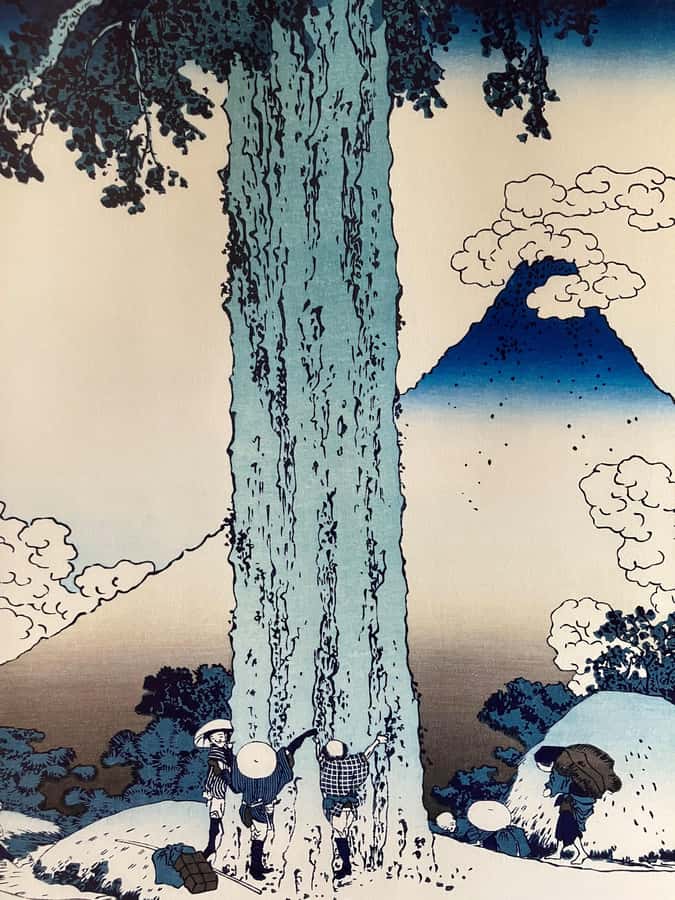
I would recommend this experience to people who enjoy walking with a purpose. You should want more than a scenic ride around Hakone. The route suits you if you like old roads, local stories, forest paths, historic remains, and a guide who can explain how separate sights fit together.
It is also a strong choice for families or small groups who want a private day. The maximum of six people keeps the outing personal, and Tony can adapt the pace or route within the limits of the day.
You should skip it if you have mobility limitations, dislike uneven paths, or are looking for a relaxed sightseeing day. Eight miles of walking, including a climb toward Yamanaka Castle Ruins, is a serious physical commitment. Sports shoes are essential, and a hat and jacket are sensible additions.
The tour is conducted in English. Tony also speaks Japanese fluently, which can open up conversations at places where a standard English-only tour would offer little contact with local people.
Practical tips for making the day work
Book the suggested early train or another service that gets you to Hakone Yumoto in time. The group is scheduled to leave Tokyo at 7:57 a.m., so this is not a day for a slow breakfast.
Wear shoes with a firm grip. Stone paving, forest paths, and climbs demand more than casual sneakers in poor condition. Bring water and money for food and transport, since refreshments and lunch are not included.
Check the forecast before you leave, but do not assume a poor Fuji forecast cancels the value of the day. Weather changes quickly, and the route has several strong sights that do not depend on a mountain view.
You can cancel up to 24 hours in advance for a full refund, and the reserve-now, pay-later option keeps the booking flexible. Confirm the meeting point, transport plan, and any expected admission fees with Tony before the morning of the hike.
Should you book the Hakone Hachiri hike?
Book it if you want to understand Hakone by walking through its past, and if you are fit enough for eight miles with some demanding climbs. The old teahouse, stone road, cedar avenue, checkpoint, castle ruins, and Genbe River create a full day rather than a single scenic stop.
The price is easiest to justify for a group of four to six. Solo visitors and couples should decide if the private guiding, local translation, and route planning are worth the higher per-person cost.
My practical verdict: this is a strong choice for active visitors who value context and personal guidance, not for anyone seeking a light half-day outing. If Tony is available for your dates, his English, Japanese, local experience, and careful timing are the main reasons to choose this route over exploring Hakone on your own.
FAQ
Where does the hike begin?
The activity begins at Hakone Yumoto Station, where the guide meets you after you arrive from Odawara by local train.
Where does the hike finish?
The tour finishes at Mishima Station after the bus transfer from the Hakone area and the walk along the Genbe River World Heritage Water Area.
How far do we walk?
The total walking distance is about eight miles.
How long does the experience last?
The full experience lasts about eight hours.
Is the tour private?
Yes. It is a private group experience for up to six people.
Is transportation included in the price?
No. You arrange and pay for the trains, buses, taxi rides, and other transport yourself.
Is lunch included?
No. Lunch and refreshments are not included.
What language is the tour offered in?
The live tour guide service is offered in English. Tony also speaks Japanese fluently.
What should I bring?
Bring a hat, jacket, and sports shoes. You should also plan for your own meals, refreshments, and transport costs.
Is the hike suitable for people with mobility impairments?
No. The experience is not suitable for people with mobility impairments, and some climbs can test your stamina.
Can I cancel the booking?
Yes. You can cancel up to 24 hours in advance for a full refund. You can also reserve now and pay later.
More Hiking & Trekking Tours in Hakone
More Historical Tours in Hakone
More Hakone Day Trips in Hakone
More tours in Hakone we've reviewed



Hakone Day Trips, compared.
 ★ 5.0Mt Fuji and Hakone 1-Day Bus Tour Return by Bullet TrainFrom $163
 ★ 4.0Mt Fuji & Hakone Cruise, Drum Show Bullet Train 1 Day from TokyoFrom $149
 ★ 4.4Tokyo Mt Fuji 5th St & Hakone Cruise Bus Tour w/Bullet TrainFrom $15410 hours
 ★ 4.7Tokyo: Mt. Fuji Tour, Hakone Ropeway, Owakudani, Lake AshiFrom $5410 hours
 ★ 4.2Tokyo: Mt. Fuji 5th Station & Hakone Cruise 1-Day Bus TourFrom $12911 hours
 ★ 5.0Private Tour to Mt. Fuji and Hakone (Fully Licenced Operator)From $497