
Reviewed · HALF-DAY
Tokyo: Half-Day Morning Small Group Tour
Tokyo gives you old and new in quick succession, and this three-hour morning tour puts both sides of the city on your route. You begin near Tokyo Station with the Imperial Palace Gardens and Nijubashi Bridge, then head across town to Asakusa and Senso-ji Temple.
I like the compact route and the fact that you finish at Senso-ji, where you can keep exploring on your own. I also like the English-speaking local guide, who can add context that is easy to miss when you visit these major sights alone. The main concern is reliability: the current score is 3 out of 5 from eight ratings, including reports of a cancellation and a guide who did not arrive.
In This Review
- Key points at a glance
- A fast introduction to Tokyo’s grandest contrasts
- Imperial Palace Gardens and the view from Nijubashi
- The 30-minute transfer to Asakusa
- Asakusa, Nakamise-dori, and the old Tokyo mood
- Senso-ji Temple, the tour’s strongest finish
- What $59 buys you, and what it does not
- Reliability is the key concern
- Walking, weather, and mobility
- Who should book this morning route?
- My verdict: useful route, but book with care
- FAQ
- How long is the Tokyo morning tour?
- Where does the tour start?
- Where does the tour finish?
- Is the tour conducted in English?
- Does the tour include a hotel pickup?
- Is food included?
- How much does the tour cost?
- How early should I arrive?
- What should I bring?
- Can wheelchair users join the tour?
- Can I cancel for a refund?
- Can I reserve now and pay later?
Key points at a glance
- Two very different sides of Tokyo: See the formal Imperial Palace area, then switch to the older streets and temple grounds of Asakusa.
- Nijubashi Bridge is a photo stop: You get a clear view across the palace moat and one of Tokyo’s best-known imperial scenes.
- Senso-ji gets a full hour: The temple and Nakamise-dori are not treated as a rushed final stop.
- Tokyo Station is the starting point: You meet at the Starbucks Coffee in Kokyo Gaien Wadakura Fountain Park, not at your hotel.
- The tour costs $59 per person: That price is mainly for the guide and a planned route, since meals, transport, and hotel transfers are not included.
- Plan for a lot of walking: Comfortable shoes, water, weather-ready clothing, and arrival 15 minutes early are essential.
A fast introduction to Tokyo’s grandest contrasts
The tour opens in the Kokyo Gaien area, a broad public space beside the Imperial Palace. This is a smart place to begin because Tokyo Station and the palace grounds show you two sides of the capital at once: the city’s polished modern center and the carefully protected setting of the imperial residence.
Your guide leads a 30-minute visit around the Imperial Palace area. You should think of this as an introduction rather than a full palace visit. The experience focuses on the gardens and public surroundings, so it suits you if you want orientation, photographs, and historical context without spending half a day at one site.
The morning timing also has practical value. You can see these central sights before spending the rest of the day in Asakusa, shopping, eating, or visiting another part of Tokyo. If you have only a short stay in the city, this route covers several headline sights without asking you to plan every train connection yourself.
A few more Tokyo tours and experiences worth a look


Imperial Palace Gardens and the view from Nijubashi
The Imperial Palace Gardens offer a calmer start than the city streets around Tokyo Station. You get paths, open space, and a sense of separation from the traffic and office towers nearby. The guide has 30 minutes to explain the setting and point out features that may mean little if you simply walk through on your own.
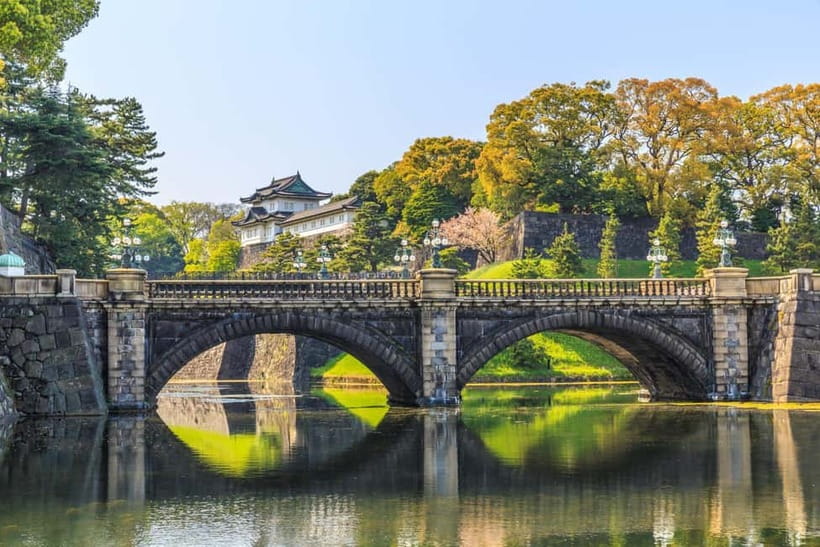
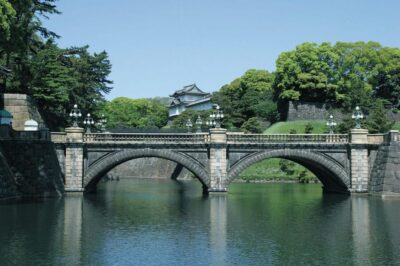
Next comes Nijubashi Bridge, another 30-minute guided stop. Its name is often translated as Double Bridge, and the view across the moat toward the palace entrance is one of the classic Tokyo pictures. The bridge itself is more about the view than crossing deep into the palace grounds, so keep your expectations in line: this is a scenic and historical stop, not a private palace tour.
I like the way these first two stops work together. The gardens give you room to walk and look around, while Nijubashi offers a clear focal point for photographs. The drawback is time. With only half an hour at each place, the guide will need to keep the group moving, and you will not have the freedom of a long, unhurried palace visit.
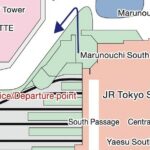
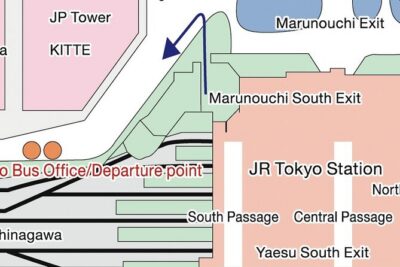
The meeting point deserves attention. You meet in front of the Starbucks Coffee at Kokyo Gaien Wadakura Fountain Park. Do not rely on simply finding Tokyo Station and hoping to spot the group. Arrive 15 minutes early, and check the exact starting time when you book because the available departure times can vary.
The 30-minute transfer to Asakusa
After the Imperial Palace area, the tour allows 30 minutes for the transfer to Asakusa. The supplied details do not specify the transport method, so you should treat this as scheduled movement between neighborhoods rather than a sightseeing segment.
That transfer matters because Tokyo’s major sights are spread out. A guide-led route saves you from working out the connection between the palace district and Asakusa during a short morning. It also keeps the tour focused on the sights rather than turning the experience into a lesson in navigating Tokyo’s rail network.
At the same time, the transfer is not included as a separate transport benefit. Hotel pickup and drop-off are not provided, and meals are not included. You should budget for getting to the meeting point and for any transport costs connected with the tour itself if those are not covered in your booking terms.
Asakusa, Nakamise-dori, and the old Tokyo mood
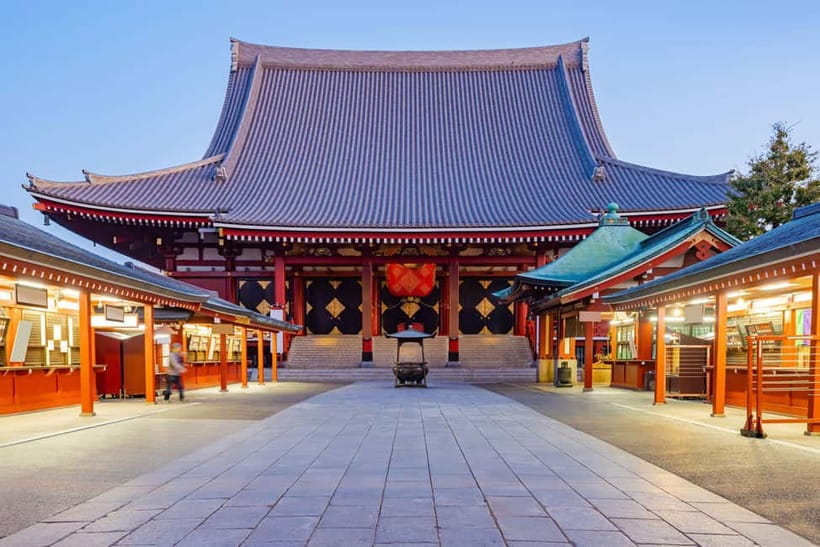
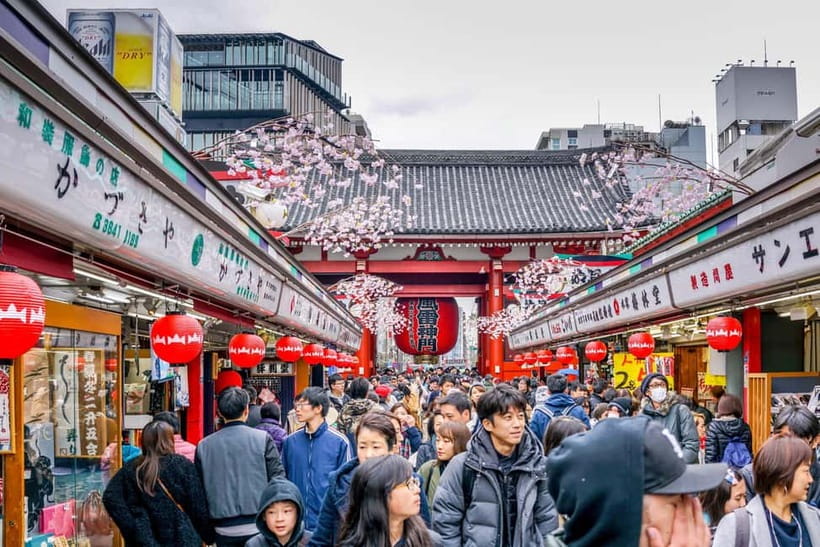
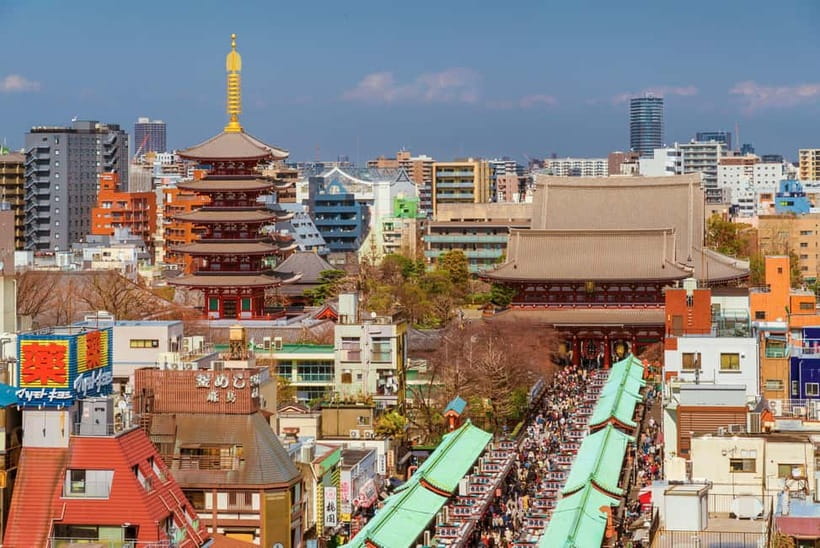
Asakusa receives about an hour of guided attention before the final temple visit. This neighborhood feels quite different from the Imperial Palace district. Its appeal comes from traditional streets, shops, food, and religious landmarks, giving you a more grounded look at Tokyo’s older character.
The route includes Nakamise-dori, the approach street leading toward Senso-ji. It is a place to slow down and look closely. You may find small souvenirs, snacks, and rows of shops aimed at people heading to the temple. The street can be busy, so stay close enough to hear your guide and leave room for other people moving through the area.
An hour in Asakusa is useful for a first visit, but it is not enough to see every side street or browse every shop. I would treat the guided hour as an introduction. If Asakusa catches your interest, you can return after the tour, since the experience finishes at Senso-ji rather than taking you back to Tokyo Station.
This is one of the tour’s best design choices. You finish in a neighborhood with more to see and do, rather than being returned immediately to the starting point. You can continue on your own after the formal tour ends, though the supplied information does not include recommendations for specific restaurants, shops, or follow-up sights.
Senso-ji Temple, the tour’s strongest finish
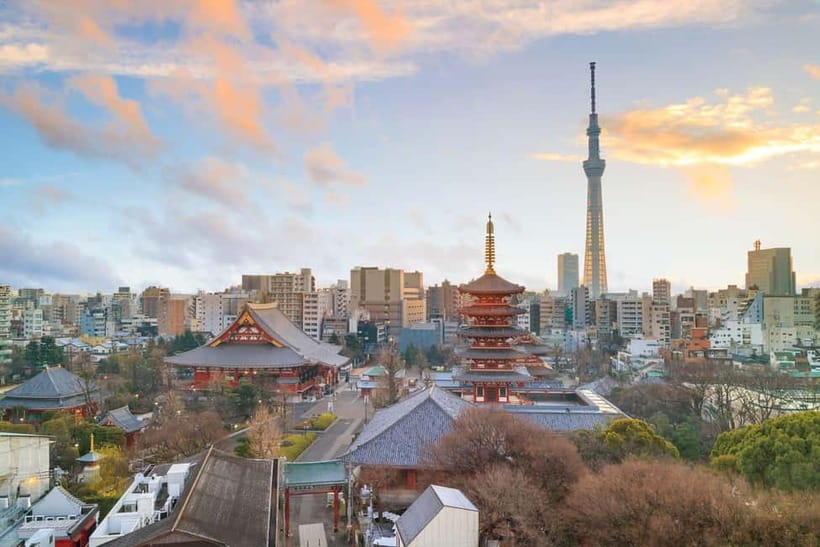
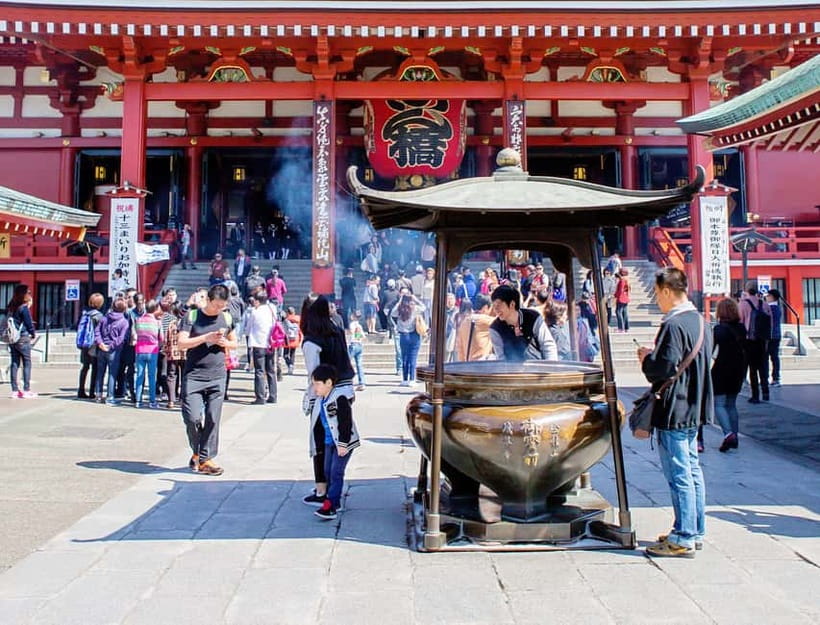
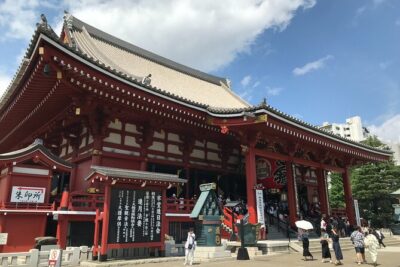
Senso-ji receives a full hour, making it the longest single stop on the route. The temple is one of Tokyo’s best-known Buddhist sites and a central part of the Asakusa visit. Your guide can explain what you are looking at, help place the temple within Tokyo’s religious culture, and keep the visit from becoming a simple photo stop.
The temple grounds are visually memorable, but the experience is not only about taking pictures. Take time to notice the movement from Nakamise-dori into the temple area, the change in atmosphere, and the way commercial streets meet a place of worship. Keep your voice low and follow any signs or instructions on site.
An hour gives you a reasonable amount of time for a guided introduction. It also gives you a chance to ask questions and look around at a calmer pace than the earlier palace stops. Still, large public sights can feel crowded, and the tour does not promise a private or quiet temple visit.
Because the tour ends at Senso-ji, you have flexibility afterward. You can remain in Asakusa, revisit Nakamise-dori, or make your own way to another part of Tokyo. This ending works especially well if you want a morning tour that feeds into a full afternoon rather than one that sends you back to the original meeting point.
A few more Tokyo tours and experiences worth a look
What $59 buys you, and what it does not
At $59 per person, this is a reasonable price if you value a planned route and live explanation. In three hours, you cover the Imperial Palace area, Nijubashi Bridge, Asakusa, Nakamise-dori, and Senso-ji. Organizing that sequence yourself is possible, but a guide removes some of the planning and helps connect the stops.
The price includes a hand-picked expert guide. English is the stated tour language. Meals are not included, and hotel pickup and drop-off are not included. Personal travel insurance is also your responsibility.
Value depends on your travel style. If you already feel comfortable using Tokyo’s transport system and prefer to explore at your own pace, you may find the group format less useful. One published rating described the experience as suitable for first-time visitors who want to talk with other tourists, while also suggesting that the sights can be visited independently.
That is a fair way to view the tour. You are paying for structure, company, and interpretation, not exclusive access. The guide was described as kind and well informed in that rating, which points to the strongest part of the product when the operation runs properly.
Reliability is the key concern
I would not ignore the uneven operating record. The published score is 3 out of 5 from eight ratings, and two serious problems appear in the available feedback.
One booking was cancelled, with the customer waiting for a refund. Another group of four people reached the correct meeting point but reported that the guide did not show up. They tried calling both the guide and the emergency number without getting through. Those are not small inconveniences, especially when you have limited time in Tokyo.
A separate rating was more positive about the guide and found the tour acceptable for first-time visitors. That mixed picture suggests the actual value depends heavily on the guide assigned and on dependable communication on the day.
You can reduce avoidable risk by arriving early, checking the meeting point carefully, keeping your booking details handy, and allowing time to contact the provider if something goes wrong. The activity permits free cancellation up to 24 hours before the start for a full refund, and you can reserve now and pay later. Those terms add flexibility, but they do not solve a same-day no-show.
Walking, weather, and mobility
This is a walking tour with several outdoor sections. Bring comfortable shoes and water, and check the forecast before you leave. Tokyo weather can make a three-hour walk feel easy or tiring, so dress for the conditions rather than assuming the morning will stay mild.
You should also arrive 15 minutes before departure. The group cannot reasonably wait for late arrivals while moving between neighborhoods, and the meeting point is specific enough that a last-minute search could cost you valuable time.
The experience is not suitable for wheelchair users. The provided information does not give further details about step-free access, seating, or support for other mobility needs, so contact the provider before booking if you have access concerns that go beyond the stated restriction.
Who should book this morning route?
I would recommend it most to a first-time visitor with a short schedule. You get a broad first look at two major Tokyo areas, and the guide can help explain what you are seeing. It is also a good fit if you like to start with a group activity and then spend the afternoon exploring independently.
The route may suit solo visitors who want company, couples who prefer not to plan every connection, and families with older children who can manage several hours of walking. The three-hour length is short enough to fit around other plans, but you still need to account for the transfer and time spent outdoors.
Independent explorers may prefer to visit the palace area and Asakusa separately. That gives you more time at each place and lets you choose your own pace. The tour’s value is strongest when convenience and a live guide matter more to you than complete freedom.
My verdict: useful route, but book with care
Book this tour if you want a quick, guided introduction to Tokyo’s central imperial district and Asakusa, especially during a short visit. The route is well chosen, the finish at Senso-ji is practical, and the $59 price can make sense for the planning help and local explanation.
I would hesitate if your schedule is tight enough that a cancellation or no-show would cause real trouble. The reported reliability problems deserve attention, and you should keep the provider’s contact details available on the day.
For the best fit, choose this as an orientation tour, not as your complete Tokyo experience. Let the guide show you the main points in the morning, then use the finish at Senso-ji as a launch point for your own afternoon.
FAQ
How long is the Tokyo morning tour?
The tour lasts three hours.
Where does the tour start?
You meet in front of the Starbucks Coffee at Kokyo Gaien Wadakura Fountain Park.
Where does the tour finish?
The tour finishes at Senso-ji Temple in Asakusa.
Is the tour conducted in English?
Yes. The stated tour language is English.
Does the tour include a hotel pickup?
No. Hotel pickup and drop-off are not included.
Is food included?
No. Meals are not included in the tour price.
How much does the tour cost?
The listed price is $59 per person.
How early should I arrive?
You should arrive at the meeting point 15 minutes before the tour starts.
What should I bring?
Bring comfortable walking shoes and water. You should also check the weather forecast and dress appropriately.
Can wheelchair users join the tour?
The activity is not suitable for wheelchair users.
Can I cancel for a refund?
Yes. You can cancel up to 24 hours in advance for a full refund.
Can I reserve now and pay later?
Yes. The booking option allows you to reserve your place and pay later.
More Half-Day in Tokyo
More Morning in Tokyo
More tours in Tokyo we've reviewed






Half-Day, compared.
 ★ 4.0Half-day Tokyo Afternoon Tour by Hato BusFrom $41
 ★ 4.6Tokyo: A Half-Day Trip Bus Tour in the MorningFrom $404 hours - 270 minutes
 ★ 4.0Half-day Tokyo Morning Tour by Hato BusFrom $41
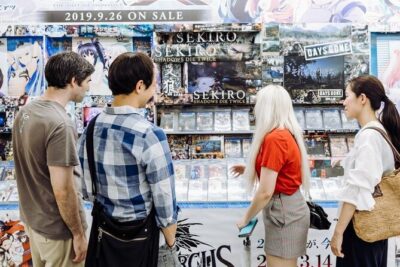 ★ 5.0Tokyo Private Half-Day Tour with a Local – Secrets & HighlightsFrom $143
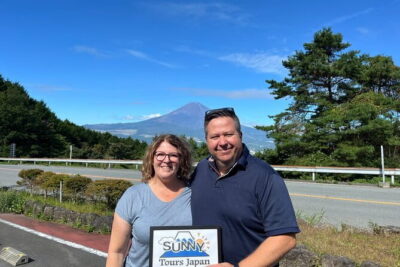 ★ 5.0Private Hakone Half-day Car Tour with Hotel Pickup – Local GuideFrom $277
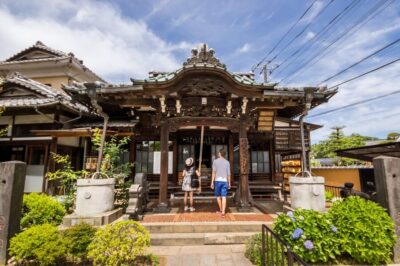 ★ 4.9Old and Nostalgic Tokyo: Half-Day Yanaka Walking TourFrom $833h 30m