
Reviewed · SUMO EXPERIENCES
Experience the Sumo World in Tokyo
A morning at a working sumo stable gives you something a tournament ticket cannot: a close look at the daily discipline behind the show. You sit near the training area at Asahiyama beya, watch the rikishi work, then try to push one yourself. The power is real, and so is the good humor afterward.
I especially like the guides’ role. Ryoko, Haru, Tomer, Tammy, and others explain the rules and customs during the train ride, translate questions, and help you navigate Tokyo’s rail system. I also like the shared chanko nabe lunch, since food makes the athletes’ demanding routine easier to understand.
The main caution is the early start and complicated route. You must meet at Ueno Station at 7:45 a.m. and ride two trains to Matsudo and Kunugiyama. One badly timed arrival led to a participant missing most of the practice, so confirm the meeting details and arrive early.
In This Review
- Key points at a glance
- Why a sumo stable beats a stadium seat
- 7:45 a.m. at Ueno Station
- The two-train journey to Kunugiyama
- Sitting close to the action at Asahiyama beya
- Your turn to push a rikishi
- Meeting the wrestlers after practice
- Chanko nabe: lunch with a purpose
- Is the $105.71 price fair?
- The early start is the main practical issue
- Who will enjoy this morning most?
- What the strongest parts of the experience are
- Cancellation and booking details worth knowing
- Should you book the Sumo World experience?
- FAQ
- Where does the tour begin?
- What time does the tour start?
- How long does the experience last?
- How do I reach the sumo stable?
- Are train fares included?
- Is lunch included?
- Can I take photos with the wrestlers?
- Can I try sumo wrestling?
- What is the cancellation policy?
Key points at a glance
- Front-row morning practice: Sit on chairs close to the training area at Asahiyama beya and watch the wrestlers work.
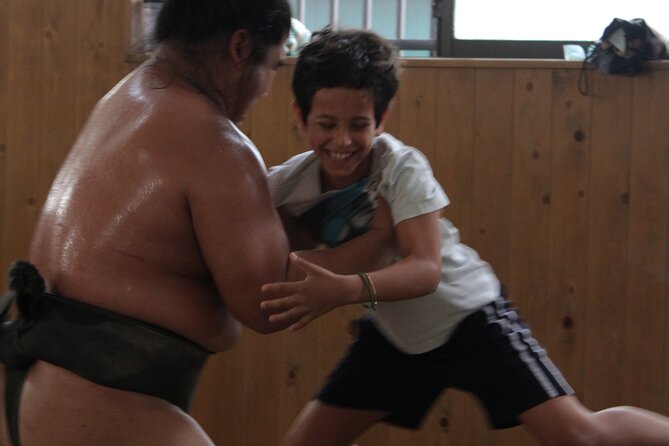
- A real strength test: After practice, you can try to push a sumo wrestler, though moving him is another matter.
- Chanko nabe lunch: Share the traditional stew associated with sumo training, with vegetarian service available if requested at least three days ahead.
- Guides who do more than lead: Ryoko, Haru, Tomer, and other guides explain sumo terms, translate, and help with train connections.
- A half-day outside central Tokyo: The tour lasts about four hours and includes two train rides each way, with ¥1,060 in rail fares not included.
- Small-group feel: The maximum group size is 26, though some departures may be much smaller.
Why a sumo stable beats a stadium seat
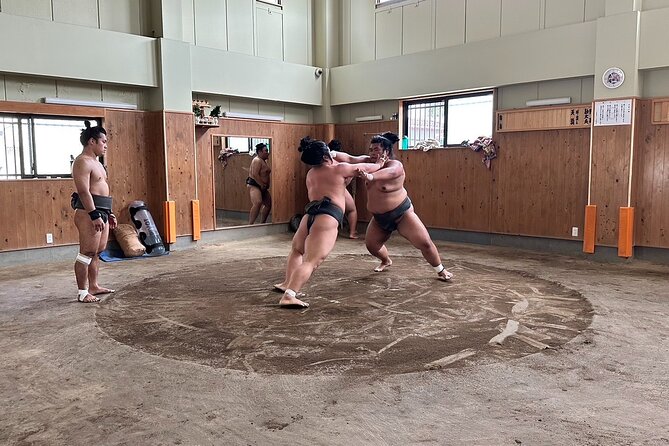
A tournament is polished and dramatic. A stable practice is quieter, closer, and more revealing. You see the repetition, effort, and strict focus that prepare wrestlers for competition. The point is not a staged match for an audience. It is a working session, and that changes how you watch it.
At Asahiyama beya, you sit in folding chairs beside the training space. From there, you can watch the rikishi use force, balance, footwork, and timing. The physical size of the wrestlers catches your eye first, but the training also shows agility and tactics. That is one of the best reasons to book this experience if you know little about sumo.
The guides provide the cultural frame. They explain sumo history, rules, customs, and terms, often beginning during the journey from Ueno. That early briefing matters because practice can look repetitive if you do not know what you are seeing. With context, a stomp, push, or bout becomes part of a larger sporting and religious tradition.
You should also understand the limits. This is not a full tournament, and you are not promised a long public performance. The schedule gives about two hours at the stable, but the actual active practice may be shorter. One family described roughly 45 minutes of training before photos and the hands-on activity, while another participant who arrived late saw only about ten minutes. Plan around the full morning rather than expecting nonstop wrestling.
A few more Tokyo tours and experiences worth a look
7:45 a.m. at Ueno Station
The tour begins at the JR Information area of Ueno Station at 7:45 a.m. Ueno is a practical meeting point, but Tokyo stations can be confusing, especially if you are carrying luggage or arriving from another neighborhood. Give yourself extra time to locate the correct part of the station.
Your guide may be Ryoko, Haru, Tomer, Tammy, or another member of the operating team. Their help begins before you reach the stable. They introduce basic sumo ideas and explain the route, which makes the long transfer more useful than a silent commute.
This is also the point where clear communication matters most. The operator may use WhatsApp for last-minute contact, so check the instructions before the morning of the tour and make sure the phone number connected to your booking can receive messages. Do not treat 7:45 as a loose suggestion. The group may leave soon after the meeting time, and the stable is not close enough for an easy catch-up.
The two-train journey to Kunugiyama
From Ueno, the route takes about 19 minutes by train to Matsudo Station, followed by another train ride of roughly 15 minutes to Kunugiyama. The train fares total ¥1,060 round trip, about $7, and are paid separately.
The transfer is not just dead time. Guides use the ride to explain sumo vocabulary and answer questions. If you are new to the sport, this introduction can make the practice far easier to follow. It also gives you a chance to ask about the wrestlers’ daily lives, customs, and training.
Still, the route adds some work to the morning. You are not walking from a central Tokyo hotel into a nearby arena. You must be punctual, follow your guide, and keep your ticket or fare payment ready. The published duration is about four hours, but delays in rail service or changes in the stable schedule can affect the timing. The operator notes that minor changes may occur because of weather, transportation, or scheduling.
Sitting close to the action at Asahiyama beya
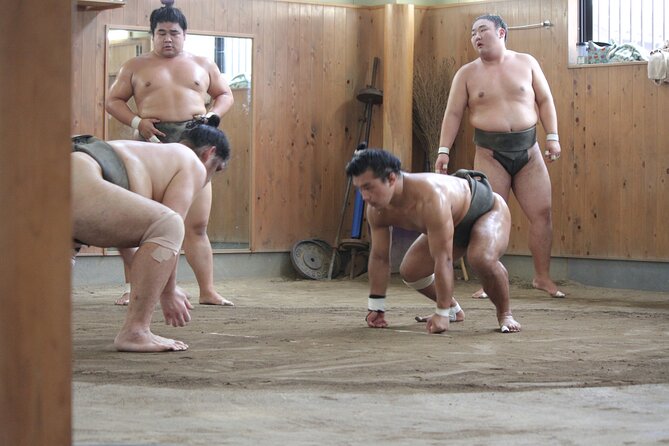
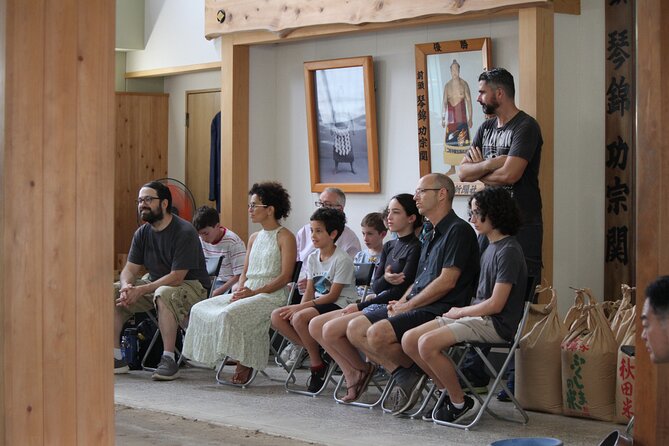
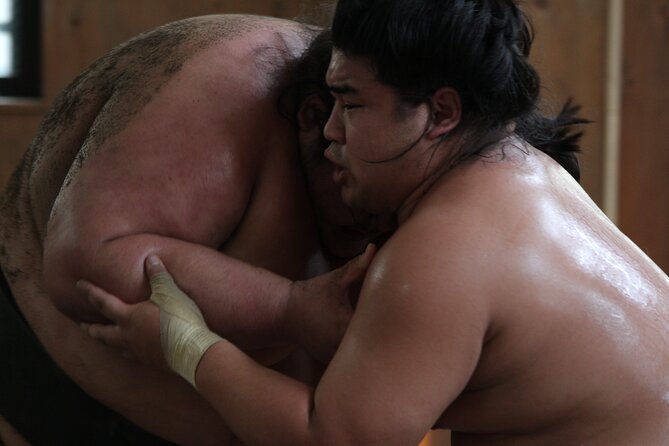
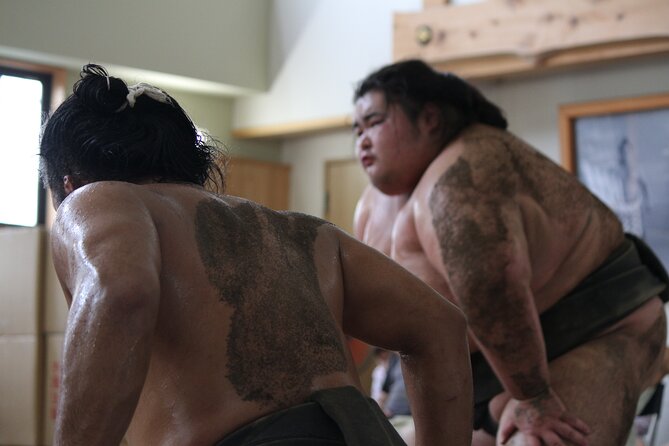
The central part of the experience takes place at Asahiyama beya, a working sumo training stable. You watch from chairs positioned close to the training area, rather than from distant arena seating. That closeness lets you notice the exertion in each movement and the discipline required between bouts.
The stable environment is simple and functional. This is valuable because you are seeing sumo in the place where wrestlers train, not a set designed for tourists. At the same time, you should be ready to follow the stable’s rules. Practice comes first, so keep quiet and watch carefully while the session is underway. The chance to take photos comes at the end, not throughout the active training.
The session can be fascinating for families. Children may not follow every rule, but they can understand the force of the movements and enjoy the later push. Several children, including a ten-year-old and a young boy who tried the activity, found the hands-on part especially memorable. Adults should keep expectations realistic: the fun is trying, not winning.
Your turn to push a rikishi
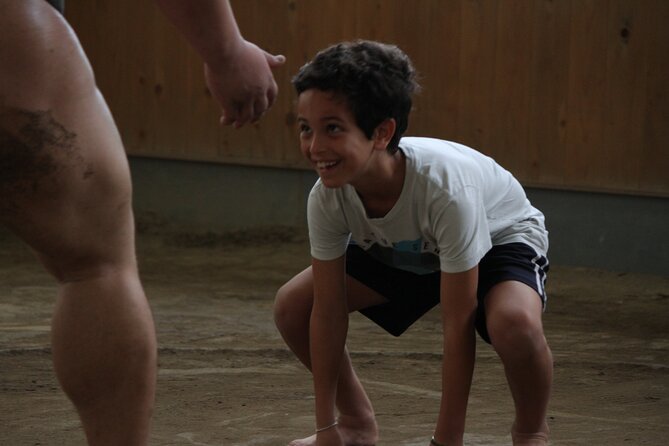
After practice, participants can step forward for a friendly strength test. You try to push one of the wrestlers, and the result is usually decided before you begin. A sumo wrestler can feel less like a person than a very large, immovable object.
This moment works because it follows the serious practice. You have just watched the athletes train with focus, so the lighthearted interaction gives you a new sense of their strength. It also shows another side of the wrestlers. They are described as friendly, gentle, and patient with adults and children, and the atmosphere appears designed for fun rather than embarrassment.
The activity is not a formal bout, and the supplied information does not promise a full wrestling match. Think of it as a brief attempt to move a professional wrestler, followed by photos and conversation. If you have mobility concerns or simply do not want to participate, you can enjoy watching others take their turn. The tour is suitable for most participants, but the physical activity is optional in spirit and should be approached sensibly.



Meeting the wrestlers after practice
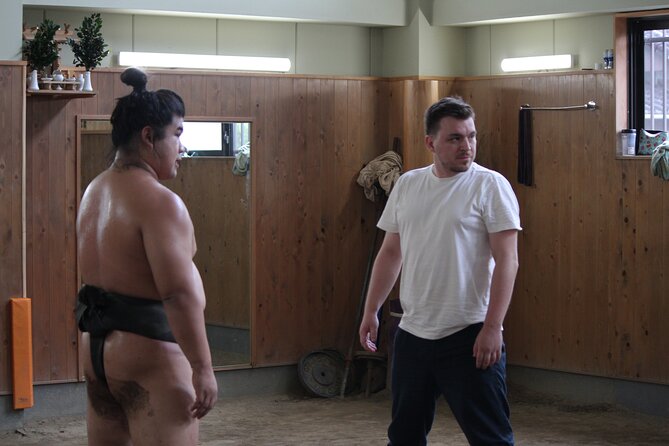
The conversation after training adds value that a quick photo stop would miss. Participants may ask questions about the wrestlers’ lives and individual paths into sumo, with the guide translating when needed. That personal contact helps connect the sport’s rules and traditions to real people.
The guide is important here. Ryoko is repeatedly praised for explaining sumo history and rules in clear terms, while Tomer has translated comments from the stablemaster and given background during the journey. Haru and other guides also help with questions and photos. Their job is not only to move the group from station to station. They help you understand what the stable is showing you.
Keep in mind that the amount of conversation can vary. Some wrestlers speak English, while the guide handles translation for other exchanges. The timing also depends on the stable’s schedule. Practice, photos, questions, and lunch all fit into a morning visit, so this is an introduction rather than an extended cultural seminar.
Chanko nabe: lunch with a purpose
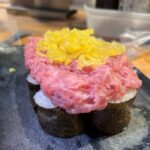
Lunch is chanko nabe, the stew associated with sumo wrestlers. It is commonly described on this tour as a broth with vegetables and chicken, and it is served as part of the stable visit. The meal gives you a practical link to the athletes’ lives: sumo is not only about the bout in the ring, but also about training, food, and routine.
The dish has been a favorite part of the morning for many participants, including one person who joked that the stable should open a restaurant in New York. Another described it as a tasty breakfast stew. You should expect a nourishing, straightforward meal rather than a restaurant tasting menu. That fits the setting and the experience.
Vegetarian service is available, but you must notify the operator at least three days in advance. Do not wait until you arrive at Ueno. The tour includes lunch, but train fares do not, so budget for the ¥1,060 return rail cost in addition to the advertised $105.71 price per person.
Is the $105.71 price fair?
At first glance, this is not a cheap half-day outing. The listed price is $105.71 per person, and you add about $7 for the trains. The value depends on what you want from Tokyo.
If you only want to see sumo, a tournament ticket may be a better fit when one is available. If you want to watch a working practice from close range, receive explanations, try the strength test, meet wrestlers, and eat chanko nabe, the price covers several distinct parts in one morning. The stable access is the key value. It is not the kind of visit you can normally arrange by walking in from the street.
The guides add practical value too. They handle the route to a less familiar part of the city, explain the sport in English, translate questions, and sometimes offer help with onward directions after the tour. That can be especially useful early in a Japan trip, when train connections and station layouts still take effort.
I would book this for someone who values access and context over a low-cost sightseeing stop. I would skip it if you dislike early starts, group transfers, or activities with a set schedule. The tour is also less appealing if your only goal is a long sequence of full bouts, since the training portion may be shorter than the total stable visit.
The early start is the main practical issue
A 7:45 a.m. meeting means you need to organize the night before. Confirm the exact Ueno meeting point, check your route to the station, and make sure you can receive the operator’s messages. The experience provider issues confirmation at booking, but the final morning details still deserve your attention.
One communication problem led to a late arrival and a costly taxi ride of about $70. The participant had reached Ueno at 7:58, but did not receive the stable address until 8:25, arriving near the end of practice. The operator apologized and said the problem was unusual, but the lesson for you is simple: arrive before 7:45 and confirm how the group will contact you.
You should also allow room for changes. Weather, rail conditions, and the stable’s schedule can lead to minor itinerary adjustments. The group size can reach 26, although some departures may be much smaller. A smaller departure may feel more personal, but the operator does not promise a private tour.
Who will enjoy this morning most?
This experience suits first-time sumo spectators particularly well. You do not need a detailed grasp of rankings, rituals, or scoring before you arrive. The guides build that base during the train ride and at the stable, then let you see the physical work for yourself.
Families are a good match. Children can watch the training, ask questions, try the push, and take photos afterward. The activity also works for adults who want a cultural experience beyond temples, shopping streets, and major attractions. You get a look at a part of Japanese sporting life that is usually closed to casual access.
It is less suited to anyone who needs a late morning, dislikes sitting quietly during practice, or expects a theatrical show. The stable is a place of training, and respect for that setting is part of the deal. Wear something comfortable for the train rides and morning visit, and be prepared for a scheduled group outing rather than a flexible day.
What the strongest parts of the experience are
The guides receive the most consistent praise for making the morning work. Ryoko is often singled out for her warmth, clear explanations, and help with the rest of the day’s plans. Tomer is noted for explaining sumo on the train and translating at the stable. Haru and the other guides also help create a friendly bridge between you and the wrestlers.
The second major strength is access. You watch real training from a chair near the action, then meet the rikishi after practice. That combination gives you both the serious side of the sport and the human side.
The third is the way the parts fit together. Train travel, explanation, practice, questions, photos, a strength test, and chanko nabe form a coherent morning. You leave with more than a picture beside a large athlete. You understand a little better how the sport is trained and lived.
The clearest weakness is communication risk around the early meeting. It appears to be rare, but missing the group can cost time and money. Treat the meeting instructions as essential, not optional.
Cancellation and booking details worth knowing
You can cancel for a full refund up to 24 hours before the local start time. Changes made less than 24 hours before the start are not accepted, and cancellations inside that window are not refunded.
The tour requires a minimum number of participants. If the operator cancels because that minimum is not met, you are offered another date or experience, or a full refund. The activity is booked, on average, 23 days ahead, so reserve early if your Tokyo dates are fixed.
Most people can participate, and the tour is near public transportation. The booking includes a mobile ticket. Vegetarian lunch requires at least three days’ notice.
Should you book the Sumo World experience?
I would book this if you want a close, grounded look at sumo rather than a quick photo opportunity. The best parts are specific: front-row training at Asahiyama beya, a chance to test your strength against a rikishi, questions with the wrestlers, and chanko nabe in the stable setting.
Book only if you can manage the early start and two-train journey. Confirm WhatsApp or other contact details, arrive well before 7:45 a.m., and budget the separate ¥1,060 train fare. With those points handled, this is a strong choice for families, first-time sumo fans, and anyone seeking a memorable morning tied to everyday Japanese sport and culture.
FAQ
Where does the tour begin?
The meeting point is the JR Information area at Ueno Station, 7 Chome-1 Ueno, Taito City, Tokyo 110-0005, Japan.
What time does the tour start?
The tour starts at 7:45 a.m.
How long does the experience last?
The experience lasts approximately four hours.
How do I reach the sumo stable?
You travel from Ueno Station by JR train to Matsudo Station, then continue by train to Kunugiyama Station. The train journey takes about 19 minutes to Matsudo and about 15 minutes to Kunugiyama, not including the short station transitions.
Are train fares included?
No. Round-trip JR train fares cost ¥1,060 in total, or about $7, and are paid separately.
Is lunch included?
Yes. Lunch is included and features chanko nabe. Vegetarian service is available if you notify the operator at least three days in advance.
Can I take photos with the wrestlers?
Photography is allowed at the end of the training session. The included experience also provides a chance to take photos with the wrestlers after practice.
Can I try sumo wrestling?
You can try a friendly strength test by pushing against one of the wrestlers. The activity is presented as an informal interaction rather than a full competitive match.
What is the cancellation policy?
You can cancel up to 24 hours before the local start time for a full refund. Cancellations or changes made less than 24 hours before the start are not accepted for a refund.
More Sumo Experiences in Tokyo

More tours in Tokyo we've reviewed





Sumo Experiences, compared.
 ★ 4.8Tokyo: Sumo Show Experience with Chicken Hot Pot and a PhotoFrom $1032 hours
 ★ 4.8Tokyo: Sumo Show and Dining ExperienceFrom $7990 minutes - 2 hours
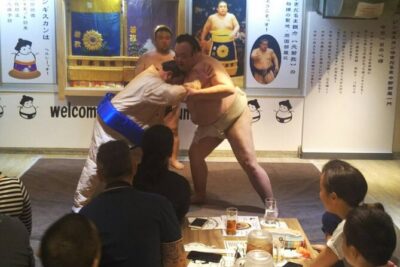 ★ 5.0the SUMO showFrom $89
 ★ 5.0Tokyo Shinjuku Sumo Show & Experience with PhotoFrom $79
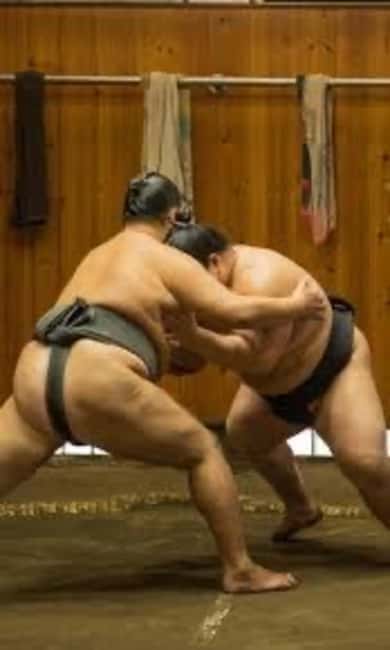 ★ 4.8Tokyo: Sumo Show and Experience in ShinjukuFrom $691h 30m
 ★ 4.6Tokyo: Sumo Tournament Tour with Chair Seat TicketsFrom $141