
Reviewed · SUMO EXPERIENCES
Tokyo: Authentic Sumo Wrestling Experience with Lunch
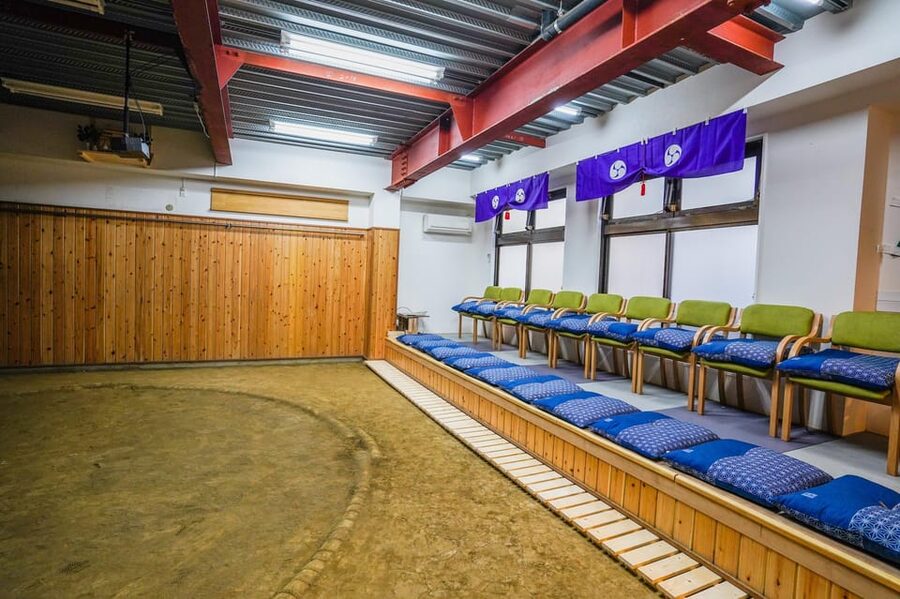
The best part of this experience is the setting: you watch sumo practice from a seat right beside the ring in a real stable that was officially used until 2022. This is not a stadium performance. You see the wrestlers repeat their drills, hear the slap of bodies against the floor, and learn why each movement matters before trying some yourself.
I like the way the tour combines serious sumo training with plenty of room for humor. I also like the lunch, especially the chance to make chicken dumplings for chanko-nabe and sit with the wrestlers while asking questions. The main consideration is physical: the tour includes walking, training movements, and optional wrestling, so it is not a good fit for people with mobility problems, heart conditions, high blood pressure, a cold, or other pre-existing medical concerns.
In This Review
- Key points to know before booking
- Why this sumo experience feels different from a tournament
- Getting to the stable from Shin-Kawasaki
- Inside the former stable: dining room, bath, and practice area
- Morning practice beside the ring
- Learning the rules before the bout
- Chanko-nabe lunch with the wrestlers
- Photos, handprints, and the included T-shirt
- Is $166 a fair price for four hours?
- Who should book, and who should skip it?
- Practical details that can make the morning easier
- Should you book this Tokyo sumo experience?
- FAQ
- Where does the sumo experience meet?
- How long does the activity last?
- Is the tour conducted in English?
- Can I wrestle with a sumo wrestler?
- Is lunch included?
- Can I request a vegetarian meal?
- Is the activity wheelchair and stroller accessible?
- What happens if I arrive late?
- Can I cancel for a full refund?
Key points to know before booking
- Watch practice from the edge of the ring: See how a morning sumo session begins and how wrestlers build strength and technique.
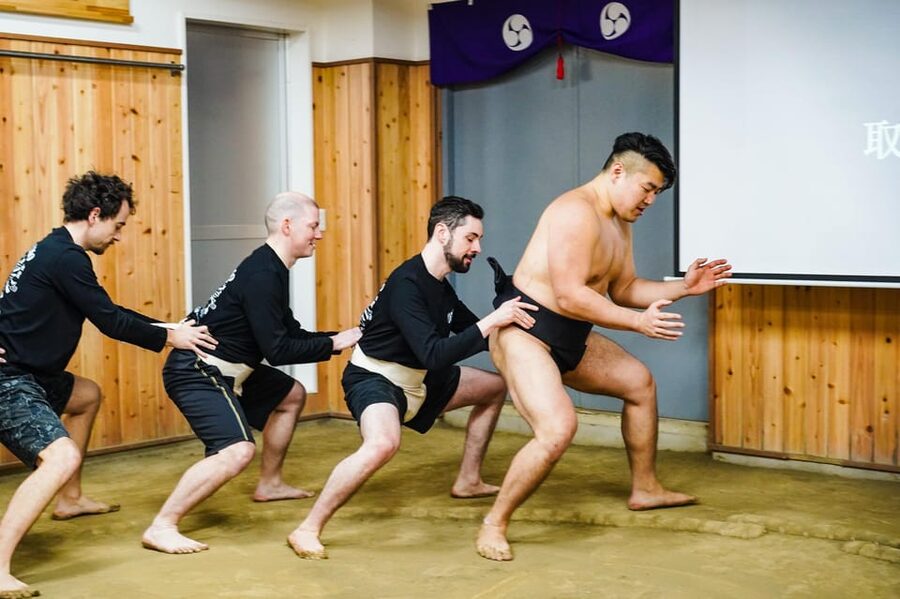
- Try the movements yourself: Your guide explains the stances, pushes, and drills before you take part.
- Wrestle a rikishi if you want: The bout is optional, so you can watch and cheer instead.
- Make chanko-nabe together: Prepare chicken dumplings and eat the hearty sumo-style meal at a table used in the stable.
- Meet at Shin-Kawasaki Station: The meeting point is just outside the only ticket gate, about 10 minutes from Yokohama and 20 minutes from Tokyo by the stated access times.
- Expect useful extras: The price includes a guide, lunch, tour photos, a T-shirt, and a paper handprint memento.
Why this sumo experience feels different from a tournament
A professional sumo tournament gives you the polished public version of the sport. Here, you get a look at the routine behind it. The action begins in the practice area, where wrestlers work through familiar movements again and again rather than staging a bout for an audience.
Your English-speaking guide explains the history, customs, rankings, and daily life of the sumo world. One guide named Masao used a presentation with pictures and videos to explain stances, rules, and the ranking pyramid. Other guides, including Charlie and Mayu, were praised for being friendly and clear. The exact guide may vary, but the experience is designed for people with little or no prior sumo knowledge.
That matters because sumo can look simple at first glance. Two wrestlers push, shove, and try to force one another out of the ring. Once you understand the footwork, balance, legal techniques, and ritual actions, the sport becomes far more interesting.
The stable itself was officially used until 2022. You tour practical parts of the building, including the dining room, bath, and practice area. These details help you understand that sumo is not only a sport. It is a strict way of life built around shared meals, training, rank, and custom.
A few more Kawasaki tours and experiences worth a look

Getting to the stable from Shin-Kawasaki
The meeting point is easy to identify, but you need to arrive on time. Meet just outside the ticket gate at Shin-Kawasaki Station. There is only one gate, and the guide waits in front of Kiyoken, the shumai shop, holding a red or orange Magical Trip sign.
The stated access is about 10 minutes from Yokohama Station and 20 minutes from Tokyo Station. Those times make the tour a practical half-day choice if you are staying in Tokyo or Yokohama, though you should still allow extra time to find the station and reach the meeting point.
Late arrival is a serious issue. If you miss the group, you cannot join later, reschedule, or receive a refund. I would treat the meeting time as firm and arrive early rather than trying to cut the train connection close.
The tour returns to the same Kiyoken meeting point after about four hours. Transportation to the stable is part of the arranged experience according to the stated itinerary, but the most important practical detail is still getting to Shin-Kawasaki Station independently and on time.
Inside the former stable: dining room, bath, and practice area
The first portion gives you a look at the stable as a working home for sumo wrestlers. You see the dining room, bath, and practice space, and your guide explains how these parts connect to the wrestlers’ routine.
The dining room is especially useful to see before lunch. It gives context to the large shared meal later, when you sit around a table that was actually used in the sumo room. The bath and practice area show the less glamorous side of the sport. Sumo training is not just about the few seconds of a match. It depends on a demanding daily structure and shared living arrangements.
The stable was officially used until 2022, so this is not simply a museum recreation. At the same time, you should understand that the activity does not promise a visit to a current tournament venue or a major professional match. Its value comes from access to a training setting and direct contact with the wrestlers.
Morning practice beside the ring
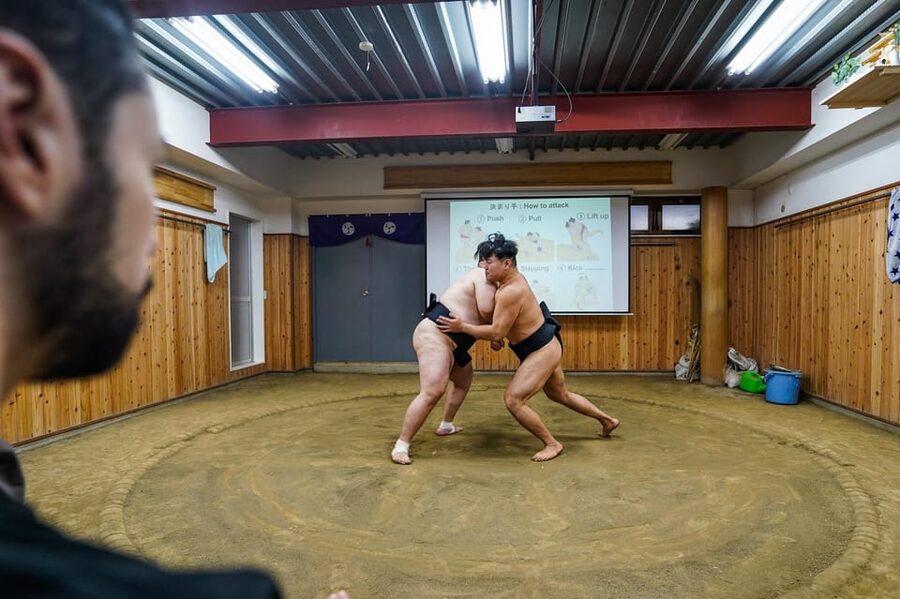
After the tour, you sit directly in front of the sumo ring for morning practice. You see how the session starts, what movements the wrestlers use, and the reasons behind them.
This close view is one of the strongest parts of the four-hour schedule. From a spectator seat in a stadium, you may notice the big throws and fast bouts. At the stable, you can focus on warmups, stances, balance, repeated pushing, and the rhythm of practice.
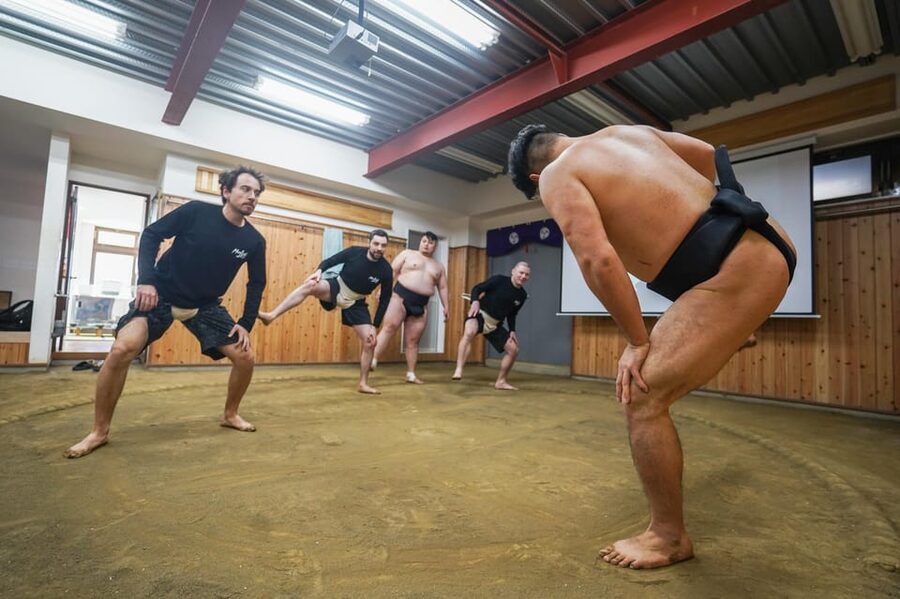
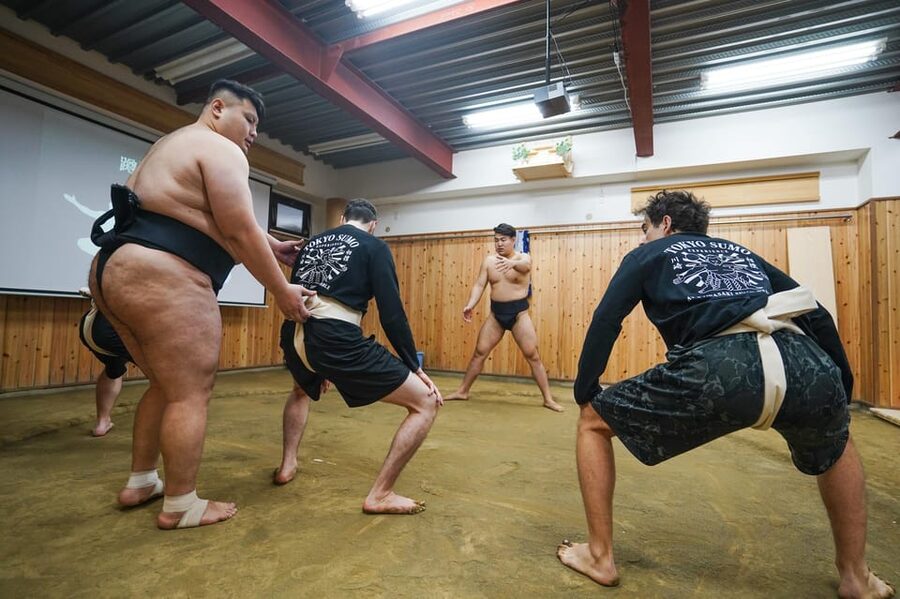
The guide then invites you to try some of the movements. You are not expected to become a sumo wrestler in one morning, but you can feel how much effort even a basic stance demands. The activity is funny, but it is also a useful lesson in balance and strength.
Some visitors found the opening portion a little slow, especially before the tour settled into its main activities. That is a fair point if you prefer nonstop action. I think the slower start makes sense here because the tour needs to explain the customs and setting before asking you to take part.
Learning the rules before the bout
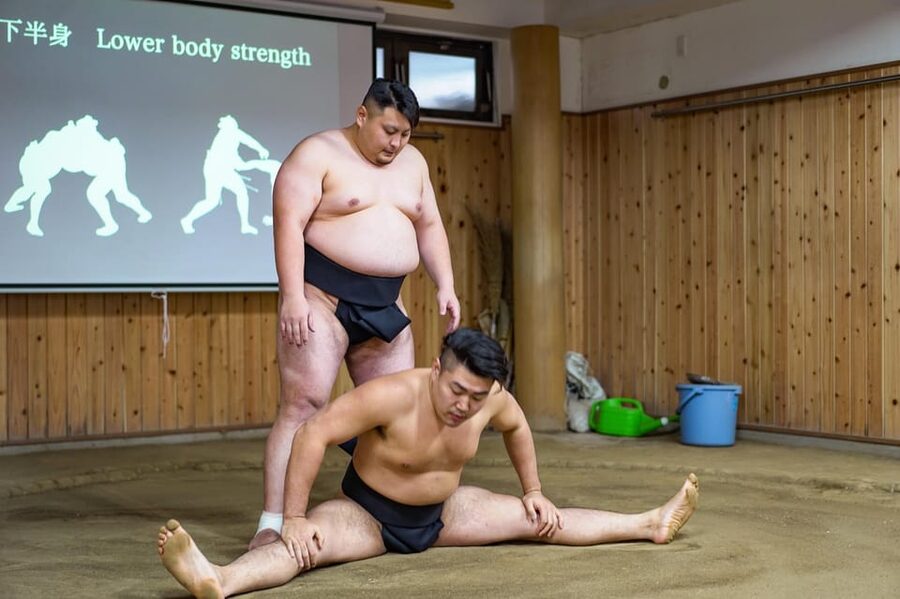
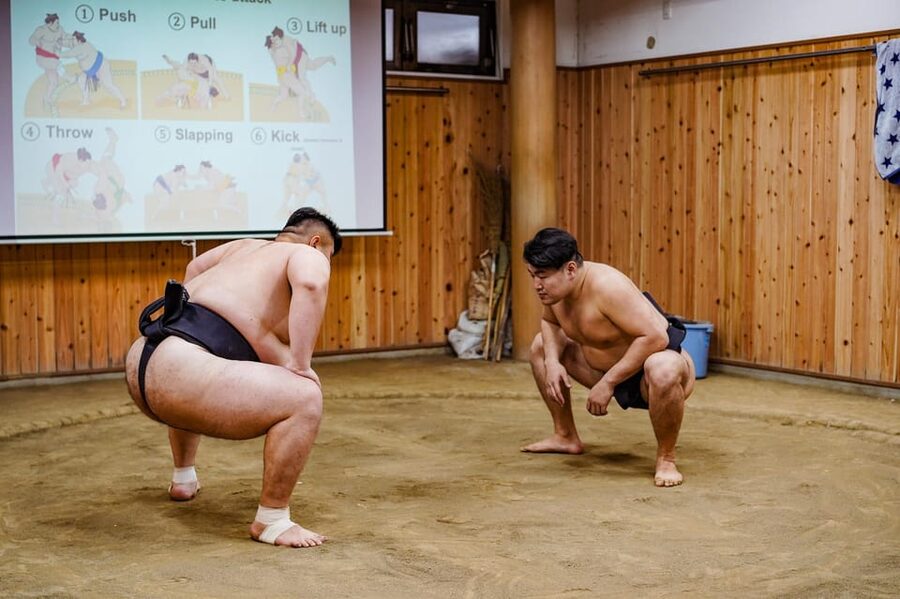
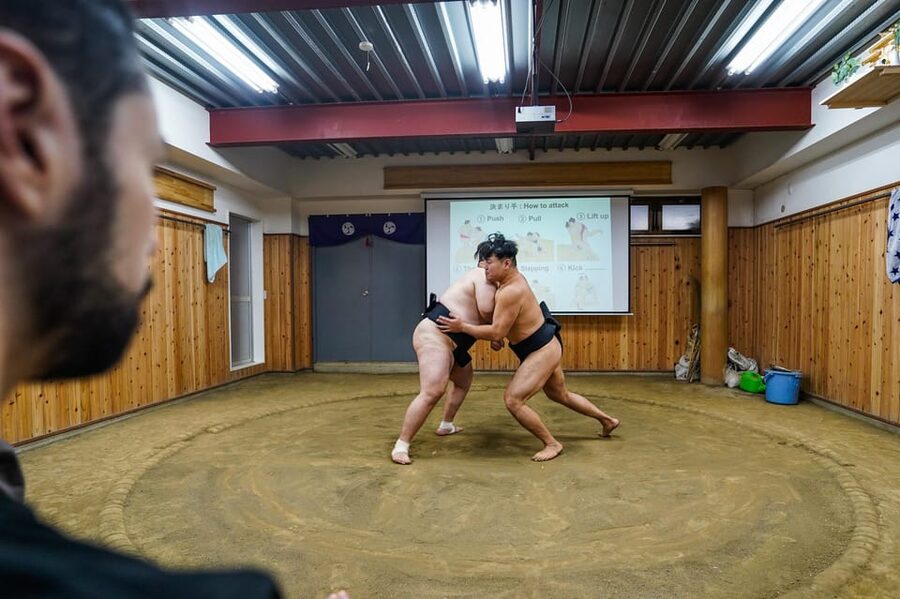
The wrestling portion works best because it comes after the instruction. Your guide explains the rules, moves, and techniques, then the wrestlers demonstrate how a real match begins.
You learn what can happen inside the ring and how a bout is decided. This turns the later participation from a random photo opportunity into a small lesson. You understand why a wrestler shifts position, lowers his center of gravity, or tries to move an opponent toward the edge.
The actual bout with a rikishi is optional. If you want to participate, you can enter the ring and challenge a wrestler as if it were a real match. If you would rather not wrestle, you can watch the demonstrations and support the people who do.
The practical warning is simple: sumo is a physical activity. Even with a gentle approach, you may need to squat, push, brace yourself, and move around the ring. One family described the wrestlers as careful and gentle during the bout, but that should not be taken as a guarantee that the activity suits every body.
Several people found the wrestling both hilarious and humbling. That combination is part of its charm. A short bout lets you feel the scale and strength of a rikishi without pretending that you are competing on equal terms.
Chanko-nabe lunch with the wrestlers
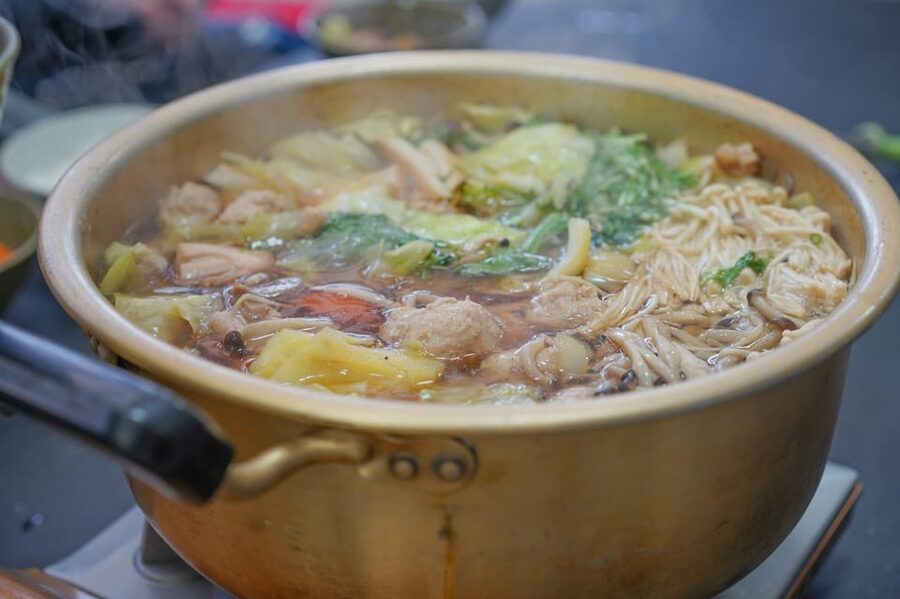
After the practice and bouts, you sit down for chanko-nabe, the filling stew associated with sumo wrestlers. You make chicken dumplings as part of the meal, then eat together around the stable’s traditional table.
The food is more than a convenient lunch. Chanko-nabe helps explain how wrestlers build their large physiques and why communal cooking matters in the stable. One participant singled out the soup as among the best they had eaten in Japan, while others found the meal delicious and satisfying.
Lunch also changes the pace. The morning begins with watching and movement, then shifts to conversation. You can ask the wrestlers about sumo and take photographs with them. Their friendly and funny manner is a repeated strength of the experience, especially for families and first-time visitors.
Dietary requests must be made at least one day in advance. A vegetarian meal was arranged when requested ahead of time, but the operator cannot guarantee an allergy-free meal because the food is prepared in kitchens it does not control. Same-day requests may not be possible, and substitutions cannot be promised at every stop.
Additional food and drinks are not included. For most people, the included lunch should be enough to make the four-hour experience feel complete, but keep that exclusion in mind if you want anything beyond the planned meal.
Photos, handprints, and the included T-shirt
The tour includes photos and a T-shirt, which adds value if you want a physical reminder of the day. You can also make a paper handprint connected with one of the wrestlers.
Some sessions include photographs in yukata or kimono, plus a handprint and other small mementos. The exact presentation can vary, so I would think of these as welcome extras rather than the main reason to book.
There is one possible downside. One participant felt the experience ended with a sales pitch for a T-shirt and kimono. If you dislike shopping pressure, be prepared to decline politely. The included T-shirt is part of the stated package, but extra merchandise may be offered separately.
Is $166 a fair price for four hours?
At $166 per person, this is not a cheap way to fill a morning. The value depends on what you compare it with.
You are paying for access to a former sumo stable, an English-speaking guide, direct viewing of practice, instruction, optional participation, lunch with the wrestlers, photos, and a T-shirt. A standard sightseeing tour can explain sumo from the outside, but it cannot easily give you a seat beside the practice ring or a shared meal with rikishi.
I think the price is easier to justify if sumo is high on your Japan wish list. It is also a strong choice for a family or couple that wants one activity combining culture, food, conversation, and a little physical comedy. If you only want to watch a professional tournament bout, this is not the most direct use of your budget.
The four-hour length sounds long on paper, but the schedule has several distinct parts: the stable tour, practice viewing, movement demonstrations, optional wrestling, lunch, questions, and photographs. One person found the first part slow but said the time passed quickly once the activities began.
Who should book, and who should skip it?
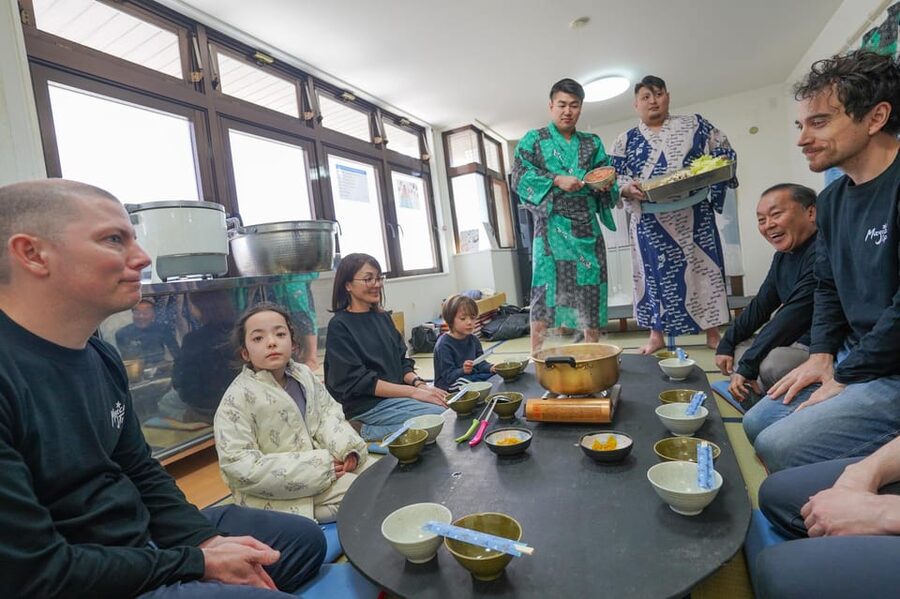
I would recommend this to first-time sumo watchers, families, couples, and anyone who wants an activity with real participation rather than a lecture. You do not need to understand the rules in advance. The guides explain the sport step by step, and the wrestlers help keep the mood relaxed.
It also suits people who enjoy meeting local specialists over a meal. The lunch conversation is one of the best chances to ask questions that a stadium visit cannot answer.
I would skip it if you have mobility problems or walking difficulties. The tour includes locations that are not accessible by wheelchair or stroller, and the operator specifically recommends a private tour for people with walking problems. It is also not suitable for people with heart problems, a cold, high blood pressure, or pre-existing medical conditions.
You should also skip it if you are uncomfortable with close-contact activity. The match is optional, but the tour still includes watching and trying some training movements.
Practical details that can make the morning easier
Book with the station meeting point in mind, not just the stable address. Find Shin-Kawasaki Station in advance, locate the single ticket gate, and look for Kiyoken directly outside it.
Give dietary information at least one day before the tour. Do not wait until the morning, since same-day requests cannot be accommodated.
Wear something that allows comfortable movement. The information does not specify a dress code, but you should expect to try sumo exercises and possibly enter the ring. If you plan to participate, clothing that allows you to squat and push is more sensible than restrictive travel clothes.
The tour is conducted in English. Cancellation is free up to two days in advance for a full refund, but that protection does not cover arriving late and missing the group.
Should you book this Tokyo sumo experience?
Book it if you want more than a quick photograph beside a sumo costume. The strongest parts are the close morning practice, the plain explanations of sumo customs, the chance to try the movements, and the relaxed lunch with the wrestlers.
The $166 cost is substantial, but the package includes several experiences that are difficult to arrange independently. I would especially choose it for a first visit to Japan, a family celebration, or anyone who has always wanted to test their strength against a rikishi.
Skip it if you need full wheelchair or stroller access, have health concerns, or mainly want to watch an official tournament. For everyone else, this is a lively and unusually personal way to understand why sumo is both a sport and a demanding shared way of life.
FAQ
Where does the sumo experience meet?
Meet just outside the only ticket gate at Shin-Kawasaki Station, in front of the Kiyoken shumai shop. The guide holds a red or orange sign marked Magical Trip.
How long does the activity last?
The experience lasts about four hours and returns to the same meeting point at Shin-Kawasaki Station.
Is the tour conducted in English?
Yes. The activity includes a live English-speaking guide.
Can I wrestle with a sumo wrestler?
Yes, participants who wish to do so can enter the ring and have a bout with a sumo wrestler. Taking part is optional.
Is lunch included?
Yes. Lunch includes chanko-nabe, and you can make chicken dumplings as part of the meal. Additional food and drinks are not included.
Can I request a vegetarian meal?
You can submit dietary requests or allergy information at least one day before the tour. A vegetarian option was provided for a request made in advance, but allergy-free preparation and substitutions cannot be guaranteed.
Is the activity wheelchair and stroller accessible?
Some locations on the tour are not accessible by wheelchair or stroller. The activity is not recommended for people with mobility problems, and a private tour is recommended for people with walking difficulties.
What happens if I arrive late?
You cannot join, reschedule, or receive a refund if you miss the group because you are late. The tour starts on time, so arrive at Shin-Kawasaki Station before the meeting time.
Can I cancel for a full refund?
Yes. You can cancel up to two days in advance for a full refund.
More Sumo Experiences in Kawasaki
More tours in Kawasaki we've reviewed
Sumo Experiences, compared.
 ★ 4.8Tokyo: Sumo Show Experience with Chicken Hot Pot and a PhotoFrom $1032 hours
 ★ 4.8Tokyo: Sumo Show and Dining ExperienceFrom $7990 minutes - 2 hours
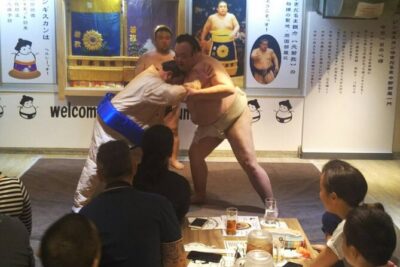 ★ 5.0the SUMO showFrom $89
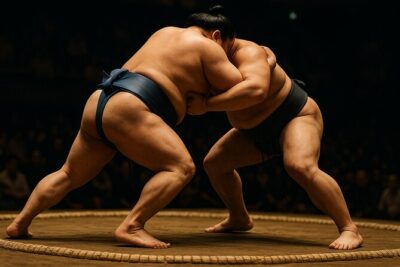 ★ 5.0Tokyo Shinjuku Sumo Show & Experience with PhotoFrom $79
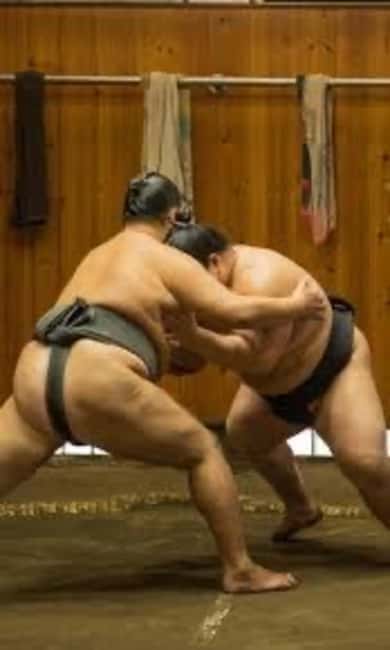 ★ 4.8Tokyo: Sumo Show and Experience in ShinjukuFrom $691h 30m
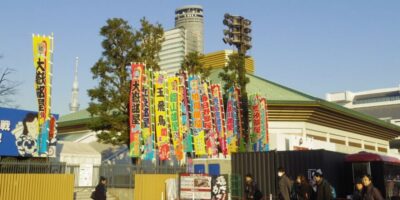 ★ 4.6Tokyo: Sumo Tournament Tour with Chair Seat TicketsFrom $141