
Reviewed · TEA CEREMONY & MATCHA
At an Antique Shop, Tea Ceremony and Japanese Sweets Forming
The unusual setting is the main event here. You make Japanese sweets and take part in a tea ceremony inside a 100-year-old roadside antique shop, not in a plain apartment room. The shop has even attracted CNN, which gives you a sense of its local character and unusual appeal.
I like two things right away: you can select the teacup used for your matcha, including pieces several hundred years old, and the sweets activity is hands-on without requiring cooking or art skills. The main consideration is communication. Your host is a Japanese artisan who may not speak English fluently, though the experience is conducted in English and questions are welcome.
In This Review
- Key points to know before booking
- Why this Tokyo tea experience feels different
- Arriving near Nippori Station
- Starting with Nerikiri wagashi
- Choosing an antique teacup
- Moving into the chair-friendly tea room
- What the five-star feedback tells you
- Who should book this experience
- Practical details that affect the value
- Is this $57 Tokyo experience worth booking?
- FAQ
- Where does the tea and wagashi experience take place?
- How far is the venue from Nippori Station?
- What kind of Japanese sweet will I make?
- Do I need cooking or craft experience?
- Can I choose the teacup used during the ceremony?
- Do I have to sit on the floor?
- What is the minimum age?
Key points to know before booking
- A century-old shop replaces the usual classroom: Browse antique tableware before the activity begins.
- You form Nerikiri wagashi by hand: Use colored mochi-based materials to create a seasonal design.
- Your teacup is part of the experience: Choose from antique cups, some several hundred years old.
- The tea room uses chairs: You do not have to sit on the floor for the ceremony.
- Nippori Station is about 10 minutes away: The exact address arrives after booking.
- The experience is for ages 13 and up: It is not suitable for wheelchair users or people with vertigo, epilepsy, or a cold.
Why this Tokyo tea experience feels different
Many Tokyo tea activities take place in a rented room or a standard cultural classroom. This one begins in a working antique tableware shop, where shelves and displays provide the backdrop. That setting changes the mood before anyone prepares tea.
I like that you are given time to look around first. The shop is not just a convenient venue. Its old dishes and cups give you a visual introduction to the objects used in Japanese food and tea culture. You can see how much attention Japanese craftsmanship gives to shape, surface, age, and seasonal design.
The shop was also interviewed by CNN, a detail that helps explain why this experience has a stronger sense of place than a generic class. You are visiting a real, long-established shop rather than a room dressed up for tourists.
The program costs $57 per person. That is more than a simple matcha tasting, but you are paying for several connected parts: the sweets materials, tools, facility, tea, instruction, and use of the shop and tea room. You also receive a small cultural lesson in how wagashi and tea work together.
A few more Tokyo tours and experiences worth a look

Arriving near Nippori Station
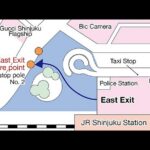
The meeting point is about 10 minutes from Nippori Station. You receive detailed location information after making the reservation, so you should not expect to simply walk up without checking your booking details.
Nippori is a useful base for this kind of activity because the experience is away from the most polished tourist venues. The short walk matters, especially if you are planning this between sightseeing stops. Give yourself extra time to find the shop, since late arrival does not extend the scheduled activity.
On arrival, take a few minutes to inspect the antique tableware. This is one of the better details in the program because it lets you settle in at your own pace. You can look closely at the objects before choosing the cup that will later hold your matcha.
If you are an antique lover, the shop may also tempt you to buy a piece. Purchases are not included in the $57 fee, so treat them as an optional extra rather than part of the activity.
Starting with Nerikiri wagashi
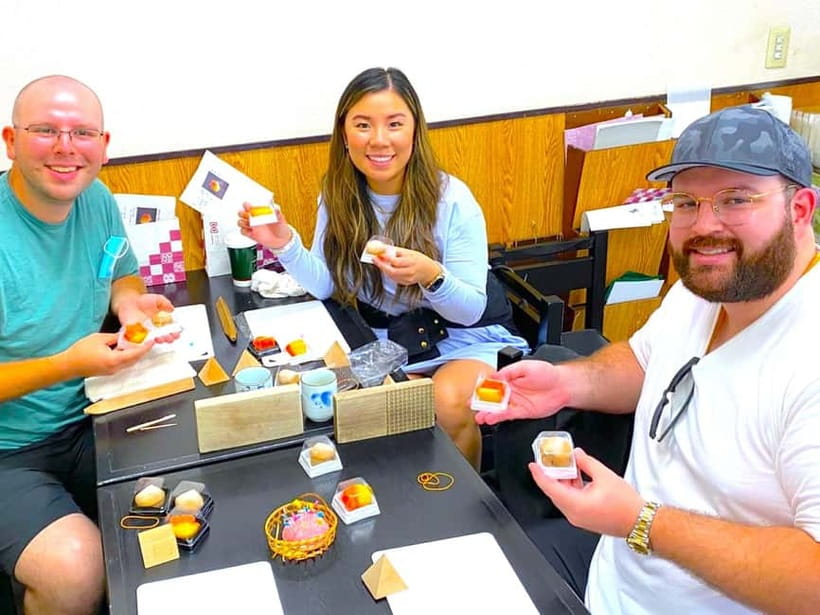
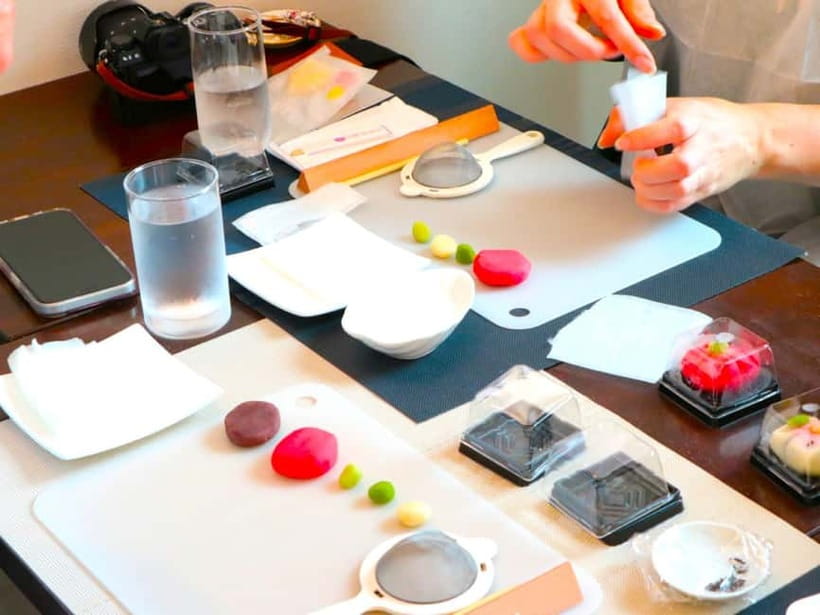
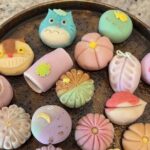
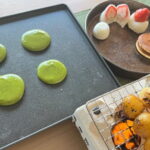
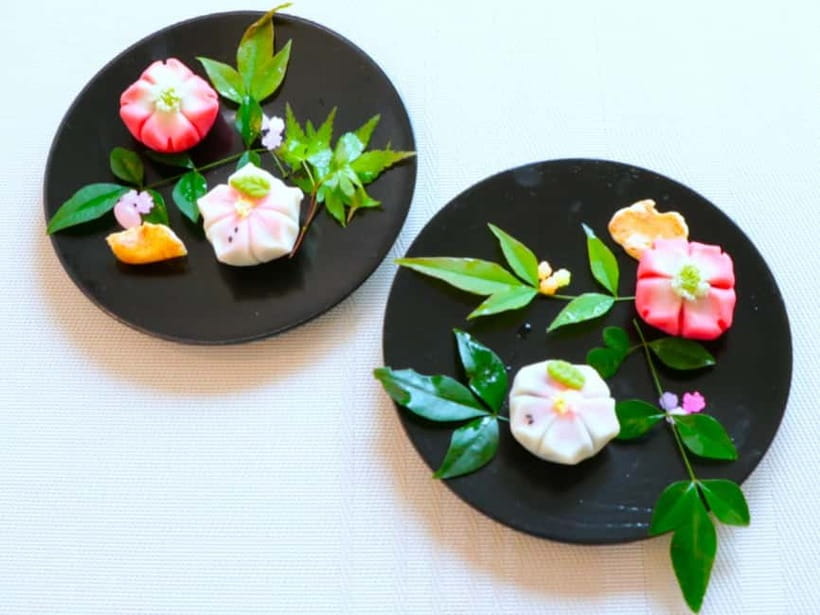
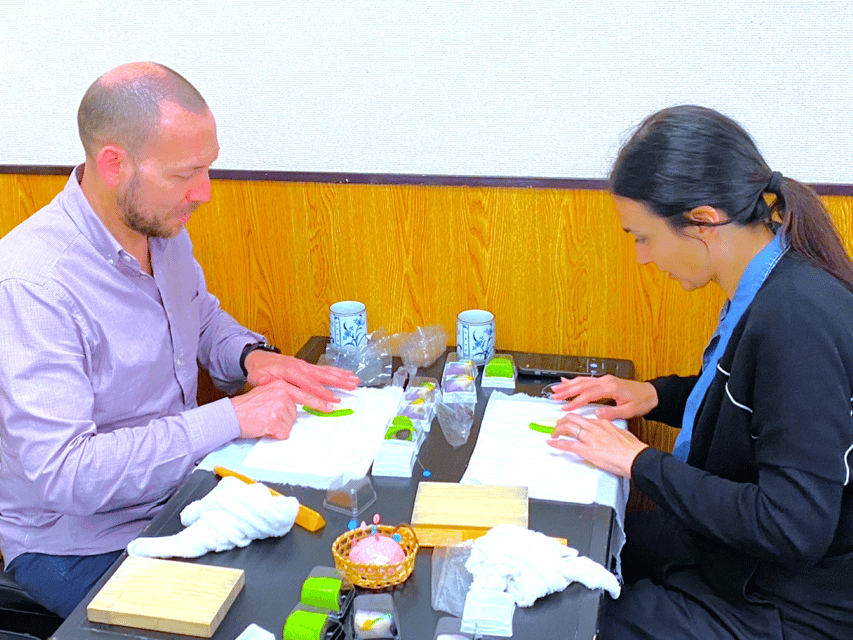
The sweets portion focuses on Nerikiri, a Japanese wagashi made with a mochi-flour-based material. The activity is presented as a kind of colorful clay work. You work with several colored portions, shape them by hand, and combine them into the design chosen for that day.
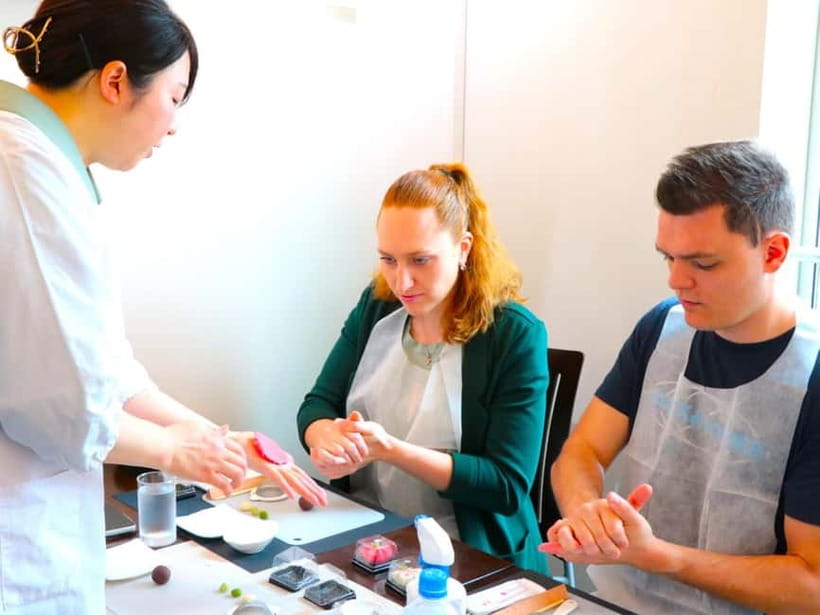
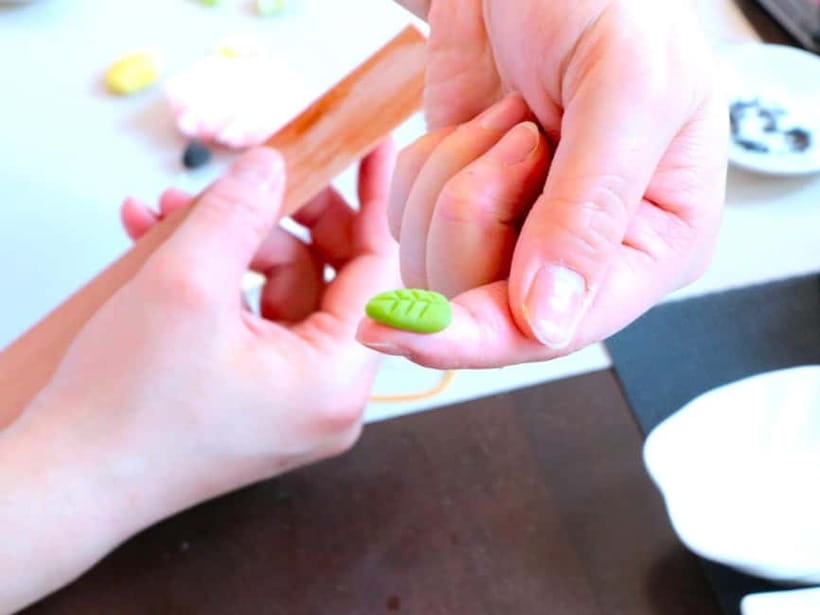
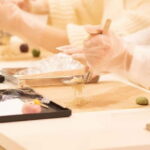
This is a smart format for beginners. You do not need prior pastry training or strong artistic ability. The host guides you through the process, helping you form the dough and add fine lines with tools. The goal is not simply to make something edible. It is to show seasonal Japanese beauty through color, shape, and small details.
That seasonal focus gives the activity more meaning than a standard cooking class. Japanese sweets often change appearance with the time of year, and the finished shape is meant to suggest something from nature or the season. The exact design is not specified in advance, so your finished sweet will depend on the date of your visit.
You should expect to work carefully rather than quickly. Nerikiri rewards patience. Press too hard and the shape can lose its clean edges; handle it gently and the design begins to appear. The host’s role is important here, especially for showing how to use the tools without making the process feel difficult.
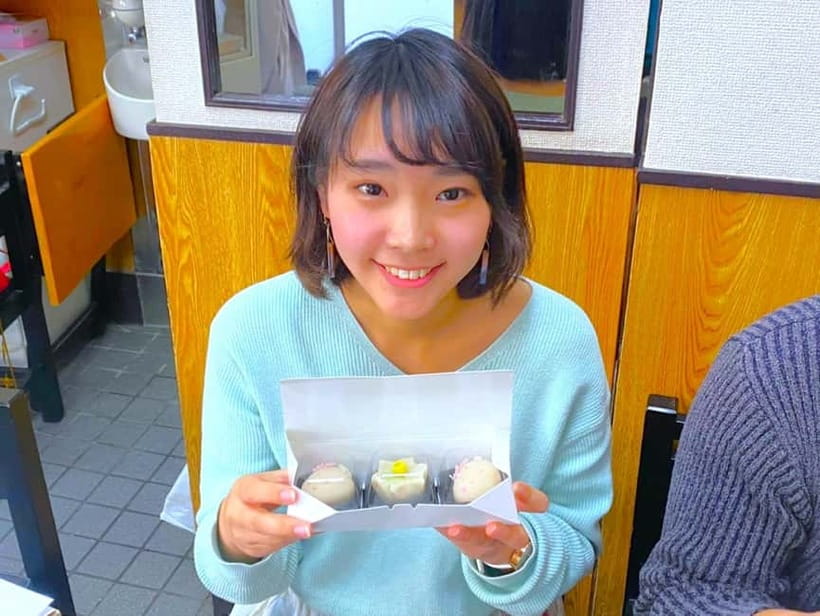
The strongest part of this section is its accessibility. One participant described the sweets work as excellent and praised the instructor’s friendly help despite English not being his first language. That is useful guidance: you can ask questions, but you should also be comfortable with demonstrations and simple instructions rather than expecting a long English lecture.
Choosing an antique teacup
After making the wagashi, you choose the teacup for the tea portion. Some cups are several hundred years old, which makes this more than a decorative choice.
The cup gives you a direct connection to the antique shop. You are not only looking at old tableware behind glass or on a shelf. You are selecting the object from which you will drink the matcha. That small decision makes the tea service more personal and gives you a reason to look at the cups closely.
You may notice differences in glaze, shape, size, and decoration. The supplied information does not specify how many cups are available or how the selection works, so you should think of this as an opportunity to choose from the shop’s permitted collection, not a promise that every antique piece can be handled.
This is also the point where the $57 price begins to make more sense. A basic sweets workshop could be cheaper, but the antique setting and cup selection add an object-based history to the activity. For someone interested in Japanese ceramics, this may be the part that justifies the cost.
Moving into the chair-friendly tea room
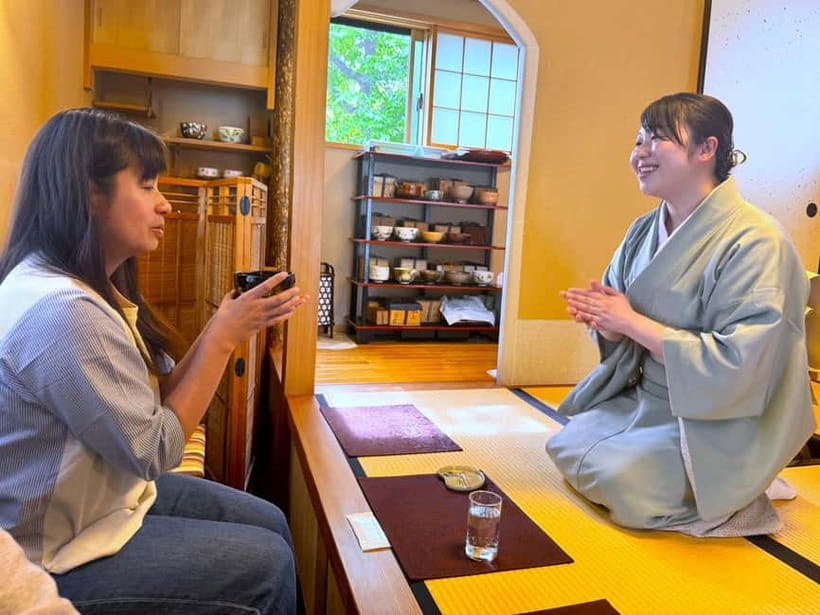
The tea ceremony takes place in a dedicated tea room, but the room is arranged so you can sit in a chair. That is a practical touch. Traditional tea ceremonies can involve sitting on the floor, which is uncomfortable for some people and difficult for others. Here, you still experience the formal serving of matcha without that physical demand.
The host serves your wagashi first, followed by real matcha made from powdered green tea. The sweets are not an afterthought. Wagashi is traditionally paired with bitter matcha because its sweetness balances the tea. Eating your own handmade sweet before drinking the matcha lets you notice that contrast directly.
The tea itself is described as special, real matcha rather than a sweetened green tea drink. Expect an earthy, slightly bitter flavor. If you usually order sweetened tea beverages, this may be stronger and less familiar. That is part of the point, but it is worth knowing before you book.
The host welcomes questions during the ceremony. Conversation is treated as an important part of the experience, so you are encouraged to ask about the tea, the sweets, the objects, or the steps you have just seen. This makes the program more than a silent demonstration.
At the same time, the host is an artisan rather than a polished commercial presenter. English is available, but fluent, detailed explanations cannot be guaranteed. I would approach this with patience and curiosity. Watch the demonstrations, ask short clear questions, and allow the objects and gestures to carry some of the meaning.
A few more Tokyo tours and experiences worth a look


What the five-star feedback tells you
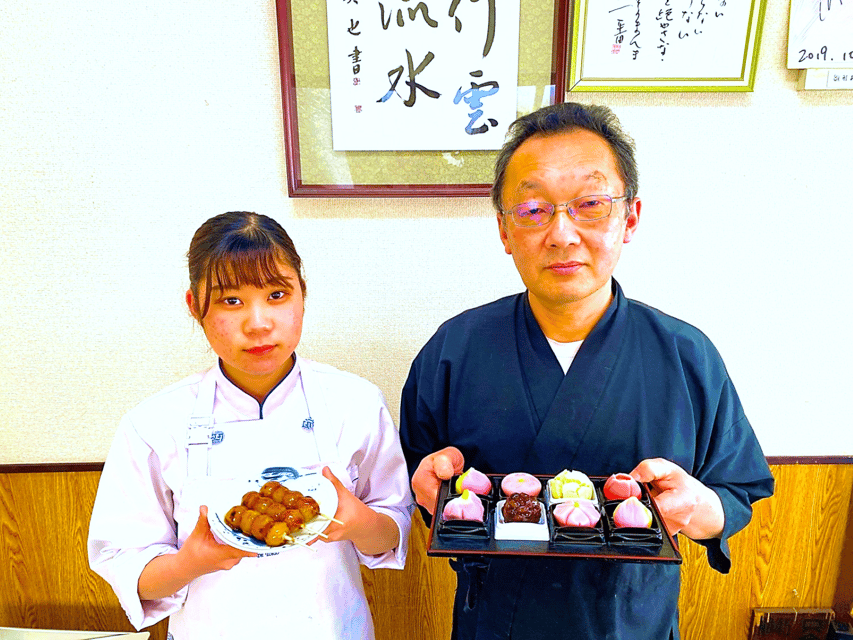
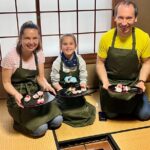
The strongest praise focuses on the calm pace, the sweets activity, and the instructor’s personal care. One participant described the experience as both teaching and calming, which fits the structure: you spend time looking at objects, work slowly with your hands, then sit with tea and sweets.
Another point of praise is that the host takes time to make the experience feel personal. That matters in a small cultural activity. You are not being moved through a large group from one station to the next. The information provided does not give a maximum group size, so I cannot promise a private booking or a particular number of participants, but the format is built around direct guidance.
The sweets are repeatedly singled out as a success. If you like making things, you will probably get the most from the Nerikiri section. It has a clear result, but it does not require you to be a skilled cook.
The tea ceremony is valued for showing how the tradition works, not just for serving a cup of green tea. You can see the order of the service, eat the confection, and ask questions. That combination makes the ceremony easier to understand than simply watching a formal performance from a distance.
Who should book this experience
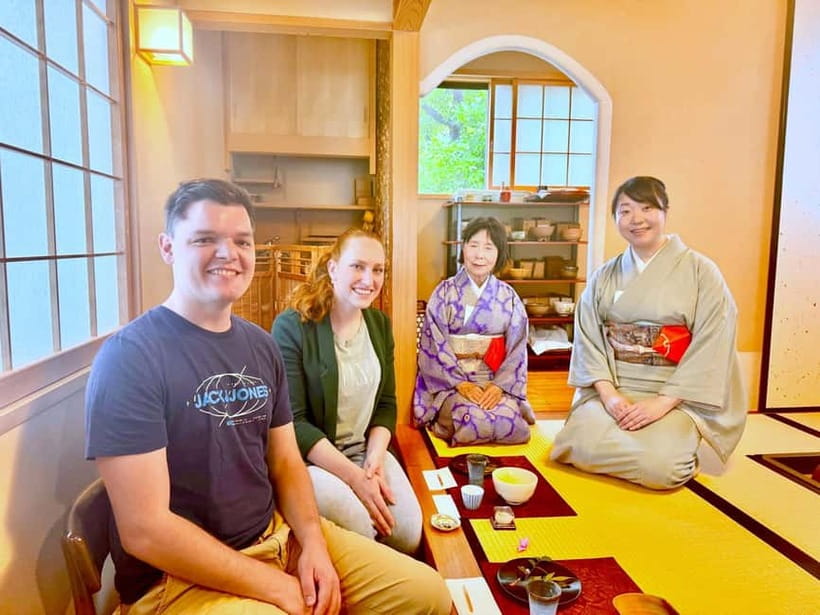
I would recommend it to adults and older teenagers who want a quiet cultural activity with a strong connection to handmade objects. It suits people who enjoy Japanese ceramics, traditional sweets, tea, craft work, or small local businesses.
It also works well for first-time visitors who want something beyond Tokyo’s major sights. You do not need to know tea etiquette in advance. The host guides you through the process, and the sweets activity gives you something active to do before the more observational tea ceremony.
This is not the best choice for young children. Participants must be at least 13, and anyone under 18 must attend with an adult. Baby strollers and baby carriages are not allowed, so families with younger children need another plan.
You should also skip it if you use a wheelchair, have vertigo or epilepsy, have a cold, or feel unwell. People under the influence of alcohol or drugs will not be admitted and will not receive a refund. Bare feet, smoking, chewing gum, and intoxication are also prohibited.
Practical details that affect the value
The experience ends at the same place where it starts. That makes it easy to connect with a nearby meal or another activity, though you should plan around the fixed schedule because a late arrival will shorten your time.
English is the listed language. Still, the host’s limited English fluency is an important consideration. If you want a long, academic explanation of tea history, this may not be the right program. If you are happy to learn through demonstration, simple conversation, and close attention, the language difference should be manageable.
The activity does not include antique tableware purchases. That is good to know because the shop may offer tempting pieces. Set a spending limit before you arrive if you are likely to leave with a cup or dish.
Cancellation is free up to seven days before the experience. Anyone entering the venue without taking part must still pay a fee, so do not assume that a friend or family member can wait inside at no cost.
Is this $57 Tokyo experience worth booking?
Book it if you want a small-scale activity that combines hands-on wagashi making with a real tea setting. The old shop, the choice of an antique teacup, and the chair-based tea room give it more character than a standard matcha demonstration.
I would be more cautious if your main goal is fluent English instruction, a highly formal tea performance, or an activity suitable for children. The artisan host may communicate simply, and the program is designed for participants who are willing to take part rather than only watch.
For the right visitor, $57 is fair. You receive a sweet you helped create, matcha, use of the tools and rooms, and time in a shop with genuine age and character. If Japanese sweets and tableware interest you, this is a thoughtful way to spend part of a Tokyo day near Nippori Station.
FAQ
Where does the tea and wagashi experience take place?
It takes place in a 100-year-old roadside antique tableware shop in Tokyo, with the tea ceremony held in a dedicated tea room.
How far is the venue from Nippori Station?
The experience site is approximately 10 minutes from Nippori Station. Detailed location information is provided after reservation.
What kind of Japanese sweet will I make?
You will make Nerikiri, a Japanese wagashi made with a mochi-flour-based material. You shape several colored portions by hand into the design selected for the day.
Do I need cooking or craft experience?
No. The activity is designed to be easy and is compared with working with colorful clay. The host provides guidance throughout the forming process.
Can I choose the teacup used during the ceremony?
Yes. You can choose the teacup you use, and some of the available tableware is several hundred years old.
Do I have to sit on the floor?
No. The tea room is designed for the ceremony to be experienced while sitting in a chair.
What is the minimum age?
Participants must be at least 13 years old. Anyone under 18 must be accompanied by an adult.
More Dessert Tours in Tokyo
More Tea Ceremony & Matcha in Tokyo
More tours in Tokyo we've reviewed







Tea Ceremony & Matcha, compared.
 ★ 5.0Matcha Making Class in Tokyo with Authentic Japanese Sweets SetFrom $21
 ★ 5.0Tokyo: Traditional Tea Ceremony with a Tea MasterFrom $381 hour
 ★ 4.5Dynamic Tokyo: Tokyo Tower, Tea Experience, Bay Cruise Day TourFrom $99
 ★ 4.9Tokyo: Matcha Making Experience with Mochi Sweets in AsakusaFrom $221 hour
 ★ 4.7Tokyo: Matcha and Kimono ExperienceFrom $57
 ★ 5.0Tea Ceremony Workshop in Tokyo by the Experienced InstrucorFrom $38